
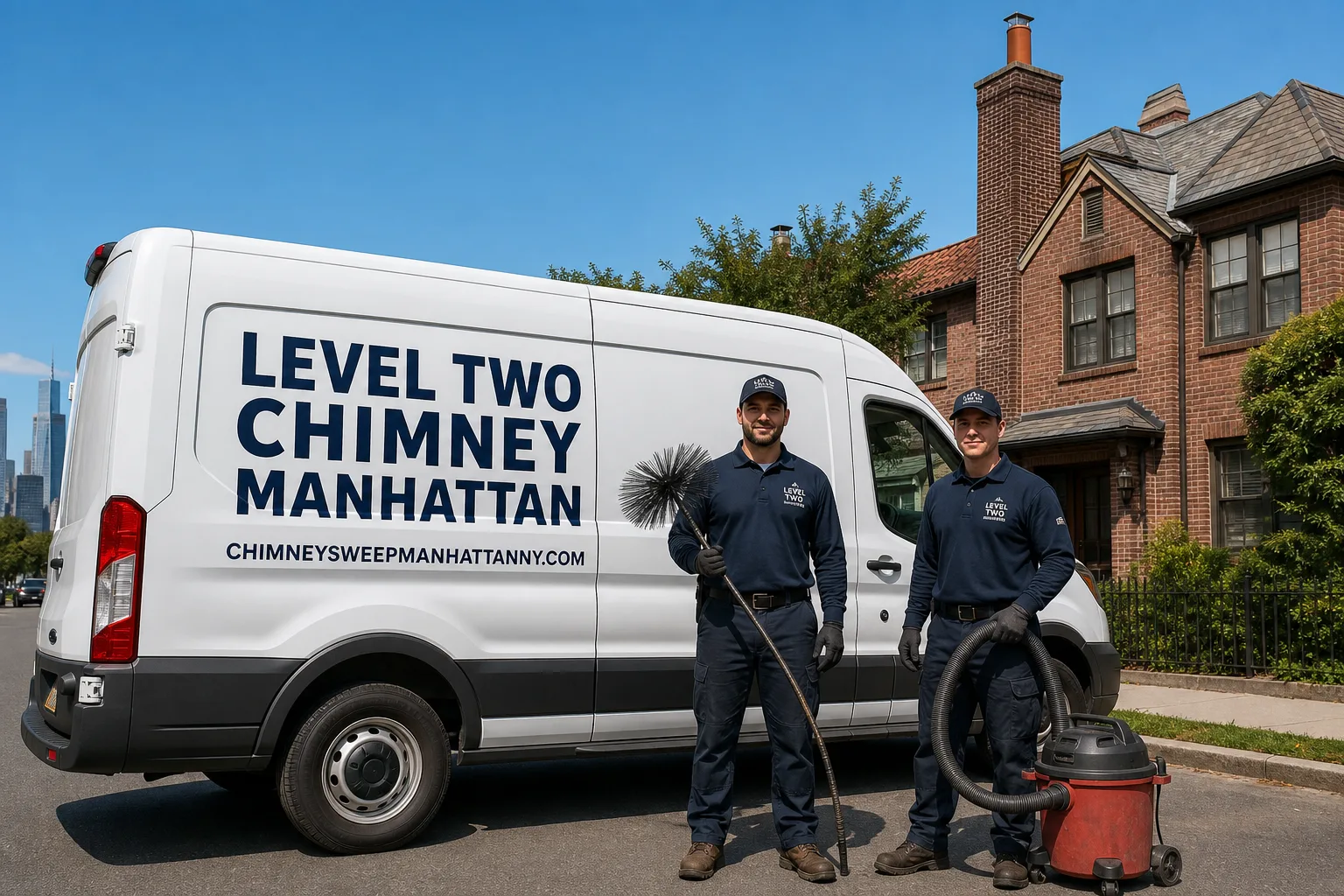
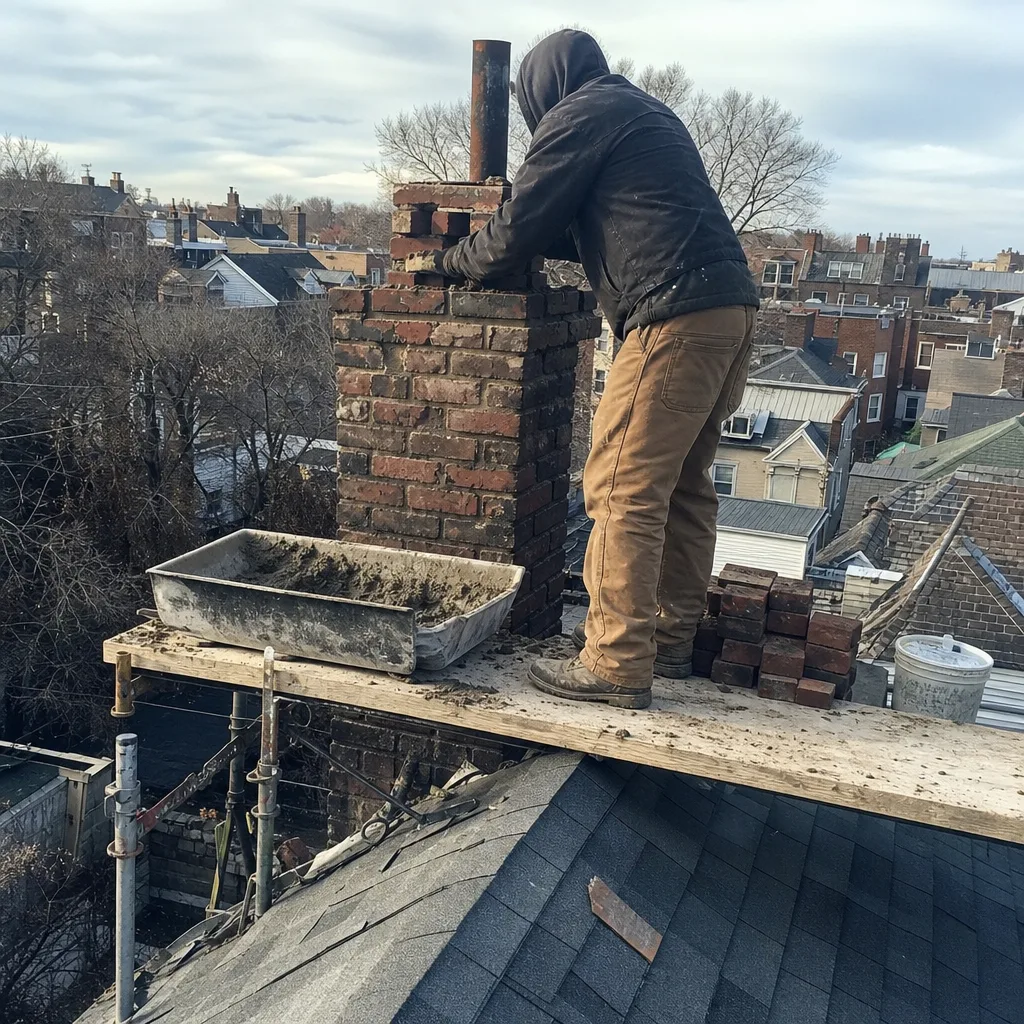
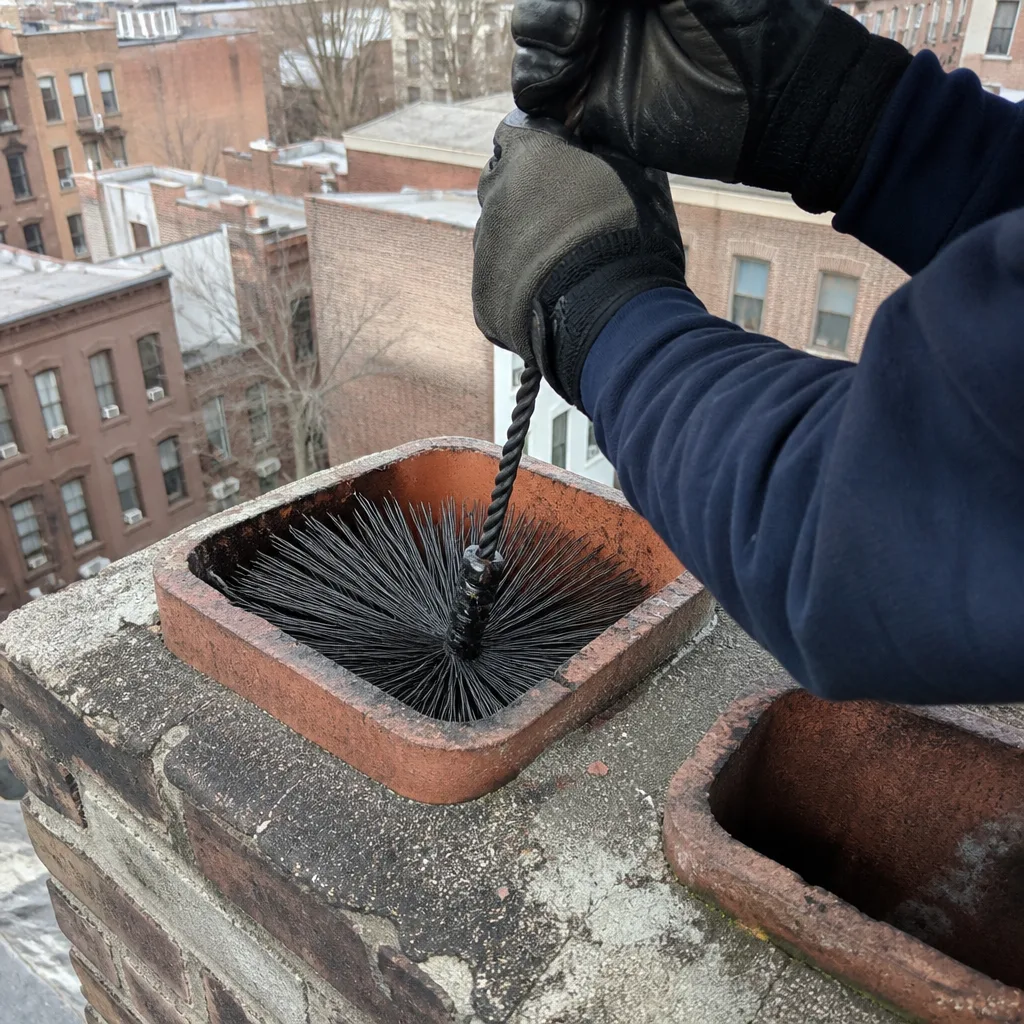
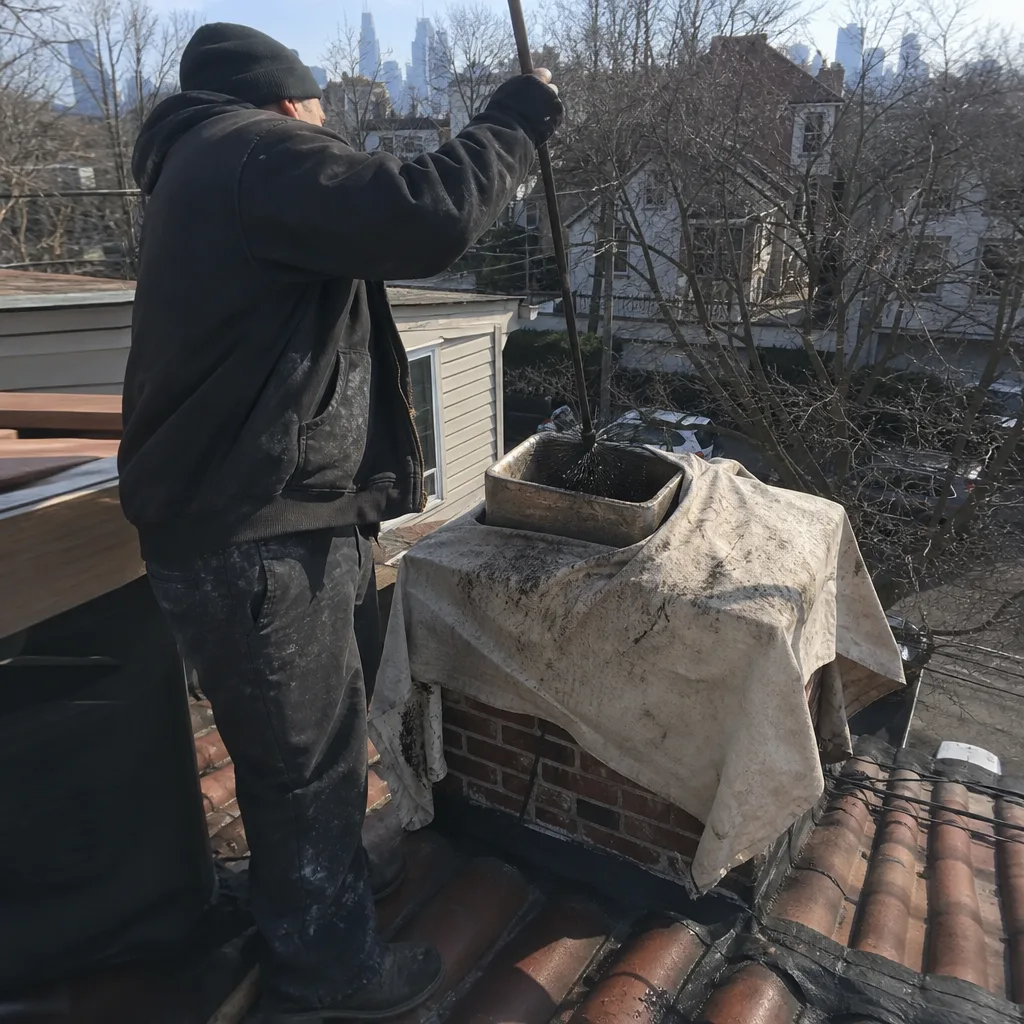
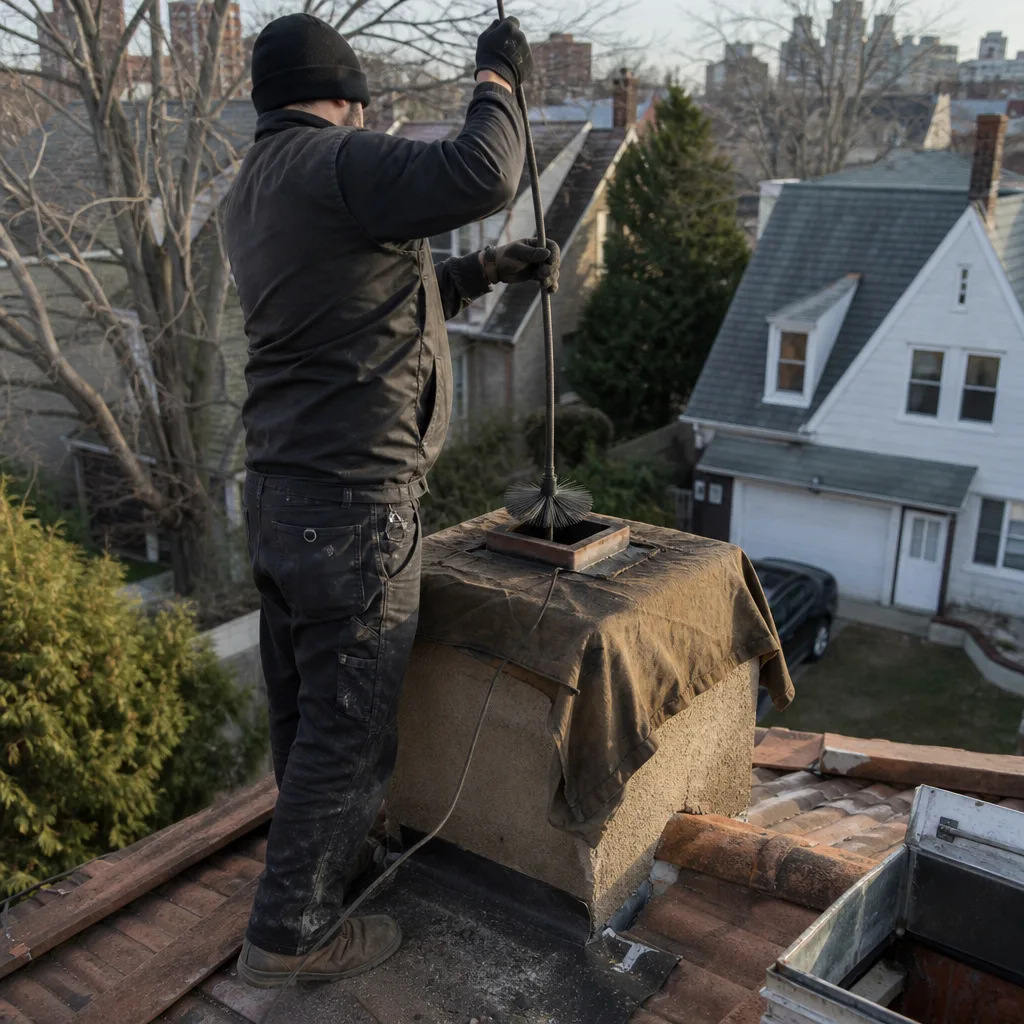
Level 1 sweep and inspection to the NFPA 211 annual standard - flue, crown, cap, and flashing checked and photographed
Chimney sweep logs do not sweep chimneys. They loosen some creosote - which then falls where a brush and vacuum still have to collect it.
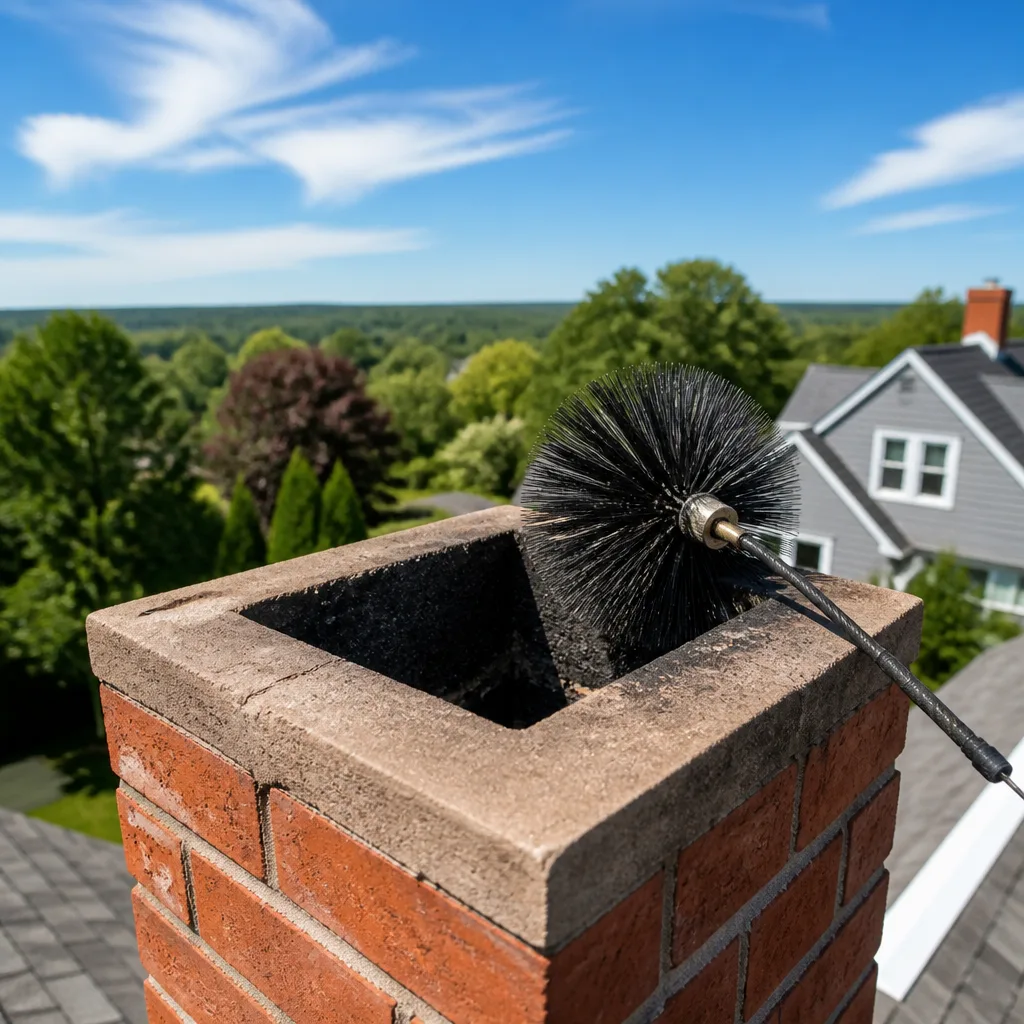
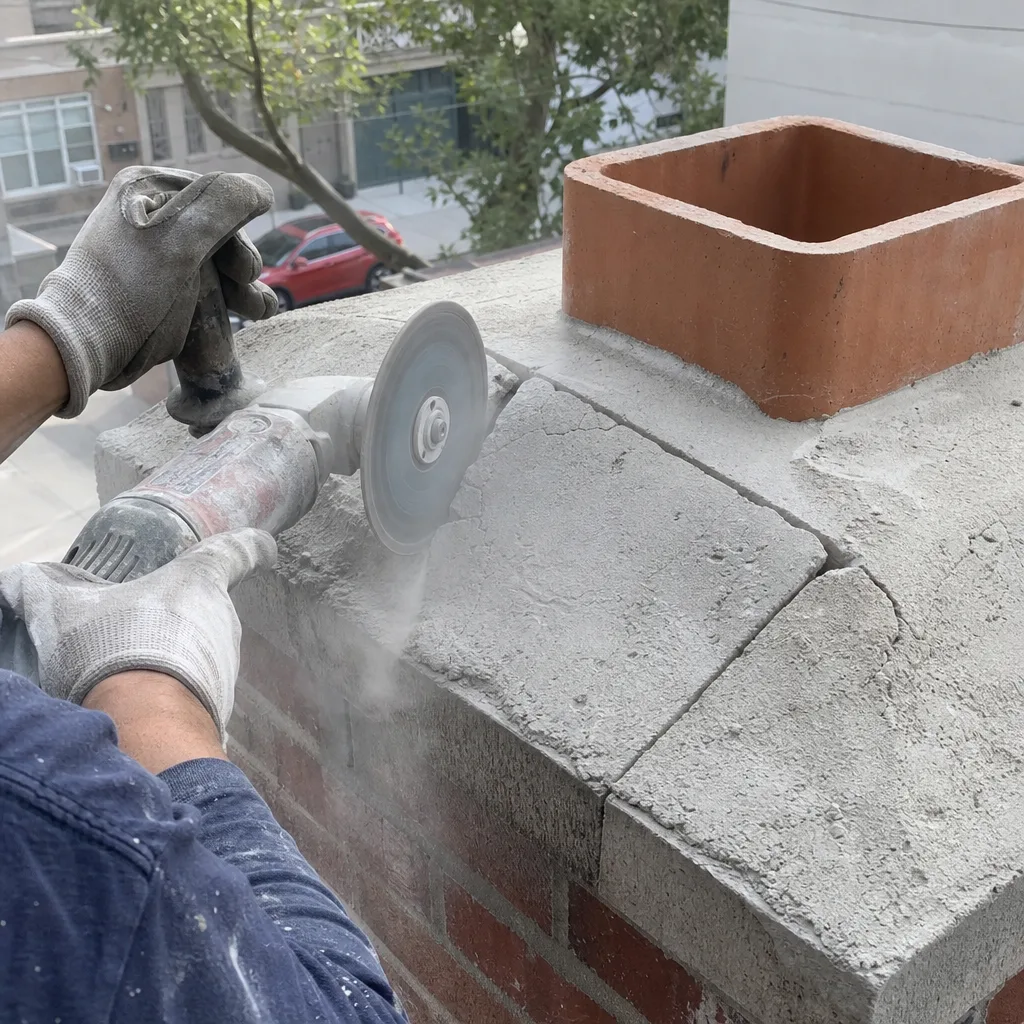
Caps & crowns
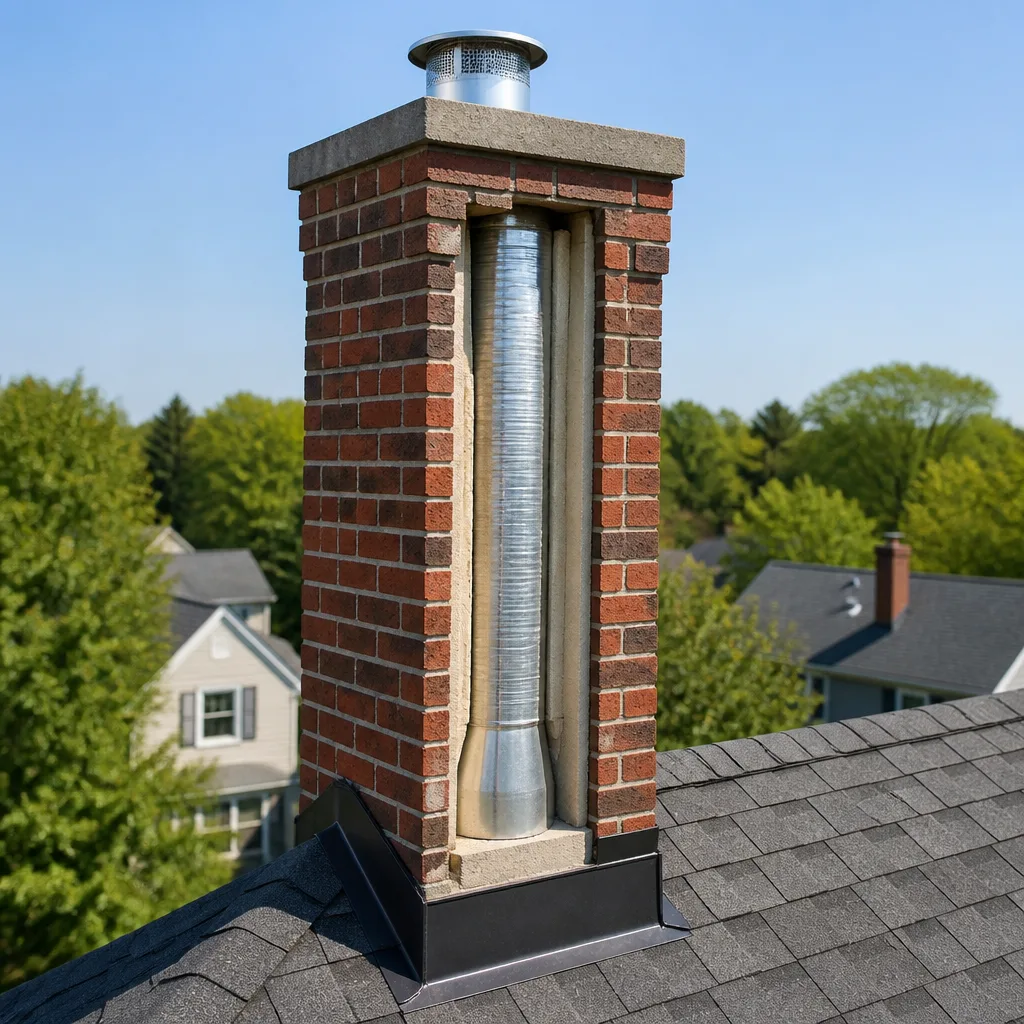
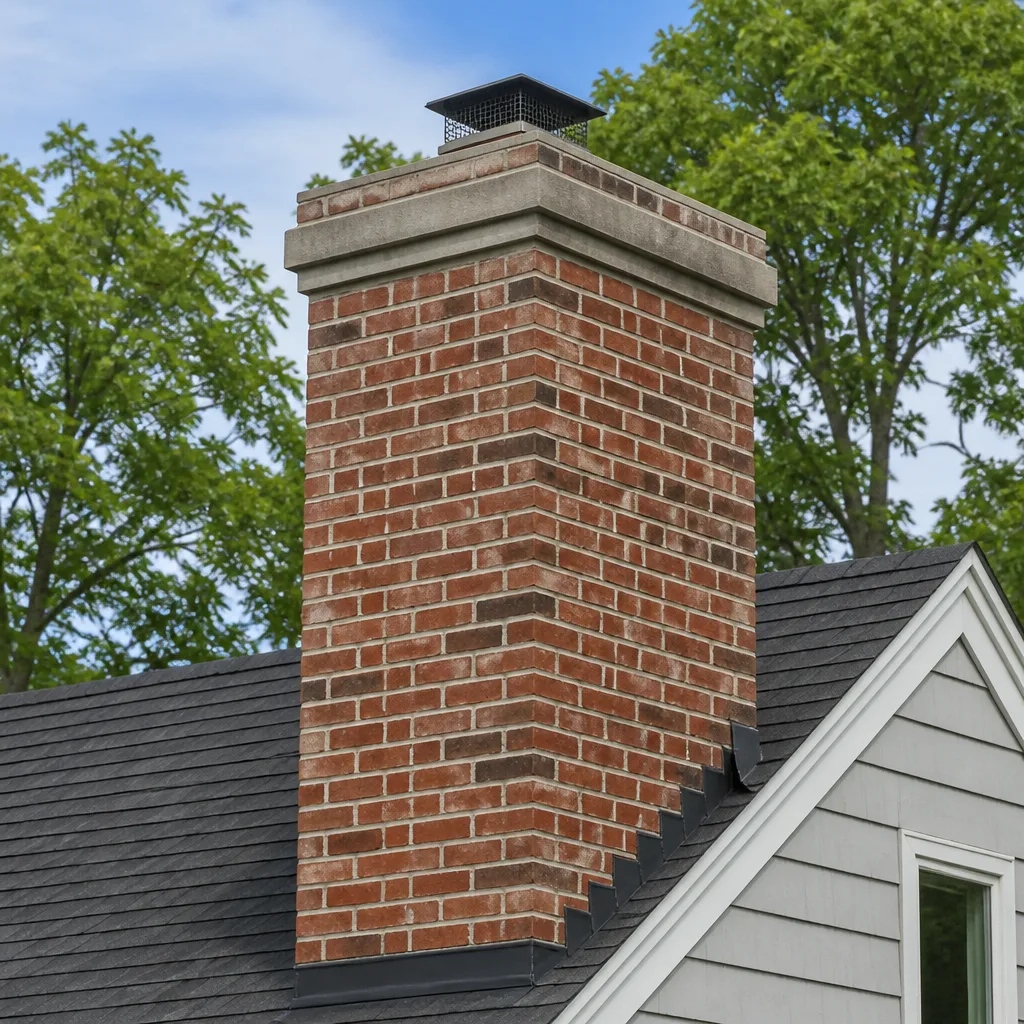
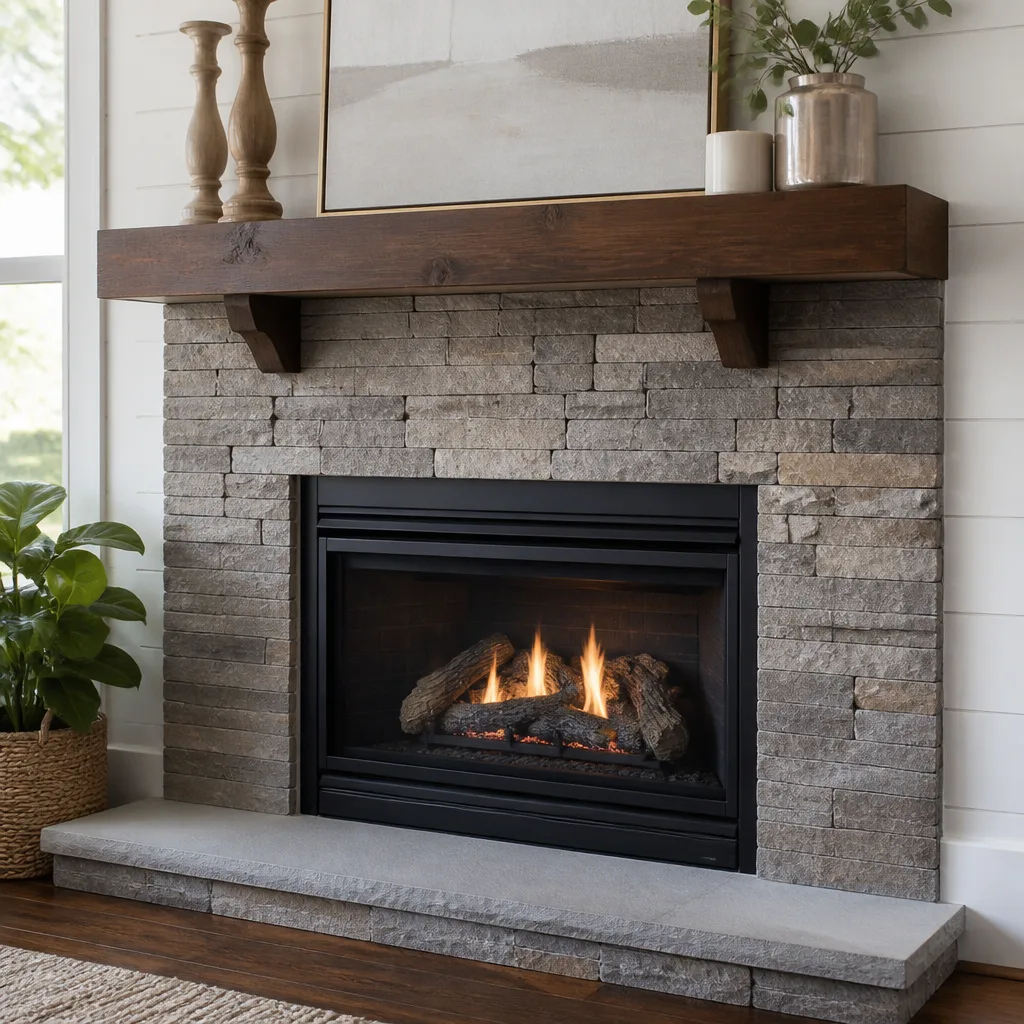
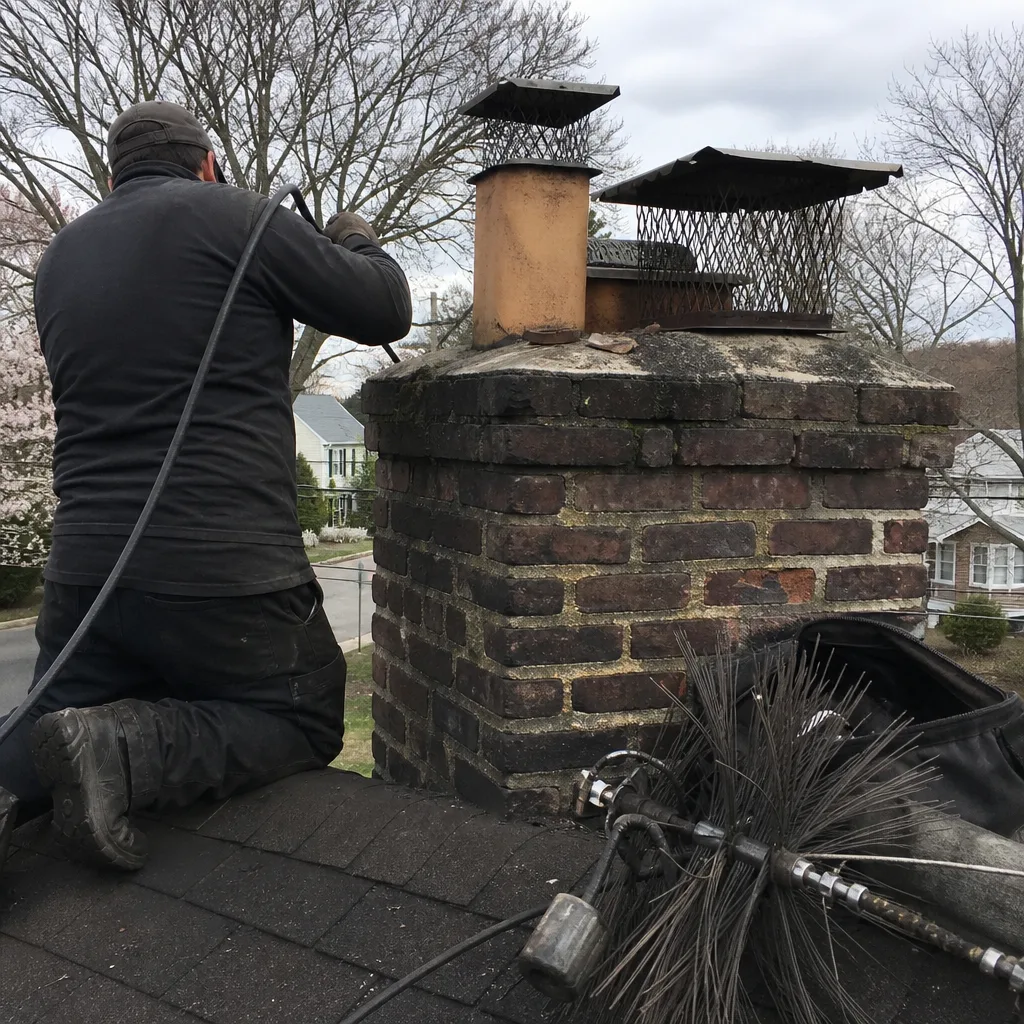 Before
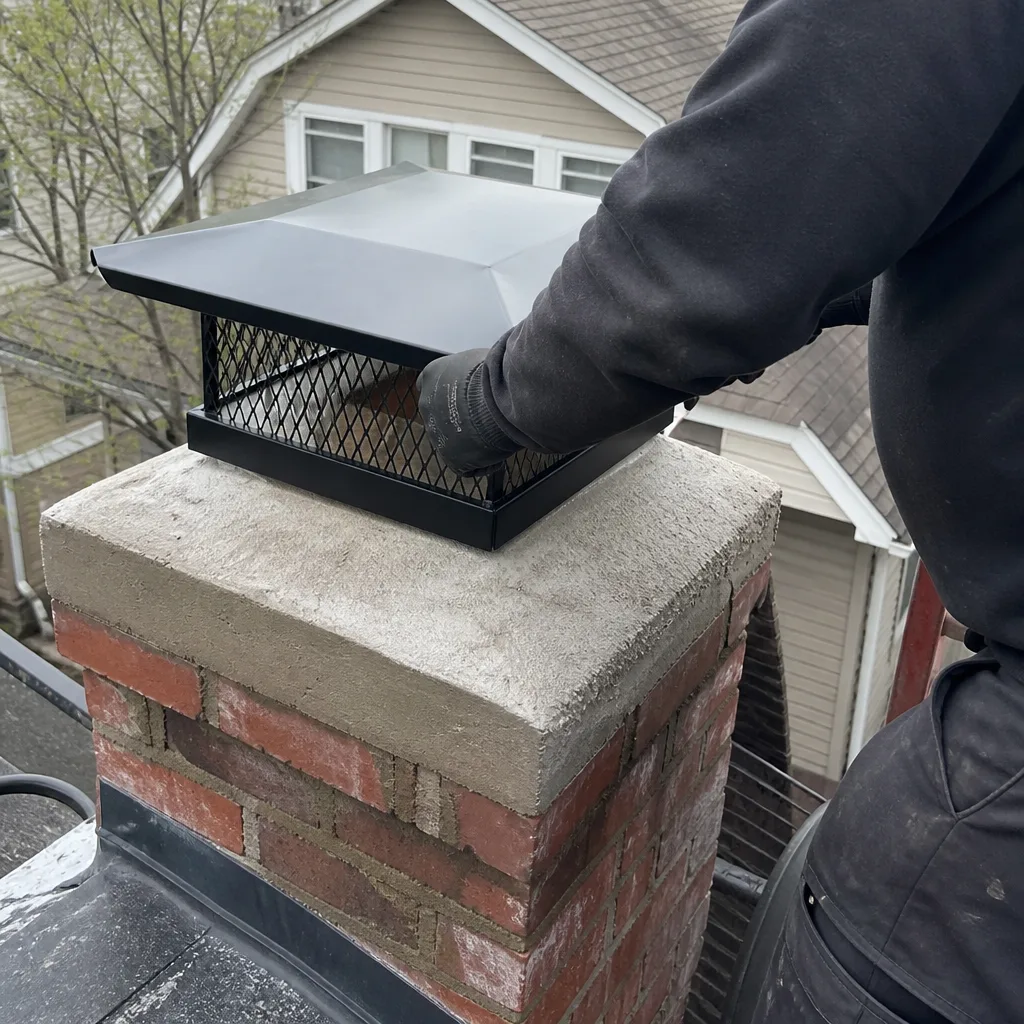 After
After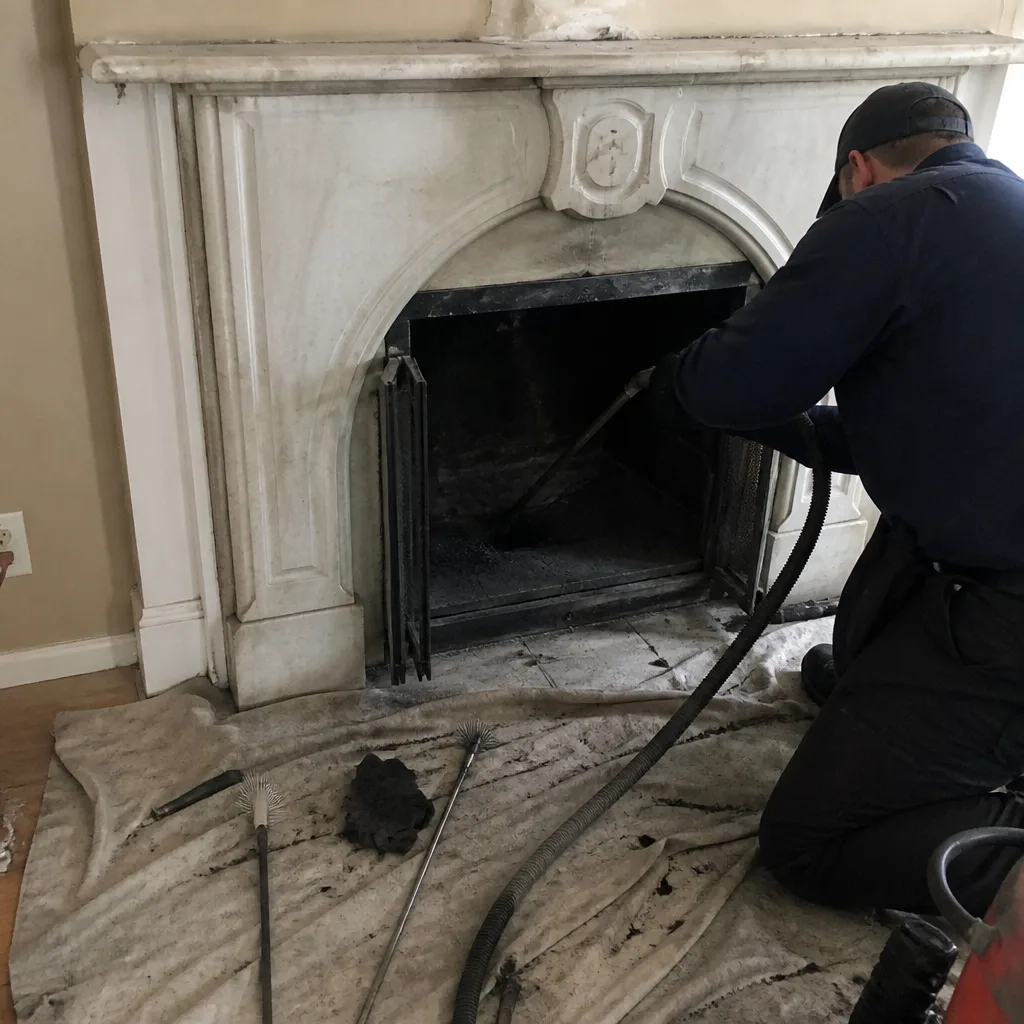 Before
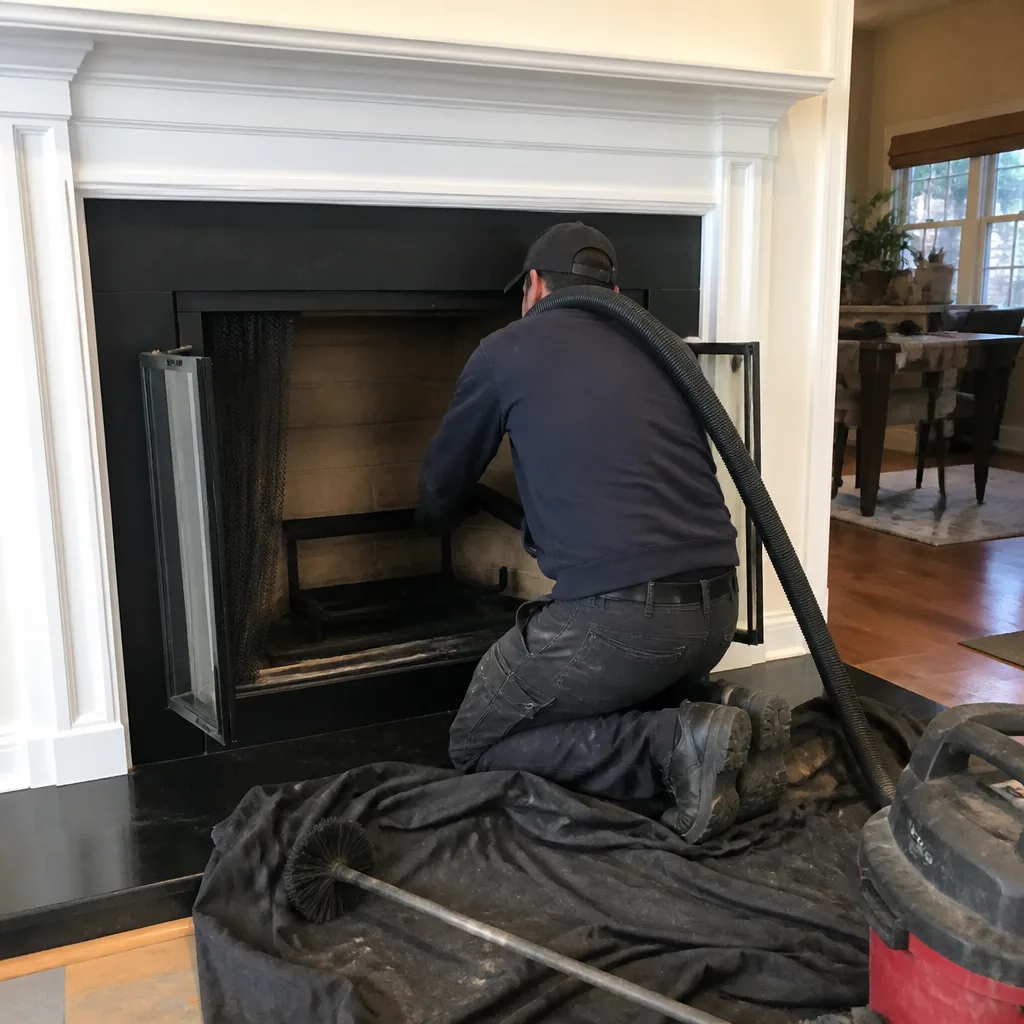 After
After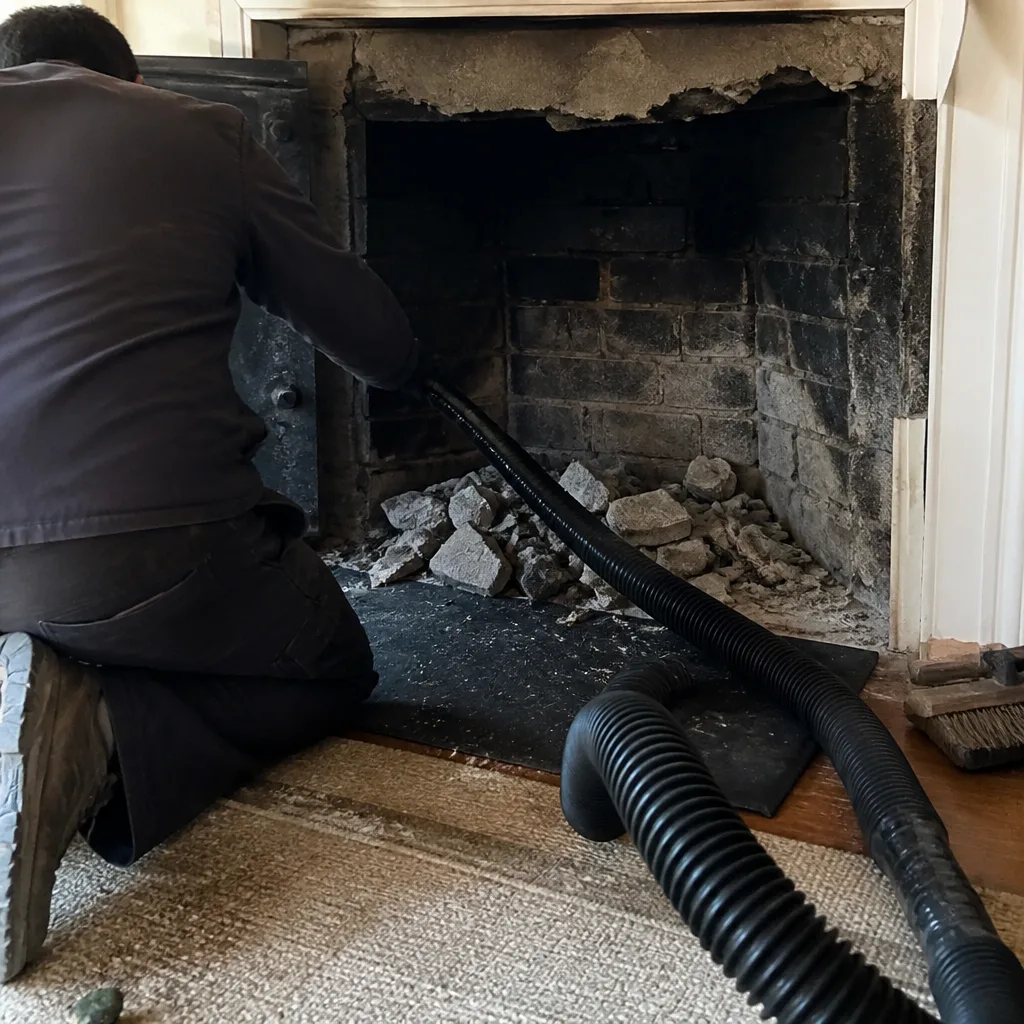 Before
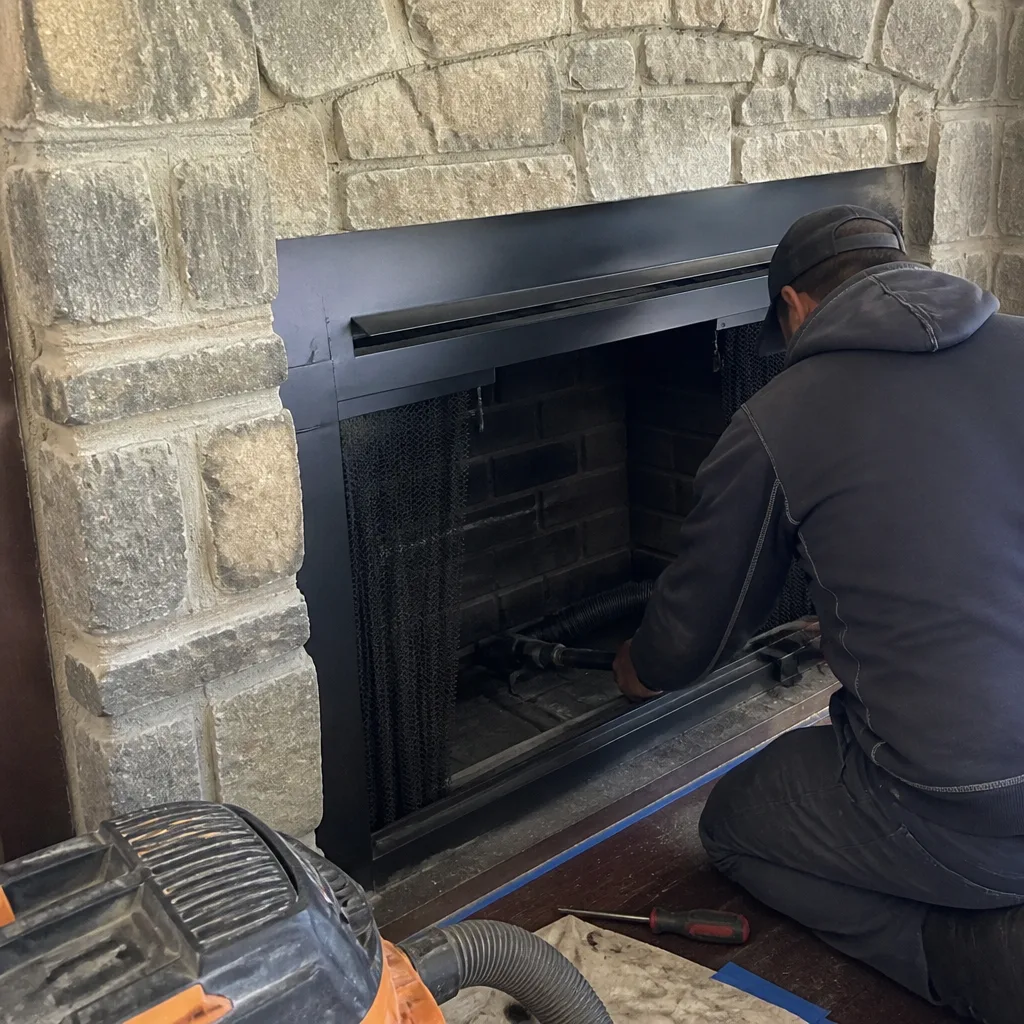 After
AfterHow Much Does Chimney Liner & Rebuild Cost in Manhattan?
Chimney liner installation in Manhattan typically runs $2,400 to $7,800 depending on flue height, liner material, and whether our Chimney Liner & Rebuild services are needed alongside it. A full chimney rebuild in Manhattan – masonry from the roofline up or a complete teardown and reset – ranges from $4,500 to $18,000+, with most mid-range jobs landing between $6,000 and $11,000. Every price on this page reflects what we actually quote in the Manhattan market in 2026, written down before a single tool comes out of the truck.
Chimney Liner & Rebuild Cost Breakdown (2026)
The table below covers the work we quote most often on Manhattan chimneys. These are real ranges, not floor prices designed to get a tech in the door.
| Service | Typical Manhattan Price Range (2026) | Notes |
|---|---|---|
| Stainless steel flexible liner (gas appliance) | $2,400 – $4,200 | Single-flue, up to 30 ft. DuraFlex or equivalent. |
| Stainless steel flexible liner (oil/wood) | $2,900 – $5,100 | Heavier gauge required; alloy spec matters here. |
| HeatShield resurfacing / castable liner system | $3,200 – $6,500 | Good for structurally sound clay tiles with joint deterioration. |
| Cast-in-place (poured) liner | $4,800 – $7,800 | Used when the existing flue is irregular or partially collapsed. |
| Partial chimney rebuild (above roofline only) | $4,500 – $9,500 | Spalling brick, failed mortar joints, damaged crown. |
| Full chimney rebuild (roofline to firebox) | $9,000 – $18,000+ | Pre-war Manhattan buildings often need this due to age of original clay tile. |
| Smoke chamber parging (repairs) | $400 – $900 | Frequently added when a liner is being replaced. |
| Crown rebuild or replacement | $600 – $1,800 | Often done alongside a liner job to protect the new liner termination. |
| NFPA 211 Level 2 camera inspection (required before liner work) | Included on every visit | This is our baseline – not an optional add-on. |
What Pushes the Price Up
The single biggest cost variable on a Manhattan chimney is height. A pre-war Upper West Side or Washington Heights brownstone can have a flue running 40 to 60 feet from firebox to cap – that’s a lot of liner material and labor hours. Rooftop access in Manhattan also adds cost: scaffolding, permits, and logistics in dense neighborhoods like the Financial District or Midtown can add $500 to $2,000 to a job that would be straightforward in the suburbs.
Material spec matters a lot too. A DuraFlex stainless liner for a gas insert is a different animal from a heavy-gauge alloy liner for a wood-burning fireplace. We source through Haven’s buying network – materials come from DuraFlex, HeatShield, Gelco, Olympia Chimney, Famco, and Copperfield – specifically so we can hold pricing tighter than contractors buying retail. That matters when liner material alone can account for 40% of a job’s cost.
Finally, condition of the existing structure drives scope. A Level 2 camera inspection – the NFPA 211 standard that goes down the flue with a camera, not a flashlight – is how we find out whether a liner job is straightforward or whether there’s a collapsed tile section, a failed smoke chamber, or masonry damage that needs to be addressed before a new liner will perform safely. We’ve included that camera inspection on every visit since 2009. It’s not a fee-generating add-on; it’s the only honest way to scope the job.
What Affects Chimney Liner & Rebuild Pricing in Manhattan
- Flue height and configuration: Manhattan’s pre-war co-ops and brownstones – especially in Harlem, Morningside Heights, and the Upper East Side – were built with tall, multi-story flues. Every additional foot of liner material adds to both material and labor cost. Flues over 35 feet are common here and always push toward the upper end of a price range.
- Liner material and fuel type: Gas appliances require a specific alloy and diameter. Wood-burning fireplaces require a heavier gauge. Oil systems have their own spec. Using the wrong material is a code violation and a fire hazard, so the spec isn’t negotiable – but the price difference between a gas liner and a wood liner on the same flue can be $600 to $1,200.
- Existing flue condition: Clay tile liners in Manhattan buildings from the 1920s and 1930s are often brittle, offset, or partially collapsed by now. A flue that photographs cleanly on a camera scan might need nothing beyond a new liner. One with a buckled tile section needs that section addressed before the liner goes in – otherwise the new liner is sitting against a structural failure.
- Rooftop access and scaffolding: On a Manhattan building with a shared roof, parapet walls, HVAC equipment, and neighboring structures within arm’s reach, staging safe rooftop access is a real cost. Scaffolding permits from the NYC Department of Buildings add time and money that a detached suburban house simply doesn’t generate.
- Scope of masonry repair needed: A liner job is often straightforward. A liner job paired with a failed crown, spalling brick at the cap, and deteriorated mortar joints becomes a partial rebuild. These aren’t upsells – they’re documented findings from the camera scan, photographed and written into the scope before we quote anything.
- Building type and co-op/condo requirements: In Manhattan, many buildings require contractor insurance certificates, board approval, and specific work-hour restrictions before any chimney work begins. That coordination takes time, and on some jobs it genuinely adds to cost. We handle this process regularly – it’s part of working in this city.
BeforeAfterChimney Liner vs. Full Rebuild: Which One Do You Actually Need?
This is the question we get most often from Manhattan homeowners who’ve just had a home inspection flag their chimney. The answer depends on what the camera finds – not on what a contractor assumes from the rooftop.
A liner replacement or resurfacing is appropriate when the existing masonry structure is sound and the problem is confined to the flue interior: deteriorated clay tile joints, a cracked or missing liner section, or a flue that was never properly lined for a converted gas appliance. HeatShield resurfacing works well for hairline cracks and open mortar joints in otherwise intact clay tile. A DuraFlex stainless insert works well for a clean but undersized or damaged clay flue.
A partial or full rebuild is needed when the masonry itself – the brick, the mortar, the smoke chamber corbeling, or the crown – has deteriorated past the point where a liner alone will make the system safe. In Manhattan’s pre-war buildings, we regularly find chimneys where decades of freeze-thaw cycling have spalled the exterior brick, where the crown has cracked and allowed water into the liner system, or where a prior owner converted a wood-burning fireplace to gas without relining and the original clay tile is now fractured from thermal shock.
The camera inspection resolves the question in every case. What we find gets photographed, written into the scope, and put in front of you as a written price – before any work starts. That’s Haven Standard Clause 1 in practice: written price, written scope, written warranty, delivered before a single brick moves.
Manhattan-Specific Factors That Change the Math
We work in Manhattan consistently enough to know which blocks and building types show up repeatedly with the same problems.
In Inwood and Washington Heights, the older attached brownstones frequently have shared flues that were split into separate apartments at some point in the building’s history. That changes the liner calculation – sometimes two separate liners are needed in what looks like one chimney on the outside. The camera inspection is the only way to know.
In the West Village and Chelsea, a lot of the fireplaces were converted to gas decades ago, often without any liner work at the time. We find unlined clay tile flues venting gas appliances regularly – a situation that doesn’t meet current NYC code and creates real carbon monoxide risk. Relining these is not optional under NYC Building Code Chapter 28 and NFPA 211; it’s a safety requirement.
In Midtown East and the Upper East Side, prewar high-rises present the height-plus-access equation at its most expensive: long flues, managed buildings with access protocols, and rooftop logistics that require advance coordination. These jobs price at the upper end of our ranges above, and they should – the scope is genuinely more complex.
Manhattan also has specific NYC Department of Buildings filing requirements for certain chimney repairs. Structural work above a certain scope requires a permit and, in some cases, a licensed engineer’s sign-off. We’re familiar with that process and factor it into the written scope when it applies.
How to Save on Chimney Liner & Rebuild in Manhattan
Get the camera inspection first, always. The most expensive mistake a Manhattan homeowner makes is agreeing to a liner job quoted from the rooftop without a camera scan of the flue interior. If the tech doesn’t go down the flue with a camera before quoting, you don’t know what you’re paying for. We include the Level 2 camera inspection on every visit because it’s the only way to scope a job honestly – and it saves customers money by not replacing things that don’t need replacing, and not missing things that do.
Ask for a written price before any work starts. This is standard practice with us – Haven Standard Clause 1 – but it’s not standard everywhere. A written quote with line-item scope is the only document that lets you compare bids fairly and holds a contractor accountable to what they said they’d do. If a contractor won’t put the price in writing before they start, that tells you something.
Combine work when the scaffold is already up. If rooftop access is needed for a liner job, that’s the time to address the crown, the cap, and any visible masonry at the top of the chimney. Doing these together costs less than two separate mobilizations – and in Manhattan, mobilization cost is real.
Use a free second opinion on any written estimate. We offer a free second opinion on any competitor’s written estimate – bring us the quote, we’ll review it and tell you whether the scope is right, whether the material spec is appropriate, and what we’d charge for the same work. No pressure, no obligation. Call (862) 319-8047 to set that up.
Don’t wait on a known liner problem. A cracked or deteriorated flue liner that’s venting a gas appliance is a carbon monoxide pathway. Beyond safety, water infiltration through a damaged liner damages masonry from the inside, turning a $3,500 liner job into a $9,000 partial rebuild. The longer that sits, the more expensive the repair becomes.
What You Get With Every Level Two Job
We operate under the Haven Standard because it makes the transaction straightforward for both sides. Here’s what that means on a liner or rebuild job in Manhattan:
- Written price before any work starts (Haven Standard Clause 1): Line-item scope, material spec, and total cost – in writing, before anyone touches the chimney. Not after the tech is already on your roof.
- NFPA 211 Level 2 camera inspection included: Camera down the flue, documented photo record of conditions found, included on every visit as standard. This has been our practice since 2009 – it’s how we scope work honestly and how we protect the customer from being quoted work they don’t need.
- Documented photo record (Haven Standard Clause 4): Before-and-after photos are part of the record on every job. You walk away with documentation of what was found and what was done – useful for co-op boards, insurance, and future buyers.
- 365-Day Done Right Promise: If the work isn’t right within a year of completion, we make it right. That’s written into every job, not a verbal assurance you have to take on faith.
- Background-checked, uniformed technicians: You’ll know who’s coming before they arrive – named tech, text when they’re on the way.
- Live phone support, 24 hours a day, 7 days a week: A real person answers. Not a voicemail, not a web form.
Since 2009, Level Two Chimney Co. has completed more than 38,000 chimney inspections and cleanings – every one with a written price before work started and a documented record when it was done. If you want to understand what that looks like in practice for a Chimney Liner & Rebuild in Manhattan, the detail is on that page.
FAQs – Chimney Liner & Rebuild Cost in Manhattan
How much does chimney liner replacement cost in Manhattan in 2026?
A chimney liner replacement in Manhattan costs $2,400 to $7,800 for most residential jobs, depending on liner type, flue height, and material spec. Stainless flexible liners for gas appliances start around $2,400 for a single flue up to 30 feet. Cast-in-place systems for irregular or partially collapsed flues run $4,800 to $7,800. Flues over 35 feet – common in Manhattan prewar buildings – push toward the upper end of any range. Call (862) 319-8047 for a free written estimate; we’ll give you a line-item price, not a ballpark.
How much does a full chimney rebuild cost in Manhattan?
A full chimney rebuild in Manhattan ranges from $9,000 to $18,000+, with partial rebuilds (above the roofline) running $4,500 to $9,500. The wide range reflects real differences in flue height, degree of masonry deterioration, scaffolding and access requirements, and whether NYC Department of Buildings permits and engineering sign-offs are needed. Most mid-range full rebuilds on a prewar Manhattan brownstone or co-op building land between $10,000 and $14,000. Call (862) 319-8047 – we’ll put a written price in front of you before any work starts.
Is it cheaper to reline or rebuild a chimney in Manhattan?
Relining is almost always less expensive than a rebuild – $2,400 to $7,800 vs. $9,000 to $18,000+ – but the right answer depends on the condition of the masonry structure, not on what’s cheaper. A liner job done on a structurally compromised chimney doesn’t fix the underlying problem; it just delays the rebuild and adds cost. A camera inspection resolves the question before you spend anything. We include that inspection on every visit; it’s how we know whether relining is appropriate or whether the masonry needs to come down first.
Does Manhattan require a permit for chimney liner replacement or rebuild?
A standard liner replacement on an existing flue typically doesn’t require a NYC Department of Buildings permit. A full or partial rebuild that involves structural masonry work generally does – and above a certain scope, it requires a licensed engineer’s sign-off as well. The specific requirements depend on the building type, the extent of the work, and whether the building is a landmark or within a historic district. We’re familiar with this process for Manhattan buildings and factor permit requirements into the written scope when they apply.
How long does chimney liner replacement or a rebuild take in Manhattan?
A straightforward liner replacement on a Manhattan single-flue chimney typically takes one day once materials are staged and rooftop access is confirmed. A partial rebuild runs two to four days depending on scope. A full rebuild with permits, scaffolding, and masonry work from roofline to firebox can take one to three weeks – longer on buildings with access restrictions or landmark requirements. We give you a realistic timeline in writing before work starts, not an optimistic estimate that slips once we’re on the job.
Can I use my fireplace while waiting for liner replacement in Manhattan?
If the flue liner is cracked, deteriorated, or missing and you’re venting any appliance through it – gas, oil, or wood – the answer is no, and that’s not a judgment call. A compromised liner is a direct pathway for combustion gases, including carbon monoxide, to enter living spaces. NYC code and NFPA 211 both treat a failed liner as a system that must be corrected before use. If you’re not sure about the condition of your liner, a camera inspection will tell you definitively. Call (862) 319-8047 to schedule one.
Key Takeaways
- Chimney liner installation in Manhattan costs $2,400 to $7,800 for most jobs; full rebuilds run $9,000 to $18,000+.
- Flue height, liner material, rooftop access, and existing masonry condition are the main cost drivers – and they vary significantly in Manhattan’s prewar building stock.
- A Level 2 camera inspection (NFPA 211 standard) is the only honest way to scope a liner or rebuild job. We include it on every visit.
- Written price, written scope, written warranty before any work starts – that’s not a feature, it’s the baseline under Haven Standard Clause 1.
- The 365-Day Done Right Promise is on every job. If it’s not right within a year, we make it right.
- We offer a free second opinion on any written estimate from a competitor – call (862) 319-8047.
Get a Written Price Before Any Work Starts
If your chimney was flagged in a home inspection, if you’ve noticed efflorescence on the exterior brick, if your flue hasn’t been scanned since you bought the property, or if you already have a competitor’s quote and want a second opinion – call (862) 319-8047. Corrine Halstead and the Level Two team serve Manhattan from Inwood to the Financial District. We’ll send a background-checked, uniformed technician, go down the flue with a camera, and put a written price in front of you before anyone starts work. Estimates are free. The home page has more on how we work and what the Haven Standard covers in full.
Call (862) 319-8047 – a live person answers, 24 hours a day, 7 days a week.
Written by Corrine Halstead, Owner at Level Two Chimney Manhattan, serving Manhattan, NY since 2009.
Pricing reflects the Manhattan market as of 2026. Level Two Chimney Manhattan offers free estimates – call (862) 319-8047.
What Our Customers Say
"Cap and crown replaced after water was getting in. Price was quoted in writing, and they showed me the mortar failure first."
- Neil O."Clean, careful, put down sheeting, and the fireplace works properly for the first time since we moved in."
- Yvette S."We were buying the house and needed a real inspection. The report had photographs, the standard it was done to, and a clear repair figure. The seller paid for the repair."
- Lorna D.