
Level 1 sweep and inspection to the NFPA 211 annual standard - flue, crown, cap, and flashing checked and photographed
Chimney sweep logs do not sweep chimneys. They loosen some creosote - which then falls where a brush and vacuum still have to collect it.
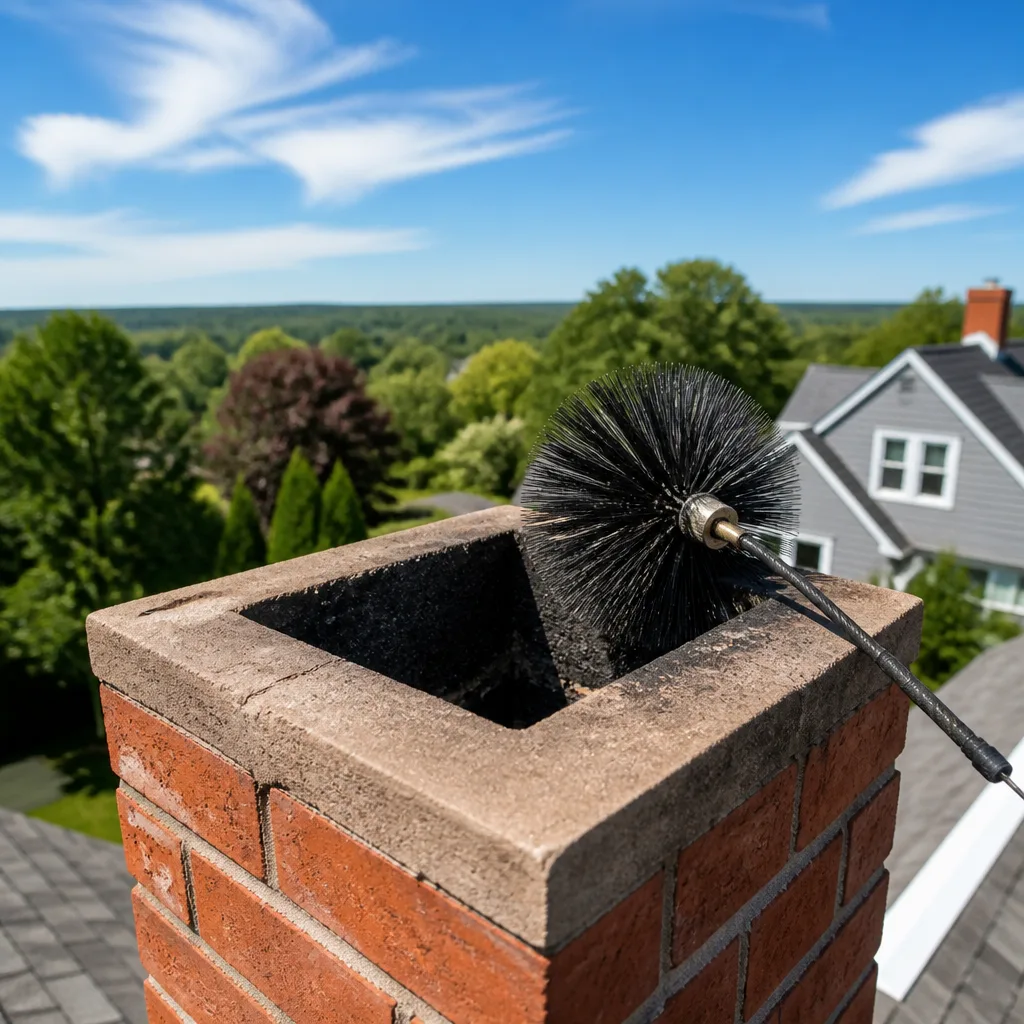
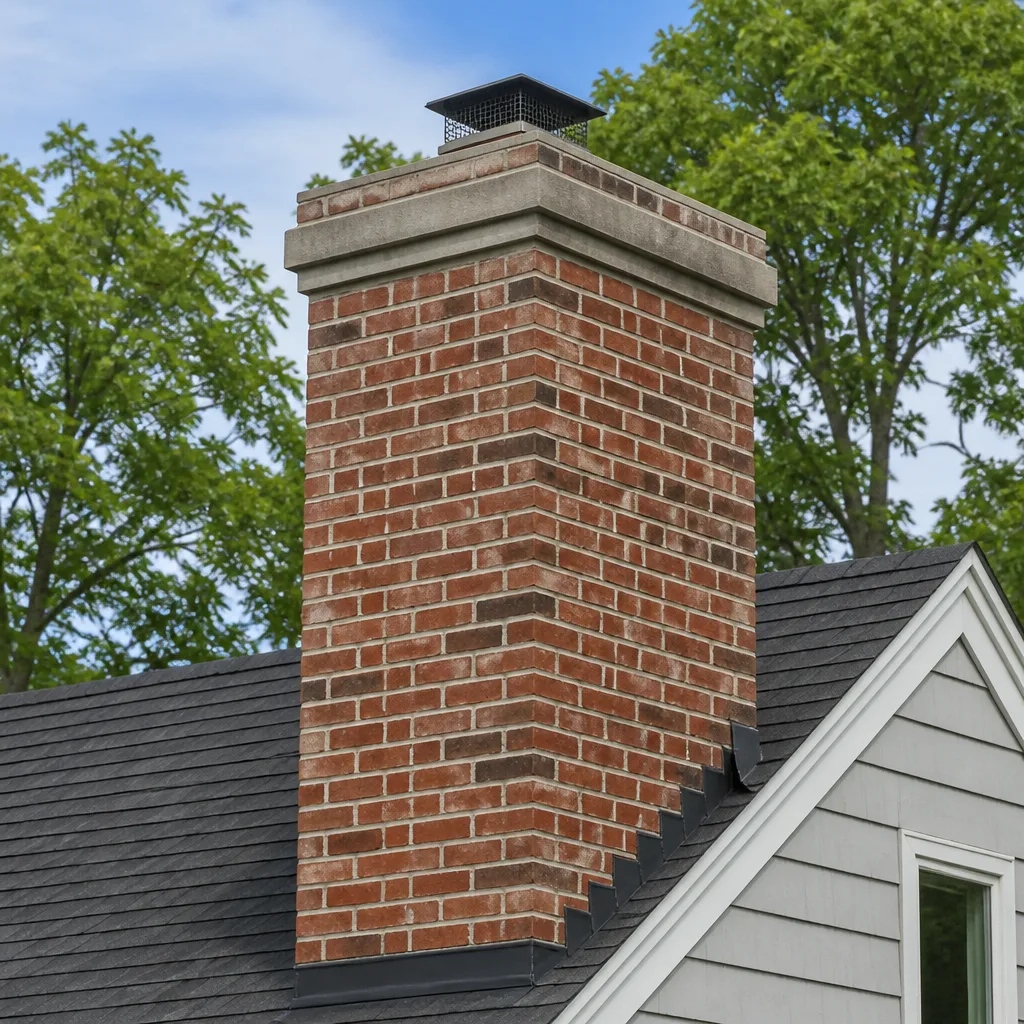
Caps & crowns
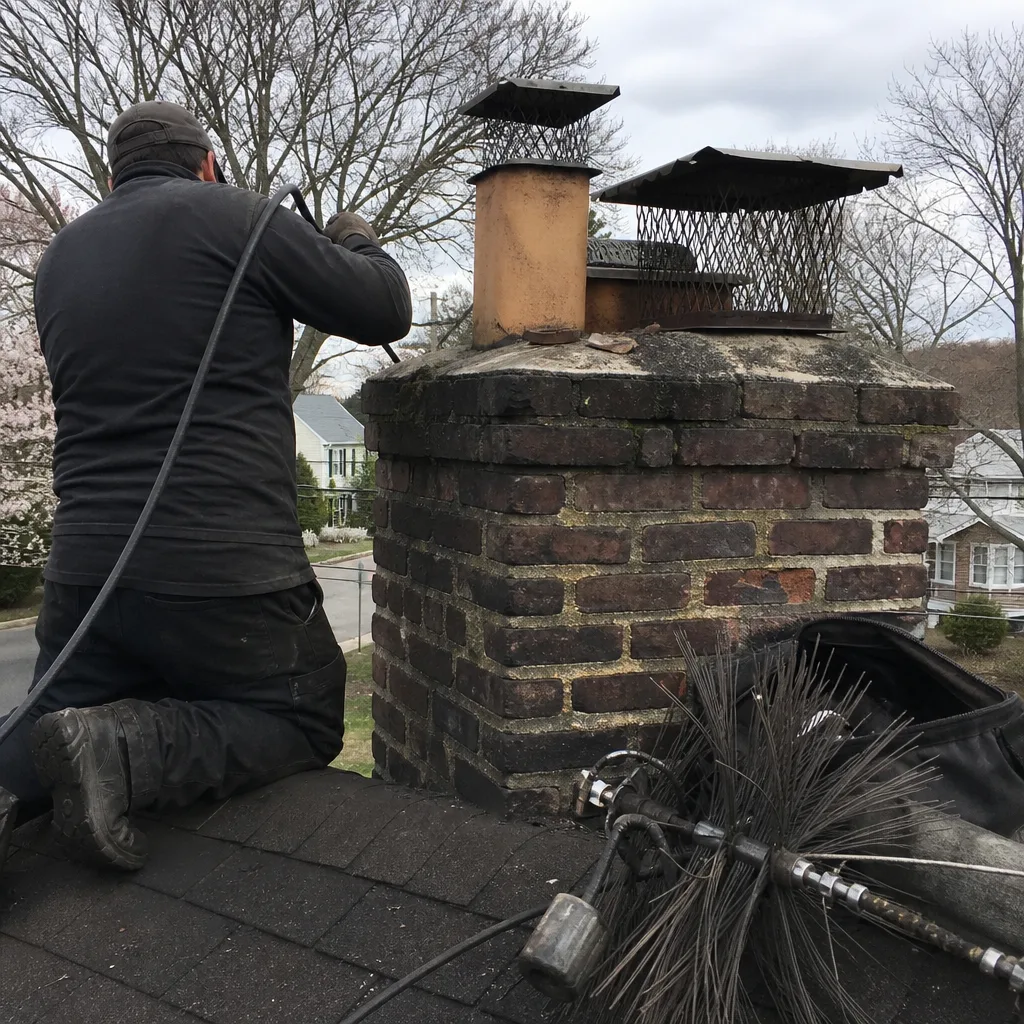 Before
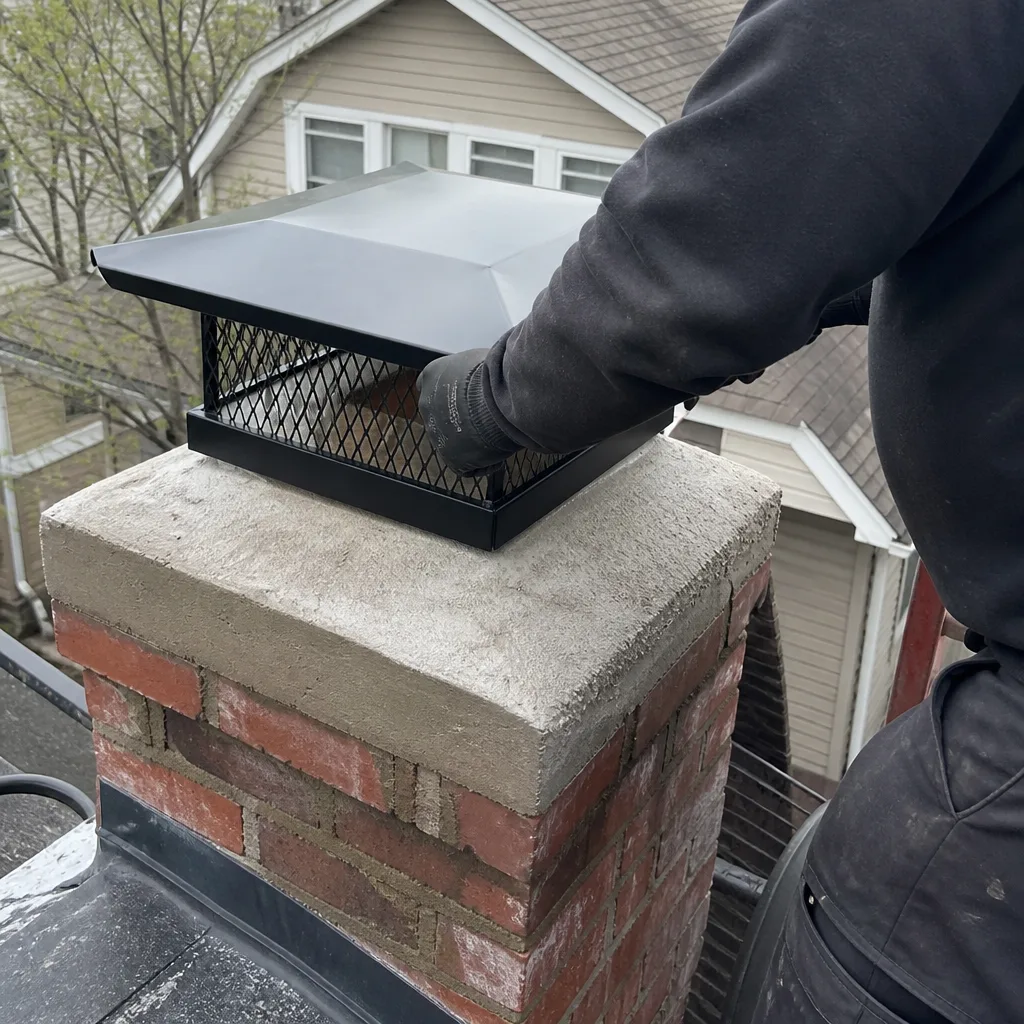 After
After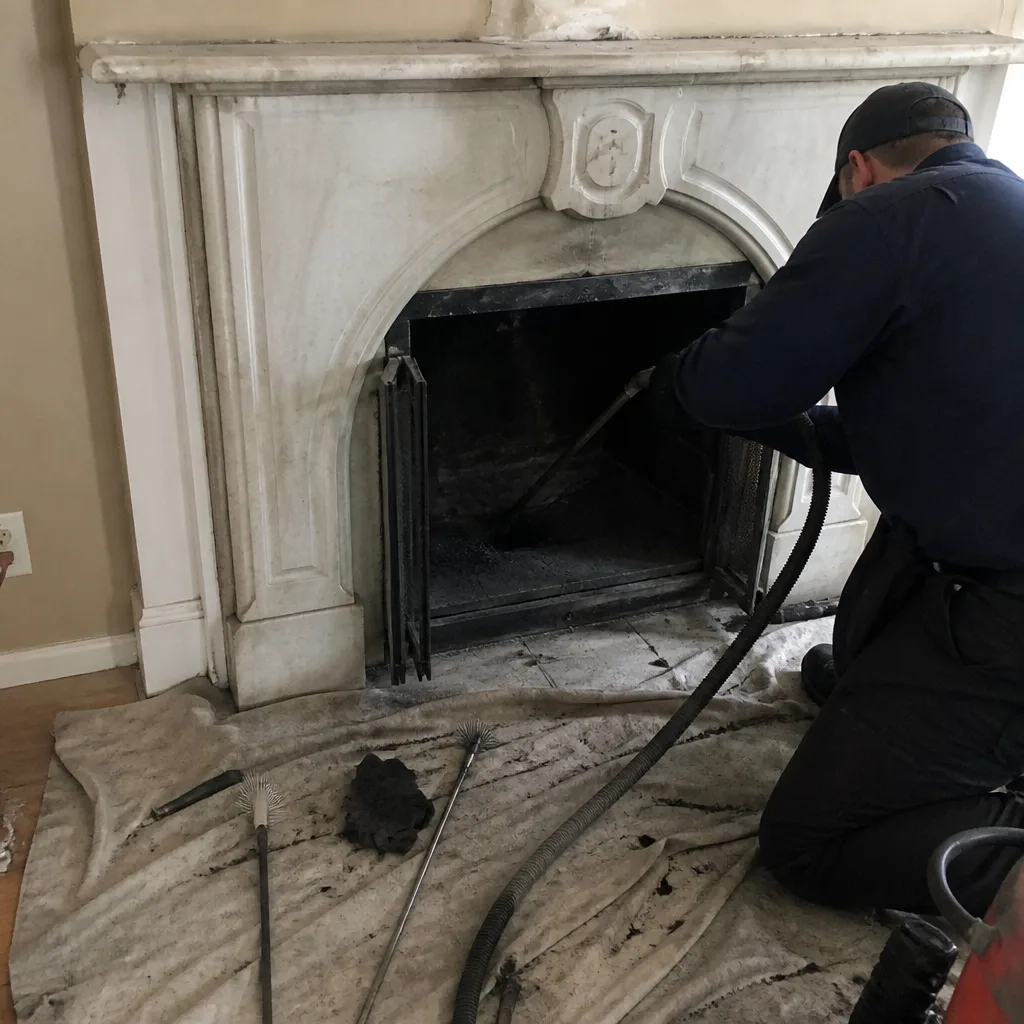 Before
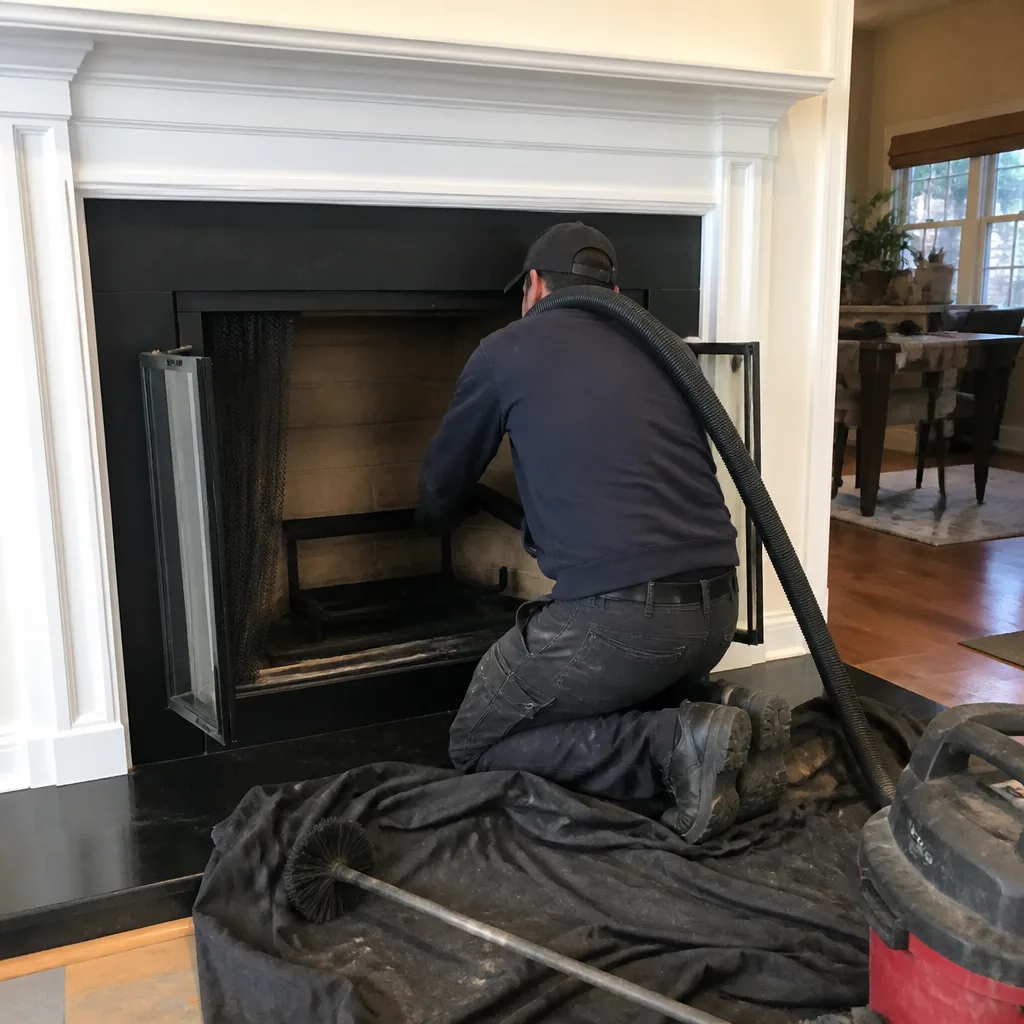 After
After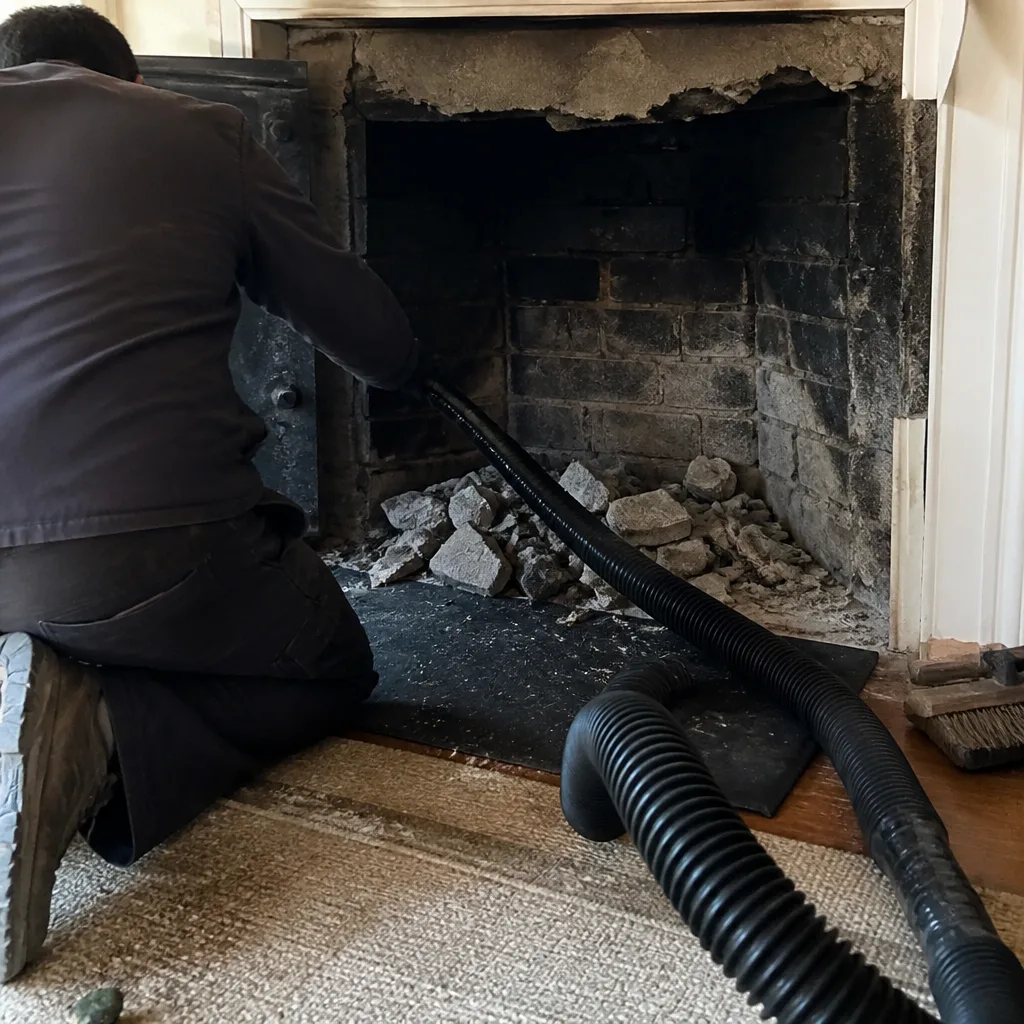 Before
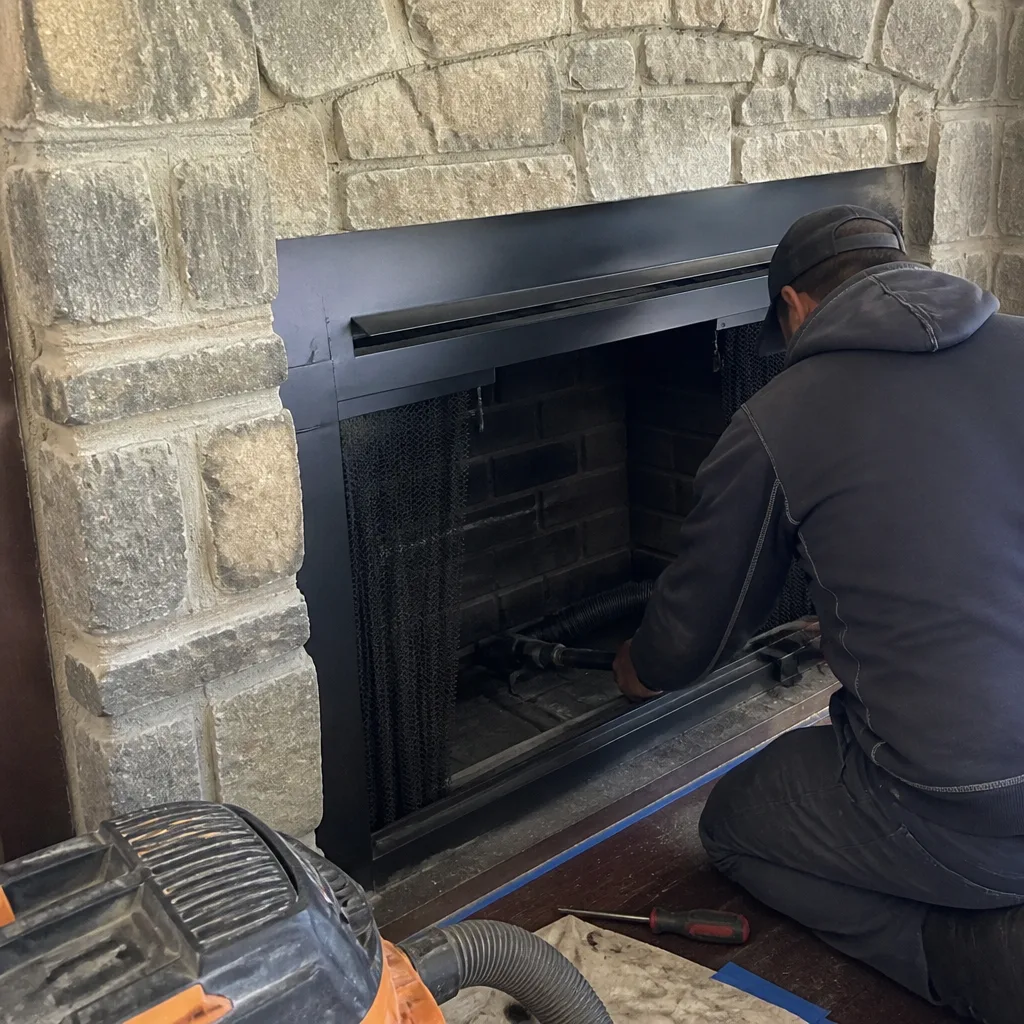 After
AfterDuraFlex Chimney Cleaning & Sweep in Manhattan: What to Know First
DuraFlex chimney cleaning and sweep in Manhattan typically runs $289-$549 for a standard single-flue cleaning with a camera-scan inspection included, and most jobs are completed in under two hours. We’re an independent DuraFlex service provider, which means we work on these liners every week but we’re not owned by, authorized by, or beholden to the manufacturer. That distinction matters when it comes to what we tell you about your liner, because our only loyalty is to what the camera shows us. This page is for homeowners and co-op residents across Manhattan who already have a DuraFlex liner installed, or are considering one, and want to know exactly what cleaning and service involves.
Corrine Halstead runs our Manhattan crew, and she’s been cleaning and inspecting chimneys in this borough for the better part of two decades. If you want a real number for your specific flue, call (862) 319-8047 and we’ll give you a written price before anyone sets foot in your building.
How DuraFlex Products Fail - and How We Fix Them
- DuraFlex 316L liners in older Manhattan co-ops: corrosion at the bottom connection. We see this constantly along Riverside Drive and the Upper West Side, where flues built in the 1920s and 30s still run on original masonry and the liner was retrofitted decades ago. The 316L alloy handles heat well, but with high-efficiency gas furnaces or boilers venting into these flues, condensation pools at the tee and eats the cap from the underside. The symptom is a white, chalky deposit - not creosote - near the base. We clean it, camera it, and if the pitting is surface-level, you’re fine. If it’s perforated, the liner needs replacement, not another sweep.
- DuraFlex 304 alloy and the “orange peeling” we find on wood-burning flues. DuraFlex’s 304 stainless is more resistant to acids, but when someone burns unseasoned wood or a lot of the compressed sawdust logs you can buy at any bodega in Manhattan, creosote builds fast and the acids in it roughen the liner walls. Under the camera it looks like the metal is sweating or peeling. This isn’t a manufacturing defect. It’s fuel chemistry, and a proper sweep with the right brushes and a chemical treatment after brings the surface back, as long as it’s caught before perforation.
- DuraFlex Pro and MultiFlex lines: kinked convolutions from installs that should never have passed. We see this across Manhattan brownstones and townhouses, especially when someone “knew a guy” who installed the liner. The corrugated walls of DuraFlex Pro make it flexible for sneaking past offsets, but a bad pull kinks the inner wall. Then soot and creosote collect there and you get a dead spot in cleaning. A poly brush won’t catch it. We run a rotary whip and then camera to confirm the convolution isn’t collapsed. If it is, the fix is a section replacement, not another cleaning cycle.
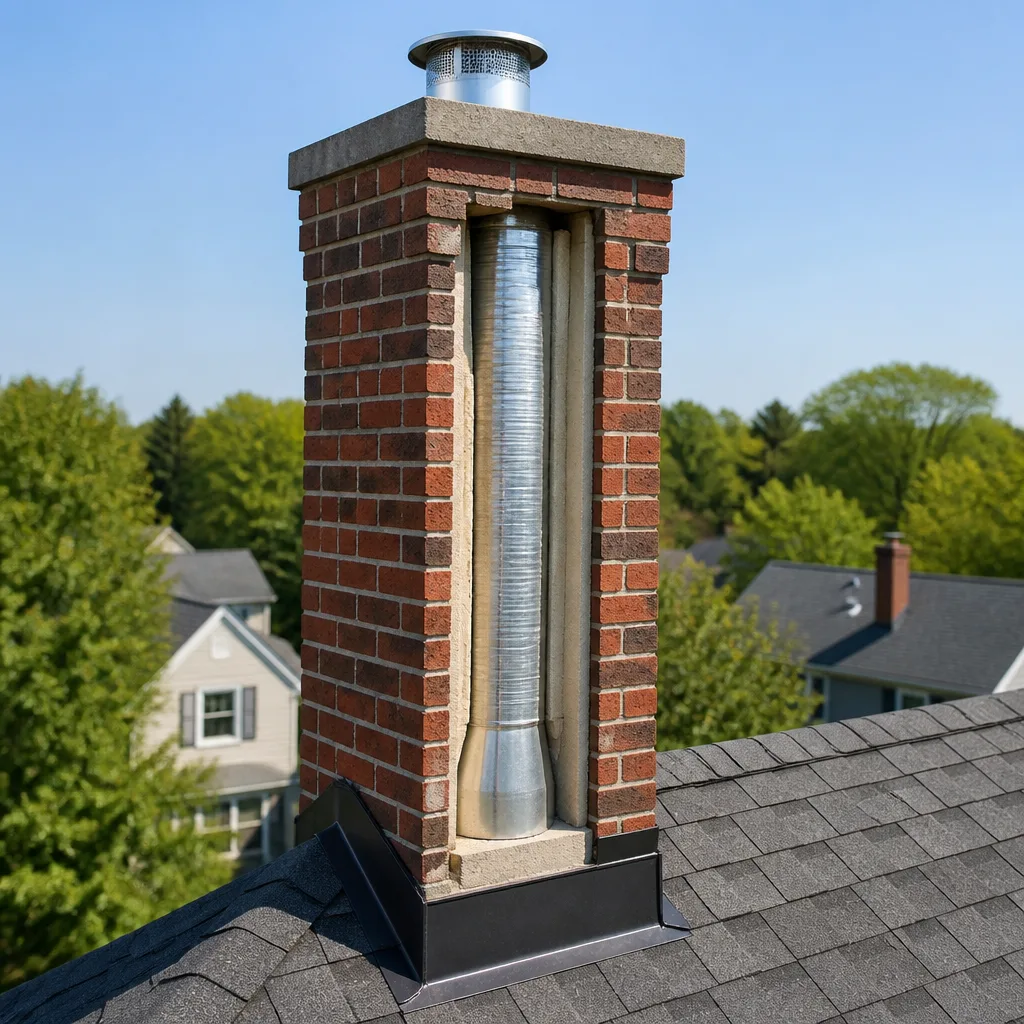
- Top plate and rain cap failures specific to Manhattan’s weather. Your liner’s top plate takes freeze-thaw cycles all winter, and on roofs in Manhattan, wind whips around building corners with force you don’t get in the suburbs. We regularly find rain caps that DuraFlex shipped with the kit but were never sealed at the seams, or top plates with the caulk peeled back by wind-driven rain. Water gets in, runs down the outside of the liner, and saturates the masonry. When we clean, we pull the cap, check the seal, and show you a photo of what we found. It’s a $120-$230 fix, not a liner job.
- DuraFlex DuraLiner and the mortar-joint inspection most sweeps skip. This is the line we see the least in Manhattan because it’s designed for masonry-compatible installations, but when we do see it, the weak point is almost always where the liner meets the existing terra cotta above the smoke chamber. Unless that seam is parged and sealed correctly, exhaust erodes it year after year. We clean it, then camera the seam specifically, because that’s where a flue fire would start. It’s also the detail Corrine pulls out her phone to show homeowners, because nobody believes a clean flue can still be a fire risk until they see the gap on camera.
Our DuraFlex Chimney Cleaning & Sweep Process
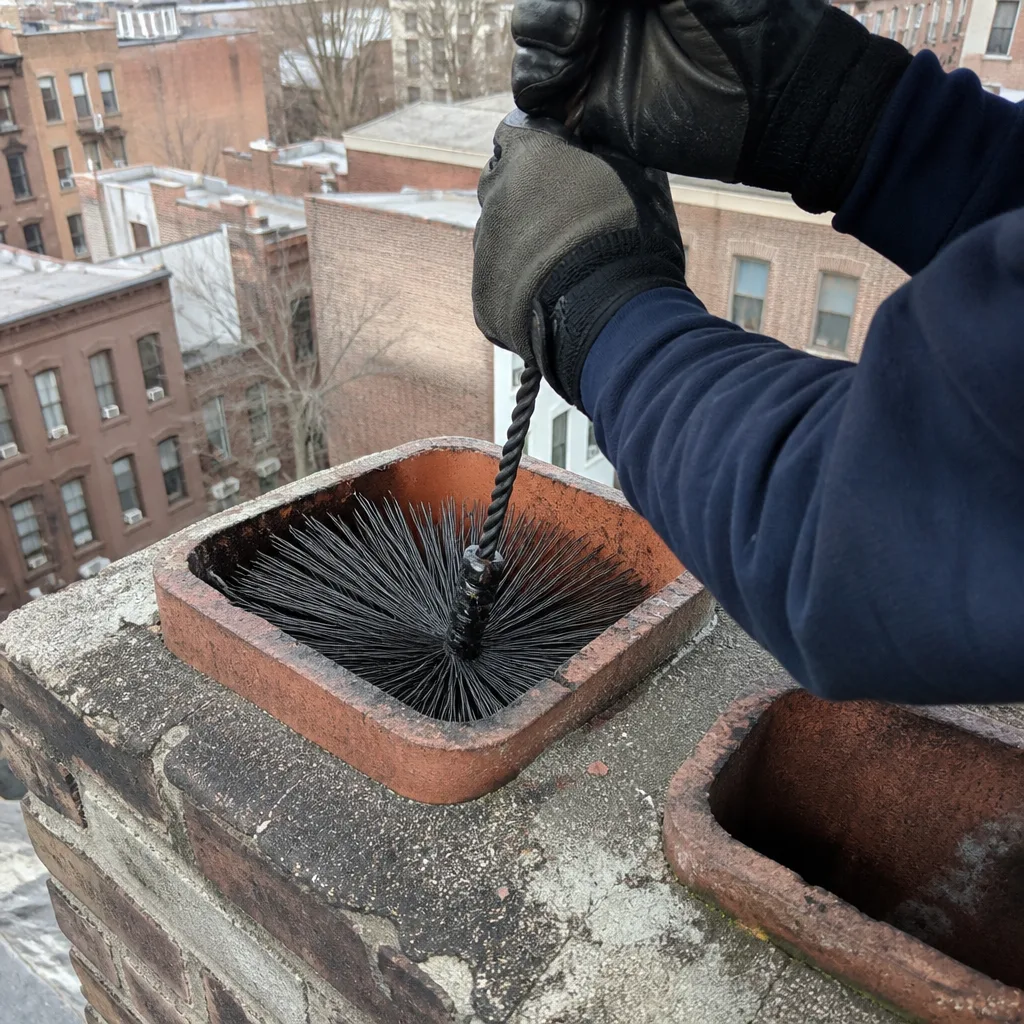
- 1
You call. We answer. A live person picks up 24/7. You tell us the building, the flue type, and the last time it was cleaned. We give you a written price range on the spot and a set arrival window.
- 2
On arrival, we document before touching anything. The tech videos the exterior termination, check the cap and chase cover, and photographs the firebox and hearth. This becomes your baseline record, required under Clause 4 of the Haven Standard.
- 3
We run the camera before brushes go up. For DuraFlex, this matters more than with masonry, because the liner wall itself holds clues about fuel type, moisture, and previous cleaning damage. The camera tells us whether this is a routine sweep or a liner-saving intervention.
- 4
We clean with the right tools for the liner, not whatever is on the truck. Poly brushes for 316L and smooth-wall liners, an aggressive poly or gentle wire brush for older 304 with complex creosote, and a rotary system for Pro and MultiFlex lines with kinked convolutions. No one-size-fits-all approach.
- 5
We camera again and show you everything. The after-camera is where the trust lives. You watch the flue wall on our screen, not a five-minute conversation about what we “think” we saw. You get the photos and footage afterward, not as an add-on, but as part of the job.
- 6
You get a written report, written warranty, and a recommendation you can verify. If the liner is fine, we say so and schedule your next sweep. If it’s not, we show you the exact frame where the problem lives and give you a written scope with a fixed price for whatever is actually needed. You don’t sign anything until you’ve seen it.
BeforeAfterWhat DuraFlex Chimney Cleaning & Sweep Costs in Manhattan
Here’s the honest pricing picture in Manhattan, not a teaser to get you on the phone. A routine DuraFlex single-flue sweep with Level 2 camera inspection runs $289-$429 for a straightforward run, depending on building height and rooftop access. A two-flue townhouse or a flue with a kinked liner section that needs rotary cleaning comes in at $449-$649. If we find creosote classed as III or worse - the tar-like glaze that brushes alone won’t remove - the chemical treatment adds $80-$160. Top plate re-sealing or a rain cap replacement is $120-$230 when caught during a cleaning. What moves the price: roof access difficulty (a six-story walkup with a ladder through a hatch is different from a private two-story roof we can stand on), flue length, creosote stage, and whether the liner has damage from a previous bad cleaning. You’ll always get a written price before we start, and if you have a competitor’s written quote, we’ll give you a free second opinion on it. Call (862) 319-8047 and we’ll name your number.
Why Manhattan Homeowners Call Level Two Chimney Manhattan for DuraFlex Work
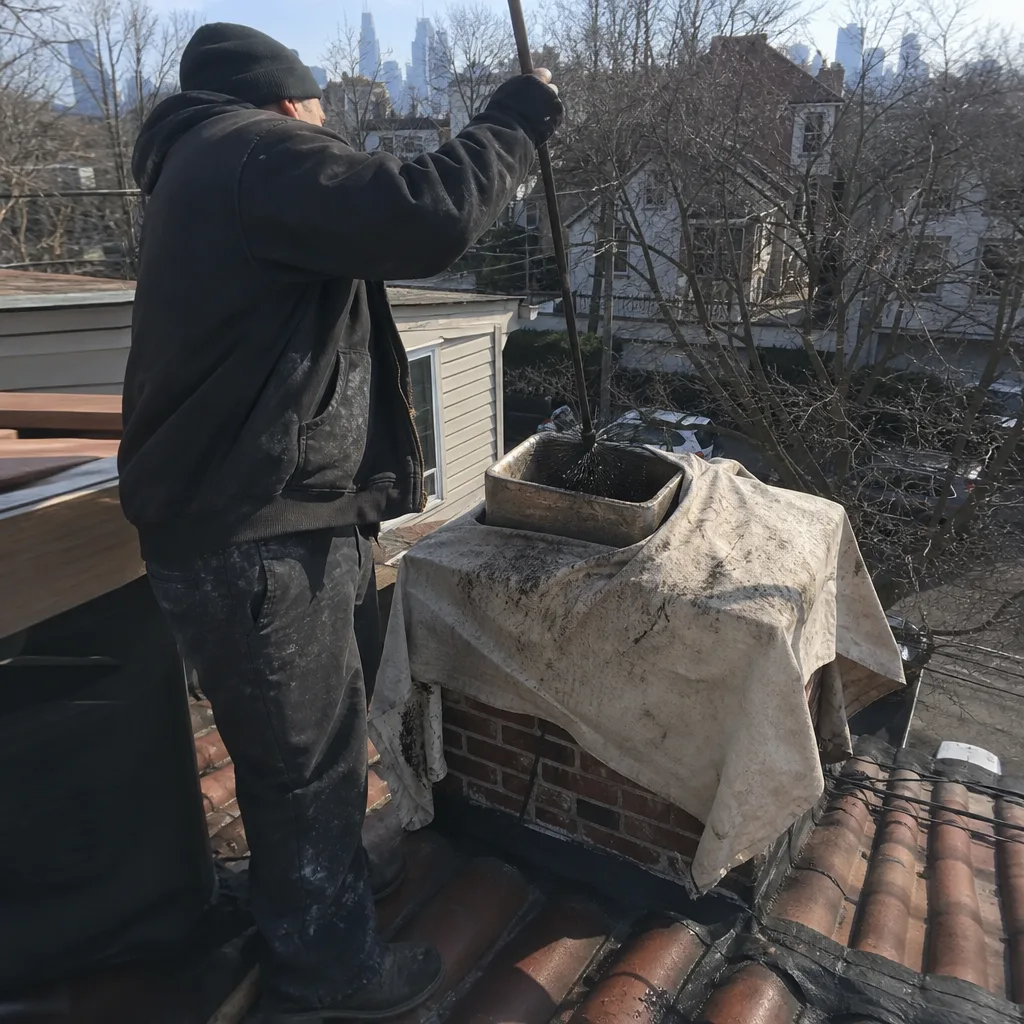
We made camera-scan documentation the default on every job in 2009, years before regulators or insurers asked for it, and that practice became Clause 4 of the Haven Standard. For DuraFlex owners, that means you don’t take a sweep’s word that your liner is fine or failing. You watch the camera footage with the tech, in your home, in real time. Then you get the photos and the written record when it’s done. Every job starts with a written price and written scope, not a handshake and a surprise invoice. Every tech stepping into a Manhattan building is background-checked, uniformed, and has their license information on the page. We also know when a DuraFlex liner is truly done and when a HeatShield resurfacing or a Gelco patch buys you years instead of a full liner replacement. Our techs don’t sell what the camera didn’t find. Corrine has walked enough jobs in this borough to know a liner that should have been replaced in the 90s from one that just needs a good sweep, and she’ll tell you which one you have. We also text when we’re on the way, because this is Manhattan and nobody waits on a four-hour window. The camera doesn’t guess. Neither do we.
FAQs
No, not when it’s done with the correct tools and by a professional, and we document every step precisely because warranty claims live or die by evidence. DuraFlex warranties cover manufacturing defects, not damage from neglect or improper cleaning, so the best way to protect your warranty is a documented cleaning record with before-and-after camera footage. We provide that on every job under Haven Standard Clause 4. That photo archive has saved Manhattan customers thousands in warranty disputes, because an insurance adjuster or manufacturer’s rep can see exactly what the flue looked like at each cleaning. If you have a DuraFlex warranty claim in progress, bring us the flue and we’ll camera it and give you a written condition report you can use with the manufacturer. Call (862) 319-8047 and we’ll walk you through it.
Every 12 months for wood-burning flues and every 12-24 months for gas, depending on how much the fireplace or stove runs and what fuel you’re burning. Manhattan apartments and brownstones that burn wood more than three nights a week through winter typically need an annual sweep, and if you’re buying those compressed sawdust logs at the corner store, you need it annually without exception - those burn hotter and dirtier than seasoned cordwood. Gas flues can stretch longer, but not forever. The camera inspection catches what you can’t see, and it’s the only way to know if a two-year interval is safe for your specific liner. Call (862) 319-8047 and we’ll give you a written recommendation for your building, not a one-size-fits-all answer.
You need to replace it if the camera shows perforation, collapsed convolutions, or cracks extending through the wall, because no amount of cleaning fixes a liner with holes in it. You can patch and keep going if the damage is localized - a corroded bottom connection, a single cracked seam, a failed top plate - and we’re honest about which one you have because we show you the footage. A HeatShield resurfacing can buy years on a liner with minor surface damage, and a Gelco patch works for small breaches, but we’ll tell you plainly when patching means you’ll be back in 18 months doing the same dance. The camera doesn’t guess, and neither do we. Bring us your flue and we’ll show you the exact frame where the problem is, then give you a written price for whatever is actually needed. Call (862) 319-8047.
Level 1 is a visual check of accessible portions, no camera, and it’s sufficient when nothing has changed since the last clean - same liner, same appliance, same fuel. Level 2 is what we do standard because it’s a camera down the flue, allowing us to see the interior liner wall itself. For a DuraFlex liner, Level 2 is the only way to see internal enamel degradation, pitting, or a kinked convolution, and it’s required by NFPA 211 whenever a property changes hands or an appliance is replaced. We run the camera on every job, not just when regulations require it. Call (862) 319-8047 to schedule a DuraFlex camera-scan in Manhattan this week.
Yes, we service HeatShield, Gelco, and most other major liner brands across Manhattan, and a lot of what we know about DuraFlex comes from seeing how it performs alongside these other systems in real Manhattan flues, not a showroom. If you’re not sure what liner you have, we’ll identify it on the first camera pass and tell you what you’re working with. If you’re considering DuraFlex for a new liner, call us and we’ll give you an honest, camera-informed comparison based on what we see in buildings like yours. Call (862) 319-8047.
Written by Corrine Halstead, Owner, Level Two Chimney Manhattan at Level Two Chimney Manhattan, serving Manhattan and nearby areas.