
Level 1 sweep and inspection to the NFPA 211 annual standard - flue, crown, cap, and flashing checked and photographed
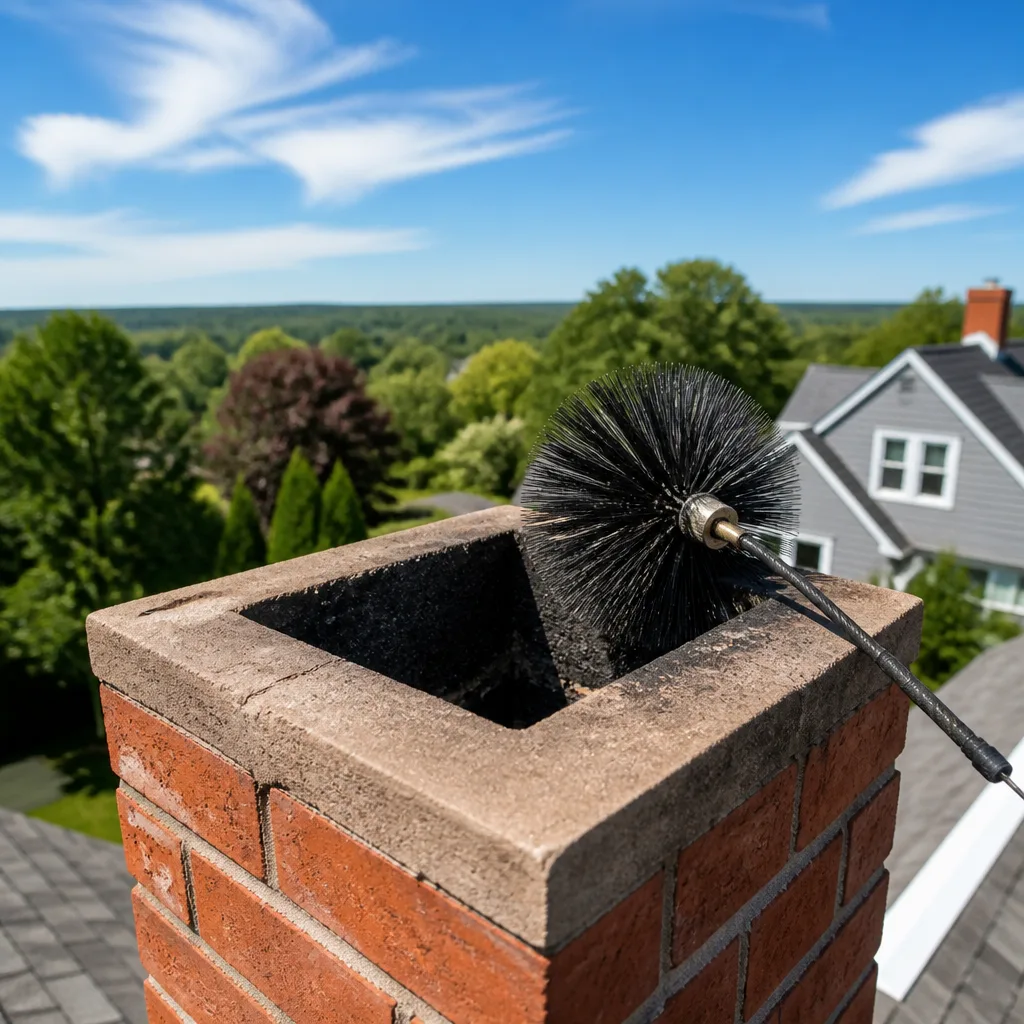
Chimney sweep logs do not sweep chimneys. They loosen some creosote - which then falls where a brush and vacuum still have to collect it.
Caps & crowns
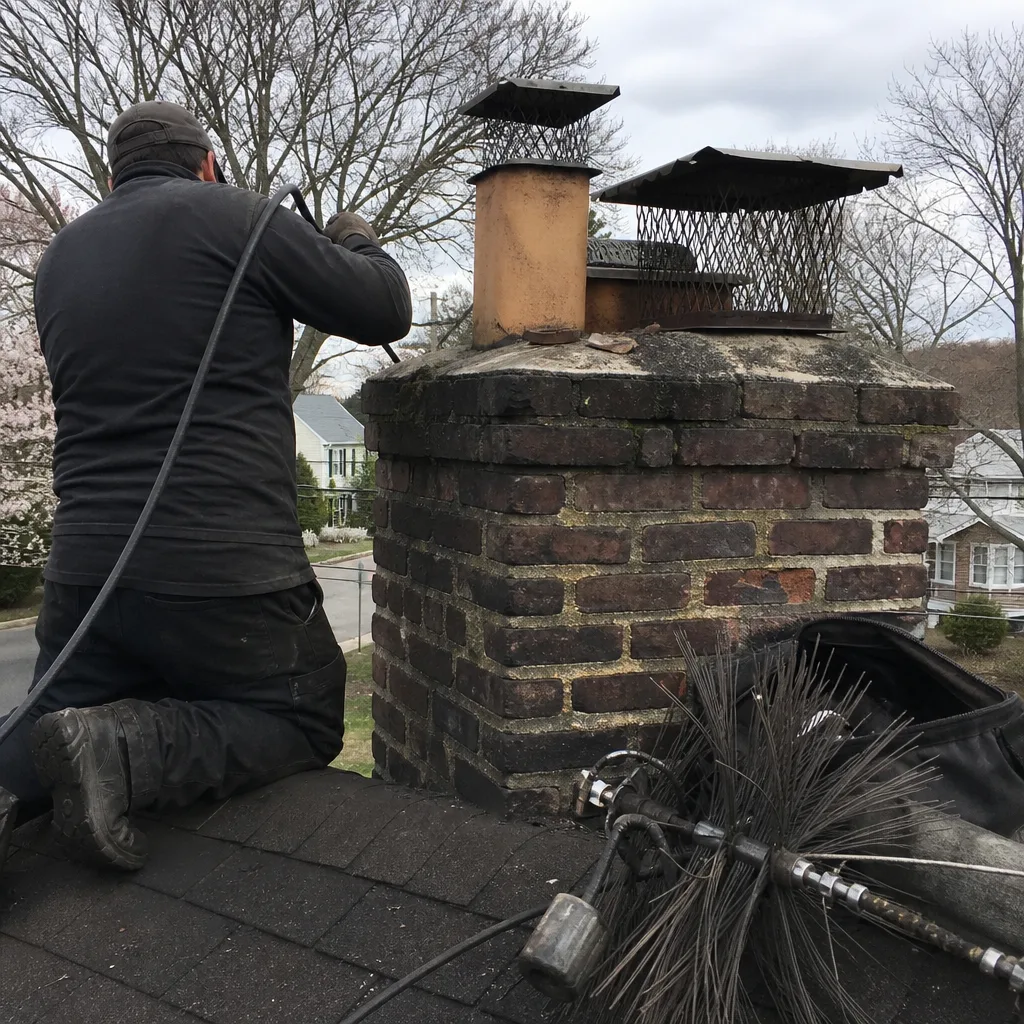 Before
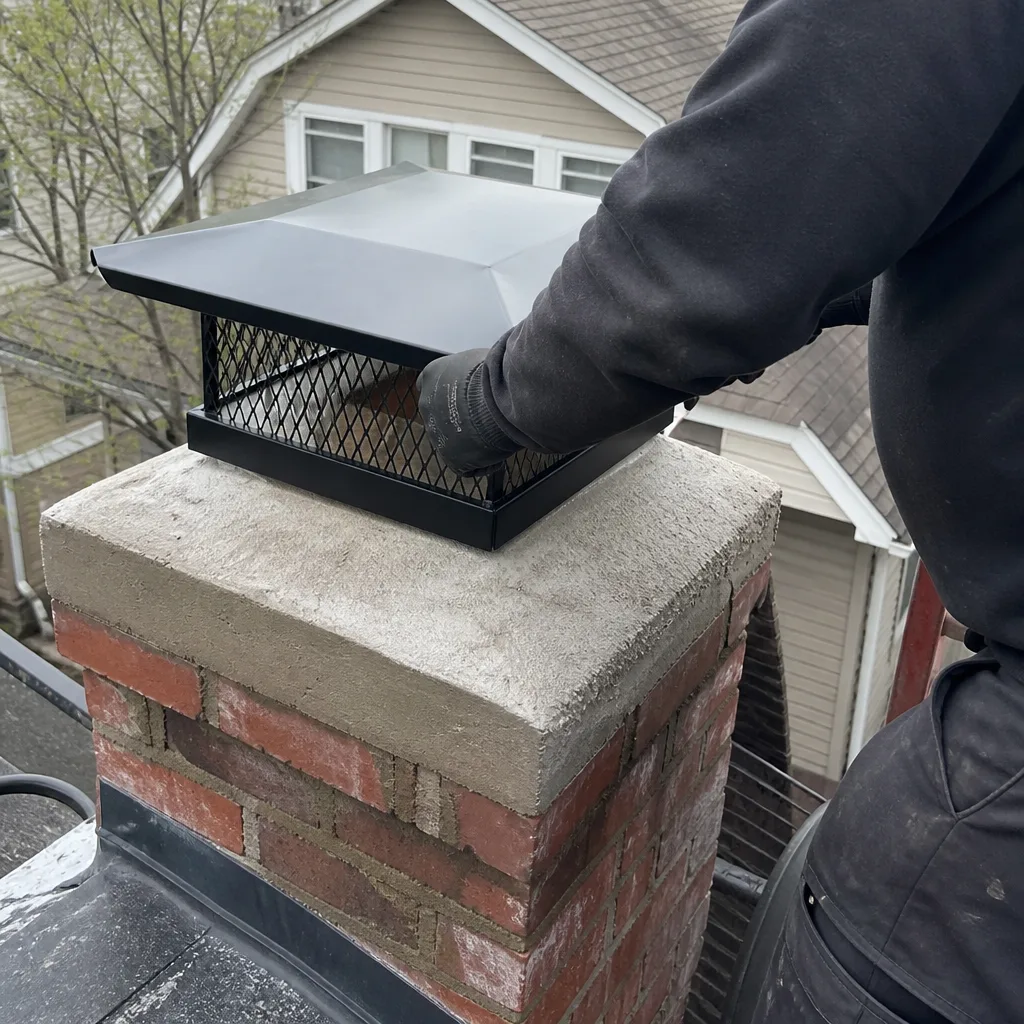 After
After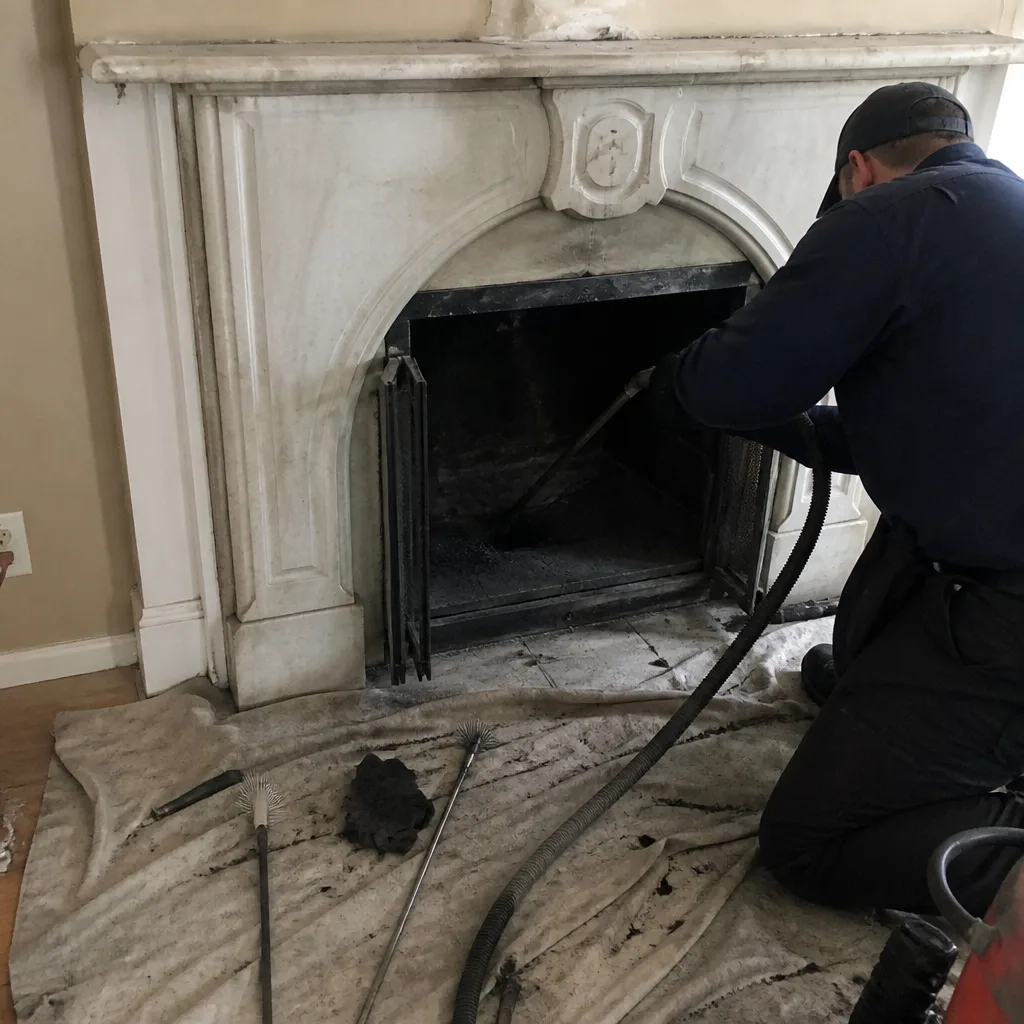 Before
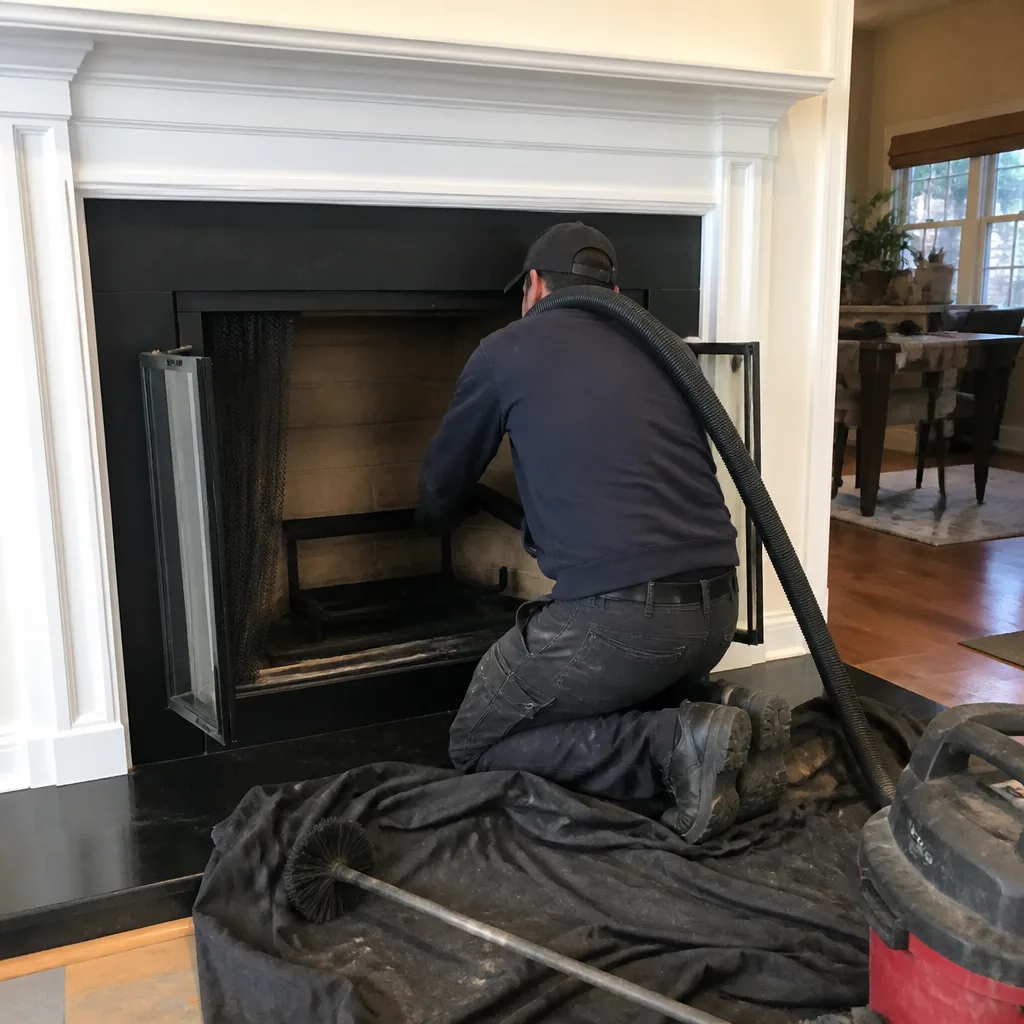 After
After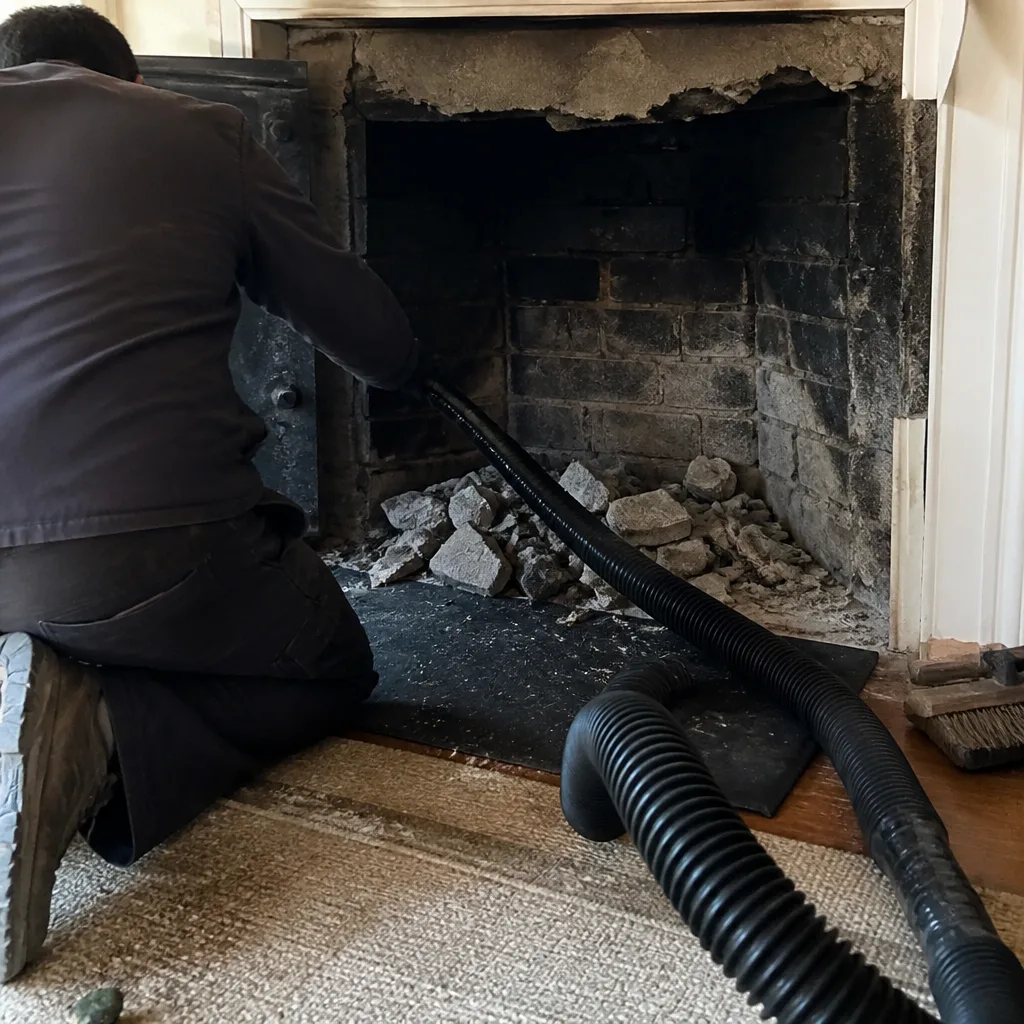 Before
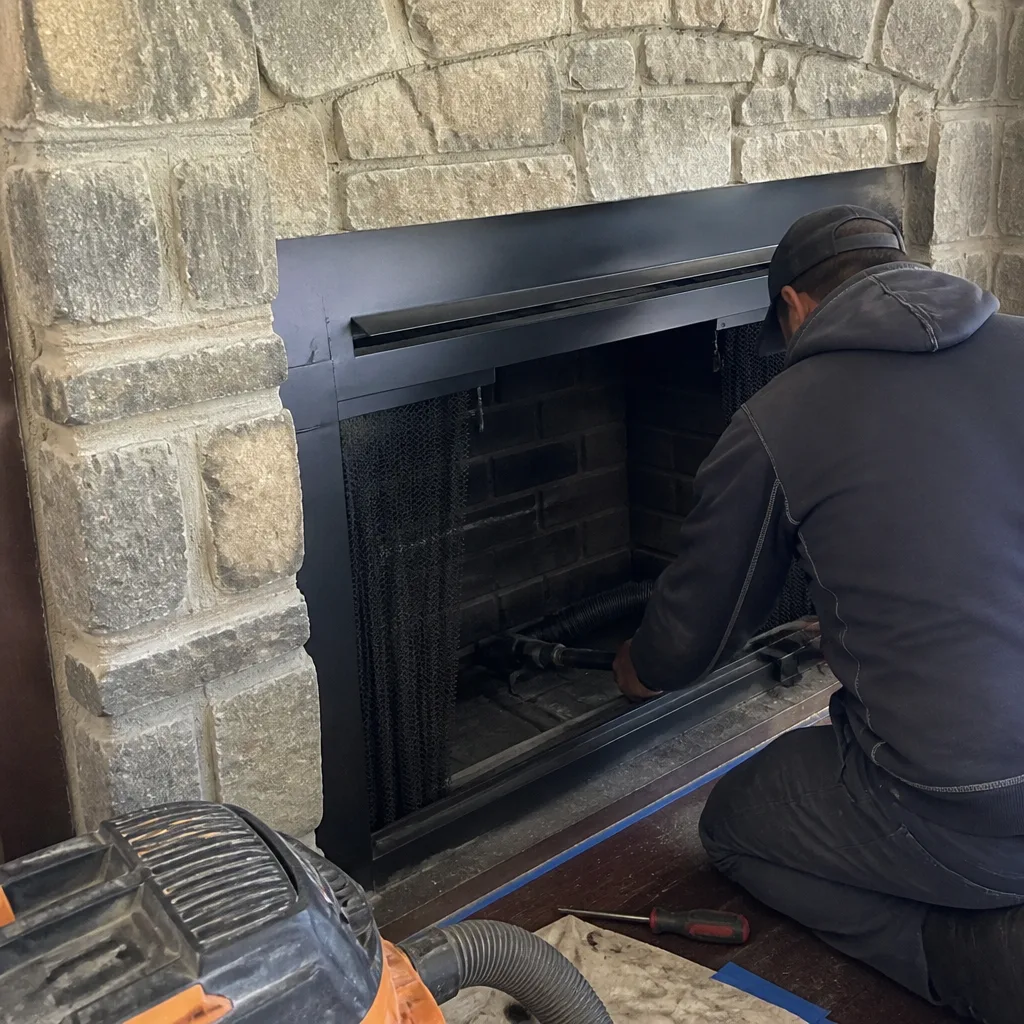 After
AfterHeatShield Chimney Cap Installation: The Manhattan Owner’s Guide
We stock and install HeatShield-compatible chimney caps throughout Manhattan, with most installations running $340 to $680 including the cap, fasteners, and labor. If you’re reading this, you’ve probably already noticed water in the firebox, rust streaks down the chase, or a cap that’s visibly pulling away from the crown. Most HeatShield owners discover the failure the same way: a small leak turns into stained ceilings or a musty smell, and by then the cap’s been compromised for a season or two.
Our crew at Level Two Chimney Manhattan handles HeatShield cap replacements the same way we’ve handled every job since 2009: a written price before we touch anything, a camera inspection to document what’s actually failing, and a photo record when the work is done. Corrine Halstead built this company on the idea that you should see exactly what we saw before you sign anything. The camera doesn’t guess. Neither do we.
Which HeatShield Models This Applies To
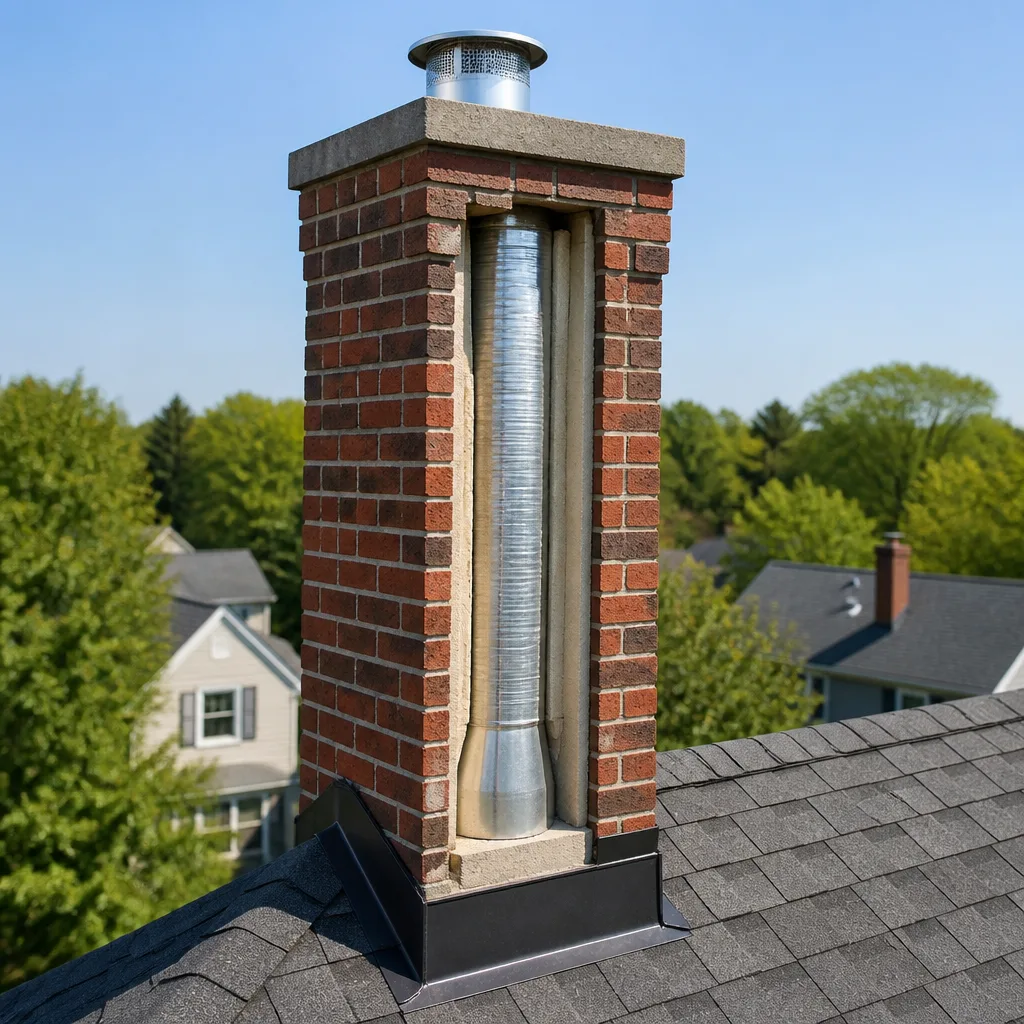
This page covers HeatShield flue caps, chase covers, and multi-flue caps used with HeatShield ceramic coatings and stainless steel liner systems. The compatibility question matters more than most owners realize. HeatShield caps are sized to the inside diameter of your flue tile or liner, not the outside dimension of the chimney. A common Manhattan situation: a pre-war brownstone with a 13″x13″ terra cotta flue that’s been relined with HeatShield’s 8″ round stainless system. The cap needs to match the 8″ liner, not the original flue opening.
If you can still read the label on the underside of your existing cap, you’re ahead. HeatShield stamps their caps with a part number that includes the diameter; for example, an HC8 cap fits an 8-inch liner. No label? Measure the inside diameter of the flue opening at the top of the chimney. That number is your cap size. When it comes to OEM versus aftermarket, HeatShield’s own caps are the safest bet if you’re still under any kind of install or material warranty. For older systems, or when an OEM cap is backordered, we also work with quality equivalents from Gelco and Olympia Chimney that match the same spec ranges. We stock common HeatShield sizes on the truck, but we’ll tell you honestly if a specialty size needs to be ordered. That’s normally a two-day wait in Manhattan, not two weeks.
Signs Your HeatShield Chimney Cap Installation Is Failing
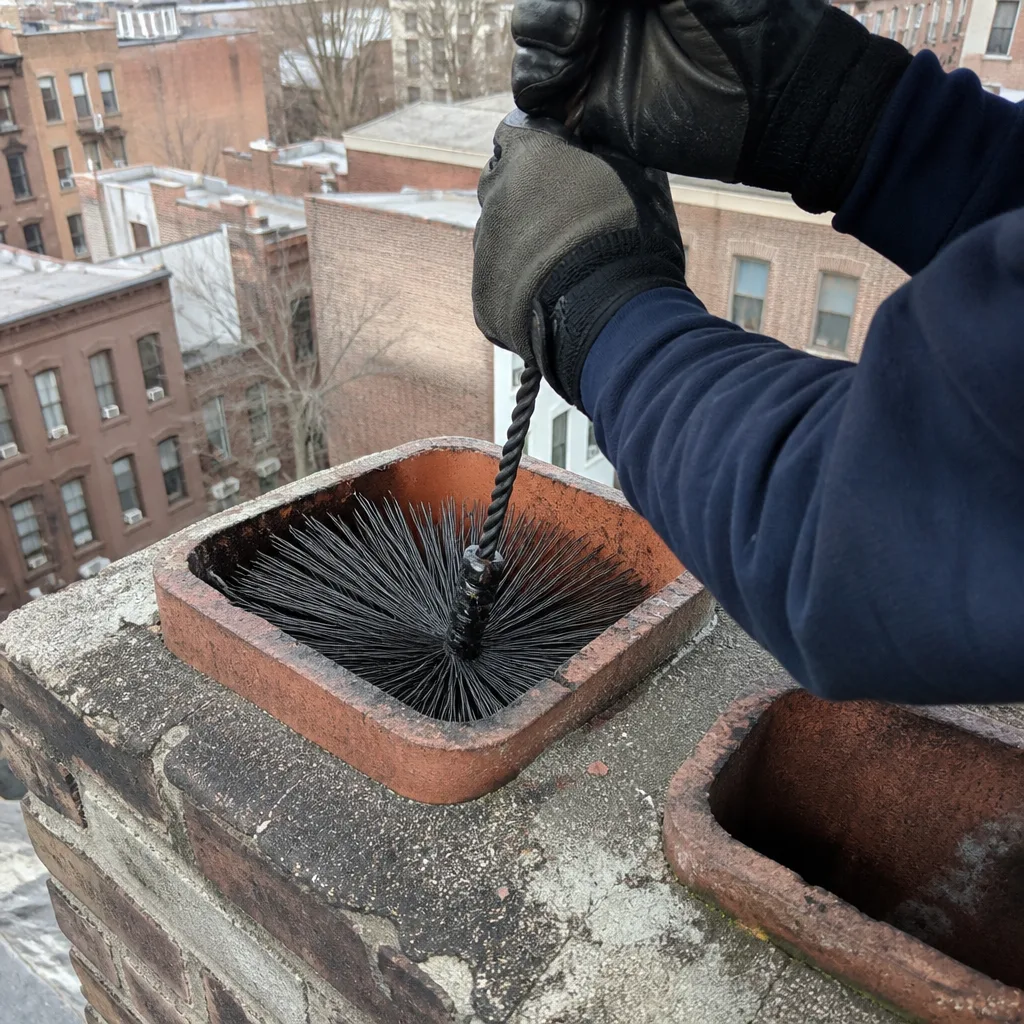
- Water staining on the ceiling near the chimney. The most common failure mode in Manhattan brick rowhouses. The cap’s seal has broken down, and rain is wicking down between the liner and the masonry. You won’t always see it from the ground; by the time the ceiling shows it, the top two or three feet of flue liner have been taking water for months.
- Rust streaks down the side of the chase or crown. Galvanized caps, especially on older HeatShield installs, start to corrode after ten to fifteen years of New York winters. The streaks are the cap dissolving. A stainless cap won’t do this, which is why we quote stainless for most Manhattan replacements.
- Debris inside the firebox after a storm. Look for leaves, twigs, or small pieces of cap mesh in the firebox or on the smoke shelf. That means the cap’s mesh or mounting hardware has partially failed, and you’re now inviting birds and rain.
- Flue smells when the fireplace isn’t in use. A failed cap often coincides with a failed seal. Down-drafting through a partially open cap pulls air back through the chimney and pushes musty, sooty air into the living space.
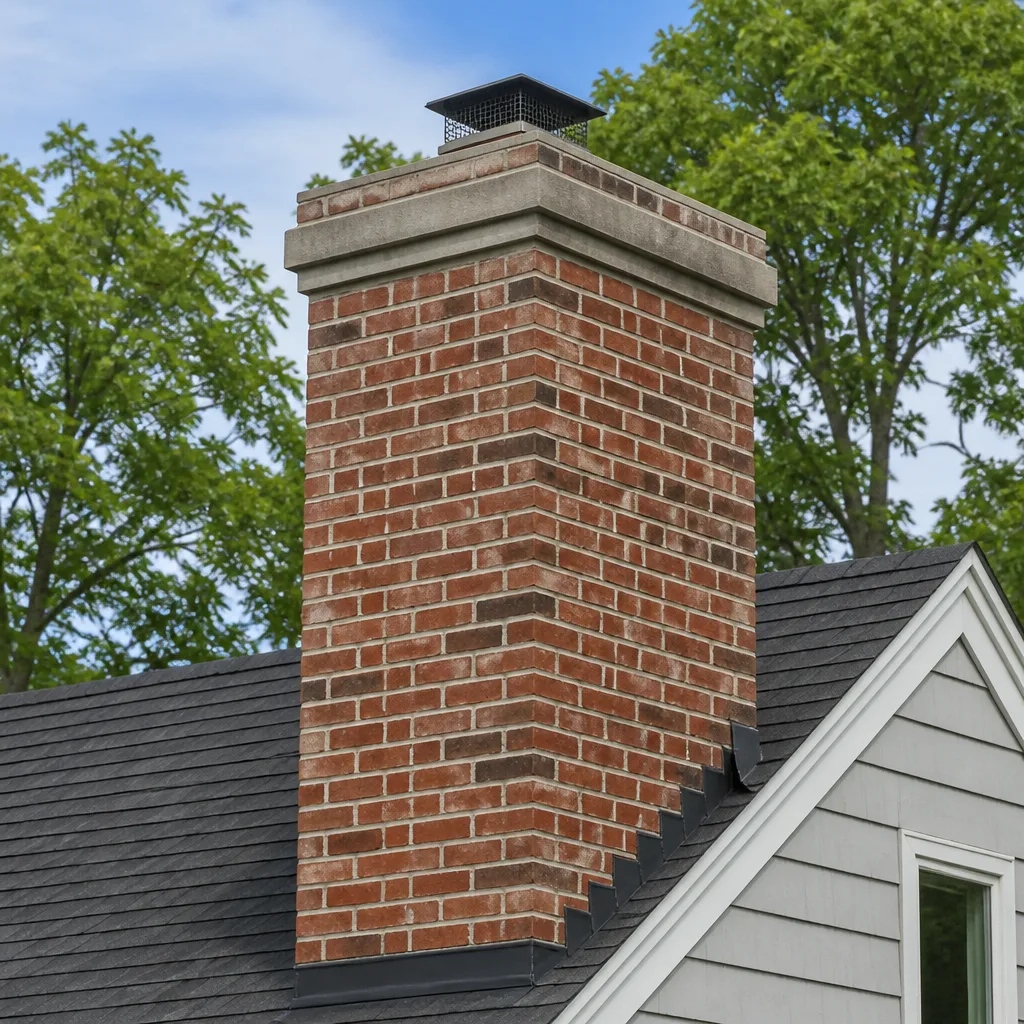
- The cap is visibly tilted or missing. High winds on the Upper West Side and along the East River can shift a poorly mounted cap. If you can see daylight under one edge from the street, the cap is no longer doing its job.
BeforeAfterReplacement Cost & What’s Included
For HeatShield-compatible cap installation in Manhattan, expect $340 to $680 installed. Here’s the breakdown:
- Cap (parts): $120 to $310 depending on size, material, and single versus multi-flue configuration
- Labor and fastening: $180 to $320 depending on access, roof pitch, and whether we’re working from a ladder or need a roof harness
- Sealant and flashing repair around the cap base: $40 to $80 when the existing seal has degraded
Every Level Two Chimney Manhattan quote is written before the work starts, per Haven Standard Clause 1. You’ll know the exact parts cost and labor cost before we climb the ladder. The installed cap carries the manufacturer’s material warranty plus our 365-Day Done Right Promise: if it’s not done right, we make it right.
DIY or Call Us?
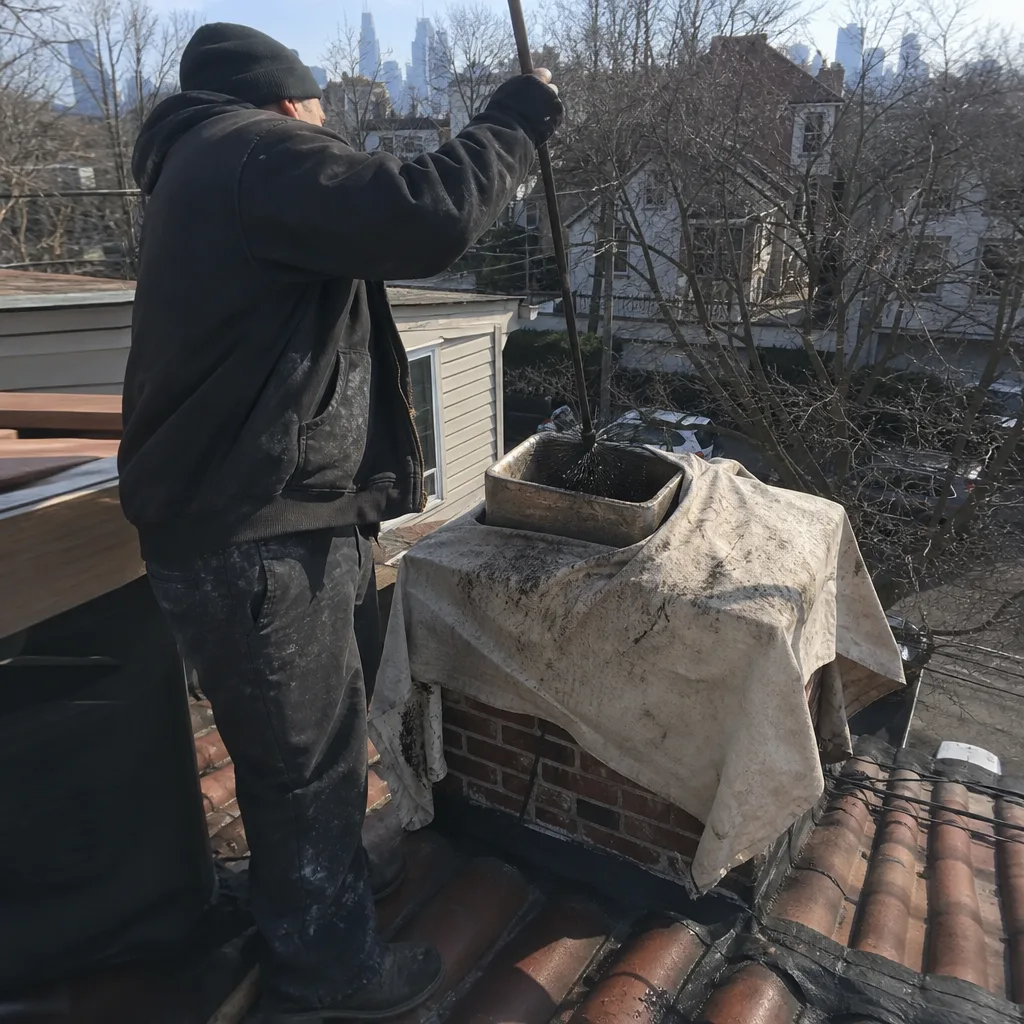
Installing a chimney cap in Manhattan isn’t like swapping a showerhead. You’re on a roof that may pitch, the surface may be slate or gravel, and one misstep is a genuine life hazard. The actual mounting work, drilling into the crown, setting the sealant, torquing fasteners so they don’t crack the masonry, is straightforward for a trained tech but punishing for a first-timer without the right tools. If you want to check the part yourself, you can do it safely from the ground with binoculars: look at the cap’s mesh for rust, check whether it sits level, and note the part number if you can read it. That’s useful intel to have before you call us. But for the installation itself, this is a job where we’d rather see you write a check than take a fall.
Call (862) 319-8047 and we’ll give you a written price for your exact HeatShield configuration. In most of Manhattan, we can have a technician out this week.
FAQs
A stainless HeatShield cap should last 15 to 20 years in New York’s freeze-thaw cycle and coastal air; a galvanized one typically lasts eight to twelve on a roof that sees direct sun and salt wind. Regular camera inspections catch seal failure before it becomes a water leak inside the home. Call (862) 319-8047 if your cap is past the ten-year mark and you want us to assess it.
Sometimes, when the problem is only the sealant or a few loose fasteners. But if the mesh is rusted through, the cap is warped, or the mounting flanges are corroded, a repair will buy you a season at best. We’ll tell you honestly which situation you have, and the camera footage will show you why. We don’t recommend work that isn’t on the camera report.
Most HeatShield cap replacements in Manhattan take 45 to 90 minutes on the roof, plus time for any sealant work on the crown. We’ll text you when the tech is on the way, and you’ll get the photo record when it’s done. That’s Haven Standard Clause 4, in practice since 2009.
We carry common HeatShield cap sizes and stainless fasteners on the truck, plus the sealants and flashing materials we need for a clean Manhattan install on brick or stone crowns. Specialty sizes or multi-flue caps can usually be sourced and scheduled within a couple of days. For the exact part you need, call us at (862) 319-8047 and we’ll check stock while you’re on the phone.
Written by Corrine Halstead, Owner, Level Two Chimney Manhattan at Level Two Chimney Manhattan, serving Manhattan and nearby areas.