
Level 1 sweep and inspection to the NFPA 211 annual standard - flue, crown, cap, and flashing checked and photographed
Chimney sweep logs do not sweep chimneys. They loosen some creosote - which then falls where a brush and vacuum still have to collect it.
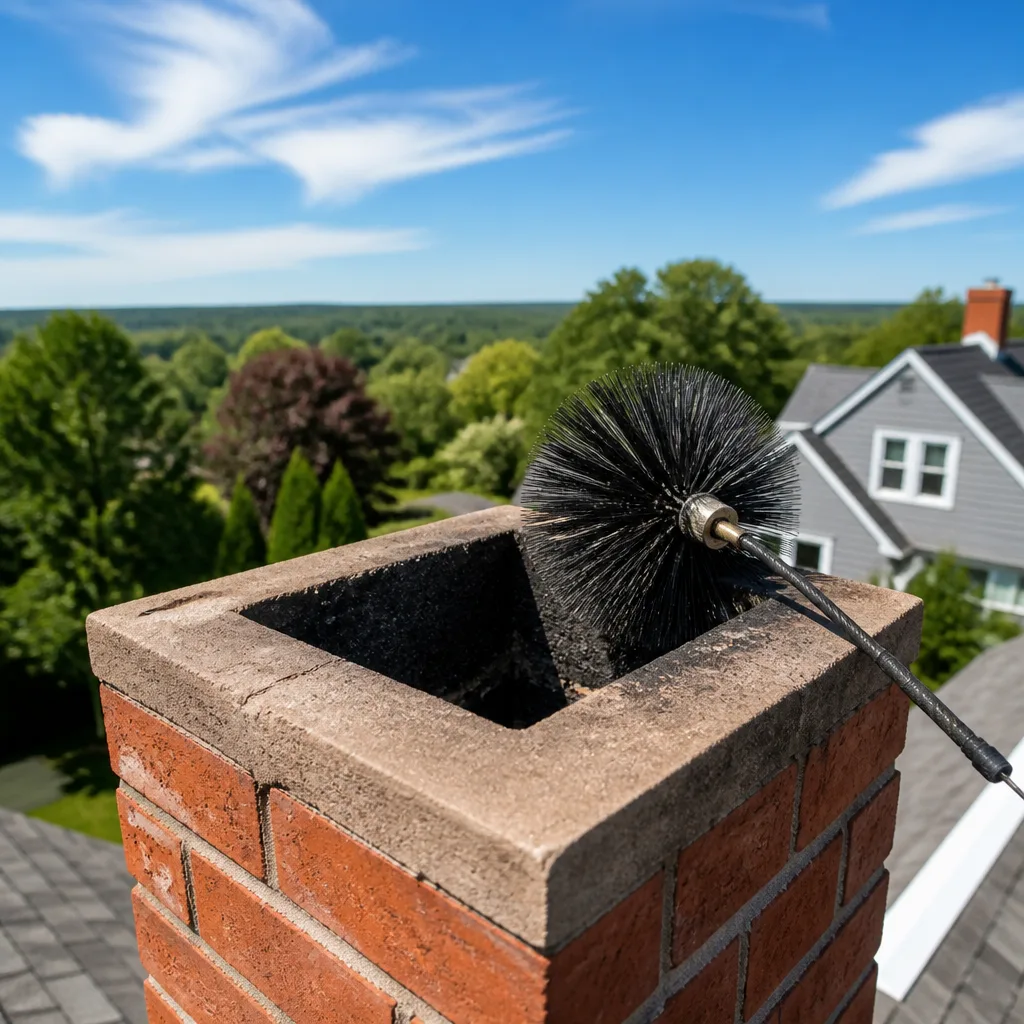
Caps & crowns
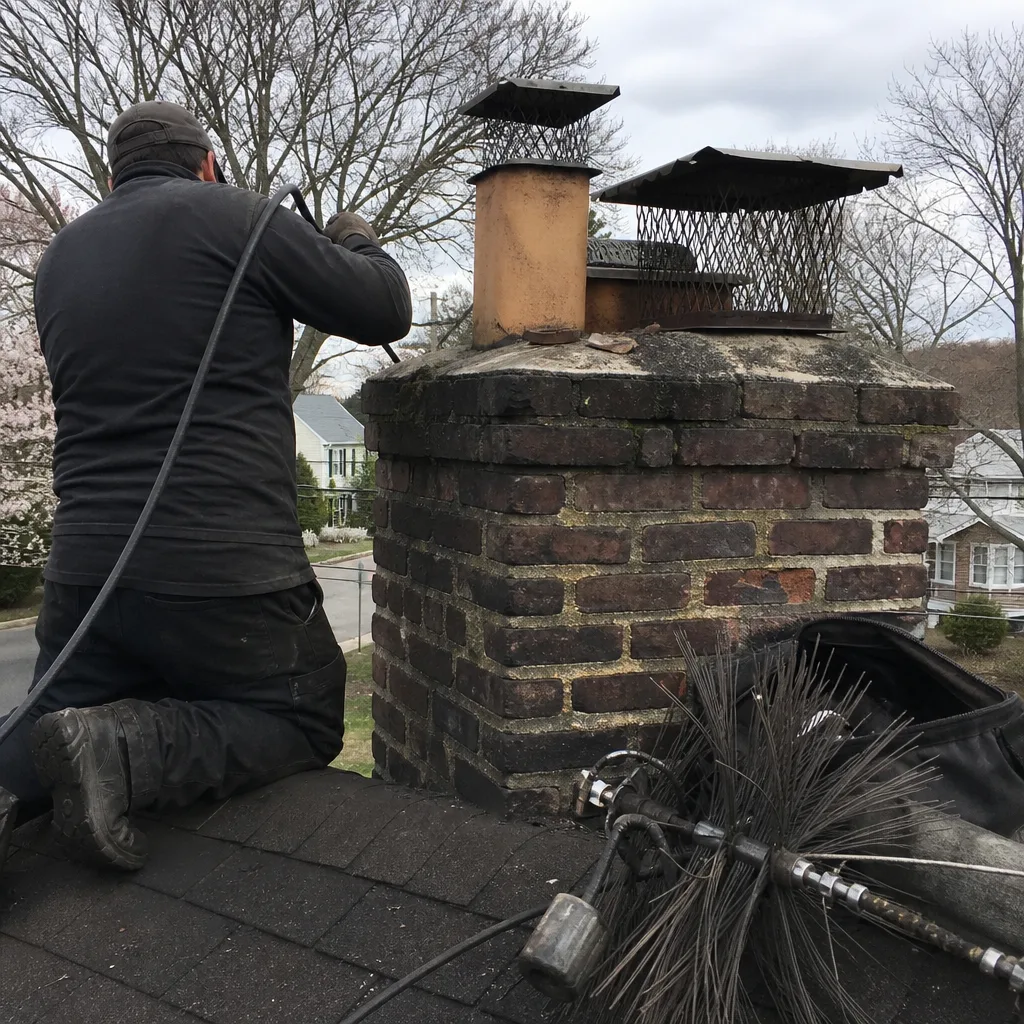 Before
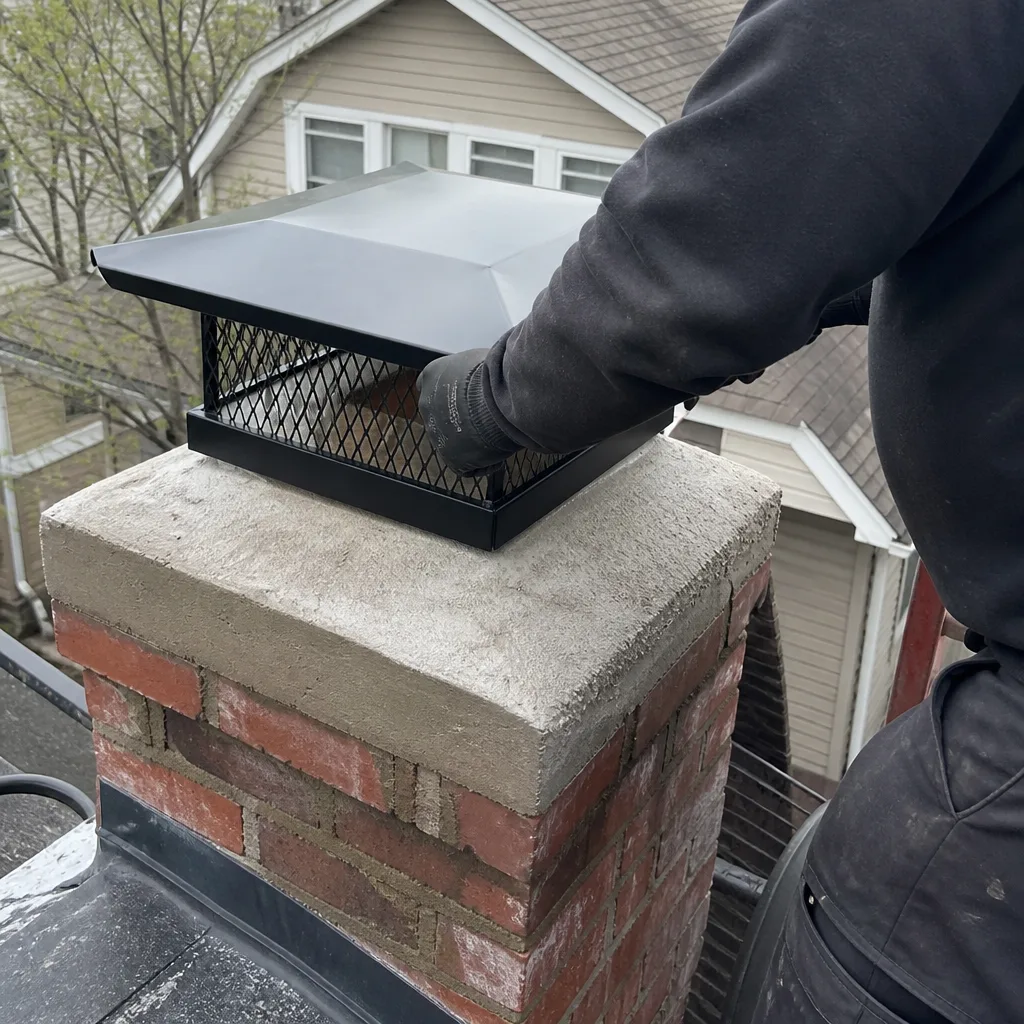 After
After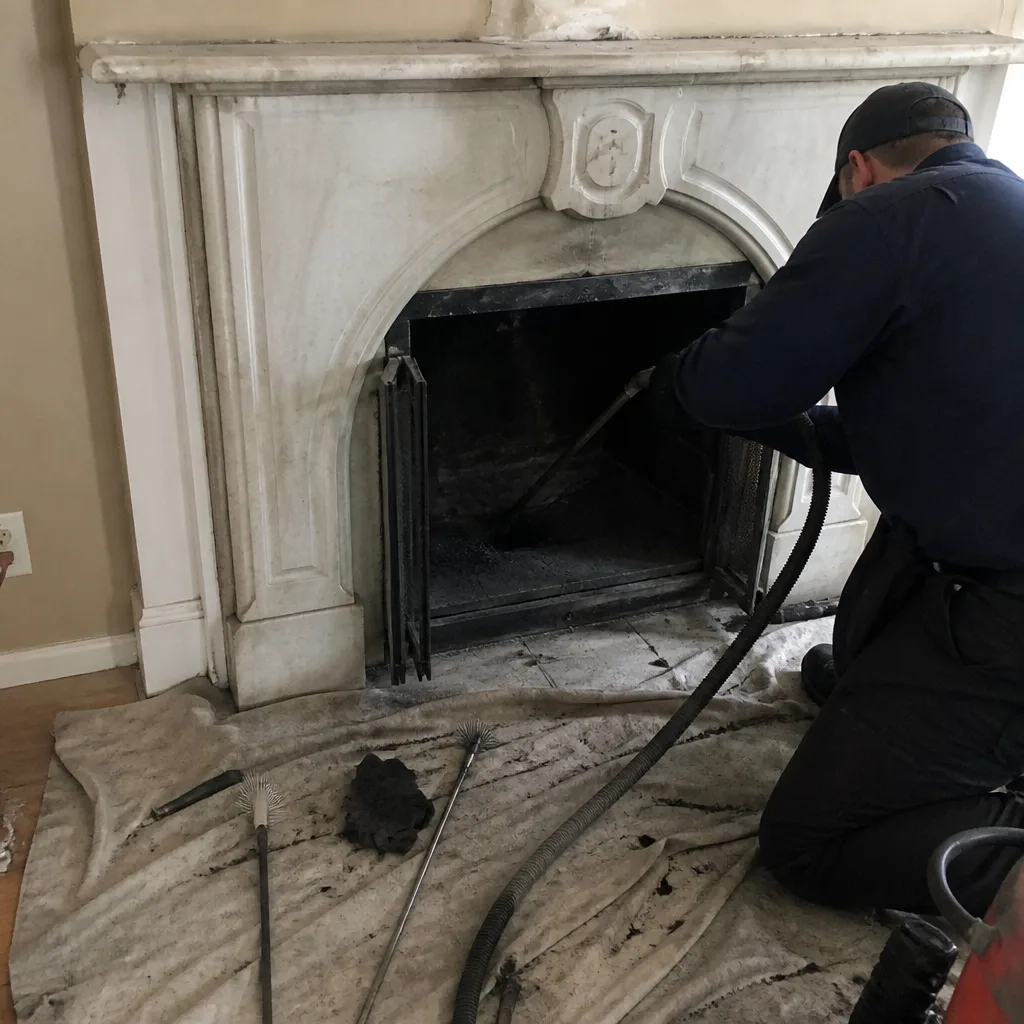 Before
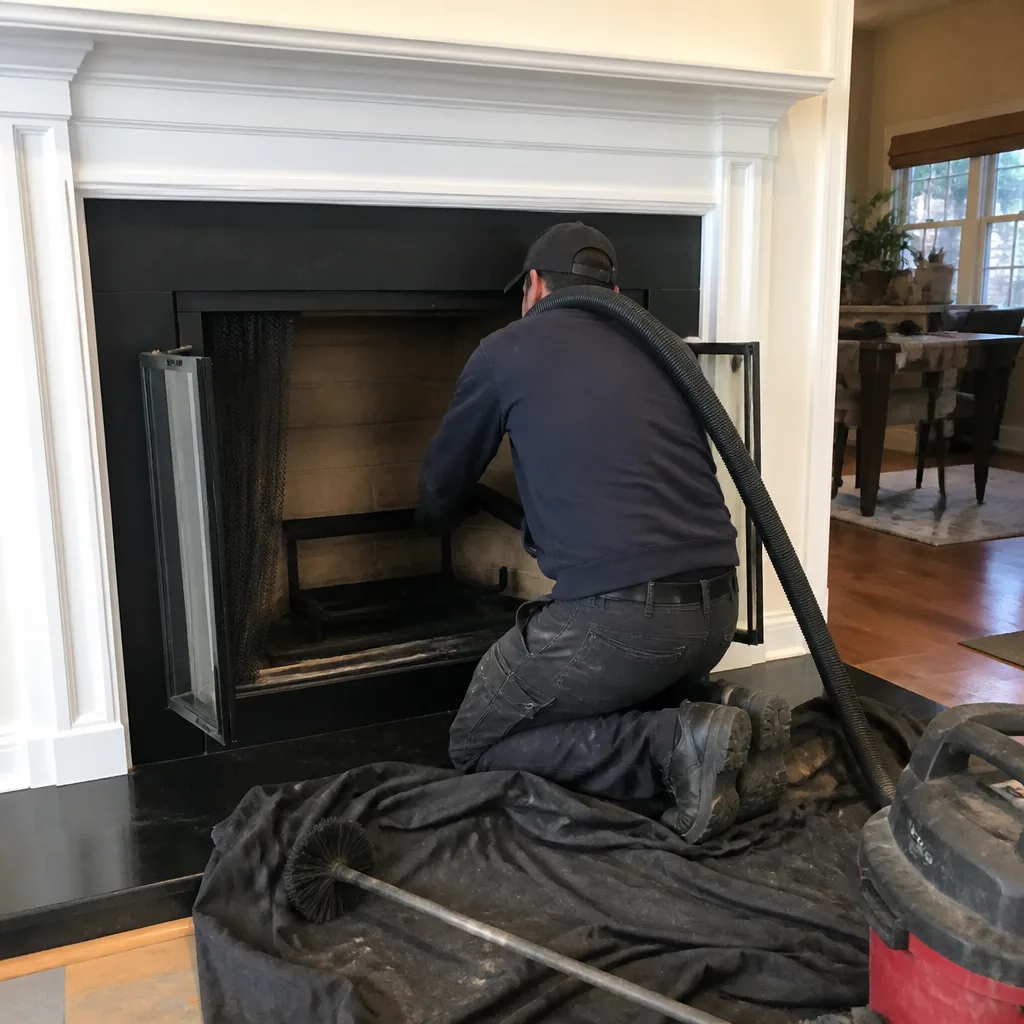 After
After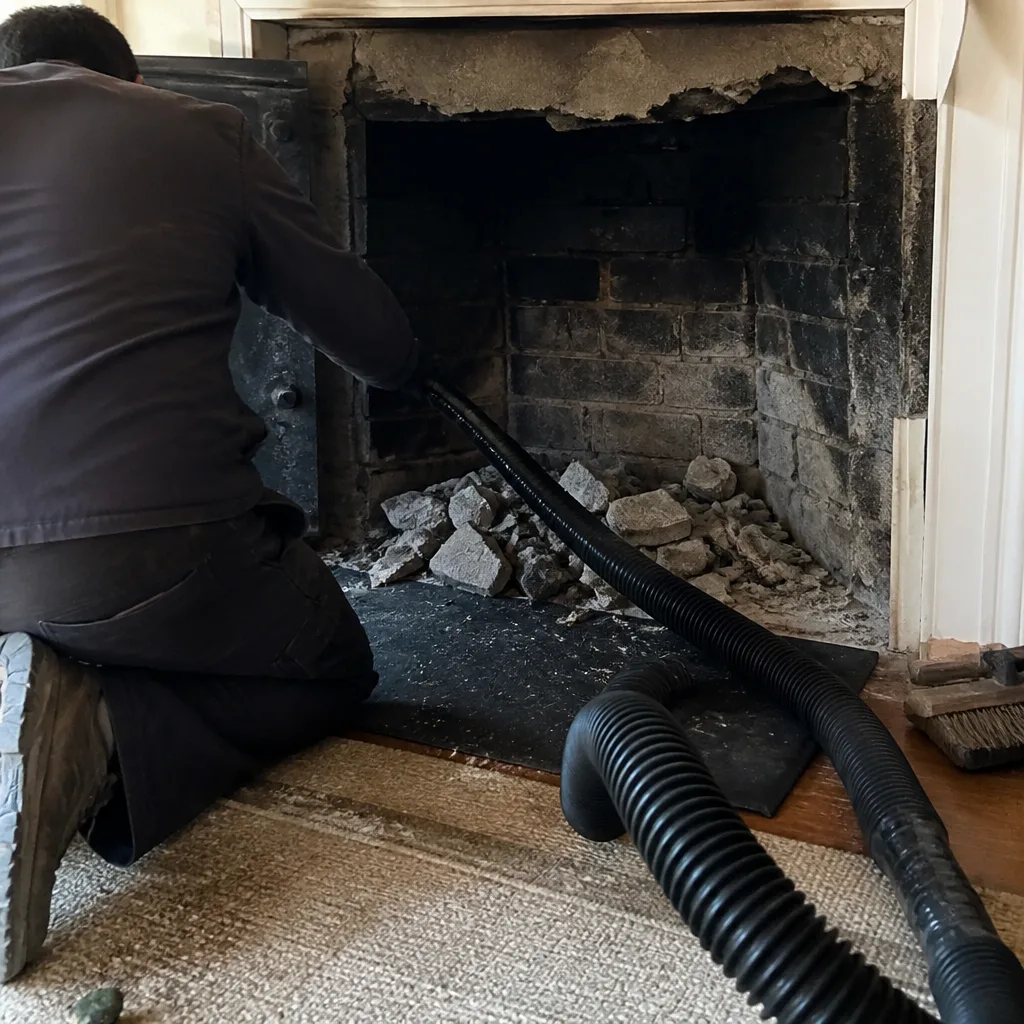 Before
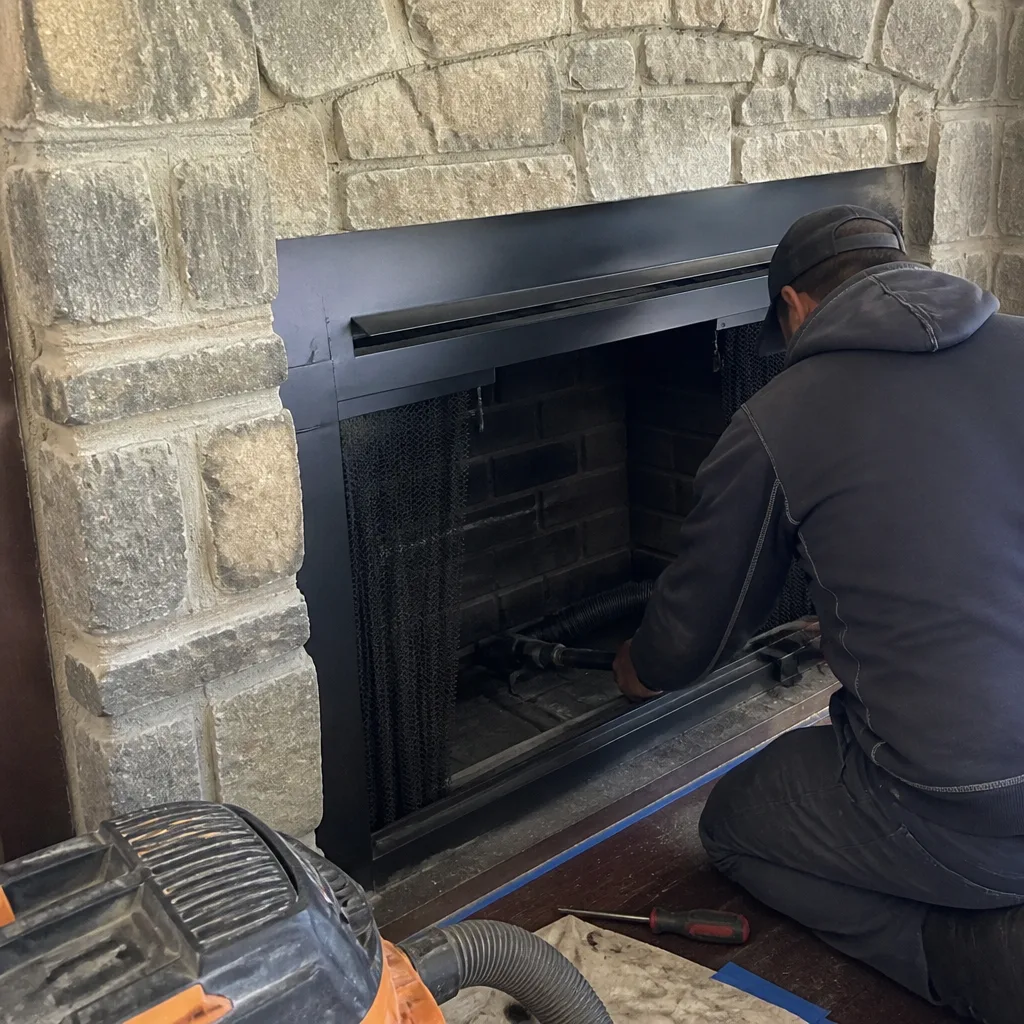 After
AfterFamco Flue Liner Replacement: The Manhattan Owner’s Guide
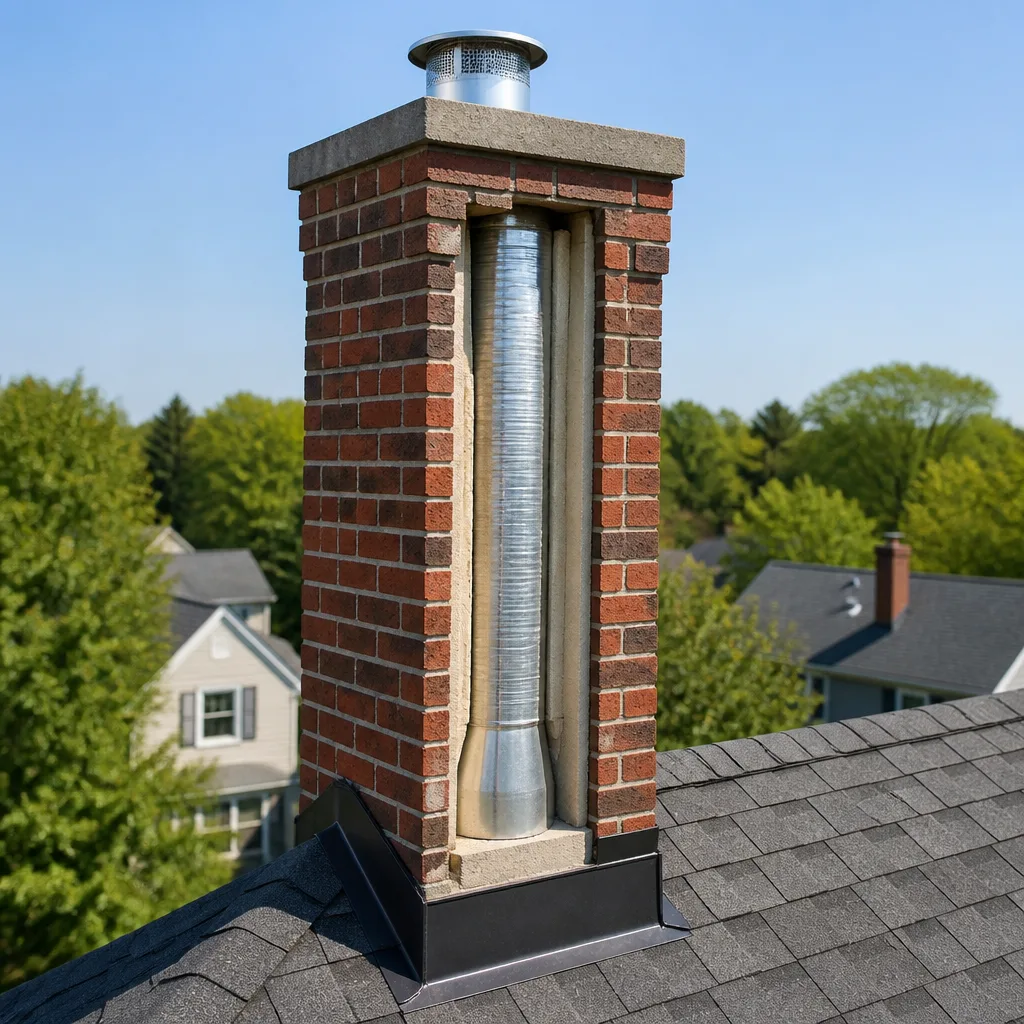
Famco flue liner replacement in Manhattan typically runs $1,850 to $3,400 installed, depending on liner diameter, length, and whether the existing liner needs to be pulled or can be fished through the old cavity. We carry Famco-compatible stainless steel flex liners in the most common Manhattan sizes on the truck, and most replacements are completed in a single visit. If your Famco liner is showing rust-through, pinhole leaks, or a crack visible on camera, the fix is usually a full liner replacement, not a patch. Owners usually find out the hard way: a rust stain on the chase, a backdraft that won’t clear, or a Level 2 camera inspection that shows a seam separating about 14 feet up from the firebox.
We are an independent chimney service company, not affiliated with Famco. That matters because we’ll tell you plainly when a Famco part is worth matching to OEM spec and when a heavier-gauge aftermarket liner from a brand we stock, like DuraFlex or HeatShield, will outlast the original at a better price.
Which Famco Models This Applies To
Famco has manufactured chimney liners and venting components for decades, and the part numbers on the label tell you more than the model name. Most Manhattan homes with a Famco liner have a 5.5-inch, 6-inch, or 7-inch stainless steel flex liner, either single-wall or a double-wall rigid section at the appliance connection. The original Famco tag is usually riveted to the top plate or printed on a label near the appliance connector. If you can read the diameter and alloy type (typically 316L or 304 stainless), we can match it without a callback. If the label is gone, we measure at the top termination and at the appliance collar. The two measurements rarely match on older Manhattan installs, which is a compatibility gotcha most people miss: the liner may have been sized to the old appliance, not the current one.
Famco’s OEM replacement liners are solid, but for gas and oil appliances in Manhattan’s humid winters, a 316L liner from DuraFlex or a HeatShield resurfacing job often makes more sense than paying a premium for an OEM Famco part with the same alloy. The decision comes down to what the camera shows: smooth-wall or corrugated interior, existing insulation wrap, and whether the old liner is crush-damaged anywhere. Corrine Halstead makes the final call on which liner spec goes in every job, and she’ll show you the label on the replacement before it goes down the flue.
Signs Your Famco Flue Liner Replacement Is Failing
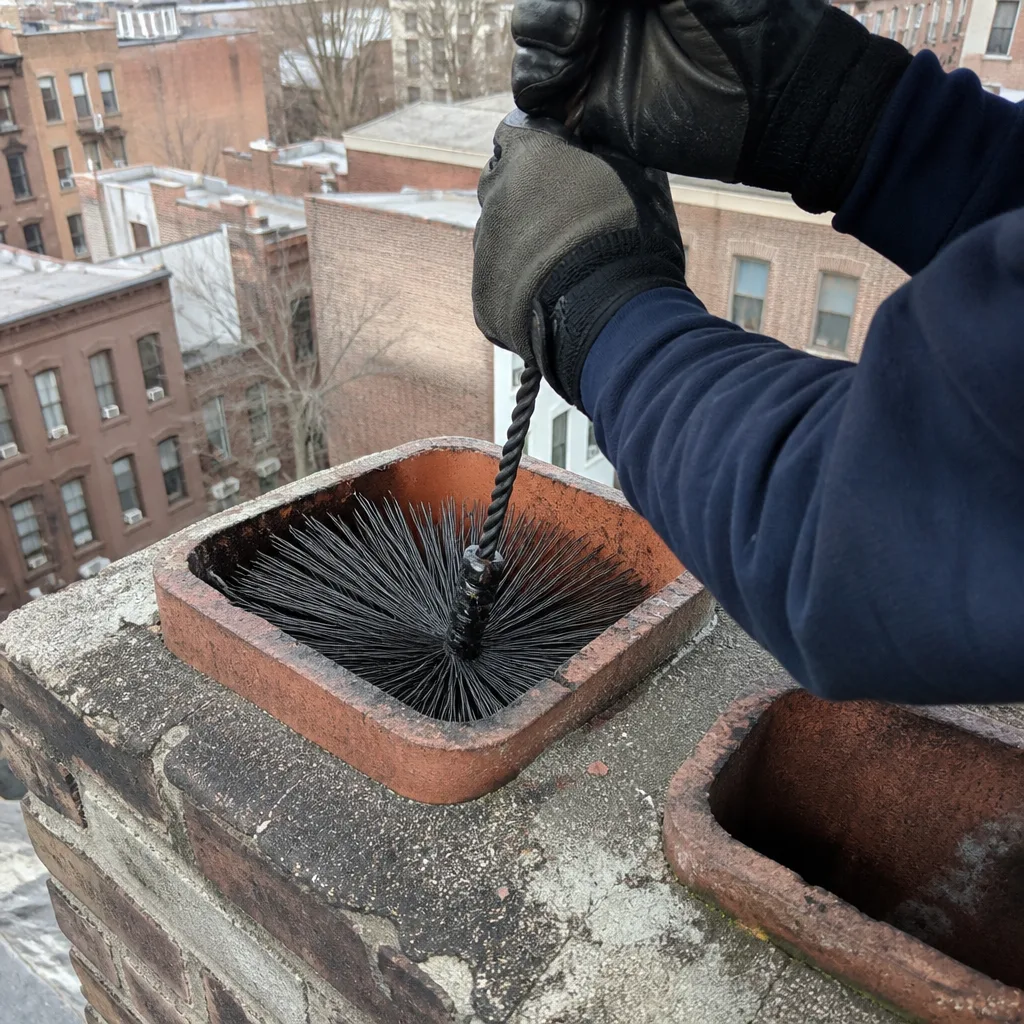
- Rust streaks on the chimney chase or ceiling below the flue. This means the liner has pinholes letting condensation escape into the surrounding structure. Stainless liners in Manhattan often rust from the outside in, because warm flue gas meets cold exterior walls and condensates against the liner wall every winter.
- Backdrafts or smoke entering the room on windy days. A cracked liner loses draft pressure. The flue can’t pull hard enough, so smoke finds the path of least resistance, which is your living room.
- A strong, unexplained sulfur or oil smell near the fireplace or boiler flue. Exhaust gases leaking through a seam or crack in the liner are venting into the void between flue and chase. In a Manhattan brownstone or co-op, that void space often connects to adjacent units’ wall cavities.
- Visible cracks or gaps at liner seams on inspection. Famco seam welds fail first at the crimped joints, especially in older installs that used 304 stainless. A camera scan shows the split before it becomes a leak you can smell.
- Lower boiler or furnace efficiency and higher utility bills. A comprimised liner lets room air into the flue, which cools the exhaust and reduces draft. Your appliance runs longer to do the same job. If your heating bills jumped this winter and the boiler is otherwise healthy, the flue liner is worth a look.
BeforeAfterReplacement Cost & What’s Included
In Manhattan, installed Famco flue liner replacement costs vary by job specifics, not by a tech’s mood. A straightforward 6-inch by 20-foot single-wall liner replacement in an accessible single-family chimney runs $1,850 to $2,400. A 7-inch insulated liner in a taller building or one requiring scaffolding or a roof anchor line runs $2,600 to $3,400. What drives the range is access, height, liner diameter, insulation wrap, and whether we need to remove a clay tile liner section to make room. Every quote we give in Manhattan is written item by item: liner cost, top plate, rain cap, labor, disposal, and any masonry repair. Nothing is verbal-only, and the price we write is the price you pay. The work is backed by our 365-Day Done Right Promise and a written warranty on both parts and labor. Corrine Halstead signs off on every liner replacement quote personally.
DIY or Call Us?
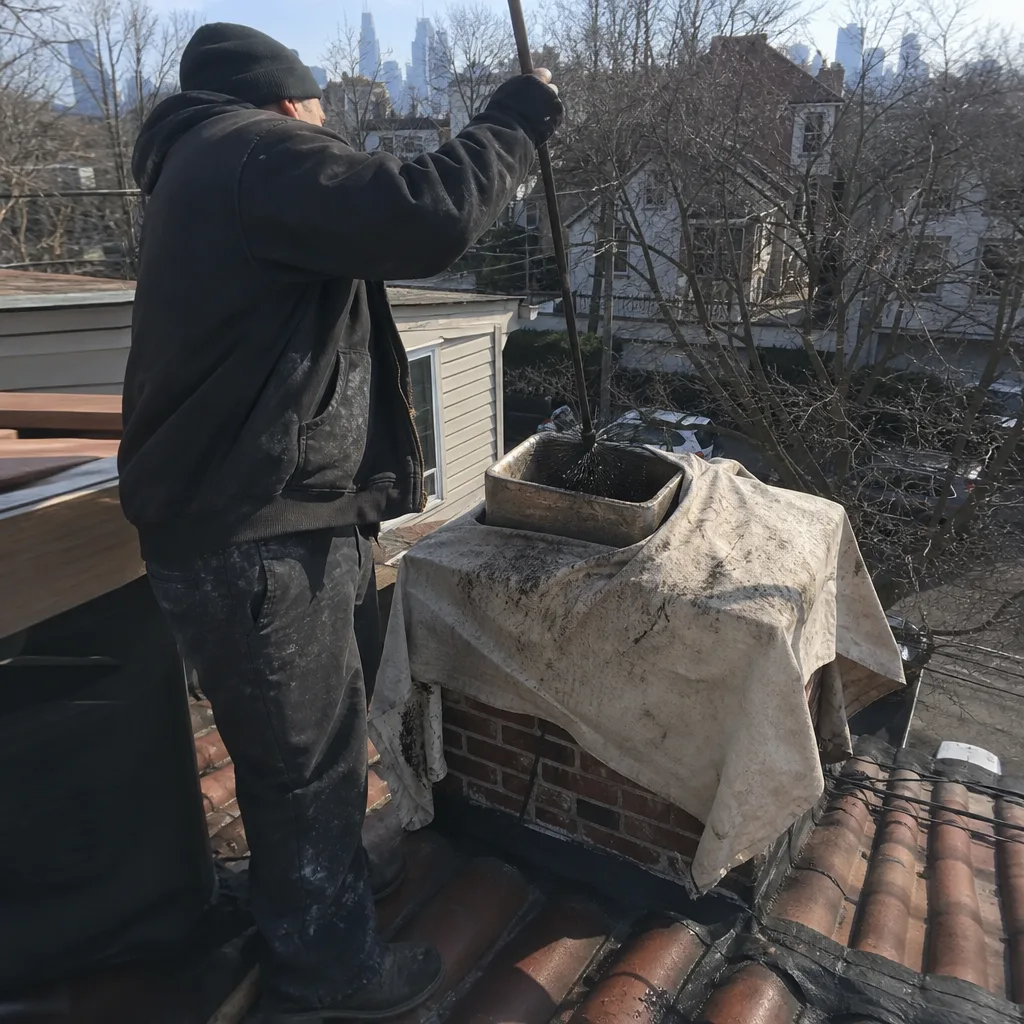
If you want to check whether your Famco liner might be failing, you can do three things safely: look for rust stains near the chimney chase, listen for a whistling draft when the boiler runs, and check your heating bills against last winter. That’s it. Anything beyond that, including attempting to remove or patch a liner section, becomes a structural and fire safety problem fast. A liner is a sealed vent path: a bad patch or wrong alloy creates a carbon monoxide leak path into the home. In a Manhattan apartment building or attached rowhouse, that leak doesn’t always stay in your unit. We do not sell liner sections to homeowners for self-install, and no reputable supplier in the city should either. If you suspect a liner issue, we’ll bring the camera and show you the exact condition before anyone touches a wrench. Call (862) 319-8047 to schedule a visit. Corrine walks the job herself when she’s in Manhattan that day.
FAQs
A Famco 316L liner in Manhattan typically lasts 15 to 20 years, while 304 stainless liners often fail in 8 to 12 years due to condensation corrosion in our humid coastal winters. If your liner is original to a pre-2010 install, it’s past its expected service life. Call (862) 319-8047 to get a camera read on its actual condition.
Generally no. Pinholes and rust-through can’t be welded in place safely on a flex liner, and seam splits only get worse with heat cycles. The honest fix is a full liner replacement. For some liners still structurally sound but showing early corrosion, a HeatShield resurfacing may buy time at a lower cost, but only a camera can tell you which path applies to your flue.
Most single-liner replacements in Manhattan take one day from setup to teardown, including the liner pull, new liner down, top plate and cap, and a post-install camera verification. Larger jobs with scaffolding or masonry repairs run two days. We leave you with a written scope, photos of the old liner, and a posted-installation video walkthrough.
We stock the most common Famco-compatible liner sizes on the truck for Manhattan jobs: 5.5-inch, 6-inch, and 7-inch in both 316L and 304 alloys, plus matching top plates and caps. If your job needs a specialized size or an OEM Famco part, we order it through our supply network and schedule the install the week it arrives.
Written by Corrine Halstead, Owner, Level Two Chimney Manhattan at Level Two Chimney Manhattan, serving Manhattan and nearby areas.