
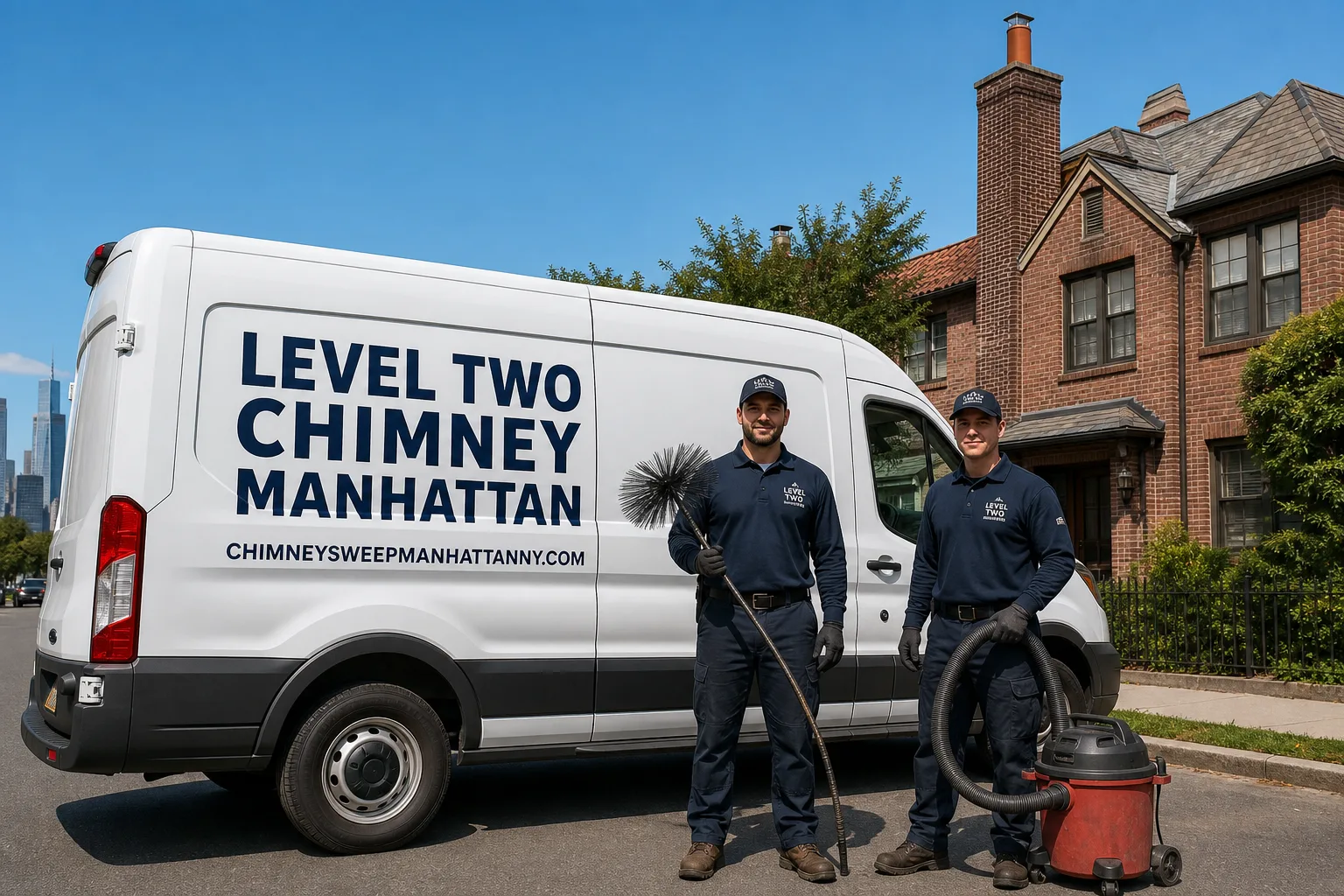
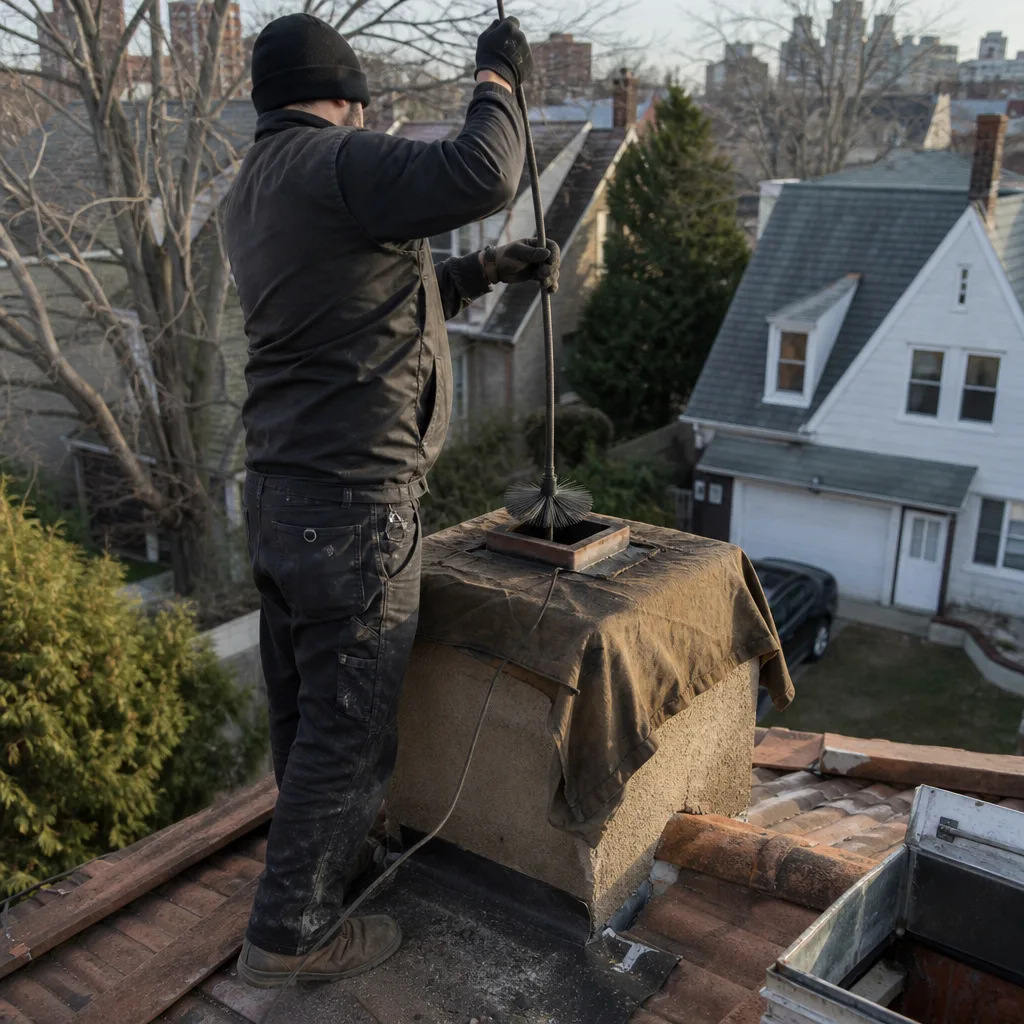
Level 1 sweep and inspection to the NFPA 211 annual standard - flue, crown, cap, and flashing checked and photographed
Chimney sweep logs do not sweep chimneys. They loosen some creosote - which then falls where a brush and vacuum still have to collect it.
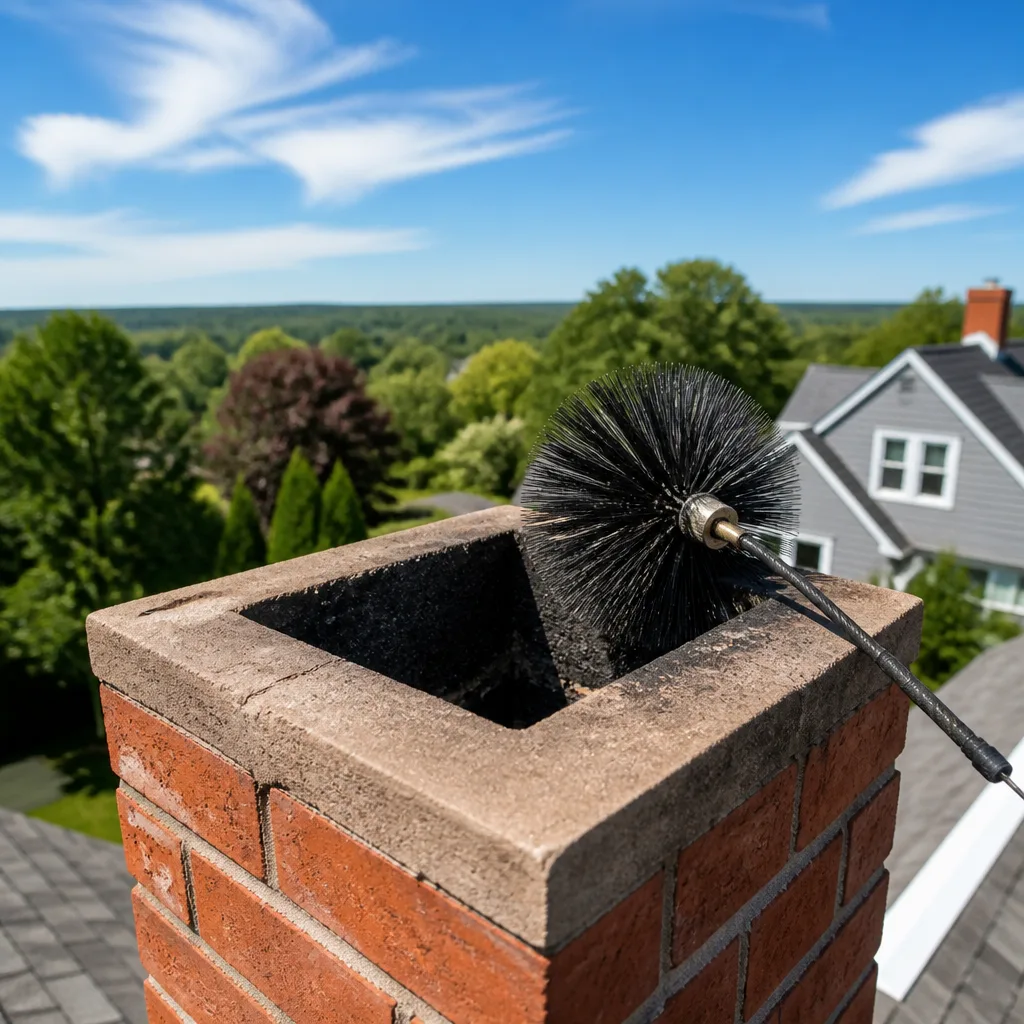
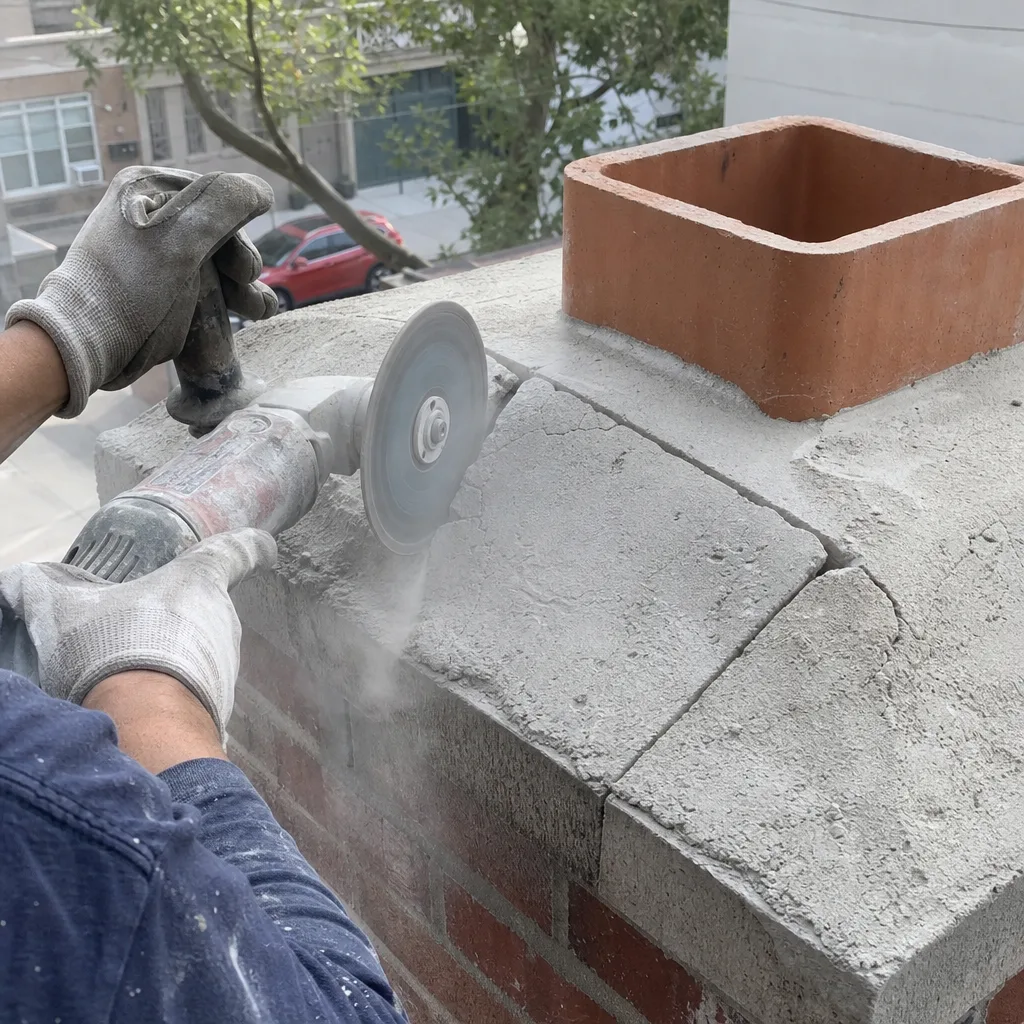
Caps & crowns
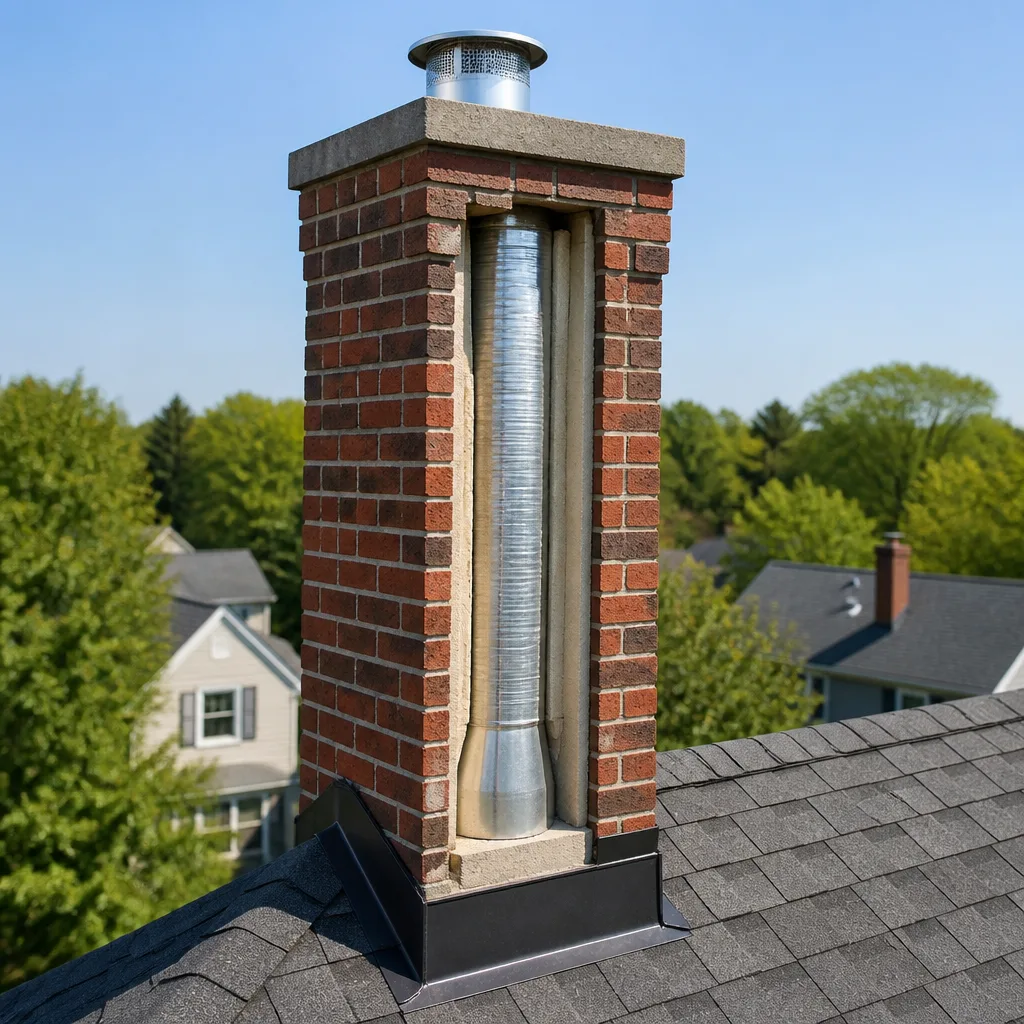
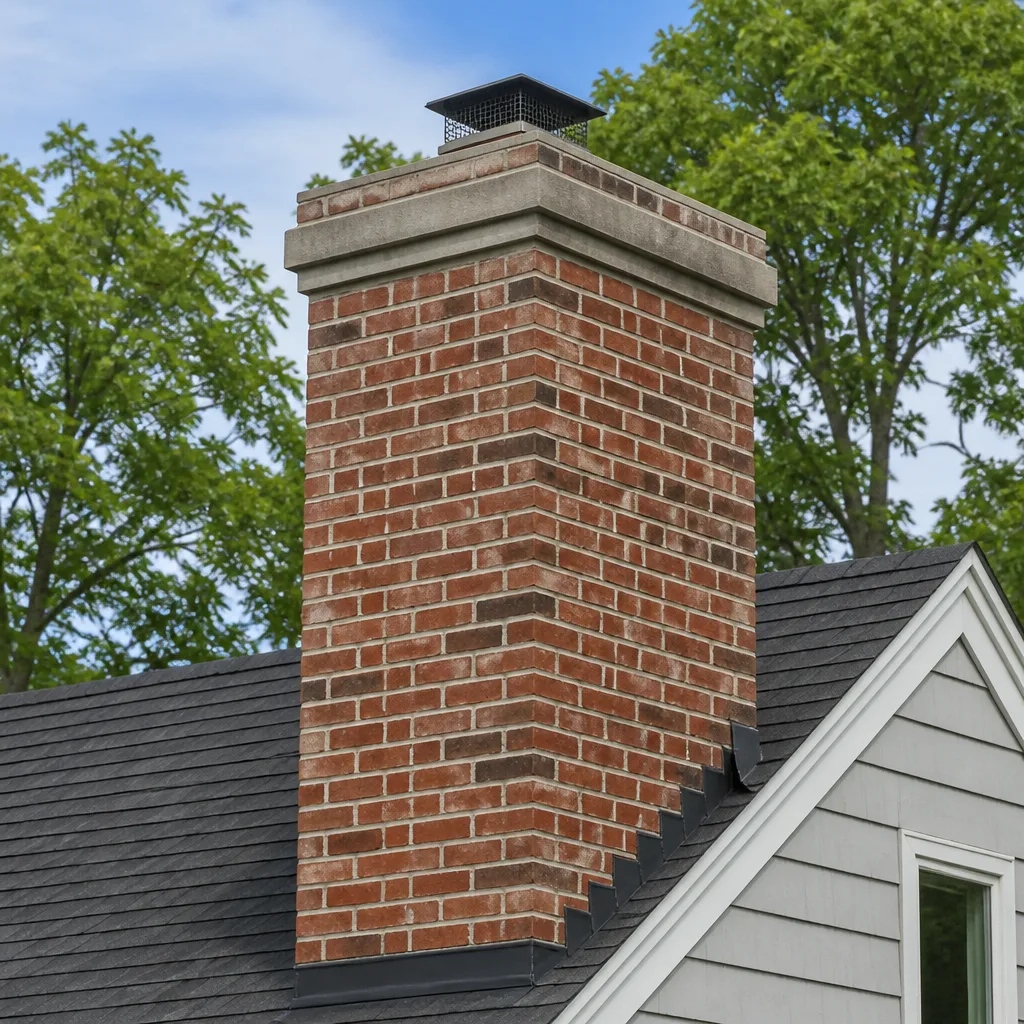
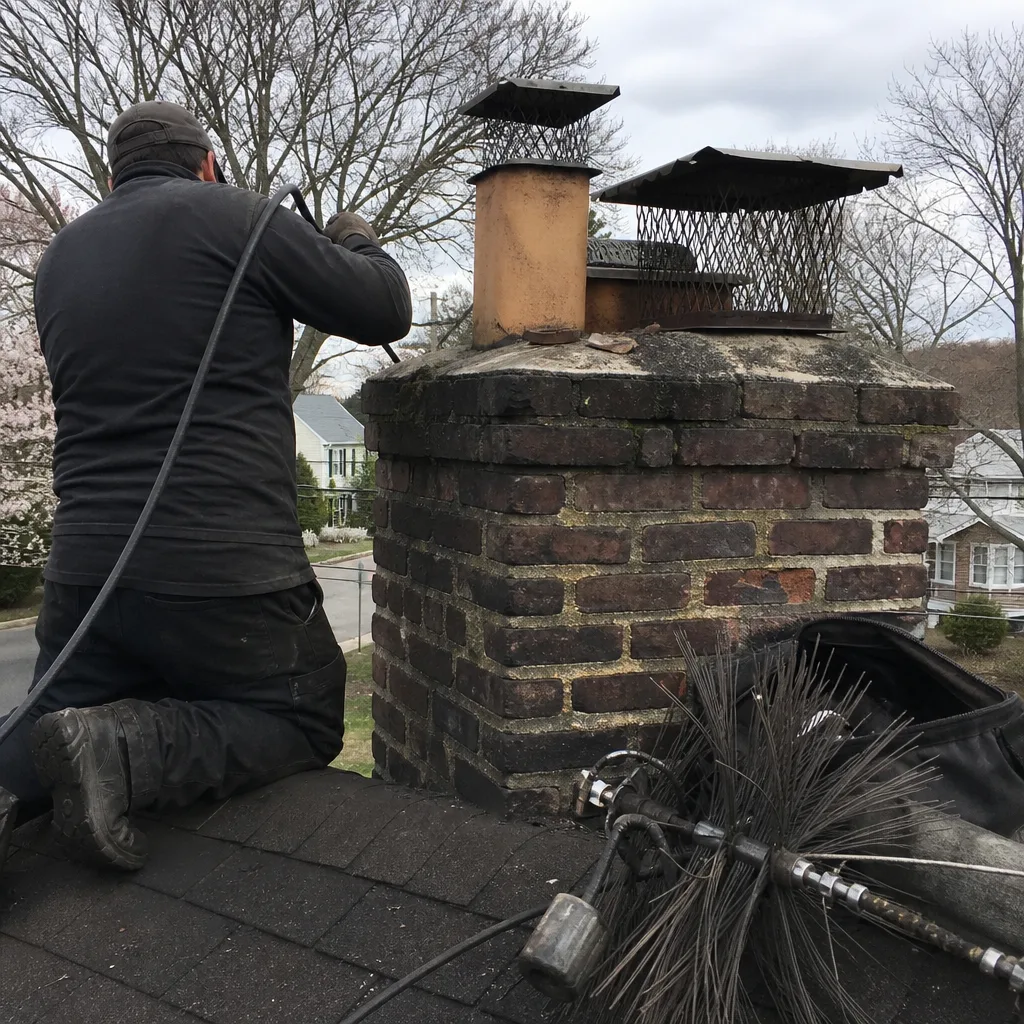 Before
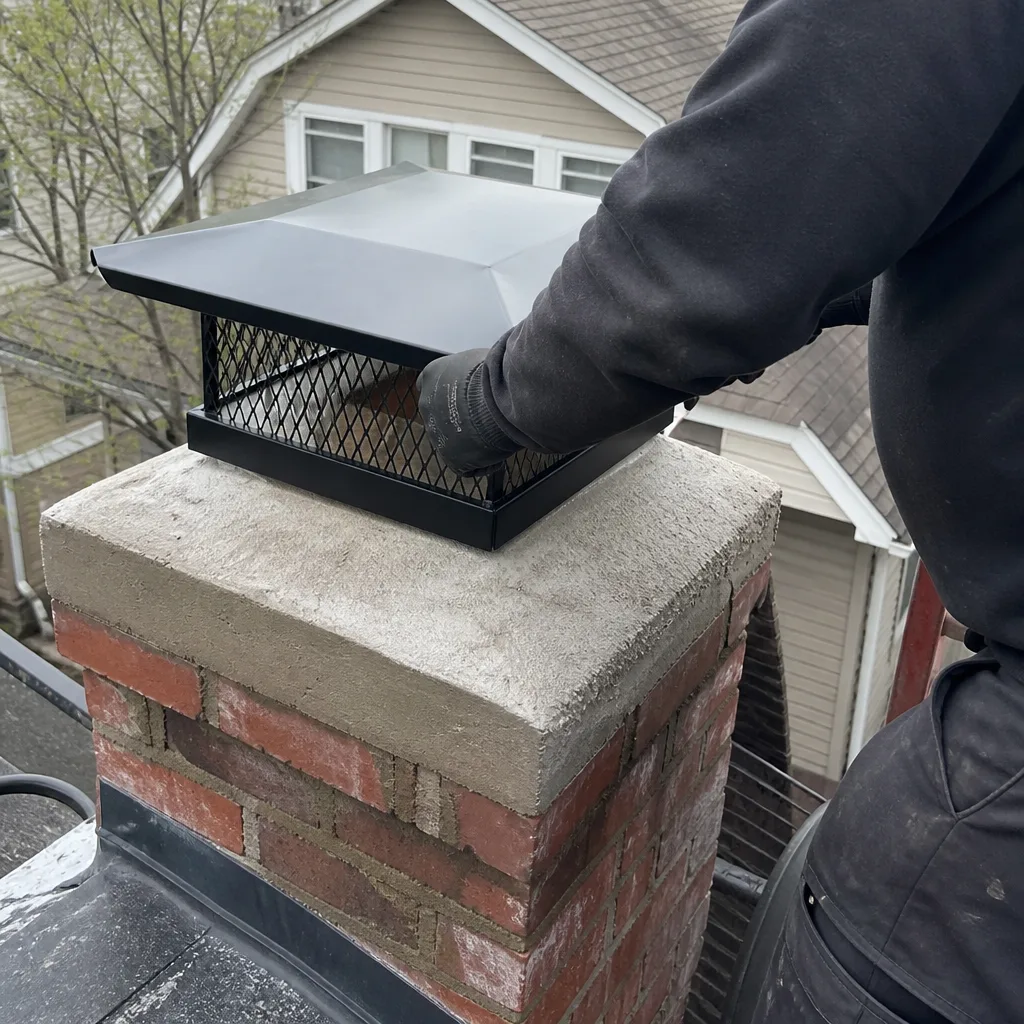 After
After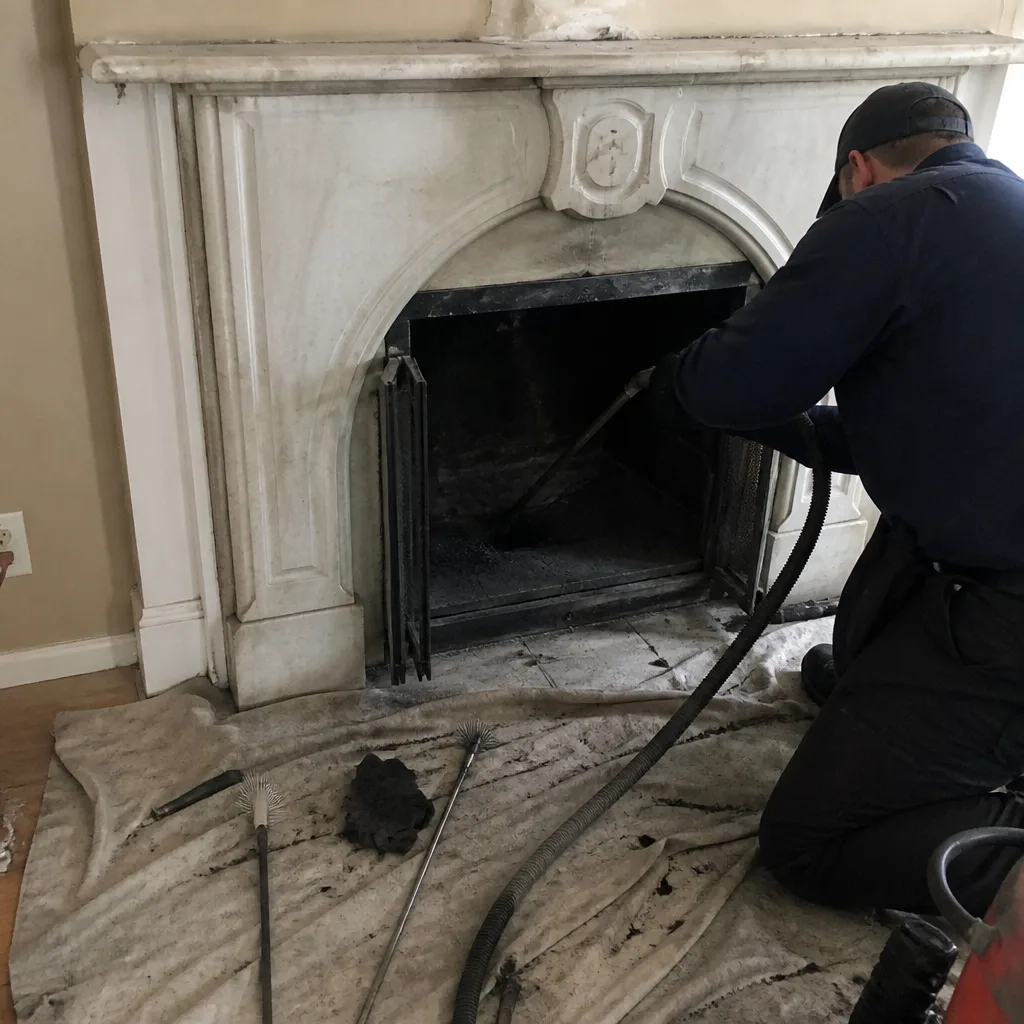 Before
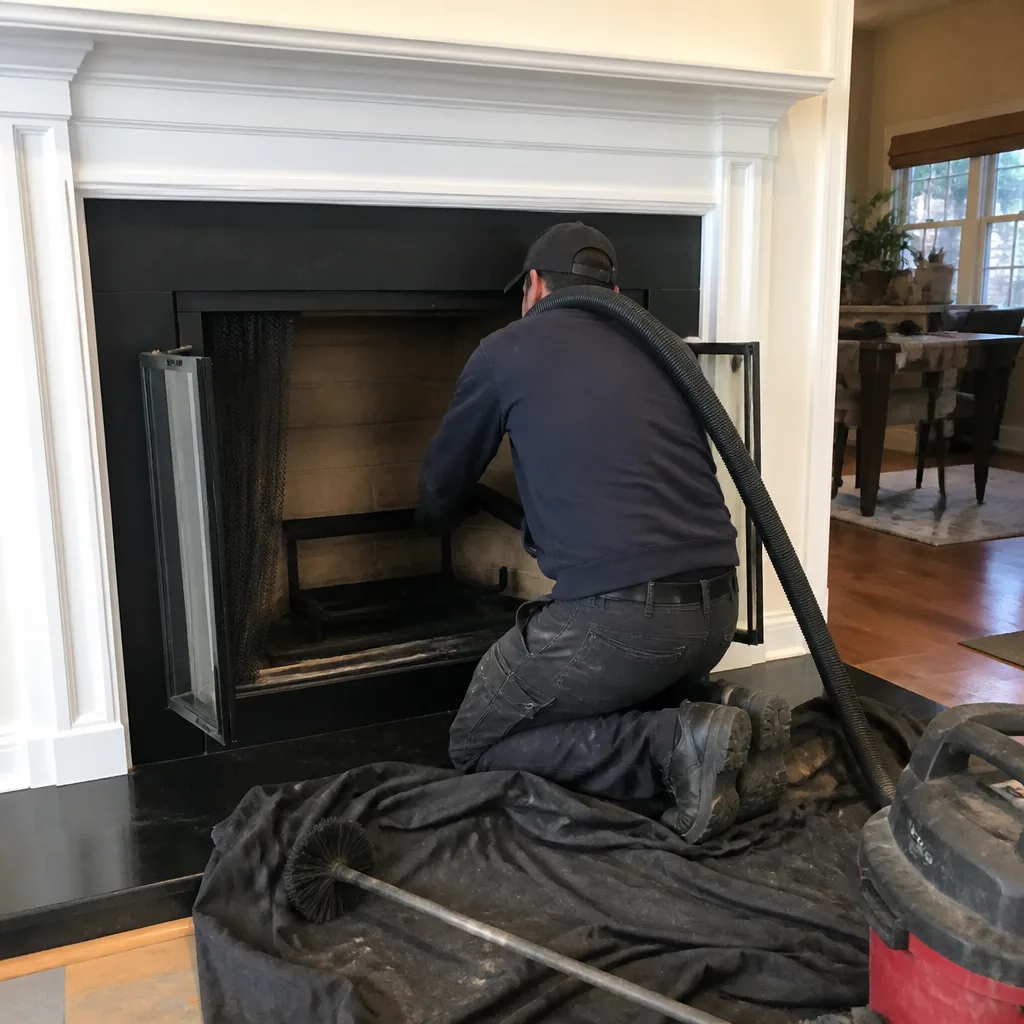 After
After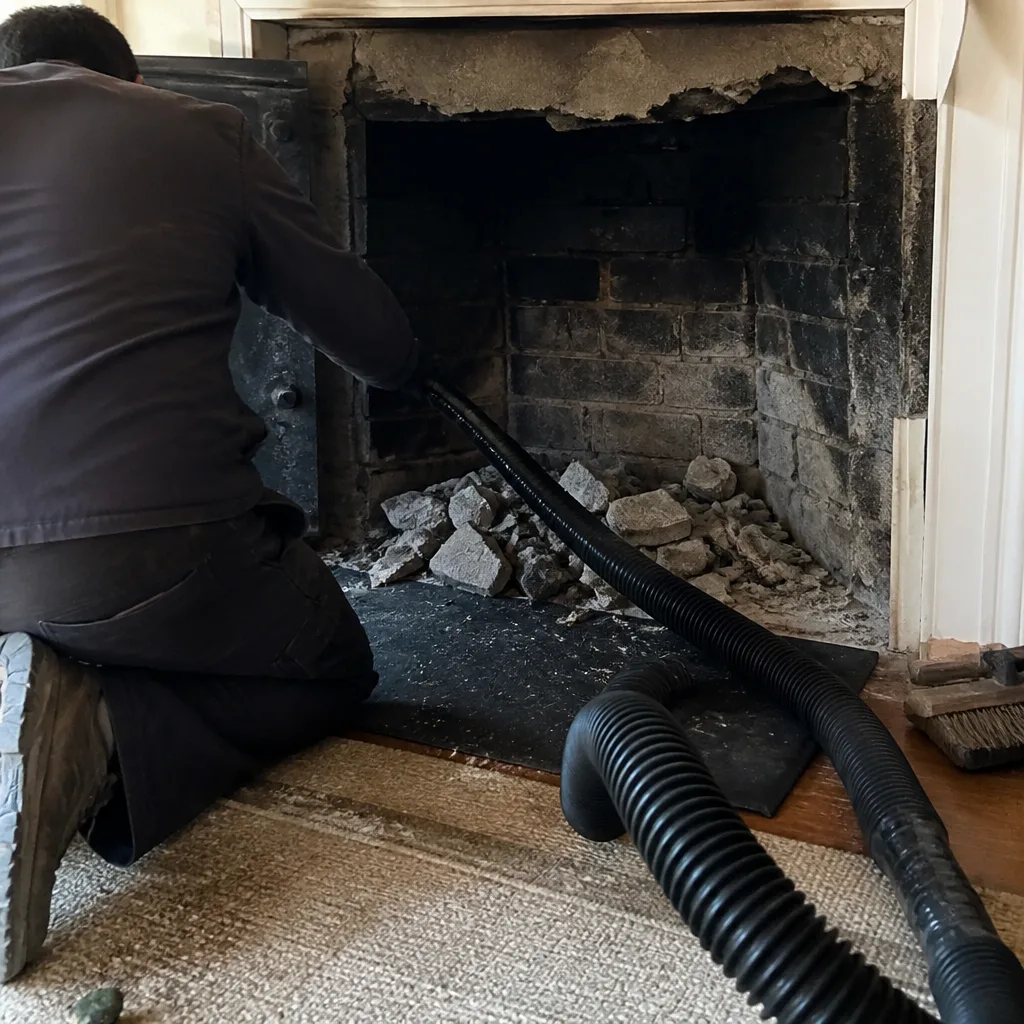 Before
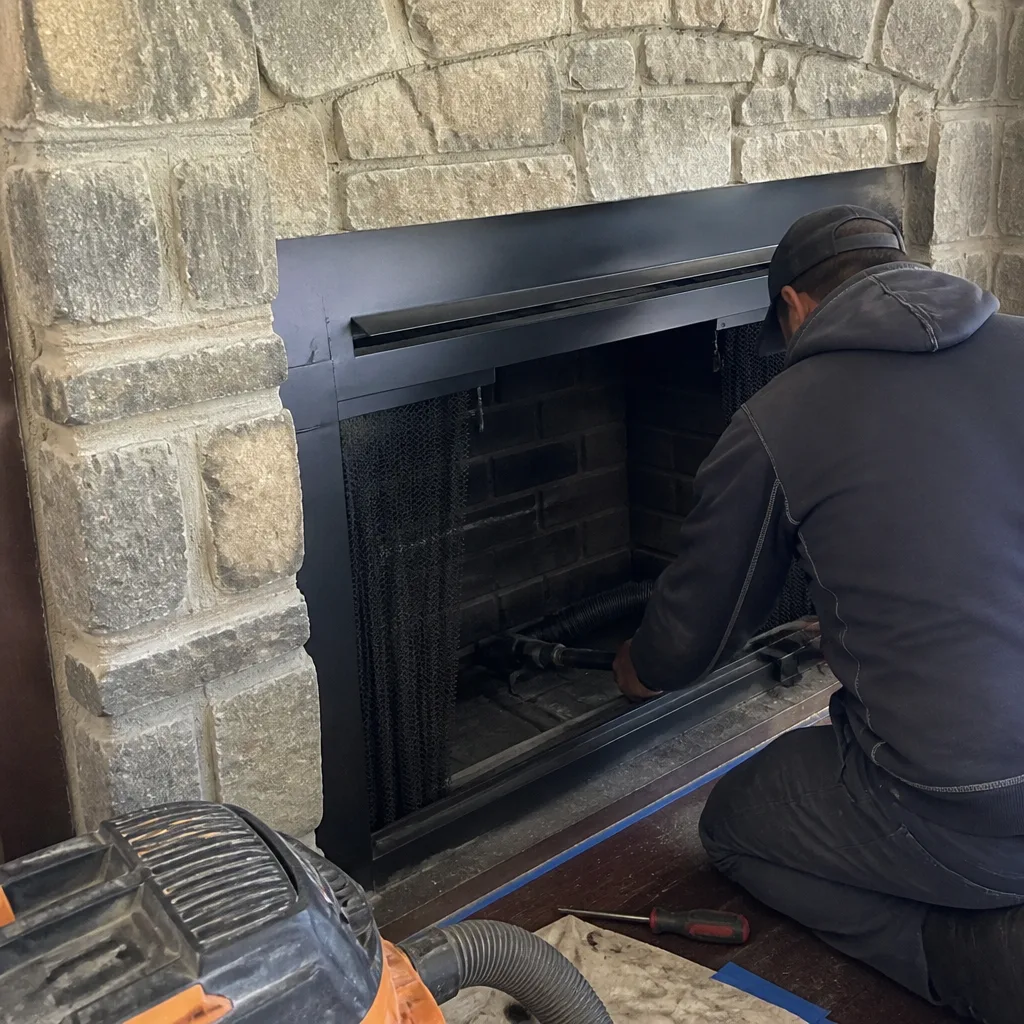 After
AfterFast, Reliable Chimney Cleaning & Sweep Across Long Island City
A chimney cleaning and sweep in Long Island City typically costs $189-$349 for a standard fireplace, and $289-$449 when a Level 2 camera inspection is included. Most jobs are completed in 60 to 90 minutes. If you’re in Hunters Point, Court Square, or up near Queens Plaza, our crews know the buildings you live in, the flues inside them, and the specific ways they fail. Call (862) 319-8047 for a written quote before any work starts. That’s how we’ve done it since 2009, and it’s how we do it in Long Island City.
Why Level Two Chimney Manhattan Is Long Island City’s Preferred Chimney Cleaning & Sweep Company
The reason Long Island City homeowners call us is simple: we show you what we found before we ask you to pay for anything. Clause 4 of the Haven Standard requires a documented photo record on every job. That means when our technician lowers a camera down your flue, you see the footage. You see the creosote. You see the cracked clay tile. You don’t take anyone’s word for it.
Corrine Halstead built Level Two Chimney Co. around that principle. Our Chimney Cleaning & Sweep team has completed more than 38,000 inspections and cleanings since 2009, and every one of those jobs had a written price delivered before work began. Not a verbal estimate. Not a “we’ll see when we get there.” A written scope, written price, and written warranty, handed to you before a single tool comes off the truck.
We’re familiar with Long Island City’s building stock, from the pre-war brick row houses in Hunters Point to the converted factories along Jackson Avenue and 21st Street. That familiarity matters. A chimney in a 1920s tenement on 47th Avenue fails differently than one in a 2010s loft conversion near MoMA PS1. Our techs know what to look for in both.
Our Chimney Cleaning & Sweep Services in Long Island City
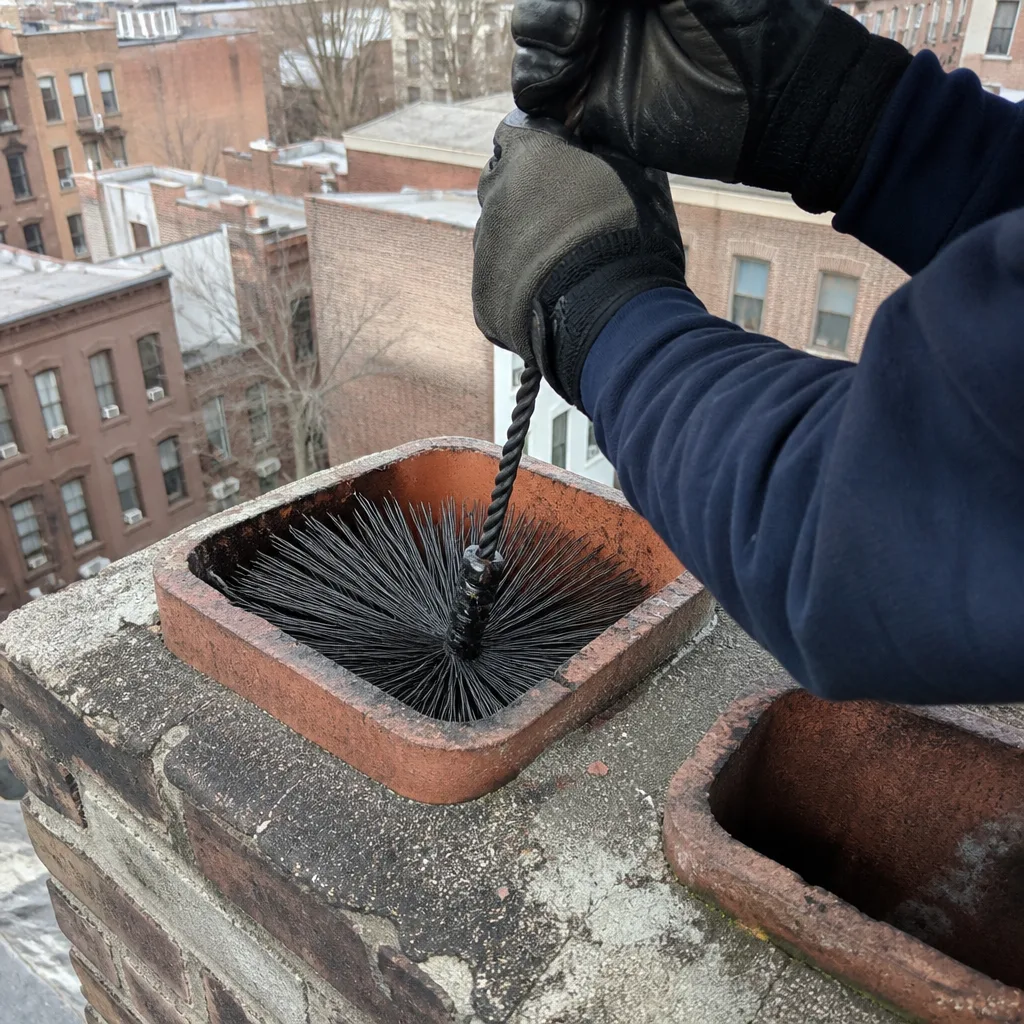
Below are the four services Long Island City homeowners ask us about most. Every one includes a documented photo record. Every one gets a written price before we start.
Level 1 Inspection
A Level 1 inspection in Long Island City runs $149-$229 when paired with a sweep. It covers the accessible portions of your chimney: the firebox, damper, smoke chamber, and the flue as far as we can see from the top and bottom. For an annual check on a fireplace you use regularly, this is the standard. If you’re in a Hunters Point pre-war with a shared stack, we’ll also check for signs of cross-contamination between flues.
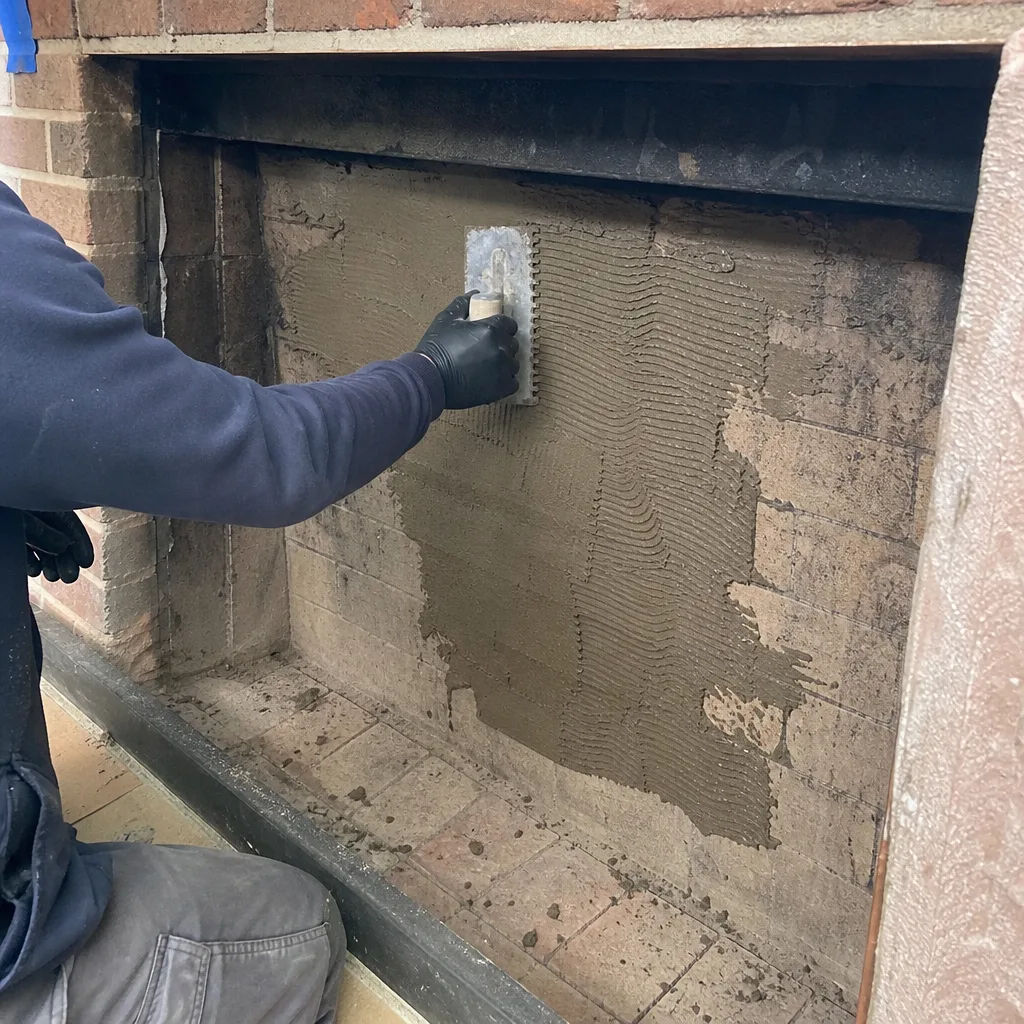
Level 2 Inspection
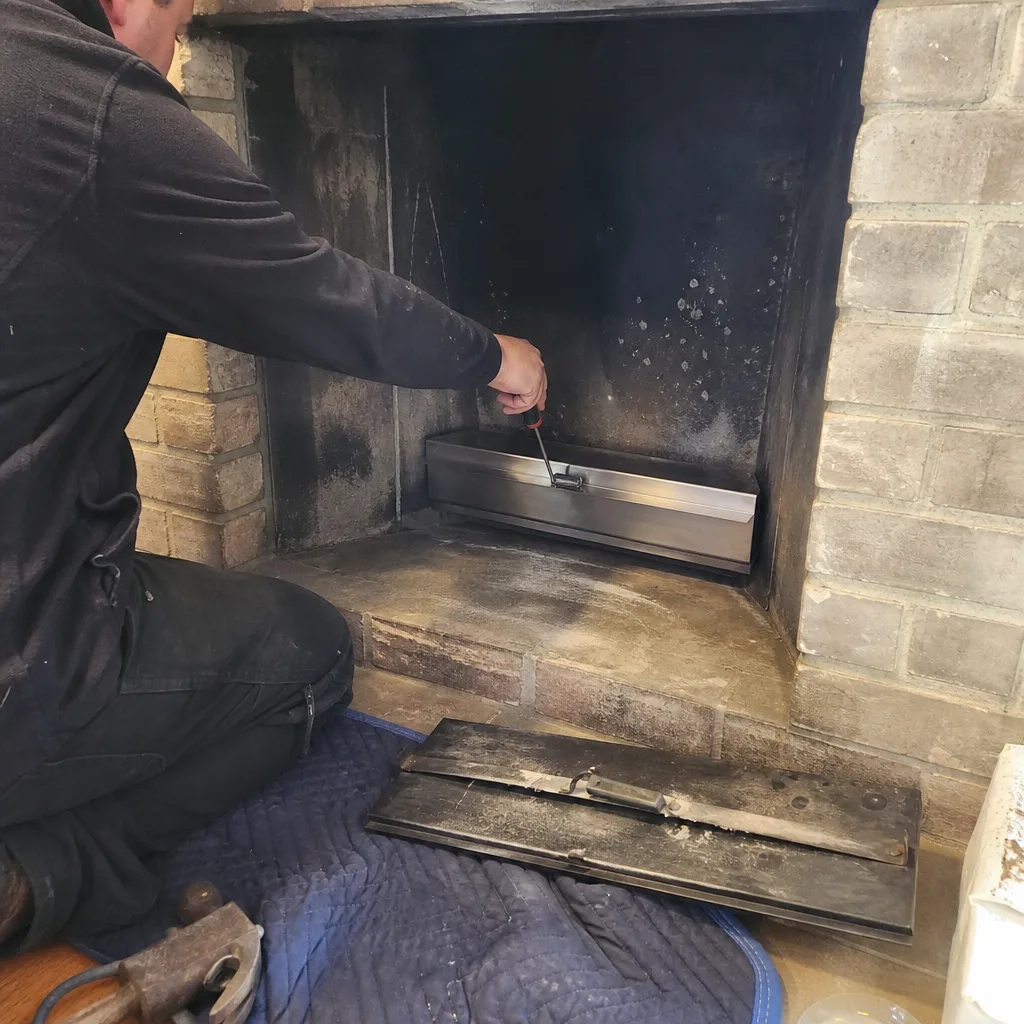
A Level 2 inspection adds a camera scan of the entire flue interior. In Long Island City, this matters more than in most places. The loft conversions around Court Square and Queens Plaza routinely have flues that were sized for commercial boiler exhaust, not residential fireplaces. A Level 2 camera scan is the only way to confirm the liner is the right size, material, and condition for what’s actually venting into it now. This runs $289-$449 including the sweep.
Creosote Removal
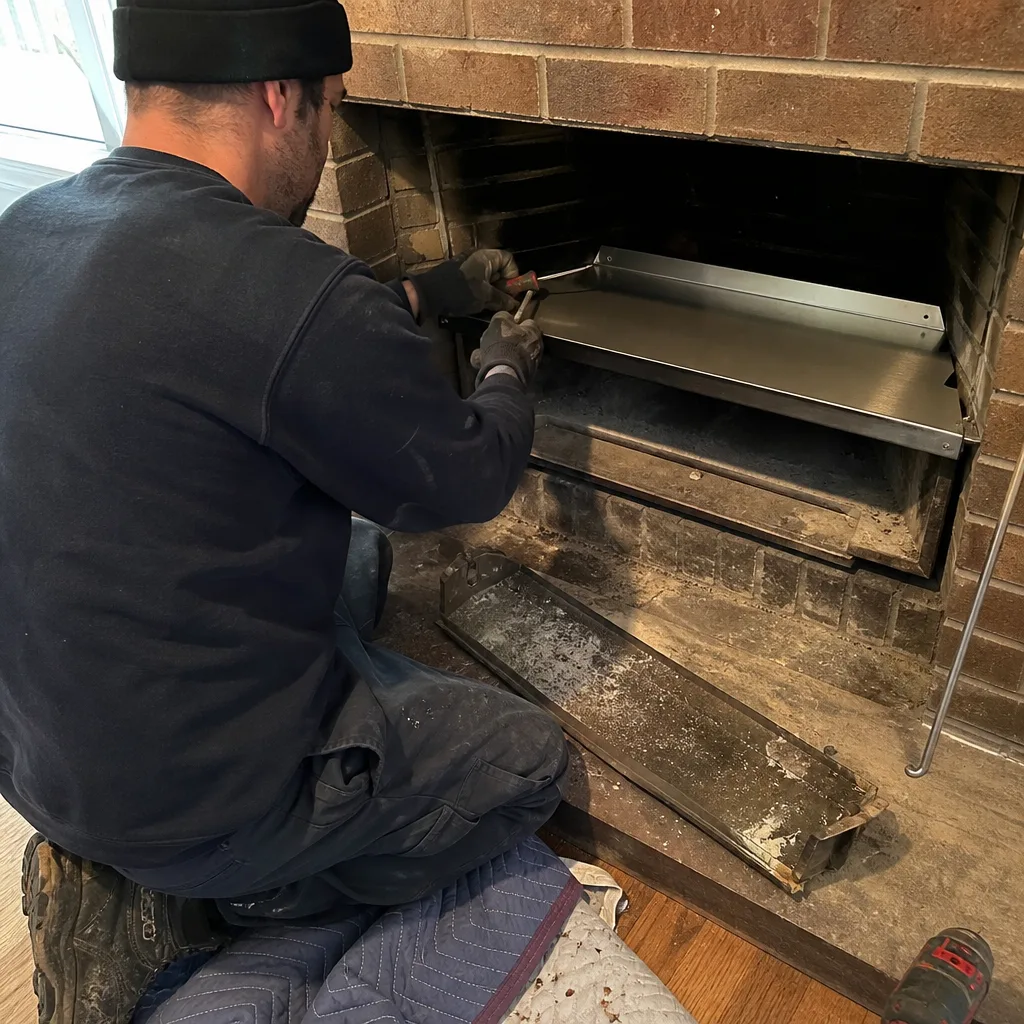
Creosote removal in Long Island City ranges from $189-$349 depending on the degree of buildup. First-degree creosote is dusty and brushes off easily. Second-degree is a glaze, a tar-like coating that requires rotary tools. Third-degree is a hard, shiny glaze that bonds to the flue wall and raises the risk of a chimney fire. We see second and third-degree creosote more often in LIC than in neighboring Astoria, and the reason is specific to this neighborhood. More on that below.
Soot Removal
Soot removal for gas and oil appliances runs $169-$249 in Long Island City. It’s a different job than creosote removal: soot is finer, drier, and accumulates faster in flues venting gas inserts or oil burners. If your LIC loft has a decorative gas fireplace connected to what was once a boiler flue, soot removal alone won’t solve the underlying liner problem, but it’s the right first step to clear the flue so we can see what’s actually happening inside.
What happens when you call
- 1
A real person answersNo phone trees - you reach a local pro.
- 2
You get an upfront price rangeHonest numbers before anyone is dispatched.
- 3
A background-checked tech heads outLicensed & insured, dispatched right away.
- 4
You approve before work beginsNothing starts until you say go.
BeforeAfterTrusted Brands We Service in Long Island City
We work on chimneys built with components from Olympia Chimney, Famco, and Copperfield, and we stock parts for these systems locally so Long Island City customers aren’t waiting on shipping. When a liner, cap, or damper component needs replacement, our techs carry the most common parts on the truck. If your chimney has a DuraFlex liner, we can assess its condition and source a matching replacement through our materials network without markup games. The price you’re quoted is the price you pay, whether it’s a $22 cap or a full reline.
Common Chimney Cleaning & Sweep Problems We See in Long Island City Homes
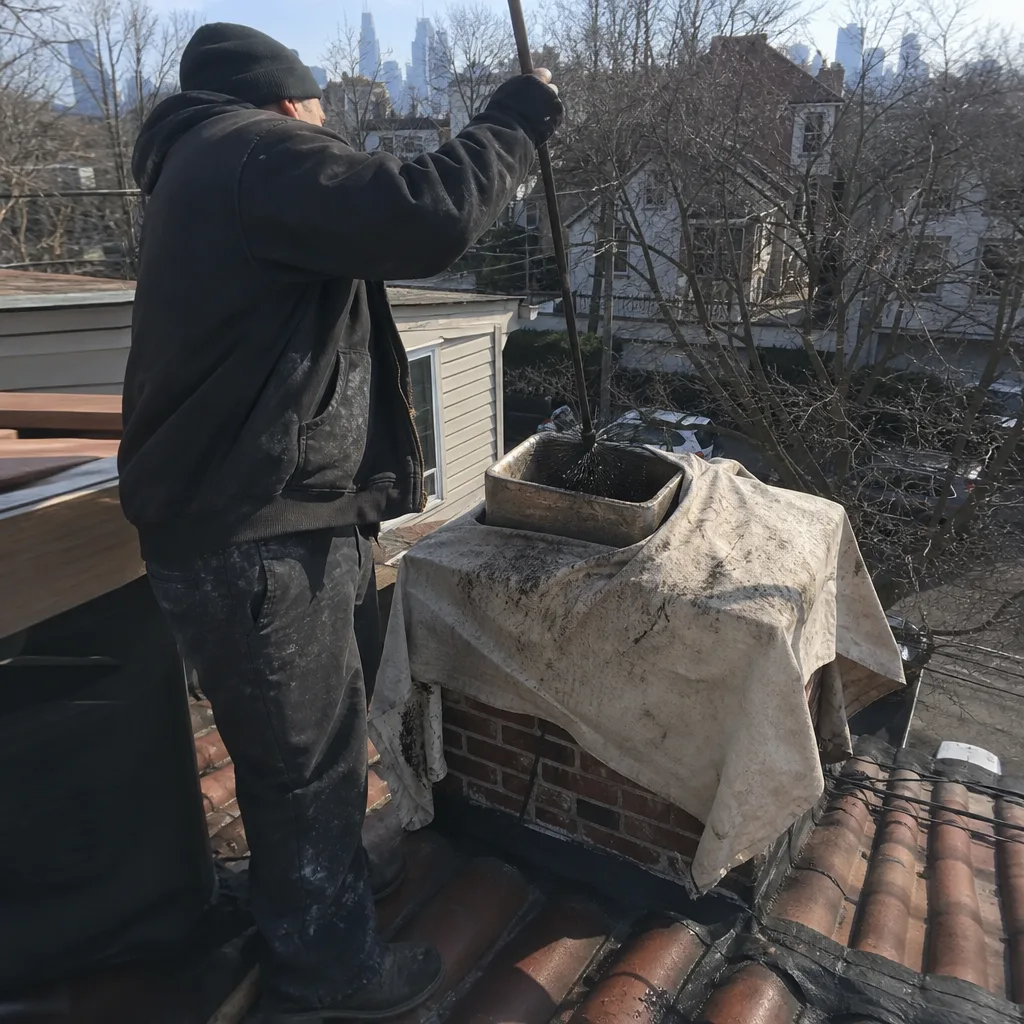
Long Island City has a chimney problem inventory that doesn’t match the rest of Queens. Here’s what we actually find, building by building:
- Oversized flues in converted lofts. The factory buildings along 21st Street and Jackson Avenue were built with flues sized for commercial boiler exhaust. When those buildings converted to residential, the same flue often stayed. A residential gas insert venting into an eight-inch or twelve-inch commercial flue doesn’t get enough draft to push exhaust cleanly. The result: acidic condensate pools in the liner, corrodes it, and creates blockages that no amount of brushing will fix.
- Shared-stack cross-contamination in Hunters Point pre-wars. The Romanesque Revival row houses on streets like 47th Avenue and 45th Road often have three or four flues running through a single brick stack. As mortar joints erode between flues, combustion gases from one unit can migrate into a neighboring flue. You might smell a fireplace that isn’t yours, or worse, carbon monoxide that isn’t yours. Shared stacks need inspection at every flue, not just the one connected to your unit.
- Salt-driven spalling from the East River. LIC’s western edge sits directly on the East River, and the southern edge along Newtown Creek. The salt-laden air accelerates mortar joint erosion and brick spalling in ways you don’t see in inland Queens neighborhoods like Elmhurst. During winter, moisture trapped in masonry freezes and expands, cracking bricks and loosening mortar. A chimney that looked solid in October can shed brick fragments by March.
- Second and third-degree creosote in seldom-swept pre-war flues. Many Long Island City fireplaces went years without use while their buildings changed hands. When the new owner lights a fire, the accumulated creosote from decades past, now hardened and glazed, doesn’t just brush away. It requires mechanical removal, and it sometimes conceals cracked clay tiles underneath.
Here’s a field vignette that captures what we mean. Our crew swept a Hunters Point pre-war row house on 47th Avenue where three active flues shared a single stack. The clay tile liners were spalling from decades of East River moisture, and a second-degree creosote glaze had formed in the smoke chamber of the middle flue. We removed the creosote, documented the cracked tiles with our camera, and recommended a HeatShield resurfacing before any further use. That’s the level of specific evidence we hand to every Long Island City customer.
And here’s the thing we emphasize because it’s the one insight that separates Long Island City from every other Queens neighborhood: in LIC’s converted industrial lofts, the flue now serving a decorative gas fireplace insert was originally a heavy-duty boiler exhaust tile-lined at a diameter sized for a commercial BTU load. It’s far oversized for residential use. That causes acidic condensate to pool in the oversize liner rather than exhaust cleanly, creating corrosion and blockage patterns that are rare in the row-house neighborhoods just blocks away. If you’re in a loft and someone tells you your liner is corroded, you should be able to see it on camera before you believe it. If they won’t show you, call us at (862) 319-8047. We will.
Pricing for Chimney Cleaning & Sweep in Long Island City, NY
A standard chimney cleaning and sweep in Long Island City runs $189-$349 for a fireplace with accessible flue and no significant complications. Add a Level 2 camera inspection and expect $289-$449. Soot removal for gas appliances runs $169-$249. If your chimney needs liner work, that’s quoted separately, in writing, after you’ve seen the camera footage that justifies it. We offer a Free Second Opinion on any written estimate: bring us a competitor’s written quote and we’ll review it against what we find in your flue, at no charge. Call (862) 319-8047 to schedule, and you’ll have a written price before we start.
One thing we won’t do is tell you that you need a new liner without showing you why. Our camera-scan documentation is standard on every visit. If the liner is fine, we’ll say so and hand you the photos to prove it. If it isn’t, you’ll see the cracks on our screen in real time.
We Also Serve Cities Near Long Island City
Long Island City is where we spend a lot of our week, but our crews also cover Astoria, Elmhurst, New York, and Manhattan. If you’re just across the Pulaski Bridge or down Northern Boulevard, same pricing applies. Scheduling and dispatch are coordinated from our New York City office, and crews serve Long Island City locally.
Serving Long Island City, NY - Our Local Coverage Area
We’re based in the Long Island City area and know this community well. Use the map below to see our service coverage - if you’re nearby, we can almost certainly help.
FAQs - Chimney Cleaning & Sweep in Long Island City
Because it wasn’t built for a fireplace. The flue in your loft conversion was originally sized for a commercial boiler or industrial exhaust system, not a residential gas insert or wood-burning fireplace. Those flues are often eight to twelve inches in diameter, far oversized for residential use, which causes acidic condensate to pool and corrode the liner from the inside. A Level 2 camera inspection is the only way to measure the flue and confirm what you’re working with. Call (862) 319-8047 for a written quote; estimates are free.
It accelerates the cycle of damage. Salt-laden air from the East River gets absorbed into porous brick, and when winter hits, freeze-thaw cycles crack the mortar and spall the brick. Those cracks let moisture reach the clay tile liners inside, which then hold dampness against the creosote. Moist creosote cools, hardens, and glazes faster than dry creosote, which is why we see second and third-degree glazing more often in Hunters Point than in drier inland neighborhoods. The fix starts with a thorough sweep, then a camera scan to see whether the liner itself is compromised. Call us and we’ll document what we find.
No. Cleaning removes creosote and soot; it cannot reverse spalling or restore cracked clay tiles. If our camera shows a crumbling titanium or clay liner, the structural fix is resurfacing or relining, typically with a product like HeatShield or a DuraFlex liner. What we won’t do is tell you the tiles need replacement without showing you the footage. If brushing alone will safely get you through a season, we’ll say that plainly and document it. For an exact assessment, call (862) 319-8047 for a free estimate.
No, not without a Level 2 inspection. The original boiler flue was sized for a commercial BTU load, and your gas insert produces a fraction of that. The weak draft means combustion byproducts don’t exhaust cleanly, and acidic condensate forms inside the liner. Over time that condensate corrodes the liner and can allow carbon monoxide to seep into living spaces. Before you run a decorative gas fireplace in a converted loft, have the flue camera-scanned and measured. Safety is exactly the reason we insist on documentation before work, not after. Call (862) 319-8047 to schedule.
Because of LIC’s inventory of converted industrial buildings and shared pre-war stacks. Many of these flues went unused or underused for years, then resumed service with newer, often gas or high-efficiency appliances that burn differently than the original fuel load. The result is a combination of old, hardened creosote, new condensation, and draft conditions that don’t push particulates out cleanly. Astoria’s housing stock is more consistently residential, so its flues tend to see regular use and regular cleaning. In LIC, we more often find a flue that’s been neglected for a decade and then expected to perform. Call (862) 319-8047 and we’ll tell you what you’re actually looking at, with photos.
Written by Corrine Halstead, Owner at Level Two Chimney Manhattan, serving Long Island City since our first camera-scan inspection rolled out in 2009.