
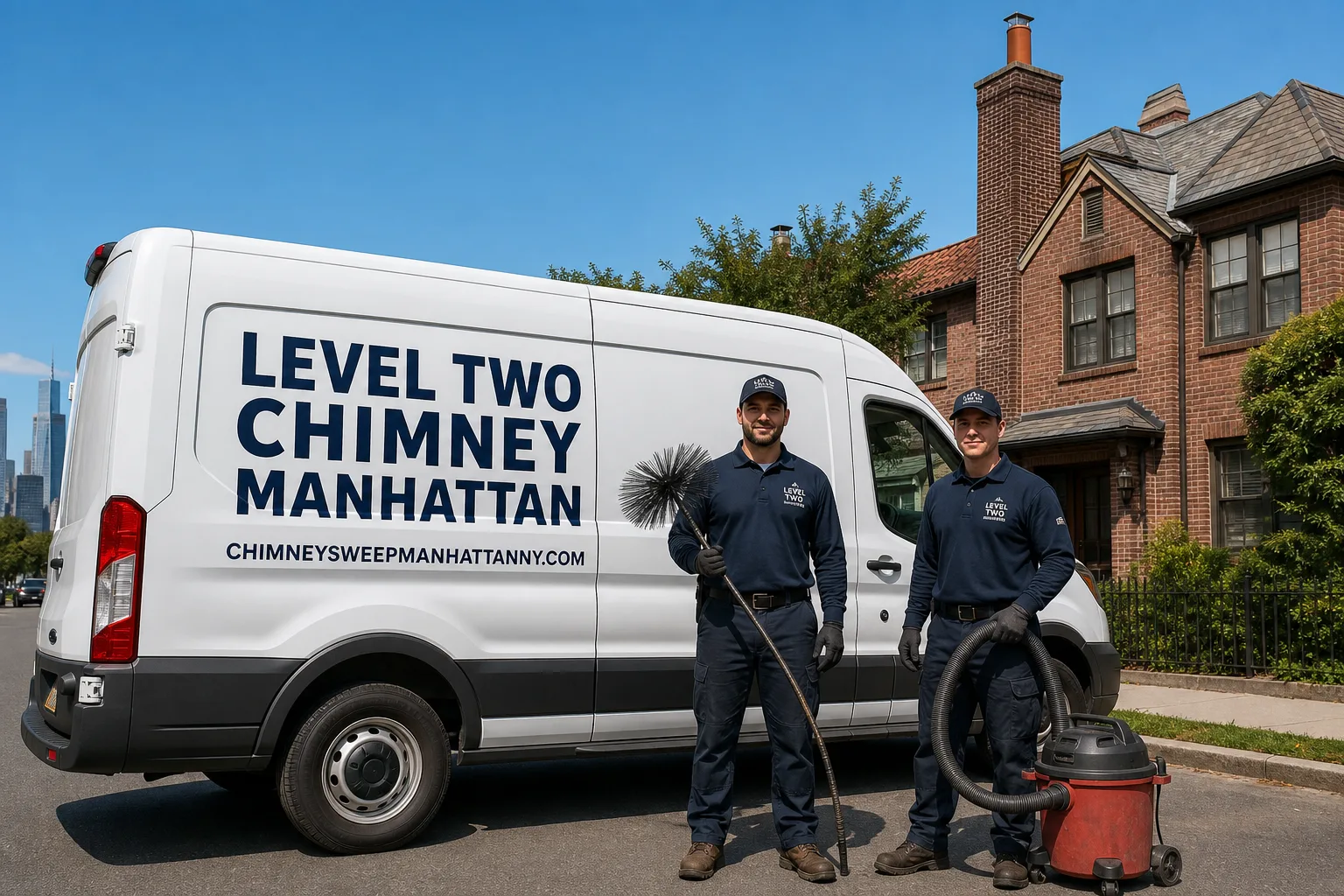
Level 1 sweep and inspection to the NFPA 211 annual standard - flue, crown, cap, and flashing checked and photographed
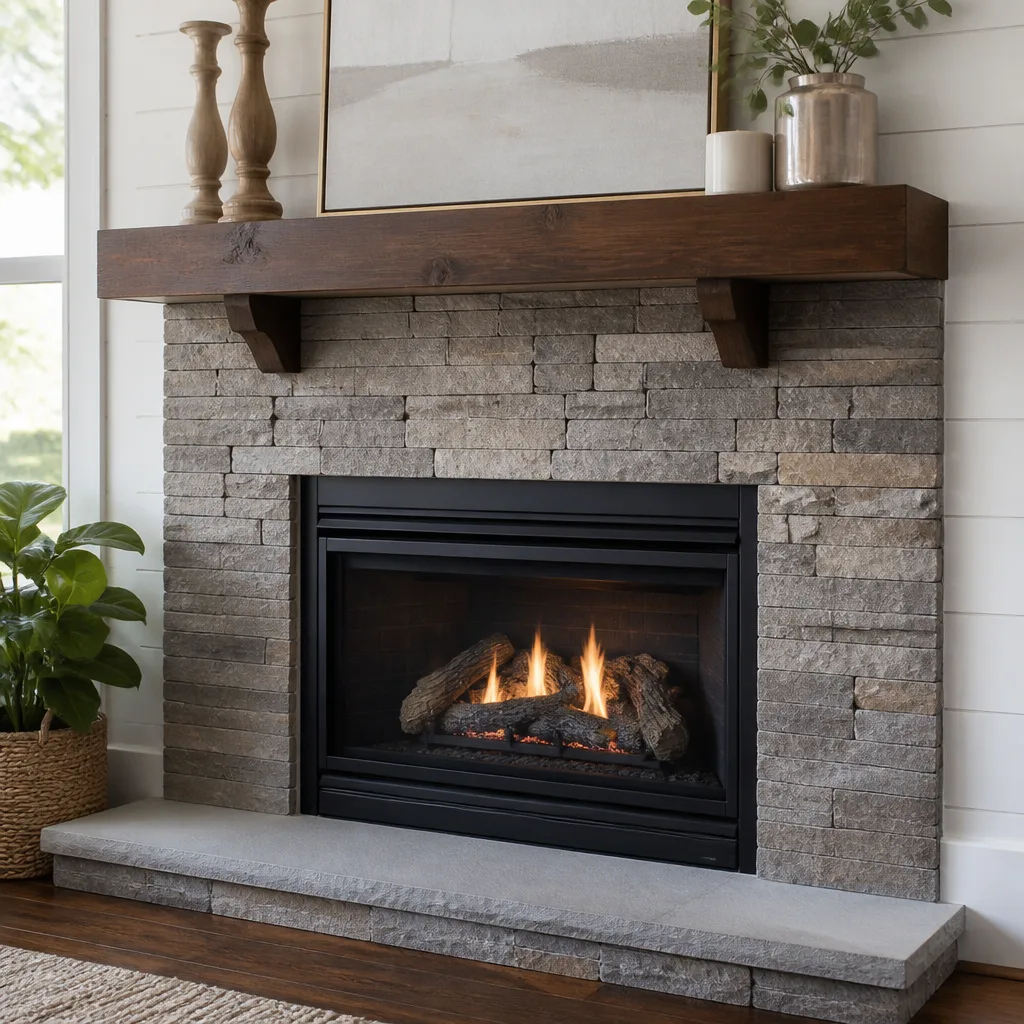
Chimney sweep logs do not sweep chimneys. They loosen some creosote - which then falls where a brush and vacuum still have to collect it.
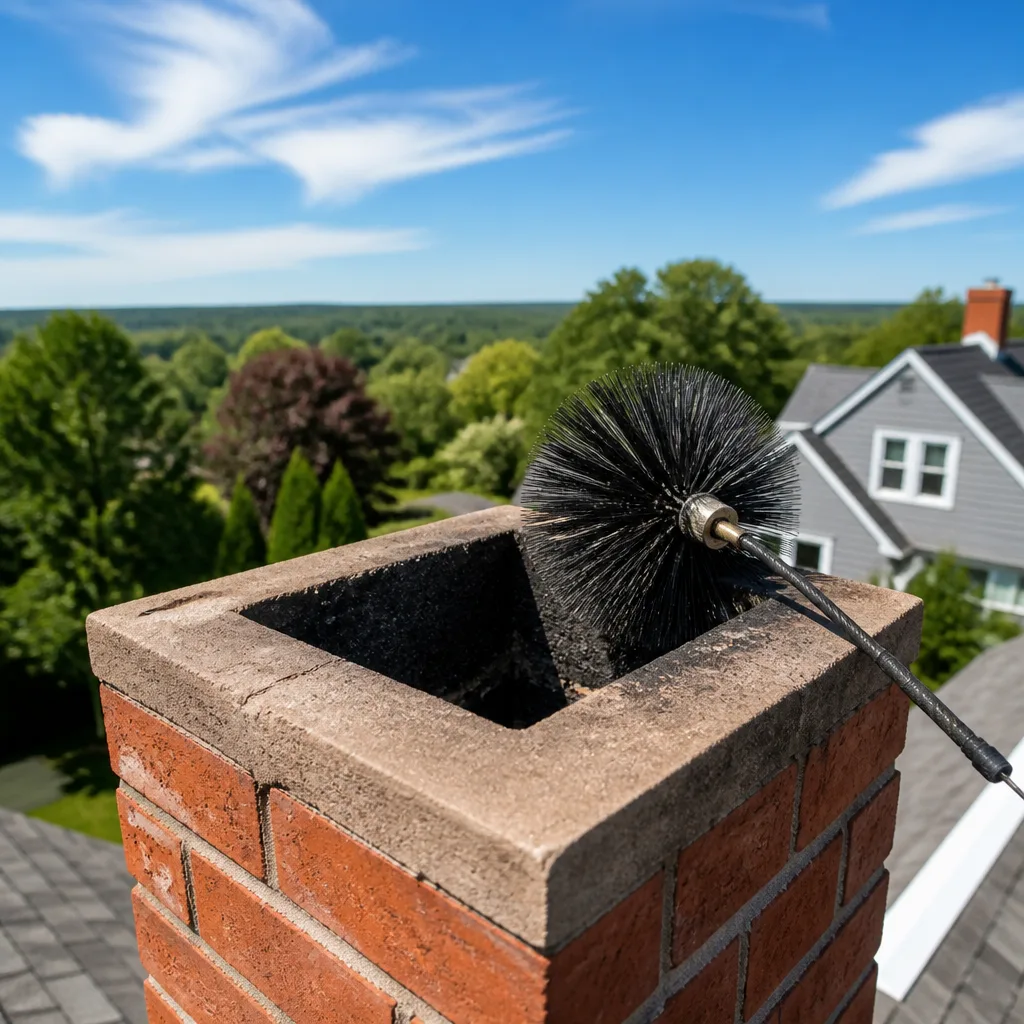
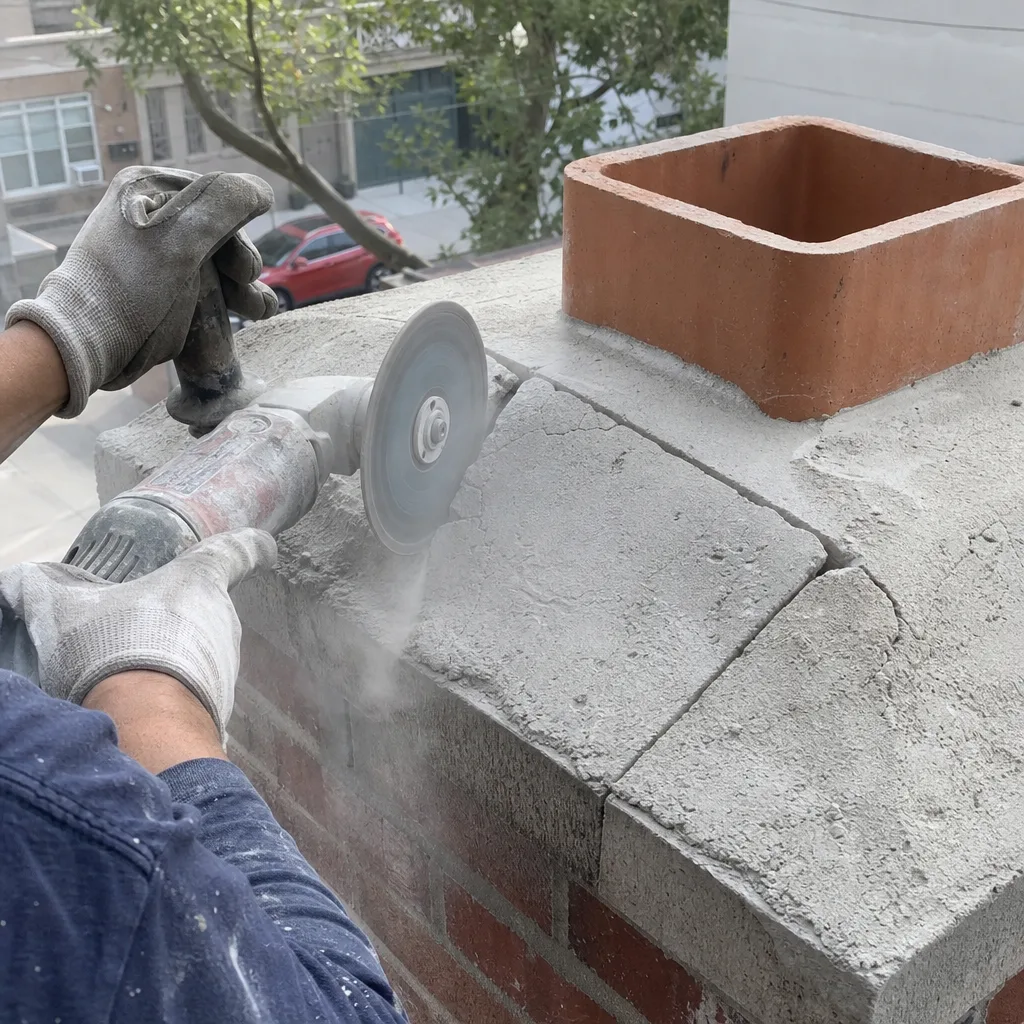
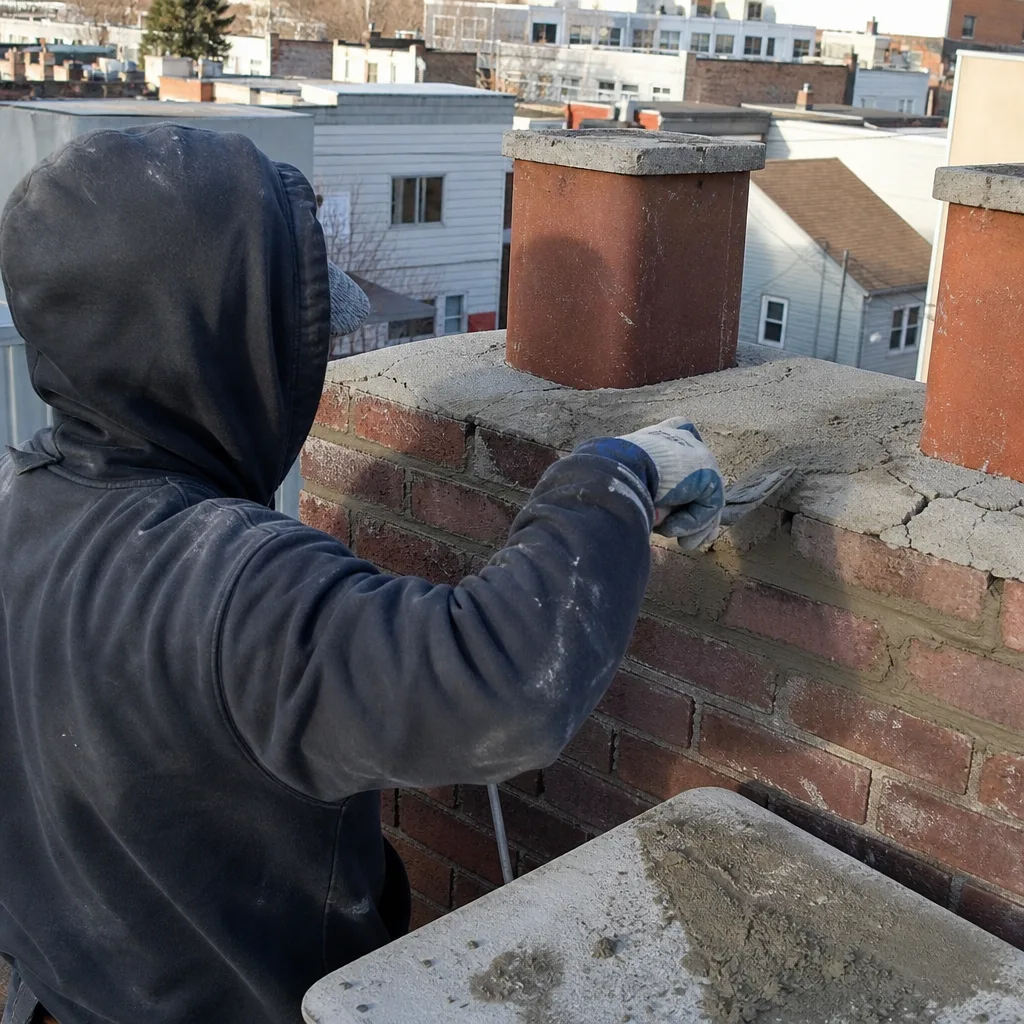
Caps & crowns
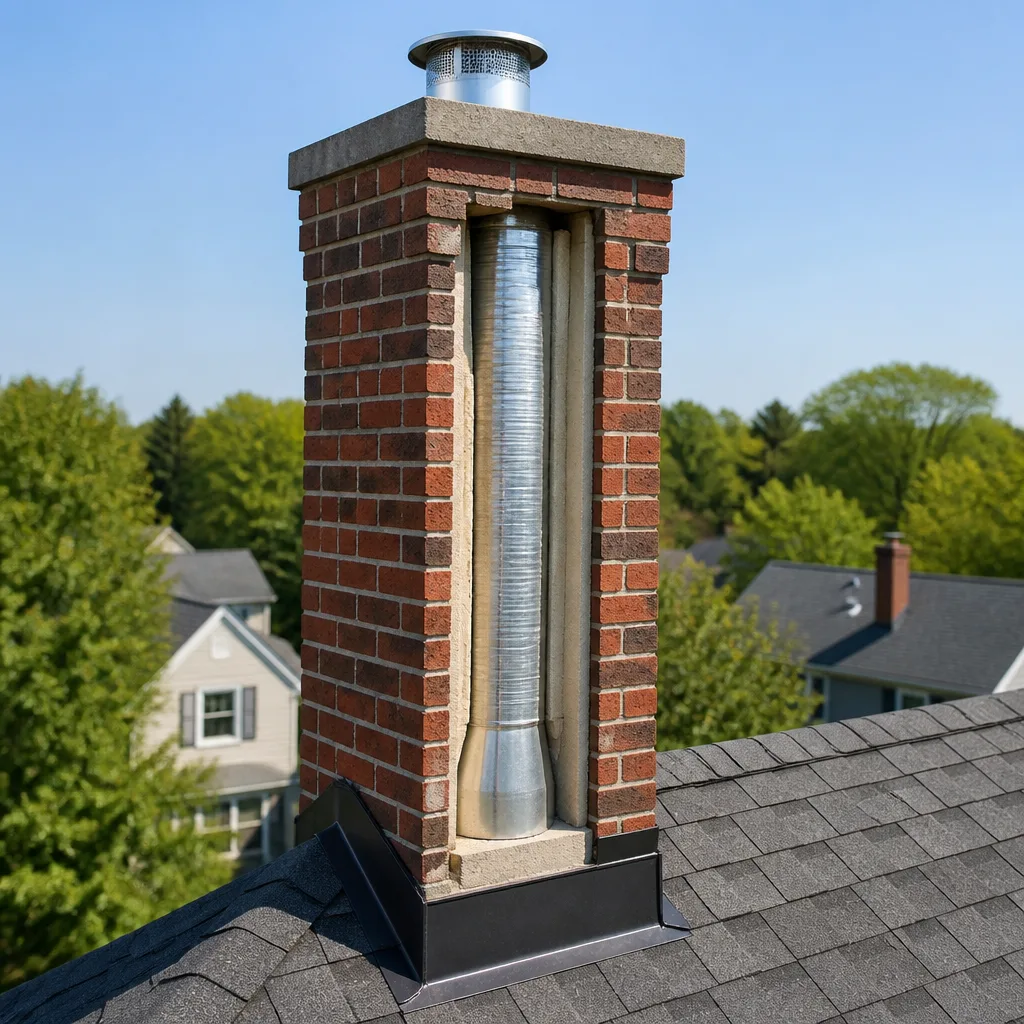
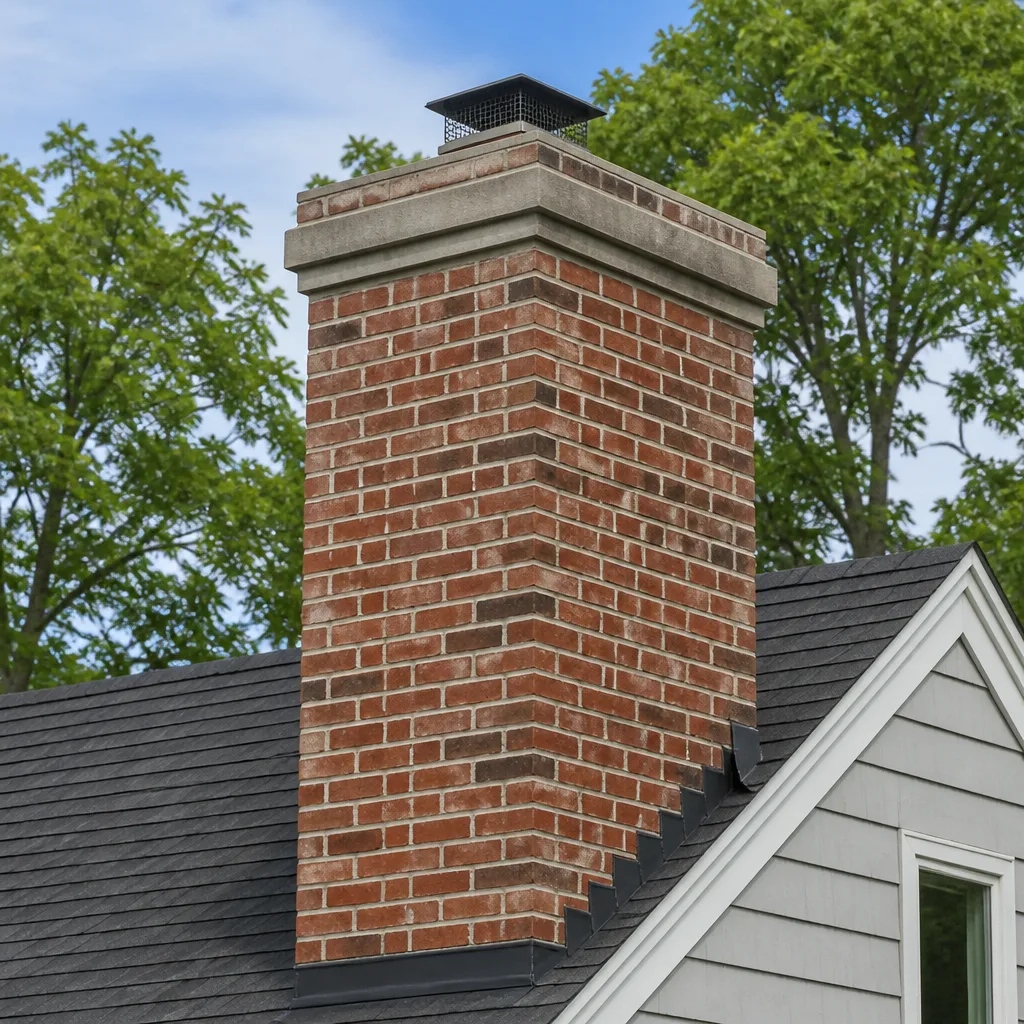
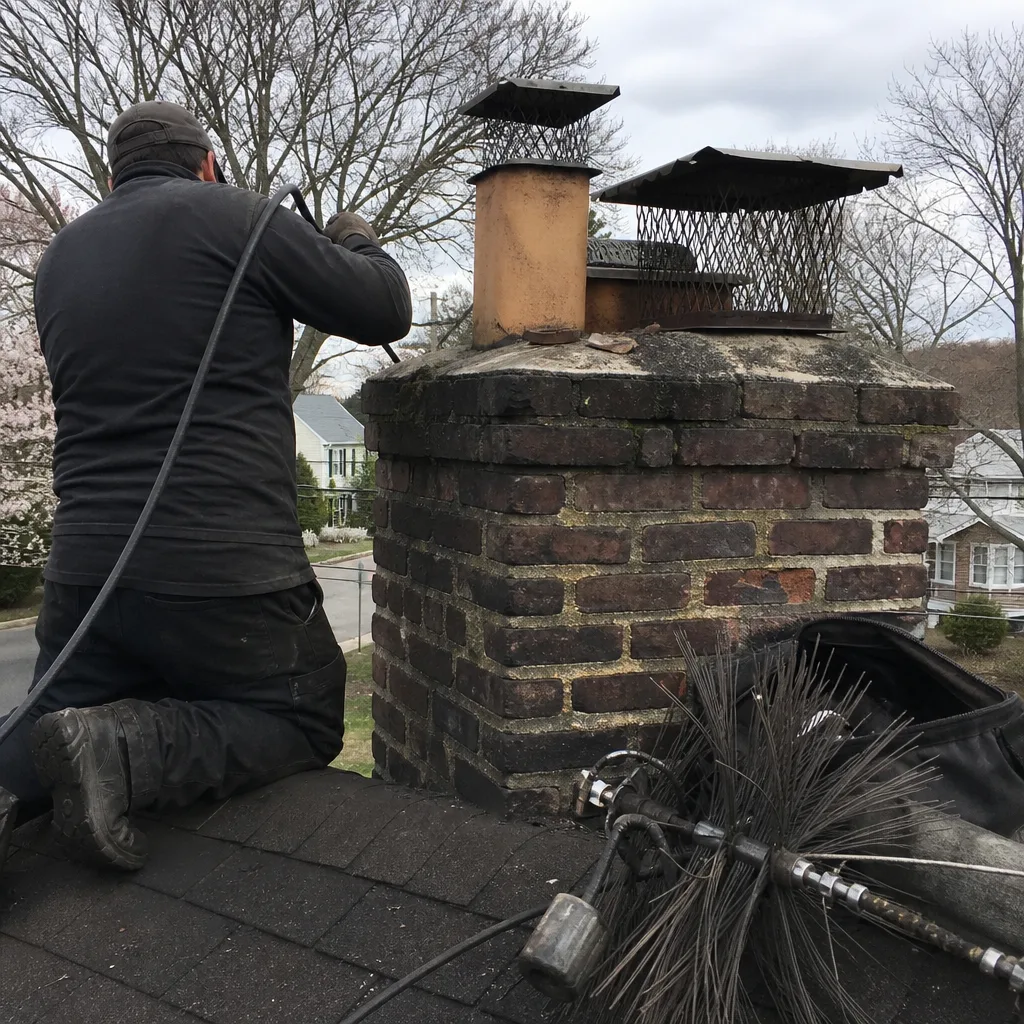 Before
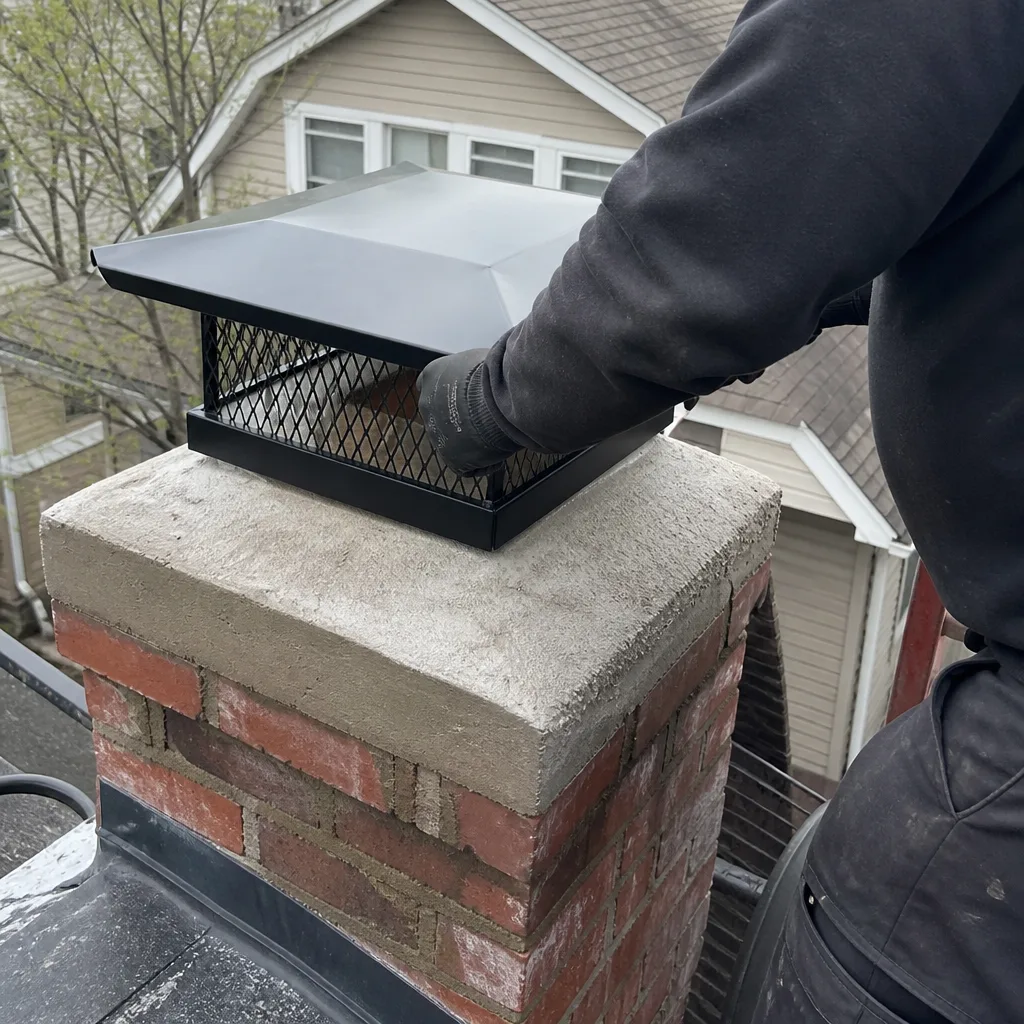 After
After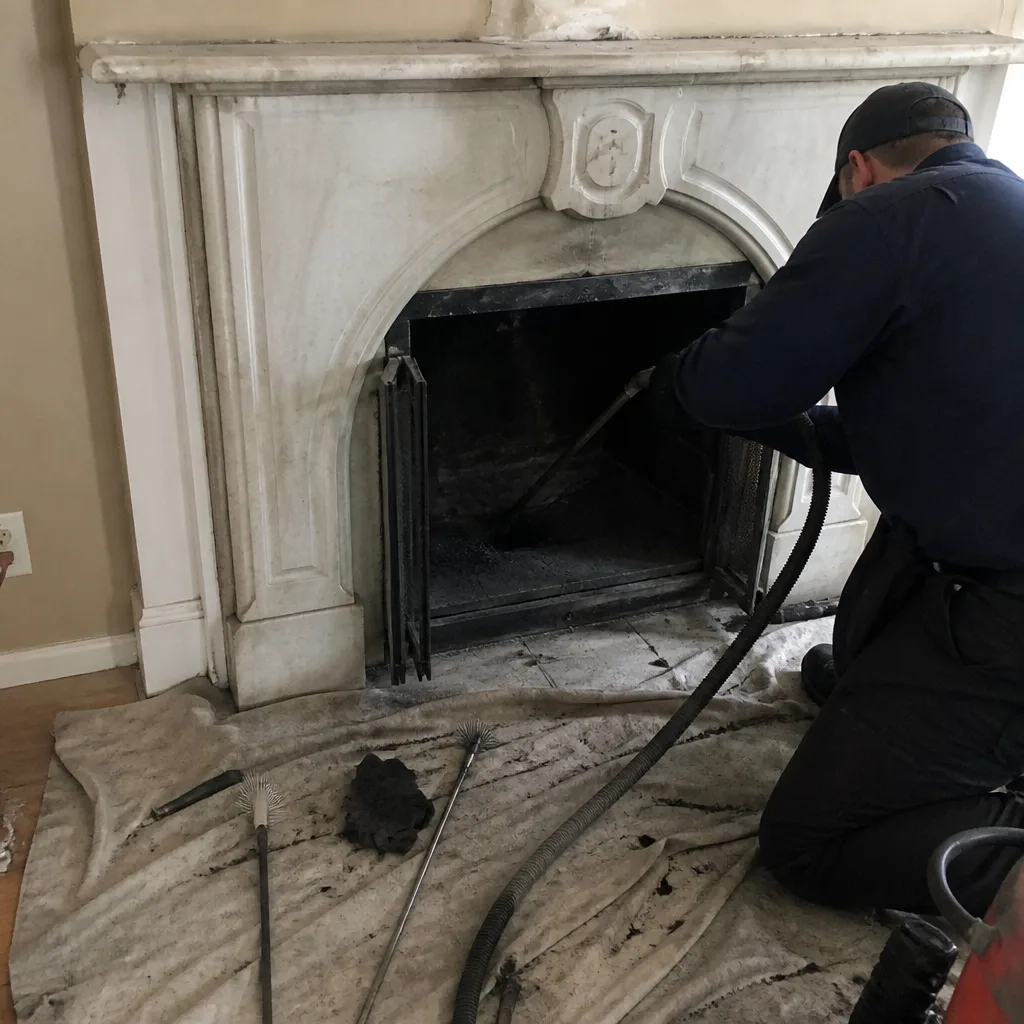 Before
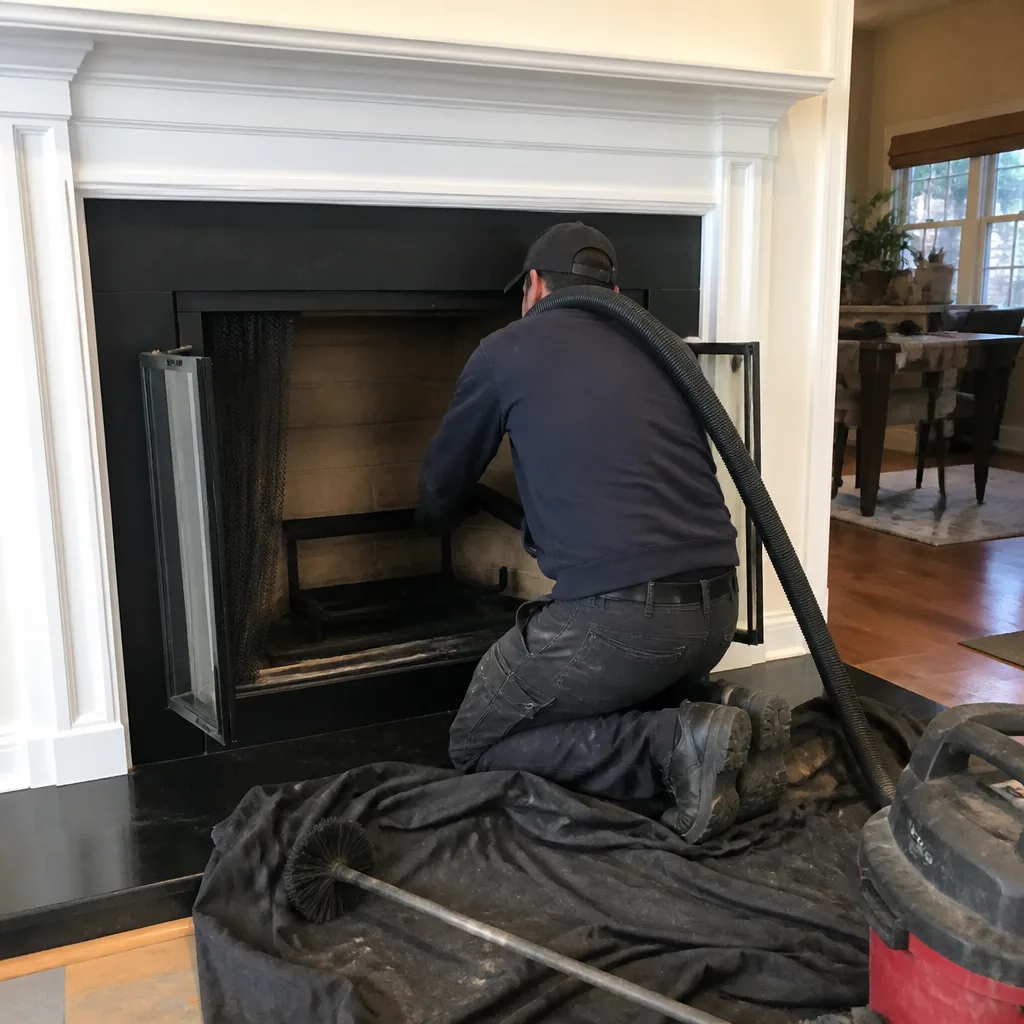 After
After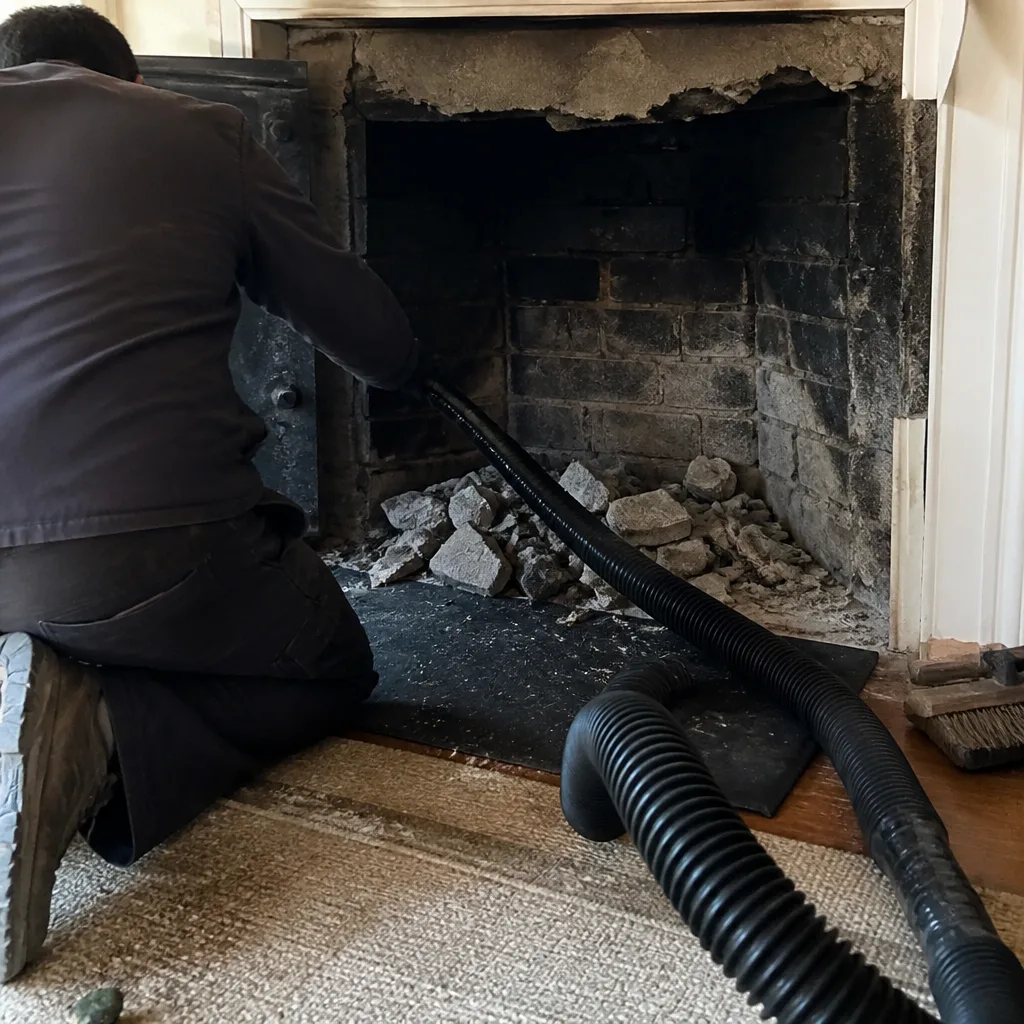 Before
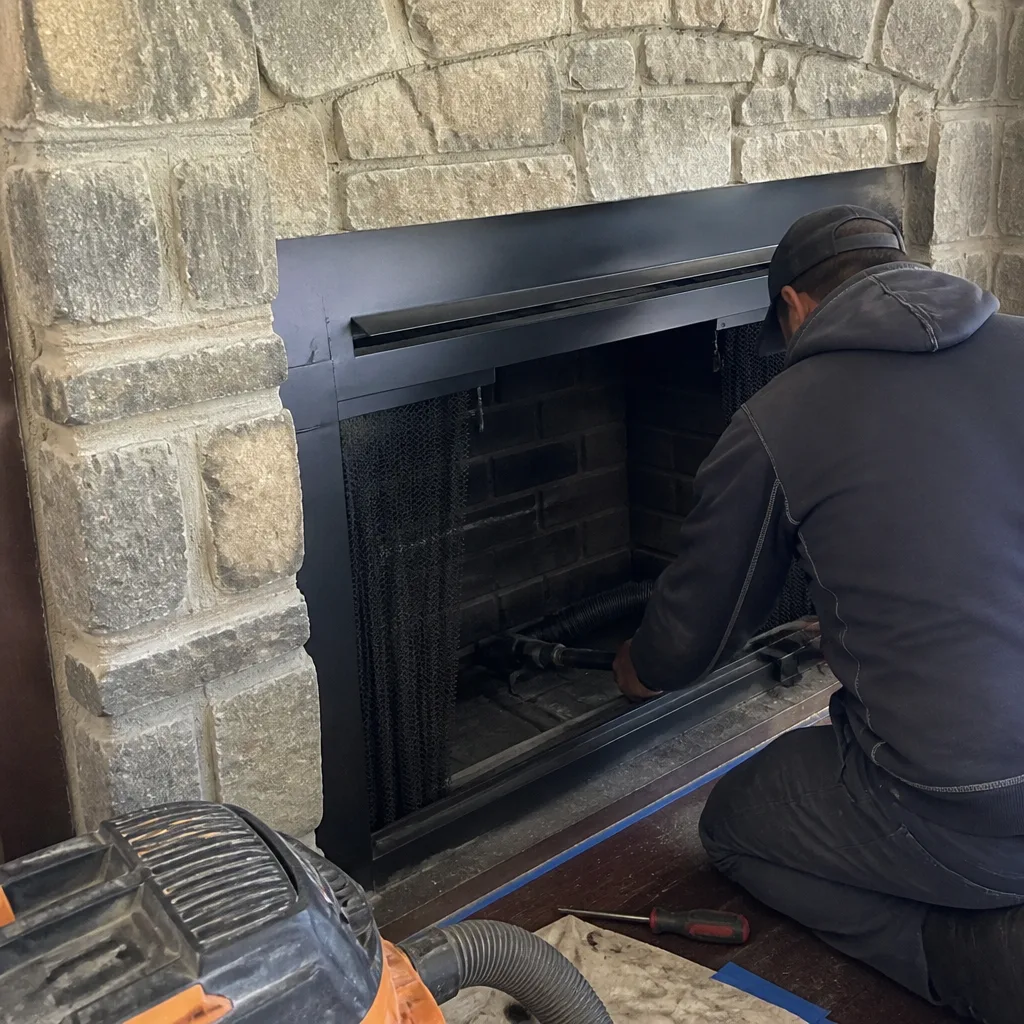 After
AfterFast, Reliable Chimney Cleaning & Sweep Across Manhattan
Chimney cleaning in Manhattan typically runs $189-$289 for a standard sweep of a single-flue fireplace, and $349-$599 when a Level 2 camera inspection is included. Level Two Chimney Manhattan works directly with co-op boards, building superintendents, and individual unit owners to clean shared and private flues, remove creosote, and document everything on camera before we ever make a repair recommendation. Call (862) 319-8047 for a written price before any work starts.
Why Level Two Chimney Manhattan Is Manhattan’s Preferred Chimney Cleaning & Sweep Company
The chimney stacks along Central Park West, the Upper East Side, and Gramercy were built for coal 80 to 130 years ago. They were converted to oil, then gas, and sometimes back to wood. That history leaves flues layered with fuel residue from different eras, and most have never seen a camera. Our teams inspect what’s actually in there before quoting any repair. No flashlight guesswork, no scare tactics. Just a camera scan, a written scope, and a price. Since 2009, Level Two Chimney Co. has completed more than 38,000 inspections and cleanings under the Haven Standard, and every one included a photo record when we finished.
Corrine Halstead, who leads Level Two Chimney Manhattan, made camera documentation the default on every visit back in 2009. That practice became Clause 4 of the Haven Standard. It means you walk away with footage of your flue liner, your smoke chamber, and the creosote we removed, not a tech’s verbal summary. Calls are answered by a live person around the clock, and when a crew is dispatched to your building, you get a text before they arrive.
For Chimney Cleaning & Sweep in Manhattan, that documentation matters more than most places. Co-op boards and managing agents need a written record to satisfy insurance and to show shareholders why a shared flue needed work. We provide that record on every visit.
Our Chimney Cleaning & Sweep Services in Manhattan
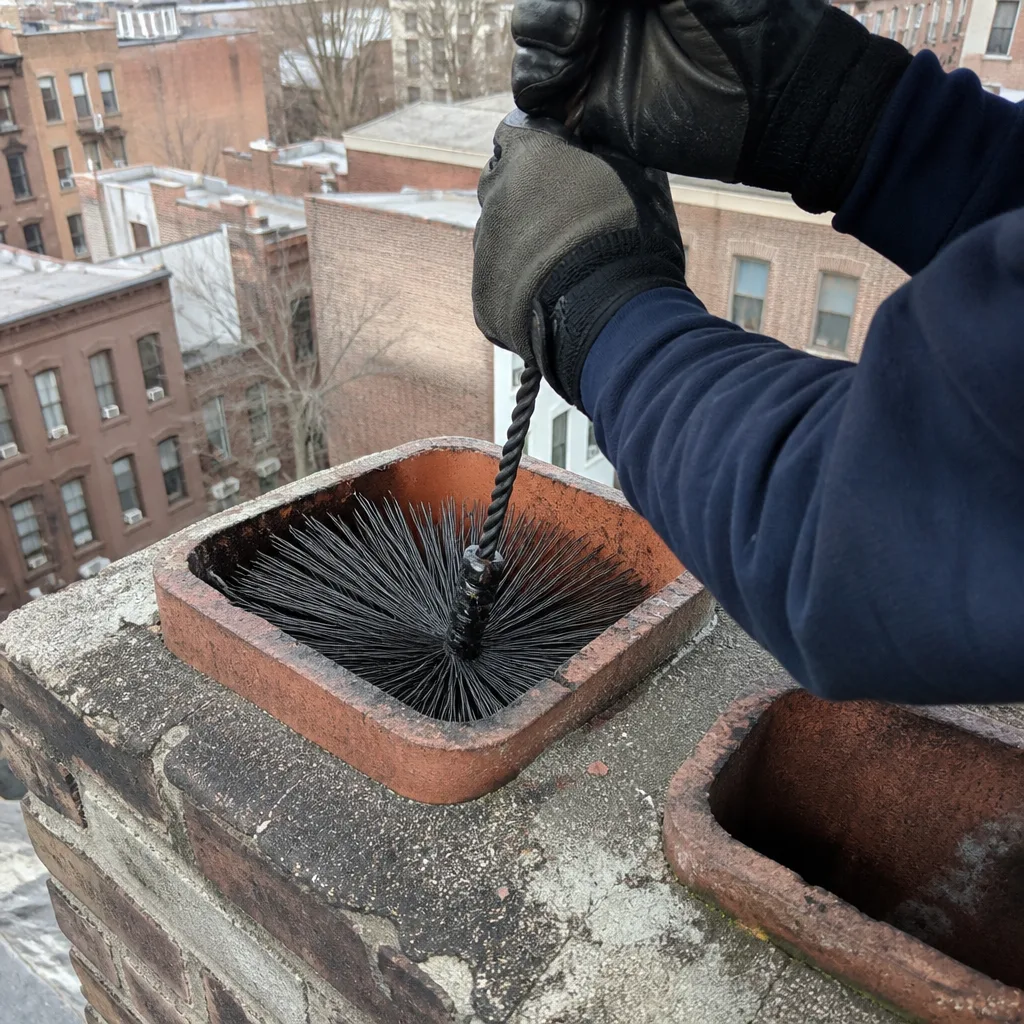
Level 1 Inspection
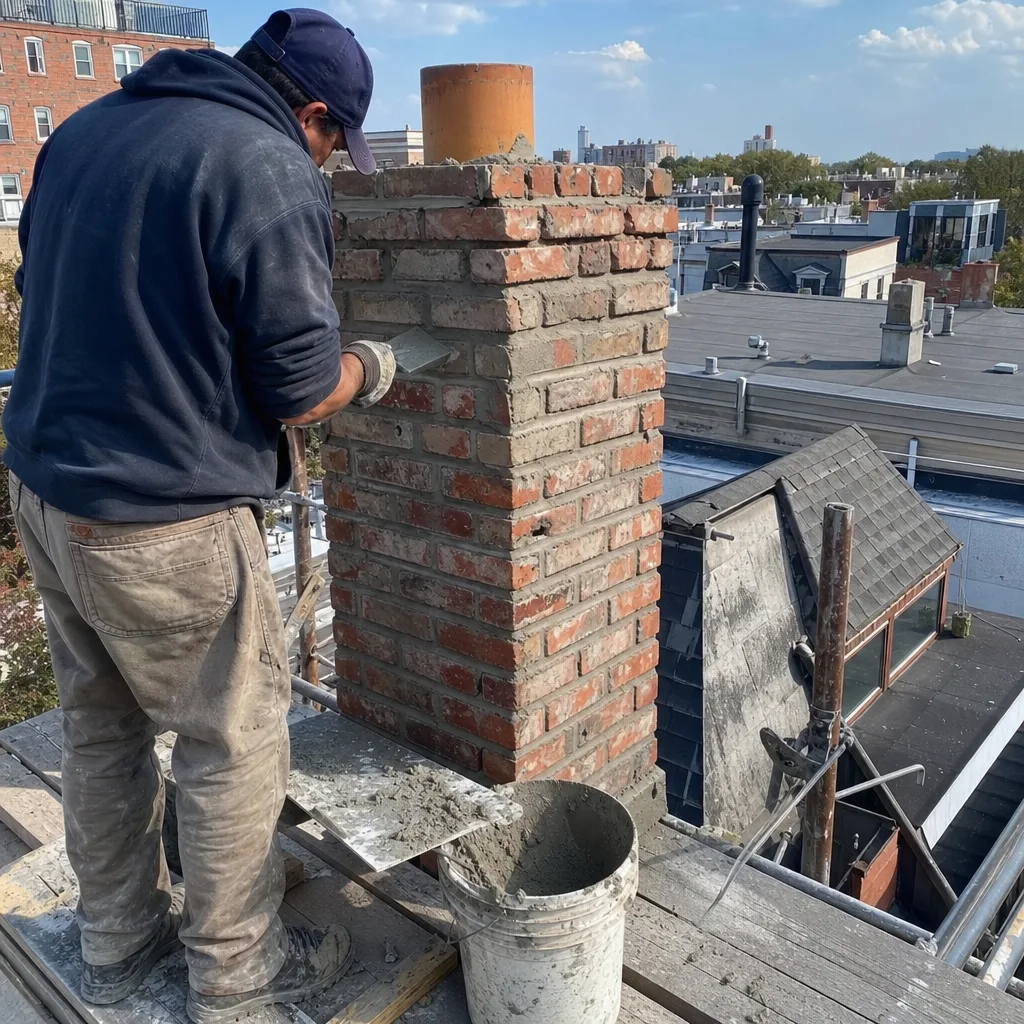
A Level 1 inspection checks the readily accessible portions of your chimney and venting system during a routine sweep. In Manhattan, that usually means accessing the flue from the rooftop bulkhead or through an existing fireplace opening in one apartment while coordinating access with the super. It confirms the flue is clear and the appliance is connected correctly. Most annual sweeps include a Level 1 inspection by default.
Level 2 Inspection
A Level 2 inspection is the camera-scan standard under NFPA 211, and it’s what we recommend whenever a Manhattan property changes hands, after a chimney fire, after a major storm, or when a co-op board has inherited a flue with unknown maintenance history. We run a camera down the entire flue length and document liner condition, mortar joints, and any separation between flues. Corrine Halstead trained every Manhattan tech to read that footage the same way: name what’s there, show it to you, then discuss what it means. In a pre-war building with shared flues, a Level 2 is the only way to know if a leak in one apartment’s smoke chamber is actually a problem in the adjacent flue.
Creosote Removal
Creosote removal in Manhattan often involves third-degree glaze, the hard, shiny, tar-like buildup that forms when wood fires burn cool and condensation coats the flue. Standard brushes won’t touch it. We use rotary chain whips and chemical treatments designed for glazed creosote, then camera-check the flue again to confirm removal. In pre-war flues converted from coal, we regularly find creosote layered on top of old soot and fuel-oil residue, which means the creosote is the easy part and the sanitation underneath takes longer.
Soot Removal
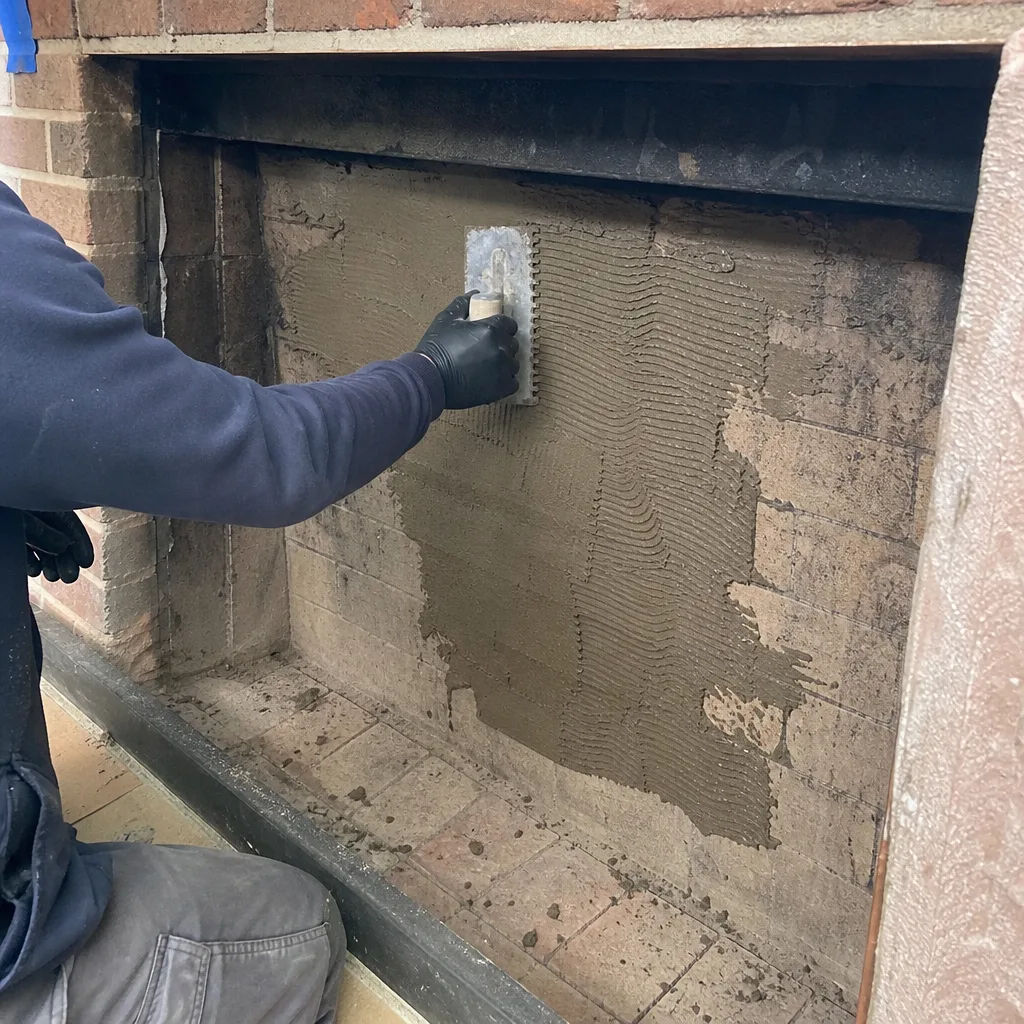
Soot removal on a Manhattan pre-war flue is rarely just soot. It’s coal dust from the 1920s, oil soot from a 1960s conversion, and wood soot from the last tenant who used the fireplace. We sweep mechanically, vacuum with a HEPA-rated unit, and document what came out. For buildings where a flue was sealed during a heating conversion and never cleaned, the volume of debris we pull from a single smoke chamber can be measured in five-gallon buckets.
What happens when you call
- 1
A real person answersNo phone trees - you reach a local pro.
- 2
You get an upfront price rangeHonest numbers before anyone is dispatched.
- 3
A background-checked tech heads outLicensed & insured, dispatched right away.
- 4
You approve before work beginsNothing starts until you say go.
BeforeAfterTrusted Brands We Service in Manhattan
We stock and install components from Copperfield, DuraFlex, Gelco, and Olympia Chimney, chosen specifically because they hold up to Manhattan’s coastal exposure. Galvanized caps from big-box suppliers routinely fail inside a decade on rooftop stacks near the Hudson or East River. When we replace them, we spec Copperfield stainless caps and DuraFlex liners because they’re designed for exactly this environment. We keep common liner diameters, caps, and flashing materials available for quick turnaround in Manhattan, so a failed cap on a Park Slope brownstone doesn’t sit exposed through the next nor’easter.
Common Chimney Cleaning & Sweep Problems We See in Manhattan Homes
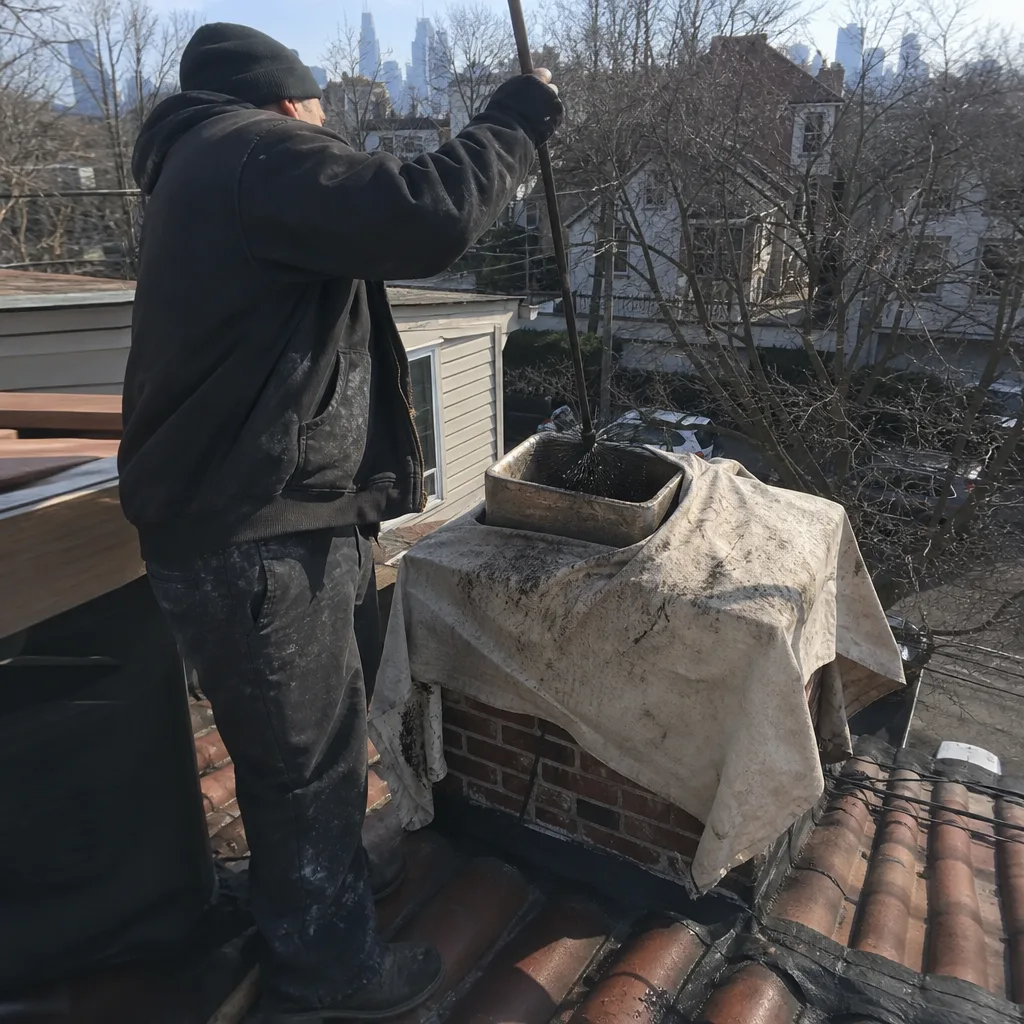
- Salt-corroded galvanized caps and flashing. Island air carries salt spray that eats galvanized steel in five to seven years on exposed rooftop stacks. Once a cap fails, nor’easter rain drives straight into the flue and behind the chimney’s brick face.
- Shared flues with deferred maintenance. A single nine-flue stack on Central Park West means nine apartments, one chimney, and often zero record of when any of it was last cleaned. Supers defer sweeps until FDNY tags a violation, and by then the shared flues are packed.
- Fuel conversion residue. Coal-era flues converted to oil then gas often have three distinct layers of residue. The top layer creosote is recent; the middle layer is thick and sticky; the bottom can be close to petrified.
- Sealed fireplaces with live flues. Apartment fireplaces sealed in the 1950s or 60s often still have an open flue at the top. Debris, birds, and decades of soot pile up, and in some buildings those shafts become pathways for pests and carbon monoxide between units.
Pricing for Chimney Cleaning & Sweep in Manhattan, NY
A standard single-flue sweep in Manhattan runs $189-$289. Add a Level 2 camera inspection and the combined visit lands at $349-$599 depending on flue height, roof access difficulty, and whether a super or managing agent must coordinate entry. Creosote removal on a third-degree glazed flue adds $150-$400 depending on flue length and glaze severity. Pre-war co-op stacks with multiple flues are priced per flue, with a multi-flue discount when we can sweep several in one roof visit. Every quote is written before work starts, shows the exact scope and warranty, and includes the photo record when we finish. No verbal estimates. No pressure. We’ll also match or beat any competitor’s written quote with a free second opinion.
We Also Serve Cities Near Manhattan
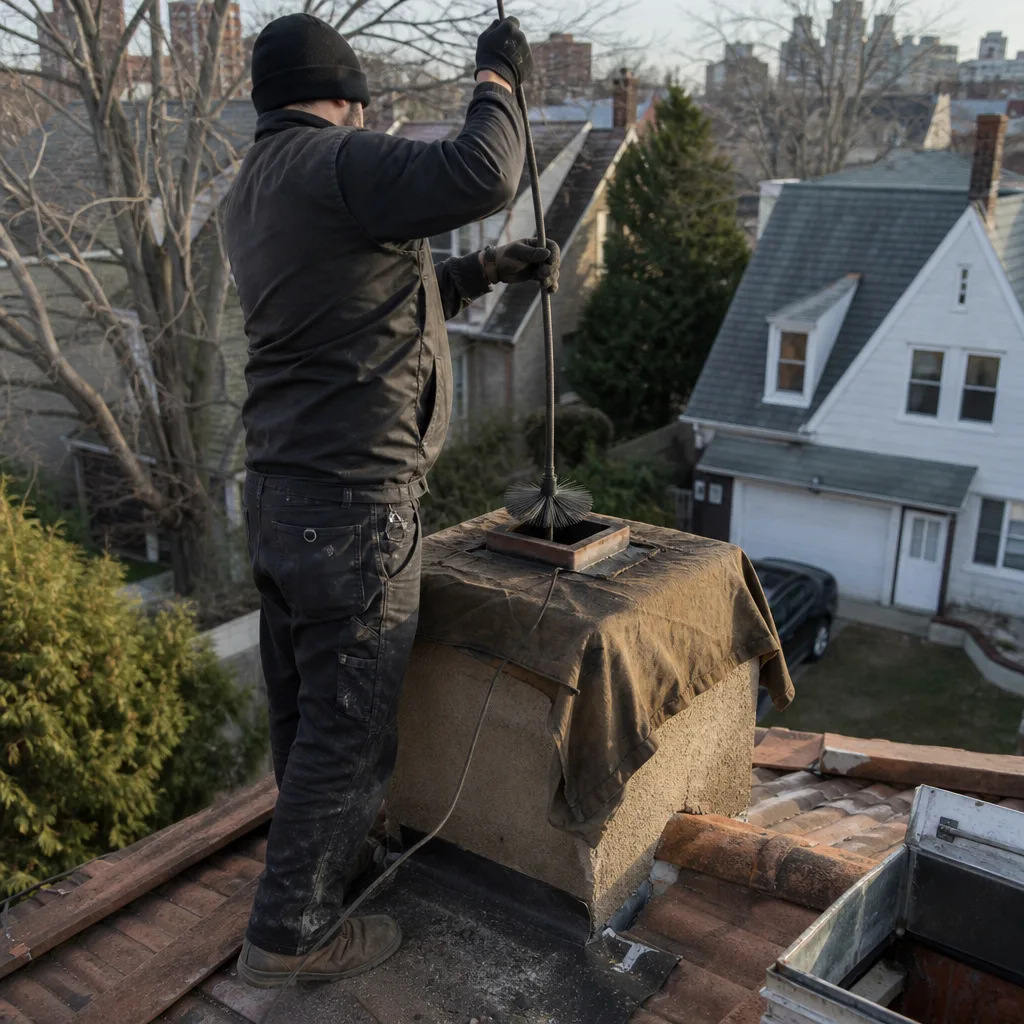
Beyond Manhattan, our crews handle chimney cleaning and sweep work in New York, Long Island City, Astoria, and Elmhurst. The same camera-scan inspection, written pricing, and 365-Day Done Right Promise apply everywhere we work. If you own a property near Manhattan and want a documented chimney record, call us and we’ll coordinate from our New York City office.
Serving Manhattan, NY - Our Local Coverage Area
We’re based in the Manhattan area and know this community well. Use the map below to see our service coverage - if you’re nearby, we can almost certainly help.
FAQs - Chimney Cleaning & Sweep in Manhattan
Every year, without exception. A shared stack serving multiple apartments puts five to nine flues under one cap. If any one fireplace burns wood, creosote builds. If any one flue has a cracked liner, that’s a carbon monoxide vector for every apartment connected to the stack. Annual sweeps plus a Level 2 camera inspection (Clause 4 of the Haven Standard) catch problems before they become violations. Call (862) 319-8047 and we’ll set a schedule that works with your super or managing agent.
Salt air accelerates galvanic corrosion on steel components. Galvanized caps and fasteners begin pitting within three years on stacks near the East River or Hudson, and most fail entirely by year seven. Once the cap fails, rain enters the flue and wind-driven salt water saturates the mortar crown. The crown then spalls, allowing water behind the brick face, and the freeze-thaw of a Manhattan winter does the rest. Stainless steel caps and coastal-grade mortar are the fix.
No. Third-degree creosote is a hard glaze that a standard wire brush cannot remove. It requires mechanical removal with a rotary chain whip, sometimes assisted by a chemical glaze softener, and then a second camera pass to confirm the flue surface is clear. We’ve pulled glazed creosote from pre-war flues where the homeowner had paid for a “cleaning” the year before and the previous company simply brushed around it. Call (862) 319-8047 and we’ll camera-scan first so you know exactly what you’re dealing with.
Yes. Manhattan’s chimney work is subject to NYC Department of Buildings and FDNY requirements that don’t apply in Westchester or New Jersey. FDNY enforces chimney and vent maintenance for heating equipment, and violations can come through Local Law inspections. When a building receives a violation, the super or board needs a sweep who can document the corrective work in a way the DOB will accept. Our photo and video records are formatted to support violation resolution and insurance documentation. Call (862) 319-8047 and we’ll tell you exactly what we’d provide for your specific notice.
Usually yes, and this is one of the more common findings on pre-war co-op sweeps. Fireplaces sealed during mid-century heating conversions often still have open flues at the top. Debris, birds, and decades of soot accumulate in the abandoned shaft. The bigger issue: an unlined or deteriorated terra cotta liner behind that sealed fireplace can allow carbon monoxide from a neighboring apartment’s heating equipment to migrate between units. FDNY notices and Local Law inspections have been flagging this with increasing frequency. A camera inspection tells you definitively whether that sealed shaft is a dead space or a live problem. Call (862) 319-8047.
Contact Level Two Chimney Manhattan
Whether you’re a co-op board member, a building super, or an apartment owner with a fireplace you actually use, call (862) 319-8047 for a free estimate. We’ll provide a written price for your chimney cleaning or Chimney Cleaning & Sweep before any work begins, and every visit includes a documented photo record. Corrine Halstead and the Level Two Chimney Manhattan team have been doing camera-scan inspections since before local regulators or insurers knew to ask for one.
Written by Corrine Halstead, Owner at Level Two Chimney Manhattan, serving Manhattan chimney cleaning and sweep under the Haven Standard since 2009.
Chimney Cleaning & Sweep in Nearby Areas