
Level 1 sweep and inspection to the NFPA 211 annual standard - flue, crown, cap, and flashing checked and photographed
Chimney sweep logs do not sweep chimneys. They loosen some creosote - which then falls where a brush and vacuum still have to collect it.
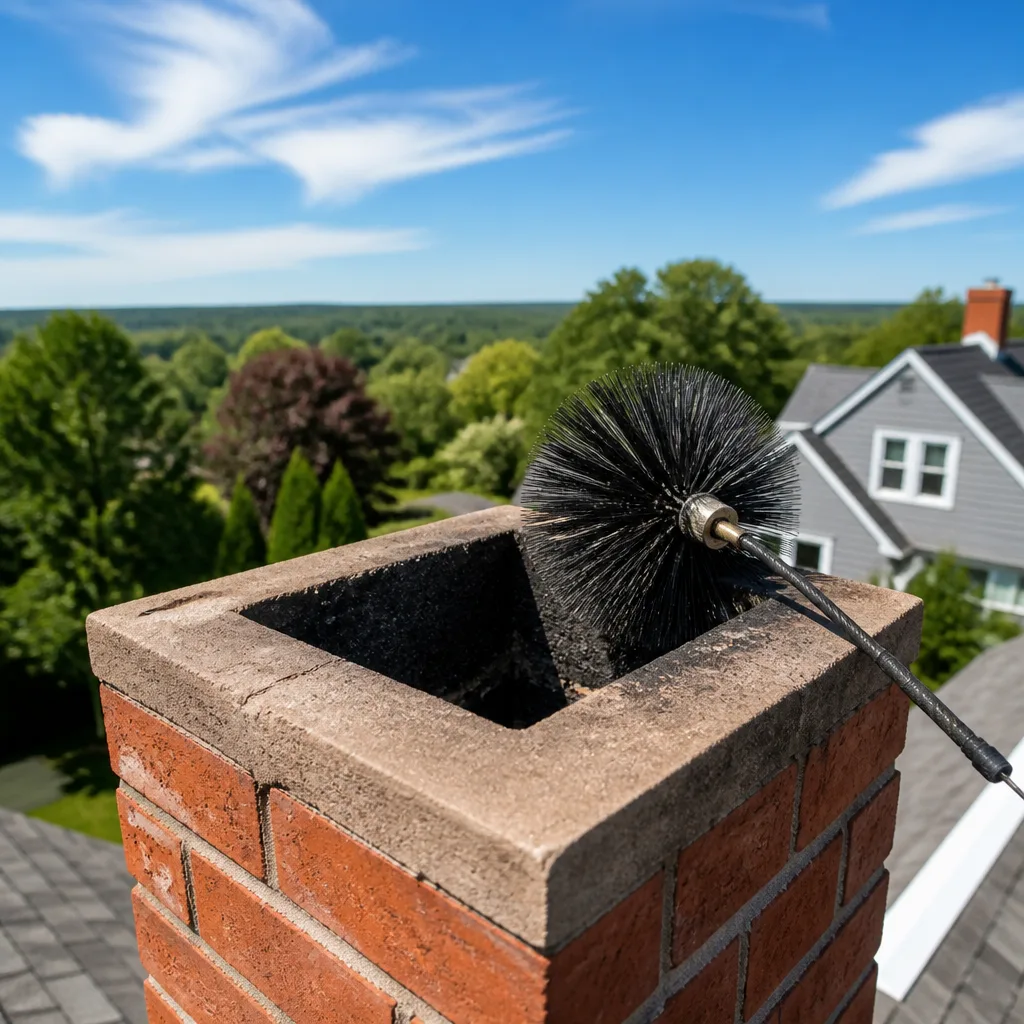
Caps & crowns
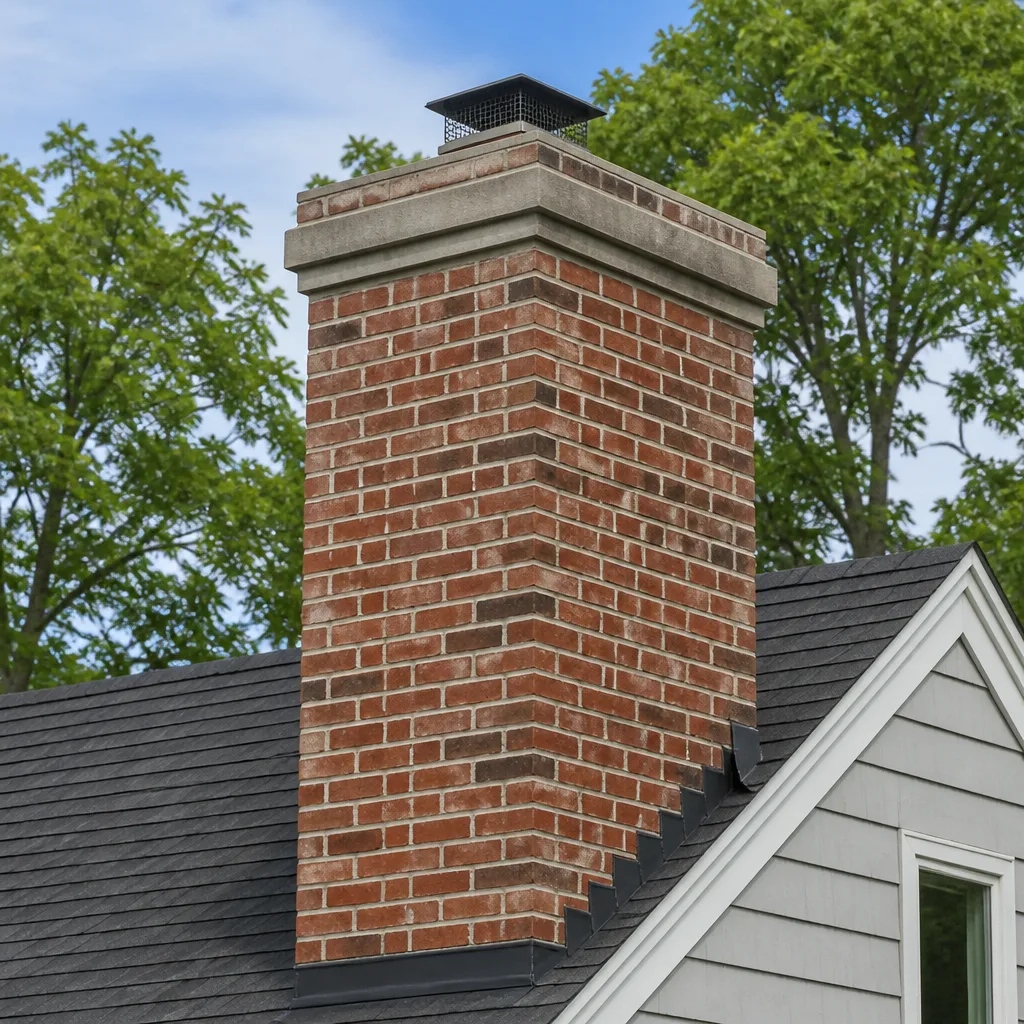
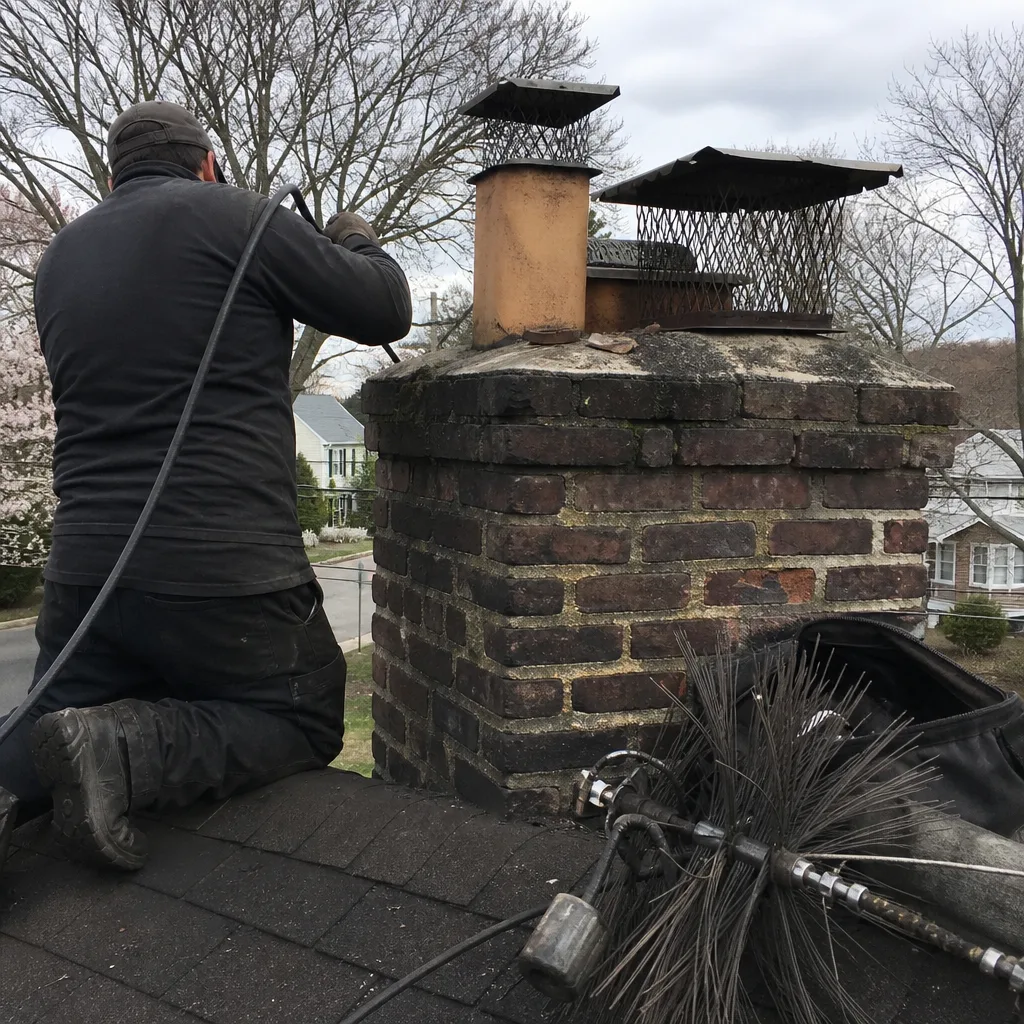 Before
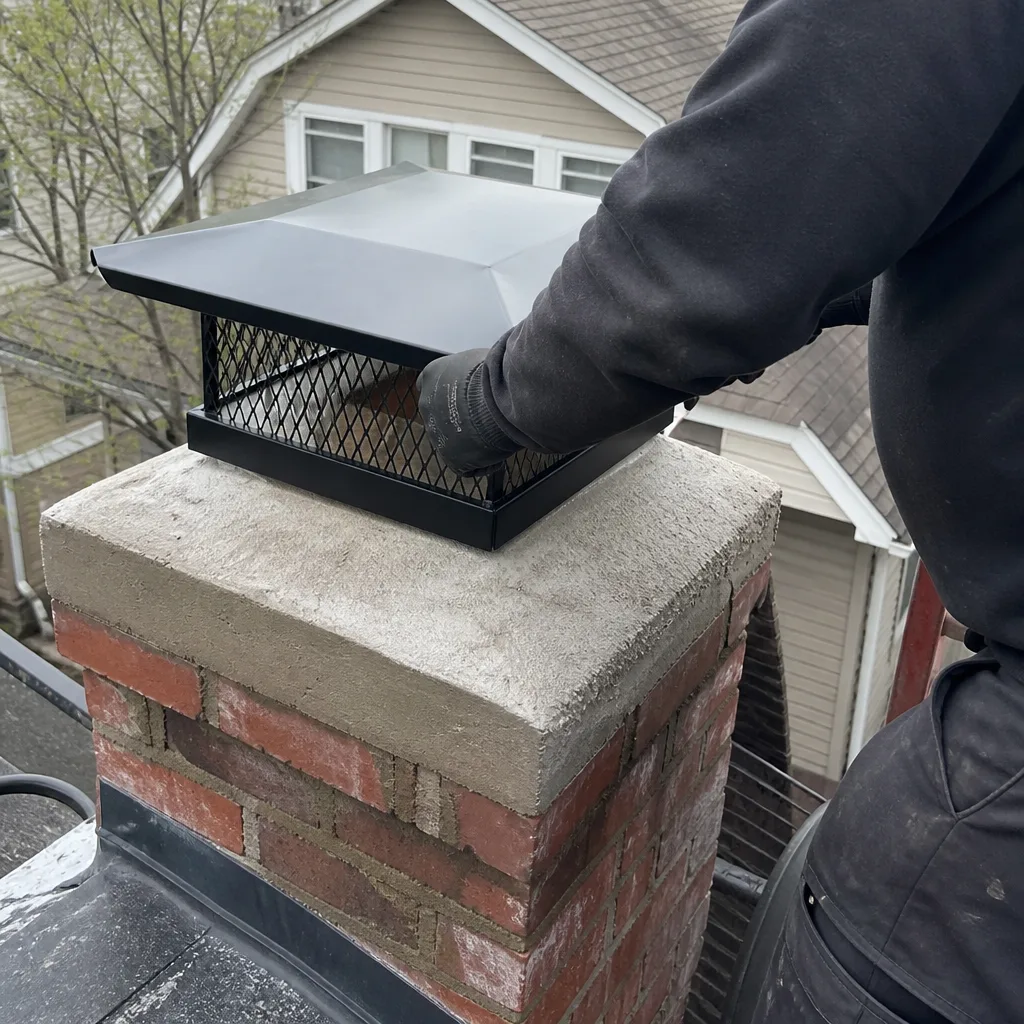 After
After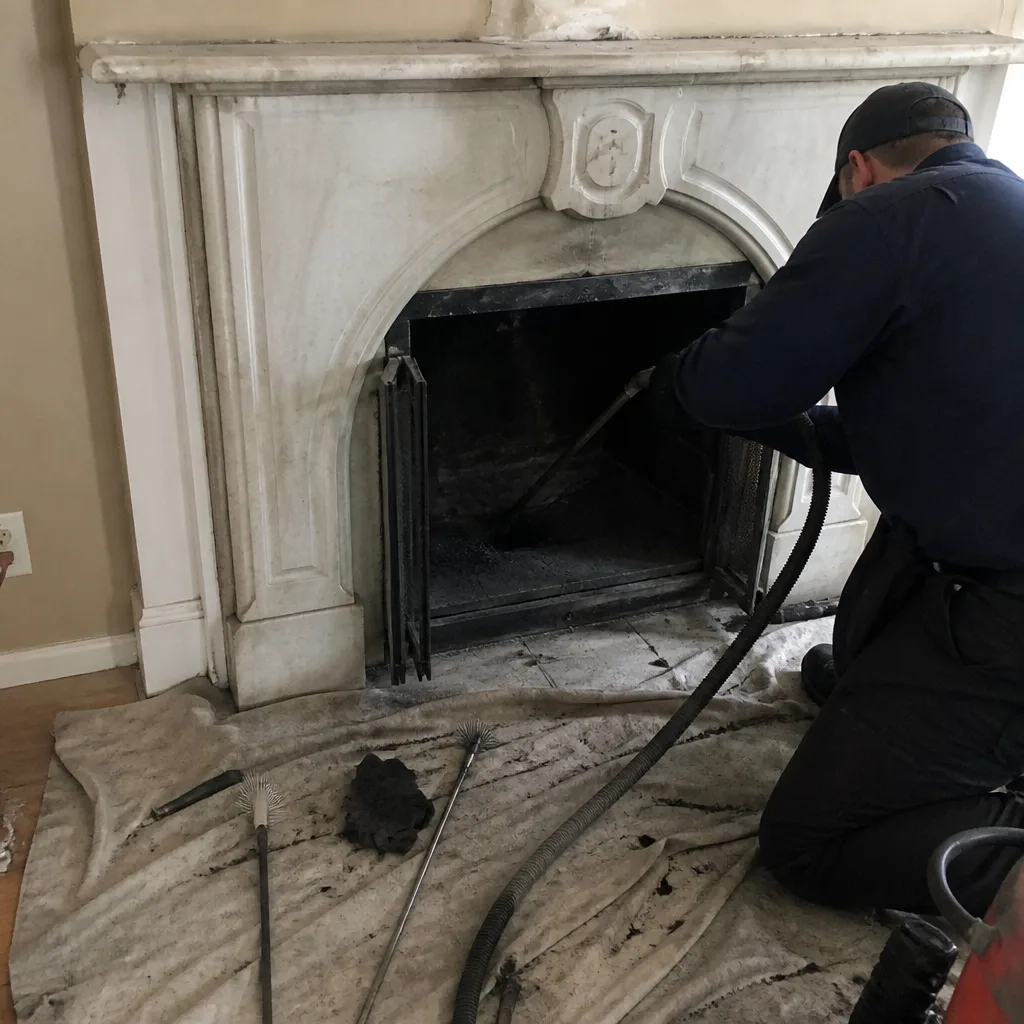 Before
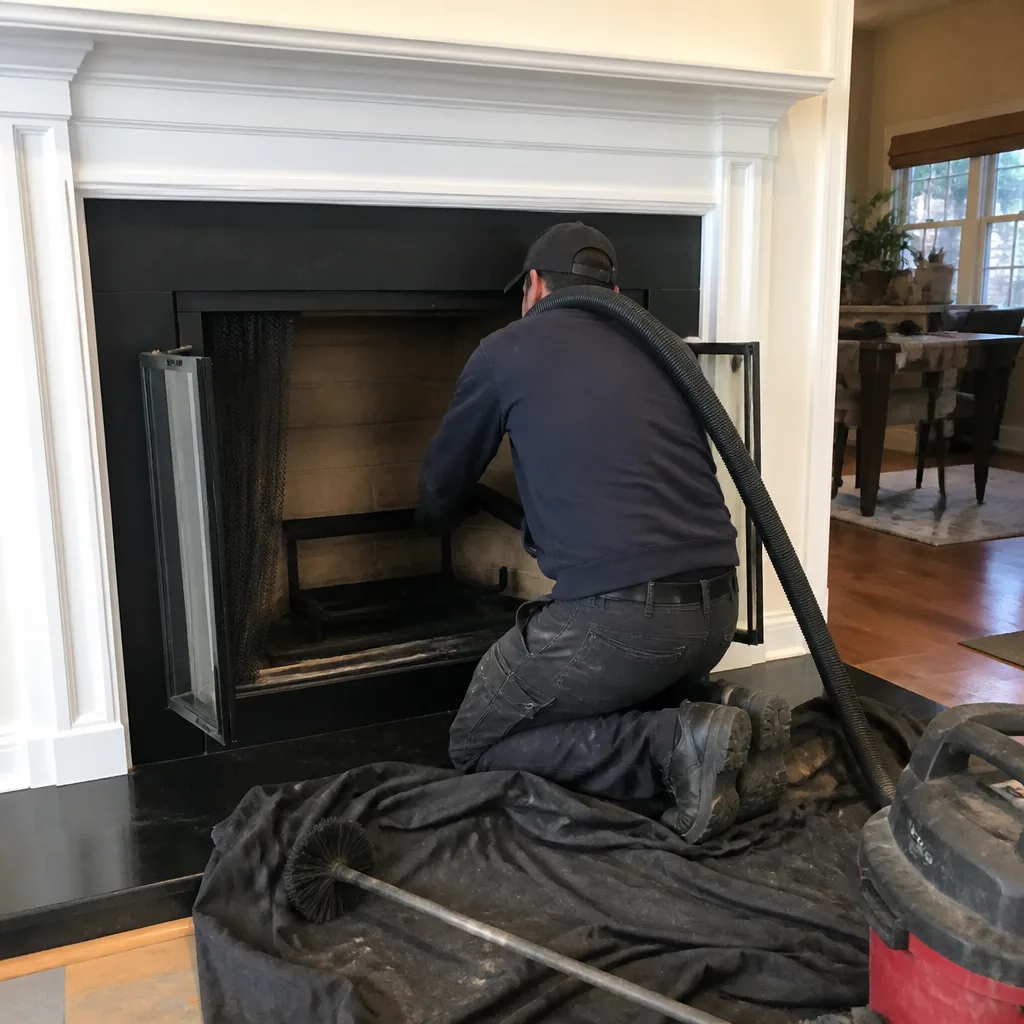 After
After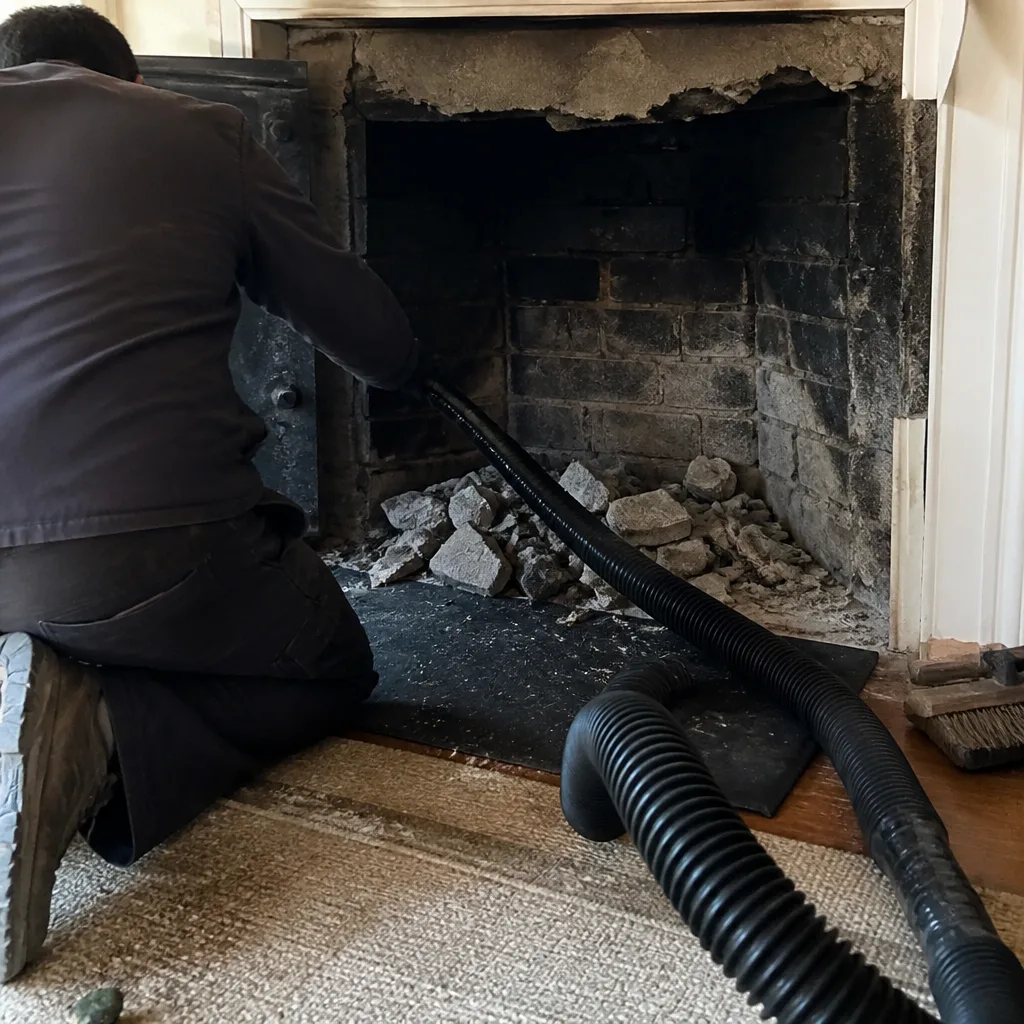 Before
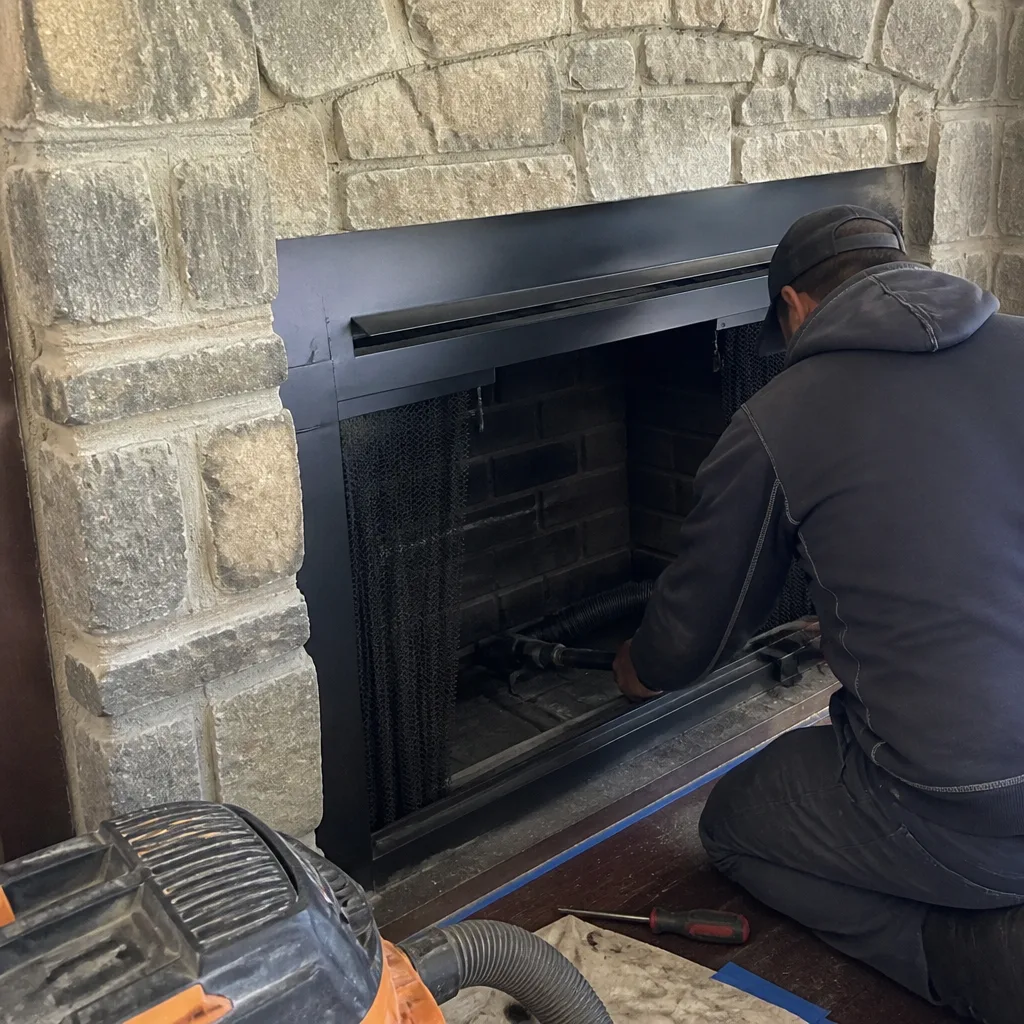 After
AfterCopperfield Flue Liner Replacement: The Manhattan Owner’s Guide
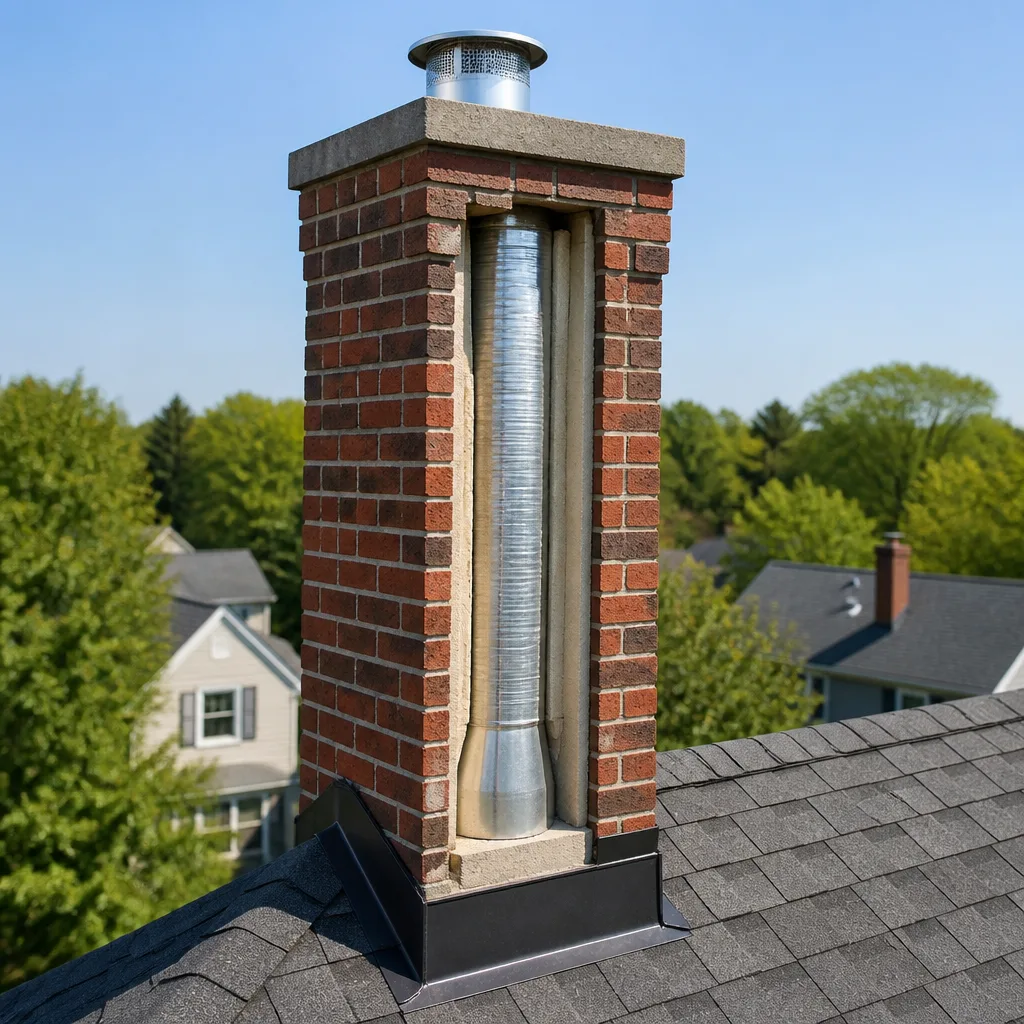
If you’ve got a Copperfield flue liner that’s cracked, corroded, or peeling at the seams, we can match it and replace it. An installed Copperfield-compatible flue liner replacement in Manhattan typically runs $2,400 to $4,800 depending on the liner diameter, length from the appliance to the top of the chimney, and whether the existing liner comes out clean or needs to be chiseled free. We stock Copperfield replacement parts on our trucks, which means most jobs are done in a single visit. You usually find this problem one of two ways: either an inspector flagged it after a camera scan, or you noticed flakes of metal in the firebox and called us to find out where they came from.
The short version is this: if the liner has failed, the fix is a replacement, not a patch. Here’s the full picture, including what this part does, how to tell it’s failing, what it costs, and whether you should touch it yourself.
Which Copperfield Models This Applies To
Copperfield makes flue liners for gas, oil, and wood appliances, and the model that matters is the one stamped on the tag attached to the liner at installation, usually a small metal plate near the base or top connector. The key compatibility issue with Copperfield replacements isn’t the brand name, it’s whether the new liner matches the diameter and alloy of the original. Copperfield liners are typically AL29-4C stainless steel for gas and 316L for wood or oil, and those alloys exist for a reason: gas exhaust is acidic, wood exhaust is hot, and using the wrong alloy for the wrong fuel means a liner that fails again in a few years.
What most owners don’t know is that Copperfield has changed liner specifications over the years. An older Copperfield liner from a 1990s Manhattan co-op may have a slightly different wall thickness than a current model, and the connectors don’t always match up. We carry OEM Copperfield replacement parts for common sizes, plus quality equivalents from DuraFlex, HeatShield, and Gelco when the exact Copperfield model is discontinued or doesn’t match the appliance’s current clearance requirements. We are an independent service provider, not affiliated with Copperfield, but we install and stock their parts because they’re well-built and we see enough of them to know what fails and why.
If you have a paper tag or a label on the liner, photo it before you call. If you don’t, we’ll measure the inside diameter and length during the inspection and match the replacement from there.
Signs Your Copperfield Flue Liner Replacement Is Failing
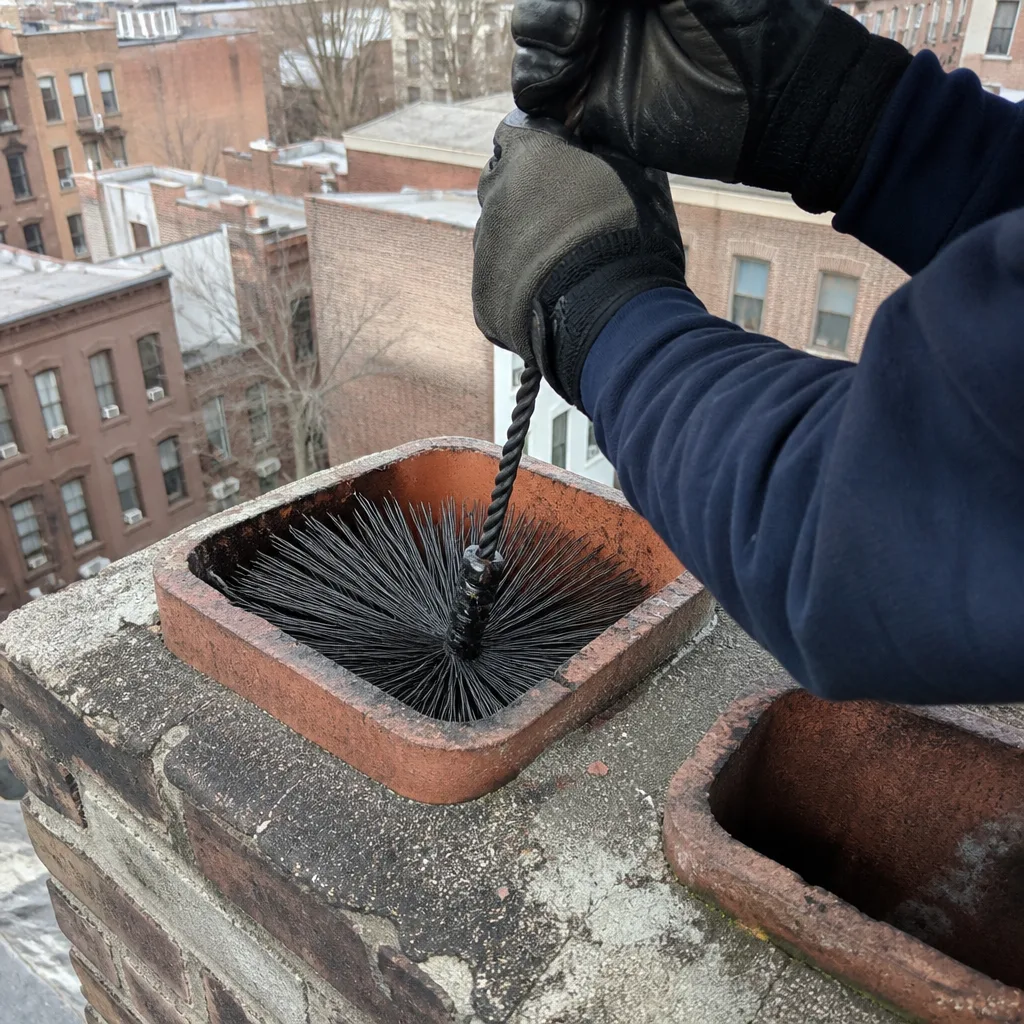
- Metal flakes or thin metallic slivers in the firebox or around the appliance. This is delamination of the liner’s inner wall, usually from corrosion at the seams. What you’re seeing is the liner literally peeling from the inside out.
- Visible staining or rust streaks on the chimney exterior, often near the top or where the chimney passes through the roof. This means moisture is getting through the liner and into the masonry, and by the time you can see it outside, the liner has likely been compromised for a while.
- A sulfur or exhaust smell in the room even when the appliance isn’t running. This is exhaust gases backing into the living space through a crack or gap in the liner, and it’s the one symptom you shouldn’t ignore for even a day. Carbon monoxide is odorless, so what you’re smelling is sulfur compounds, but if exhaust is getting back, CO can too.
- Unusually high moisture on windows near the chimney or water in the firebox after rain. A failed liner allows condensation from the flue gases to collect and leak, and that water carries corrosive acids that will chew through the existing liner faster and eventually the surrounding masonry.
- A technician flagged a “breached liner” or “Class III creosote” on an inspection report. A breached liner is a structural gap; Class III creosote is a hard, glossy tar-like accumulation that only forms when a liner has already failed and the flue is running too cool. Neither is a brush-and-go fix.
One note we make often in older Manhattan buildings, including co-ops along Riverside Drive where the flues haven’t seen a brush in decades: you may not see any of these signs until a camera goes down. That’s why we camera-scan every liner we inspect and show you the footage before we quote anything.
BeforeAfterReplacement Cost & What’s Included
A Copperfield-compatible flue liner replacement in Manhattan runs from $2,400 to $4,800 installed. The biggest variable is the liner diameter and length: a 4-inch by 25-foot gas flue will be at the lower end, while a 6-inch by 40-foot wood or oil liner at the top end. The second variable is removal. If the old liner is still intact enough to pull free, it’s faster. If it’s collapsed or cemented in place with creosote, we’re chiseling it out in sections, and that labor shows up in the quote.
Because we buy Copperfield, DuraFlex, HeatShield, and Gelco materials through Haven’s buying network, the material cost stays lower than retail, and we pass that through. Every quote is written and itemized before we start, and it includes the liner, connectors, top plate, any necessary insulation wrap, and the labor to pull the old liner and set the new one. The quote also states the warranty term. There is no “we’ll let you know the price after we’ve opened it up” because that’s exactly the problem Clause 1 of the Haven Standard exists to fix: written price, written scope, written warranty, all before any work starts.
DIY or Call Us?
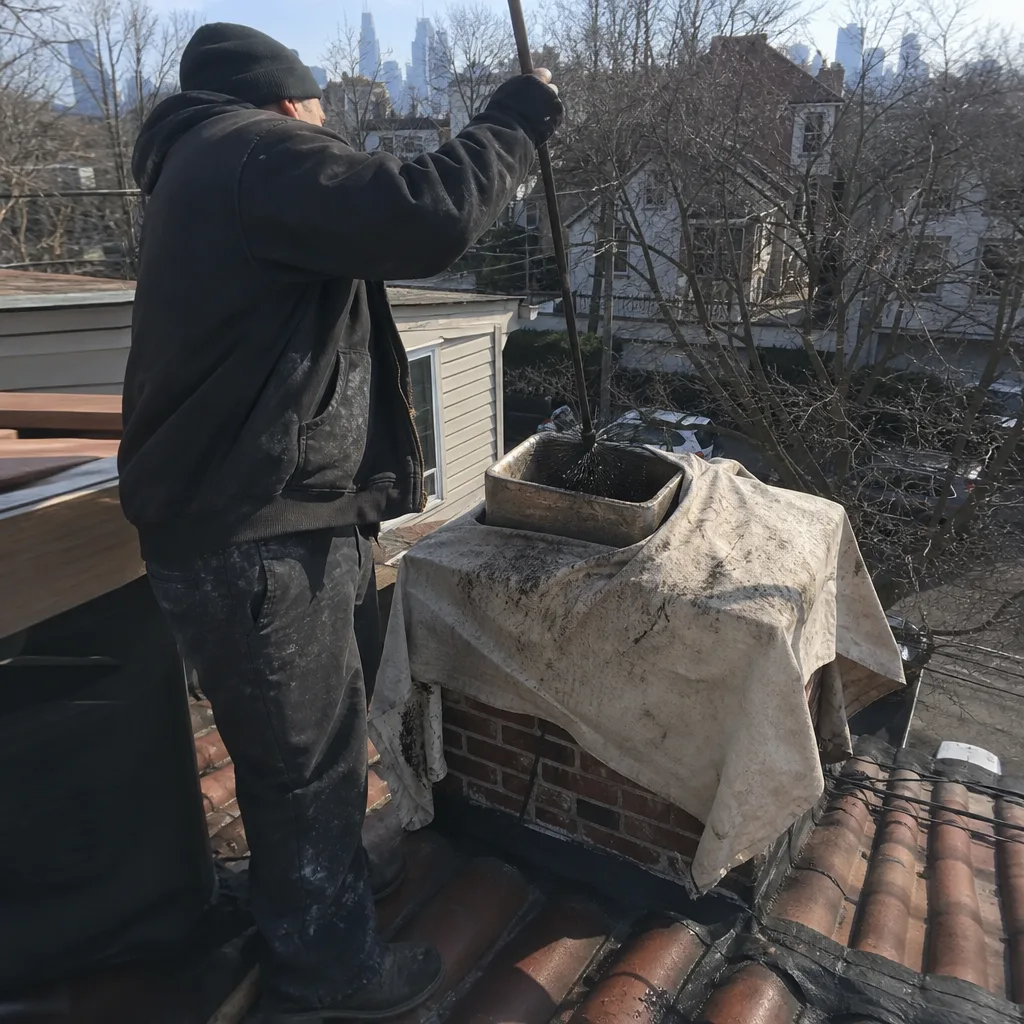
What you can safely do is take photos of the liner if you can see it from the appliance side, check for flakes in the firebox, and write down anything printed on the liner tag. That information helps a lot when you call us.
What you shouldn’t do is attempt to extract or replace the liner yourself. You’re working at height, the liner sections are heavy and sharp, and the chimney itself may have hidden structural issues, cracks in the flue tiles or crumbling mortar joints behind the liner, that a DIY removal can turn into a much bigger problem. And there’s carbon monoxide involved: if a replacement liner isn’t sealed correctly at every joint, exhaust gases leak into the living space. The camera doesn’t guess. Neither do we. Corrine Halstead and the team at Level Two Chimney Manhattan run a camera down every flue before and after liner work, and we show you the footage at both stages. If you’re already seeing signs of liner failure, call us at (862) 319-8047. You can text photos to the same number, and we’ll tell you honestly whether it’s a replacement now or one that can wait a season.
FAQs
In Manhattan’s humidity and freeze-thaw cycles, a Copperfield liner typically lasts 12-18 years before corrosion at the seams starts to show, though gas liners can fail sooner if the appliance short-cycles and produces more acidic condensation. A camera inspection is the only way to know where yours is in that range. Call (862) 319-8047 for a free estimate.
Small surface corrosion can sometimes be addressed with a resurfacing product like HeatShield, but if the liner has split along a seam or delaminated, a repair won’t hold because the structural wall is gone. We’ll tell you plainly which situation you have, with camera footage to back it up. Call (862) 319-8047 to book an inspection.
Most replacements take 3-5 hours, and we complete them in one visit. If the old liner is heavily creosoted or collapsed, extraction can add time, and we’ll tell you that from the inspection.
Yes, we carry common Copperfield replacement sizes and connectors on our trucks, plus equivalents from DuraFlex, HeatShield, and Gelco, so most jobs don’t require a second trip.
If you already know your Copperfield flue liner needs replacement and you want a written price, call (862) 319-8047 or text photos of the liner tag and any damage to the same number. We’ll give you the price in writing before any work starts, and the finished job includes a documented photo record and the 365-Day Done Right Promise: if it’s not done right, we make it right.
Written by Corrine Halstead, Owner, Level Two Chimney Manhattan at Level Two Chimney Manhattan, serving Manhattan and nearby areas.