
Level 1 sweep and inspection to the NFPA 211 annual standard - flue, crown, cap, and flashing checked and photographed
Chimney sweep logs do not sweep chimneys. They loosen some creosote - which then falls where a brush and vacuum still have to collect it.
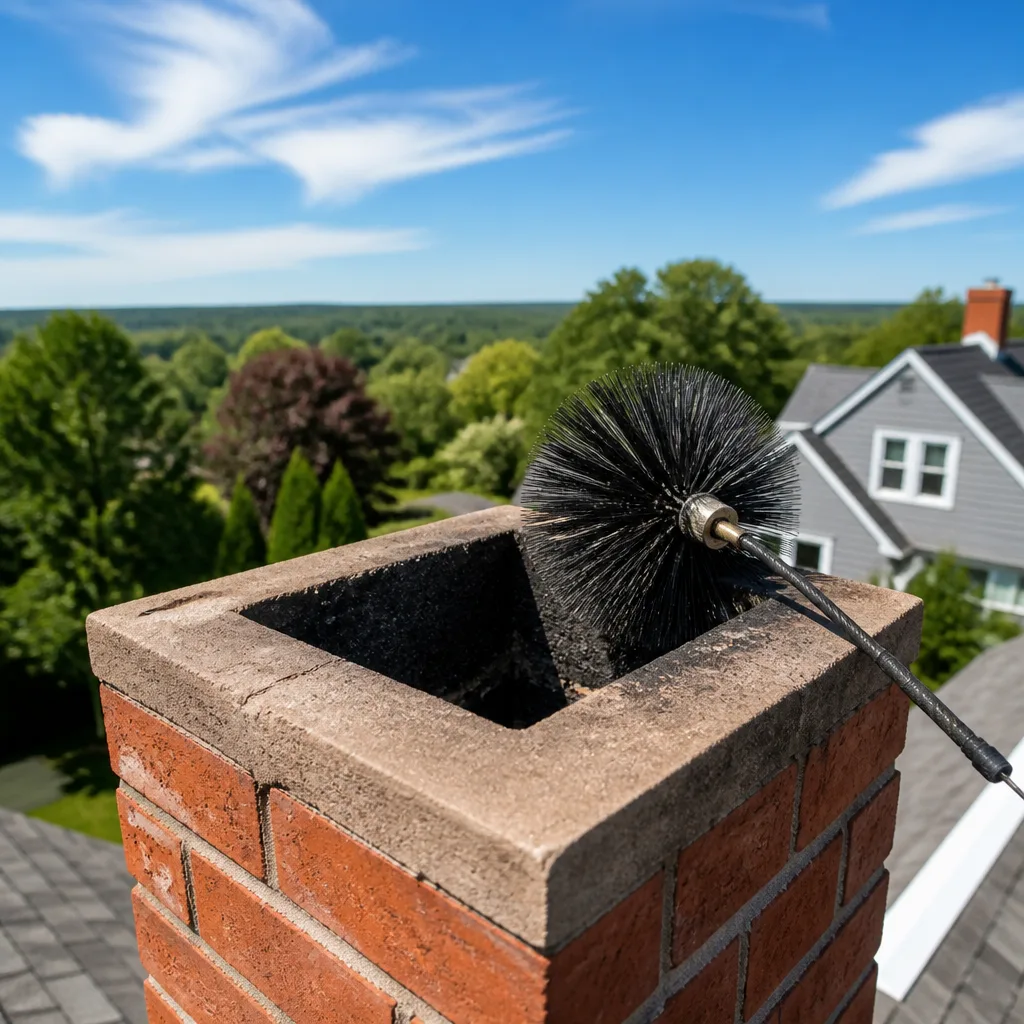
Caps & crowns
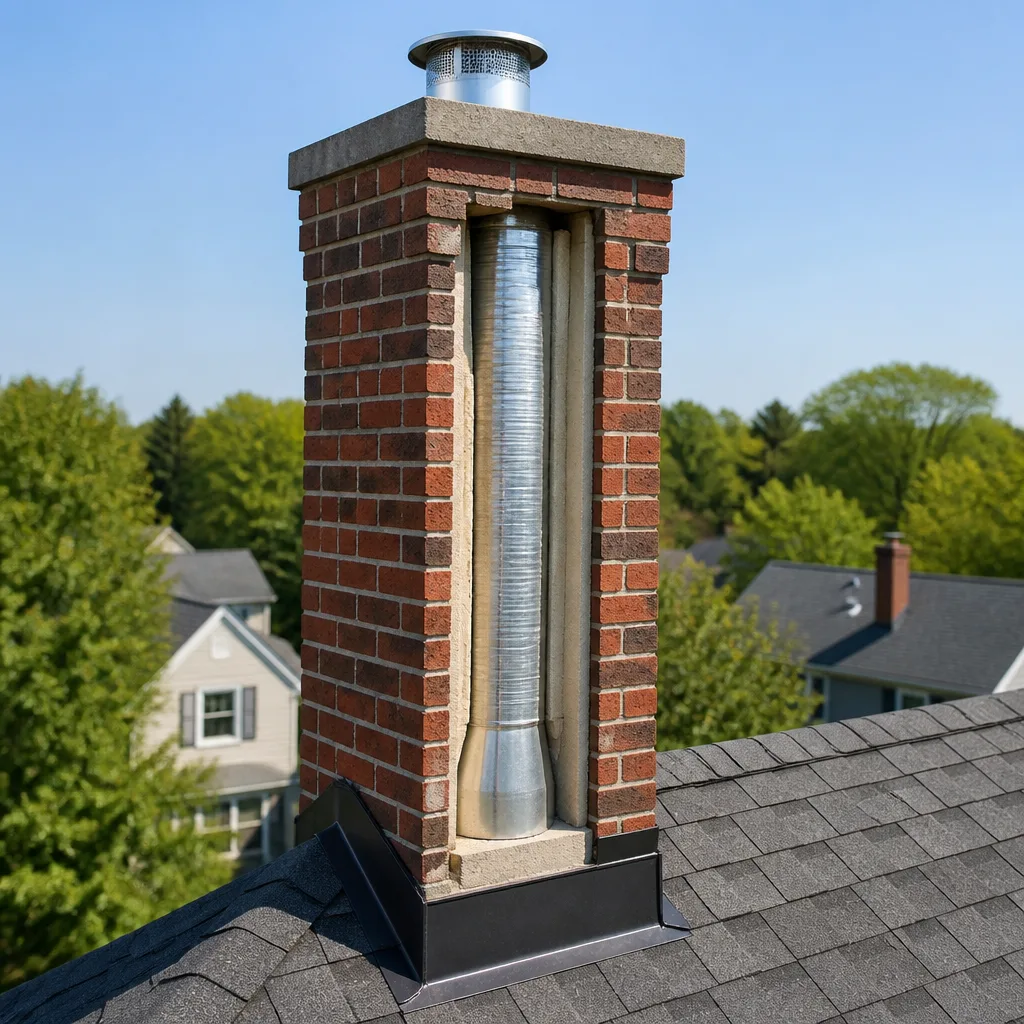
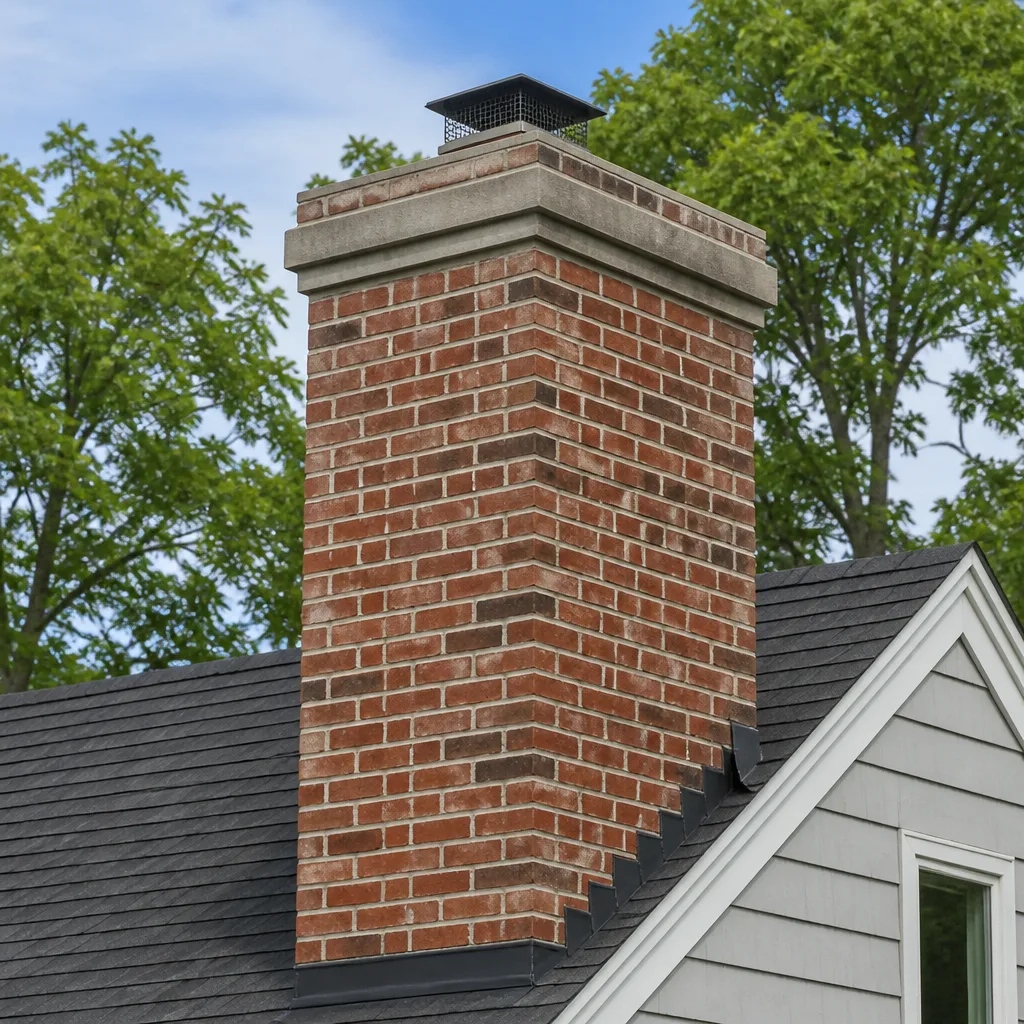
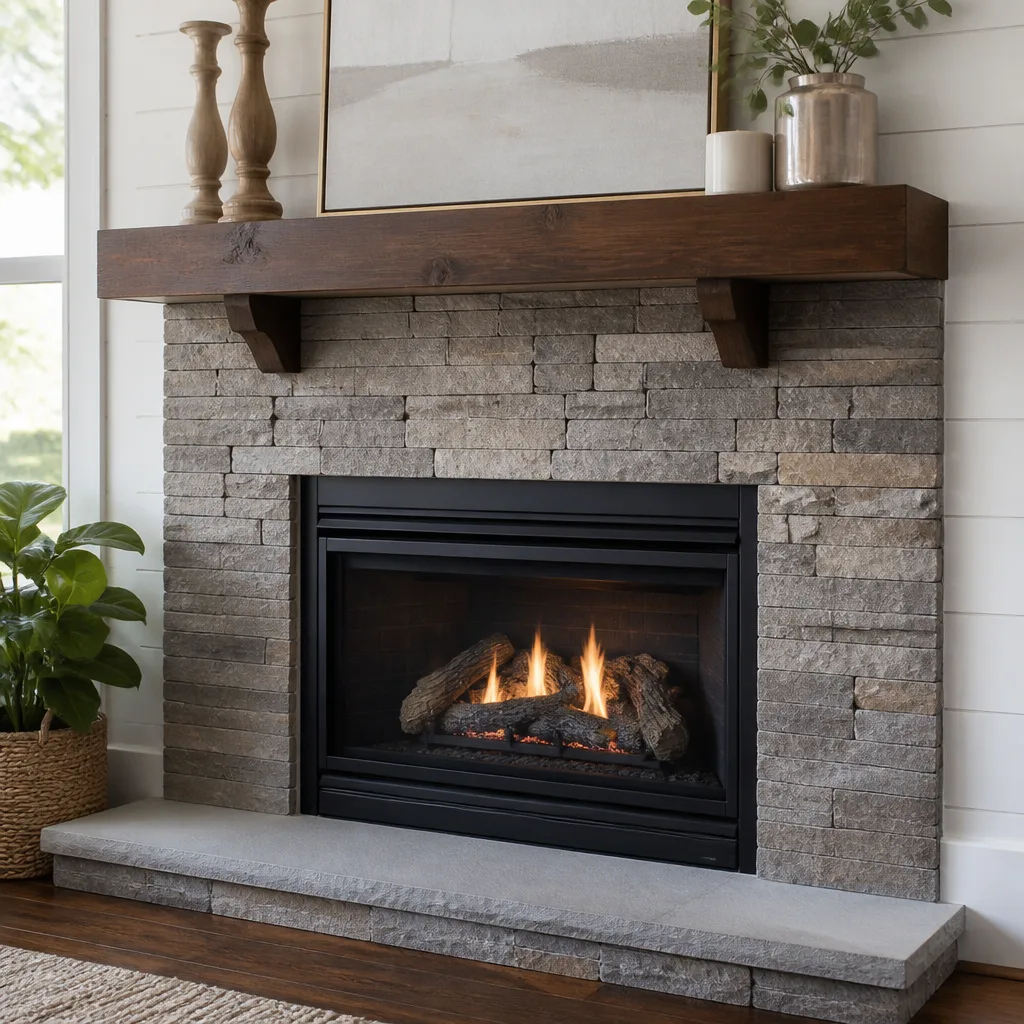
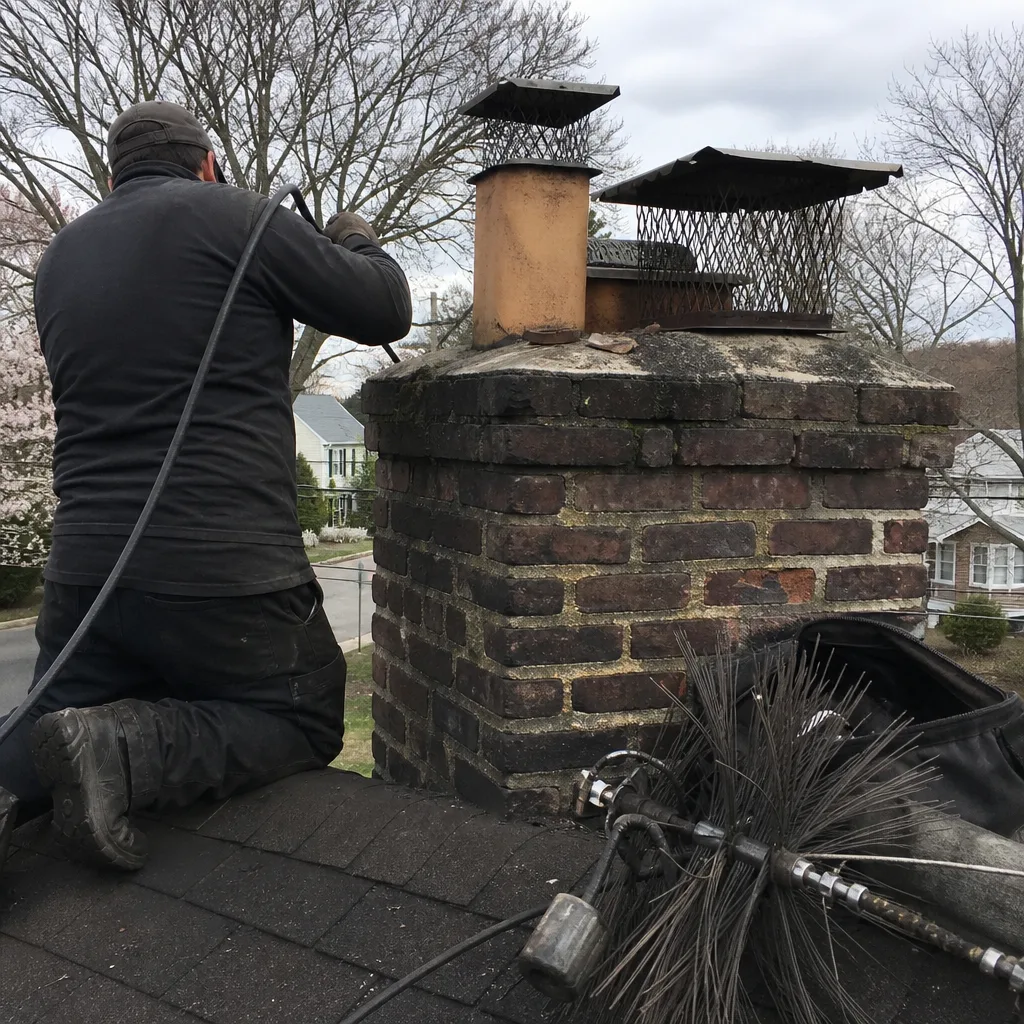 Before
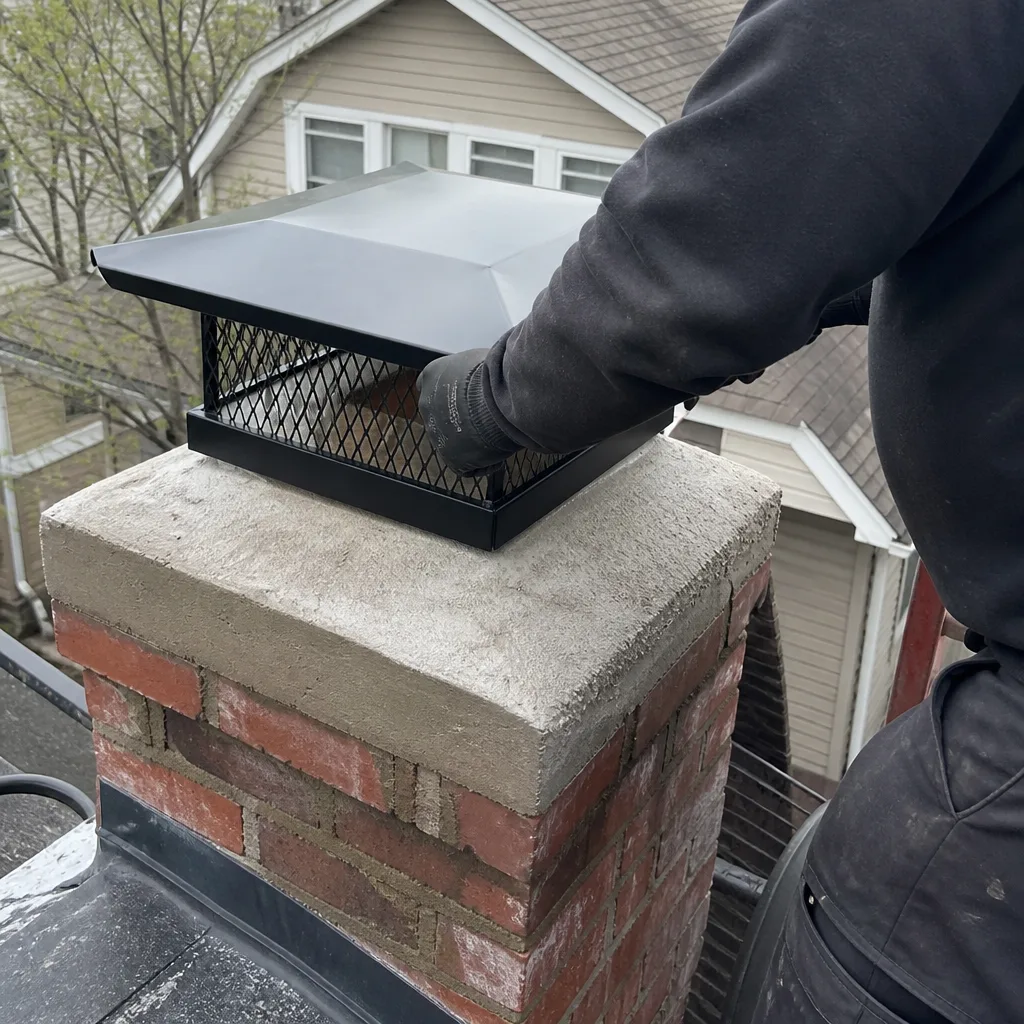 After
After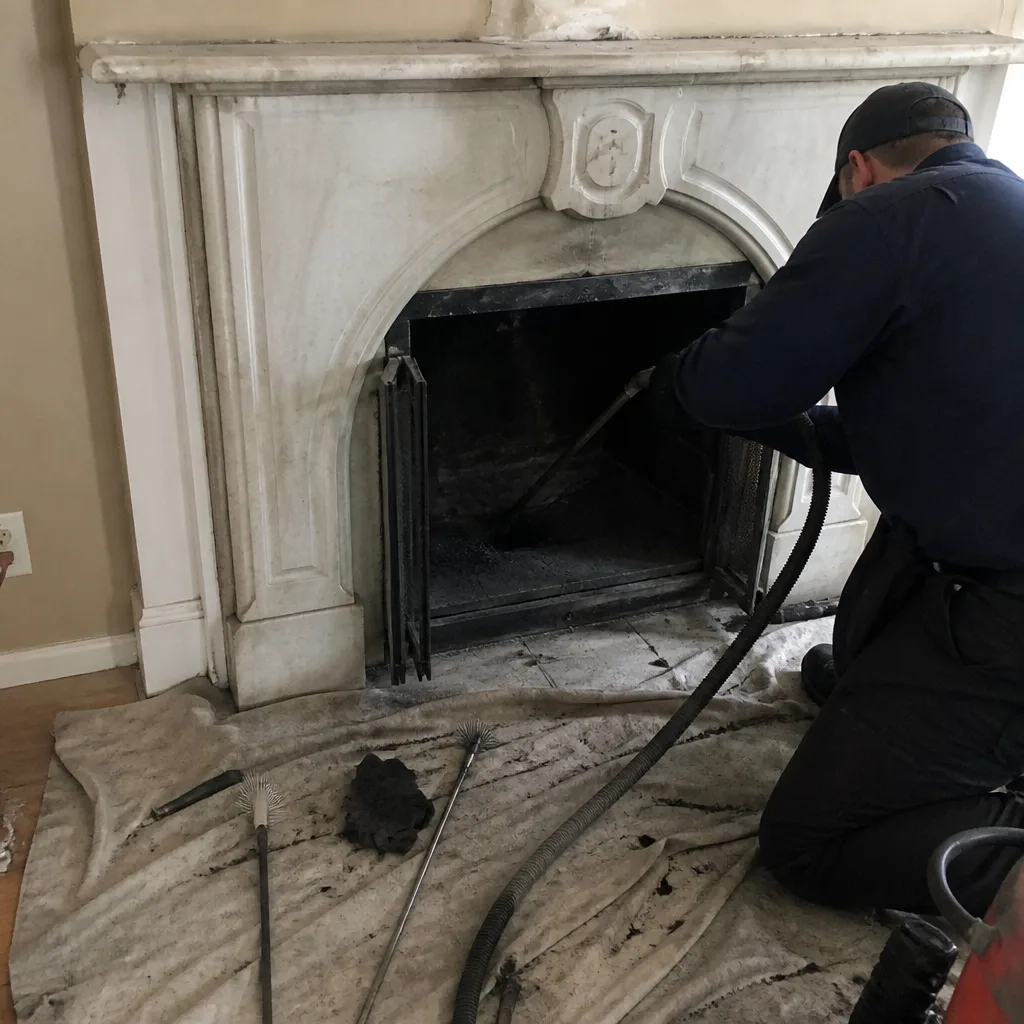 Before
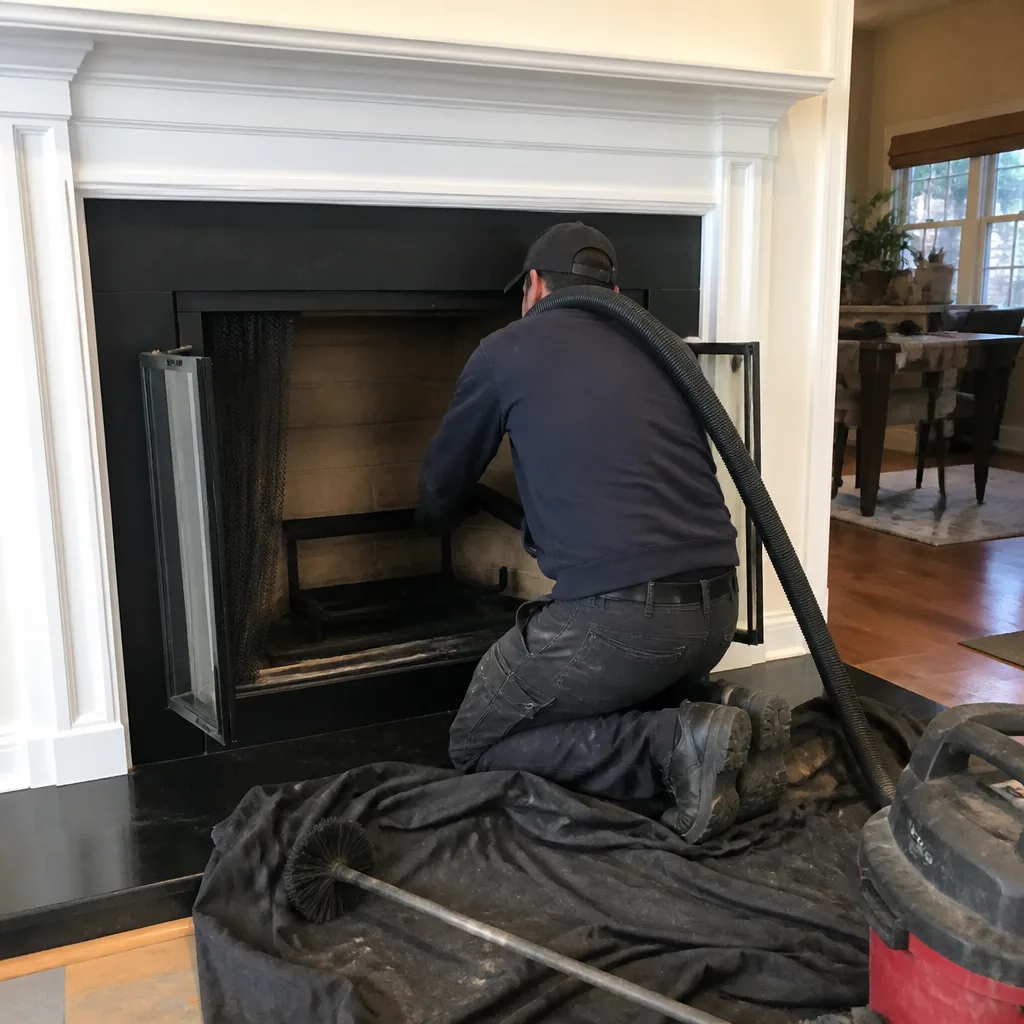 After
After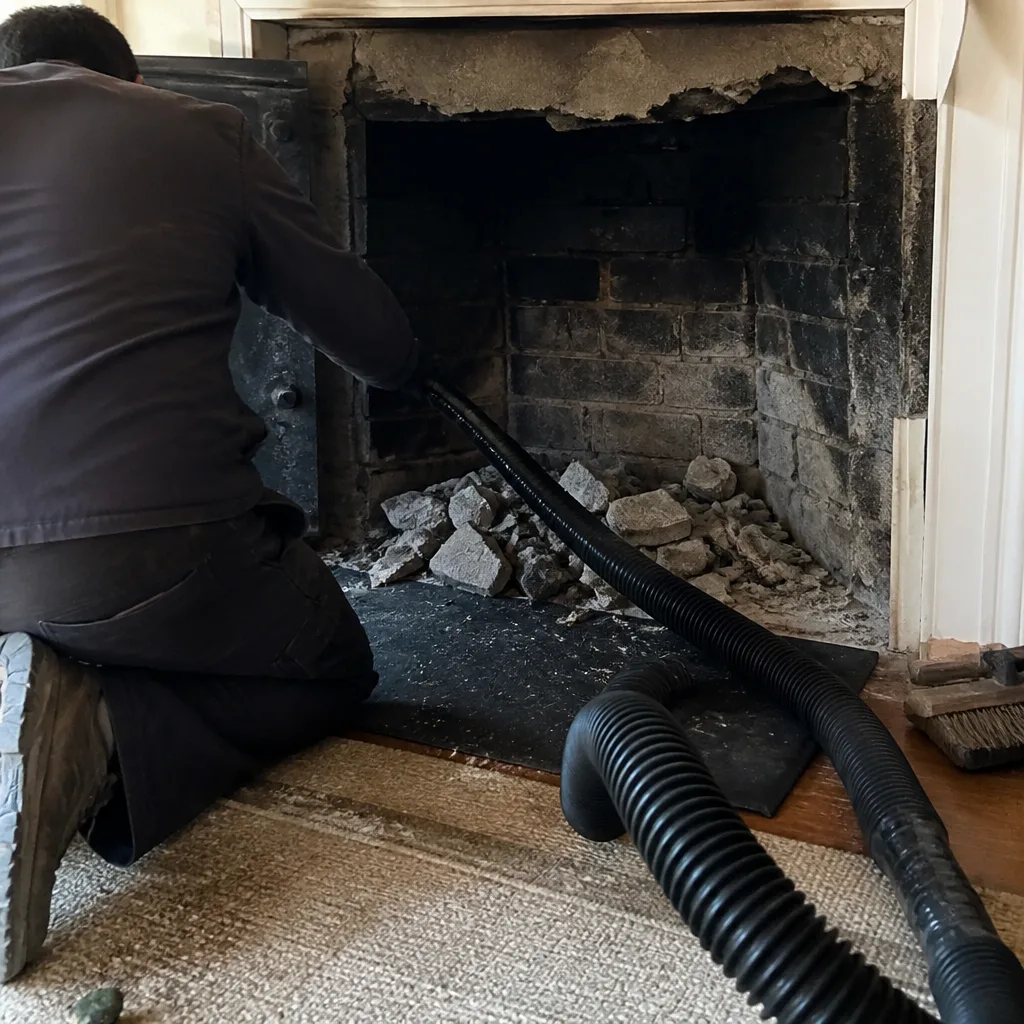 Before
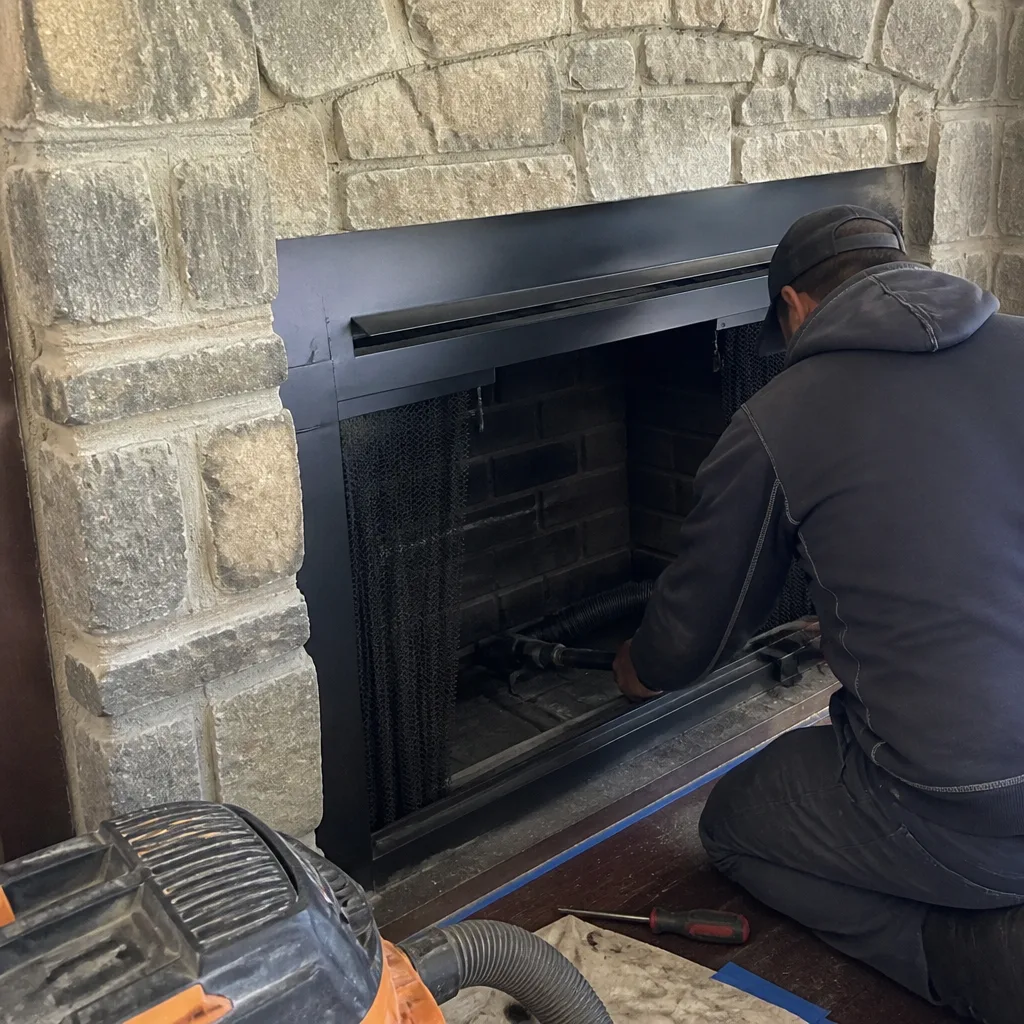 After
AfterFamco Chimney Cap Installation: The Manhattan Owner’s Guide
We stock and install Famco chimney caps across Manhattan, with typical installed pricing running $380 to $720 depending on flue size, roof access, and whether the old cap left behind mounting damage. This is not a part you want to live without for long: in Manhattan’s wind, rain, and freeze-thaw cycles, a missing or failed cap lets water straight down the flue, and a $500 cap replacement turns into a $3,000 crown and liner repair inside of two winters. Most owners discover the failure the same way: water staining on the ceiling near the chimney, a damp smell in the firebox after rain, or a cap that’s visibly tilting from the sidewalk.
Here’s the thing about Famco: their caps are workhorses. We’ve pulled Famco caps off Manhattan rooftops after 15 years of Hudson River weather and the mesh is still intact, the hood still sound. What fails first is almost never the cap itself. It’s the mounting collar, the screws, or the previous installation. Which is exactly why this page exists.
Which Famco Models This Applies To
Famco makes caps in three general families: the SC series (single-flue, slip-in or clamp-on), the LC series (leg kit mounts for multi-flue or masonry crowns), and the WAC series (wind-assisted, for draft problems on taller rowhouse stacks). We install all three, and we match the cap to your flue tile size, not to whatever the last installer happened to have on the truck. That mismatch is the single most common cause of early failures we see in Manhattan specifically: a cap sized for an 8×8 flue clamped onto an 8×13 tile, half the flue mouth exposed to weather, and nobody noticed because the cap looks fine from the street.
To identify what you have, look for the stamped model number on the underside of the hood or on the collar band. If it’s illegible, measure the outside dimensions of your flue tile and the inside opening, and we can match the series from that. Famco does not sell direct to the public, so the OEM-vs-aftermarket question is largely settled for you: you’re buying through a dealer or installer regardless. We stock the common Manhattan sizes (8×8, 8×13, 13×13) on the truck and order the rest through our supplier network, which gets here in two to three days. We are an independent installer; we have no affiliation with Famco, and that’s fine. We buy their caps because they hold up, not because we owe them a loyalty discount.
Signs Your Famco Chimney Cap Installation Is Failing
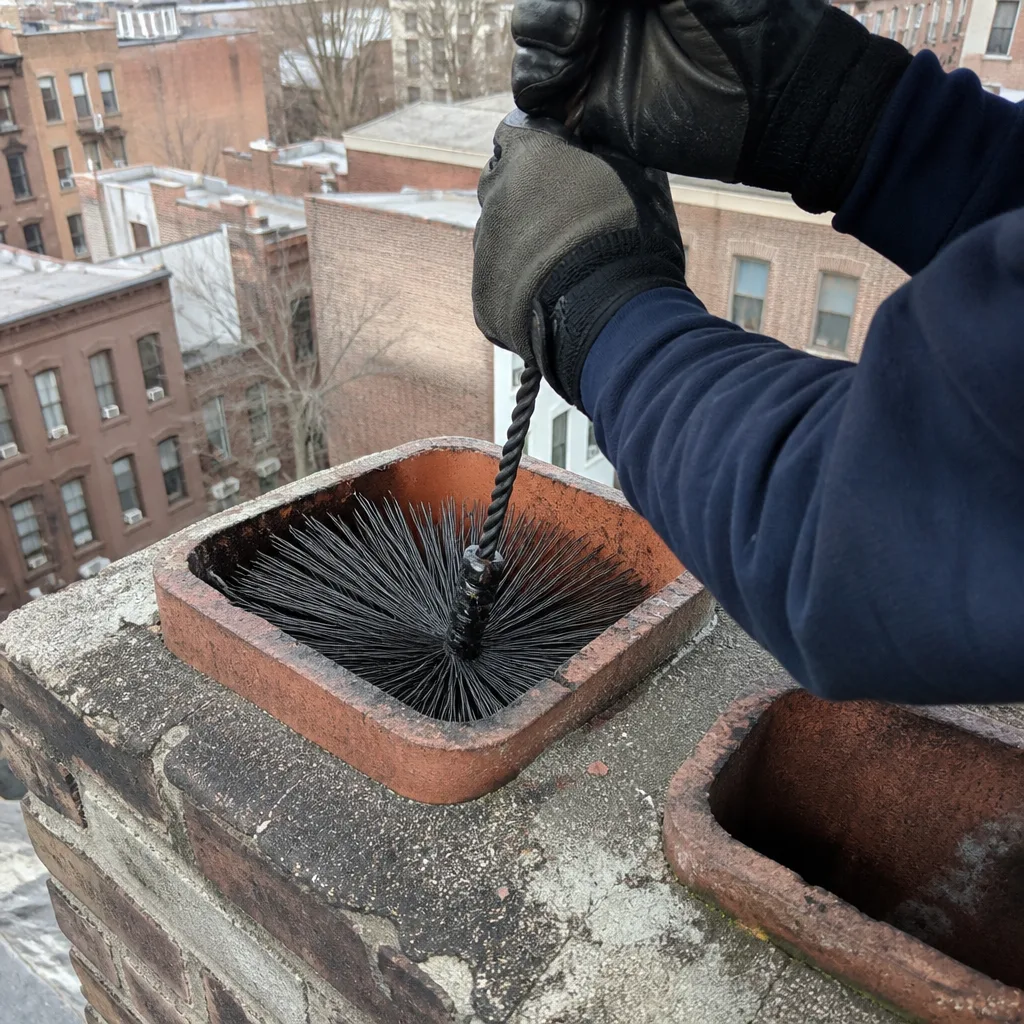
- Water staining on the ceiling or wall adjacent to the chimney. This is the tell, and it’s rarely a roof leak. Water enters the flue at the top, runs down the tile, and migrates through gaps in the mortar joint. When we camera the flue, we see efflorescence and spalling tile that maps back to a cap that was undersized or gone entirely.
- Rust trails on the chimney crown or brick below the cap. That rust is coming from the cap’s collar or mesh, which means moisture is sitting at the connection point. Cast aluminum caps oxidize slowly; steel mounting screws fail fast. Rust streaks mean the fasteners are actively corroding.
- The cap is visibly tilted or shifted. Manhattan rooftops take wind loads that most manufacturers barely rate for. A tilt means wind got enough purchase to work the clamp loose, and every additional gust is levering it further. A tilted cap can also chip the crown as it pivots against the flue’s edge.
- Birds or squirrels in the flue. If animals are getting in, the mesh or the mount has failed. We’ve pulled squirrel nests out of flues in Washington Heights that filled a contractor bag, and every one of them came down to a cap that had a bent corner or a gap at the collar.
- Draft problems that weren’t there before. A partial obstruction from debris, a shifted cap blocking part of the opening, or an undersized replacement cap can all change the flue’s draft profile. WAC series Famco caps are actually designed to fix this, but the wrong series installed on a problem flue makes the draft worse, not better.
BeforeAfterReplacement Cost & What’s Included
For Manhattan installations, budget $380 to $720 installed. The cap itself ranges $90 to $240 depending on series and flue size. The rest is labor, which in Manhattan means roof access, ladder safety gear on the walkup, and a tech who’s been on a lot of rooftop parapets that don’t have a single anchor point. Steeper roofs, higher buildings, multi-flue systems, or a chimney that needs the old screws drilled out and the crown patched before the new cap goes on will push you toward the top of that range.
Every quote is a written price before any work starts, and it’s itemized: cap, mounting hardware, any crown patching, and labor. No add-ons that weren’t discussed, no “while we were up there” surprises. You’ll get a photo of the cap installed and a photo of the flue from above so you can see exactly what was done. Work is backed by the 365-Day Done Right Promise: if it’s not right, we make it right. That’s not marketing language. It’s Clause 5 of the Haven Standard we’ve worked under since 2009.
DIY or Call Us?
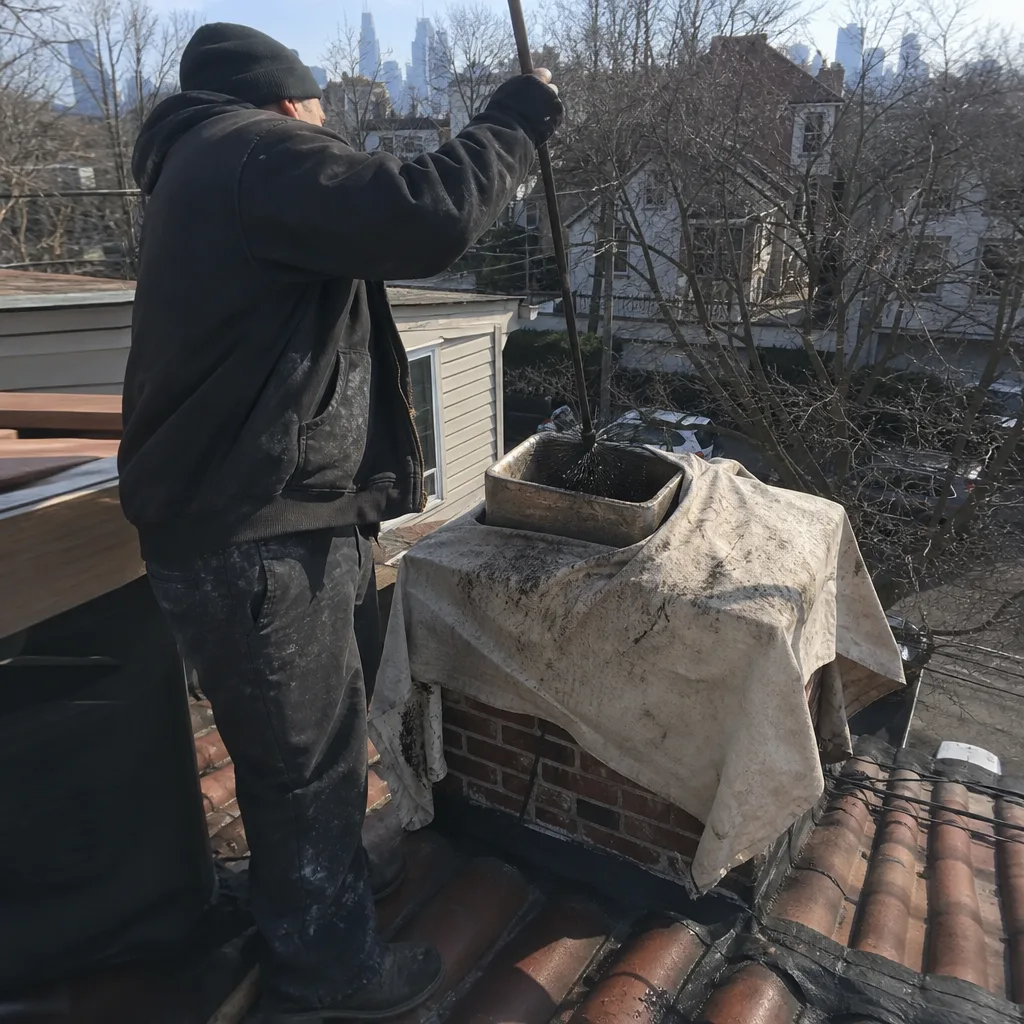
If you have a rooftop deck with direct access and a single-story flue, you can visually check your cap for rust, tilt, or mesh separation. You can take photos and send them to us, and we’ll tell you over the phone whether it’s holding or showing signs of letting go. What you should not do is try to replace it yourself. Chimney caps live at the roofline, which means ladders, pitch, parapets, and considerable height. One bad angle and a 14-pound cap is falling toward a sidewalk. We also see DIY installs where the cap is technically on but the screws missed the flue liner entirely and caught only the brick, which holds for about six months. If yours looks compromised, call (862) 319-8047. We’ll quote it from photos first, then come out and confirm on site.
FAQs
A properly matched and installed Famco cap typically lasts 12 to 20 years in Manhattan’s climate. The variable is the mounting hardware and the installation, not the cap itself. We see factory-original Famco caps from the 1990s that are still doing their job, held on by our own stainless replacement bolts because the originals rusted out long before the cap showed any wear.
If the mesh is torn in one spot or a corner is bent, we can often replace the mesh section and straighten the hood. If the collar is cracked, the hood is structurally compromised, or the mounting points are deformed, replace it. Repairs to a compromised collar fail again, and you’re paying for roof access twice. Call (862) 319-8047 with photos and we’ll tell you honestly which path your cap is on.
The physical swap usually runs 30 to 60 minutes of rooftop work. With setup, ladder safety, documentation photos, and the on-site write-up, the full visit lands around 90 minutes to two hours. If the old screws were drilled into the crown and need extraction or the crown needs patching around the new mount, add 30 to 45 minutes more.
We stock the three most common Manhattan flue sizes in the SC and LC series on the truck: 8×8, 8×13, and 13×13. WAC series, unusual sizes, and custom color matches arrive in two to three days through our supplier network. If you’re in a co-op or condo with an approved-vendor list, we work with management companies regularly and can provide the documentation they’ll want.
Key takeaways: Installed Famco caps in Manhattan run $380 to $720. The cap almost never dies early; the mounting does. We’ll match the cap to your actual flue measurements, quote it in writing, and show you photos when it’s done. Call (862) 319-8047 for a free estimate. Corrine Halstead runs the schedule light enough that she walks the bigger jobs herself, and the camera doesn’t guess. Neither do we.
Written by Corrine Halstead, Owner, Level Two Chimney Manhattan at Level Two Chimney Manhattan, serving Manhattan and nearby areas.