
Level 1 sweep and inspection to the NFPA 211 annual standard - flue, crown, cap, and flashing checked and photographed
Chimney sweep logs do not sweep chimneys. They loosen some creosote - which then falls where a brush and vacuum still have to collect it.
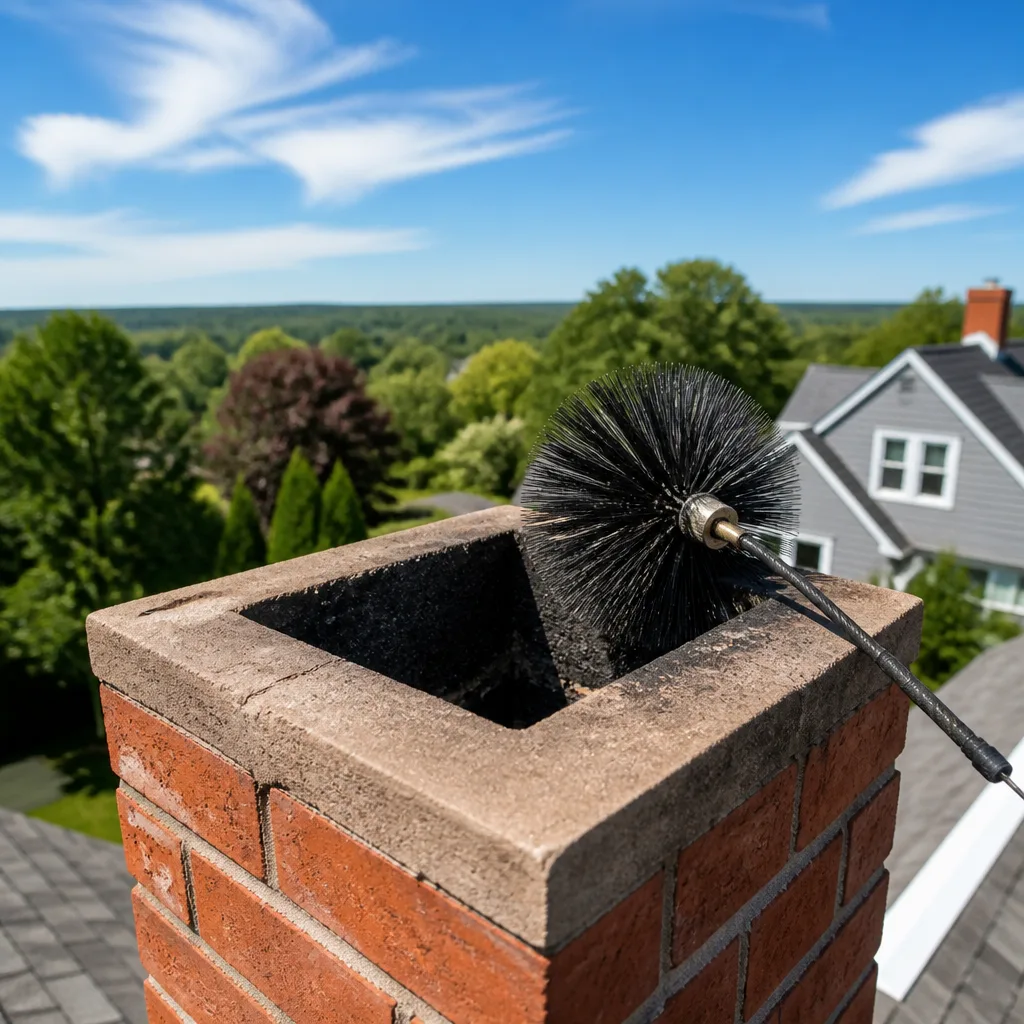
Caps & crowns
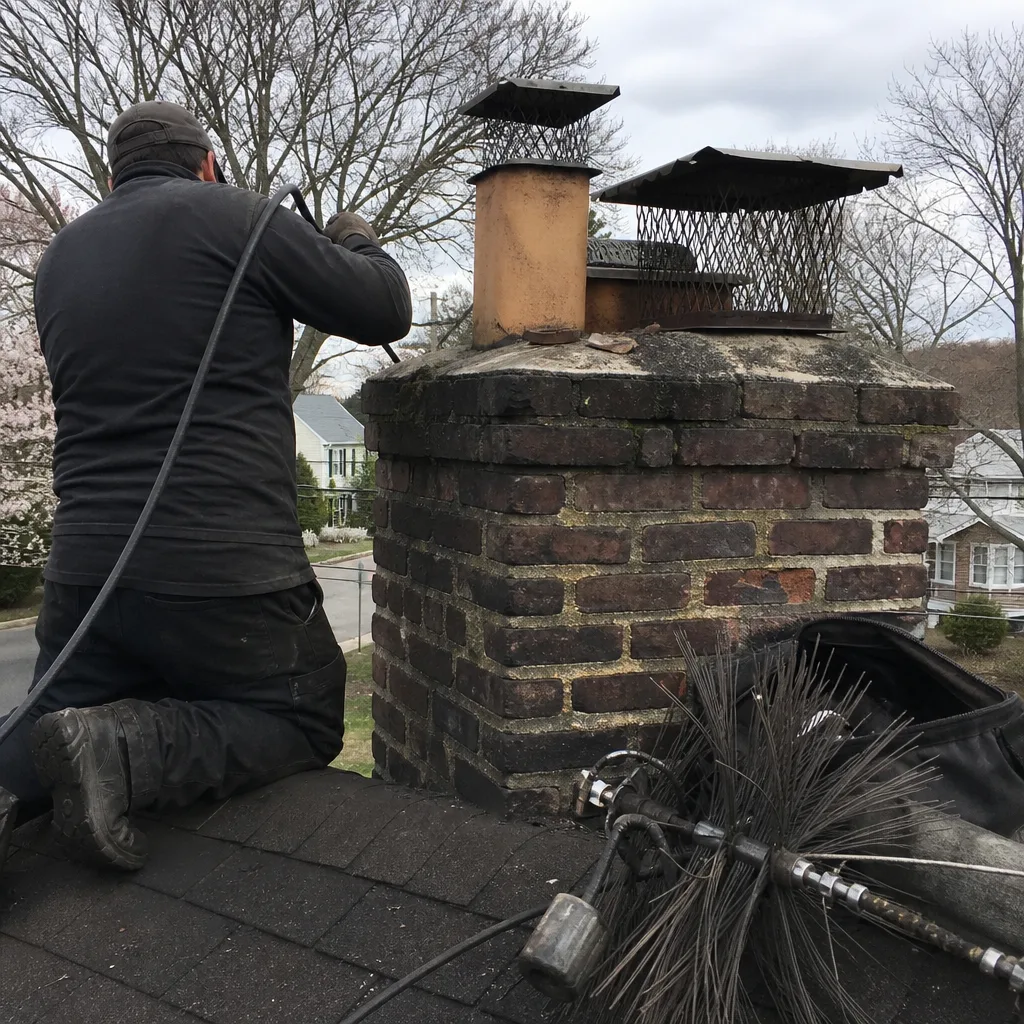 Before
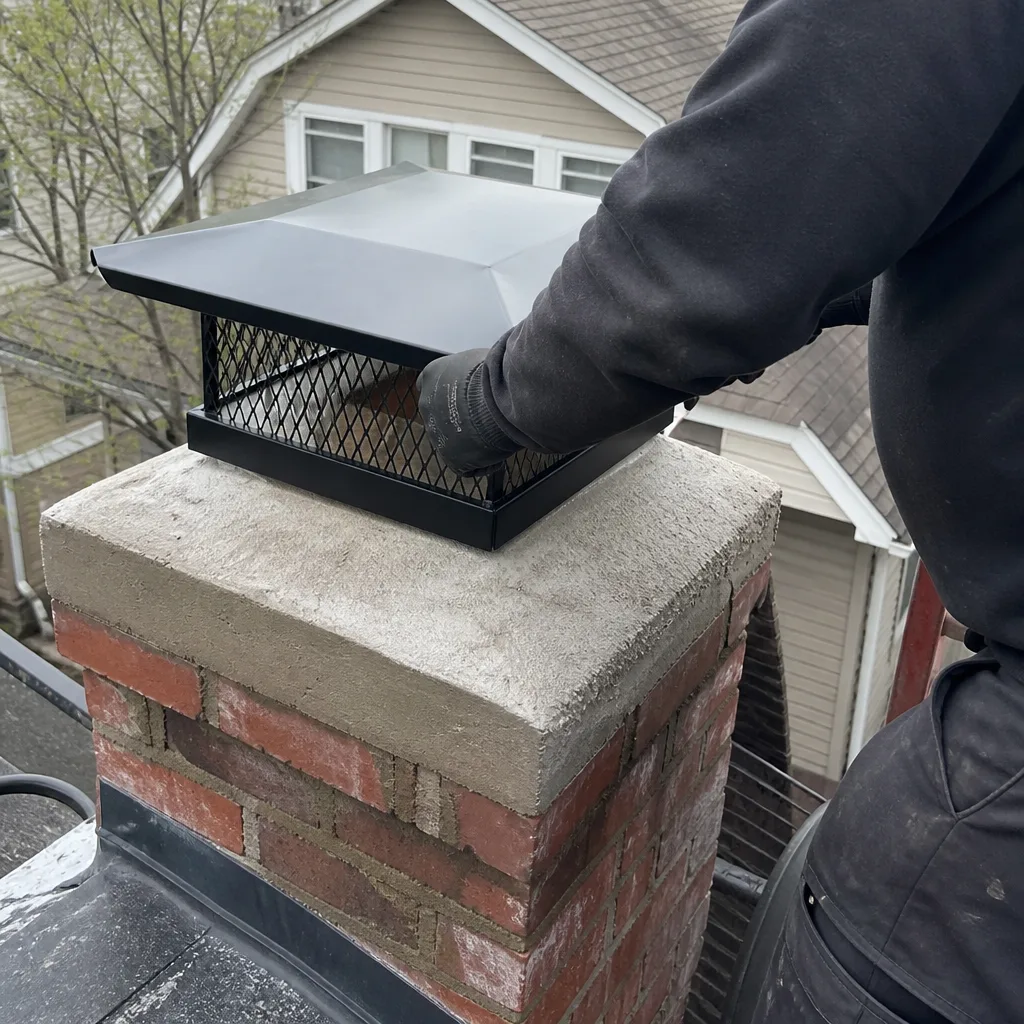 After
After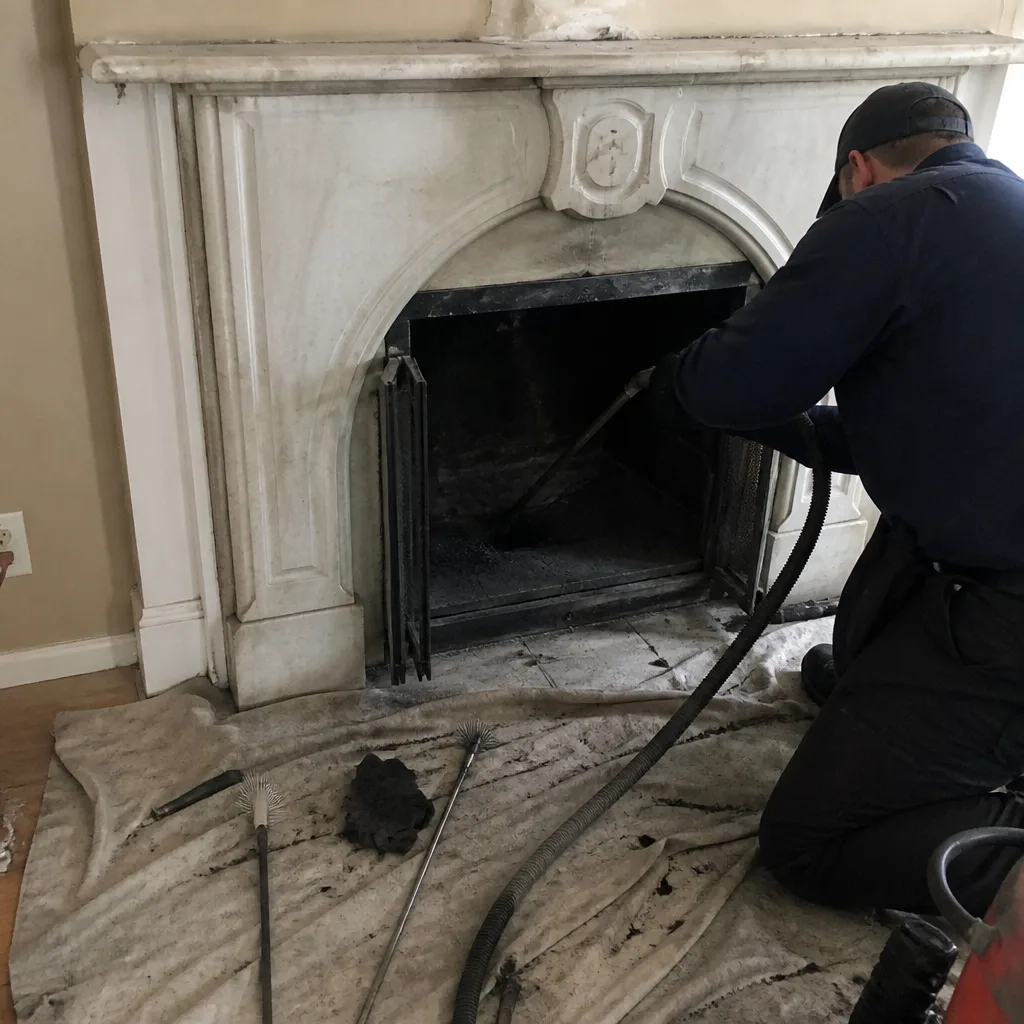 Before
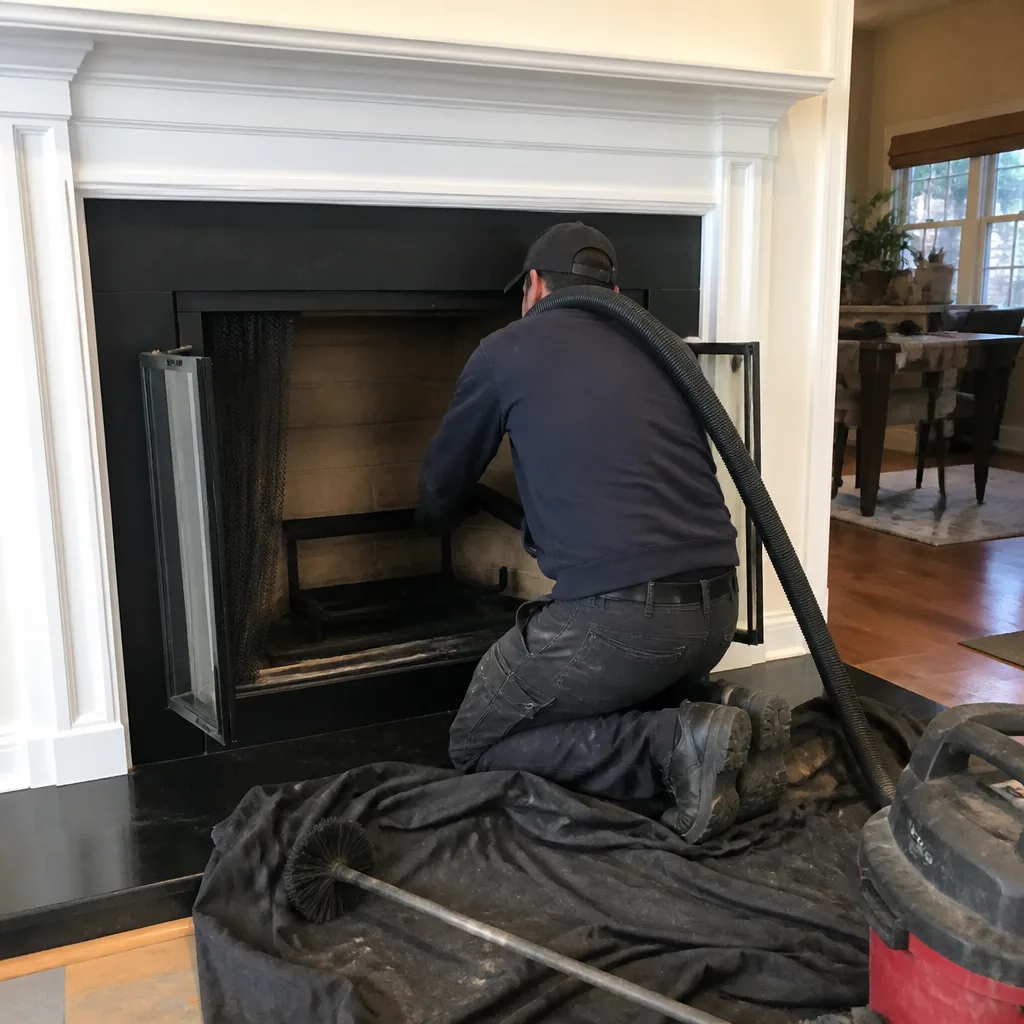 After
After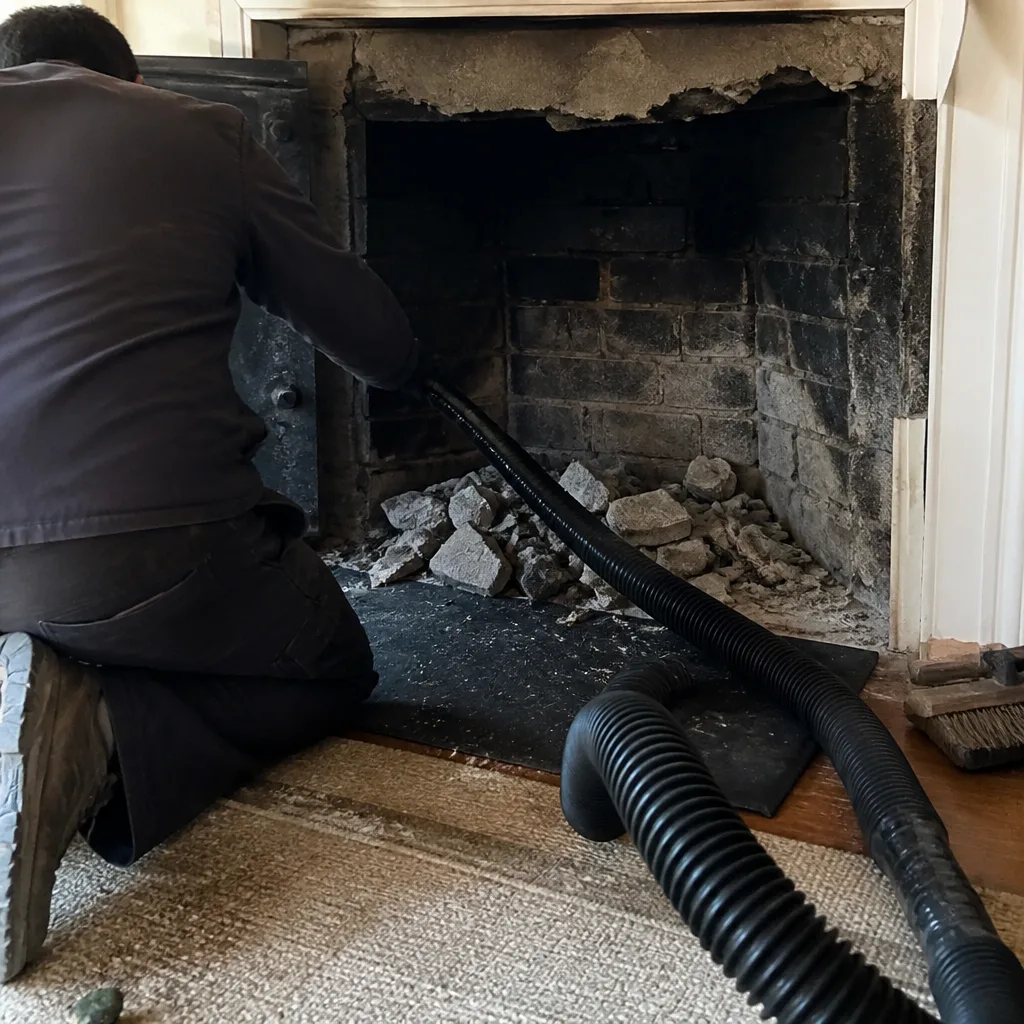 Before
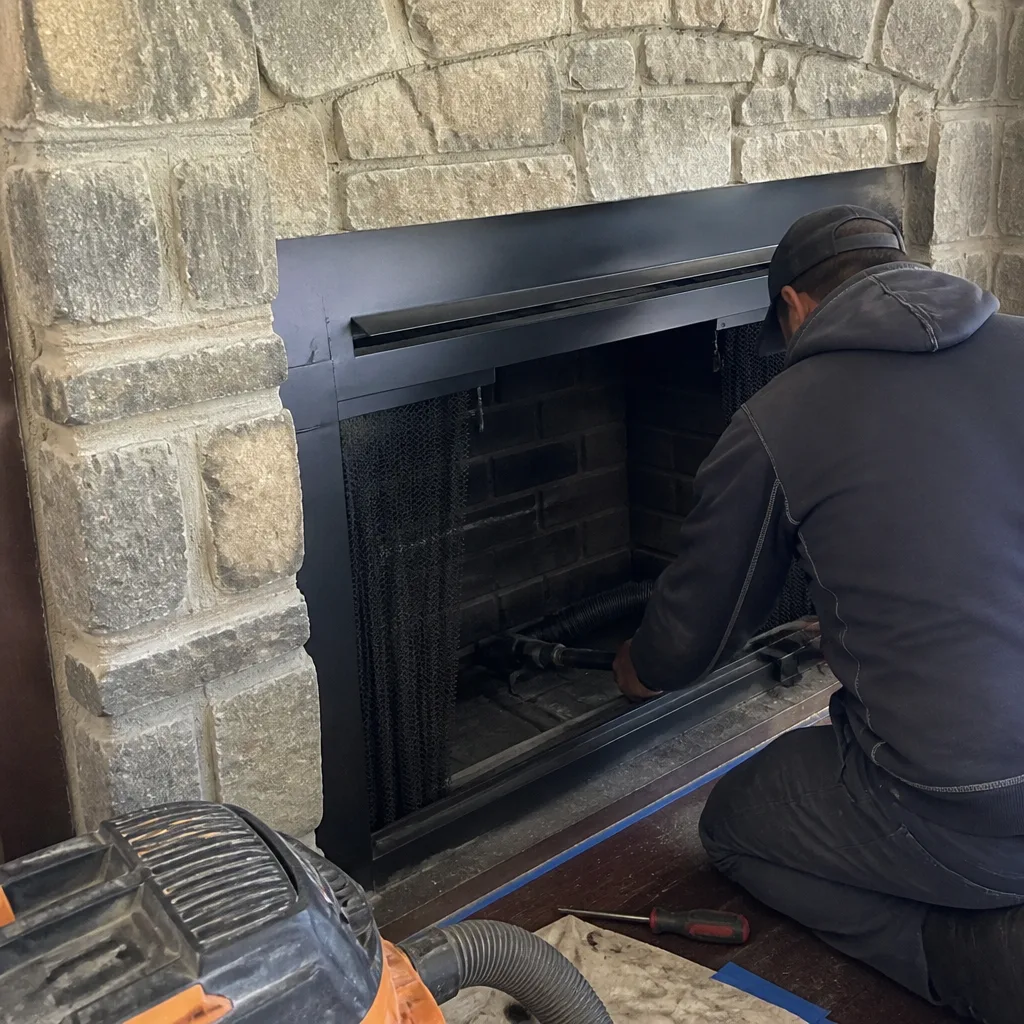 After
AfterGelco Chimney Repair in Manhattan: What to Know First
Gelco chimney repair in Manhattan typically runs $340-$2,800 depending on what’s actually failing, and most jobs are completed in a single visit once parts are on hand. We’re an independent Gelco service provider, not a manufacturer warranty station, which means we diagnose against the camera footage and a written price, not a brand script. If you own a Gelco liner, cap, or flashing system and something’s not right, this page tells you what we see on Gelco jobs in Manhattan buildings, what it costs, and how we fix it. Call (862) 319-8047 and we’ll walk you through what to look for before we even book the truck.
How Gelco Products Fail - and How We Fix Them
Gelco makes solid chimney components, but Manhattan’s specific conditions, salt air off the Hudson, freeze-thaw cycles on brownstone parapets, and 100-year-old flue geometries that were never designed for modern liners, create failure patterns we see repeatedly. Here are the five we fix most often on Gelco installs in Manhattan.
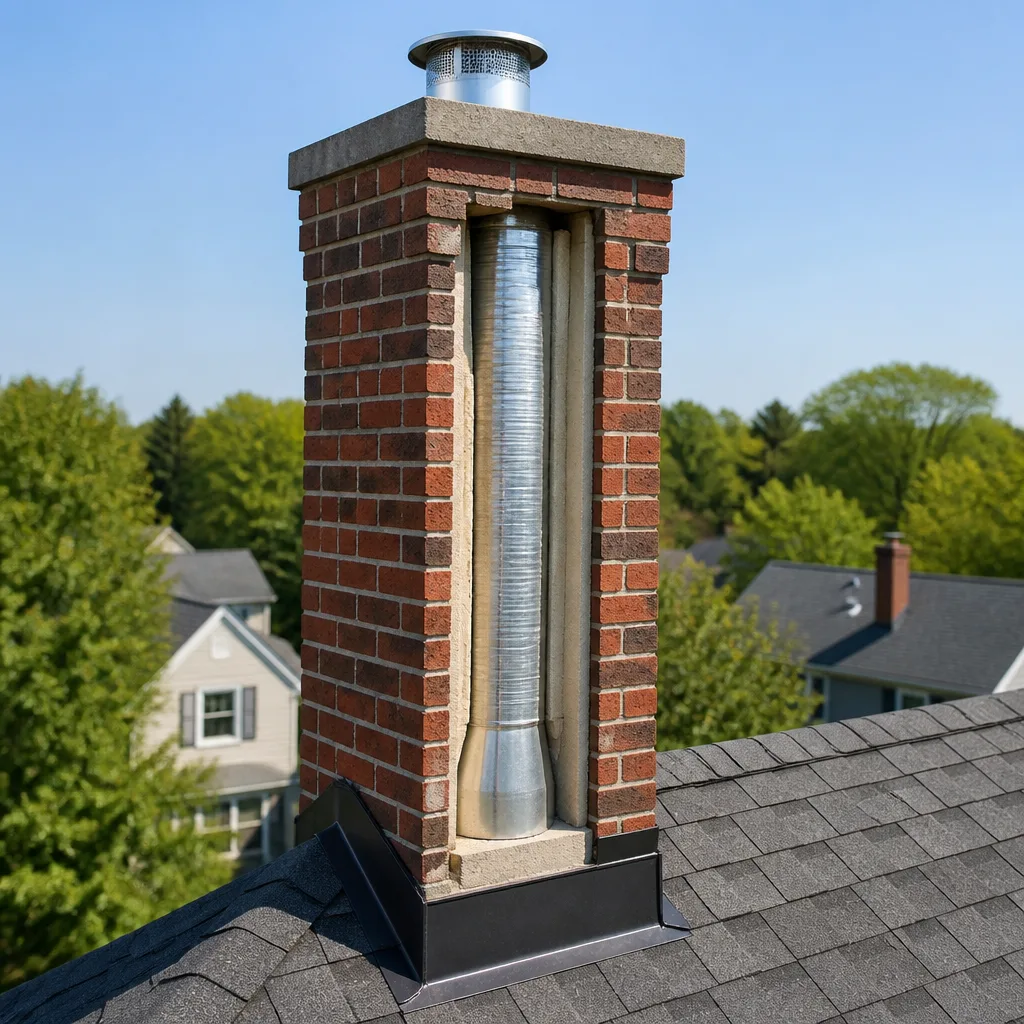
- Gelco stainless steel liner seam separation at the tee connection. We see this on older Gelco liner installations in prewar buildings, especially along Riverside Drive and the West 80s where the original flue runs offset at the smoke shelf. The liner expands and contracts with heat, and if the tee wasn’t re-riveted after the initial burn-in, the seam opens and exhaust leaks into the chimney cavity. The fix is pull the tee, inspect the liner above with the camera, re-rivet with stainless fasteners, and reseal. If the liner’s compromised, we quote a replacement in writing before we touch it.
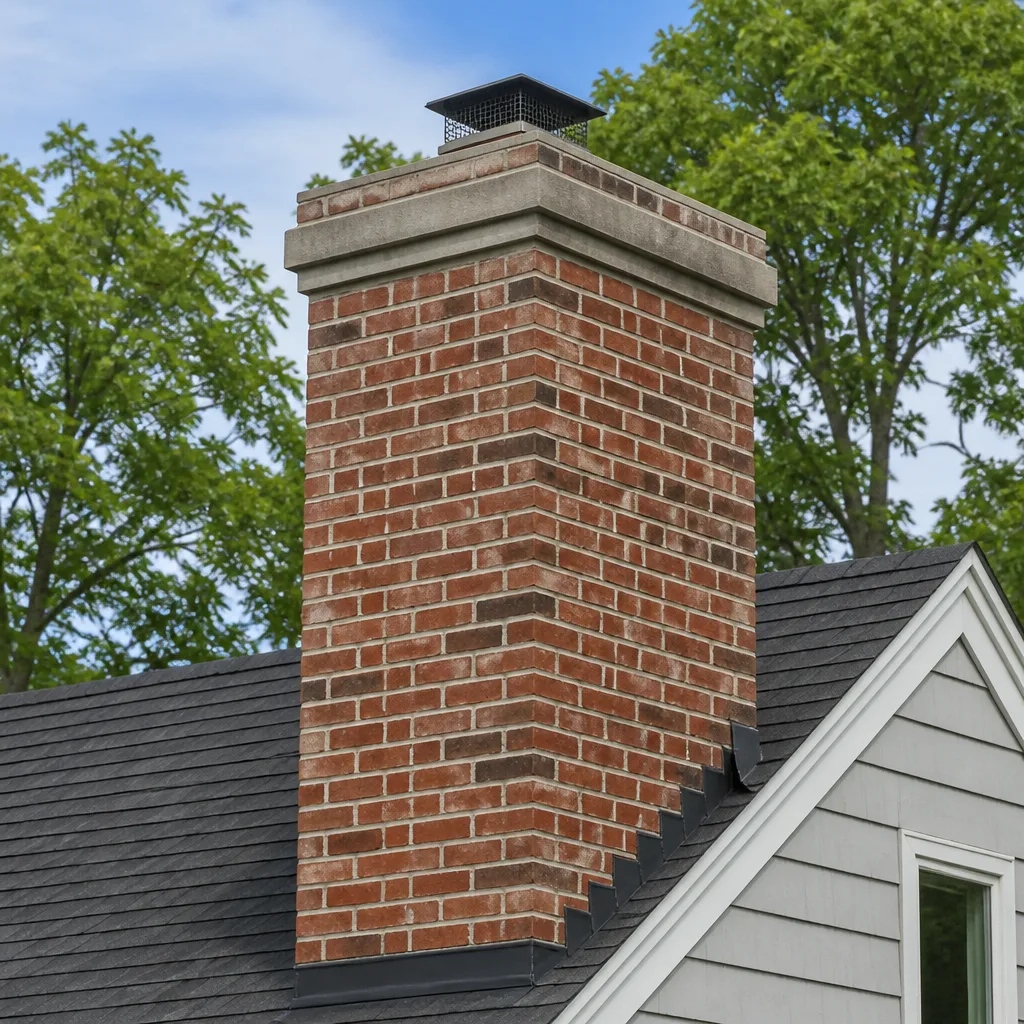
- Crown failure above Gelco caps on rowhouse chimneys. A Gelco cap is only as watertight as the crown it sits on. In neighborhoods like the East Village and Harlem, we regularly see crowns that were poured too thin at the flue opening, then hairline-cracked by winter. Water runs under the Gelco cap base, soaks the top courses of brick, and starts spalling. We rebuild the crown with a proper overhang and drip edge, reset the Gelco cap on fresh mortar, and waterproof the crown surface.
- Flashing failures where Gelco caps meet copper or aluminum counterflashing. This one shows up on townhouse chimneys with a cricket, or lack of one. If the back side of the chimney gathers snow and no cricket deflects it, water sits against the flashing line and eventually works under the Gelco cap’s base flashing. The tell is staining on the ceiling below the roofline, not always visible from the roof. We cut a proper cricket, reflash in copper or heavy-gauge aluminum, and seal the junction so the Gelco cap drains clean.
- Spalled brick below the Gelco cap line on parapet-served chimneys. Manhattan’s older co-ops, especially along Central Park West and the numbered side streets, have chimneys that originally served coal boilers. The brick was never rated for the thermal cycling a modern liner with a Gelco cap introduces. When the top eight to ten courses spall, the Gelco cap becomes unstable. We do brick replacement and tuckpointing, then reset the Gelco cap with a mechanical bond rather than relying on mortar alone.
- Class III creosote accumulation behind Gelco caps on low-draw flues. Some Gelco cap models with built-in spark arrestors restrict draft more than older open caps. On shorter Manhattan flues or those with an offset, we see Class III creosote, the hard, tar-like glaze, build up just below the cap screen. It’s a chimney fire waiting for a spark. The fix is a mechanical creosote removal, camera verification, and sometimes a cap retrofit to a higher-flow Gelco model or an aftermarket equivalent. We’ll show you the before and after footage.
Our Gelco Chimney Repair Process
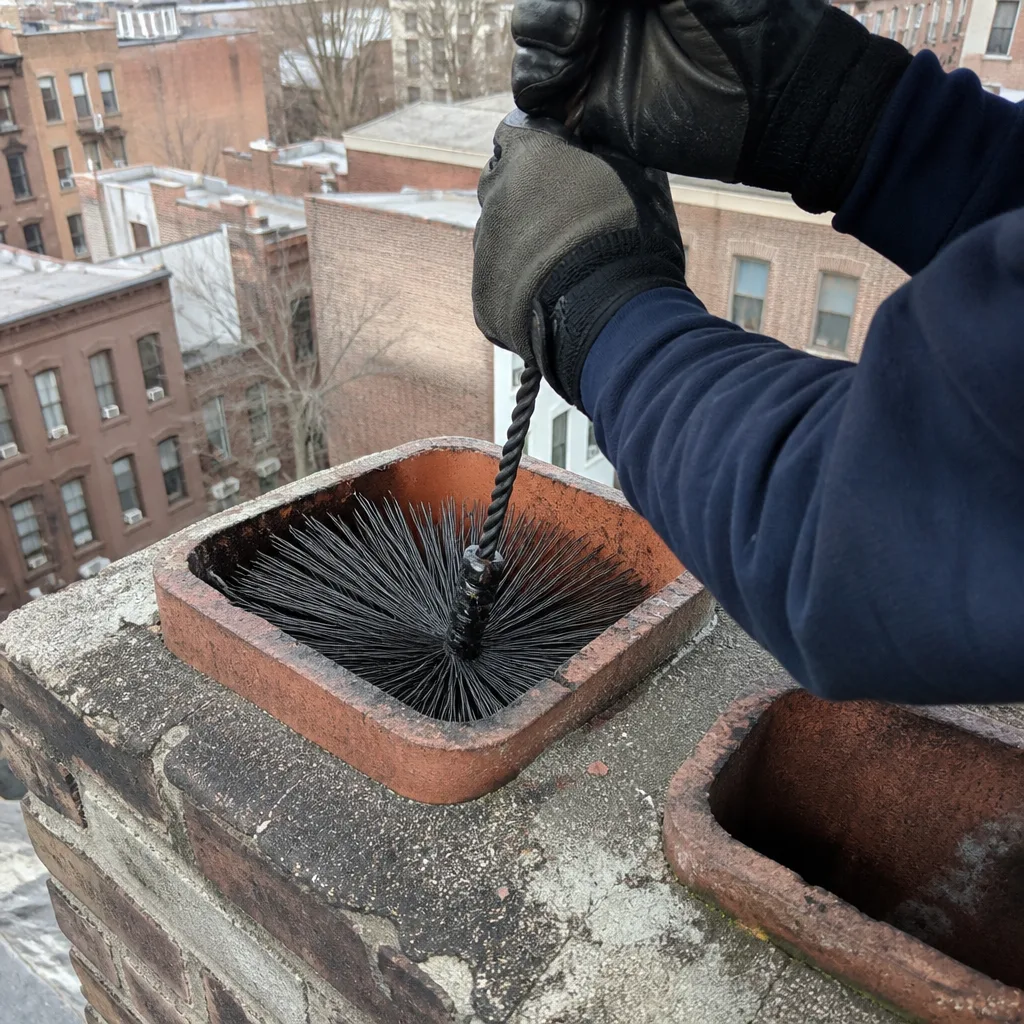
Here’s what happens when you call us for Gelco work in Manhattan:
- 1
You call, a person answers. You’ll talk to someone who can speak to Gelco installs, not a call center. We ask about the symptom, the age of the Gelco component, and the building type. If we need to see it, we book a Level 2 camera inspection.
- 2
We camera-scan the flue and document everything. NFPA 211 Level 2 is our default, not an upsell. The camera shows liner condition, creosote class, the Gelco cap or flashing detail, and any masonry failure behind it. You get the photo record, a written scope, and a written price before work starts. That’s Clause 4 and Clause 1 of the Haven Standard.
- 3
We make the parts call: OEM Gelco vs. quality aftermarket. If the part is under Gelco’s warranty window and OEM makes sense for warranty continuity, we quote Gelco. If it’s outside warranty or OEM is 18 weeks out, we quote aftermarket from DuraFlex, HeatShield, or Copperfield. We show you both numbers and what each means.
- 4
We do the repair with named, background-checked techs. Your tech arrives in uniform, license number on the paperwork, with a text before they’re on the way. You know who’s on your roof.
- 5
We test, document, and walk you through the video. After the repair, we re-camera the line, show you the new condition, and hand you the photo record. The written warranty follows.
- 6
365-Day Done Right Promise. If it’s not done right, we make it right. It’s stamped on the job record.
BeforeAfterWhat Gelco Chimney Repair Costs in Manhattan
Here’s what we charge for the Gelco repairs we do most in Manhattan. These are real numbers we quote from, not “call for pricing.”
- Mortar repointing around a Gelco cap or crown: $340-$800 depending on linear feet and access difficulty (parapet vs. interior roof hatch).
- Crown rebuild with Gelco cap reset: $900-$1,800. Steeper on five-story walkups where the roof access is through a scuttle and scaffold.
- Tuckpointing on spalled brick below a Gelco cap: $1,200-$2,800 depending on brick damage and whether we need to cut out and replace individual units.
- Flashing repair or cricket installation for a Gelco-capped chimney: $800-$1,600 in copper, less in heavy-gauge aluminum.
- Stainless liner repair at a Gelco tee connection: $650-$1,200 if the liner above is sound. If it needs full replacement, $2,500-$5,000+ depending on flue height and access.
What moves the price in Manhattan: roof access type, number of stories, whether the chimney is on a parapet wall versus a center ridge, and whether neighboring structures obstruct scaffold setup. We give you the number in writing before anything starts. Call (862) 319-8047 for a free estimate. If you have a competitor’s written quote, bring it, and we’ll provide a free second opinion.
Why Manhattan Homeowners Call Level Two Chimney Manhattan for Gelco Work
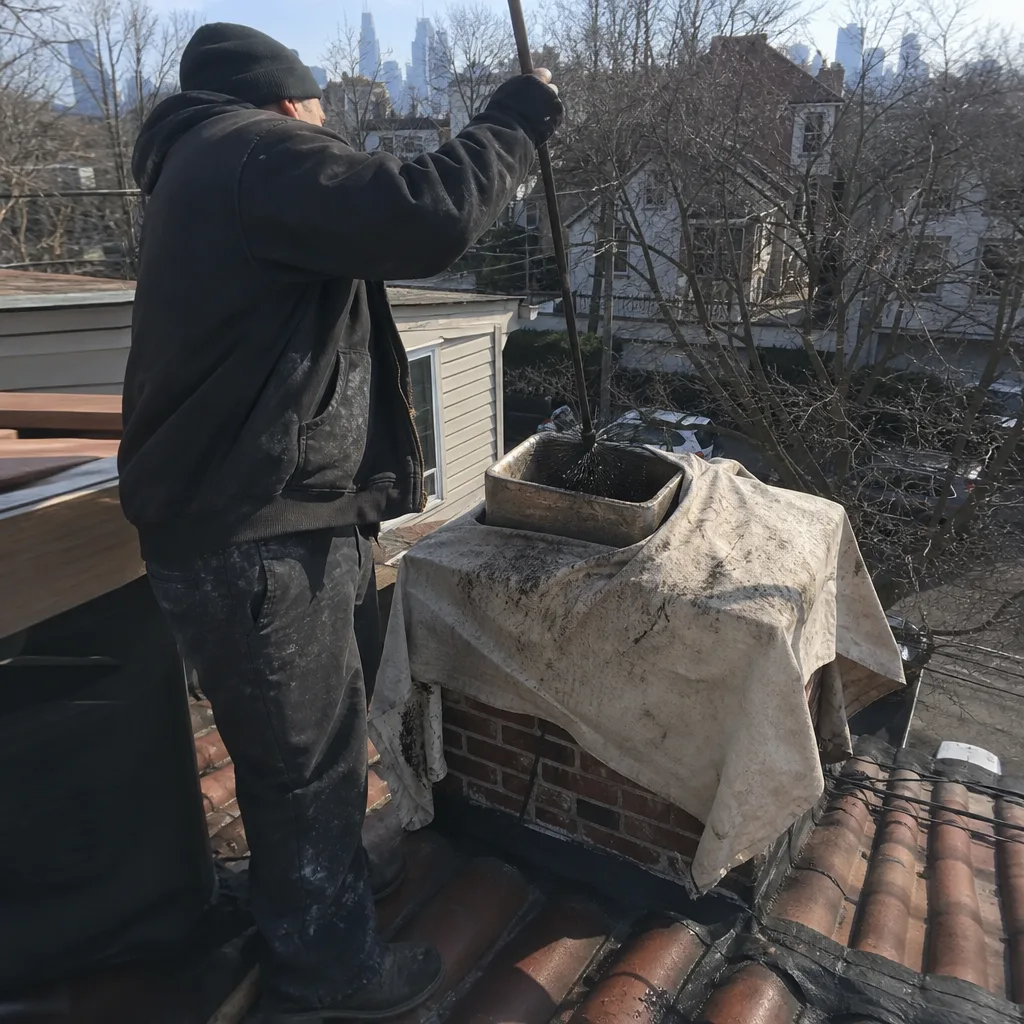
Because when a Gelco component fails, the manufacturer’s answer is usually “contact a qualified chimney professional.” We are that professional, but with a rule the manufacturer can’t give you: the camera doesn’t guess, and neither do we. Every Gelco job we take starts with footage of the actual failure, a written scope, and a written price. If the Gelco part hasn’t failed and something else has, we’ll tell you that, and show you the evidence. We also carry the multi-brand backup, DuraFlex liners, HeatShield resurfacing, Copperfield flashings, so we’re not stuck quoting Gelco when a better option exists for your flue. Corrine Halstead runs this shop, and she’s spent nearly two decades on Manhattan rooftops, including prewar co-ops along Riverside Drive where the flues hadn’t seen a brush since the Carter administration. She’ll walk your job herself at least once, and she’ll put the camera report in your hand before she asks you to sign anything.
FAQs
That depends on the age of the component and who does the work. Gelco warranties cover manufacturing defects, not installation failures or damage from masonry movement, weather, or deferred maintenance. When a repair is within the OEM warranty window and OEM parts protect coverage, we quote Gelco parts. When it’s outside warranty, we quote the best available option, Gelco or aftermarket, and document the condition with the camera so there’s a record. As an independent service provider, we do not make warranty determinations for Gelco; we give you the evidence to take to them.
Common Gelco cap and flashing components are usually on our truck or available within a week through the Haven buying network. Specialized liner components or discontinued model lines can run longer, which is why we always present the aftermarket alternative from DuraFlex or HeatShield. We’ll give you the lead time in writing with the price. Call (862) 319-8047 and we’ll check availability while you’re on the phone.
If the cap’s metal is sound, the mesh is intact, and the failure is in the mortar seat or crown beneath it, repair is the right call and it’s the cheaper one. If the cap is warped, rusted through at the base, or the mesh has pulled free, replacement makes more sense than patching. We’ll show you the camera view and let you decide with both numbers in front of you.
Yes. We do Gelco chimney repair for individual homeowners, managing agents, and co-op boards across Manhattan. Multi-unit buildings are actually where we see the most deferred Gelco maintenance, because chimneys serve multiple flues and no one unit thinks it’s their problem. We document everything, provide the written report boards need, and bill clearly per scope of work.
Annually, before burn season. Manhattan’s mix of salt air, freeze-thaw, and old masonry means a Gelco cap or flashing can shift in a single winter. We sweep and camera-inspect the flue, check the Gelco cap seat, crown, and flashing line, and give you a photo record with any recommended work in writing. Skip it, and you risk a chimney fire from creosote or slow water damage that costs ten times the sweep in masonry repair. Call (862) 319-8047 to book, and we’ll get you on the schedule before the cold sets in.
Written by Corrine Halstead, Owner, Level Two Chimney Manhattan at Level Two Chimney Manhattan, serving Manhattan and nearby areas.