
Level 1 sweep and inspection to the NFPA 211 annual standard - flue, crown, cap, and flashing checked and photographed
Chimney sweep logs do not sweep chimneys. They loosen some creosote - which then falls where a brush and vacuum still have to collect it.
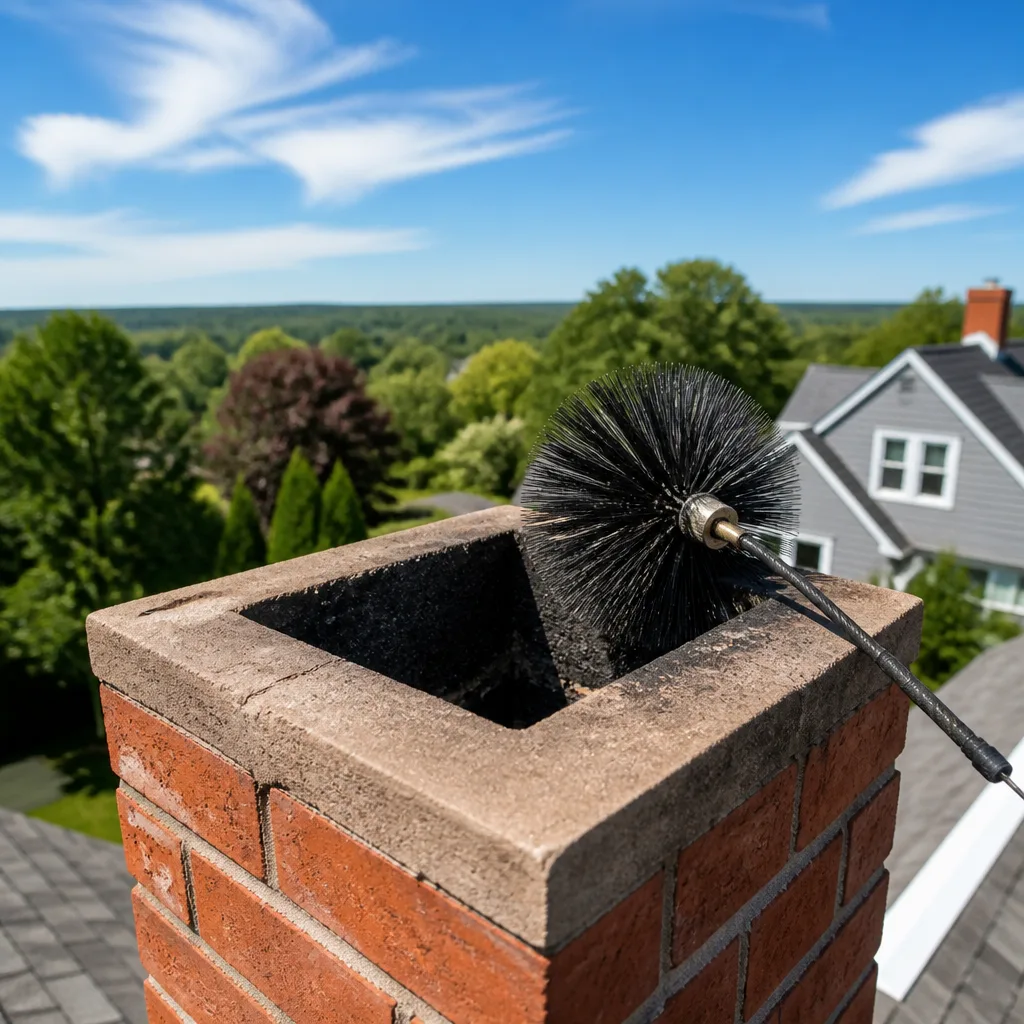
Caps & crowns
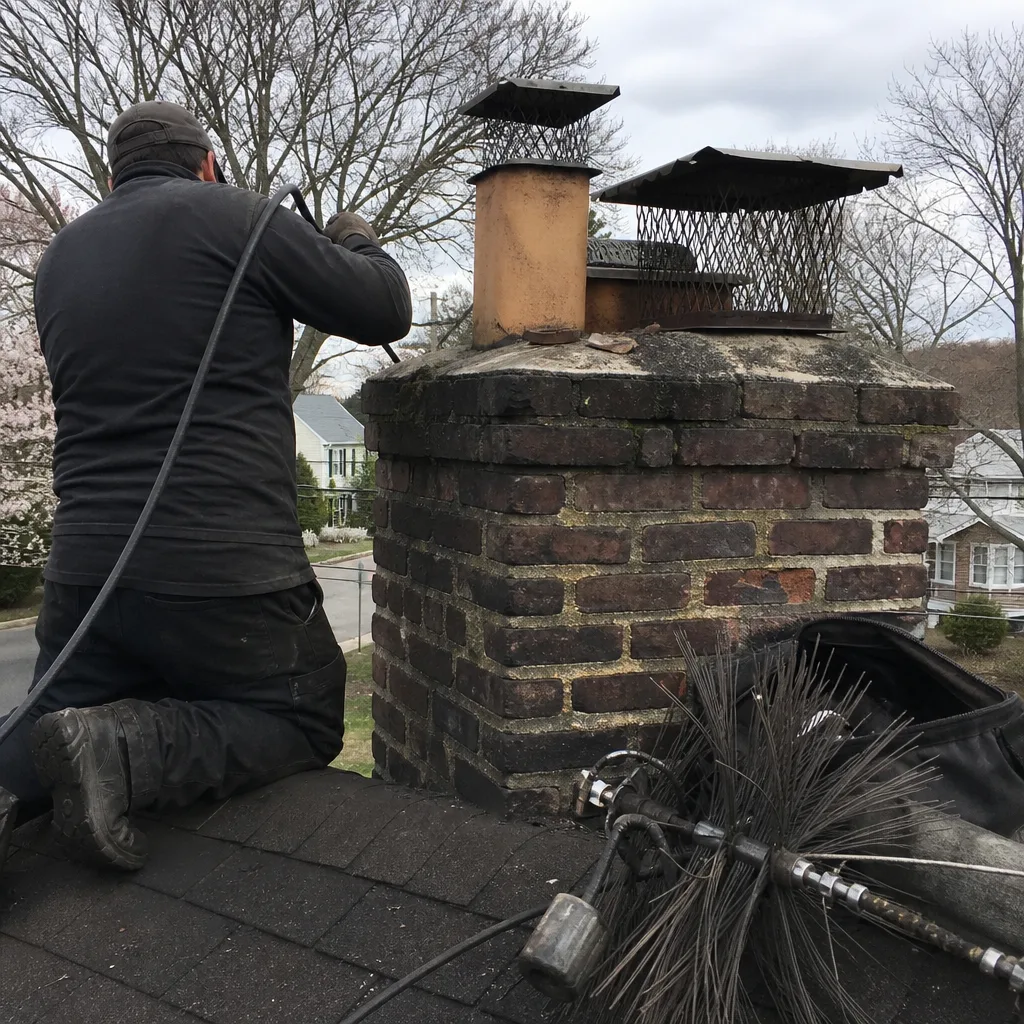 Before
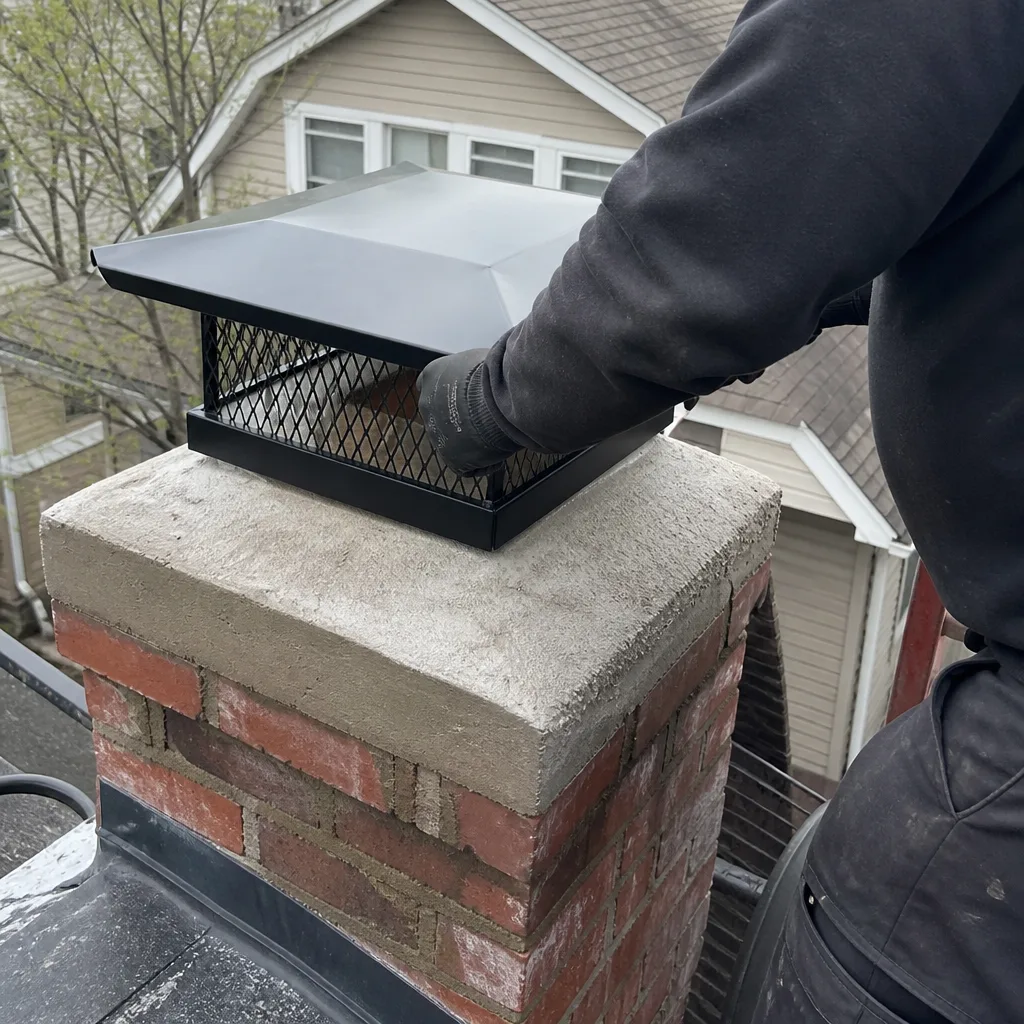 After
After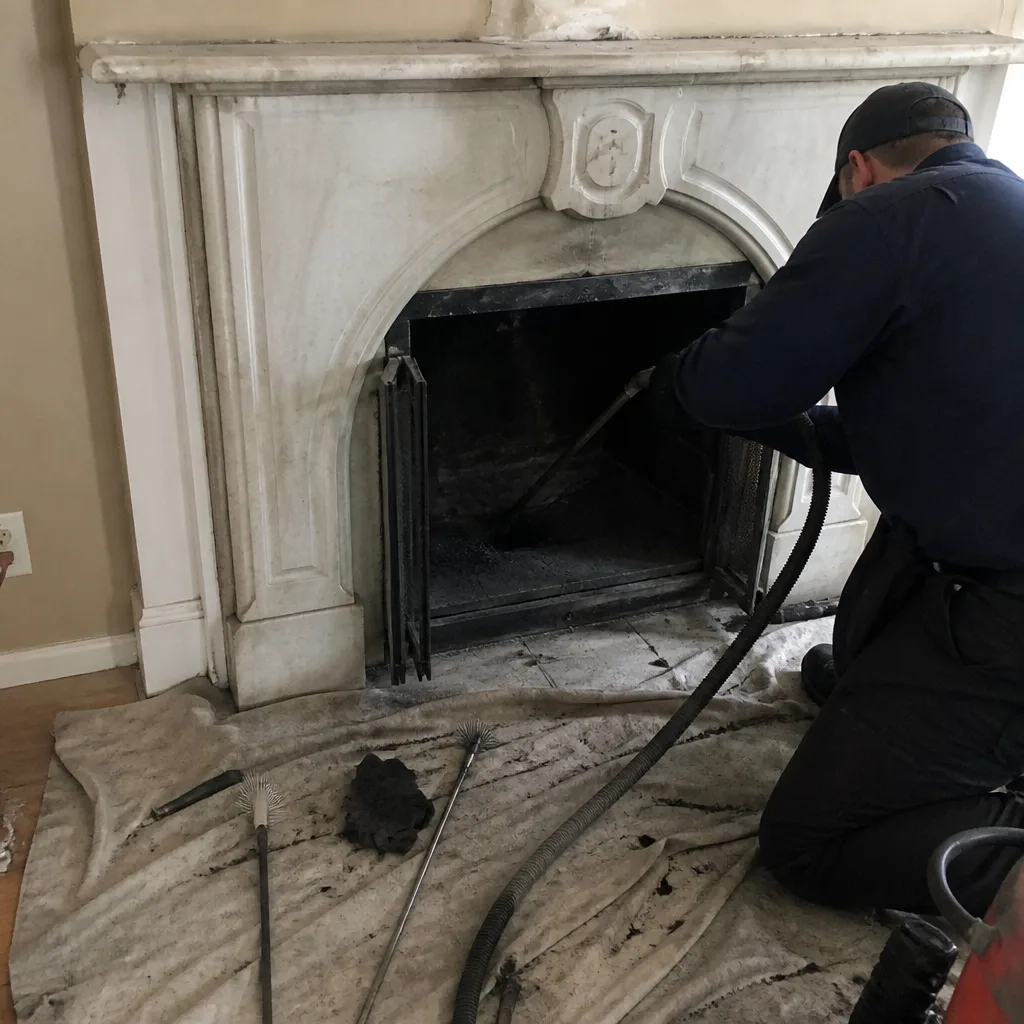 Before
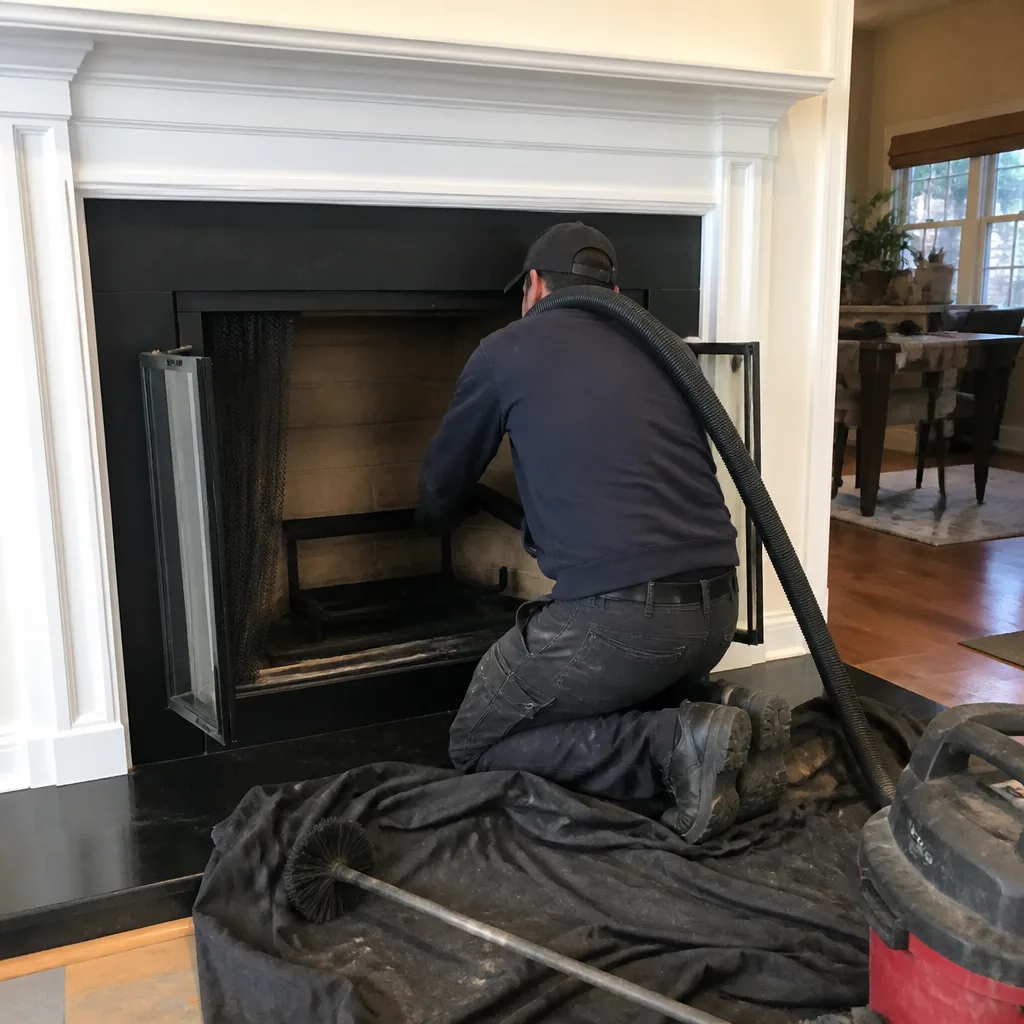 After
After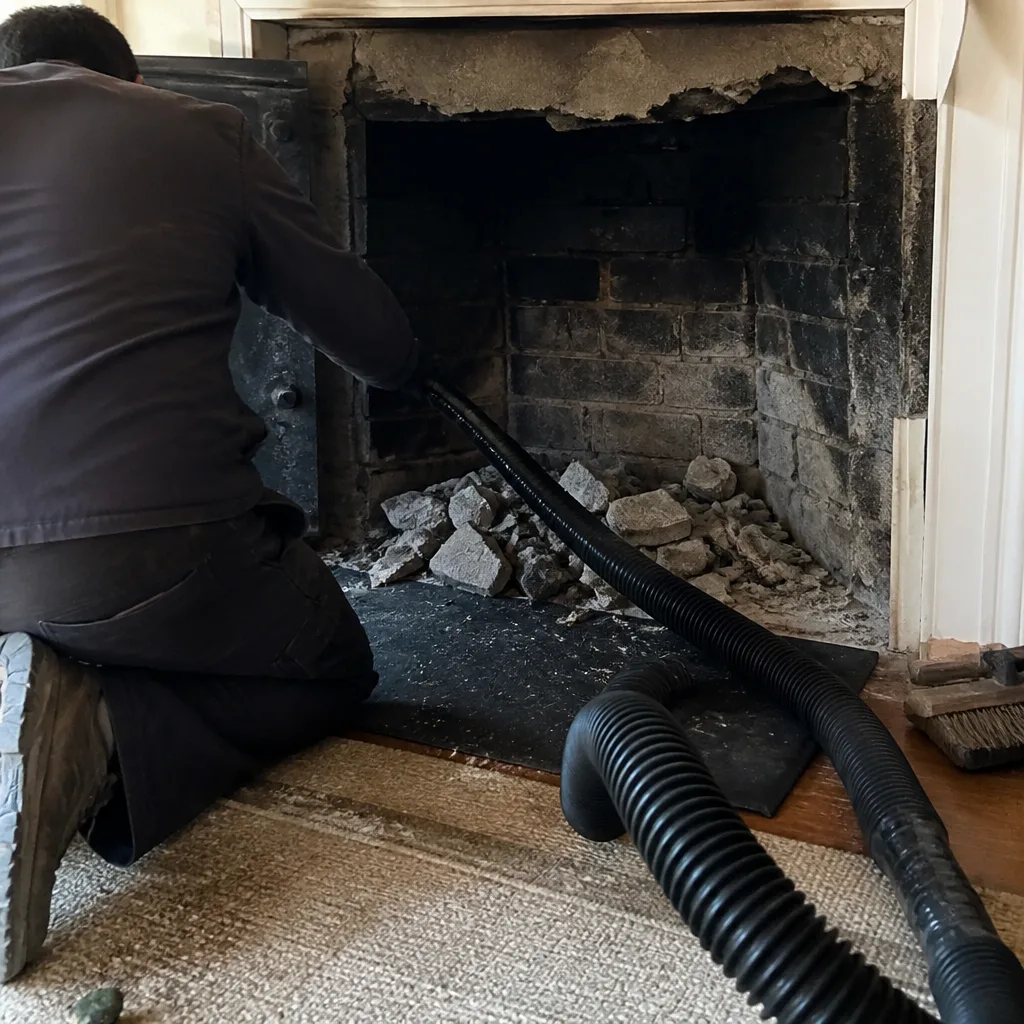 Before
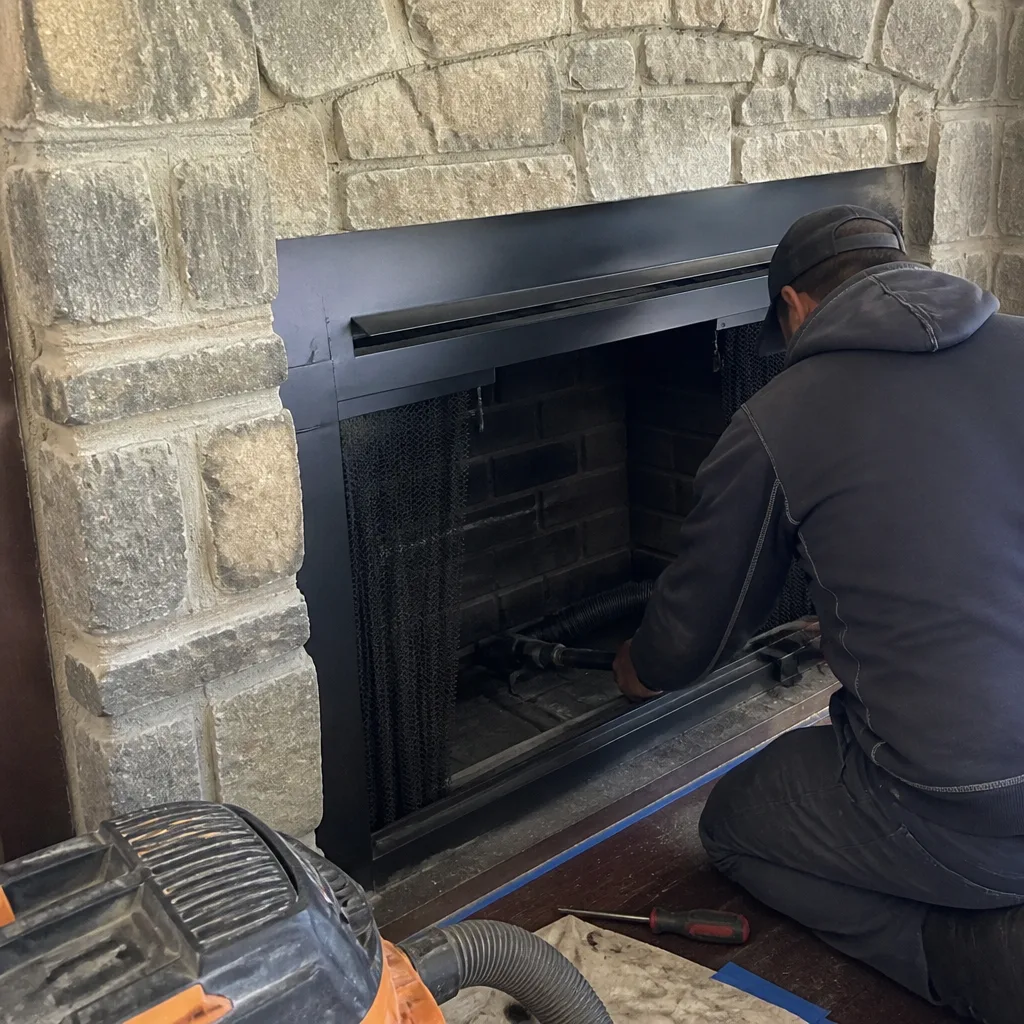 After
AfterGelco Flue Liner Replacement: The Manhattan Owner’s Guide
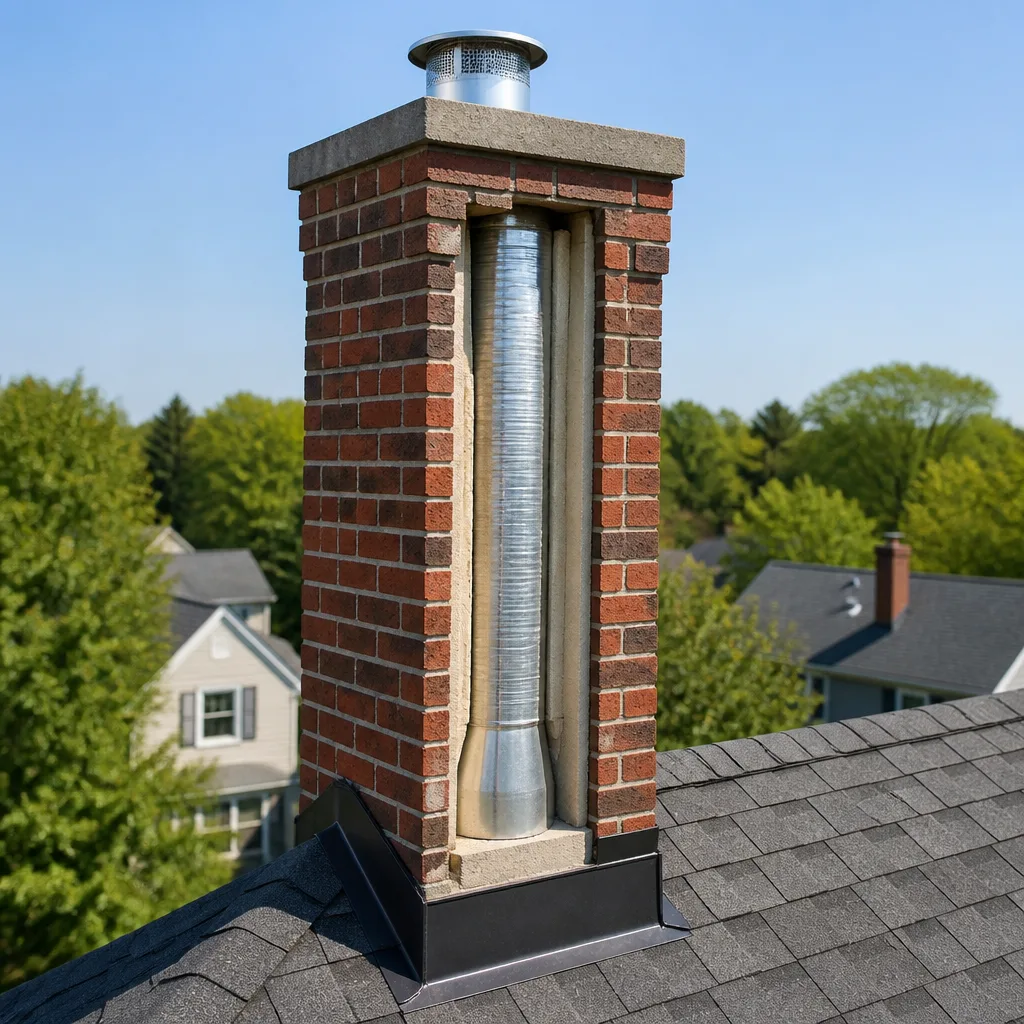
We stock Gelco-compatible flue liner replacement kits on our trucks and typically install them in Manhattan for $2,400 to $4,800 depending on flue height, roof access, and whether the existing liner comes out clean or fights us on the way up. A failing Gelco liner usually announces itself through flaking metal in the firebox, visible gaps at the liner seams, or the smell of smoke in rooms far from the fireplace. We replace Gelco liners same-day in most cases once the existing liner is measured and the camera confirms what we’re working with.
Most Manhattan owners find out their Gelco liner has failed during a Level 2 inspection after years of normal use, not because they did anything wrong. The liner is the metal tube inside your chimney that carries smoke and combustion gases up and out. When it cracks, corrodes, or separates at the seams, those gases find a new path: into your walls, your floors, or back into your living room. In buildings along West End Avenue and Riverside Drive, we see Gelco liners that looked fine from the firebox but were perforated at the upper third when the camera reached the top. The camera doesn’t guess. Neither do we.
Key Takeaways:
- Installed Gelco flue liner replacement in Manhattan runs $2,400-$4,800, with a written price before any work starts.
- We stock Gelco-compatible liner kits on the truck, so most replacements are done same-day once measured.
- Every replacement includes a camera-scan inspection before and after, plus a documented photo record under Haven Standard Clause 4.
- A cracked Gelco liner is not a repair-it-and-forget-it situation: it’s a carbon monoxide path that needs replacement, not patching.
Which Gelco Models This Applies To
We work on the full range of Gelco flue liners installed in Manhattan homes and co-ops: the standard stainless steel 316Ti and 316L alloy liners, the Gelco smooth-wall and corrugated profiles, and the pre-insulated variants common in prewar buildings where clearances are tight. The compatibility question that trips up most owners is diameter, not brand. Gelco liners typically run 4″, 5″, 6″, 7″, and 8″ diameters, and the correct size is determined by the appliance BTU rating and the existing flue tile dimensions, not by whatever was there before. A lot of Manhattan chimneys have a 6″ liner jammed into an 8″ flue tile because someone matched the old liner instead of matching the appliance, which is how you get draft problems and premature liner failure in the first place.
The OEM-versus-aftermarket decision for Gelco is simpler than most brands: Gelco’s stainless liners are quality products, but so are the DuraFlex and HeatShield equivalents we also stock and install. What matters more than the name stamped on the metal is the alloy. For gas appliances, 316Ti holds up well for decades. For oil or wood-burning, we want 316L or a heavier-gauge equivalent because the corrosive load is higher. We’ll show you the spec sheet and the old liner side by side so you can see exactly what you’re replacing and what’s going in. Level Two Chimney Manhattan is an independent service provider, not affiliated with Gelco; we install Gelco-compatible liners because they’re good products, not because a brand rep told us to.
Signs Your Gelco Flue Liner Replacement Is Failing
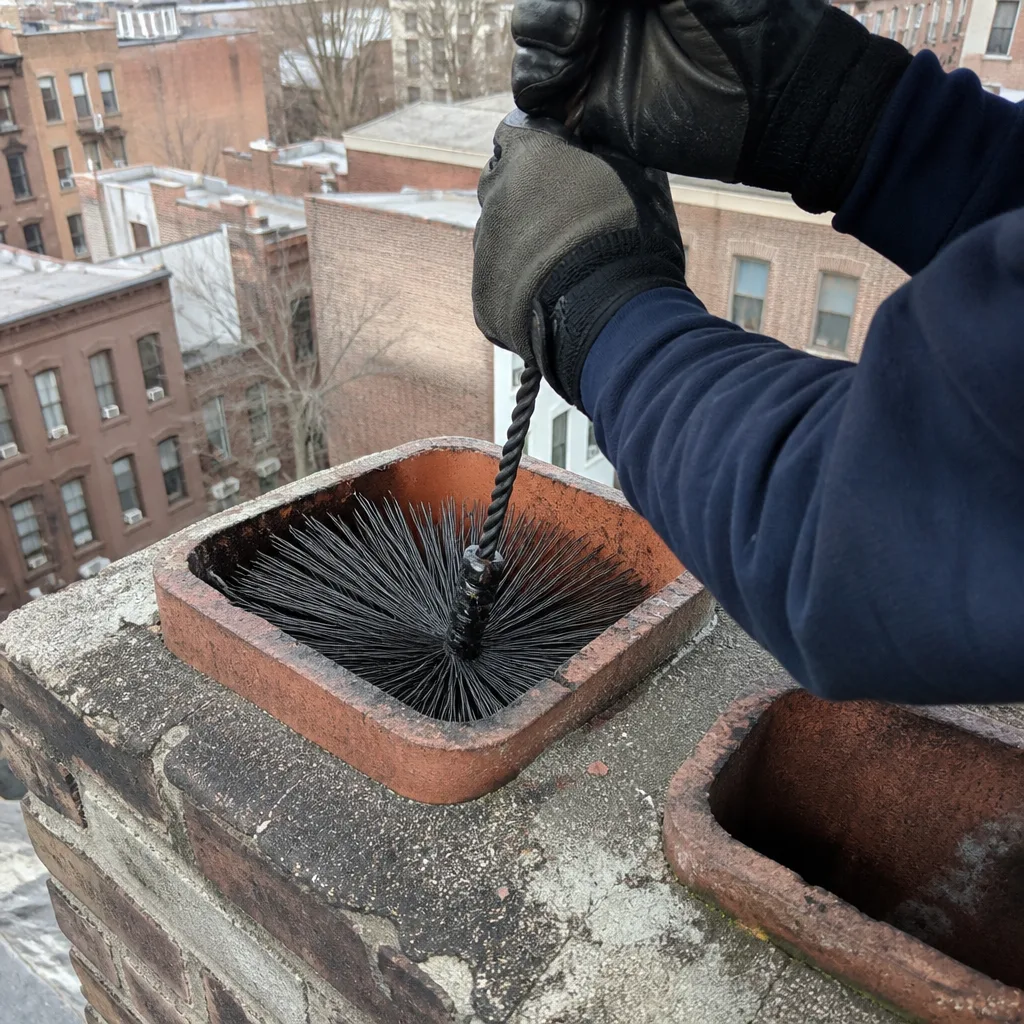
- Flaking metal or rust particles in the firebox. When a Gelco liner starts to corrode, the inner wall sheds thin flakes that drop down and collect around the damper. You’ll see them as fine, dark grit or small metallic shavings. This means the liner wall is thinning from the inside, usually from acidic condensate when the liner is oversized or undersized for the appliance.
- Visible gaps or separation at liner seams. Gelco liners are manufactured in segments joined at seams, and over years of thermal expansion and contraction in Manhattan’s seasonal swings, those seams can pull apart. A gap doesn’t just leak smoke; it lets heat reach the surrounding masonry where it shouldn’t be. We find this most often in liners installed without proper insulation wrap.
- Smoke odor in rooms not adjacent to the fireplace. A failed liner lets combustion gases escape into the chimney cavity, which can migrate through wall voids and floor joists into bedrooms, closets, and hallways. If you smell wood smoke in a room where you never had a fire burning, that’s a liner issue until proven otherwise.
- Condensation or moisture inside the chimney. Gelco liners in gas-fired systems produce acidic condensate as a normal byproduct. A healthy liner contains it. A cracked liner lets it seep into the surrounding masonry, which accelerates spalling (the brick face crumbling or flaking) and can damage interior walls over time.
- Visible cracks or bulging in the liner during a camera inspection. This is the one we catch most often during Level 2 inspections. The outer liner can look intact from the top or bottom, but the camera reveals a longitudinal crack, a separated seam, or a section that’s collapsed inward. That’s when we show you the footage on the tablet and explain what we’re seeing in plain terms.
None of these symptoms fix themselves. A cracked Gelco liner is a carbon monoxide and combustion gas path, and where that gas goes is whatever is between the liner and your living space. In Manhattan, that’s often a party wall shared with a neighbor’s apartment.
BeforeAfterReplacement Cost & What’s Included
In Manhattan, an installed Gelco flue liner replacement runs from $2,400 on the low end (single-story flue, straightforward pull, no scaffolding) to $4,800 on the high end (multi-story co-op building, difficult roof access, stubborn existing liner, or flue tiles that need prep work). The variables are real: roof access in Manhattan is never simple, and a five-story Riverside Drive co-op with a roof hatch is a different job than a two-story brownstone with a back ladder. We quote a written price before any work starts, and that price is the price. No surprise line items after the tech is in your home, no “while we were in there” add-ons. Clause 1 of the Haven Standard: written price, written scope, written warranty, before anyone picks up a tool.
What’s included in the price:
- Camera-scan inspection before removal to document condition
- Full Gelco-compatible liner kit matched to your appliance specs
- Installation by background-checked, uniformed technicians
- Camera-scan verification after installation
- Documented photo record of the old liner and the new one (Haven Standard Clause 4)
- Written warranty on parts and labor
We’ve completed over 38,000 chimney inspections and cleanings since 2009, and every single job has included a written price before work started and a documented record when it was done. The 365-Day Done Right Promise covers every Gelco liner replacement we install: if it’s not done right, we make it right. That’s stamped on the written warranty you walk away with, not mentioned verbally and forgotten.
DIY or Call Us?
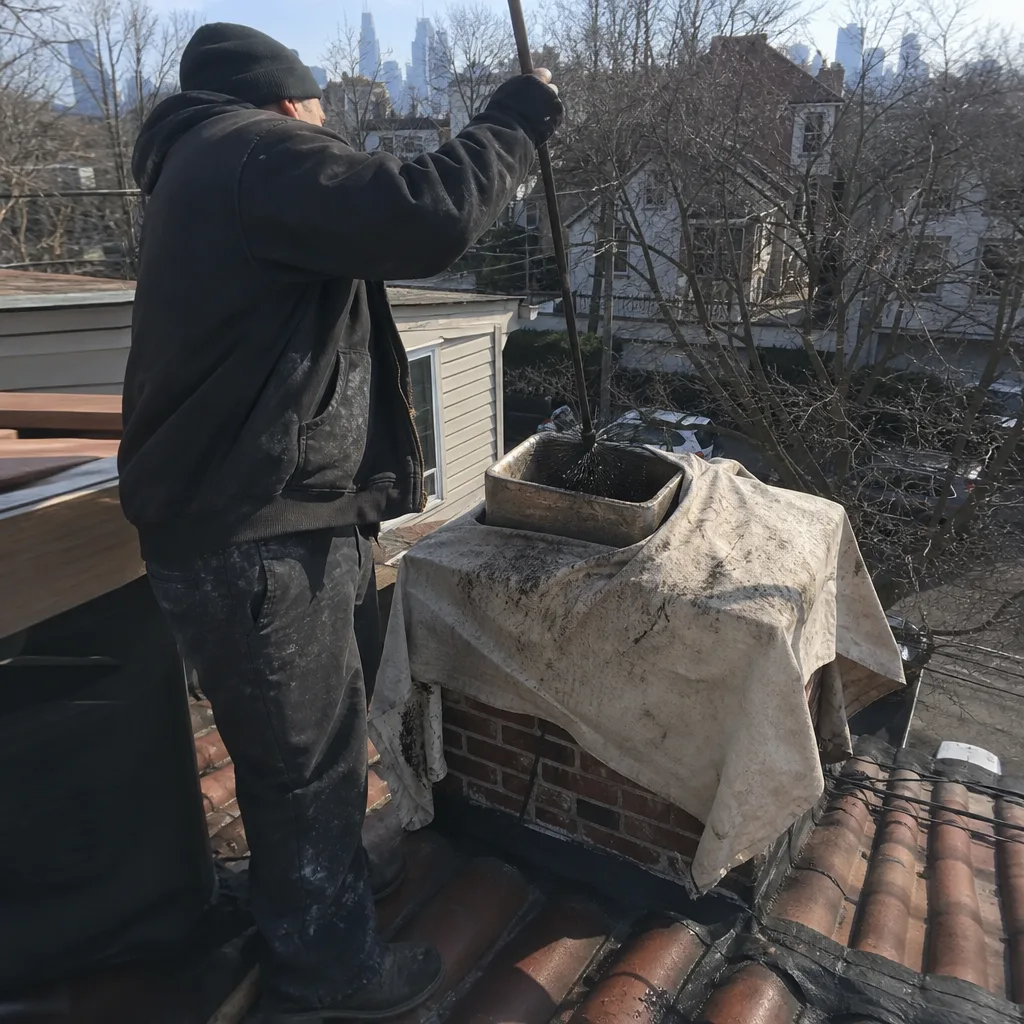
What you can safely do yourself: look for flaking metal in the firebox, check for visible gaps at the liner’s base, and note whether you smell smoke in rooms where you haven’t burned anything. Take photos with your phone. Those are observation steps, and they help us understand what you’re seeing before we arrive.
What you should not do is attempt to pull or replace a flue liner yourself. This is a job that requires roof access in Manhattan, which means ladders, parapet walls, and sometimes a safety harness. Inside the chimney, you’re dealing with high-temperature combustion gases, creosote residue, and the risk of pulling a damaged liner into pieces halfway up. A liner that breaks loose during removal can wedge itself, collapse, or send debris into the smoke chamber. Our technicians do this work in pairs, with the right rigging and the right PPE. It’s not a weekend project, and the cost of a hospital visit or a fire code violation far exceeds the cost of a professional replacement. Call us at (862) 319-8047 and we’ll set up a camera inspection first.
FAQs
A Gelco stainless steel liner, correctly sized and installed, typically lasts 20 to 30 years in Manhattan’s climate. The variables that shorten that lifespan are burner type (oil and wood burn hotter and are more corrosive than gas), whether the liner was insulated at installation, and how often the flue was cleaned. We’ve pulled Gelco liners in SoHo co-ops that were 15 years old and already perforated, and we’ve inspected liners in Chelsea brownstones installed in the 1990s that are still sound. The only way to know is a camera inspection, not an age estimate. Call (862) 319-8047 to schedule one.
No. A cracked, separated, or corroded Gelco liner cannot be safely patched. Epoxy patches and seam clamps are temporary at best and dangerous at worst because they don’t address the underlying metal fatigue, and they can hide the real condition of the liner from future inspections. When the camera shows failure, the liner comes out and a new one goes in. We’ll show you the footage before we make that call, and if a liner is still serviceable, we’ll say so plainly. We don’t sell replacements based on a guess.
Most single-family Manhattan homes and brownstones are done in one day, four to six hours for removal and installation. Co-op or multi-story buildings with difficult roof access can take a second day depending on weather and building management requirements. We’ll give you a written time estimate when we give you the written price, and we’ll text you when the technician is on the way.
We stock Gelco-compatible liner kits in the most common Manhattan diameters on our trucks, along with DuraFlex and HeatShield equivalents. If your flue needs a size we don’t have on hand, we can typically have it within 24 hours through our supplier network. You won’t need to source anything yourself; we handle the entire parts-and-labor scope, and the price you’re quoted includes the parts. Call (862) 319-8047 and we’ll confirm what’s in stock for your size before you commit to anything.
Written by Corrine Halstead, Owner, Level Two Chimney Manhattan at Level Two Chimney Manhattan, serving Manhattan and nearby areas.