
Level 1 sweep and inspection to the NFPA 211 annual standard - flue, crown, cap, and flashing checked and photographed
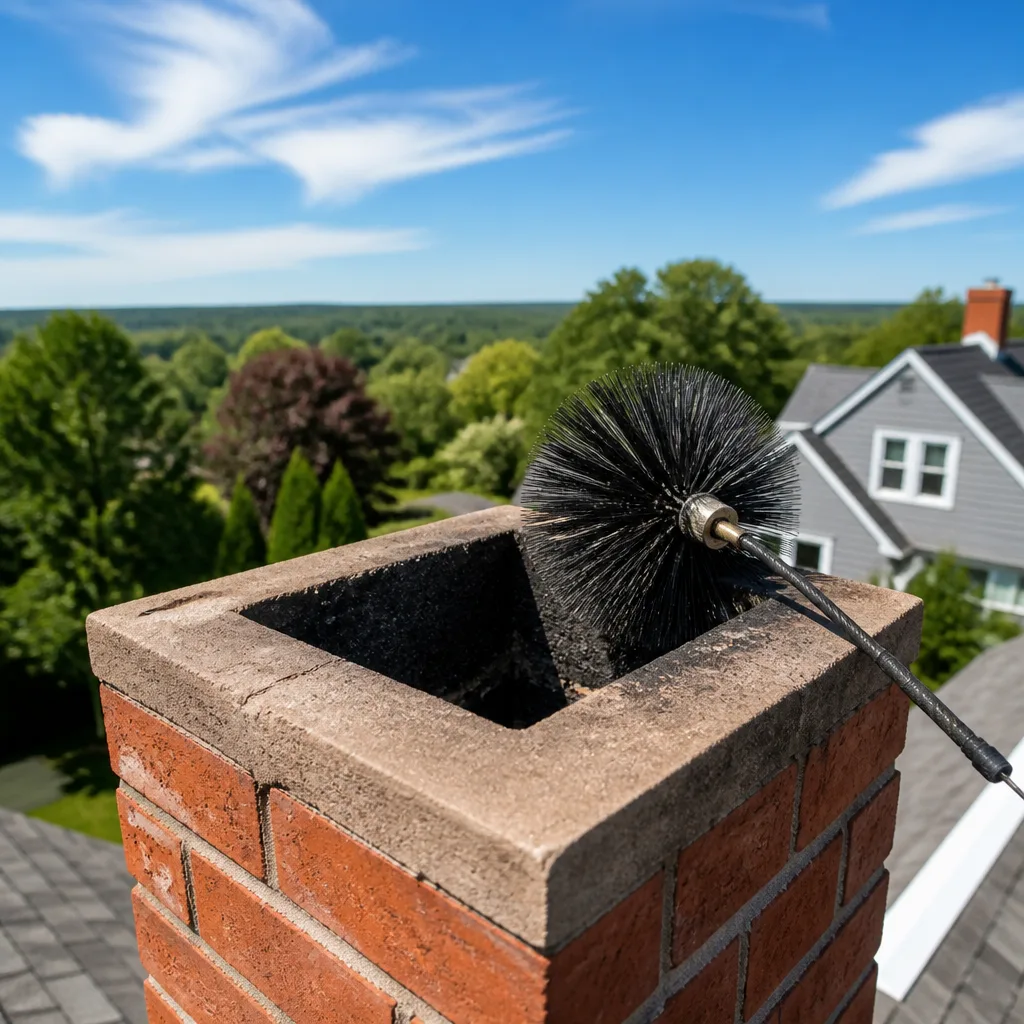
Chimney sweep logs do not sweep chimneys. They loosen some creosote - which then falls where a brush and vacuum still have to collect it.
Caps & crowns
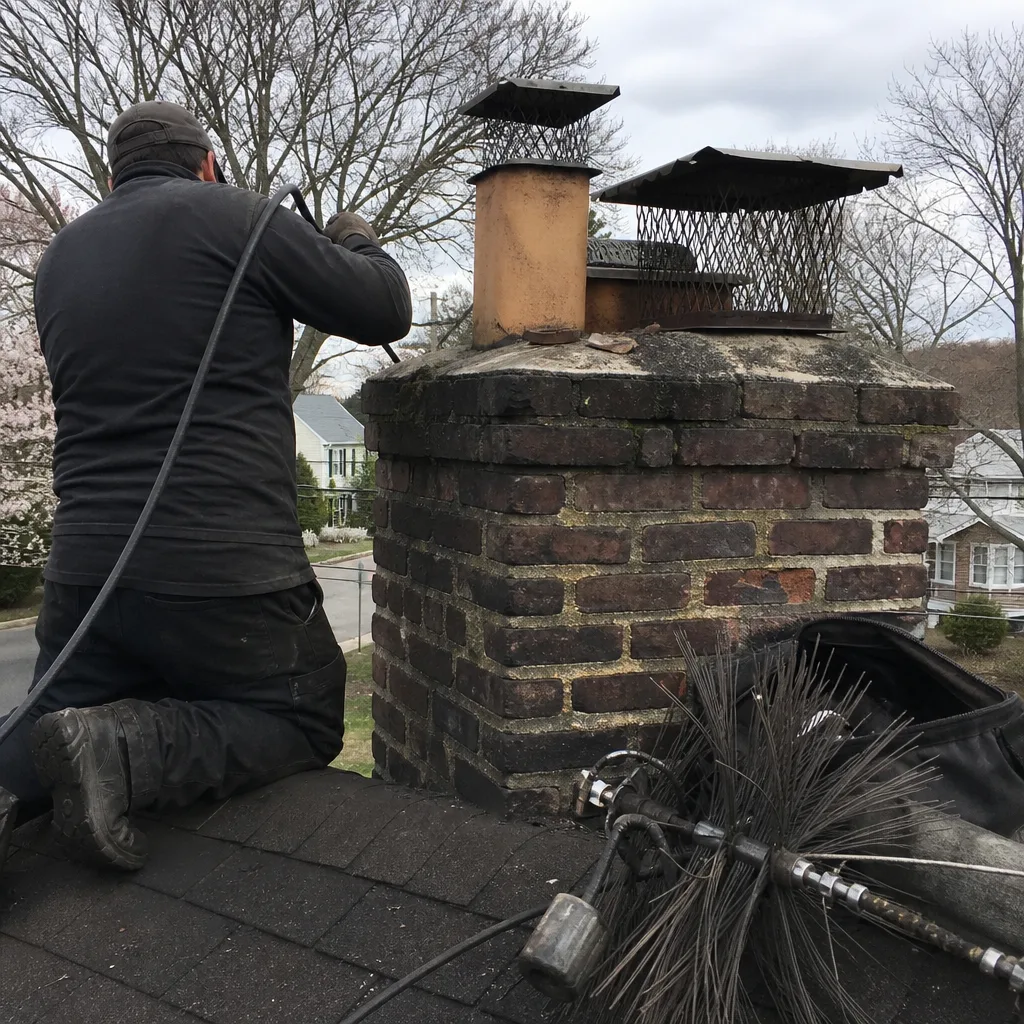 Before
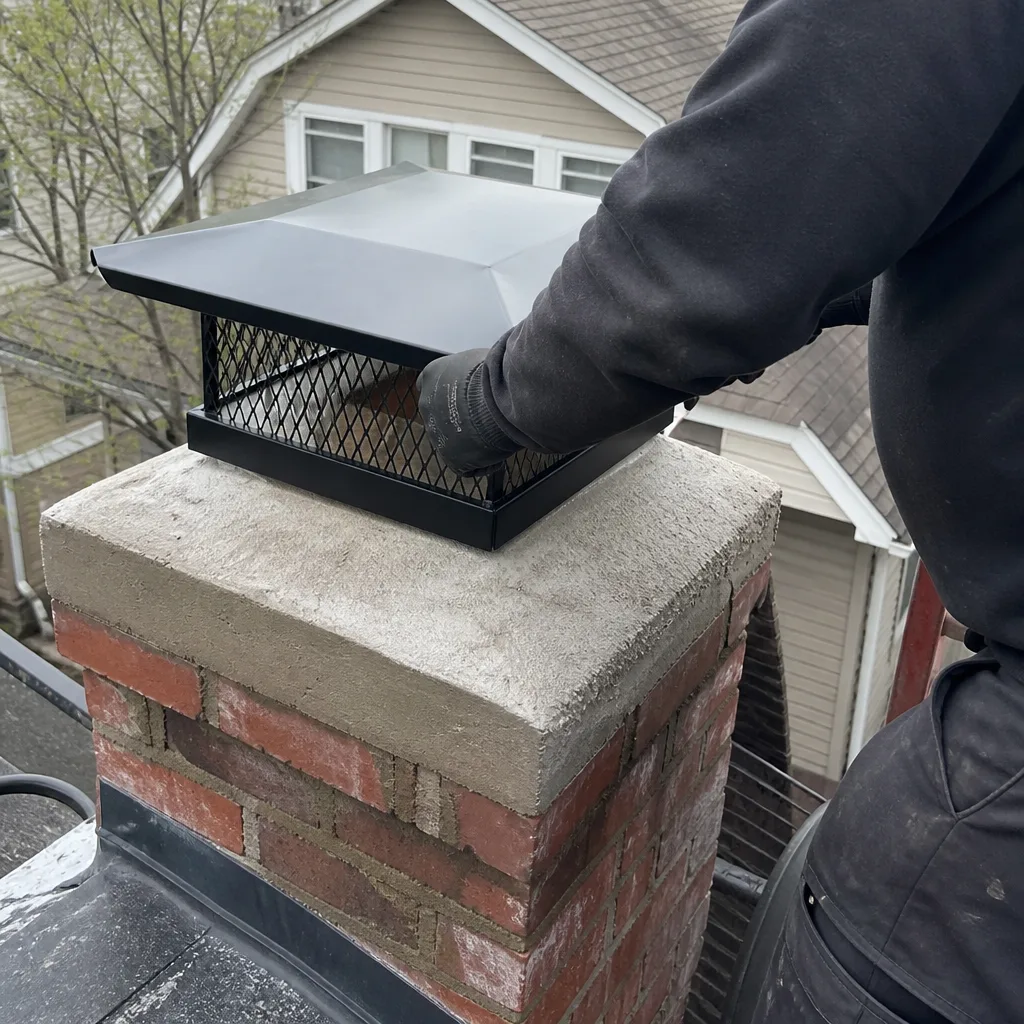 After
After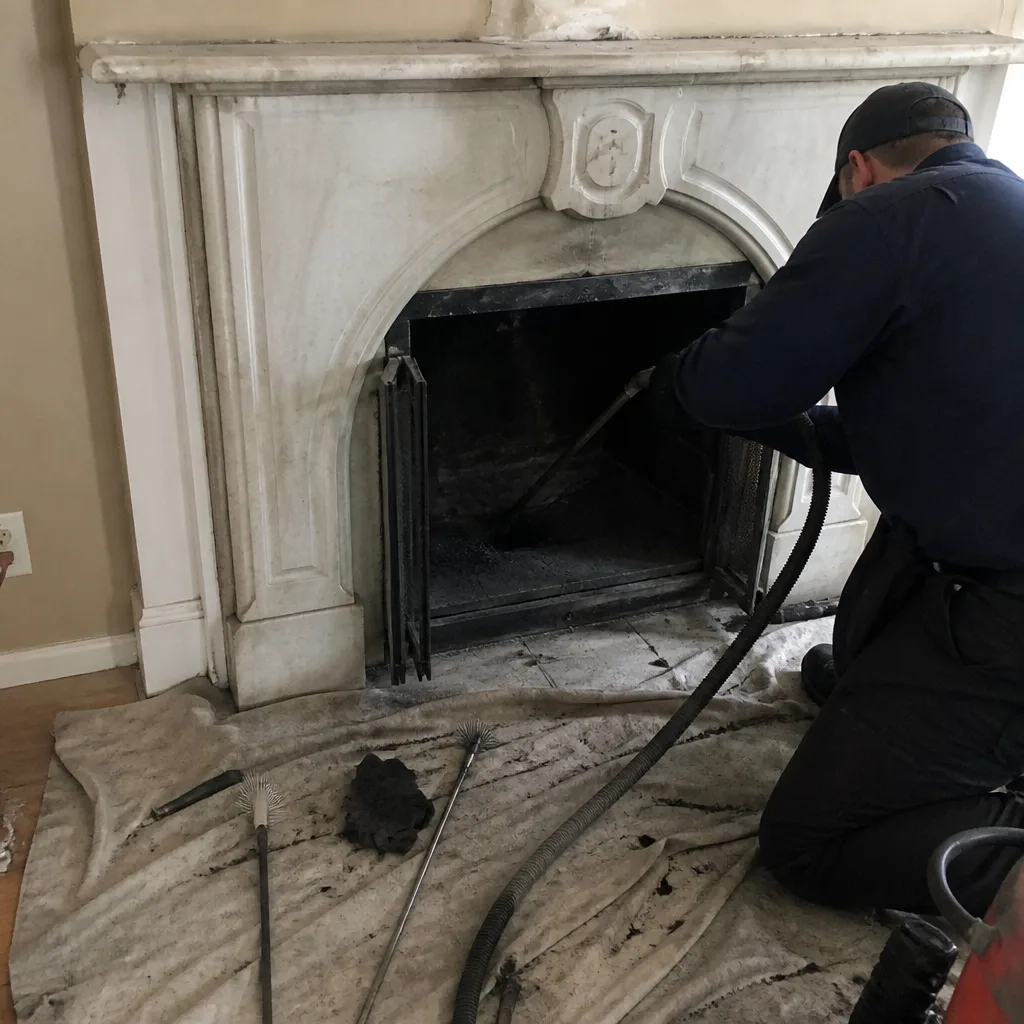 Before
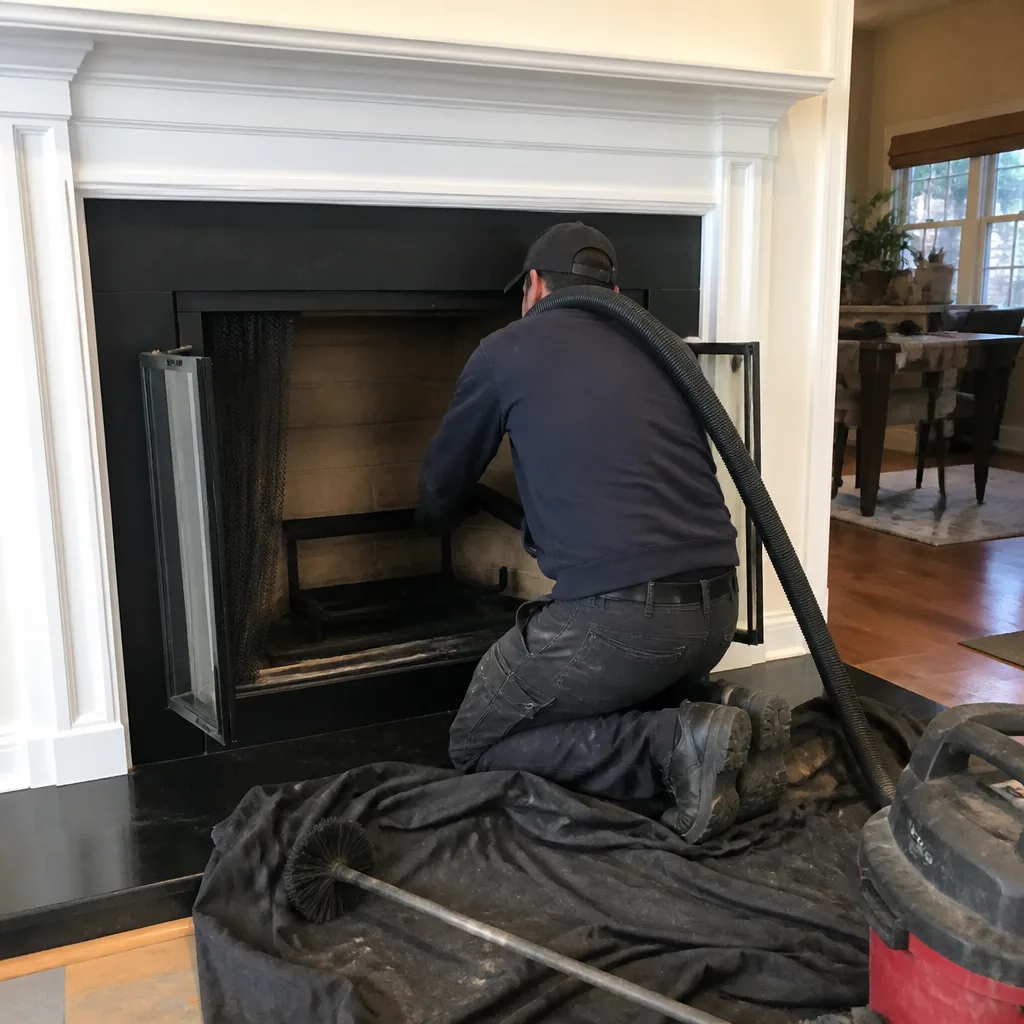 After
After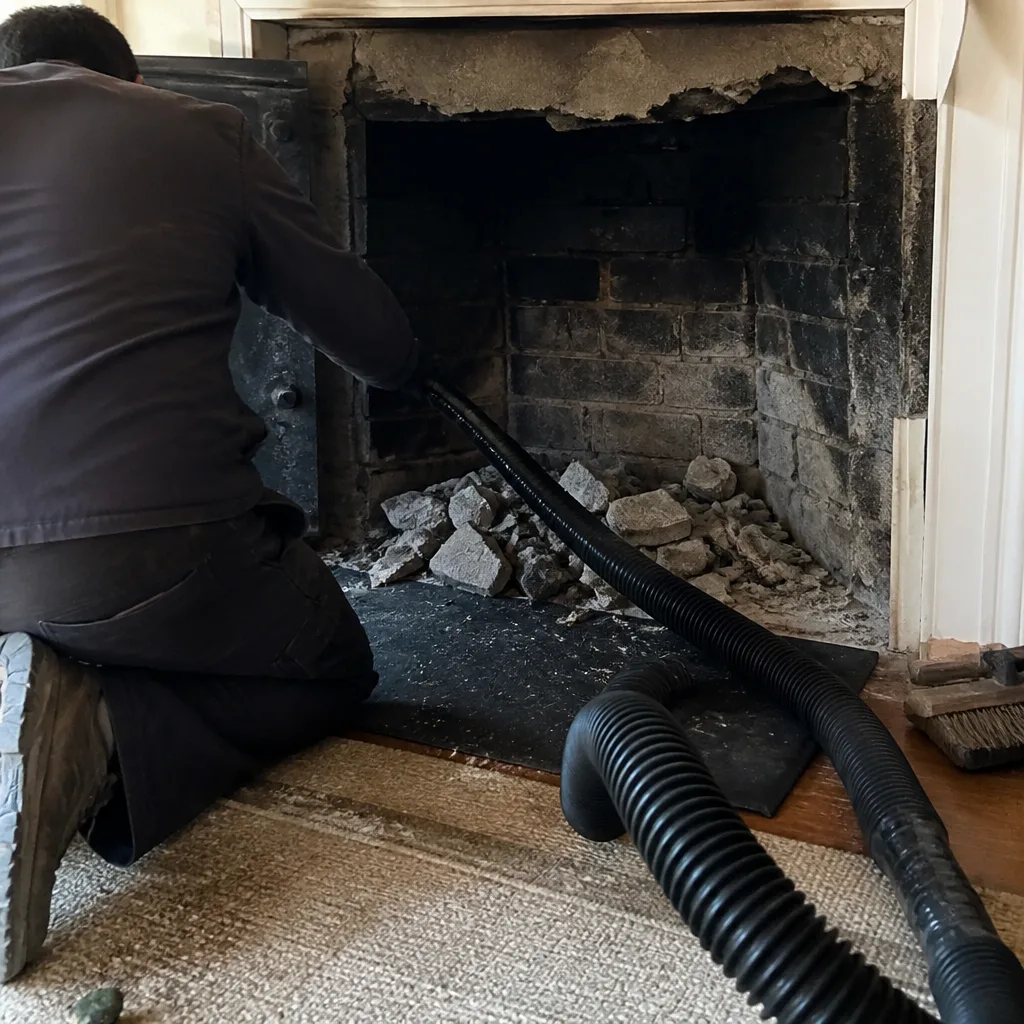 Before
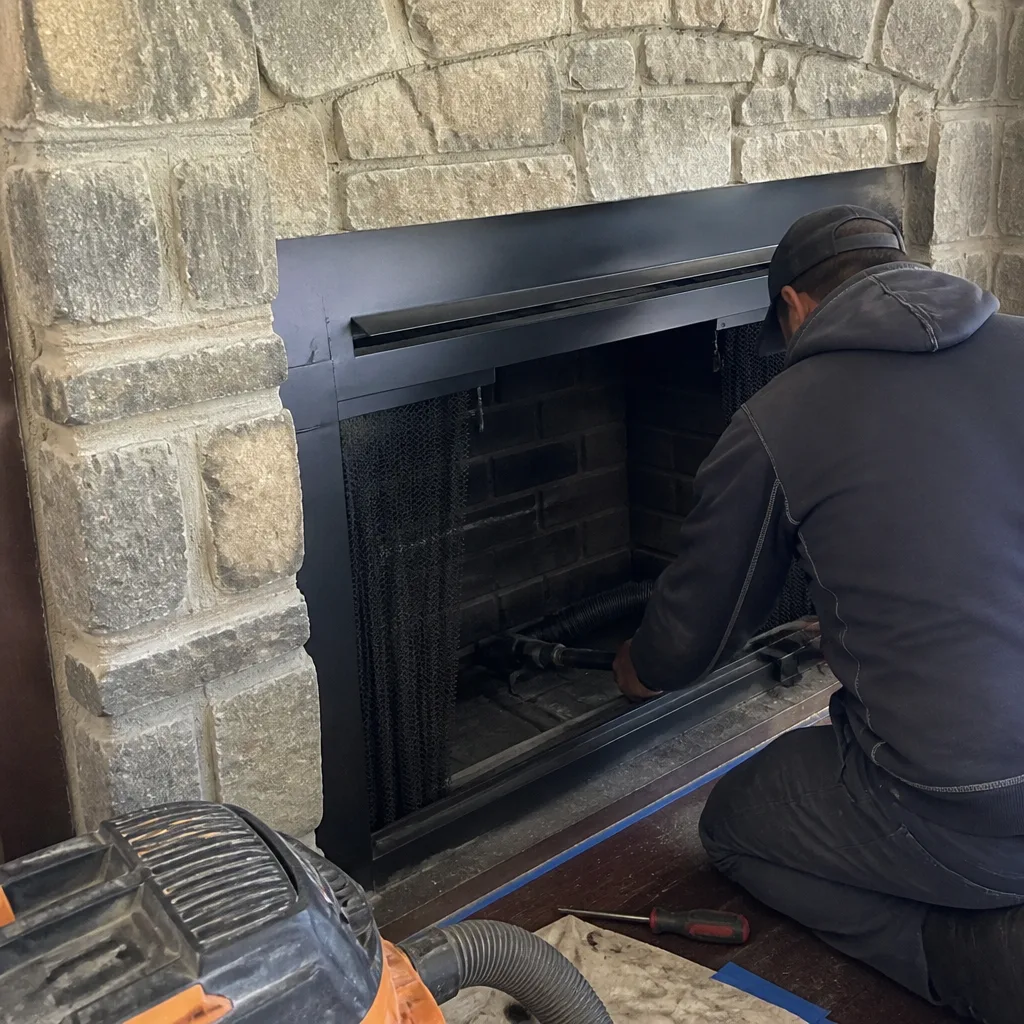 After
AfterHeatShield Chimney Cleaning & Sweep in Manhattan: What to Know First
HeatShield chimney cleaning and sweep in Manhattan runs $289 to $540 for a standard sweep with camera inspection, and we typically book within 3 to 5 business days depending on your building’s access rules. We’re an independent HeatShield service provider, not a manufacturer-authorized shop, which means we can quote parts from multiple sources and tell you plainly when a HeatShield liner can be cleaned and when it actually needs replacement. If you own a HeatShield liner or resurfaced flue in a Manhattan co-op, condo, or townhouse, this page is for you. Call (862) 319-8047 for a written quote before anyone shows up.
How HeatShield Products Fail, and How We Fix Them
- HeatShield Cerfractory flue sealant delamination on older pre-2012 applications. We see this a lot in prewar buildings on the Upper West Side and in older brownstones north of 96th. The original HeatShield Cerfractory product was applied as a spray-on resurfacer, and in flues with rough parging or prior water damage, sections can separate from the substrate and create a ledge where creosote collects. The camera shows it as a scalloped shadow near the flue offset. Our fix depends on the separation depth: under 1/4 inch and localized, we can often clean and document a watch status; anything deeper means the liner section is no longer performing as a continuous surface, and we’ll quote a liner replacement or sectional reline.
- HeatShield Cease-Fire and FireGuard joint cracking in clay tile flues with active roof leaks. HeatShield’s joint repair products are designed to handle thermal expansion, but when a Manhattan roof flashing fails and water saturates the mortar joints, the product can crack at the bond line within one or two heating seasons. In buildings along Riverside Drive where flashing has been deferred for years, we’ve pulled cameras up flues where the entire joint system looks like a dried lake bed. The water intrusion has to be fixed first, then we clean the flue, re-apply the appropriate HeatShield joint compound, and document every joint with the camera so you have a record.
- Surface roughness after a HeatShield restoration that traps Class III creosote faster than a smooth liner. HeatShield resurfacings are not perfectly smooth; they have a texture similar to fine stucco. In flues that see heavy wood-burning use or restricted air supply, that textured surface catches creosote faster than a smooth stainless or original clay liner would. We identify this during the sweep when the brush comes back with more residue than the camera alone suggested. The practical fix is more frequent cleaning, usually every 6 to 8 months of burning season, and we’ll note the creosote class and the footage in your report so you have a written record of whether the condition is changing.
- HeatShield’s ultra-smooth polyurethane-based top coat failing at the smoke chamber transition. HeatShield offers a smooth top coat for some fireplace applications, and in Manhattan fireplaces that were built with an abrupt smoke chamber shelf or a poorly parged transition, this material can lift where the smoke changes direction. The symptom is a haze of fine, sooty particles that won’t brush off the smoke shelf, or a whitish creosote deposit that looks almost crystalline. We address this by cleaning back to the stable layer, and if the top coat is compromised, we quote a localized re-coat using a compatible material, not a full liner replacement unless the underlying base coat is failing too.
- Aftermarket relining jobs installed over HeatShield that trap condensation between layers. This one makes us shake our heads. We’ve opened flues in newer condo conversions where a previous contractor installed a rigid stainless liner directly over an existing HeatShield resurfacing without an insulation wrap. The gap between them traps condensation from the gas appliance exhaust, and the resulting acidic moisture eats at the HeatShield layer from behind. The camera shows a dark weeping stain that follows the liner seam. The fix is a full removal and a properly sized, insulated reline with the right clearances. We catch this on routine cleaning and inspection, not after the damage is done.
Our HeatShield Chimney Cleaning & Sweep Process
- 1
Call and a live person. You call (862) 319-8047, tell us about your HeatShield system, and we give you a written price for the cleaning and camera inspection before we schedule. No “call for a quote” games. That’s Clause 1 of the Haven Standard, the operating rules we’ve worked under since 2009.
- 2
Arrival and setup. A background-checked, uniformed tech arrives with your name on the work order, not a random subcontractor. We lay down floor protection and set up the vacuum before we touch the fireplace.
- 3
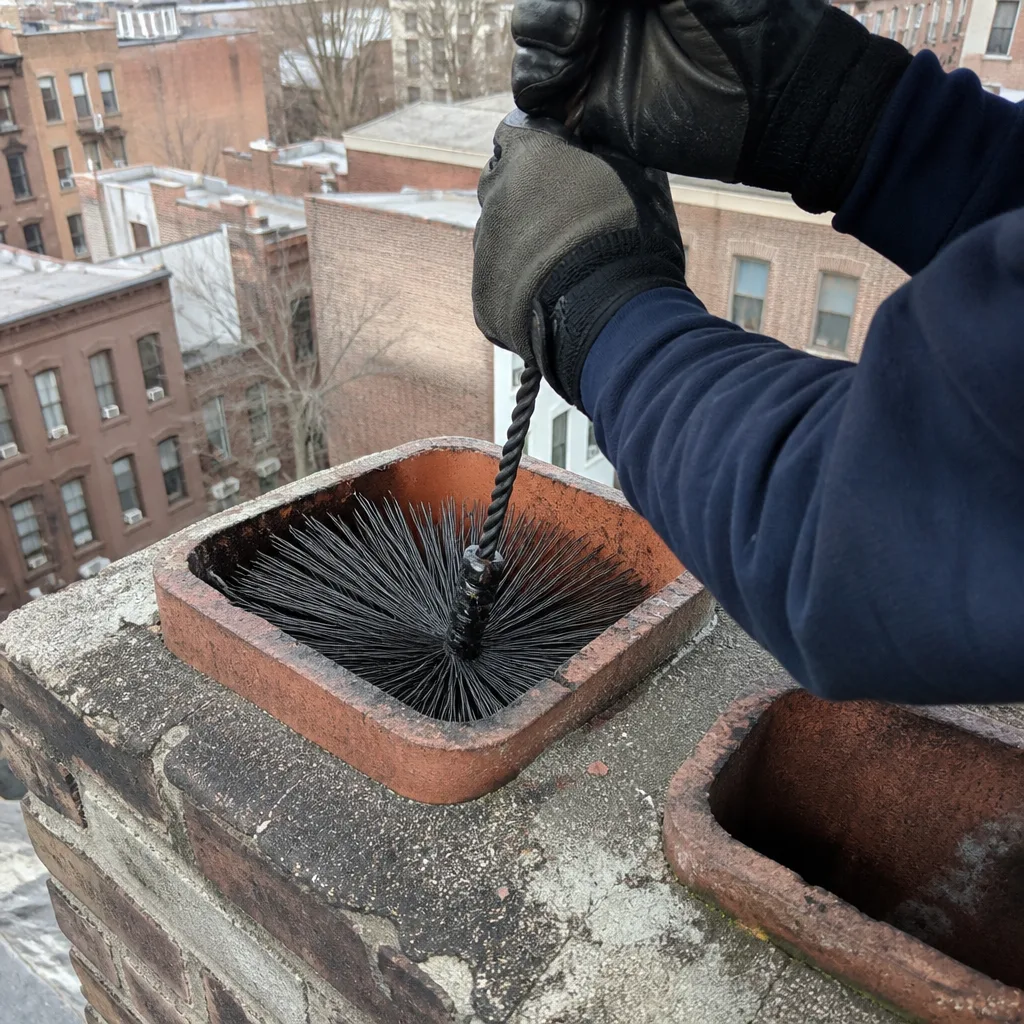
The sweep, done for HeatShield surfaces. We use brushes appropriate for the liner surface. HeatShield resurfacings don’t tolerate steel-bristle brushes the way some clay liners will; we use the right brush density so we’re not gouging the textured surface while removing creosote.
- 4
Camera inspection, every job. After the sweep, the camera goes down the flue. This is NFPA 211 Level 2 inspection and it’s included in our standard sweep, not an add-on. We’re looking at the HeatShield surface condition, joints, smoke chamber, and any sign of delamination or cracking. Clause 4 of the Haven Standard requires this photo record, and it has been our default since 2009, years before most Manhattan inspectors mentioned camera work at all.
- 5
Written findings and price. You get a written report with photos, our notes on creosote classification, and if any repair is needed, a written price for that work before anything additional is scheduled. If you have a competitor’s written estimate, we’ll give you a free second opinion on it.
- 6
Cleanup and the warranty. We leave the area cleaner than we found it. Every job is backed by the 365-Day Done Right Promise. If it’s not done right, we make it right. The photo record and written scope are yours, not ours.
BeforeAfterWhat HeatShield Chimney Cleaning & Sweep Costs in Manhattan
Here are the prices we quote most often, written in the same form we’d put on your estimate:
| Service | Typical Manhattan Price |
|---|---|
| Standard chimney sweep with Level 2 camera inspection (one flue, fireplace or boiler) | $289 to $410 |
| Heavy creosote removal (Class III or glazed, with mechanical cleaning) | $425 to $540 |
| HeatShield Cease-Fire or FireGuard joint re-pointing (per joint) | $65 to $110 |
| Localized HeatShield re-coat of smoke chamber or shelf | $380 to $710 |
| Full HeatShield liner replacement (28 to 45 feet, typical Manhattan c.oop or brownstone) | $3,800 to $8,200 |
What moves the price: building access rules, roof height and chimney position, how much creosote is present, and whether your HeatShield system needs localized repair versus full replacement. A standard sweep is a one-visit job. Estimates are free and in writing. Call (862) 319-8047.
Why Manhattan Homeowners Call Level Two Chimney Manhattan for HeatShield Work
We’ve inspected and cleaned more than 38,000 chimneys since 2009, and every single one got a written price before work started and a documented photo record when it was done. That’s not a marketing promise; that’s the Haven Standard, and it’s how we’ve always operated. Corrine Halstead, our owner, walks every HeatShield job at least once, and her rule is simple: nothing gets recommended unless the camera footage shows it. If the liner is fine, we say so and you pay for the sweep only. If it’s not, you see the same image we do. We also work with DuraFlex and Gelco products, so if a HeatShield replacement makes sense, we can quote what’s actually best for your flue, not just what’s easiest for us to source. Our techs are background-checked and uniformed, license info is on every page, and someone answers the phone 24 hours a day.
FAQs
You know by camera, not by guess. During our sweep, the camera shows whether the HeatShield surface is intact and only dirty, or whether there’s delamination, cracking, or separation behind it. If the surface is sound, cleaning is enough. If the material is failing, the only responsible fix is replacement of the affected section or the entire reline. We won’t tell you to replace anything we can’t show you on the footage. Call (862) 319-8047 to schedule an inspection, and we’ll put the findings and price in writing.
HeatShield warranties vary by product, application, and whether the original installer is still in business. Some older Cerfractory applications from before 2012 carry transferable paperwork, but many do not. Independent cleaning and inspection don’t void a HeatShield warranty by themselves; what usually voids it is a different contractor’s failed repair, or deferred maintenance that lets the liner fail from neglect. We don’t make warranty claims on your behalf, but we document the flue condition in writing and with photos, which is what any warranty office will ask for first.
Most HeatShield cleaning and inspection calls are booked within 3 to 5 business days. Building access rules sometimes add a day or two for co-op or condo board approval, but we’re used to navigating Manhattan superintendents and managing agents. If you’re dealing with an active leak or a chimney issue that’s gotten worse, tell the person on the phone and we’ll work it into the schedule. Call (862) 319-8047.
For some flues, yes; for others, no. HeatShield’s resurfacing products work well when the original clay liner is structurally sound but has minor cracking or surface wear. They’re less useful in flues with major offsets, severe spalling, or a liner that’s already partially collapsed. We sell repair, not a brand, and we’re happy to quote you the HeatShield option next to a DuraFlex or Gelco reline so you can compare.
Written by Corrine Halstead, Owner, Level Two Chimney Manhattan at Level Two Chimney Manhattan, serving Manhattan and nearby areas.