
Level 1 sweep and inspection to the NFPA 211 annual standard - flue, crown, cap, and flashing checked and photographed
Chimney sweep logs do not sweep chimneys. They loosen some creosote - which then falls where a brush and vacuum still have to collect it.
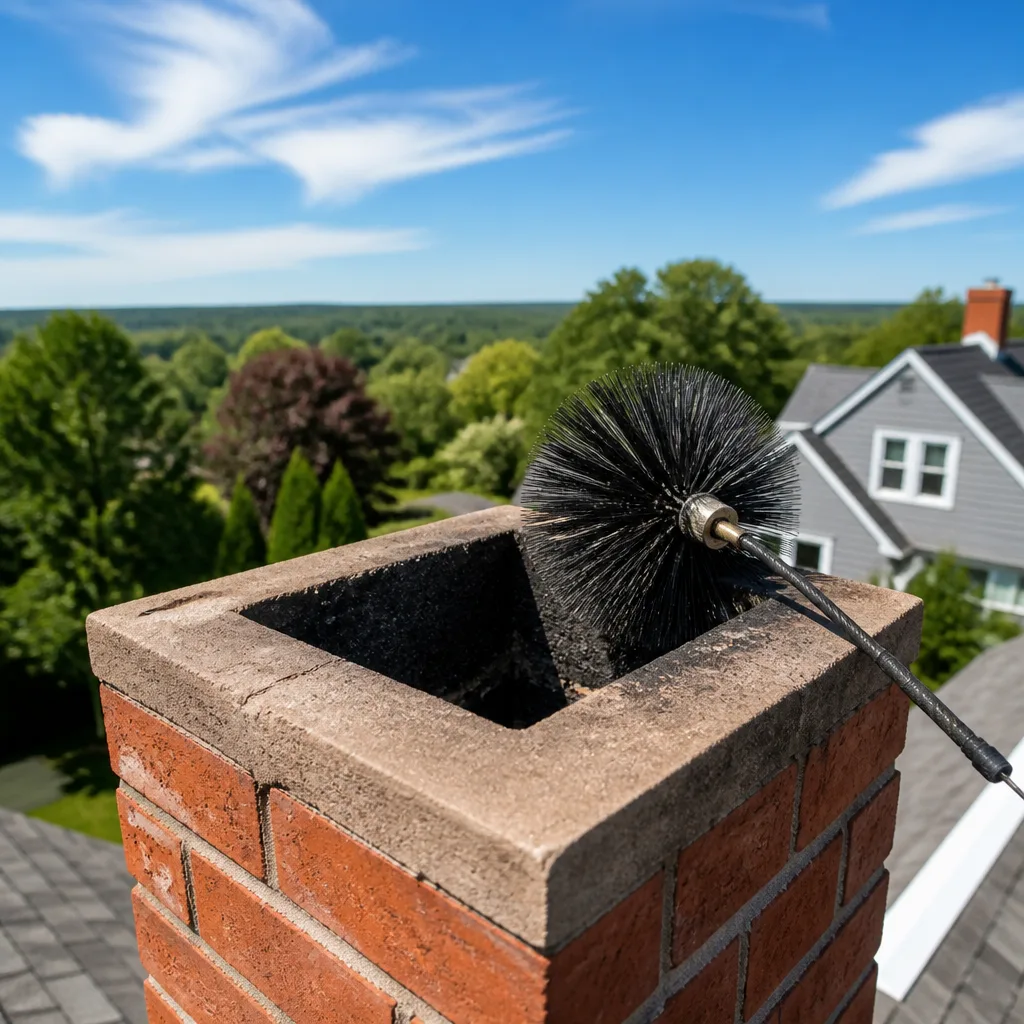
Caps & crowns
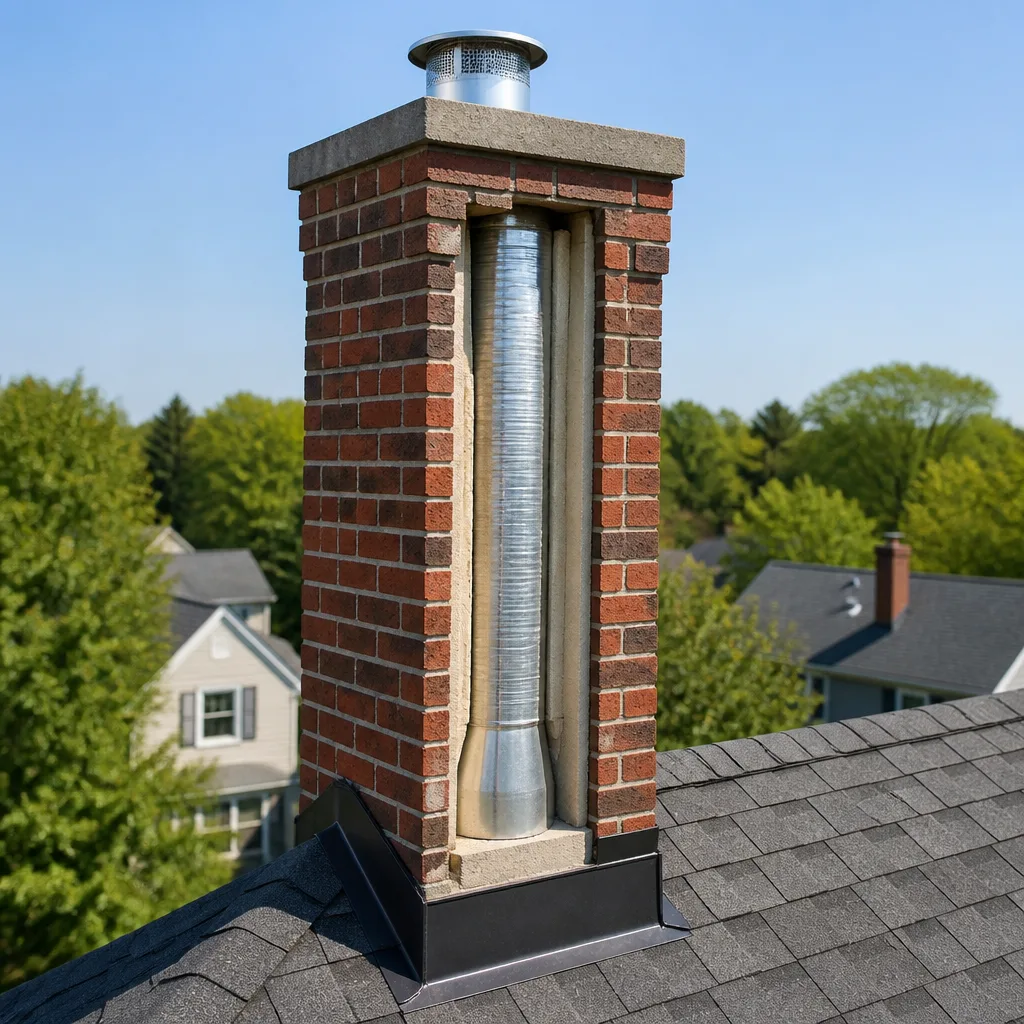
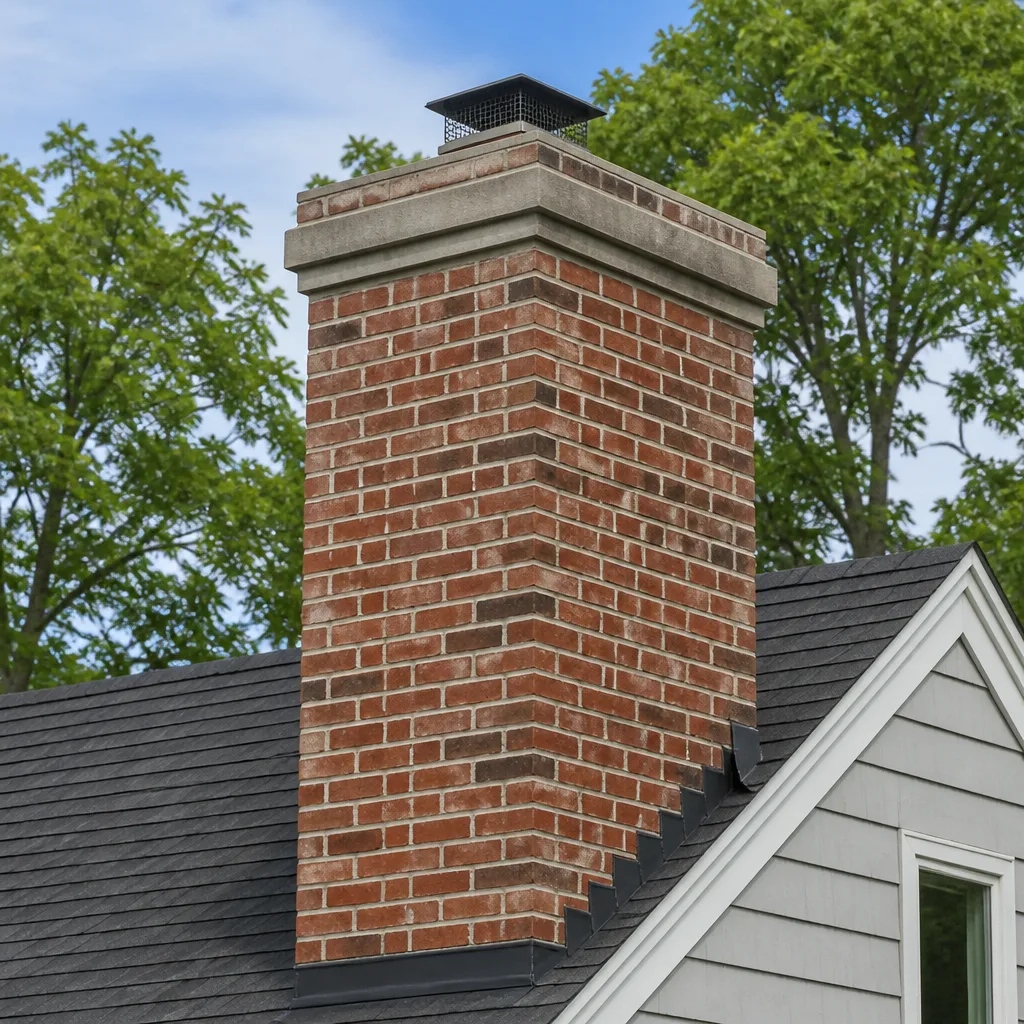
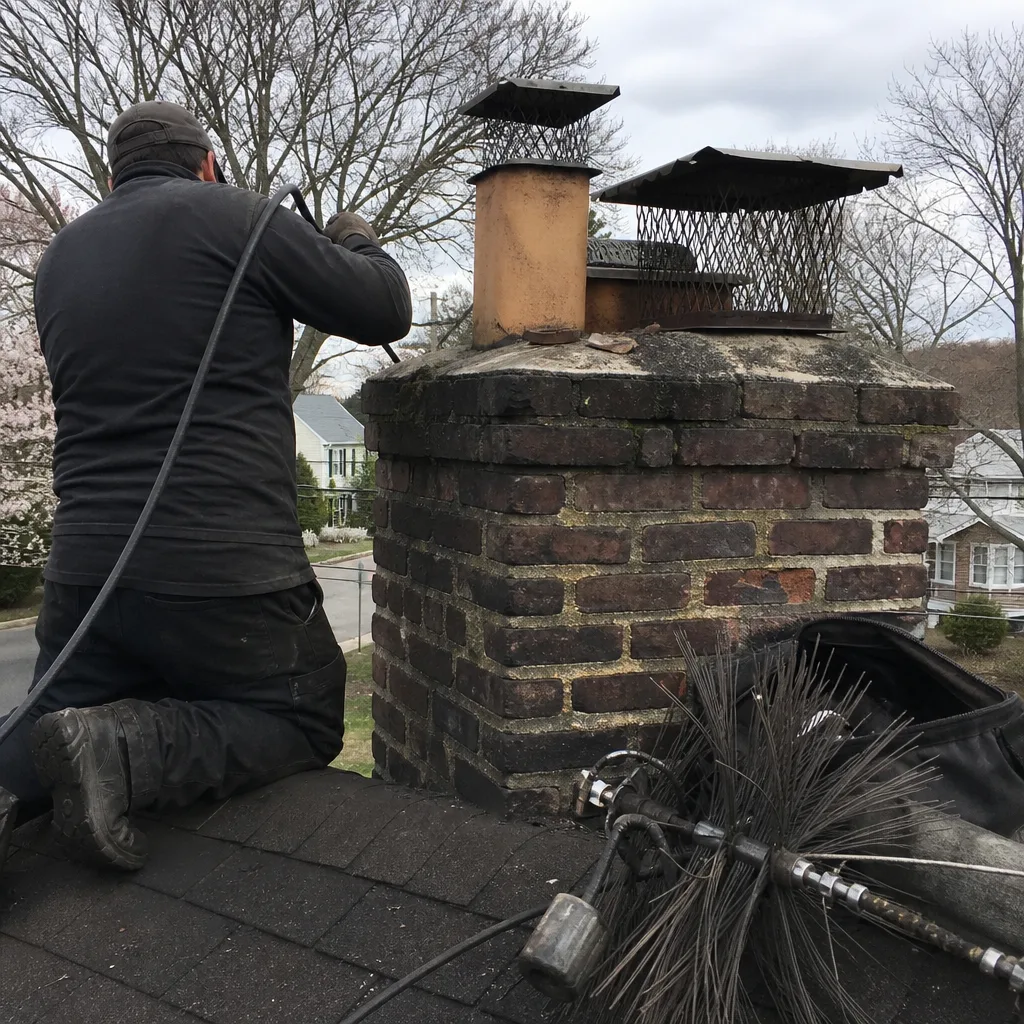 Before
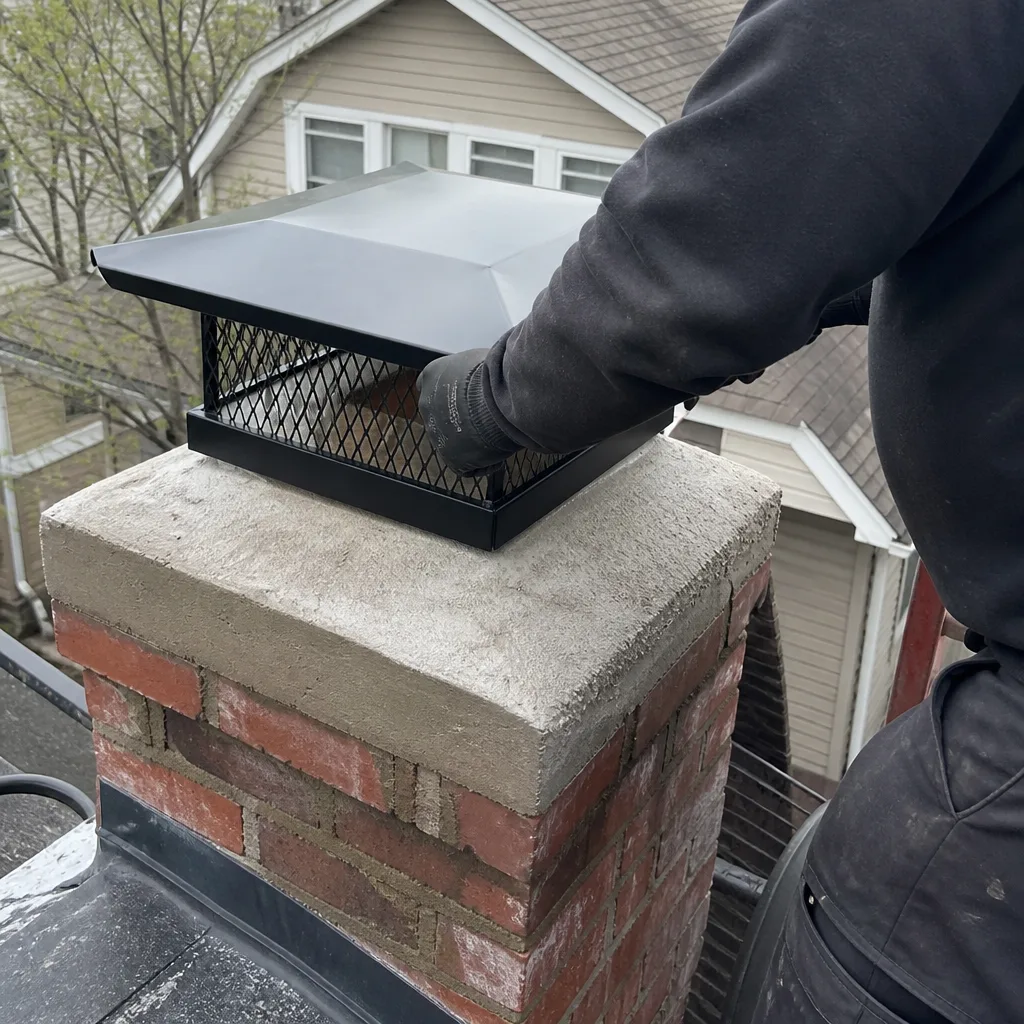 After
After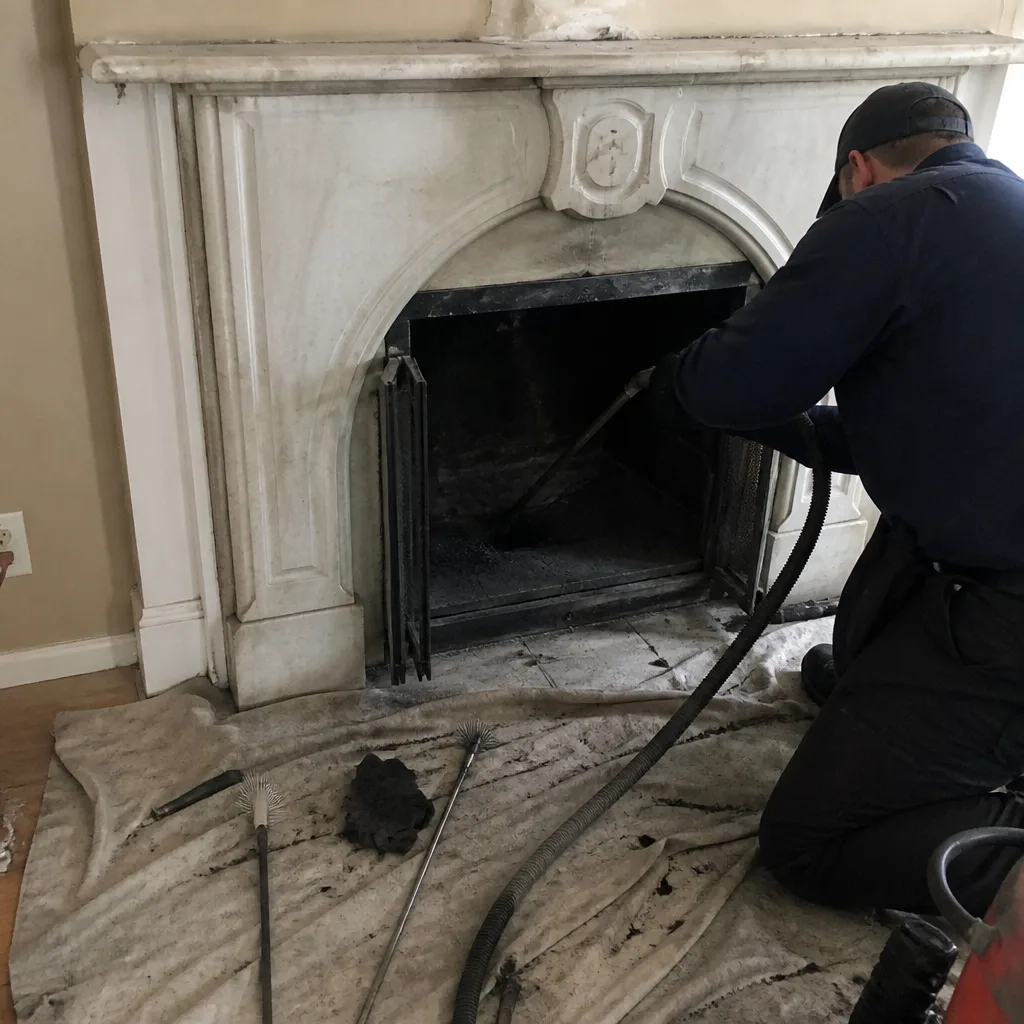 Before
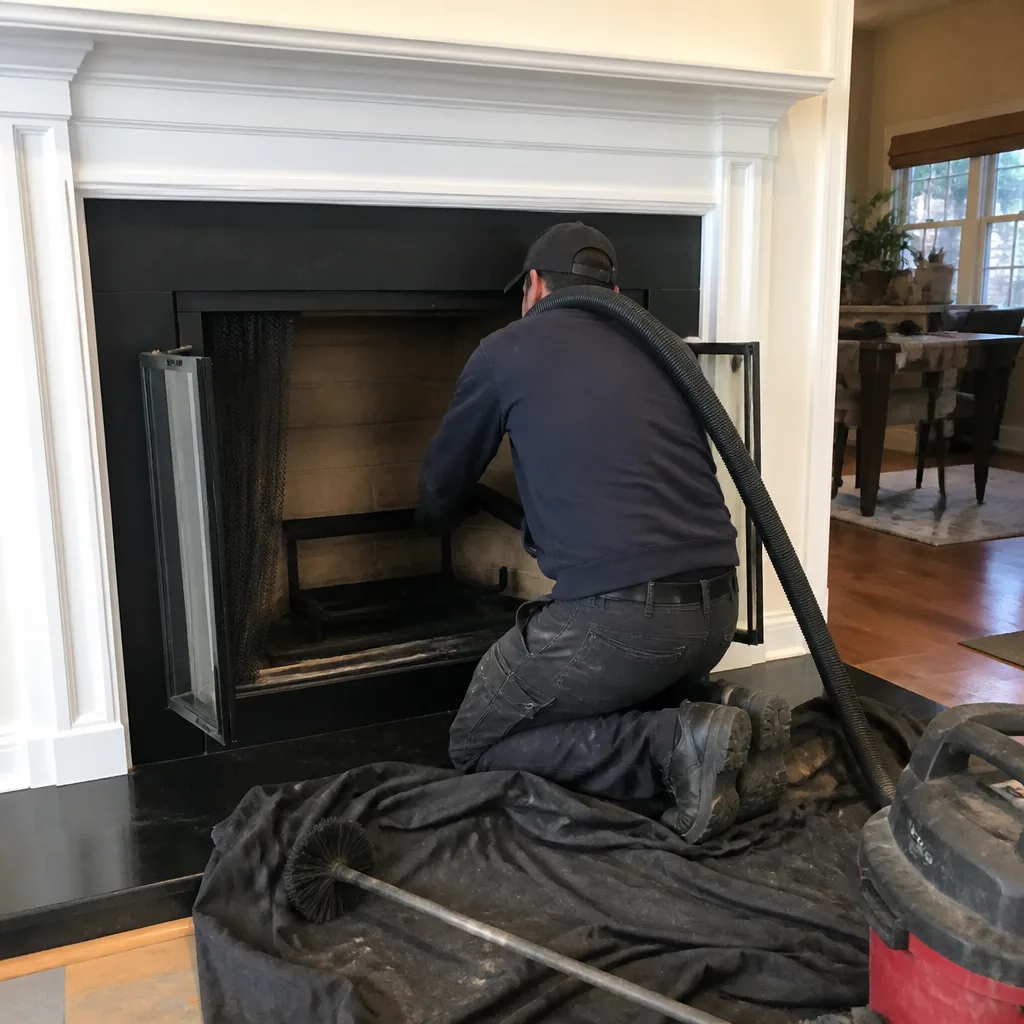 After
After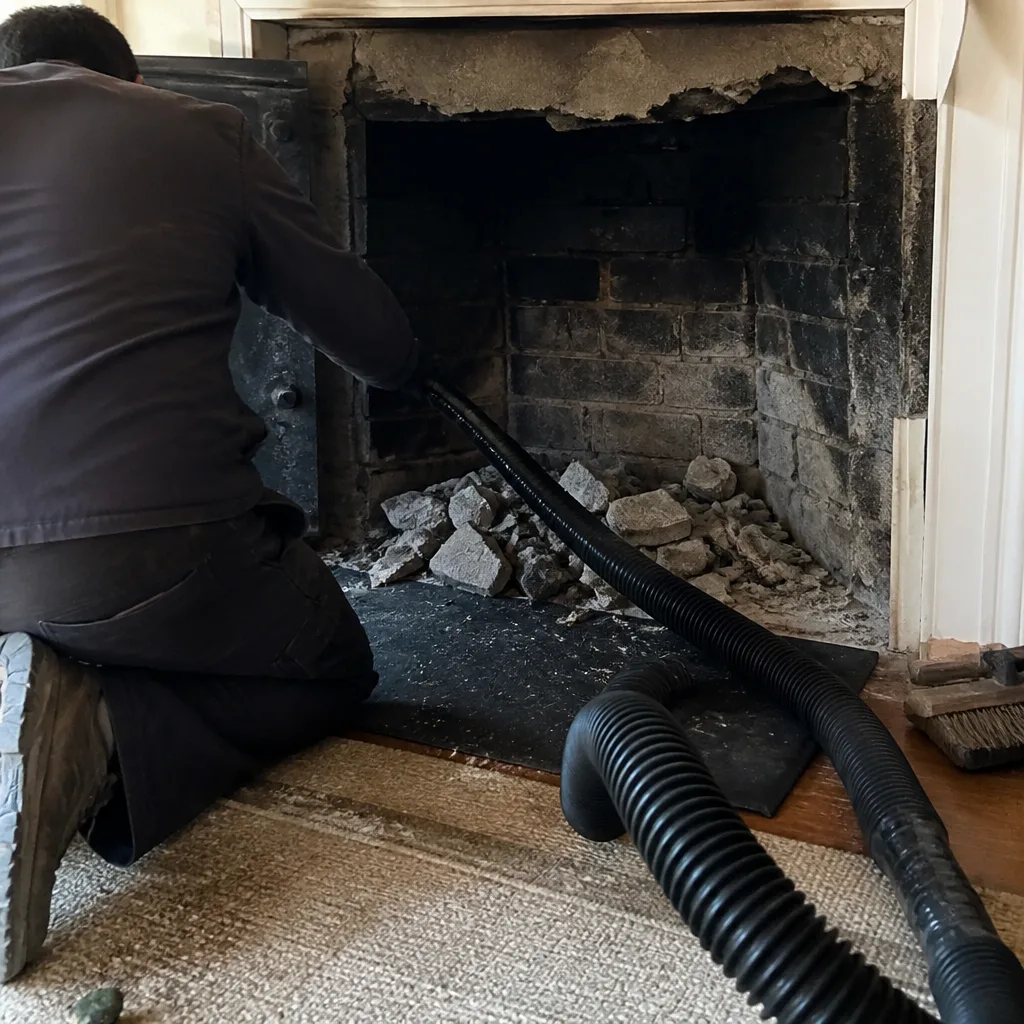 Before
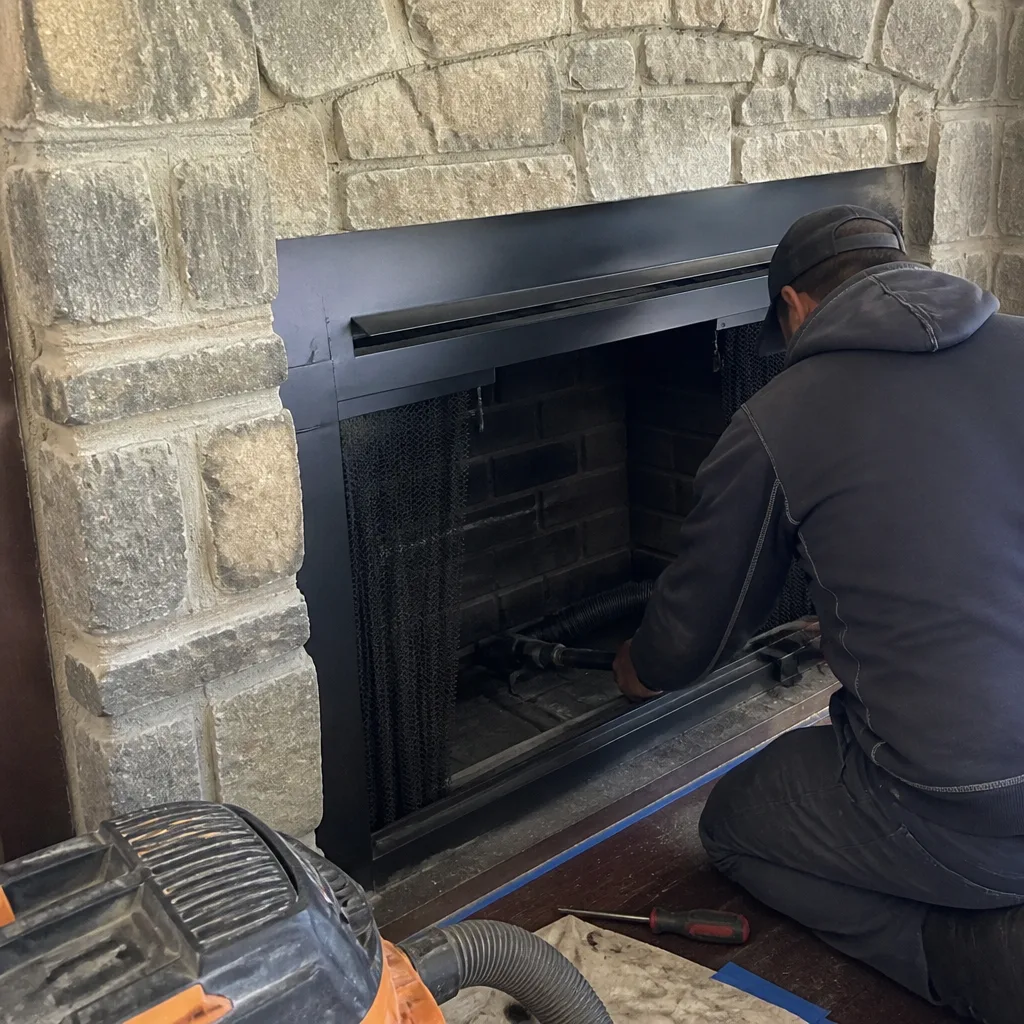 After
AfterHeatShield Chimney Liner & Rebuild in Manhattan: What to Know First
HeatShield liner repair and rebuild work in Manhattan typically runs $1,800 to $6,400 depending on whether we’re restoring a section of flue or rebuilding the chimney from the roofline up. Most HeatShield jobs take one to three days once parts are in hand. We quote every job in writing before work starts, and we’re the independent HeatShield service provider Manhattan homeowners call when a camera scan shows the liner has failed and they want to see the evidence themselves. Call (862) 319-8047 and we’ll get a technician on a roof in Manhattan with a camera, not a guess.
This page is for HeatShield owners in Manhattan who’ve been told their liner is cracked, spalling, or pulling away from the flue wall. It covers how HeatShield products fail, what we do about it, what it costs, and what you should ask any contractor before they touch your chimney.
Key Takeaways:
- HeatShield is a poured-in-place ceramic liner system, not a metal liner. Its failure modes are specific and diagnosable.
- We run a camera down every flue before we recommend anything, and you keep the footage.
- Written price, written scope, written warranty before work starts. No exceptions.
- Corrine Halstead has been running chimney work in Manhattan for nearly two decades, including co-op buildings along Riverside Drive where the flues hadn’t been touched since the late 1970s.
How HeatShield Products Fail - and How We Fix Them
HeatShield’s main product lines are the HeatShield Ceramic Liner (the original pour-in system) and the HeatShield Elite (their higher-spec formulation). Both work on the same principle: a bladder inflated inside the flue, ceramic compound poured around it, and the bladder removed to leave a smooth insulated liner. That’s a solid concept. Here’s what goes wrong in Manhattan chimneys specifically, and what we do about it.
- Thermal cycling cracks in the original HeatShield Ceramic Liner. Manhattan brownstones and prewars see temperature swings that are hard on any cementitious material, and the original HeatShield formula is more brittle than the Elite line. We see hairline vertical cracks in the upper third of the flue on furnaces that cycle on and off all winter. A crack like that might look minor on camera, but it lets flue gas into the masonry. Our fix: if the crack is isolated, we can section-sleeve with a stainless liner. If it’s widespread, we recommend a full reline with HeatShield Elite or a DuraFlex stainless system, depending on the appliance and existing clearance.
- Delamination between the HeatShield pour and the original clay tile. This is the one we see most in older Manhattan buildings: the original flue had glazed clay tile, someone poured HeatShield over it without proper surface prep, and now the bond has failed. The camera shows the liner lifting away in sheets. It looks like peeling paint and it’s just as functional. The fix is removal of the delaminated section and a re-pour after mechanical surface prep, or a full stainless reline if delamination exceeds 40% of the flue length.
- Pour gaps at offsets and corbels. Manhattan chimneys built before 1940 frequently have odd offset courses and internal corbels in the flue. HeatShield’s bladder system can leave voids at these transitions if the install wasn’t watched carefully. The camera sees it as a shadow or a divot. Those voids collect creosote and become hotspots for a chimney fire. We repair by injecting the specific void with a HeatShield-compatible patching compound, but we inspect the entire offset first because one void usually means the installer rushed the whole drop.
- Improper cure rates in HeatShield Elite installs done during cold or damp weather. HeatShield Elite needs proper ambient conditions to cure. Installers who pour it in a Manhattan winter without tenting and heat get a liner that looks fine at first and then micro-crazes within two seasons. We document this on camera: a fine web of surface cracks, worse at the top where flue gas cools fastest. The fix is a re-pour in the correct weather window or a switch to a stainless system.
- Failed crown-to-liner transition on HeatShield systems. This one’s not strictly a liner failure, but it kills HeatShield liners in Manhattan more than anything else. The crown cracks at the bond with the HeatShield pour, water gets behind the liner, and freeze-thaw does the rest. We rebuild the crown with proper expansion provisions and re-seal the liner-to-crown joint with a flexible HeatShield-compatible sealant. Skip this step and you’ll be back in three years.
One more thing worth knowing: HeatShield’s own documentation is thin on repair recommendations. They sell a restoration system, not a repair manual. As an independent HeatShield service provider, we get to be honest about what we see on camera, and that means sometimes the right answer is a stainless liner from DuraFlex or a partial rebuild in masonry instead of another pour. We’ll show you the footage and let you decide. The camera doesn’t guess. Neither do we.
Our HeatShield Chimney Liner & Rebuild Process
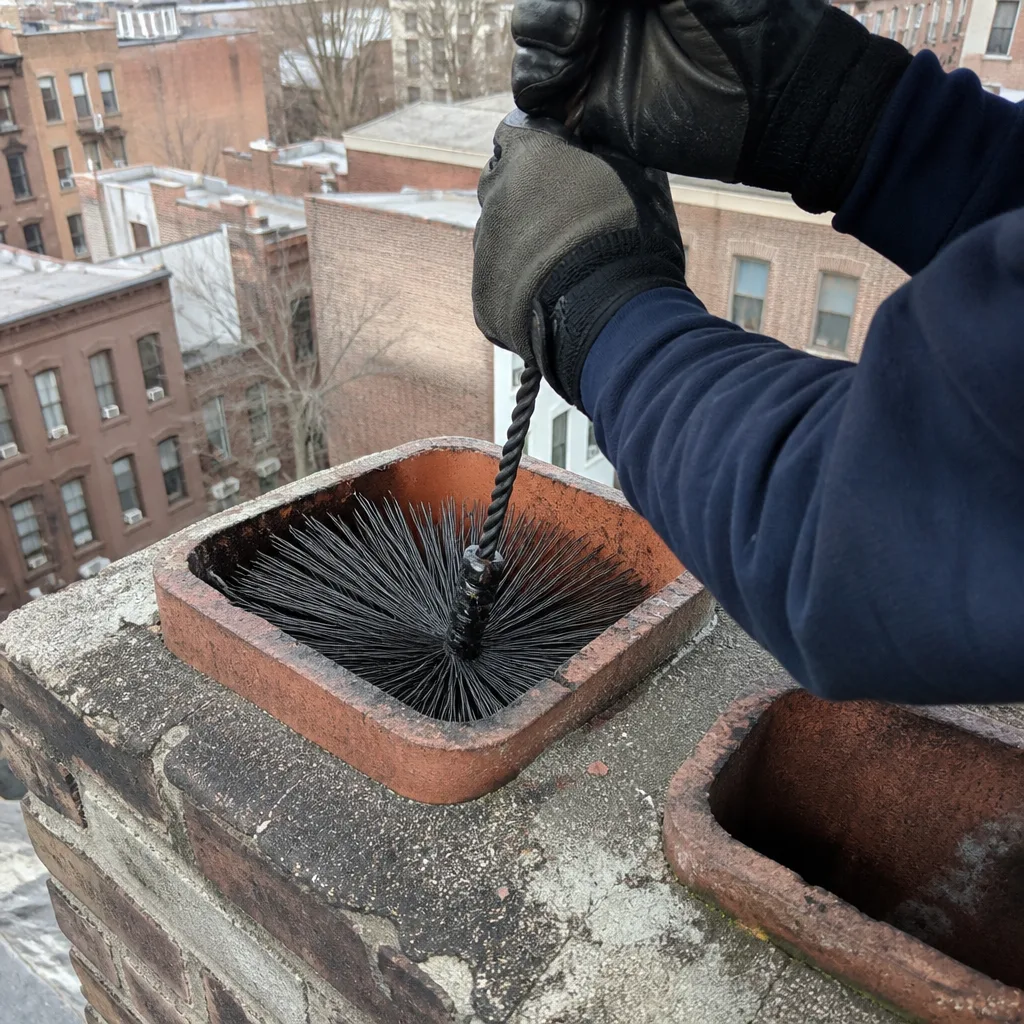
Here’s what a HeatShield liner or rebuild job actually looks like when you call Level Two Chimney Manhattan.
- 1
Camera scan and Level 2 inspection. We run a camera down the full flue and document everything: liner condition, crown integrity, smoke chamber, the works. You get the photos and footage. Clause 4 of the Haven Standard requires it.
- 2
Written scope and price. We write up exactly what the camera found, what we recommend, and what it costs. If we recommend relining, we tell you why and we show you the footage that led to that recommendation. No pressure. If another contractor gave you a written estimate, bring it and we’ll do a free second opinion.
- 3
Parts decision. If we’re re-pouring HeatShield, we source directly from HeatShield’s distribution channel. If we’re section-sleeving or full-relining, we quote stainless from DuraFlex or Gelco by name and the gauge so you can compare. No mystery metal. No “we’ll use whatever’s in the truck.”
- 4
The repair or rebuild. For a partial rebuild, we remove spalled brick and mortar, rebuild with matched materials, and install any new liner or HeatShield pour at the same time. For a full rebuild, we work from the roofline up with proper bond breaks, flashing, and a new crown. Manhattan roof access is tight, so we plan it before we arrive.
- 5
Post-work camera scan. We run the camera again and hand you the before-and-after footage. You don’t have to trust us; you can see it.
- 6
Written warranty and 365-Day Done Right Promise. Everything in writing, including what happens if something’s not right. If it’s not done right, we make it right.
BeforeAfterWhat HeatShield Chimney Liner & Rebuild Costs in Manhattan
Here are the numbers we quote most often in Manhattan for HeatShield-related work, based on what we’ve seen across the borough.
- HeatShield void repair / isolated patching: $850 to $1,600. This is for a specific void or delaminated patch on an otherwise sound liner. Includes camera before and after.
- HeatShield full re-pour (single flue, standard 2-story brownstone): $2,800 to $4,800. Depends on flue height, access, and how much prep the existing surface needs.
- Stainless steel reline instead of HeatShield (DuraFlex or Gelco): $2,200 to $5,400. We quote this side by side with the HeatShield option when the camera says it’s a better call.
- Partial chimney rebuild (above roofline, with new crown): $3,200 to $6,400. Manhattan roof access and scaffolding requirements drive this number more than materials.
- Full chimney rebuild from roofline up: $7,000 to $14,000 plus, depending on height, brick match, and whether we’re working around historic district rules.
What moves the price in Manhattan? Roof access (a 5th-floor walkup with a narrow hatch costs more than a brownstone with a roof door), flue height, brick match requirements in landmarked districts, and whether the existing HeatShield pour needs complete mechanical removal before we start. Call (862) 319-8047 for a written estimate. It’s free, and we’ll show you the camera footage while we’re there.
Why Manhattan Homeowners Call Level Two Chimney Manhattan for HeatShield Work
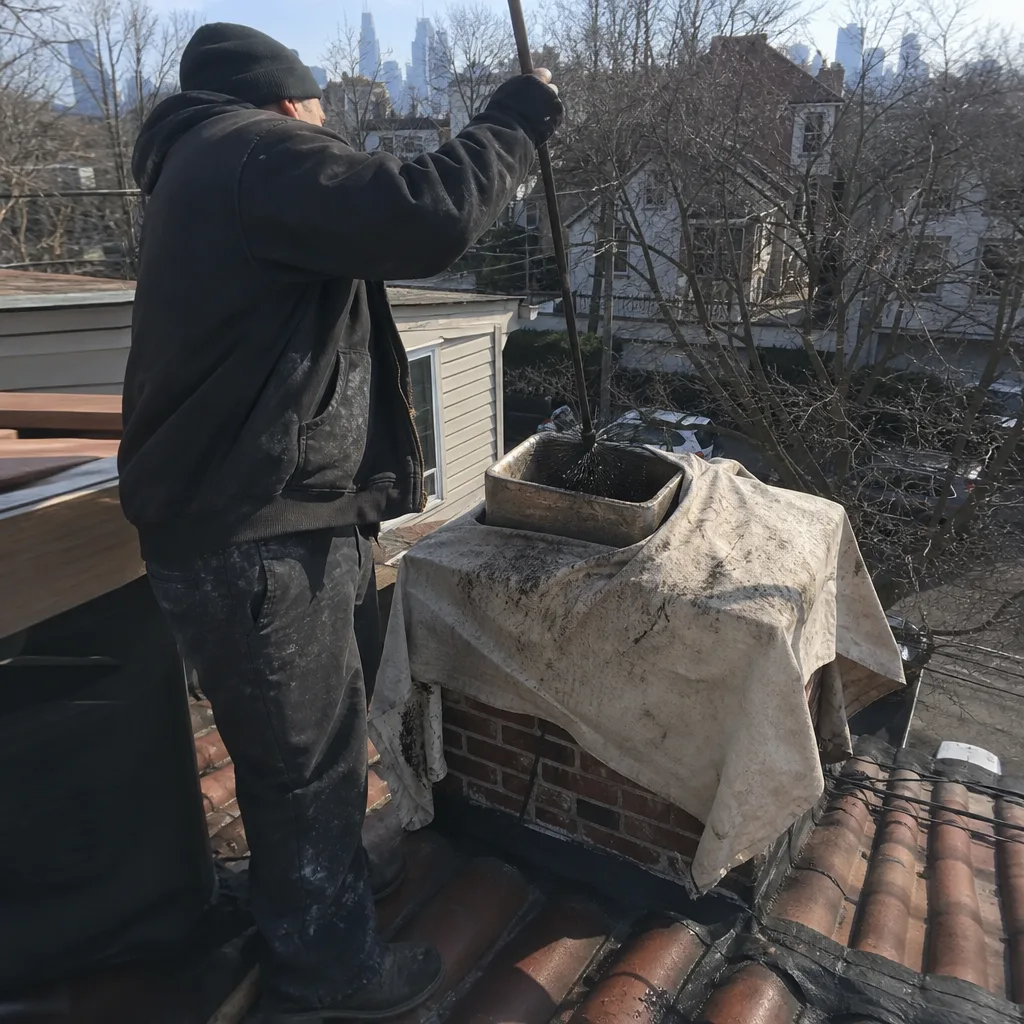
Most chimney companies in Manhattan will sell you a liner and vanish. We document everything. Since 2009, we’ve inspected and cleaned more than 38,000 chimneys, every single one with a written price before work started and a photo record when it was done. That’s not a marketing line; that’s the Haven Standard, and we wrote it into our process years before insurers started asking for it.
Our technicians are background-checked, uniformed, and trained on HeatShield’s specific failure modes. When they arrive, they carry a camera, not a clipboard. They’ll name the problem in plain terms, show you the footage, and quote a price in writing. If a HeatShield re-pour isn’t the right call, we’ll say so and quote a DuraFlex or Gelco stainless system instead, because we source from all three and we don’t have a stake in pushing one over the other.
And if it’s not done right, the 365-Day Done Right Promise covers it. Corrine Halstead runs this shop personally, and she walks every job at least once. She’s been doing chimney work in Manhattan for nearly two decades, including older co-ops along Riverside Drive where the flues hadn’t seen a brush since the Carter administration. She’ll tell you what the camera shows and what it costs. Then you decide.
FAQs
HeatShield’s warranty is administered through their dealer network and covers material defects, not install errors. Most Manhattan HeatShield failures we see are install errors, not material defects. Our repair work doesn’t void a manufacturer warranty because we’re not modifying the underlying product; we’re restoring the flue to service. If your remaining warranty has value, we’ll tell you how a proposed repair interacts with it before we start.
Ask for the camera footage. A failed HeatShield pour is visible as vertical cracks, delamination patches, or pour voids, and a legitimate contractor can show you exactly where they are. We can’t think of a single reason to trust a liner diagnosis you can’t see. Bring us a written estimate from another contractor and we’ll do a free second opinion with our own camera.
Isolated voids and small delamination patches can be repaired without a full re-pour if the surrounding liner is sound. We’ll show you the footage and tell you plainly if we think a repair will hold, or if you’re throwing money at a liner that’s failed in five places. The decision is yours; the evidence is on camera.
Void repairs and small patches are usually done in a day. A full re-pour takes two days including cure time. A partial or full rebuild runs three to five days depending on Manhattan roof access and brick match. We’ll put the timeline in writing with the quote so you’re not waiting around guessing.
Best case: the liner keeps degrading and the repair gets more expensive. Worst case: flue gas and carbon monoxide move through the masonry into the living space, or creosote builds up in a void and a chimney fire starts. If the camera shows a failed liner, the fix is a lot cheaper than what happens if you pretend the footage isn’t real. Call (862) 319-8047 and we’ll show you exactly what we mean.
Written by Corrine Halstead, Owner, Level Two Chimney Manhattan at Level Two Chimney Manhattan, serving Manhattan and nearby areas.