
Level 1 sweep and inspection to the NFPA 211 annual standard - flue, crown, cap, and flashing checked and photographed
Chimney sweep logs do not sweep chimneys. They loosen some creosote - which then falls where a brush and vacuum still have to collect it.
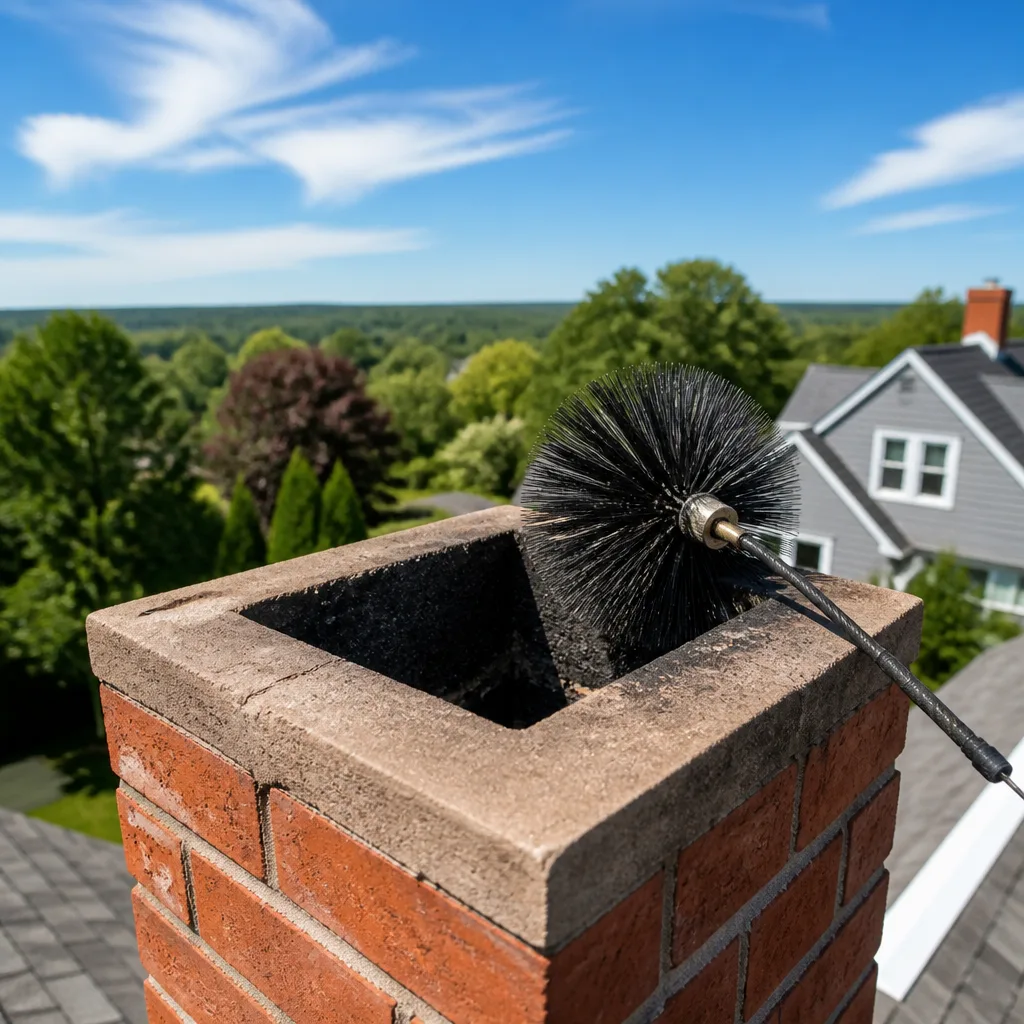
Caps & crowns
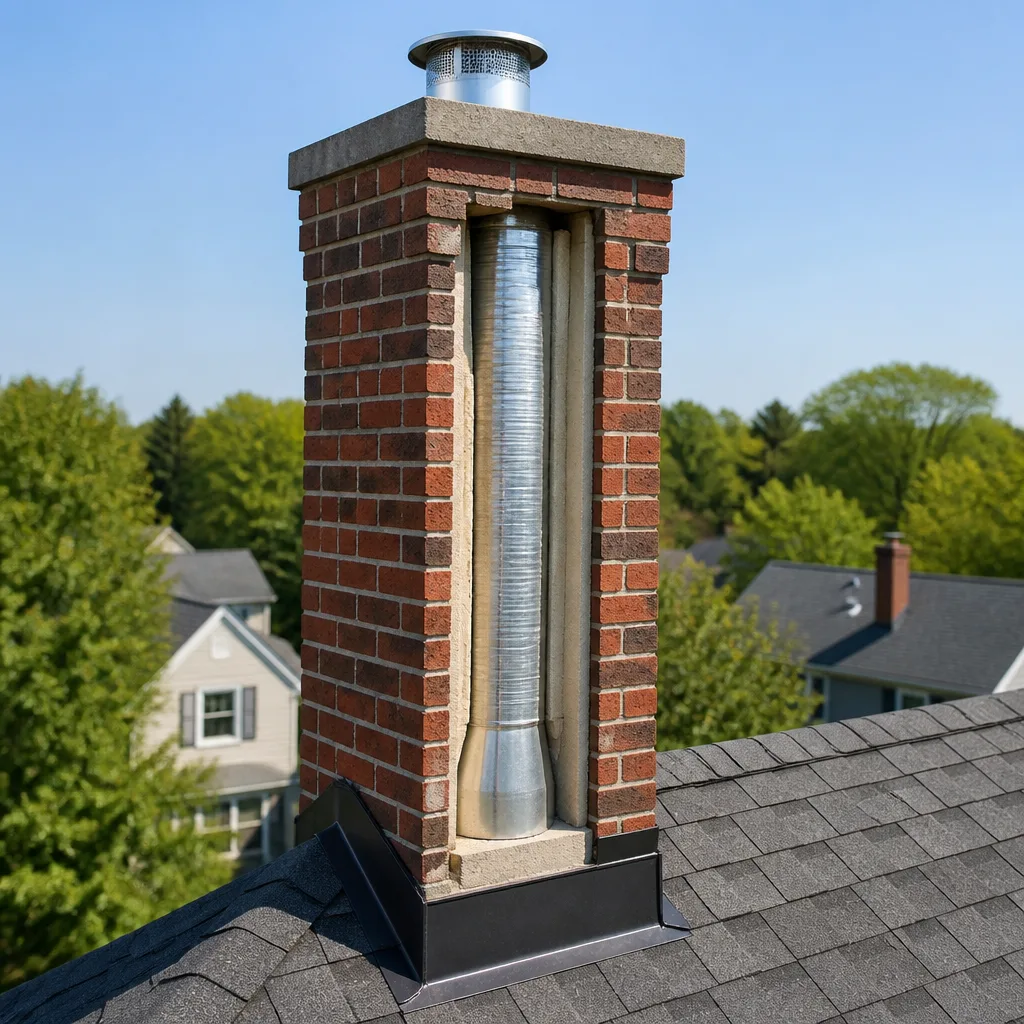
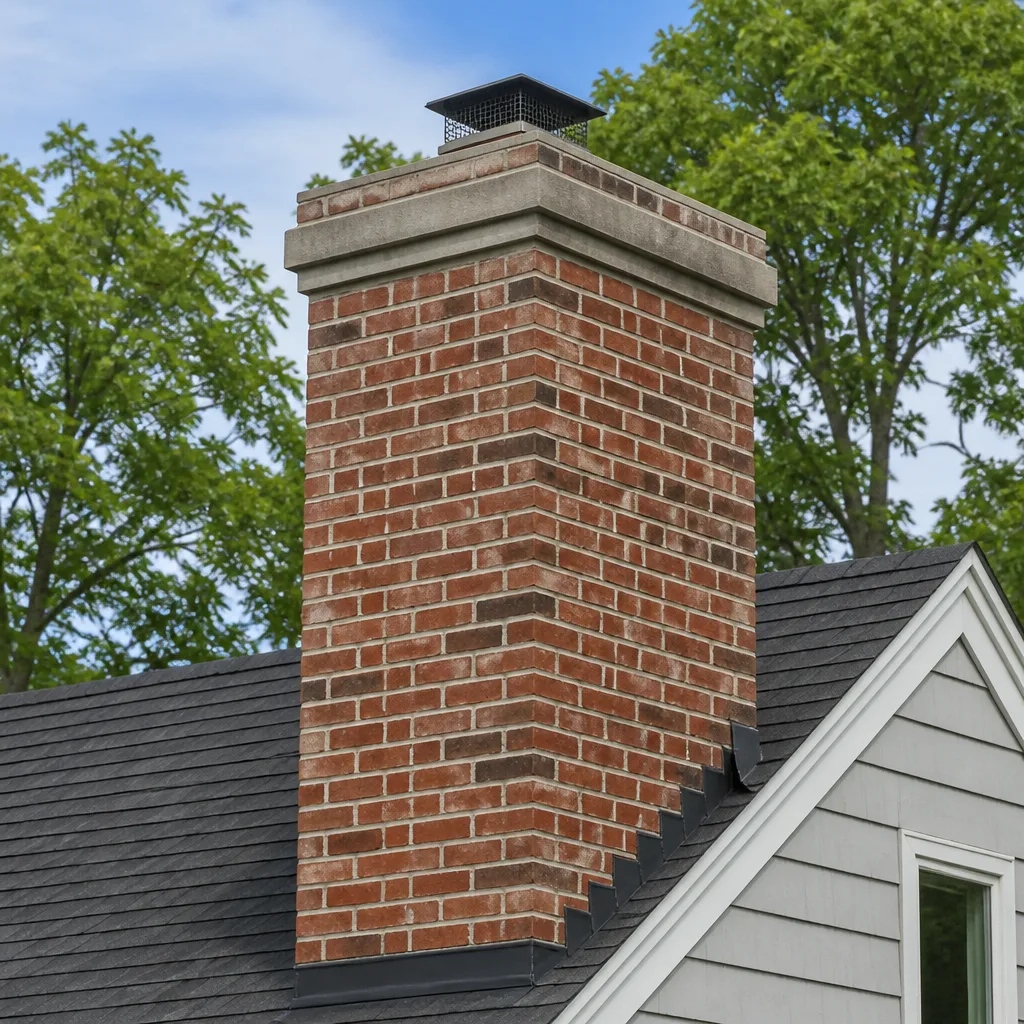
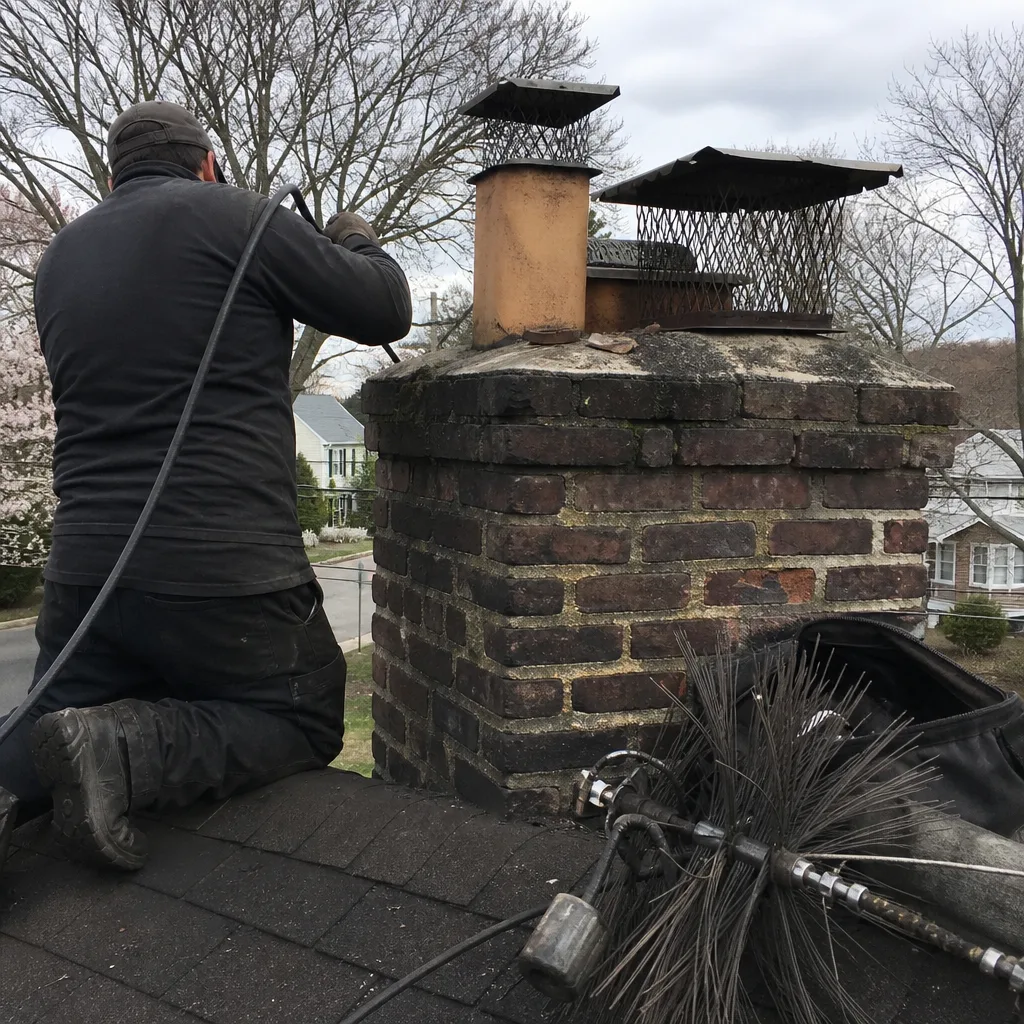 Before
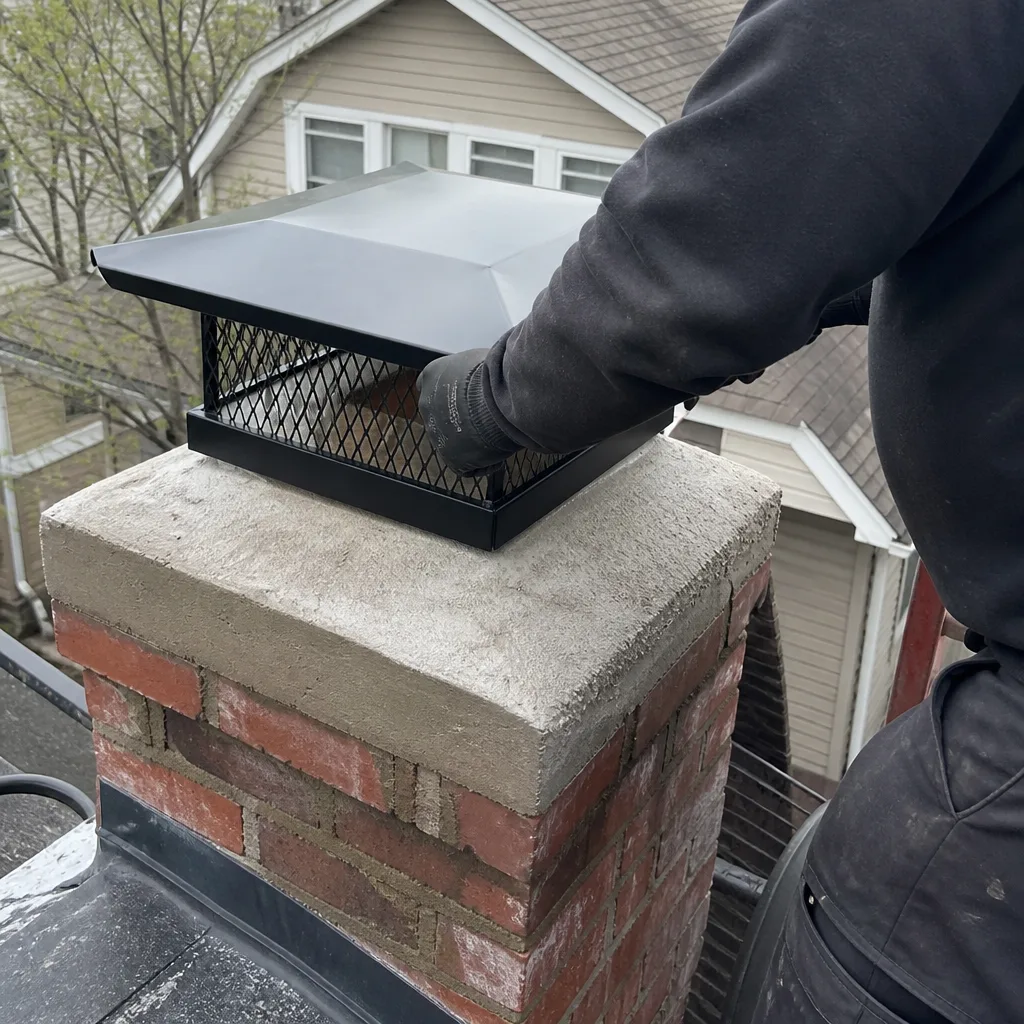 After
After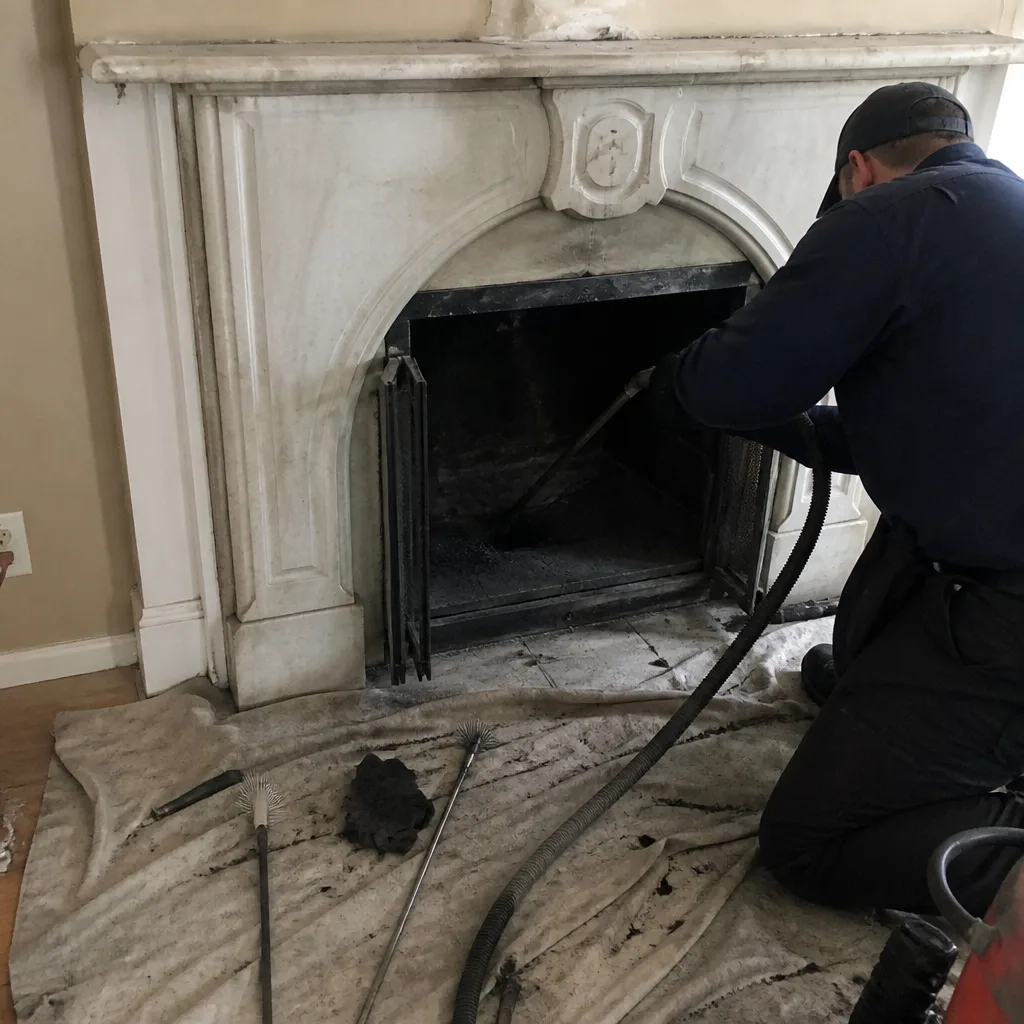 Before
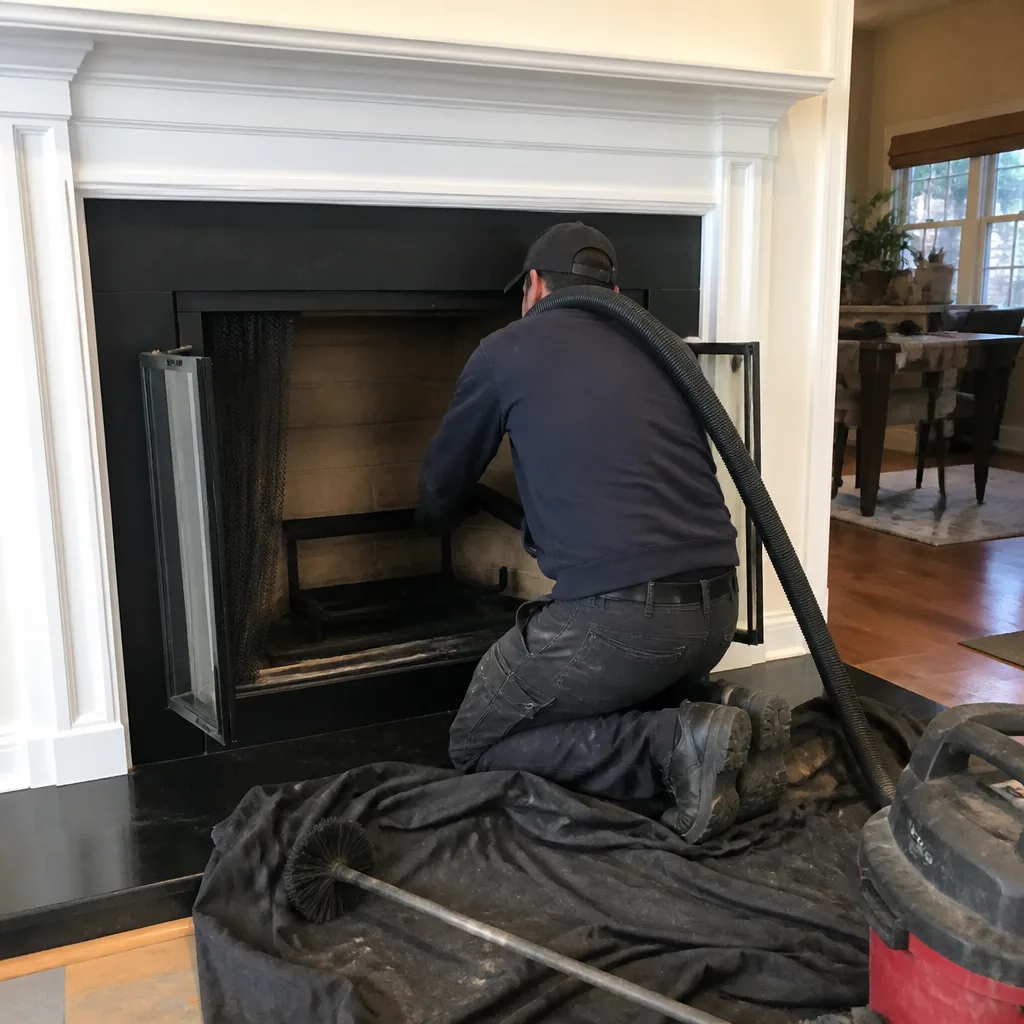 After
After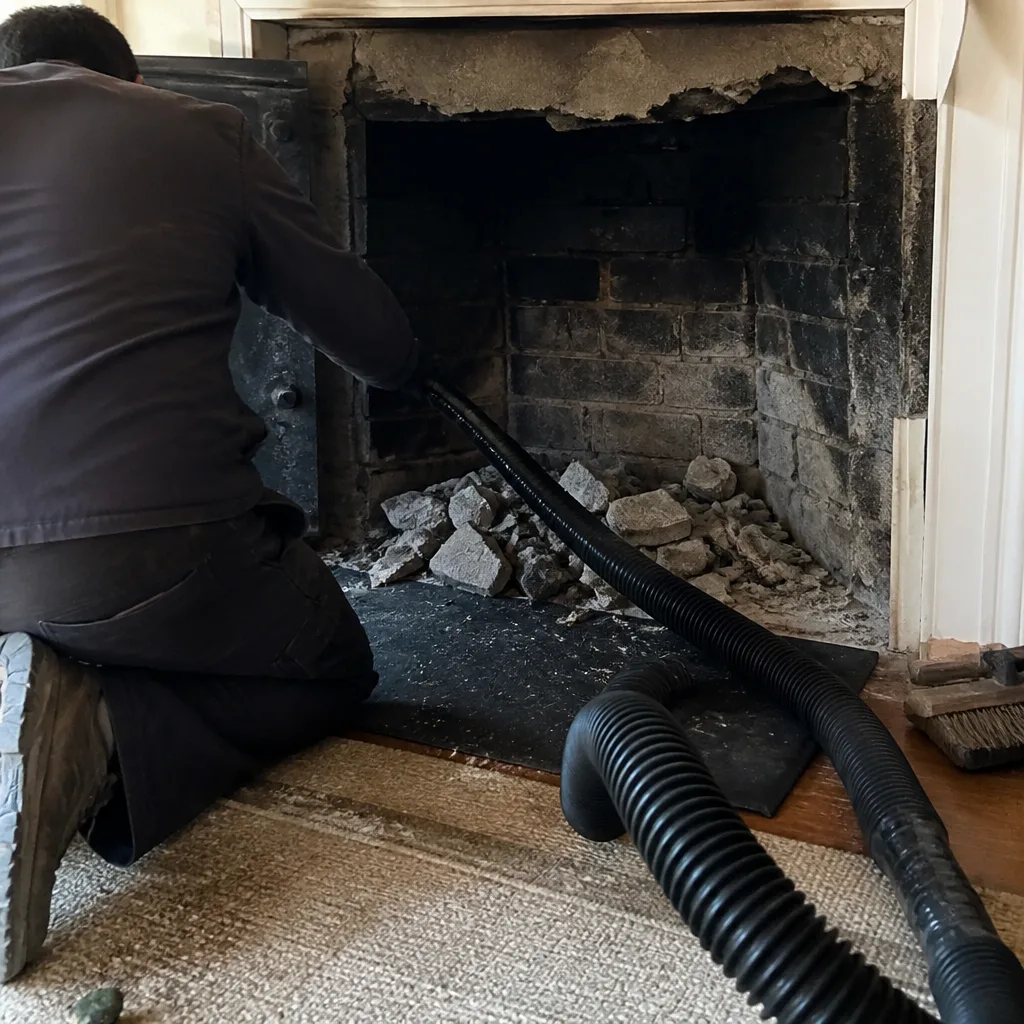 Before
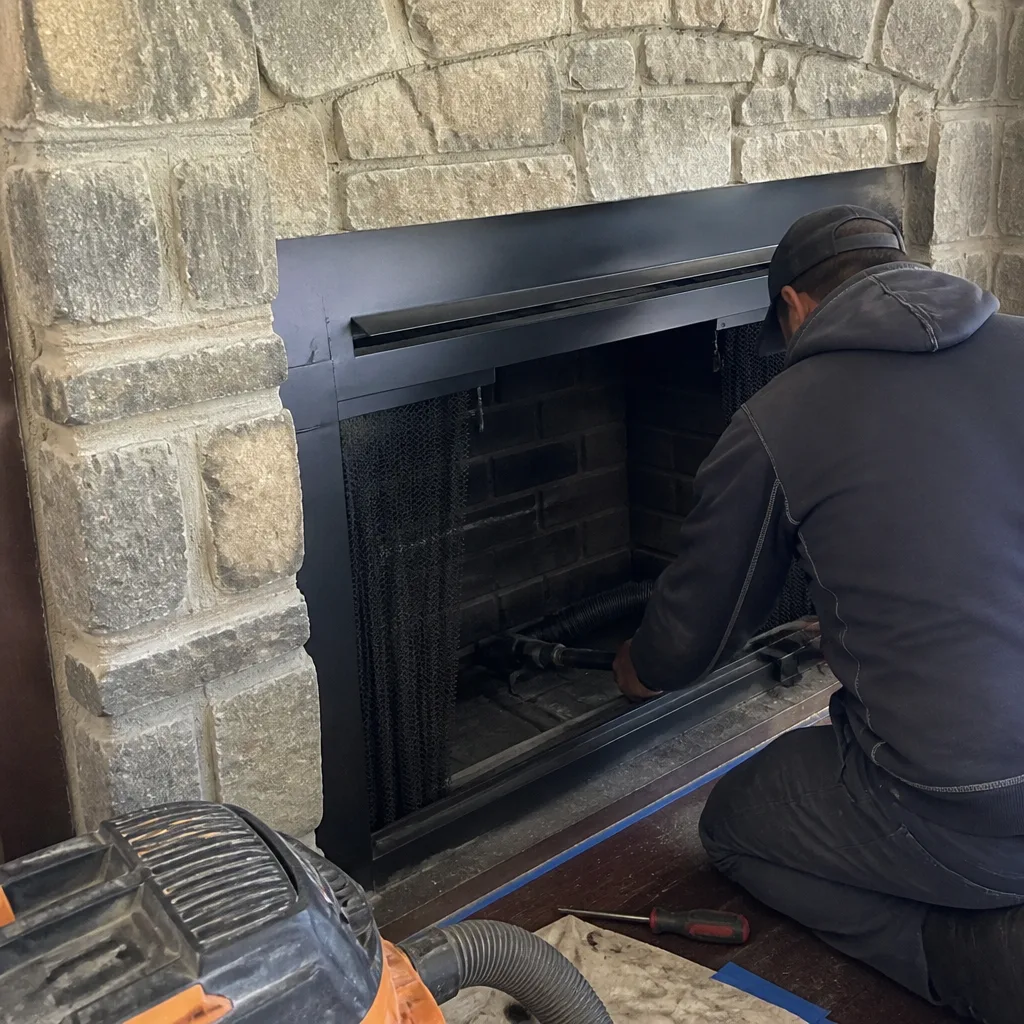 After
AfterHeatShield Flue Liner Replacement: The Manhattan Owner’s Guide
We stock and install HeatShield-compatible flue liner replacement systems in Manhattan, with most installations running between $2,800 and $5,400 depending on flue height, access, and whether a CeaseFire or standard system is called for. We keep common HeatShield component kits on our trucks, and most Manhattan condo and co-op jobs are completed in a single day once we’ve confirmed measurements. HeatShield liner sections most often fail at the joints, or where the liner meets the appliance connector, and owners typically discover it when a visual inspection turns up a gap, a stain, or a section of liner that’s split or separated.
If a camera scan flagged HeatShield failure in a Manhattan chimney, here’s what we know from replacing these systems across the five boroughs: the liner itself is not always the problem. The appliance connector, the cementitious insulation working loose, or a section that never got properly sealed are the common culprits. Before we talk about a full liner replacement, we always put a camera down the flue to see exactly which component failed, and we hand you the footage before we quote anything. The camera doesn’t guess. Neither do we.
Key Takeaways
- HeatShield liner replacement in Manhattan typically runs $2,800 to $5,400 installed, written quote before any work starts.
- Most jobs are done same day once measurements are confirmed and the failed section is identified.
- We are an independent service provider, not affiliated with HeatShield. We stock genuine HeatShield-compatible components plus equivalent DuraFlex and Gelco parts.
- Every job includes a camera-scan inspection, documented photo record, and the 365-Day Done Right Promise.
Which HeatShield Models This Applies To
HeatShield has been manufactured in several iterations since the 1980s, and not every HeatShield flue liner system uses the same replacement parts. The newest series uses interlocking stainless steel sections with a ceramic insulation blanket, while older systems often used a poured cementitious mix around a steel core. In a Manhattan rowhouse or prewar apartment line, we commonly see the older poured version, and the failure pattern there is usually either a failed joint near an offset or a liner that’s separated from the masonry at the smoke chamber.
To identify what you have before calling, check for a manufacturer’s data plate near the appliance, usually on the flue collar, where the series code and diameter are stamped. Most Manhattan jobs involve nominal 6-inch or 8-inch diameters, but much depends on the BTU load and whether this vent serves a furnace, a boiler, or a water heater. The OEM-vs-aftermarket decision here matters less than people think: HeatShield’s parts are well made, but Gelco and DuraFlex make equivalent sections that are listed to the same UL 1777 standard and are sometimes easier to source for older Manhattan flue dimensions. We will tell you plainly if a genuine HeatShield part is worth the premium or if an equivalent does the same job for less.
Signs Your HeatShield Flue Liner Replacement Is Failing
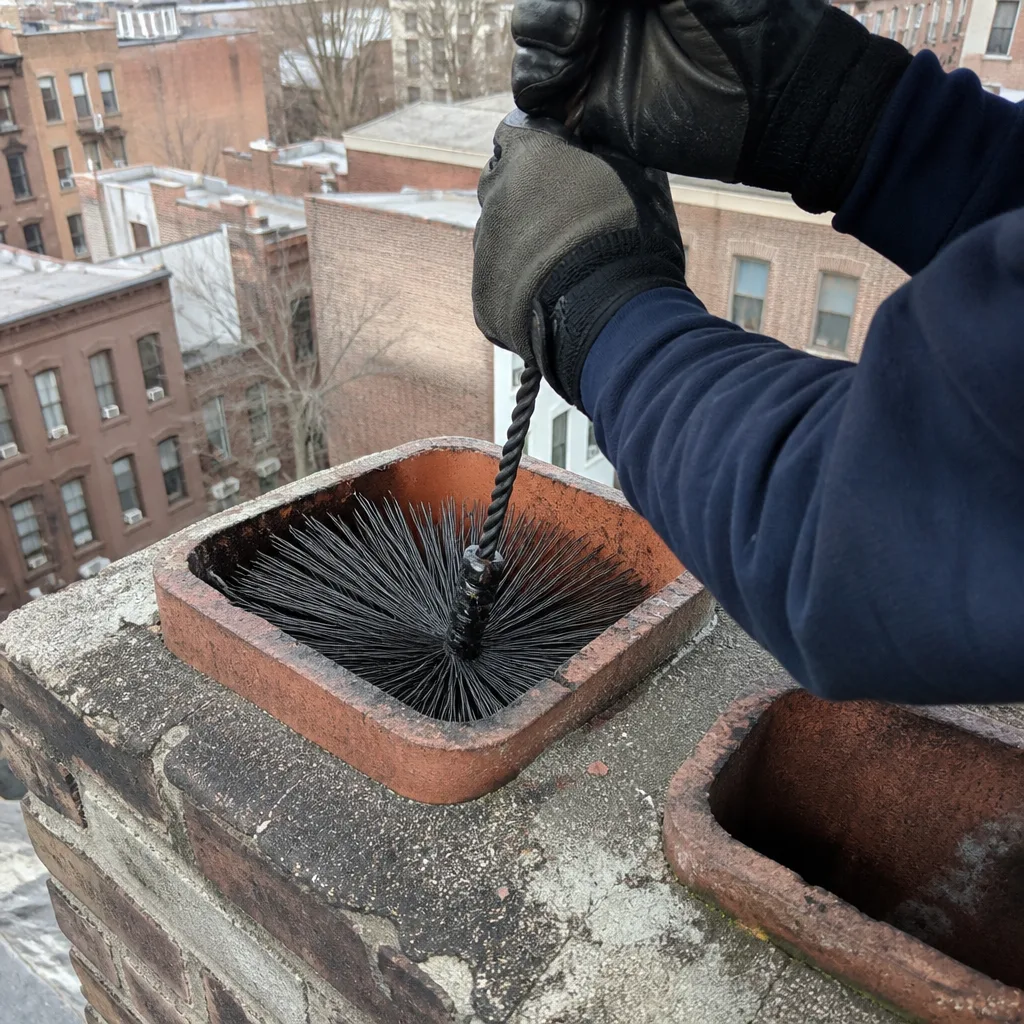
- Rust staining on the masonry or ceiling below the flue. Condensation or flue gas escaping through a joint causes moisture and oxidation that shows up as brown stains. The joint gap lets combustion by-products into the chase, and the liner is no longer containing the vent stream the way it should.
- A smell of oil or gas exhaust near the boiler or furnace. Flue gas smell inside the mechanical room means venting is spilling somewhere between the appliance and the roof. On a HeatShield system, that’s often a failed connector joint or a liner section that has shifted out of alignment.
- Spalling or cracked mortar around the flue. Heat and moisture escaping through a liner gap eventually degrade the surrounding masonry. When we see spalling brick or soft mortar near a HeatShield flue, we almost always find the liner breach within a few feet.
- A failed draft test or inconsistent burner flame. A boiler or furnace that doesn’t draft correctly may have a liner obstruction, a separated section, or a block at the termination. A draft reading out of range is an objective reason to camera the flue before any liner part is ordered.
- Visible liner separation on a previous camera report. Sometimes the only symptom is a report telling you a joint is open or a section is cracked. That is enough, and we treat a photo record as a legitimate reason to pull a permit and plan the replacement.
BeforeAfterReplacement Cost & What’s Included
HeatShield flue liner replacement in Manhattan runs between $2,800 and $5,400 installed. The spread comes from three things: flue height (a five-story prewar building runs a longer liner than a three-story brownstone), access (roof staging adds labor), and the diameter required for the appliance’s BTU rating. A standard gas furnace on a 6-inch liner in a typical Manhattan co-op or townhouse usually lands between $3,100 and $4,000.
Every quote is delivered in writing before any work begins, and it breaks out the liner components, the insulation, the connector, and the labor separately. That’s Clause 1 of the Haven Standard: a written price, written scope, and written warranty before anyone touches the flue. The work itself carries the 365-Day Done Right Promise, and the final photo record is included, as it has been on every job since 2009. We understand Manhattan building insurance requirements and will provide the documentation your board or managing agent needs for their files.
DIY or Call Us?
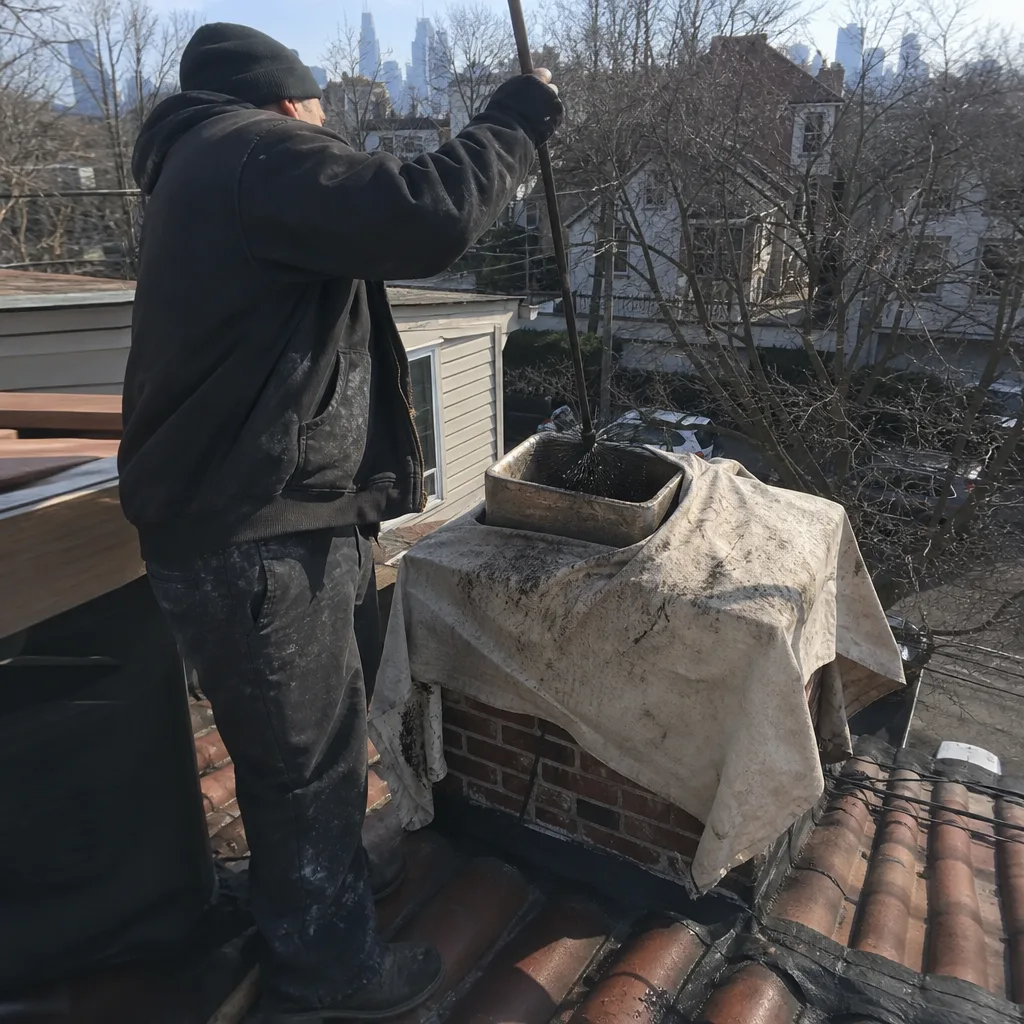
There’s a safe way for a Manhattan owner to engage with a failing flue liner, and an unsafe way. You can check for rust stains, note any smell near the mechanical room, and find the data plate on the appliance so you know your diameter and model before calling. That’s useful and we encourage it.
What you should not attempt is removing, patching, or repositioning sections of a flue liner yourself. This is a venting system for combustion gases, and a liner that isn’t sealed correctly can put carbon monoxide into living space. Flue liner work in Manhattan also often touches on building permits and DOB compliance. If the camera report shows a separated joint or a cracked section, call us at (862) 319-8047. We’ll walk you through what the next step is, and the estimate is free.
FAQs
Yes. We carry common HeatShield-compatible sections, connectors, and insulation kits on our Manhattan trucks, and we can get nonstandard sizes within days through our parts network. If you have the data plate details, we can confirm stock on the phone.
Sometimes a single failed joint or connector can be repaired without replacing the full length, especially if the liner sections themselves are sound. The only way to know is a camera-scan inspection, and we won’t recommend a full replacement unless the footage shows it’s necessary. You’ll see the same footage we do. Call (862) 319-8047 to schedule an inspection.
A properly installed HeatShield liner in a Manhattan flue can last 20 to 25 years, but Manhattan’s coastal humidity and the thermal cycling of high-efficiency appliances both accelerate wear at joints and connectors. Liners in NYC regularly fail earlier along the termination, where rain and freeze-thaw cycles hit hardest.
Most single-flue HeatShield replacements in Manhattan are done in one day once we have measurements and access confirmed. Taller buildings, roof staging, or unexpected masonry repairs can add a half day, and we’ll put that in the written scope before we start.
You receive a written record of the work: the scope, the price, the warranty, and a photo record of the completed liner from the camera scan. That’s Clause 4 of the Haven Standard, and we’ve kept a documented record on every job since 2009. If your building is a co-op or condo, the managing agent can have the file for their records the day we finish.
Written by Corrine Halstead, Owner, Level Two Chimney Manhattan at Level Two Chimney Manhattan, serving Manhattan and nearby areas.