
Level 1 sweep and inspection to the NFPA 211 annual standard - flue, crown, cap, and flashing checked and photographed
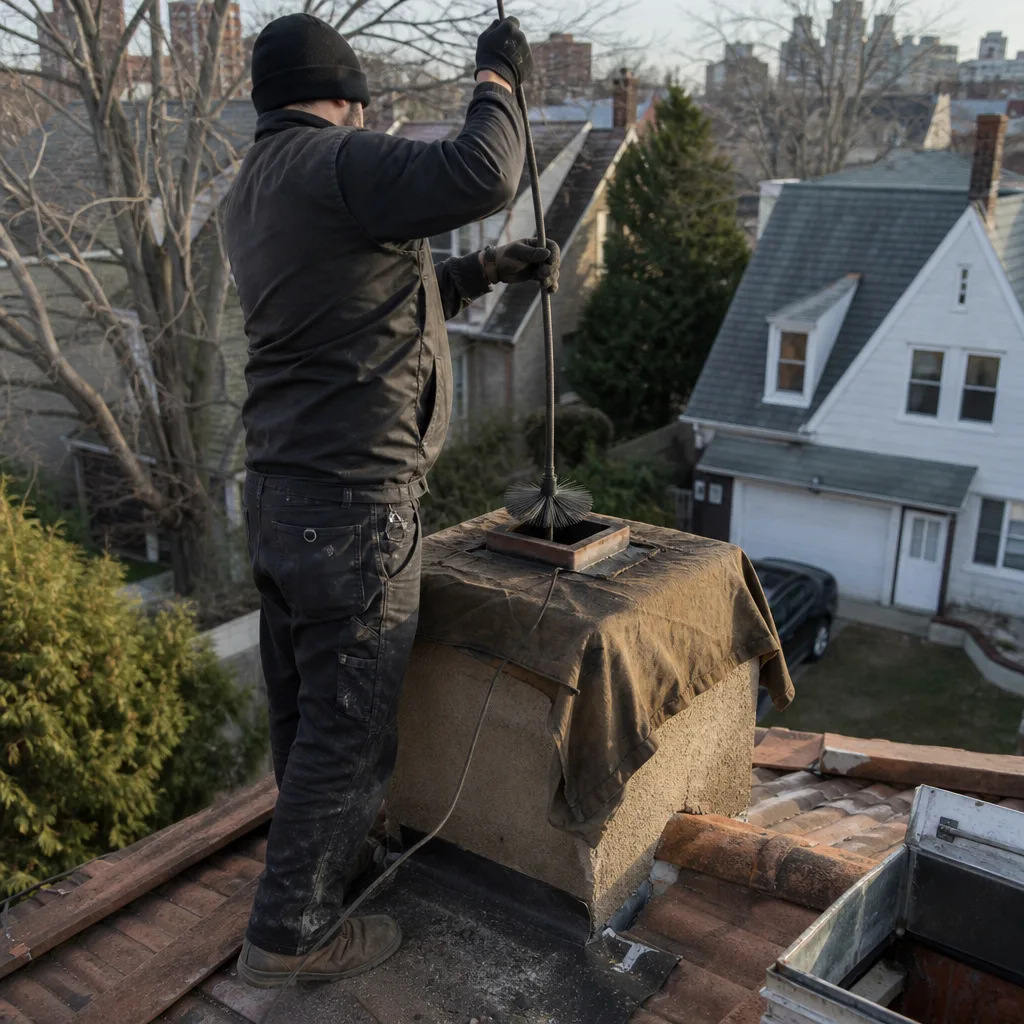
Chimney sweep logs do not sweep chimneys. They loosen some creosote - which then falls where a brush and vacuum still have to collect it.
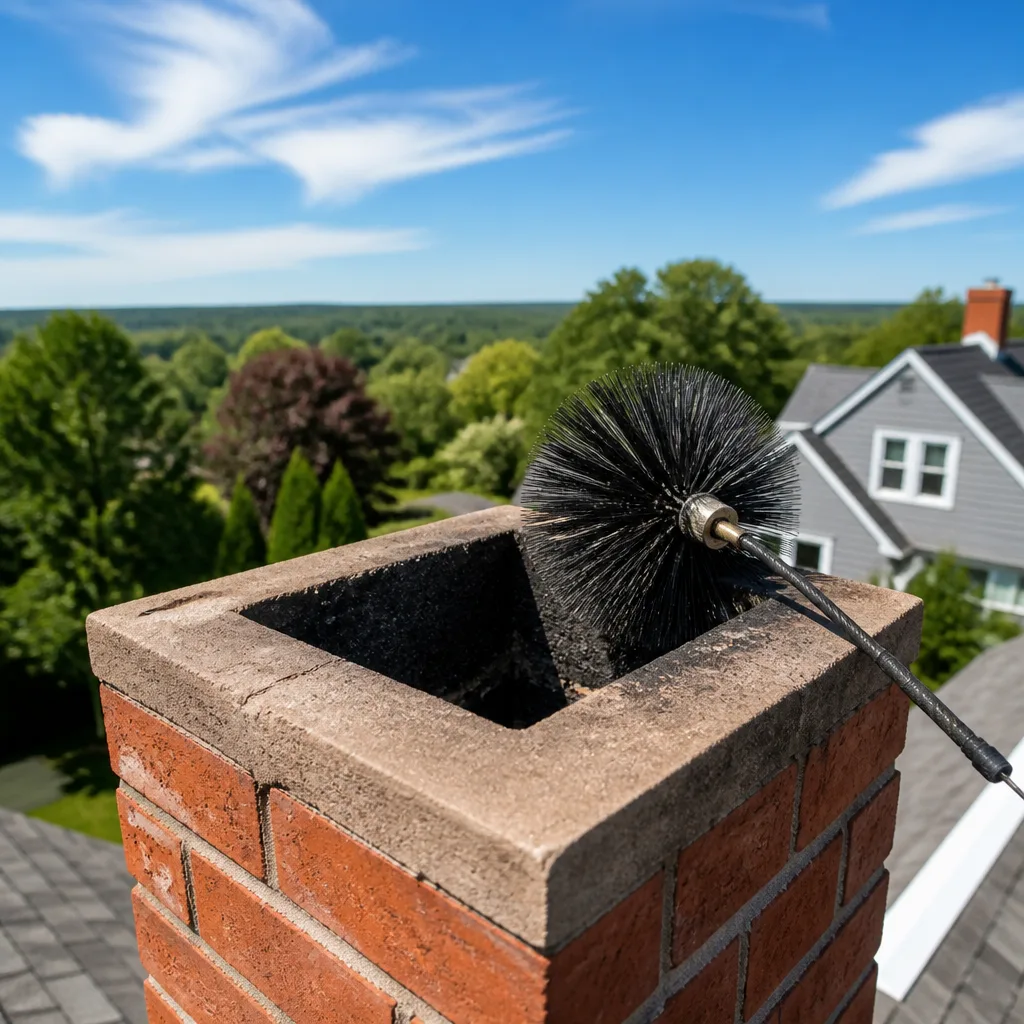
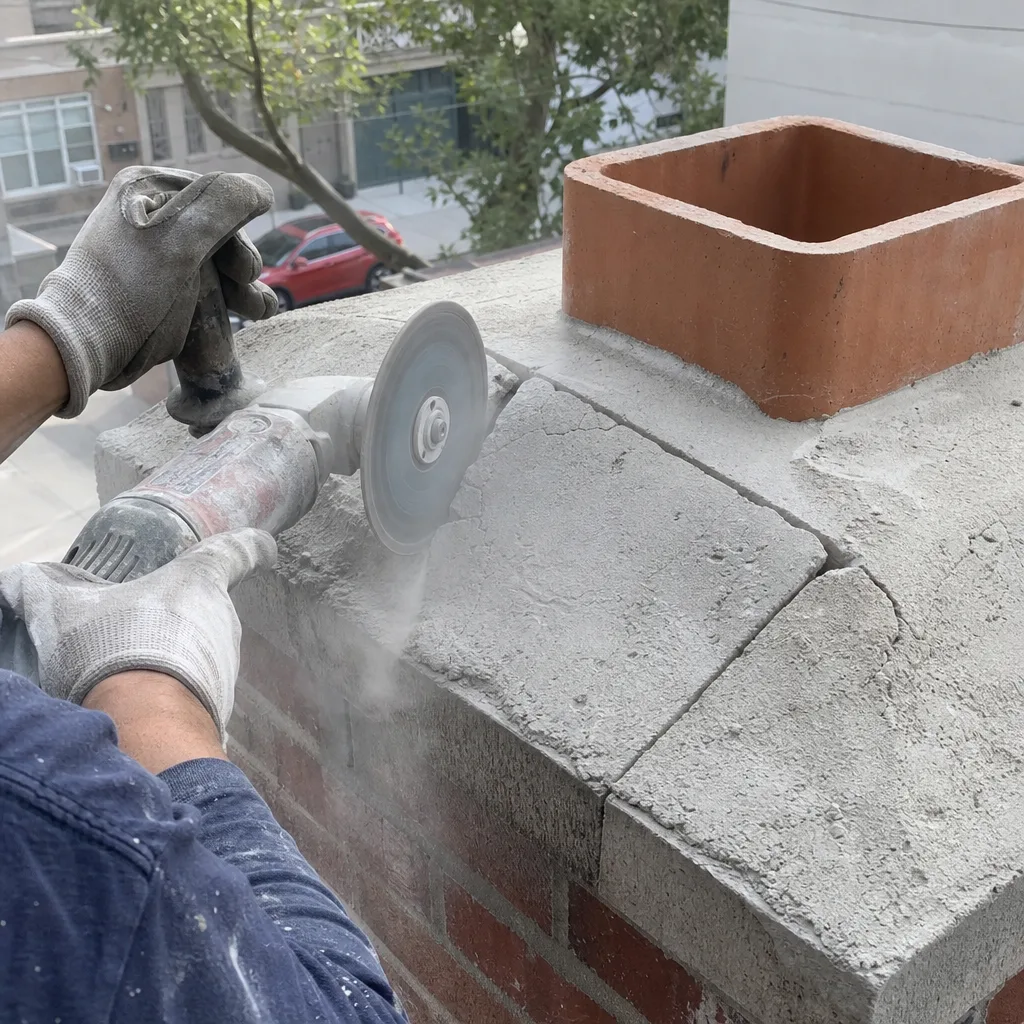
Caps & crowns
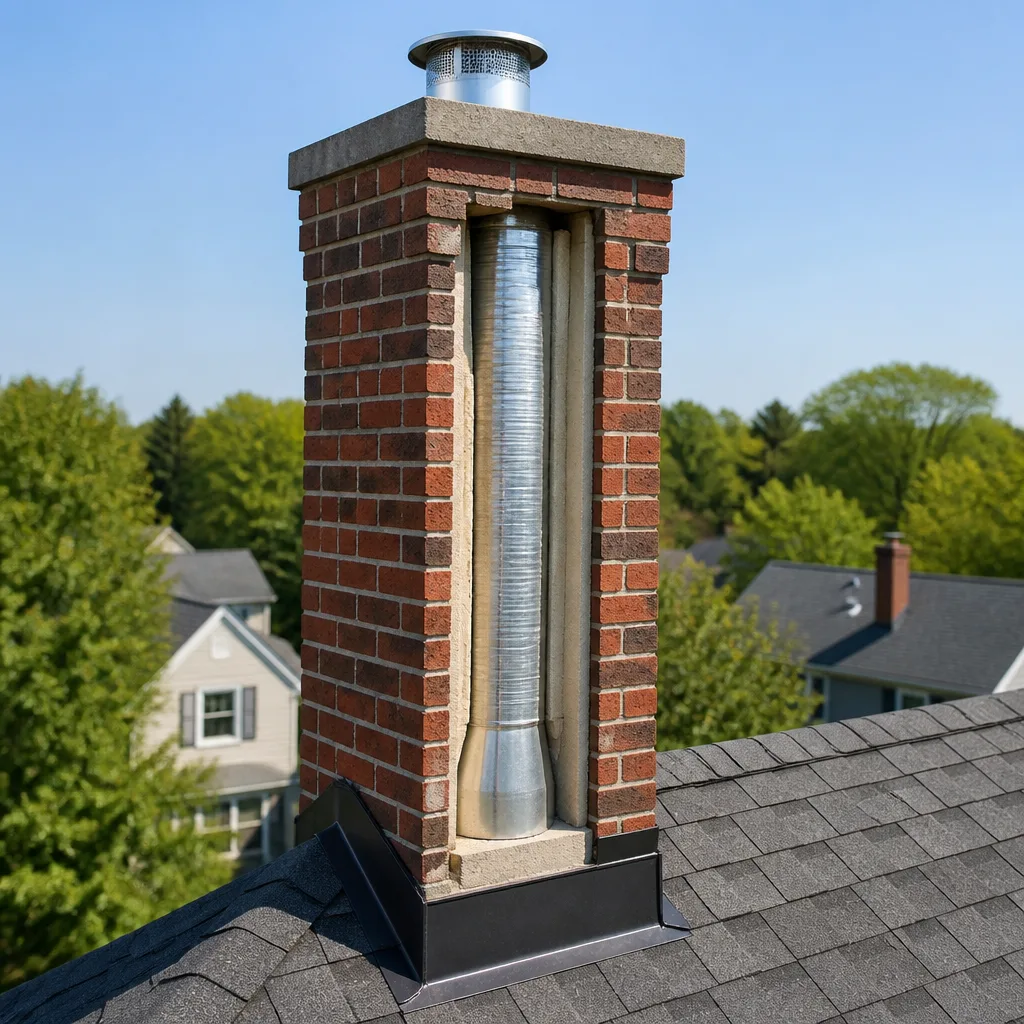
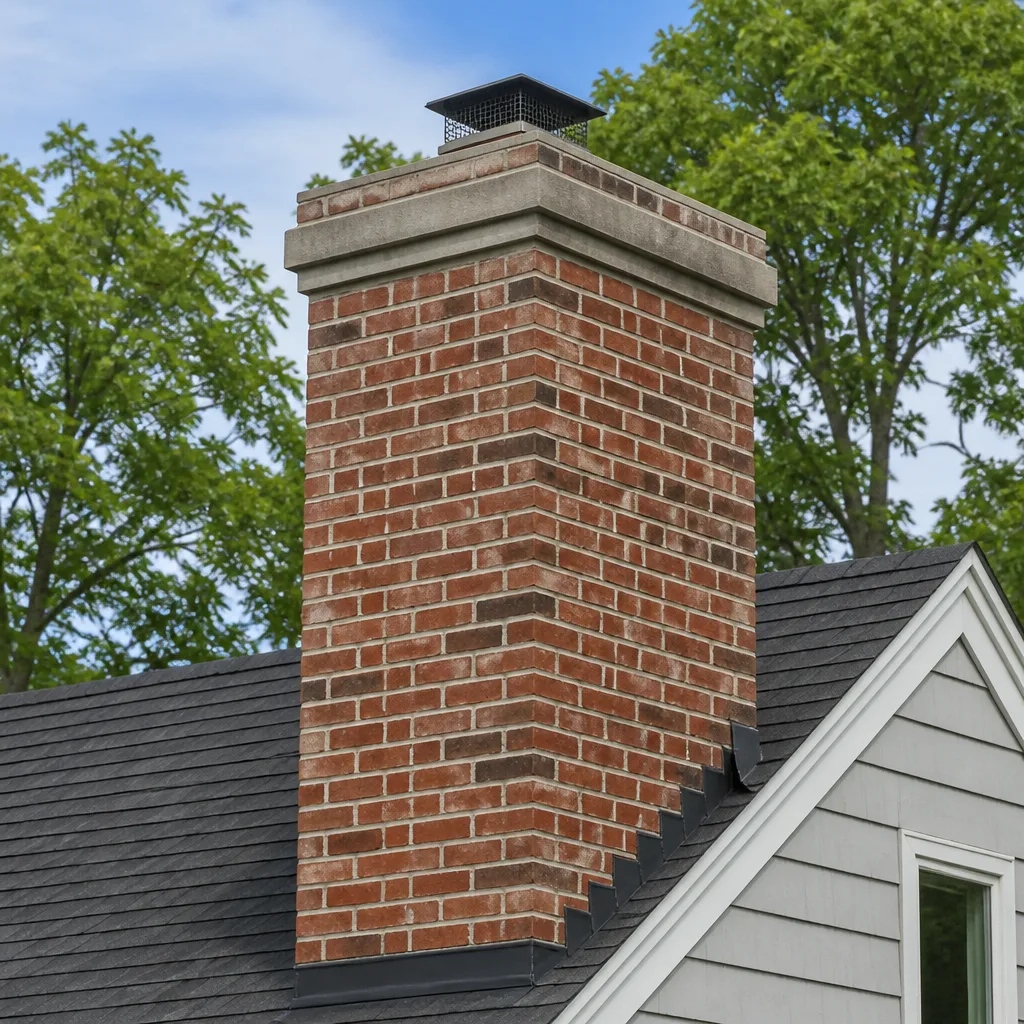
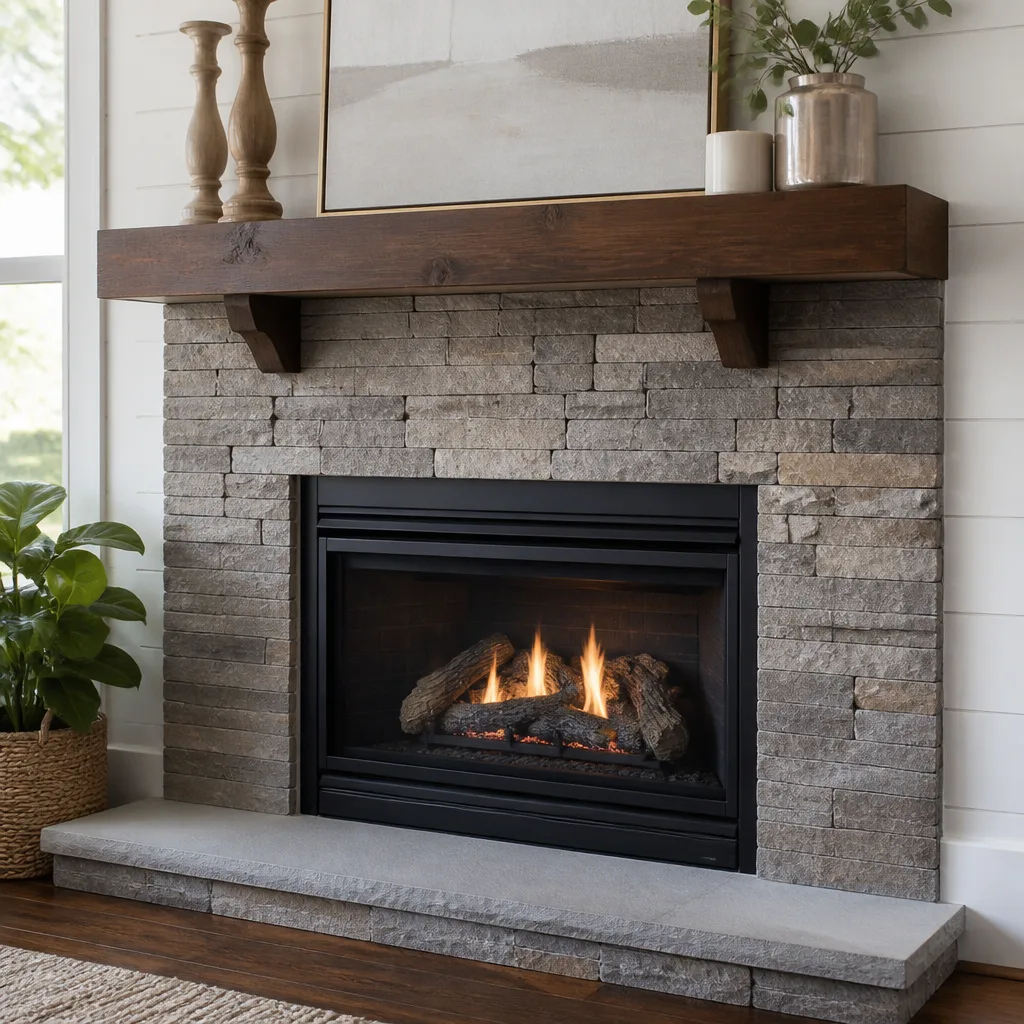
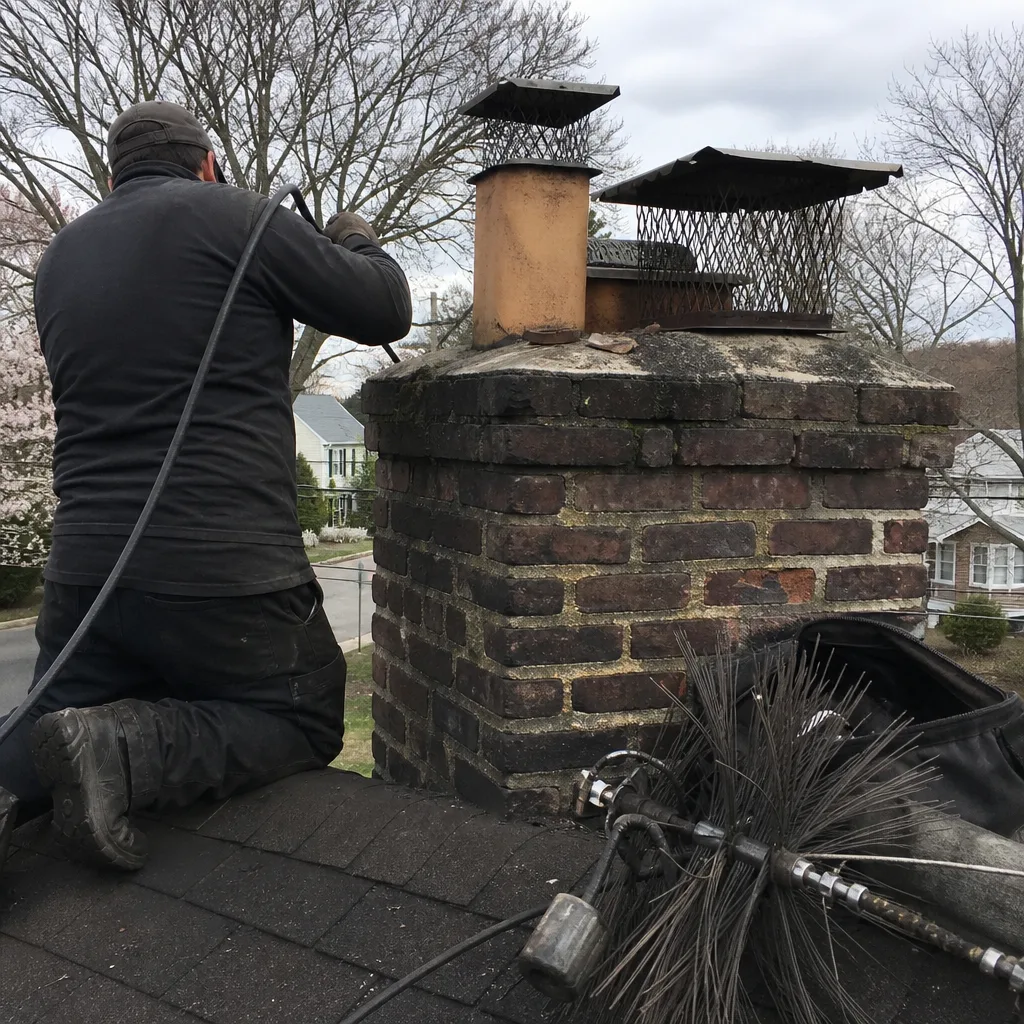 Before
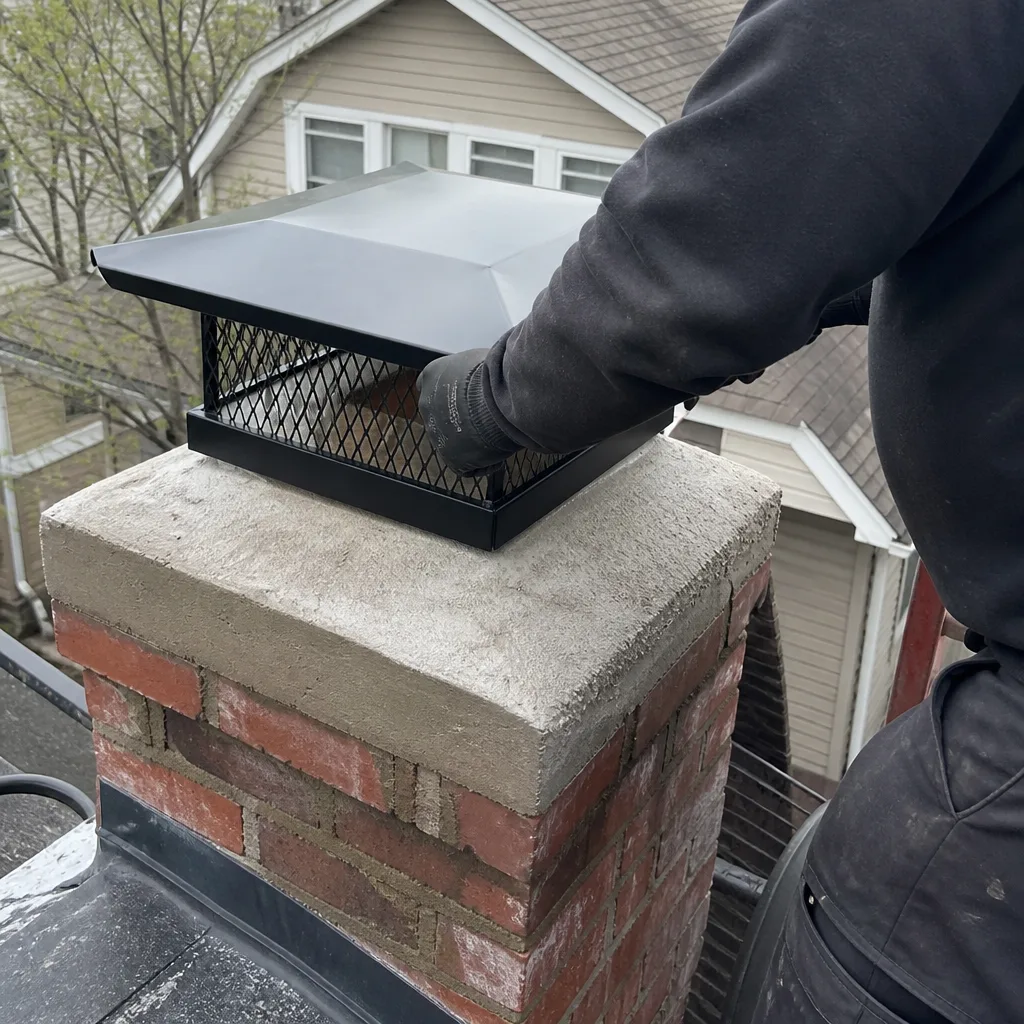 After
After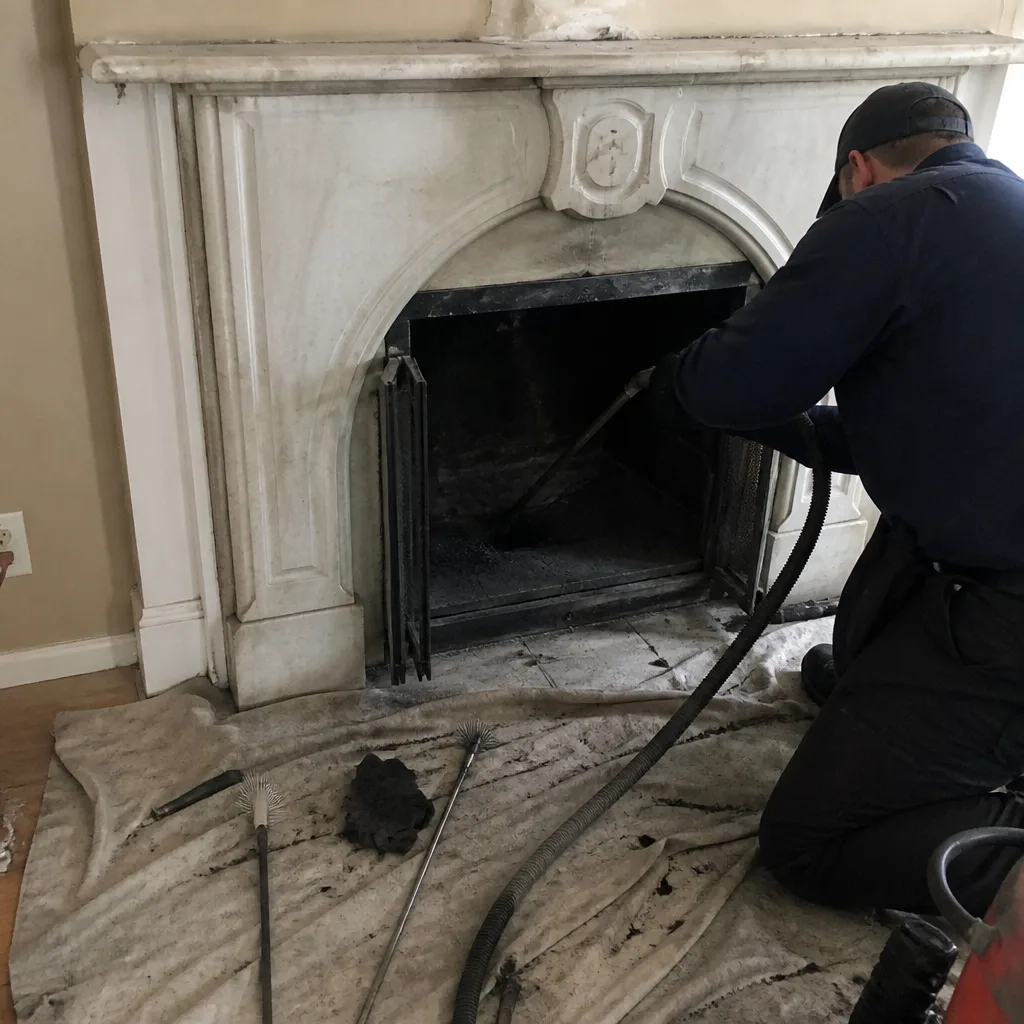 Before
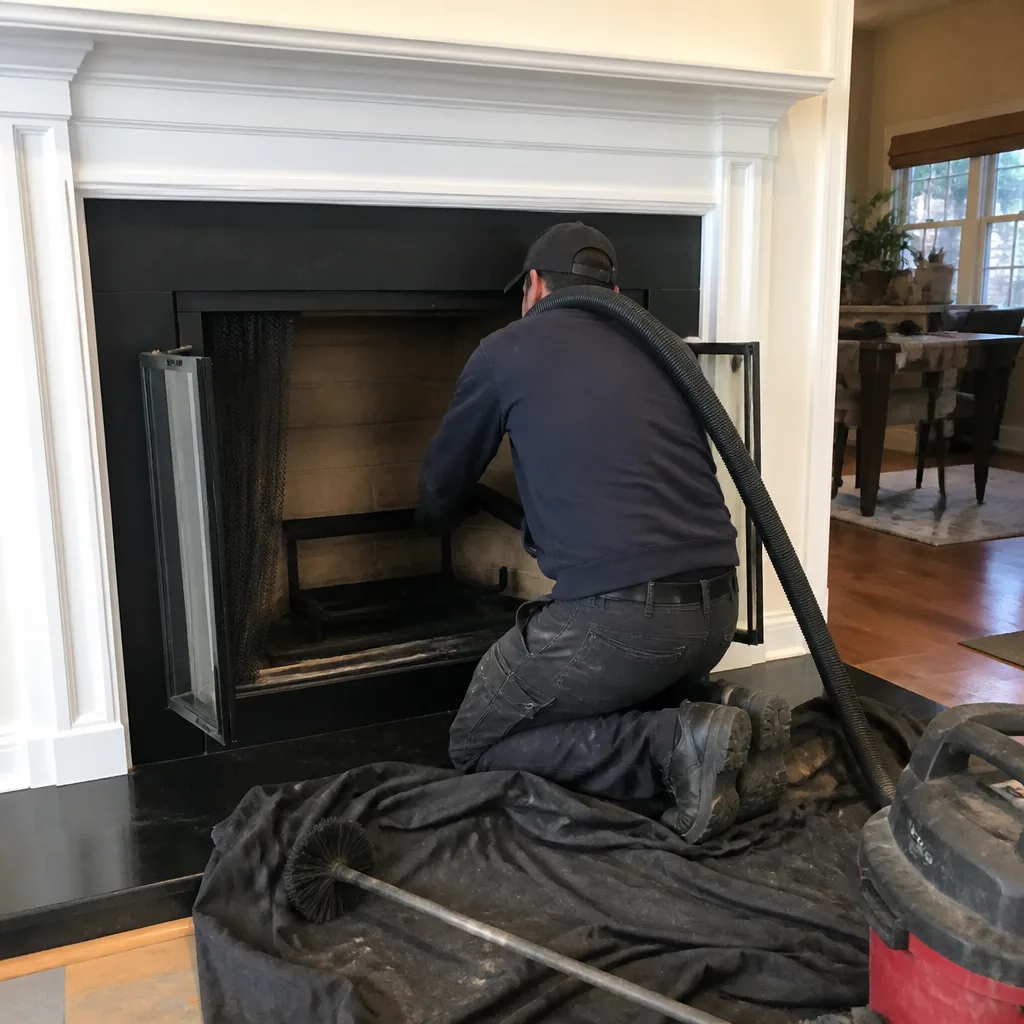 After
After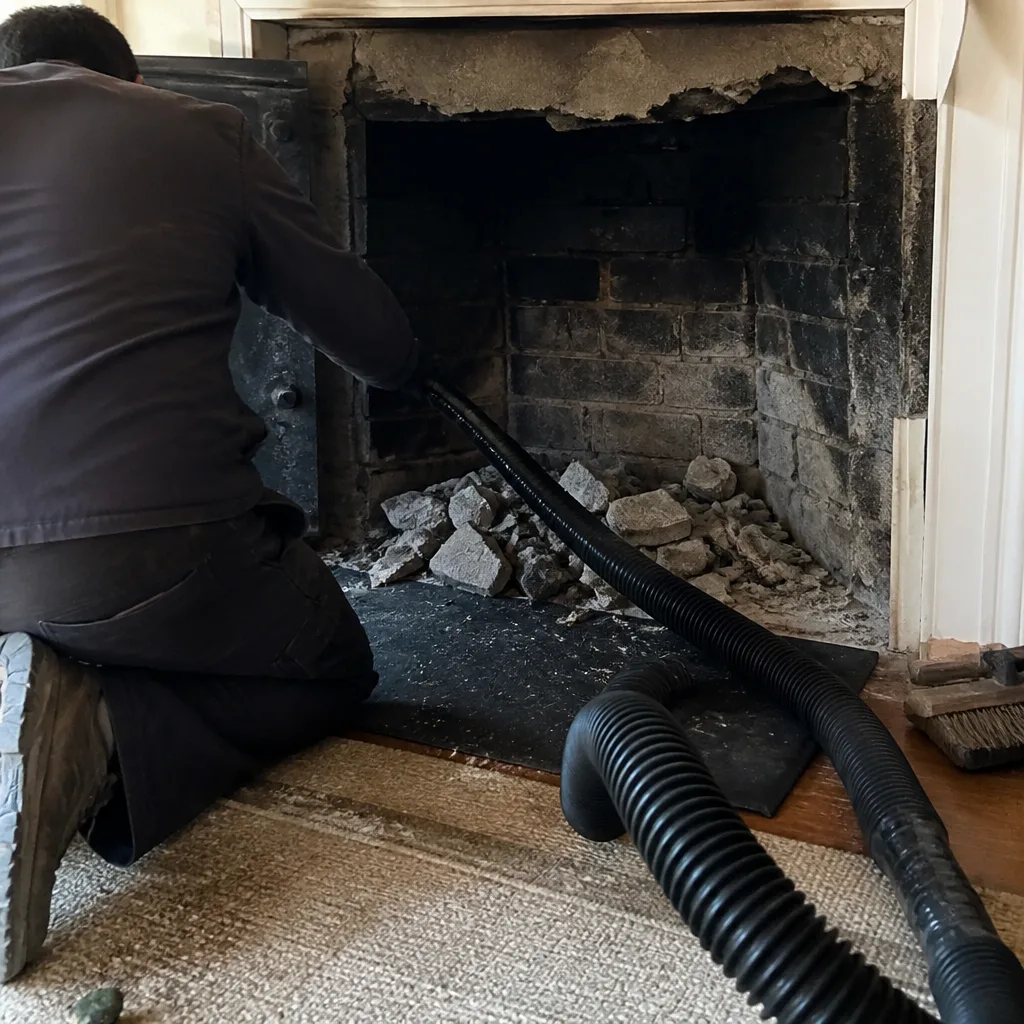 Before
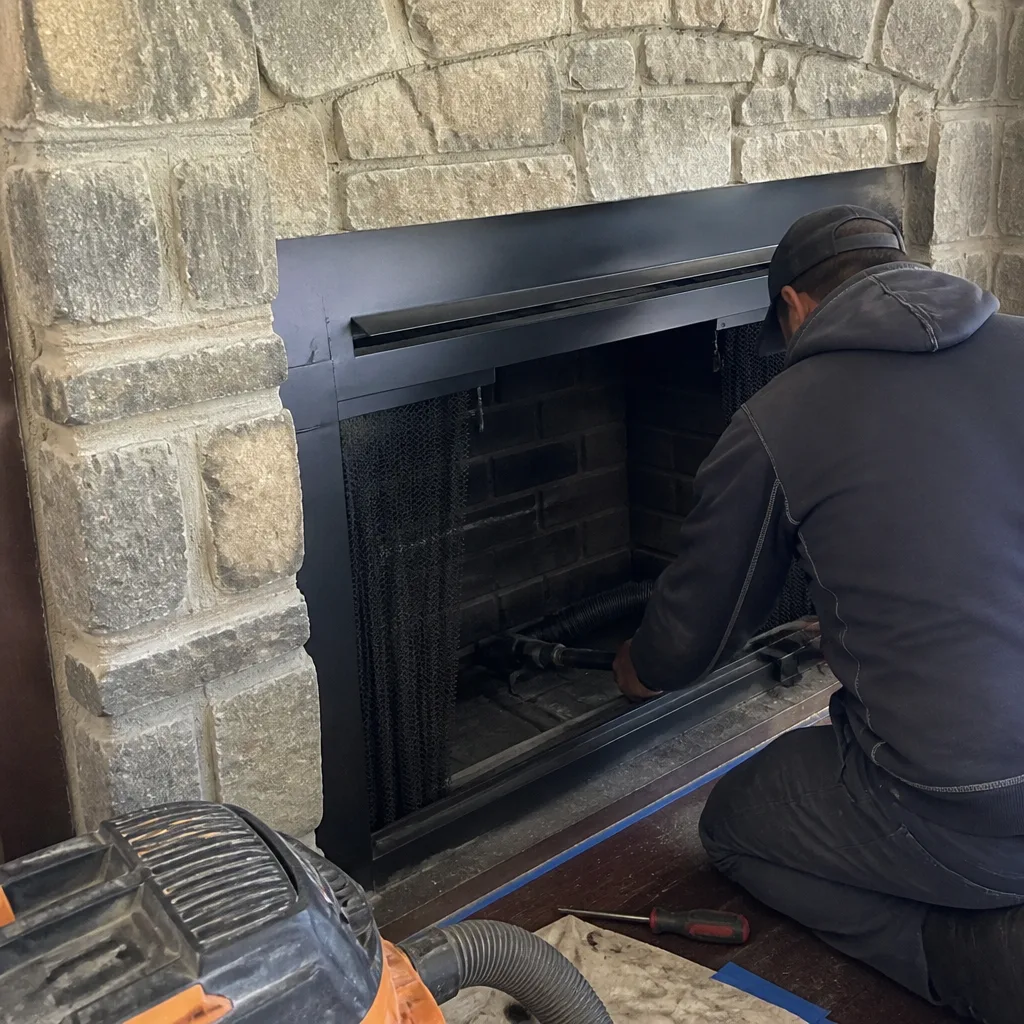 After
AfterWhy Manhattan Homeowners Choose HeatShield Chimney Cleaning
HeatShield service in Manhattan typically runs $249 to $389 for a standard sweep with a camera-scan inspection, and Level Two Chimney Manhattan performs this work as an independent provider, not an authorized dealer. What sets our HeatShield work apart is simple: we inspect the cerfractory surface with a camera before we ever put a brush to it, because HeatShield-coated flues demand different handling than raw terra cotta. You get a written price before work starts, a photo record when it’s done, and an honest read on whether your HeatShield surface is holding up or failing. Call (862) 319-8047 to book.
Manhattan’s chimney stock is unlike anywhere else in the country. Pre-war co-ops and brownstones dominate, and many of those original flues were relined with HeatShield systems over the past two decades. That means our crews see more HeatShield in a single month than most companies see in a year. We know how CeCure sleeving behaves in a 1920s flue tile run, where thermal cycling cracks the coating at offsets, and where rooftop access through a bulkhead door complicates a standard sweep. Corrine Halstead, our owner, has spent nearly twenty years running our Chimney Cleaning & Sweep services across Manhattan, including older co-op buildings along Riverside Drive where the flues hadn’t seen a brush since the Carter administration. She built this company on putting camera footage and a written price in front of a customer before asking them to sign anything. The camera doesn’t guess. Neither do we.
Why Trust Level Two Chimney Manhattan for Your HeatShield Chimney Cleaning?
Because we work on HeatShield-coated flues in Manhattan every week, not occasionally. Our technicians can identify the specific failure modes HeatShield systems exhibit in pre-war masonry: debonding at flue tile offsets, chalky surface degradation from moisture intrusion, and spalled cerfractory at smoke chamber parging. That familiarity means we don’t treat a HeatShield flue like a bare terra cotta flue. We adjust brush pressure, we watch for coating lift during sweep passes, and we camera-verify the entire surface after cleaning to document any new cracking or erosion.
We use genuine HeatShield cerfractory materials and their matching primers and topcoats on any repair. No generics. The chemistry has to bond to the existing cerfractory, and substituting an off-brand coating is how you get a repair that fails in one season. Corrine’s background in building systems technology from Bronx Community College, followed by almost twenty years of hands-on chimney and inspection work across Manhattan, means she can read a camera image and tell you in plain terms whether the HeatShield surface is serviceable or needs repair. Her crews are background-checked, uniformed, and every job gets a written scope and warranty before work begins. That’s Clause 1 of the Haven Standard, and it’s not negotiable.
Common HeatShield Chimney Cleaning Problems We Fix in Manhattan
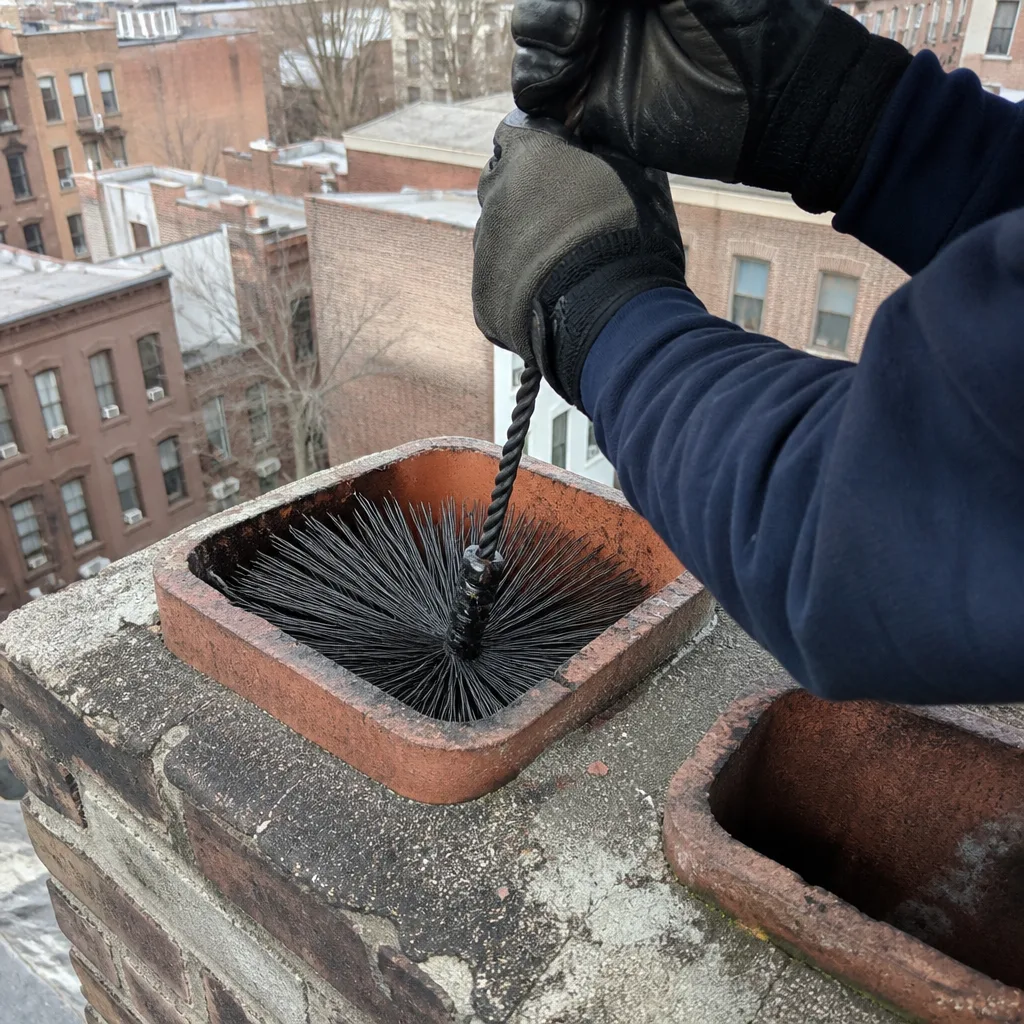
- Cracked or spalled cerfractory at flue tile joints after chimney fires. A chimney fire generates temperatures that can exceed the cerfractory’s thermal tolerance, leaving the coating cracked or separated at tile joints. In Manhattan pre-war buildings, we see this most often in flues that served coal originally and still carry layered creosote from later wood burning. We remove the damaged coating, key the substrate, and recoat with HeatShield’s joint repair system, then camera-verify the bond.
- Deteriorated smoke chamber parging flaking into the firebox. HeatShield’s Smoke Chamber Repair System was applied to smooth and seal the corbelled brick above the damper in thousands of Manhattan fireplaces. Over time, thermal cycling and moisture cause the parging to flake and drop debris into the firebox. We see this regularly in Upper West Side brownstones where the original smoke chamber brick was never properly parged before the HeatShield application. The fix requires removing loose material, re-keying the surface, and applying fresh cerfractory.
- Gaps at flue tile offsets where HeatShield sealant has eroded from thermal cycling. Flue tile offsets are the angled transitions between vertical tile sections. Every heating cycle expands and contracts the tile, and over years that movement stresses the sealant at the offset joint. In Manhattan’s older buildings, where flues run through unheated chases, the temperature swing is more extreme. We identify these gaps during camera inspection, before they become a path for flue gas leakage into the building envelope.
- Chalky or powdery HeatShield surface from moisture intrusion through a cracked crown. When a chimney crown cracks, rainwater enters and saturates the flue wall. HeatShield cerfractory is water-resistant but not waterproof; prolonged moisture exposure causes surface degradation that feels chalky to the touch and shows as whitish dust during a sweep. We address the crown first, then assess whether the cerfractory needs spot repair or full recoating.
- Debonded CeCure sleeve at the second or third flue tile offset. On East 72nd Street, our tech found a HeatShield CeCure liner that had debonded at the second flue tile offset, leaving a hairline gap leaking into the chase. We removed the loose cerfractory, keyed the surface, and recoated with HeatShield’s joint repair mix, then camera-verified the seal before the owner lit their first fire of the season. Debonding at offsets is the most common CeCure failure we document in Manhattan, and it’s almost always caused by improper surface preparation during the original installation.
BeforeAfterHeatShield Parts & Our Repair-vs-Replace Approach
HeatShield systems are built around cerfractory material: a ceramic and refractory blend that bonds to existing flue tile surfaces. When we repair HeatShield, we use genuine HeatShield cerfractory and the manufacturer’s matching primers and topcoats. The chemistry matters. A generic cerfractory substitute won’t bond properly to the original coating, and you’ll have a repair that spalls off within a season or two. We keep HeatShield joint repair mix, smoke chamber parging material, and topcoat in stock at our Manhattan shop, so most repairs happen in one visit without waiting on a shipment.
Our decision on repair versus replace is straightforward: if the underlying flue tiles are structurally intact and only the coating is compromised, we repair with genuine HeatShield material. If the tiles themselves are cracked, shifted, or missing sections, we say so plainly and recommend a rebuild or a stainless liner rather than coating over failing masonry. Cerfractory is not a structural fix. It’s a surface sealant. Coating over compromised tiles hides the problem and buys you a few years at most before flue gas finds a new path. We won’t do that. For an exact quote on your specific flue, call (862) 319-8047 and we’ll get a camera in there.
Our HeatShield Service Process - Step by Step
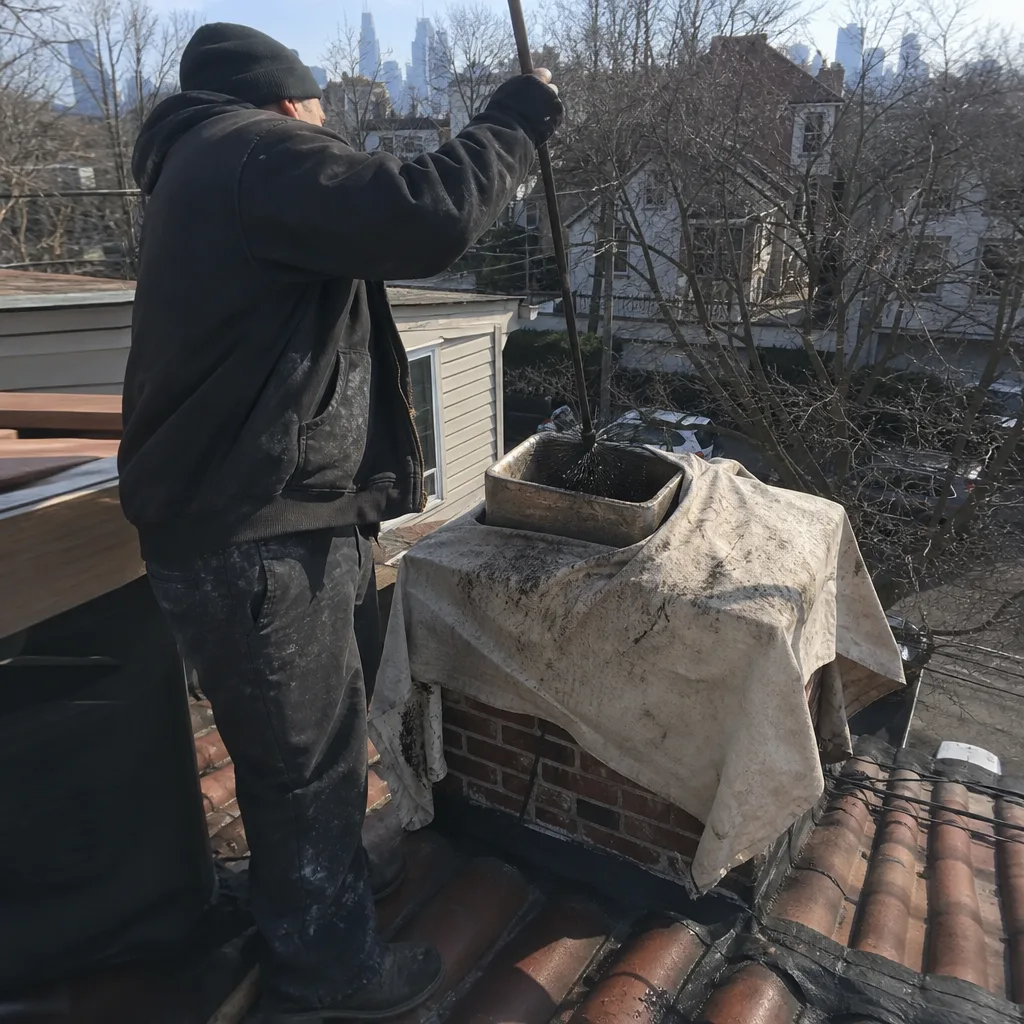
- 1
Camera inspection first. We run a Level 2 camera-scan of the full flue, checking every tile offset, the smoke chamber, and the crown from the roof side if accessible. For HeatShield-coated flues, we’re looking specifically at coating integrity, offset joints, and any surface discoloration that indicates moisture or heat damage. You see the footage. Clause 4 of the Haven Standard requires this photo record on every job, and it’s been our default since 2009.
- 2
Written diagnosis with a fixed price. We document what we found in writing: coating condition, joint gaps, creosote class, moisture readings. Then we give you a written scope and price before any work starts. No verbal estimates, no surprise add-ons after the tech is already on your roof.
- 3
Sweep adjusted for HeatShield. We brush with pressure calibrated to the coating’s condition. A HeatShield surface that’s bonded well can tolerate standard sweeping; one that’s started to chalk or lift needs a gentler pass and targeted spot repair afterward. We creosote-remove with the appropriate tools for the deposit class we found on camera.
- 4
Repair or recoat as indicated. If the camera showed debonded sections, joint gaps, or deteriorated parging, we address those with genuine HeatShield cerfractory material in the same visit whenever possible. Then we recoat and let it cure to manufacturer spec before the flue goes back into service.
- 5
Final camera verification and written warranty. We run the camera again after the repair to confirm the seal, then hand you the photo record, the written scope, and the written warranty. If anything’s not right within 365 days under our Done Right Promise, we make it right. No invoice games.
HeatShield Products We Service & Install in Manhattan
We service and install the full HeatShield product line: the CeCure Sleeve Relining System, the Joint Repair System, the Smoke Chamber Repair System, and Custom Flue Repair applications. CeCure is the most common system in HeatShield Chimney Cleaning in Morningside Heights, NY and similar pre-war flue configurations, where it’s used to restore deteriorated terra cotta tile runs without demo. We stock joint repair mix and smoke chamber parging material locally for fast turnaround on repair work across Manhattan. For any HeatShield product question specific to your building’s flue configuration, call (862) 319-8047.
We Also Service These Brands
HeatShield is one system we know deeply, but it’s not the only one. We also service and install DuraFlex stainless steel liner systems and Gelco chimney products across Manhattan. If your flue isn’t a good HeatShield candidate, we’ll tell you and quote the alternative in writing. We’re multi-brand by design; our job is to match the right system to your flue, not to push one product line.
FAQs - HeatShield Chimney Cleaning Service in Manhattan
No. HeatShield cerfractory is designed to bond to masonry flue tile surfaces, not to stainless steel. If you have a stainless liner that’s failing, the right move is liner repair or replacement, not a cerfractory coating. During our camera inspection, we’ll identify what’s actually in your flue and recommend the repair that fits. Call (862) 319-8047 to schedule an inspection.
That chalky texture is a sign of moisture intrusion reaching the cerfractory coating. Usually the source is a cracked crown, failed flashing, or an uncapped flue allowing rain to saturate the masonry. The coating degrades from prolonged moisture exposure, which is why we always check the crown and flashing before repairing the coating itself. Fixing only the surface without addressing the water source means you’ll be back in the same spot in two years.
Yes. A Level 2 camera inspection tells us whether the smoke chamber is the only problem or whether there’s damage higher in the flue that also needs addressing. Parging over a smoke chamber without checking the flue above is how you end up with a sealed lower section and a compromised upper section. We include the camera scan with every visit, so you get the full picture before any repair decision.
HeatShield’s Custom Flue Repair system is not a crown repair product. Crowns are built from concrete or mortar and need crown-specific repair or replacement. If your crown is cracked and letting water into the flue, coating the interior with cerfractory won’t stop the leak. We’ll quote the crown work separately and make sure the HeatShield surface inside stays protected from the moisture that caused the problem. Call (862) 319-8047 for a written price.
In our experience in Manhattan, early HeatShield repair failure almost always traces to one of three causes: the original surface wasn’t properly prepped before the repair, a generic coating was used instead of genuine HeatShield cerfractory, or the underlying flue tile was structurally compromised and no coating could have held. We camera-document the failed repair, identify which cause applies to your flue, and quote the correct fix in writing before touching anything.
A standard HeatShield Chimney Cleaning in Upper East Side, NY and throughout Manhattan with a Level 2 camera inspection runs $249 to $389. If the camera shows damaged cerfractory, spot repairs start around $400 and full smoke chamber re-parging runs $1,200 to $2,400 depending on access and condition. Every quote is written before work starts. Call (862) 319-8047 and we’ll schedule the camera inspection this week.
Book Your HeatShield Service in Manhattan, NY
You want a camera in your flue and a written price before anyone starts work. That’s exactly how we operate. Call (862) 319-8047 to schedule HeatShield chimney cleaning, a Level 2 inspection, or a repair quote in Manhattan. We answer live, 24/7.
Written by Corrine Halstead, Owner at Level Two Chimney Manhattan, serving Manhattan since 2009.