
Level 1 sweep and inspection to the NFPA 211 annual standard - flue, crown, cap, and flashing checked and photographed
Chimney sweep logs do not sweep chimneys. They loosen some creosote - which then falls where a brush and vacuum still have to collect it.
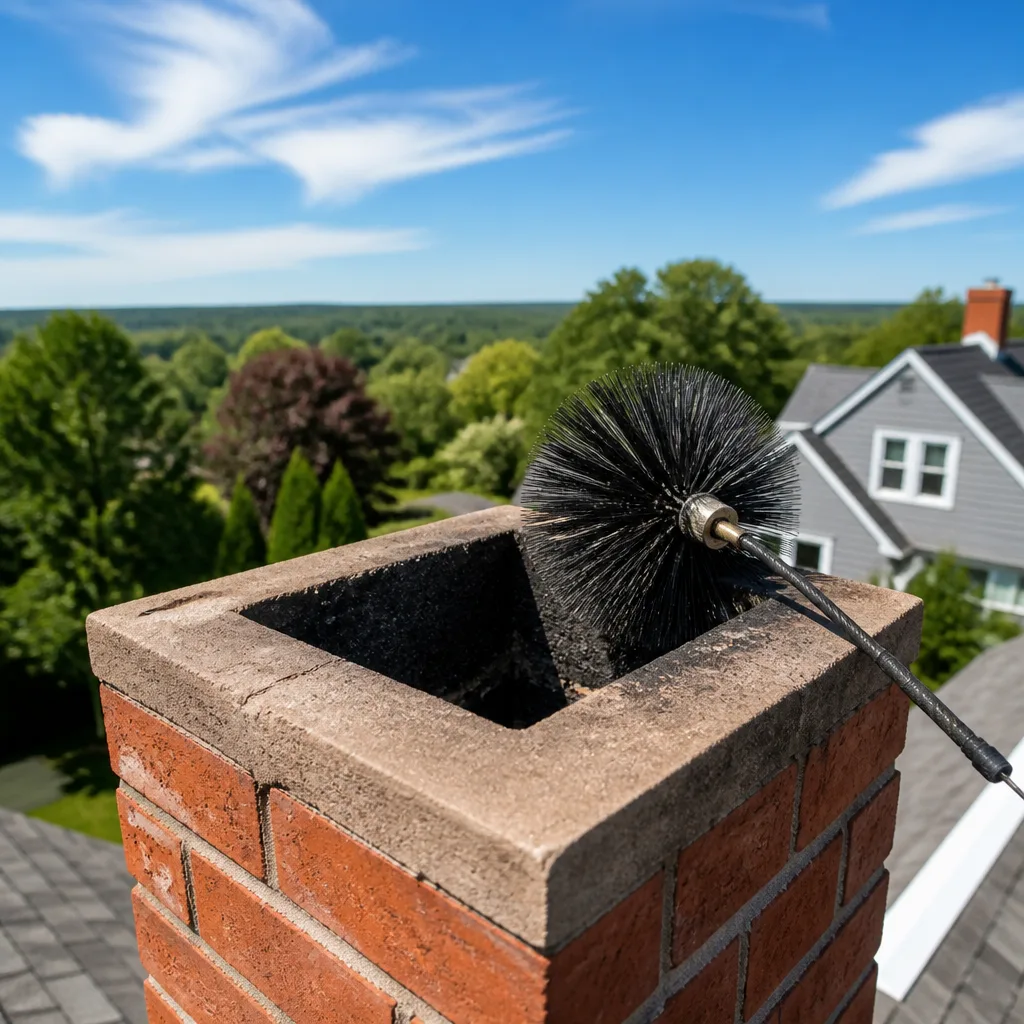
Caps & crowns
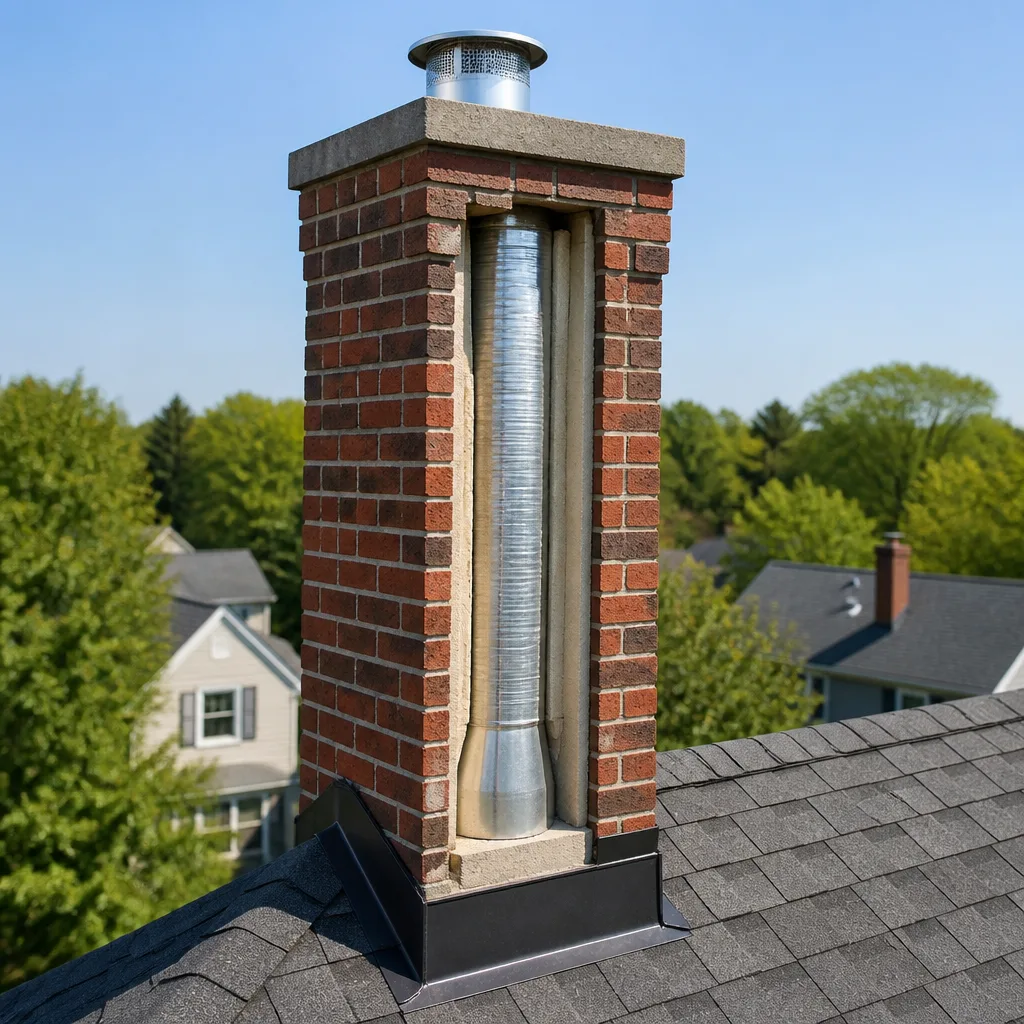
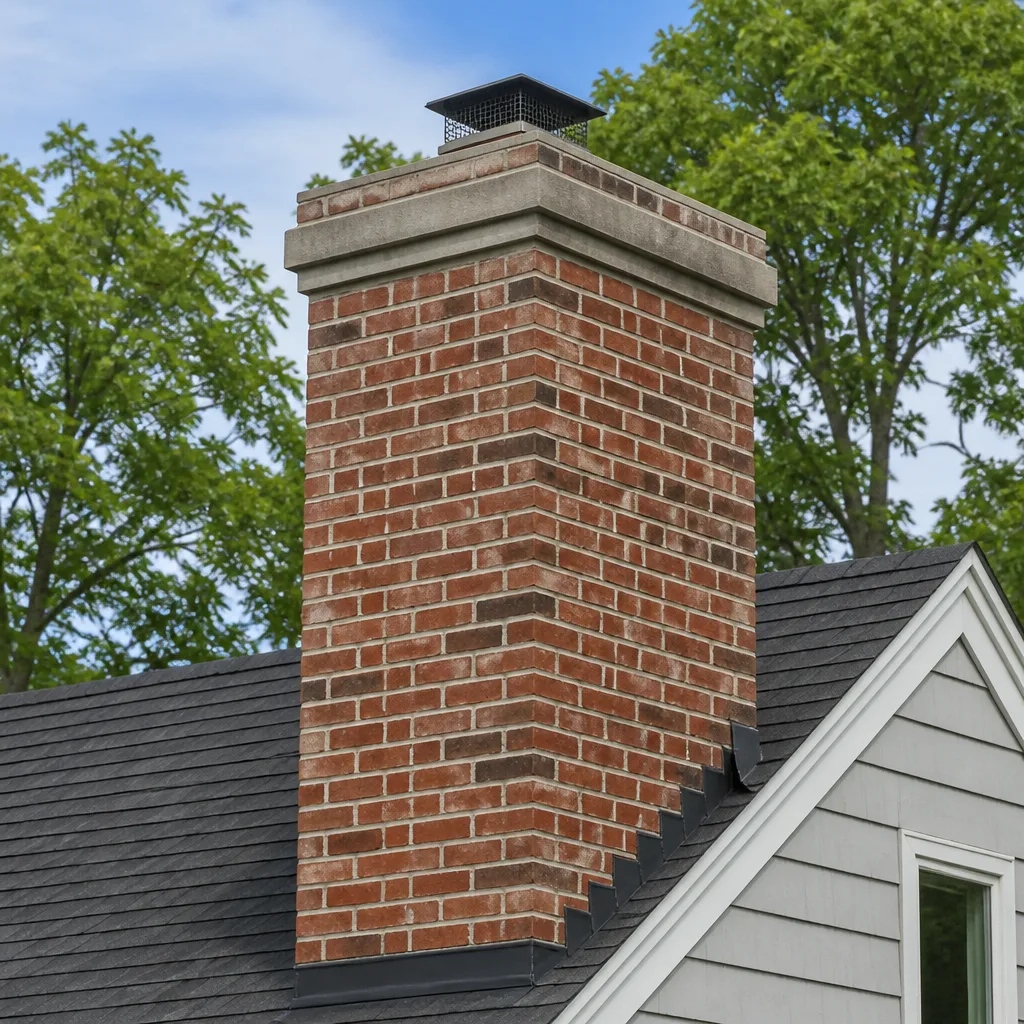
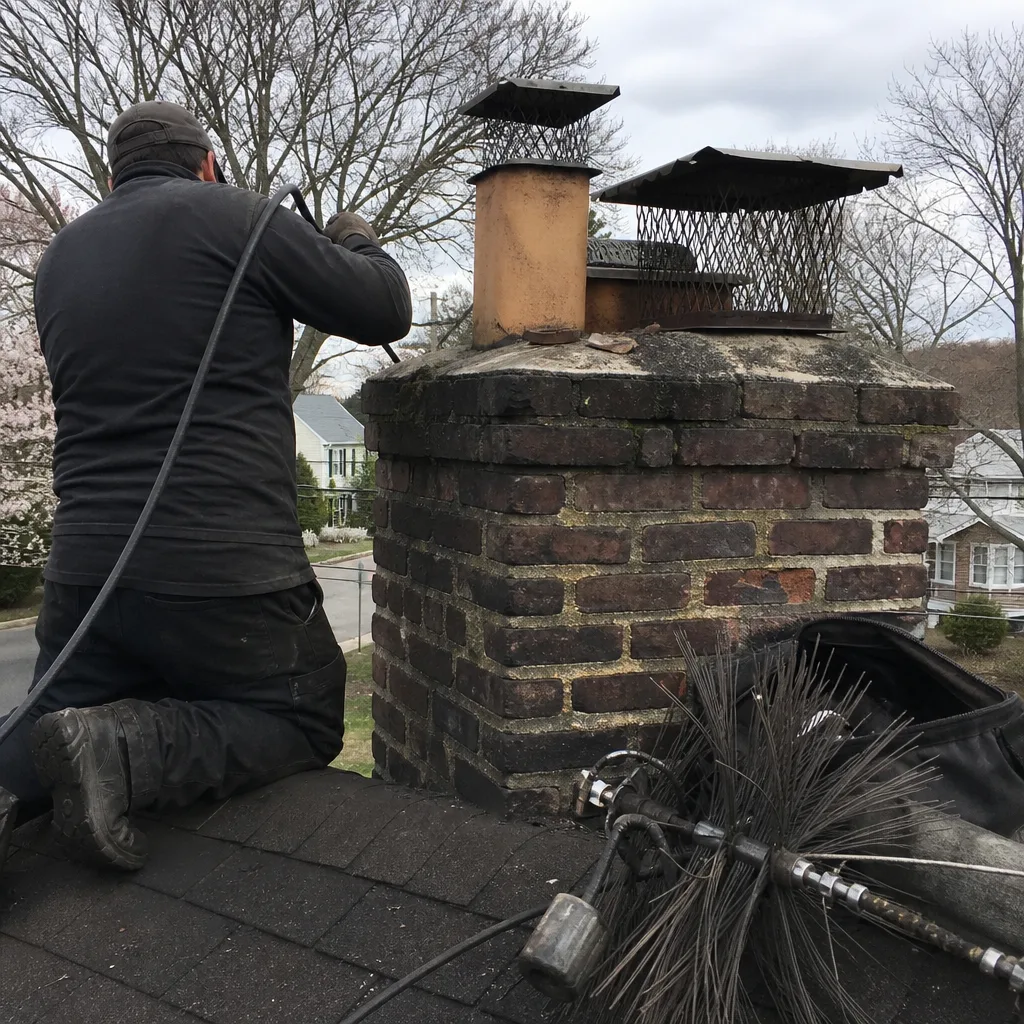 Before
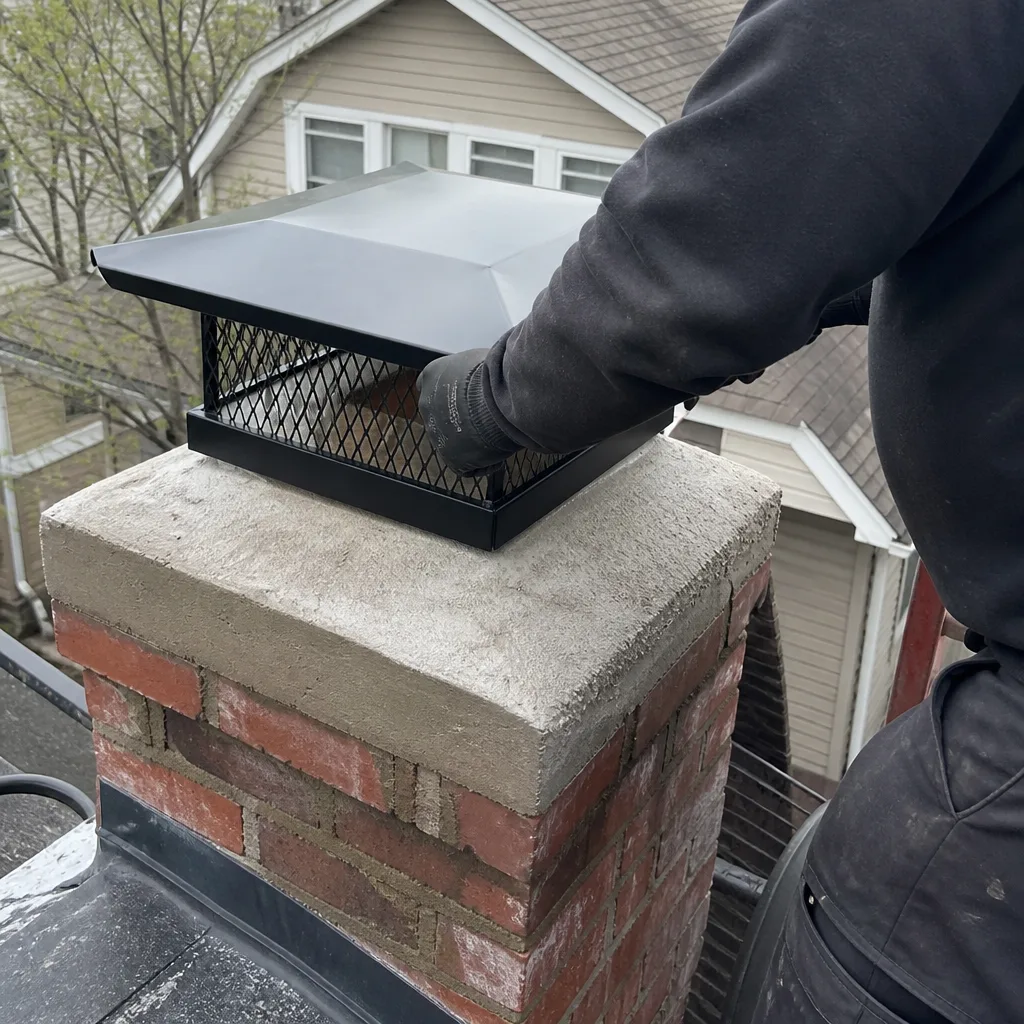 After
After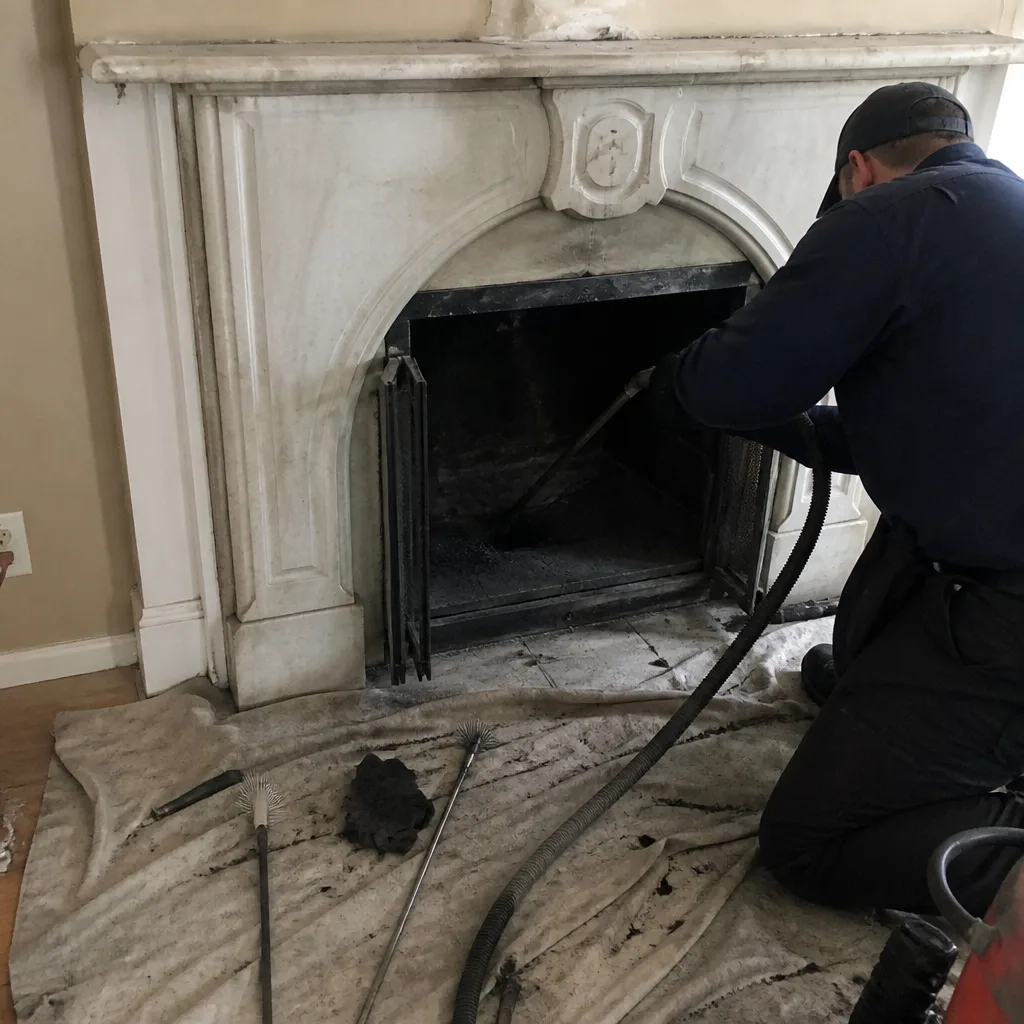 Before
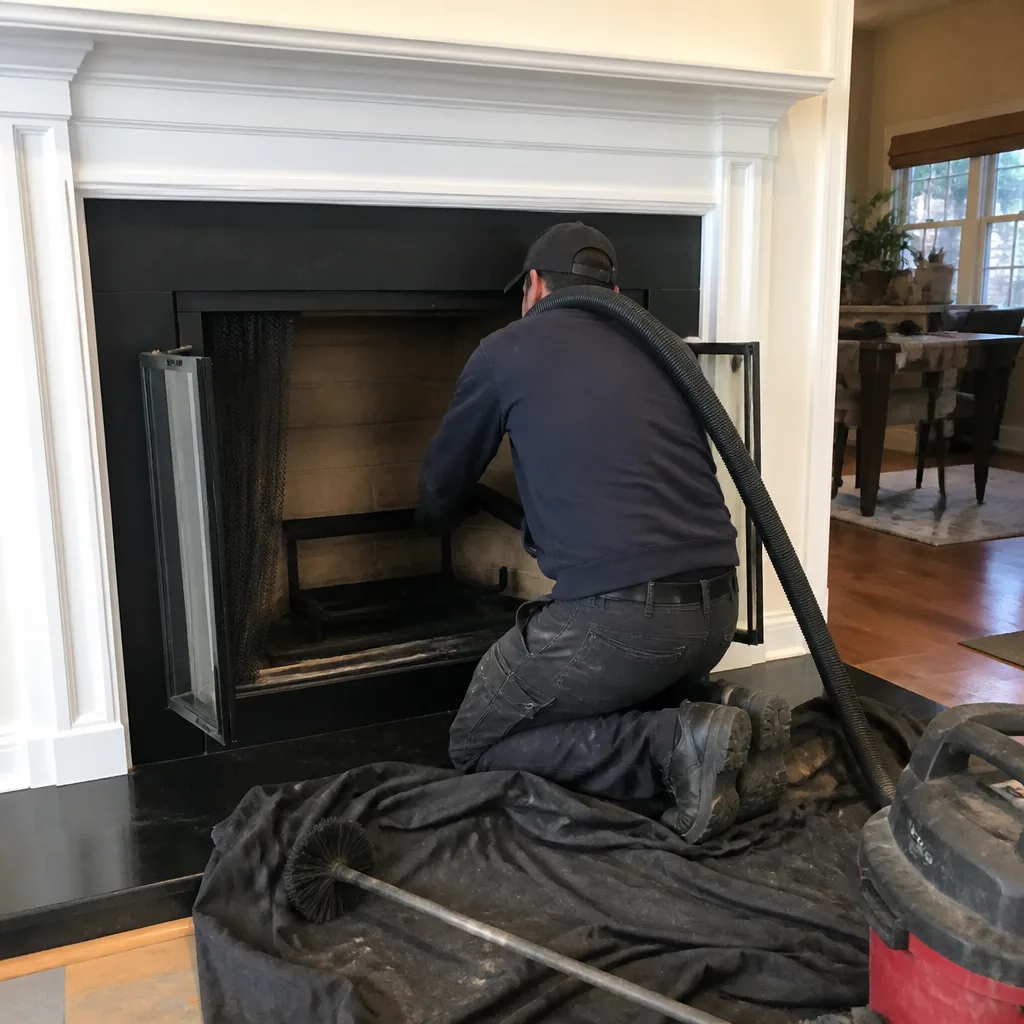 After
After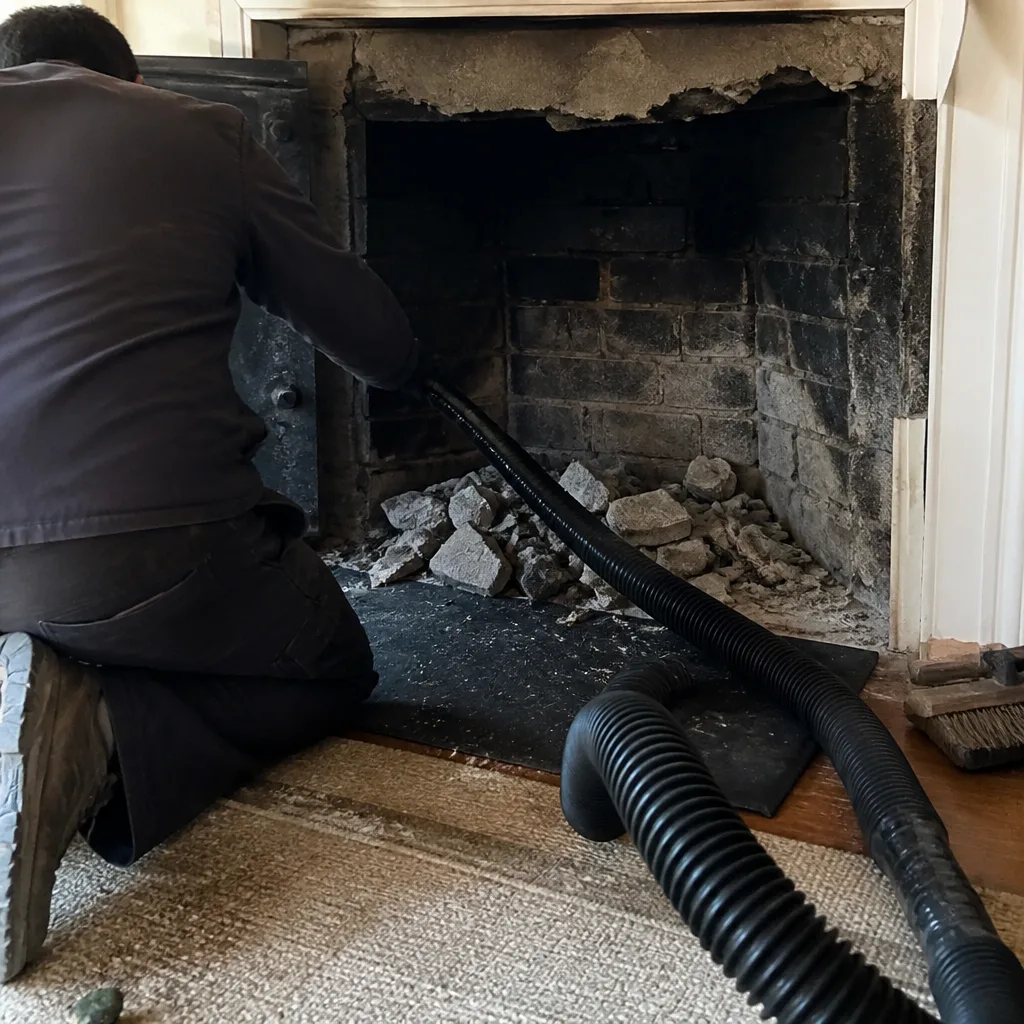 Before
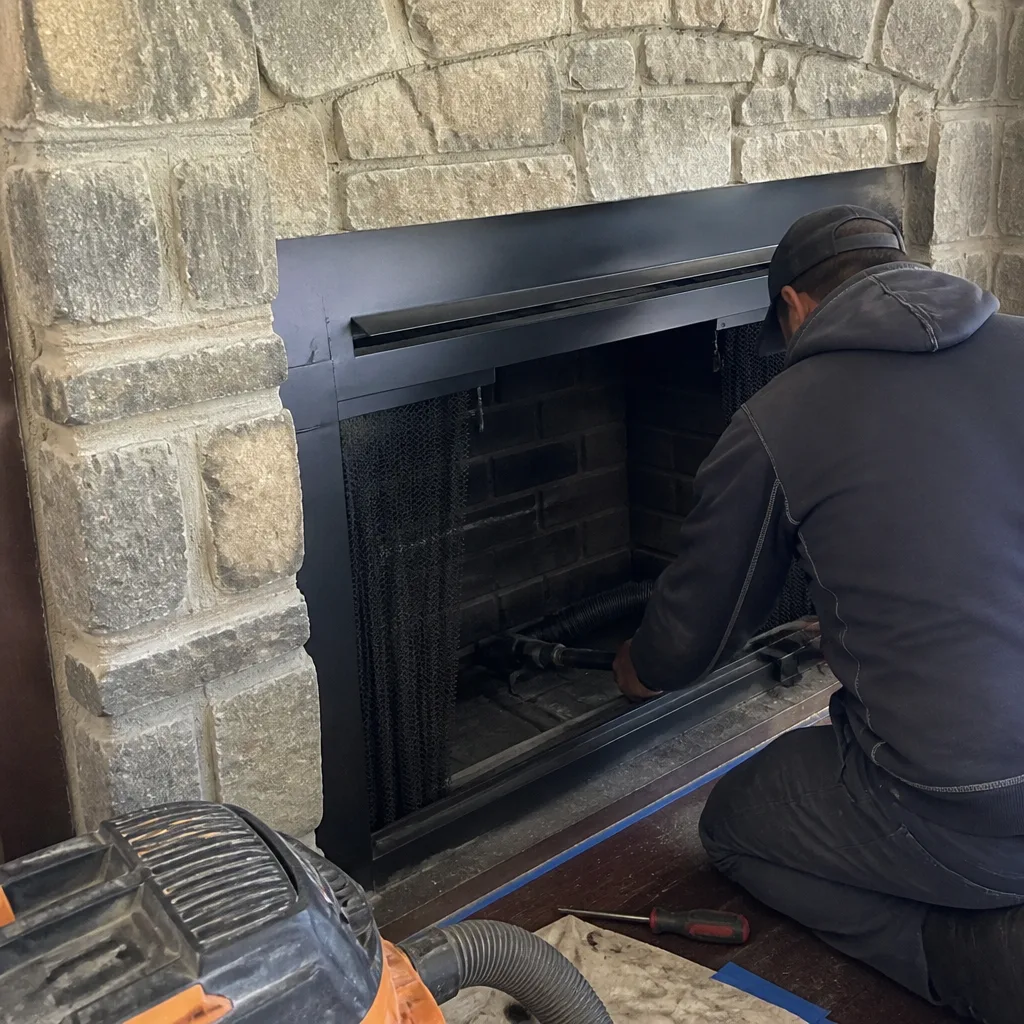 After
AfterOlympia Chimney Flue Liner Replacement: The Manhattan Owner’s Guide
An Olympia Chimney flue liner replacement in Manhattan typically runs $2,800-$6,500 installed, depending on liner diameter, flue height, and whether the existing liner needs extraction or can be relined in place. We stock Olympia Chimney-compatible stainless steel liners on our trucks and can usually complete the swap in one day. Most Manhattan owners discover the problem the hard way: a rust flake lands in the firebox, the chimney sweep’s camera shows a seam split open, or a neighbor’s inspection flags moisture bleeding through the brick. The liner is the part doing the real work in your chimney, and when it goes, it goes quietly until it doesn’t.
Which Olympia Chimney Models This Applies To
Olympia Chimney manufactures liner kits under a few series names you’ll see stamped on the label: SmoothWall, DuraLiner, and their Hybrid models for furnace and boiler venting. The compatibility gotcha we see regularly in Manhattan co-ops and prewar buildings is diameter mismatch. Olympia liners come in 4″, 5″, 5.5″, 6″, 7″, 8″, and 10″ diameters, and an older fireplace flue that was built for a clay tile at 8″×8″ will not cleanly accept a 6″ round liner without a properly sized top plate and insulation wrap. The label tells you the series and diameter, but the real check is measurement at the top termination and at the appliance collar. On the OEM-vs-aftermarket question: Olympia’s own liner kits are well made, but we often install DuraFlex or HeatShield equivalents where the specs match and the warranty terms are stronger. The material matters more than the logo; 316L stainless is what we specify for gas and oil flues in Manhattan because of the condensation cycle, and 304 works for wood-burning where temperatures stay higher.
Signs Your Olympia Chimney Flue Liner Replacement Is Failing
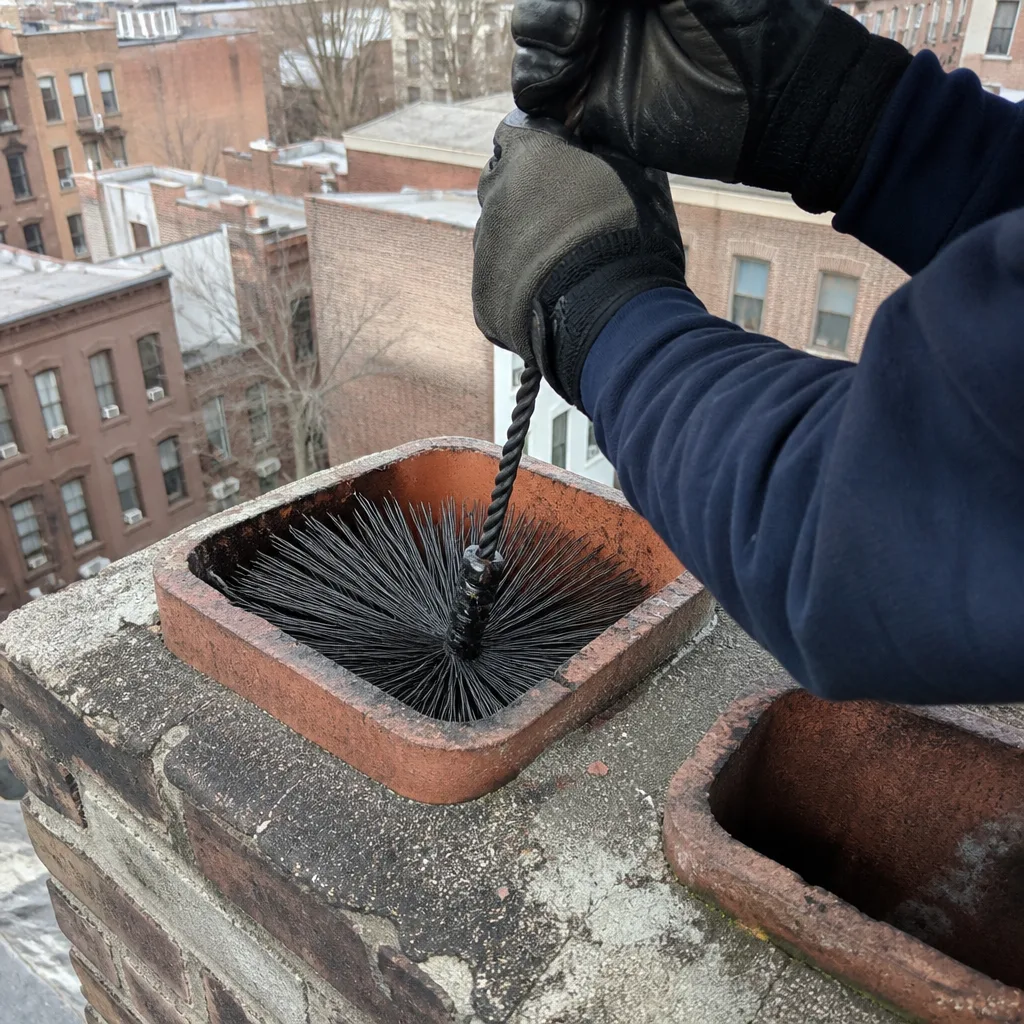
- Rust flakes or metallic debris in the firebox or at the base of the flue. This means the liner wall is shedding material, usually at a seam or a pinhole where moisture pooled. Once you see flakes, the liner is no longer a continuous barrier.
- A sulfur or metallic smell when the heat runs, not just when a fire is lit. Exhaust gases are finding a gap between the liner and the surrounding masonry, and that smell is the tell. It’s also the point where carbon monoxide can begin to escape into wall cavities rather than up the flue.
- White or brown staining on the chimney exterior, especially after rain. Condensation inside a failed liner soaks into the brick and carries salts to the surface. In Manhattan brownstones, this shows up as a bloom on the parapet side of the chimney first.
- A camera scan that shows a seam opening, a cracked weld, or liner distortion. Under NFPA 211, this is what a Level 2 inspection exists to catch. We run the camera down every flue we touch, and we show you the footage before we recommend anything.
- Reduced draft, smoke rollback, or the fireplace just won’t stay lit. A compromised liner changes the pressure dynamics of the whole flue. Smoke rolls back not because the damper is stubborn, but because the flue isn’t pulling the way it should.
BeforeAfterReplacement Cost & What’s Included
Here’s the number breakdown for Manhattan, because we’d rather you see it on the screen than hear it from a technician standing in your living room.
- Single-story flue, direct drop, 5″-6″ liner: $2,800-$3,600
- Two-to-three-story flue with existing liner extraction: $3,400-$4,800
- Four-story or taller, difficult access, oversize liner: $5,000-$6,500
- Top plate, cap, and rain guard replacement (included when needed): $180-$420
Every quote is written before work starts, per Haven Standard Clause 1, and it lists the liner brand, diameter, gauge, insulation spec, and warranty term on paper before anyone touches the roof. Both parts and labor are separated on the invoice. The workmanship is covered under our 365-Day Done Right Promise: if it’s not done right, we make it right, no second invoice.
DIY or Call Us?
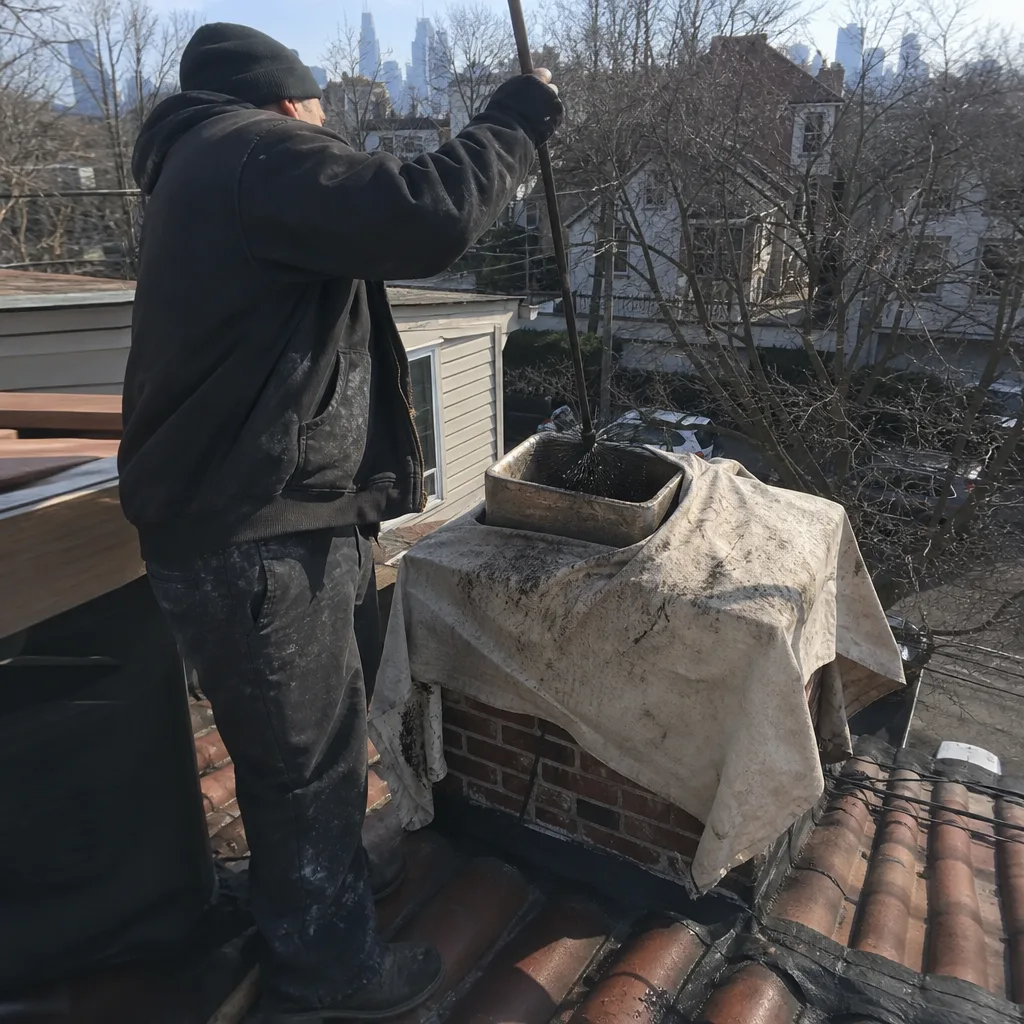
We’ll be honest about what an owner in Manhattan can safely do themselves: not much on this particular part. You can check the visible sections of your Olympia Chimney liner from the roof access if you have one and know what to look for, rust at the seams, discoloration, or a cap that’s gone missing. That’s worth doing. The actual replacement involves pulling a heavy stainless steel liner up through a flue, sometimes past four stories of masonry, making waterproof terminations at the top, and securing the appliance connection at the bottom. It’s roof work, it’s heavy, and a dropped liner can injure a person below or damage the chimney crown. If the flue serves a gas or oil appliance, the stakes are higher: an improperly terminated exhaust liner puts carbon monoxide where it should not be. This is a job for a trained professional with a camera and a written scope. If you want a second opinion on a written quote you already have, we’ll provide one free. Call (862) 319-8047 and we’ll schedule the inspection.
Key Takeaways
- Olympia Chimney flue liner replacement in Manhattan runs $2,800-$6,500 installed.
- Diameter mismatch is the most common compatibility failure; the label matters less than the actual measurement.
- Rust flakes in the firebox are the earliest reliable warning sign, and they mean the liner has already breached.
- Every Level Two Chimney Manhattan job includes a written price, written scope, and camera documentation before and after, per Haven Standard Clauses 1 and 4.
- We stock Olympia Chimney-compatible liners plus DuraFlex, HeatShield, and Gelco equivalents on the truck for one-day swaps.
FAQs
An Olympia Chimney stainless liner should last 15 to 25 years in a Manhattan flue, but the real lifespan depends on the fuel type, the amount of condensation it sees, and whether the top termination was sealed correctly at install. Gas appliance liners in Manhattan tend to fail earlier than wood-burning liners because gas exhaust produces acidic condensate continuously through the heating season. A liner installed in 2010 is now in the window where we start seeing seam failures on camera scans. If yours is past year 15 and you haven’t had a Level 2 inspection with a camera, that’s the next step. Call (862) 319-8047 and we’ll put a date on the calendar.
The short answer is rarely, and only if the damage is confined to one small area near an accessible end. Patching a stainless liner from the inside is technically possible with a steel sleeve, but it creates two new seam points and doesn’t fix the underlying corrosion that caused the original breach. Manhattan heights make patchwork repairs particularly risky, because every seam in a liner is a potential leak point over decades of thermal cycling. If the camera shows a liner worth saving, we’ll say so plainly and we’ll document why. If it shows a liner that’s done, we’ll say that too, and show you the footage ourselves.
Most Olympia Chimney flue liner replacements in Manhattan are completed in one workday, usually four to seven hours depending on flue height and roof access. Co-op building access requirements can add scheduling time, but the physical work is a single-day job in the large majority of cases. Arriving on schedule is part of the H.A.V.E.N. standard, which is our sister brand’s inspection and service promise, and we text you when the crew is headed your way.
Yes, we stock Olympia Chimney-compatible liners in the most common Manhattan diameters, 5″, 6″, 7″, and 8″, along with the matching top plates, caps, and rain guards. We also carry DuraFlex, HeatShield, and Gelco equivalents for cases where an alternative spec is a better fit for the existing flue. If we don’t have your exact diameter on the truck the first visit, we’ll bring it on the second, and the written quote you got before any work started still stands.
If you skip it, you’re betting that exhaust gases will keep finding their way out through a flue that has already proven it can leak. The risks are chimney fire from creosote ignition in the gap between liner and masonry, carbon monoxide migration into wall cavities or living spaces, and moisture damage to the brick that gets more expensive the longer it sits. In a Manhattan rowhouse, a failed liner left in place often becomes a $12,000 masonry rebuild instead of a $4,000 liner job. The camera doesn’t guess. Neither do we. Call (862) 319-8047 and we’ll show you exactly what your flue looks like before a single dollar changes hands.
Written by Corrine Halstead, Owner, Level Two Chimney Manhattan, serving Manhattan and nearby areas.