
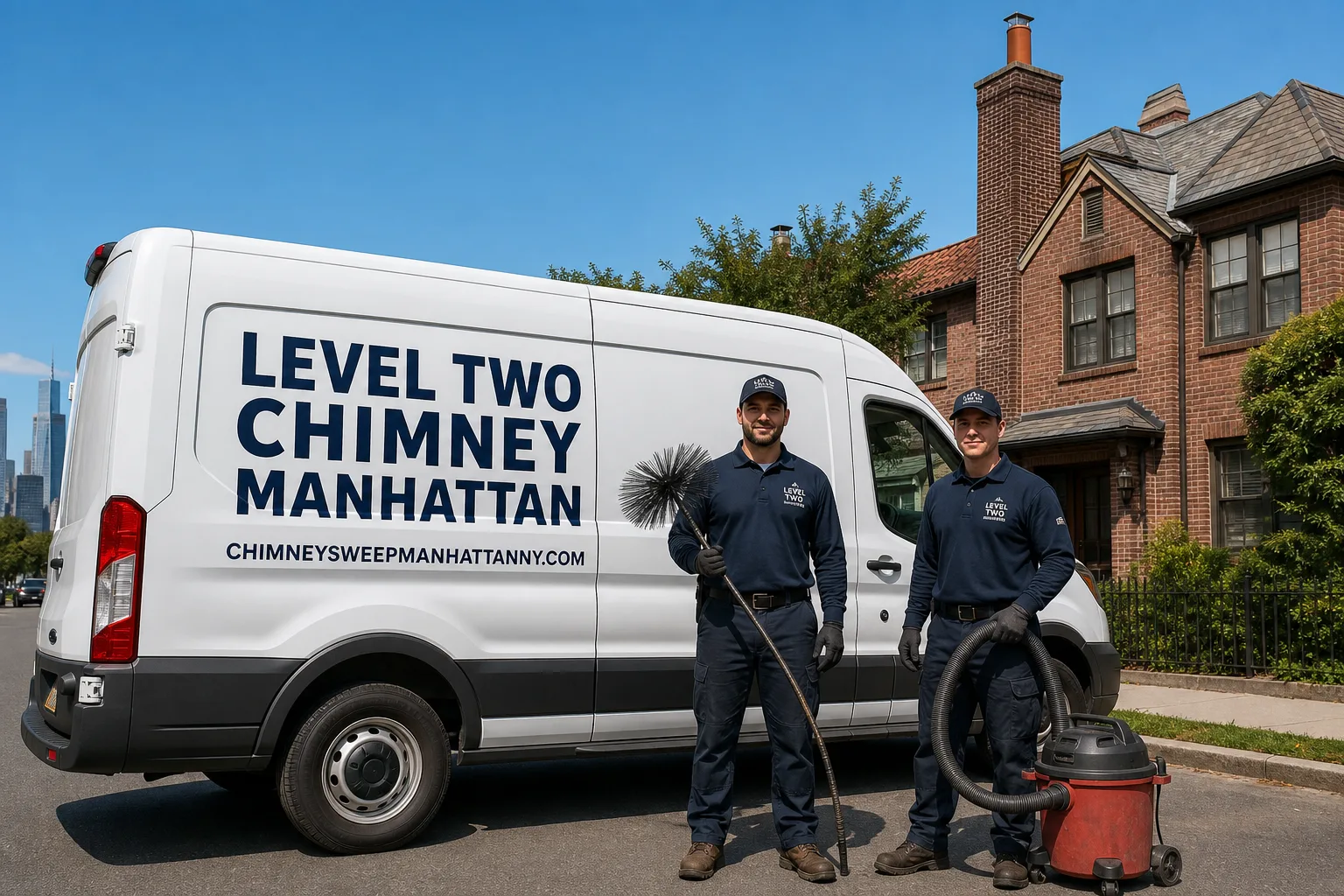
Level 1 sweep and inspection to the NFPA 211 annual standard - flue, crown, cap, and flashing checked and photographed
Chimney sweep logs do not sweep chimneys. They loosen some creosote - which then falls where a brush and vacuum still have to collect it.
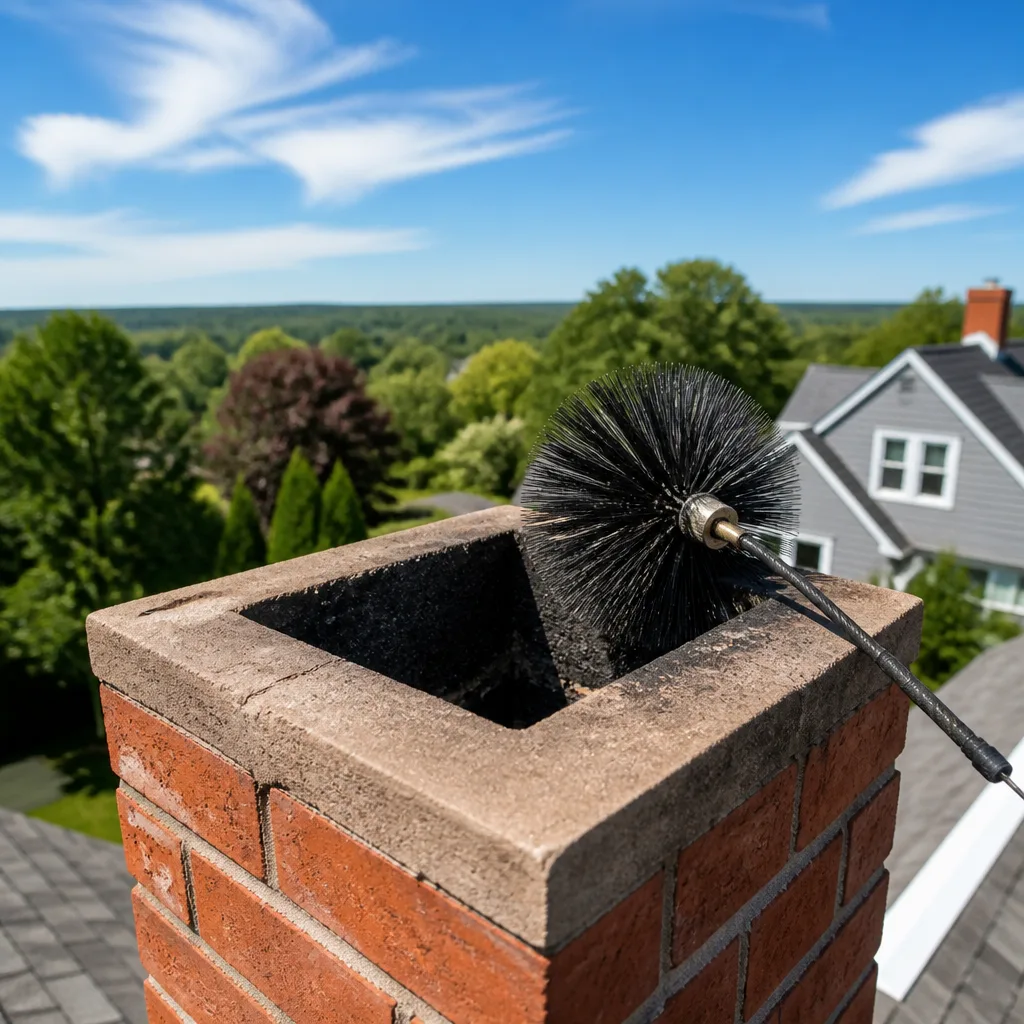
Caps & crowns
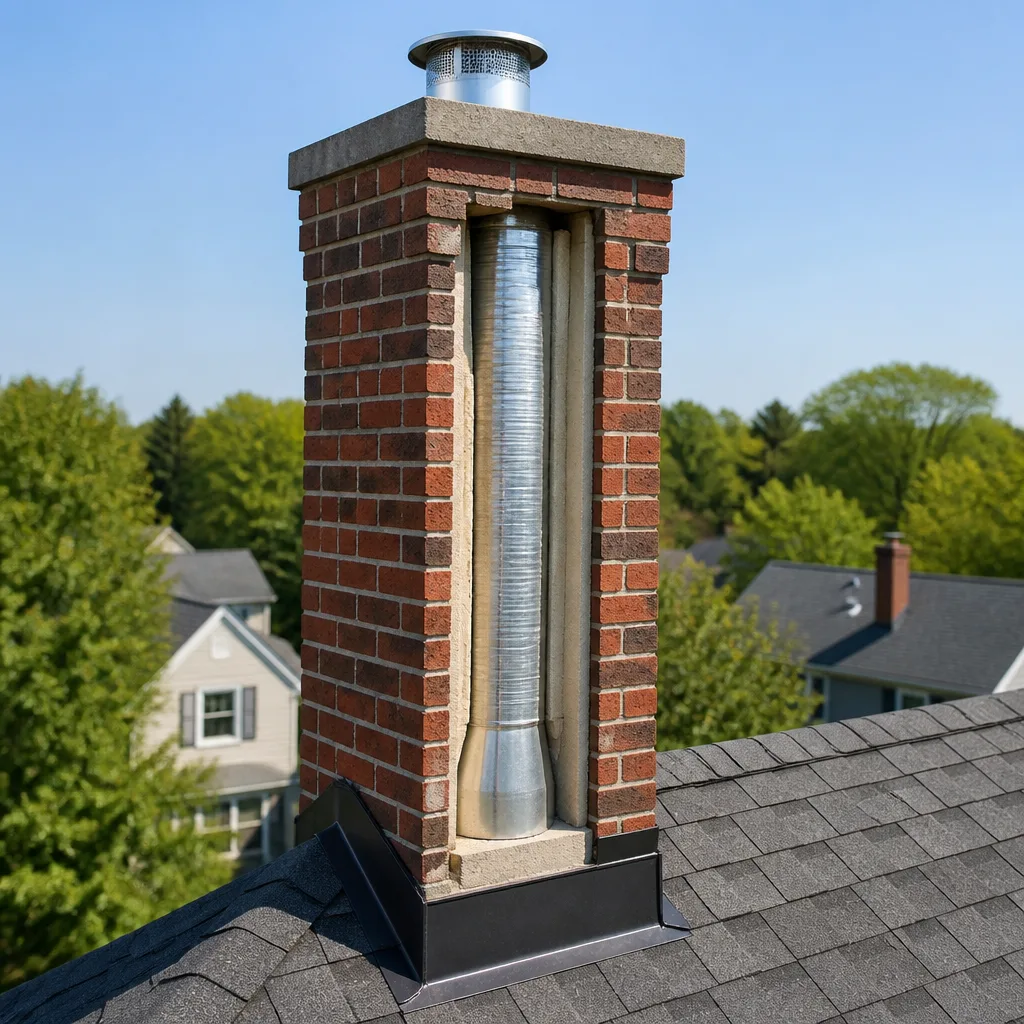
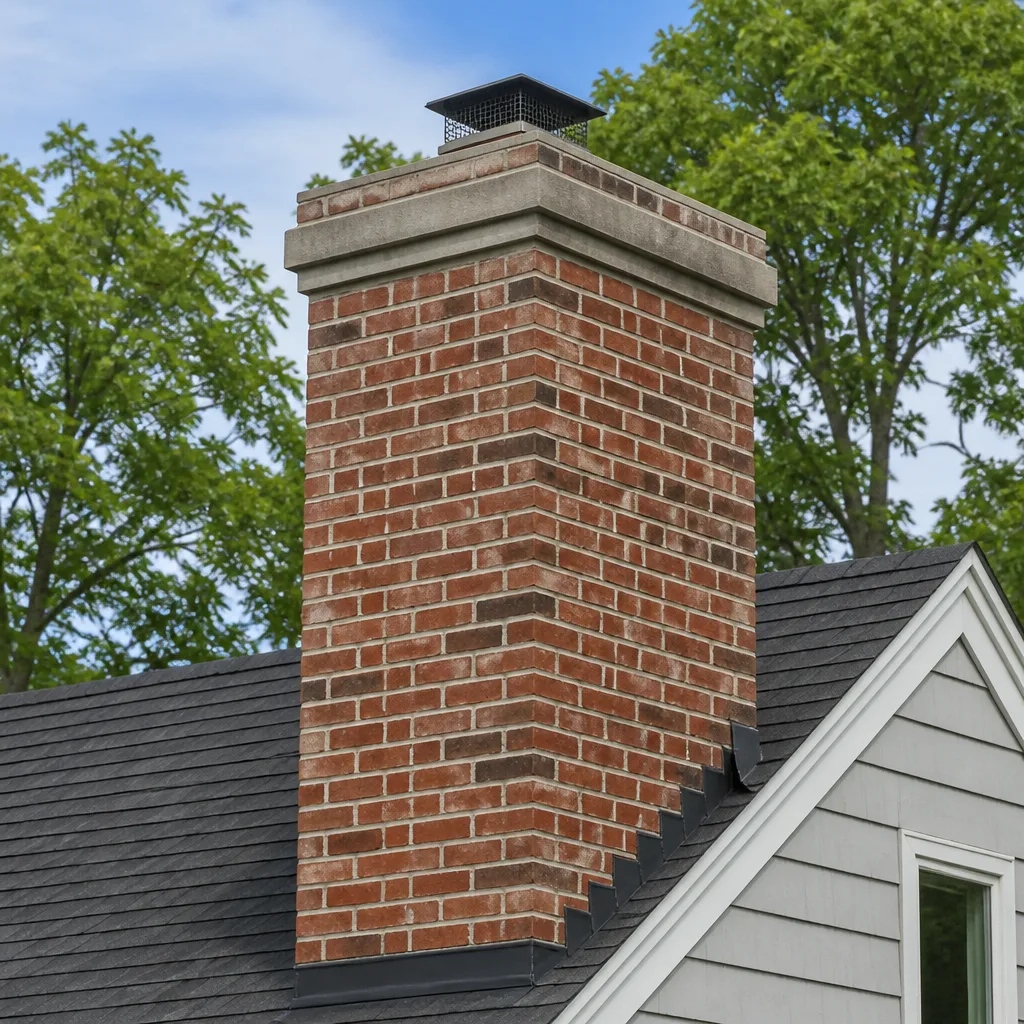
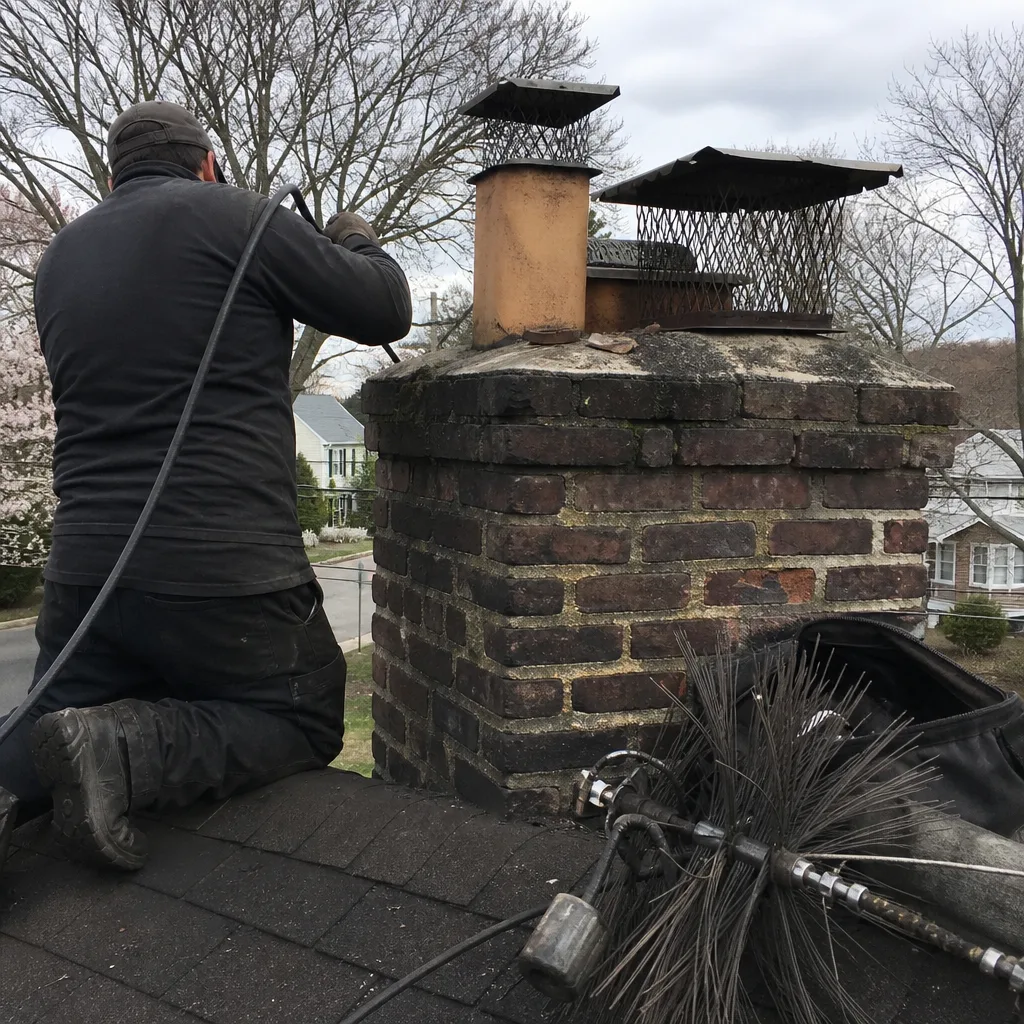 Before
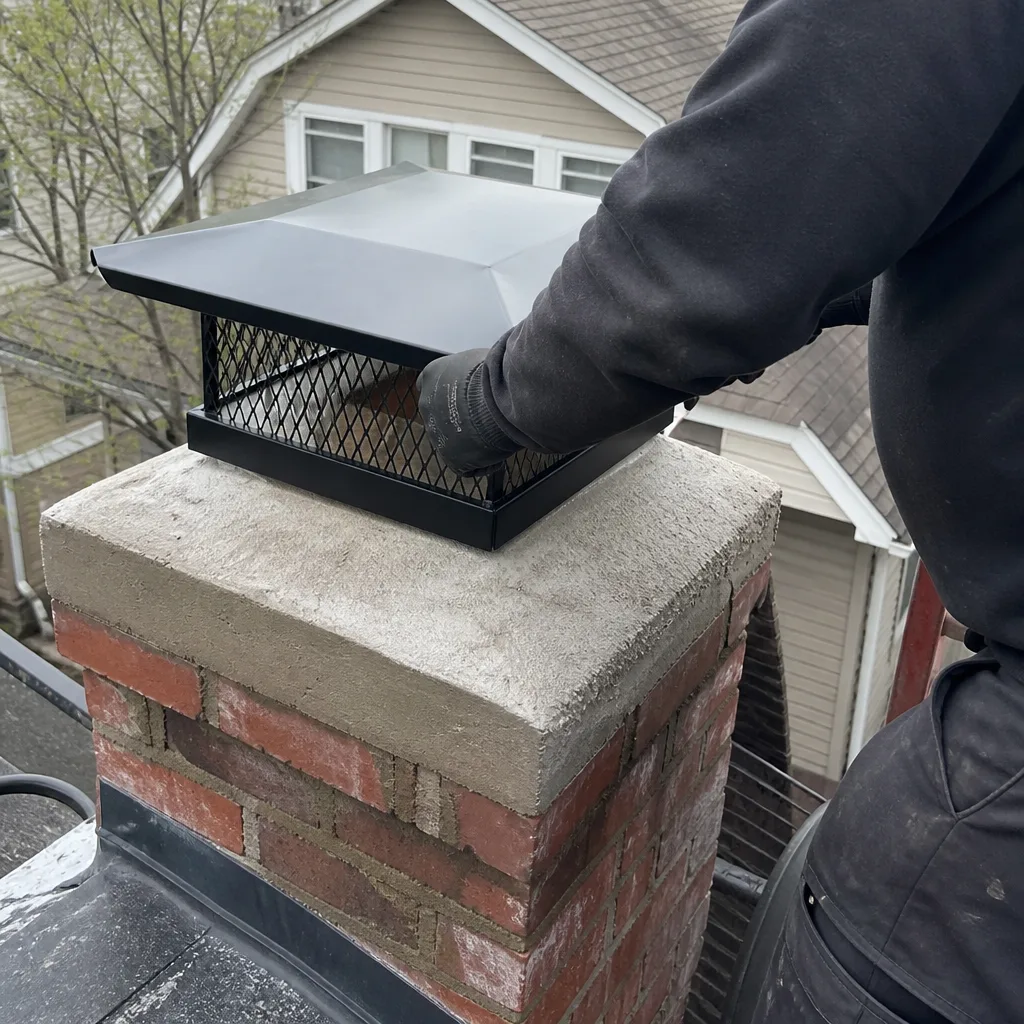 After
After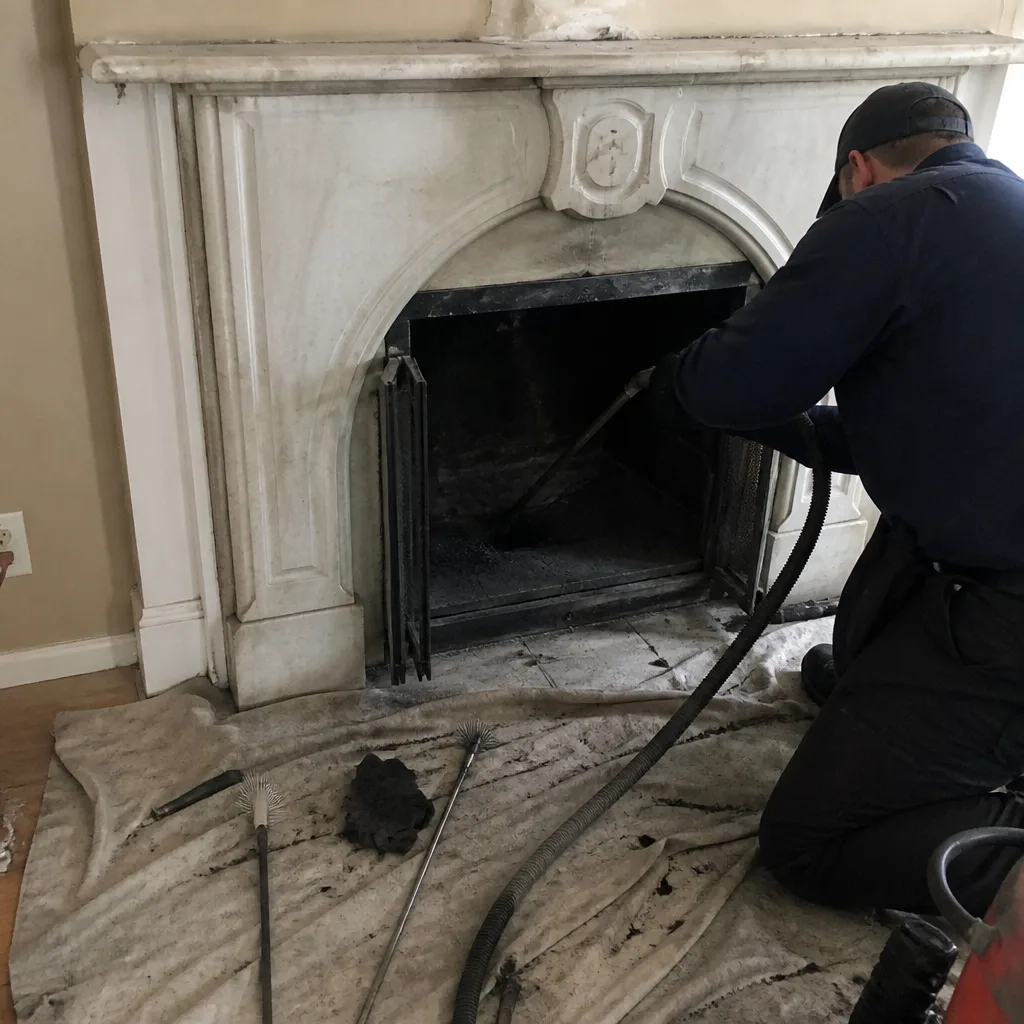 Before
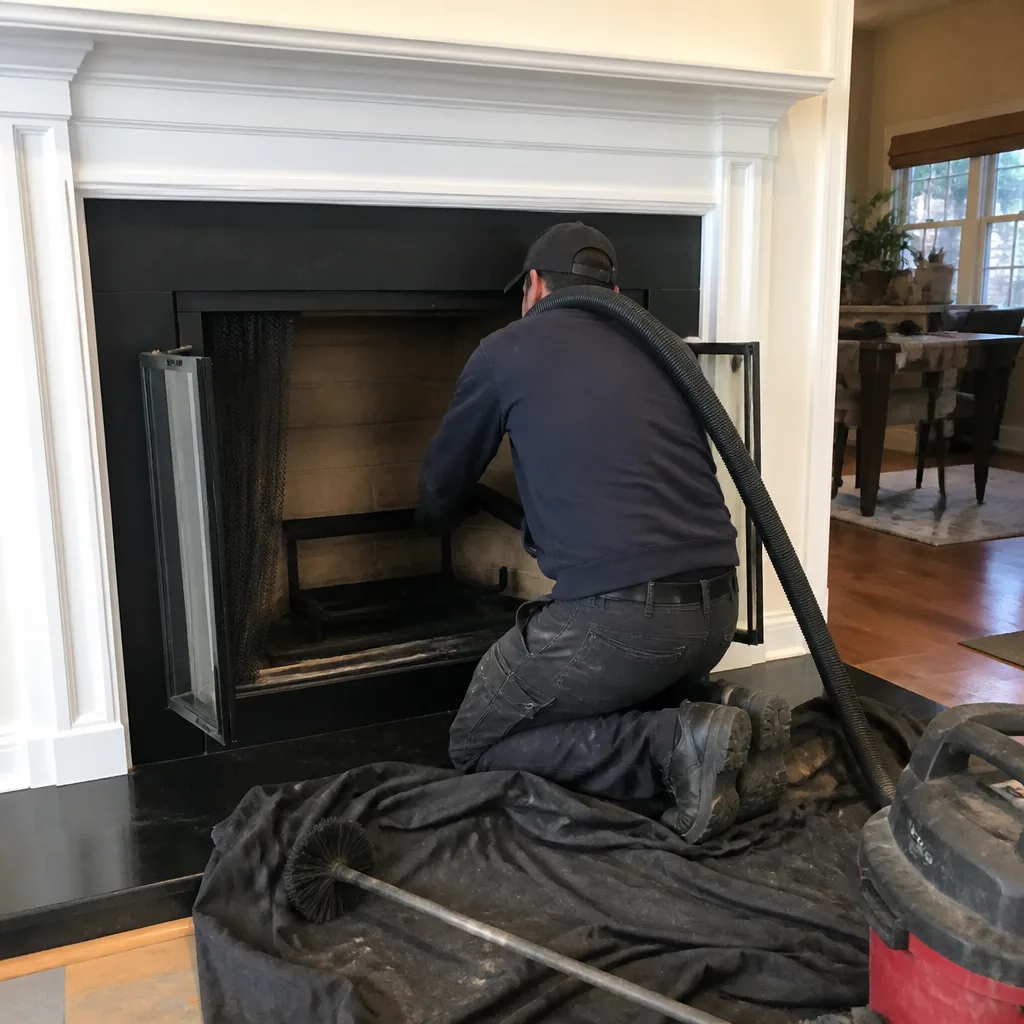 After
After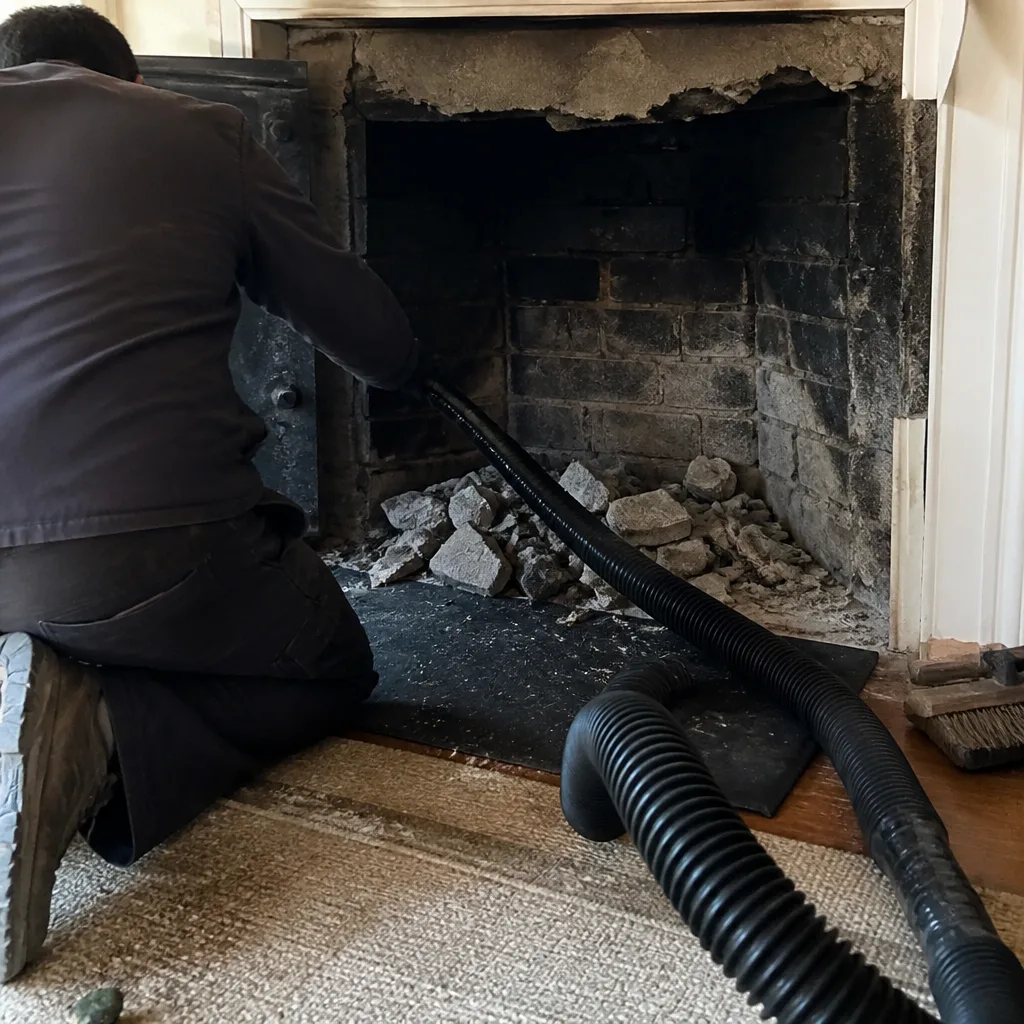 Before
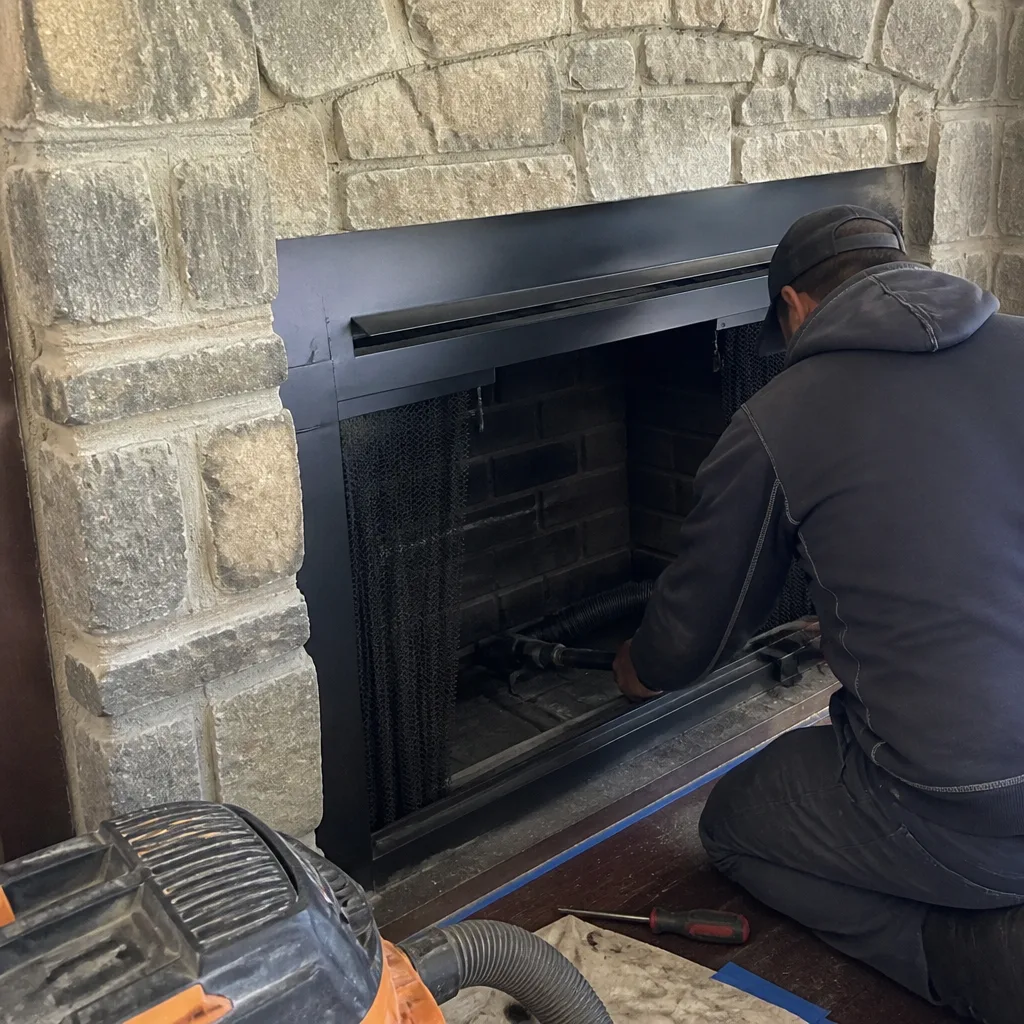 After
AfterFast, Reliable Chimney Repair Across Long Island City
Chimney repair in Long Island City typically costs $350-$1,800 depending on scope, with mortar repointing starting around $350-$650 and full flue relining running $1,200-$2,400. Most repairs in Long Island City can be diagnosed with a camera-scan inspection and quoted in writing the same day. If you’re noticing spalling brick, water staining near the roofline, or a flue that won’t draft properly, call (862) 319-8047 and we’ll send a technician who can show you exactly what’s happening inside the stack.
Long Island City’s chimneys are not like the rest of Queens. Between the pre-war brick rows in Hunters Point and the converted factory lofts along Jackson Avenue and Vernon Boulevard, our crews see repair scenarios that simply don’t occur in Astoria or Sunnyside. We know LIC’s building stock, its exposure to East River weather, and the specific failure patterns that come with repurposed industrial flues. When we inspect a chimney in Long Island City, we’re looking for the things only this neighborhood produces.
Why Level Two Chimney Manhattan Is Long Island City’s Preferred Chimney Repair Company
Long Island City homeowners call us because our name describes the inspection standard we work to: NFPA 211 Level 2, camera down the flue, written price before any work starts, and a documented photo record when the job is done. That’s not marketing language. Clause 4 of the Haven Standard requires a photo record on every job, and we’ve done it continuously since 2009. Every customer walks away with camera footage and still images of the actual liner, mortar joints, and smoke chamber. You see what we saw.
We’re led by Corrine Halstead, who has built our Long Island City service around one principle: nothing is recommended unless the camera shows why. In Hunters Point especially, where a lot of the housing stock dates to the 1880s-1920s and multi-unit buildings share chimney stacks, homeowners are understandably skeptical of repair quotes. We don’t blame them. The industry has a long history of selling liner replacements and rebuilds on fear. Our answer is documentation. If we tell you a liner in your LIC loft building is oversized and corroding, we’ll show you the footage that proves it.
Response time to Long Island City from our New York City office is typically next-day for inspection calls, and we stock the materials most often needed in this neighborhood: stainless steel liner components from DuraFlex, flashing materials, and waterproofing compounds rated for masonry exposed to salt air. That means fewer return trips and less waiting for parts when your building’s stack needs work before burning season.
Our Chimney Repair Services in Long Island City
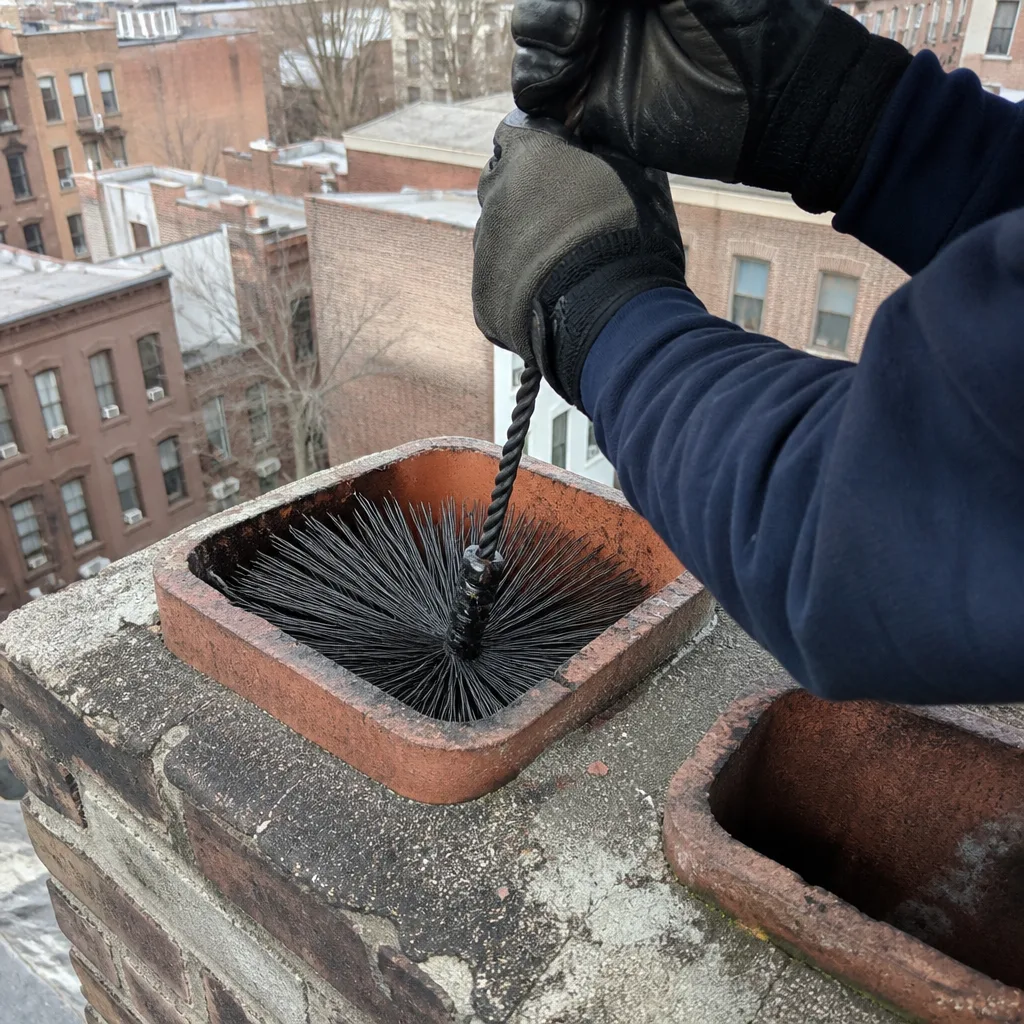
We focus on the repairs Long Island City actually needs, not a generic menu. Here’s what that looks like in practice. You can also read more about how our full Chimney Repair team handles jobs citywide.
Mortar Repointing
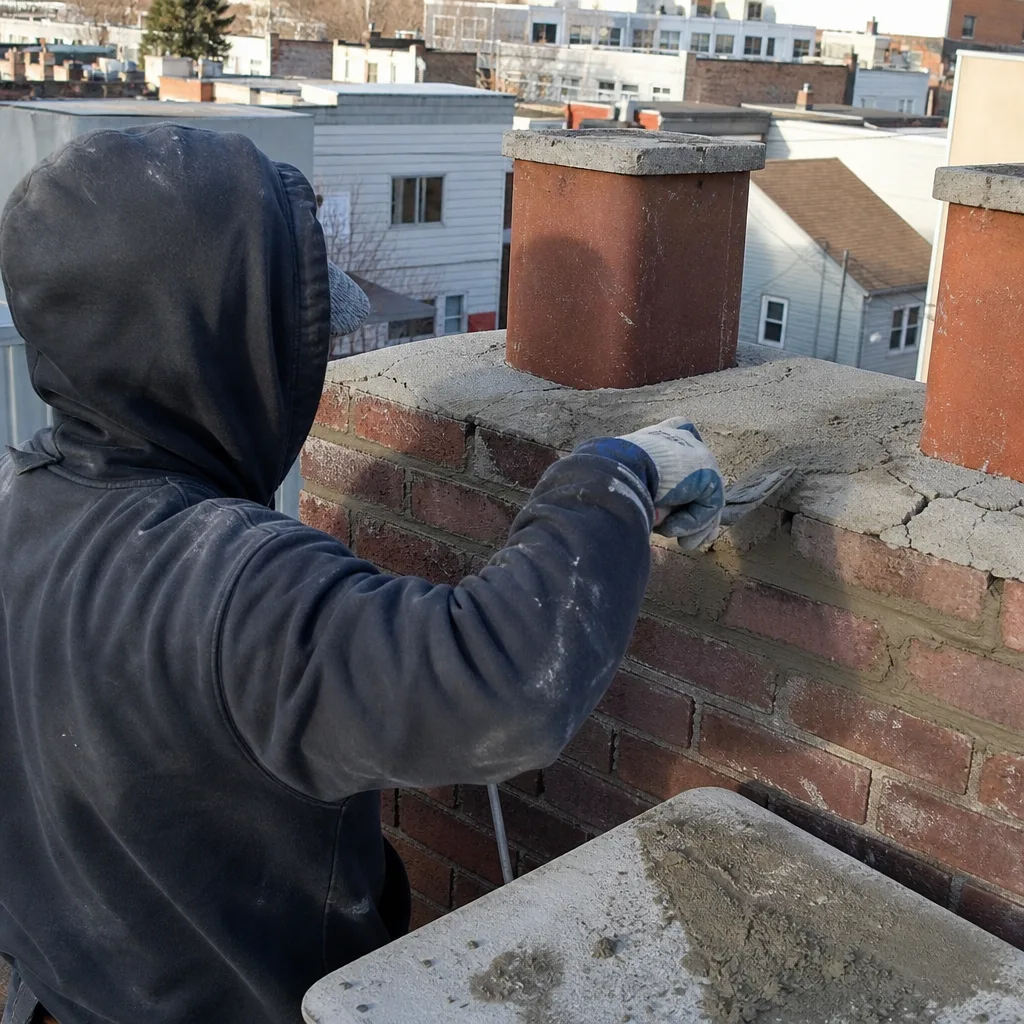
Long Island City’s older brick chimneys lose mortar joints faster than inland neighborhoods because of direct East River exposure. Salt-laden air works into the joints, and freeze-thaw cycles do the rest. Repointing in LIC typically runs $350-$650 for a standard residential stack, depending on height and access. We cut out deteriorated mortar, pack in new joints matched to the original brick’s compressive strength, and document the work with before and after photos.
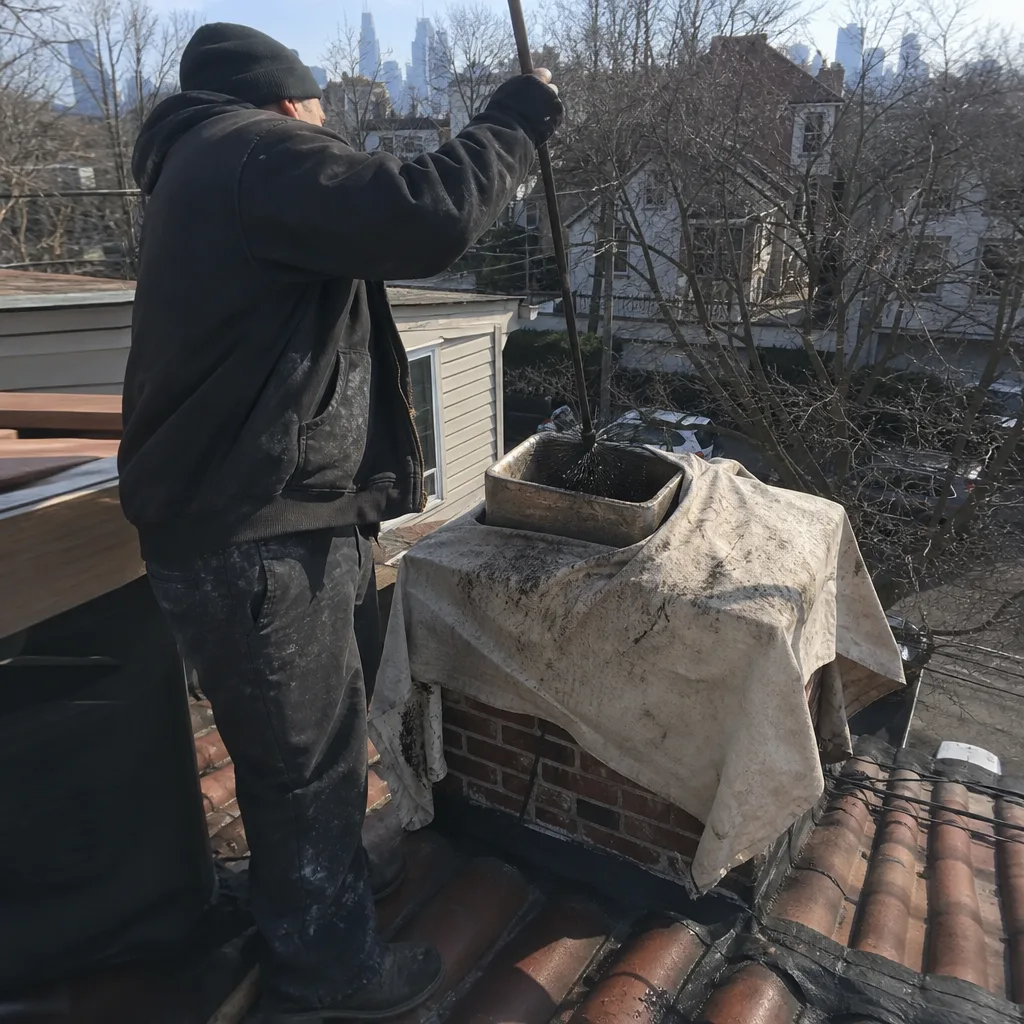
Spalling Brick Repair
Spalling is brick face popping off due to trapped moisture. It’s common in Hunters Point row houses and tenement buildings where stacks have been absorbing river moisture for decades. If you see brick fragments on your roof or in the gutter, that’s spalling. Repair costs in Long Island City usually range from $450-$900 per affected section, but if the spalling is widespread, we’ll tell you honestly whether patching makes sense or whether a partial rebuild is the better long-term call. You’ll see the damage in the camera images before you spend a dollar.
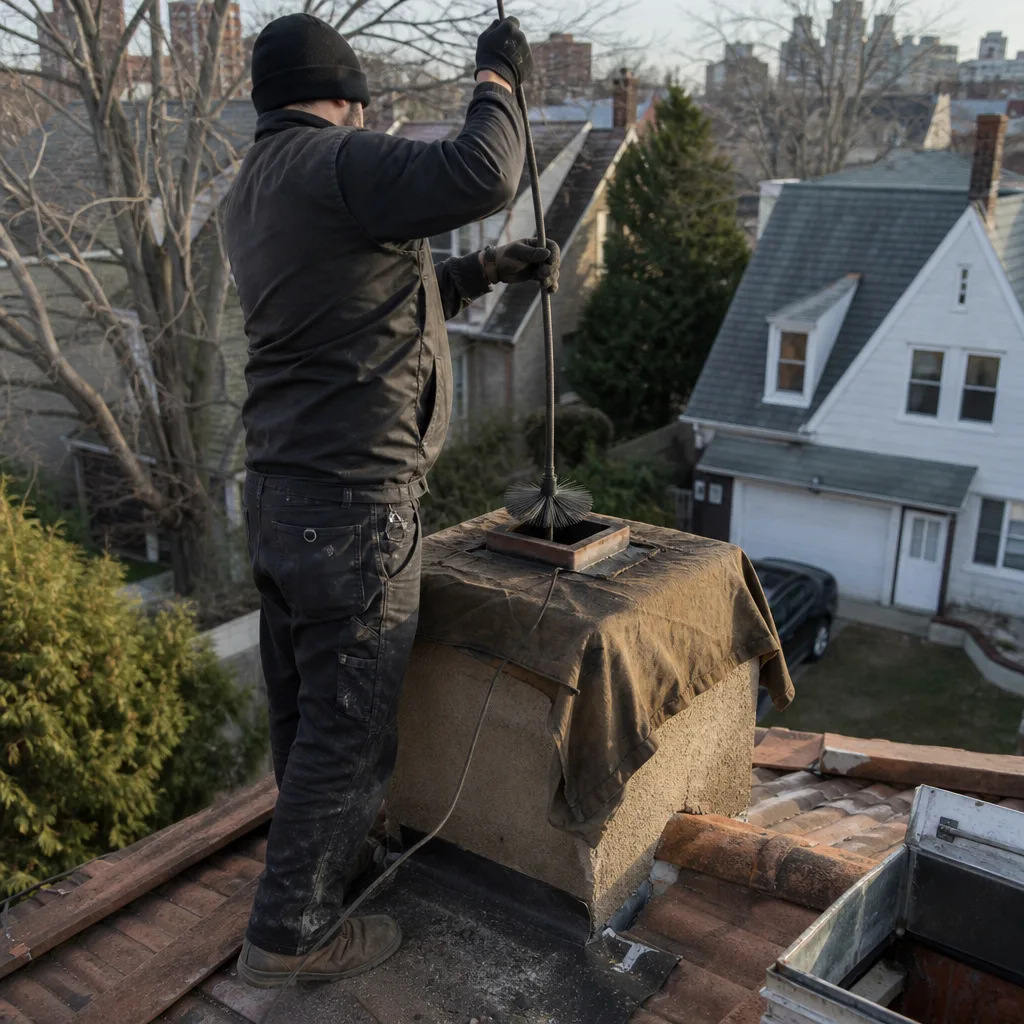
Chimney Waterproofing
Given LIC’s position between the East River and Newtown Creek, waterproofing is not an upsell here, it’s routine maintenance. We apply breathable siloxane-based waterproofing that keeps water out while letting moisture inside the masonry escape. Expect $400-$800 for a standard single-family chimney in Long Island City. This is one repair where we’ll tell you plainly if it can wait. If your masonry is still sound and your flashing is intact, waterproofing can often be deferred a season or two. If the mortar is already soft, the time is now.
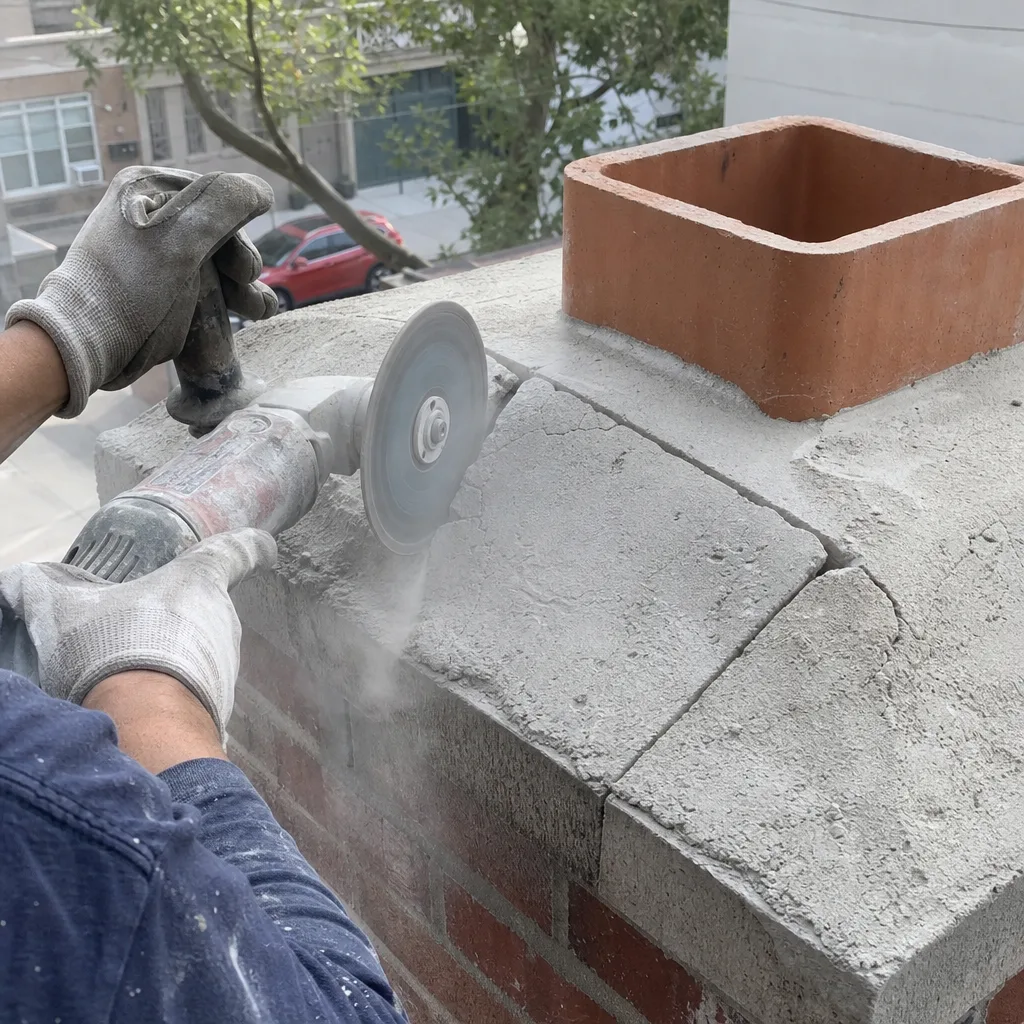
Flashing Repair
Flashing failure is the leading cause of ceiling stains around chimneys in Long Island City. The wind off the East River works flashing loose over time, especially on the taller loft-building stacks that catch full exposure. Flashing repair or replacement in LIC runs $300-$750 depending on roof pitch and whether the step flashing, counter flashing, or both need work. We match metals correctly. Put steel flashing against brick with no proper interface and you’ll be back in the same spot in three years.
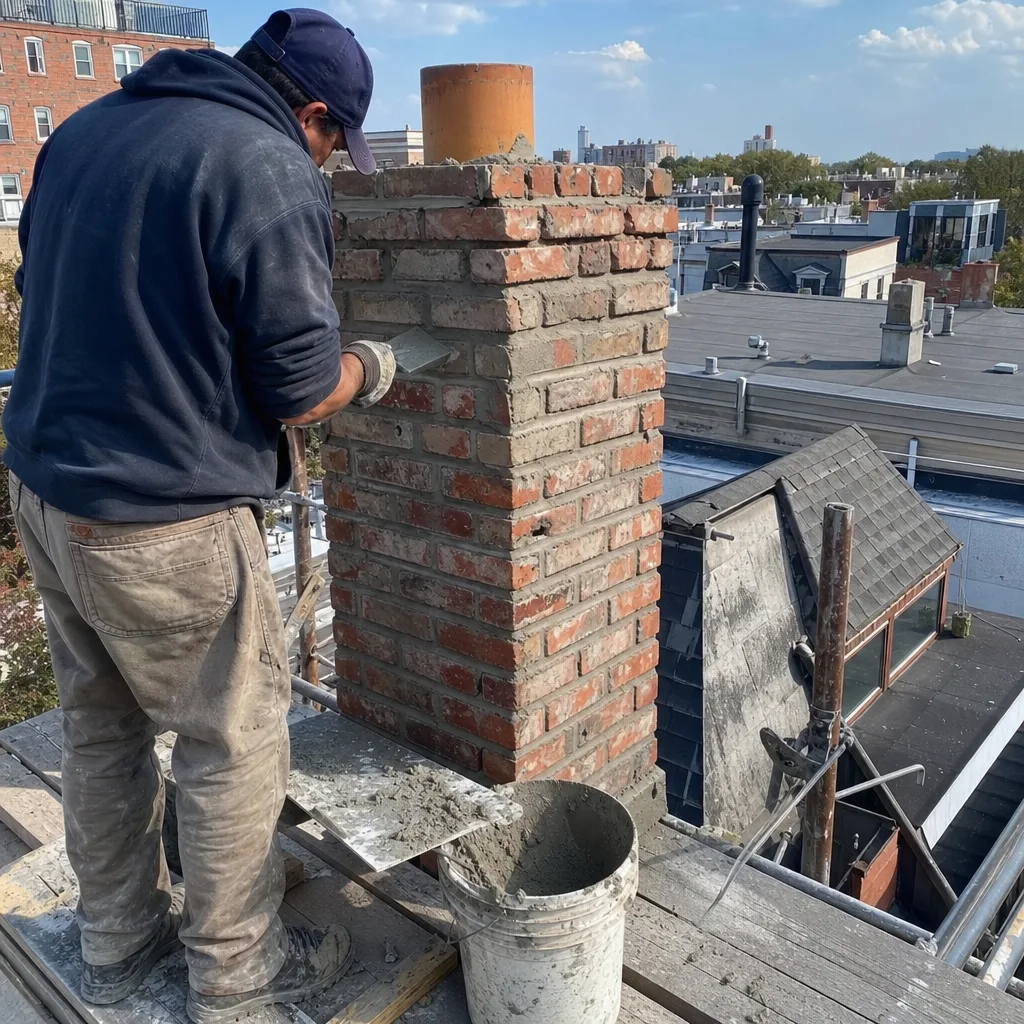
Chimney Rebuilding and Flue Liner Repair
These are the bigger jobs, and they’re the ones LIC loft conversions most often need. Rebuilding from the roofline up typically runs $1,800-$4,200 in Long Island City depending on stack height and access. Flue liner replacement or installation runs $1,200-$2,400 for a standard residential application. In converted industrial buildings, we routinely find that the existing flue was engineered for a commercial boiler, not a residential fireplace or gas insert. That’s where the real repair cost lives, and it’s exactly where we provide the camera evidence before anything is sold.
What happens when you call
- 1
A real person answersNo phone trees - you reach a local pro.
- 2
You get an upfront price rangeHonest numbers before anyone is dispatched.
- 3
A background-checked tech heads outLicensed & insured, dispatched right away.
- 4
You approve before work beginsNothing starts until you say go.
BeforeAfterTrusted Brands We Service in Long Island City
We install and service materials from DuraFlex, Olympia Chimney, and Famco. DuraFlex makes the stainless steel liner systems we most often recommend for LIC loft conversions that need resizing for residential fuel loads. Olympia Chimney supplies the caps, dampers, and termination components that survive full East River weather exposure. Famco covers the sweep and inspection equipment we use on every Level 2 job. We keep Long Island City-specific inventory on hand so a liner resizing or cap replacement doesn’t sit waiting on a parts order for two weeks.
Common Chimney Repair Problems We See in Long Island City Homes
- Oversized commercial flue liners in loft conversions. In buildings along Jackson Avenue and Vernon Boulevard whose brickwork still shows their factory origins, the flue that now vents a decorative gas insert was originally sized for a boiler pushing far more BTU through it. Residential exhaust doesn’t have enough heat or velocity to clear the oversize tile, so acidic condensate pools, eats the clay, and creates blockages a brush sweep can’t resolve. This is the single most common finding in LIC’s converted lofts, and it’s nearly unheard of in row-house neighborhoods.
- Shared-flue cross-contamination in Hunters Point pre-war tenements. Many 1880s-1920s buildings in Hunters Point run multiple fireplaces off shared stacks separated by clay tile dividers. When those separators crack, carbon monoxide and smoke can migrate between units. This is not a slow-deterioration issue. It’s a safety issue. It requires camera inspection to confirm, and it cannot be patched with a sweep.
- East River moisture accelerating spalling and mortar erosion. The western edge of Long Island City takes direct exposure from the river, and Newtown Creek adds humidity to the south. Salt-laden air accelerates brick face deterioration on every chimney exposed to it. Freeze-thaw cycles in January and February do the rest. What starts as cosmetic mortar erosion becomes structural if it goes unaddressed.
- Downdraft conditions off the river. Winter winds funneling across the East River create strong downdrafts that push combustion gases and debris back into poorly maintained flues. If you smell smoke inside your Long Island City apartment or home when the wind picks up, that’s often the culprit. It’s sometimes fixable with a properly sized cap or a top-sealing damper, but not until we see what’s inside the flue.
Pricing for Chimney Repair in Long Island City, NY
Here’s what you should expect to pay in Long Island City based on the work we do most often. These are the price ranges we quote from, written before work starts, every time.
- Mortar repointing (standard single-family stack): $350-$650
- Spalling brick repair (per affected section): $450-$900
- Chimney waterproofing (breathable siloxane application): $400-$800
- Flashing repair or replacement: $300-$750
- Flue liner installation or replacement (residential): $1,200-$2,400
- Full chimney rebuild from roofline up: $1,800-$4,200
What moves the number is access (roof pitch, height, whether scaffolding is needed), the condition of the existing liner, and whether the stack is shared across units. In Long Island City’s loft buildings, liner resizing for residential use adds cost because the scope isn’t a simple swap, it’s a correction of the original installation. We show you the camera footage that justifies every line item. Estimates are free. Call (862) 319-8047 and we’ll schedule a Level 2 inspection with a written quote.
We Also Serve Cities Near Long Island City
Our crews cover Long Island City and the surrounding neighborhoods: Astoria, Elmhurst, New York, and Manhattan. If you’re in a neighboring area and need camera-verified Chimney Repair in Long Island City-level service, call (862) 319-8047 and we’ll coordinate the visit. You get the same written-price-before-work and photo documentation no matter which side of the creek you’re on.
Serving Long Island City, NY - Our Local Coverage Area
We’re based in the Long Island City area and know this community well. Use the map below to see our service coverage - if you’re nearby, we can almost certainly help.
FAQs - Chimney Repair in Long Island City
Because the flue serving your loft was almost certainly engineered for a commercial boiler, not a residential gas fireplace. These original flues are tile-lined at diameters sized for industrial BTU loads, which means residential exhaust condenses inside the oversize liner instead of clearing it. The acidic condensate corrodes the clay tiles and creates blockages. A properly sized stainless liner, usually from DuraFlex, fixes the draft and stops the corrosion cycle. This is a near-universal finding in LIC’s converted industrial buildings, and it’s exactly the kind of thing our camera inspection will show you before we recommend the work. Call (862) 319-8047 for a written quote.
The East River puts more moisture and salt into the air than inland Queens gets, and your brickwork absorbs it. Moisture works into the mortar joints, salt accelerates the erosion, and winter freeze-thaw cycles crack what’s left. The result is mortar that deteriorates years faster than it would a few miles east. Repointing is the standard fix, and in many LIC buildings it’s needed on 10-15 year cycles rather than the 20-25 year cycles common inland. We’ll show you the joint erosion in our camera images before any repointing quote is issued.
It can, but only if the internal clay tile separators are intact. In Hunters Point’s pre-war buildings, we commonly find cracked or deteriorated separators that allow smoke and carbon monoxide to migrate between units sharing a stack. This is not something a standard brush sweep can detect or fix. It requires a NFPA 211 Level 2 camera inspection, which we perform on every visit. If the separators are compromised, the repair path is typically relining the affected flues so each unit vents independently. Get the inspection and you’ll see the separation issue firsthand.
Oversized flue liners. In a converted Hunters Point loft building, we recently inspected a chimney originally built as a heavy-duty boiler exhaust flue, tile-lined at a diameter sized for commercial load. The homeowner had a decorative gas fireplace insert venting into it, which caused acidic condensate to pool in the oversize liner and corrode the clay tiles. We recommended a DuraFlex stainless steel liner properly sized for residential use, and after relining, the draft stabilized and the corrosion-related blockages cleared. That pattern, commercial flue repurposed for residential use without resizing, is the defining repair issue in Long Island City’s loft stock.
Yes, and the difference is in the building, not the codebook. Astoria’s housing stock is predominantly residential brick homes built with residential chimneys from the start. Long Island City’s converted industrial buildings were built as factories and warehouses with commercial flues that were never intended to serve fireplaces or gas inserts. That means repairs here often involve bringing a commercial stack into residential compliance: proper liner sizing, correct termination height, and appropriate clearance to combustibles. The code is the same across the city. The starting point of the chimney is not. We quote and repair accordingly.
Call Level Two Chimney Manhattan for Long Island City Chimney Repair
If you need chimney repair in Long Island City, call (862) 319-8047. We’ll schedule a Level 2 inspection, put a camera down your flue, and hand you a written price with the camera images to back it up. No recommendations without evidence. No work without a written scope and warranty. That’s how we’ve done it since 2009, and that’s how it works in every Long Island City building we serve, from Hunters Point pre-war rows to the converted lofts along Jackson Avenue.
Written by Corrine Halstead, Owner at Level Two Chimney Manhattan, serving Long Island City and the surrounding metro area since 2009.
Chimney Repair in Nearby Areas