
Level 1 sweep and inspection to the NFPA 211 annual standard - flue, crown, cap, and flashing checked and photographed
Chimney sweep logs do not sweep chimneys. They loosen some creosote - which then falls where a brush and vacuum still have to collect it.
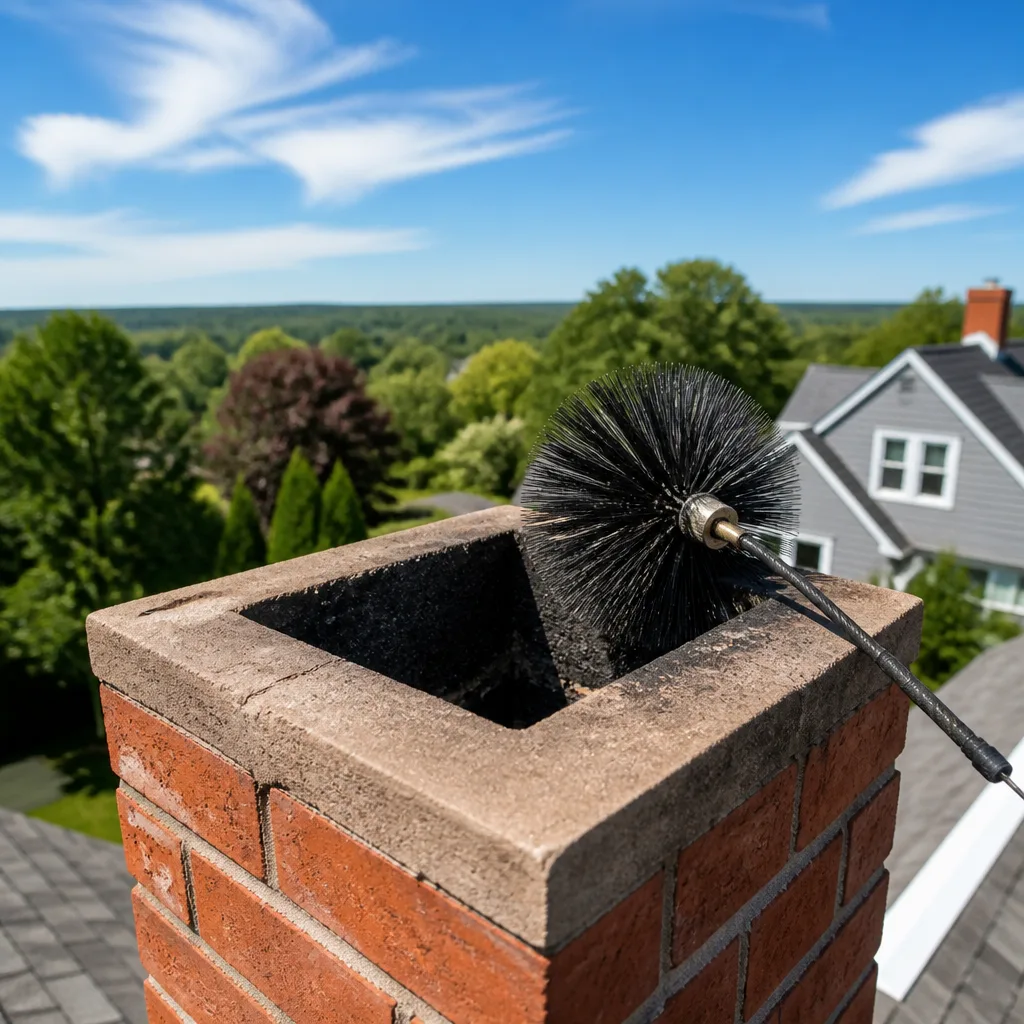
Caps & crowns
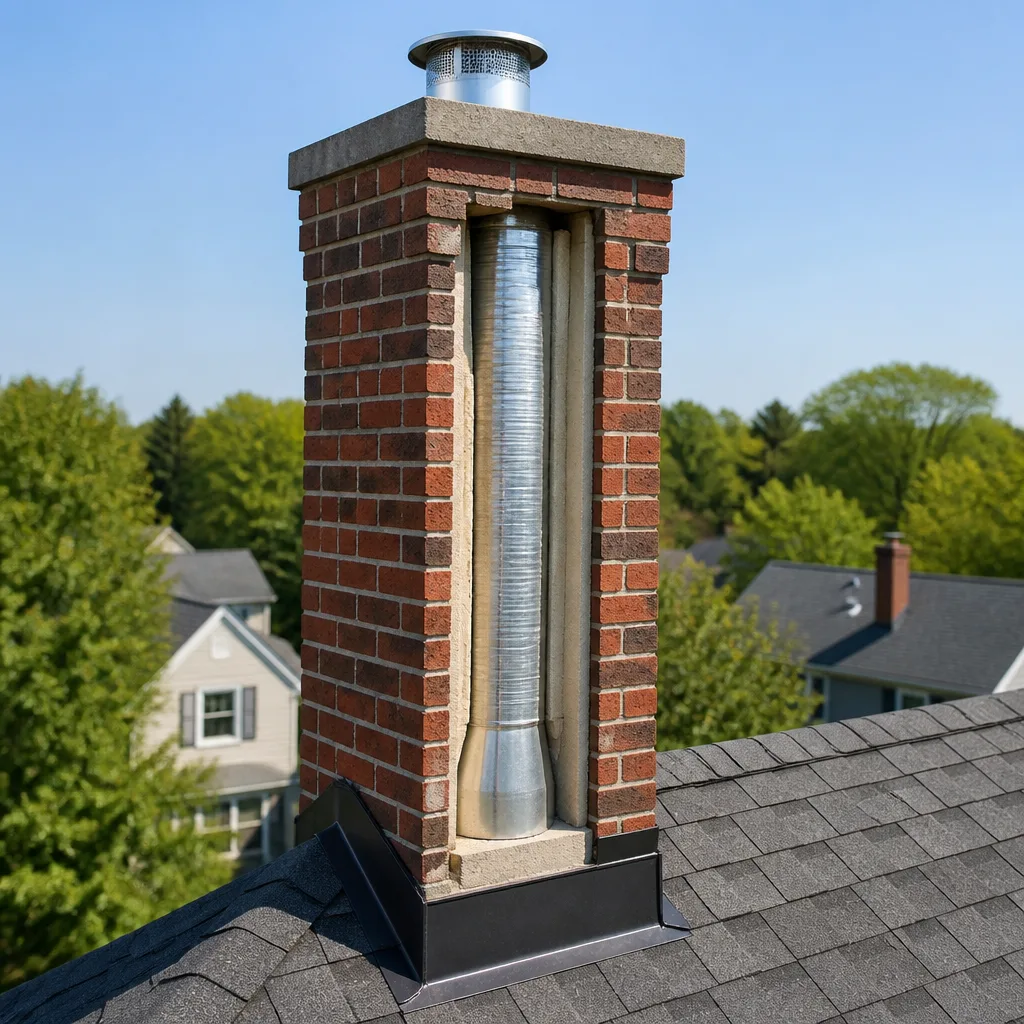
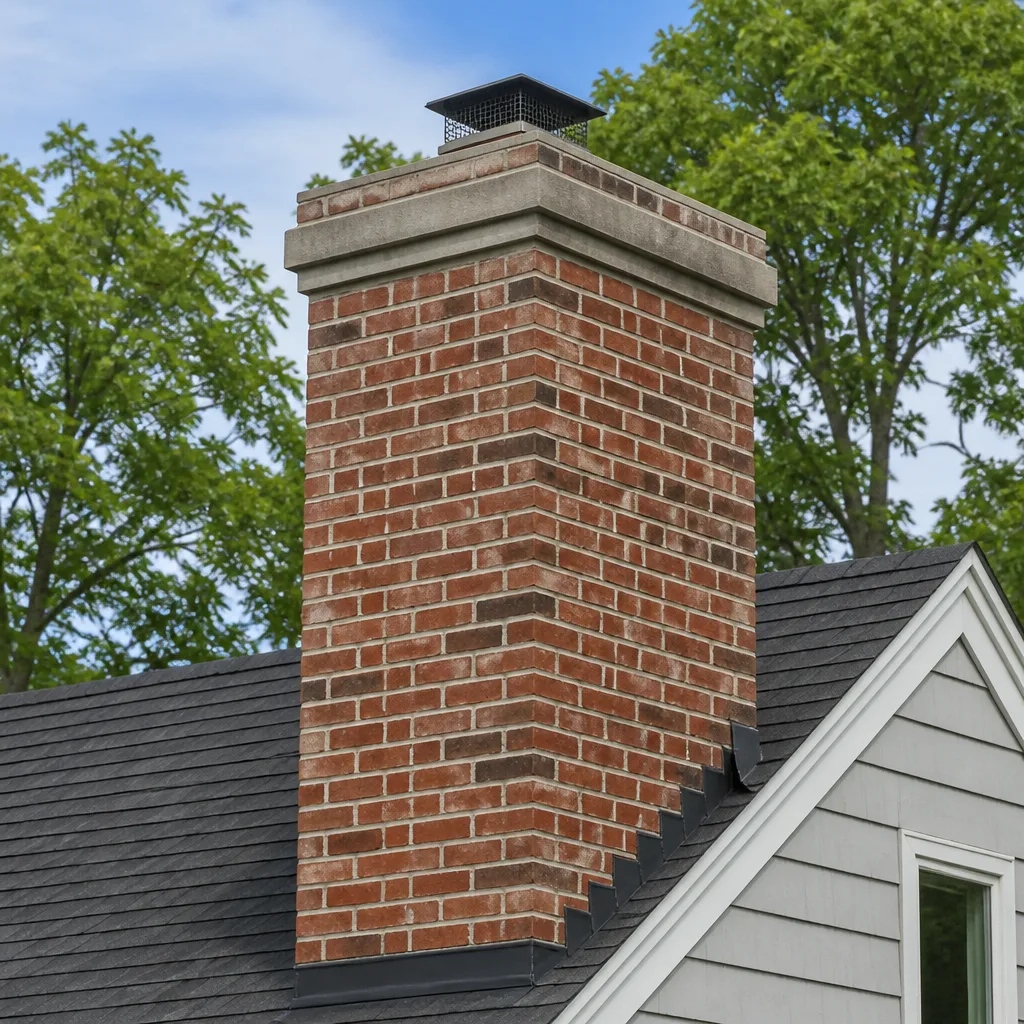
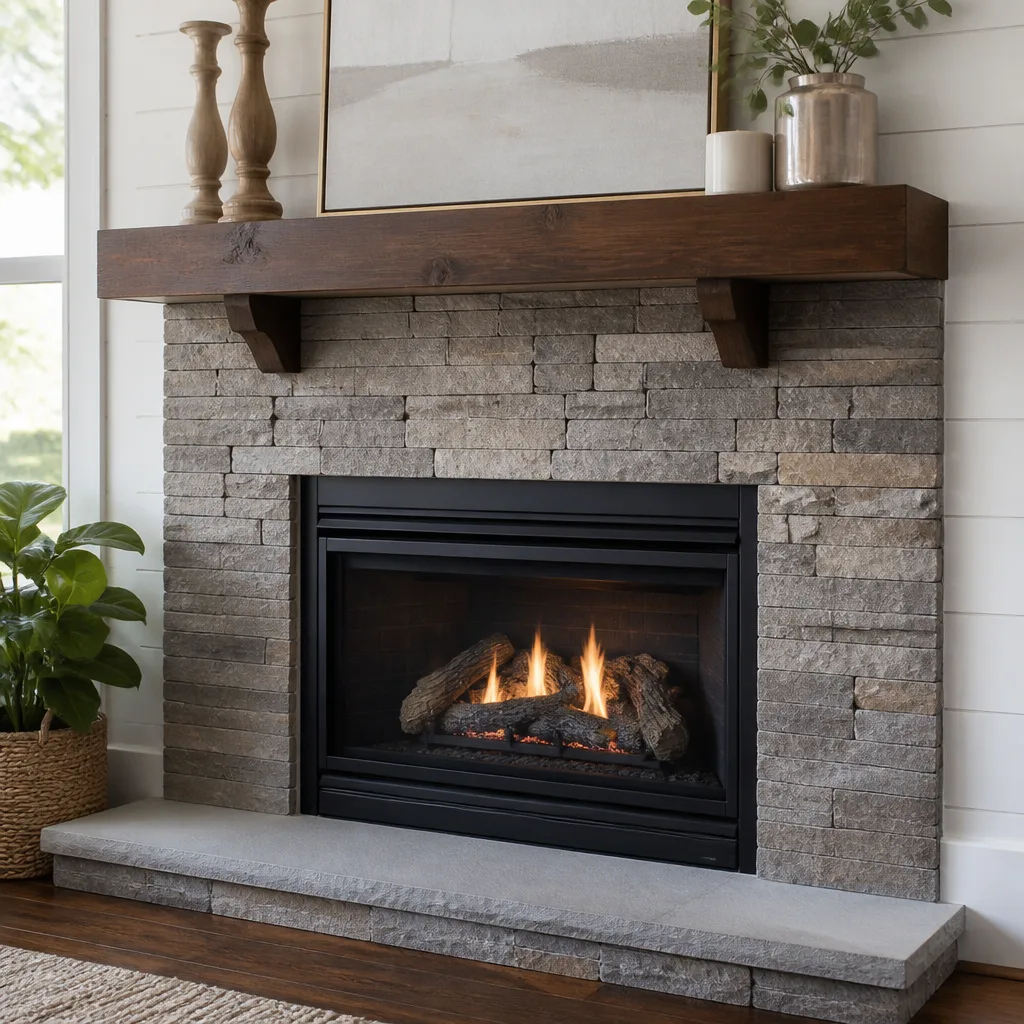
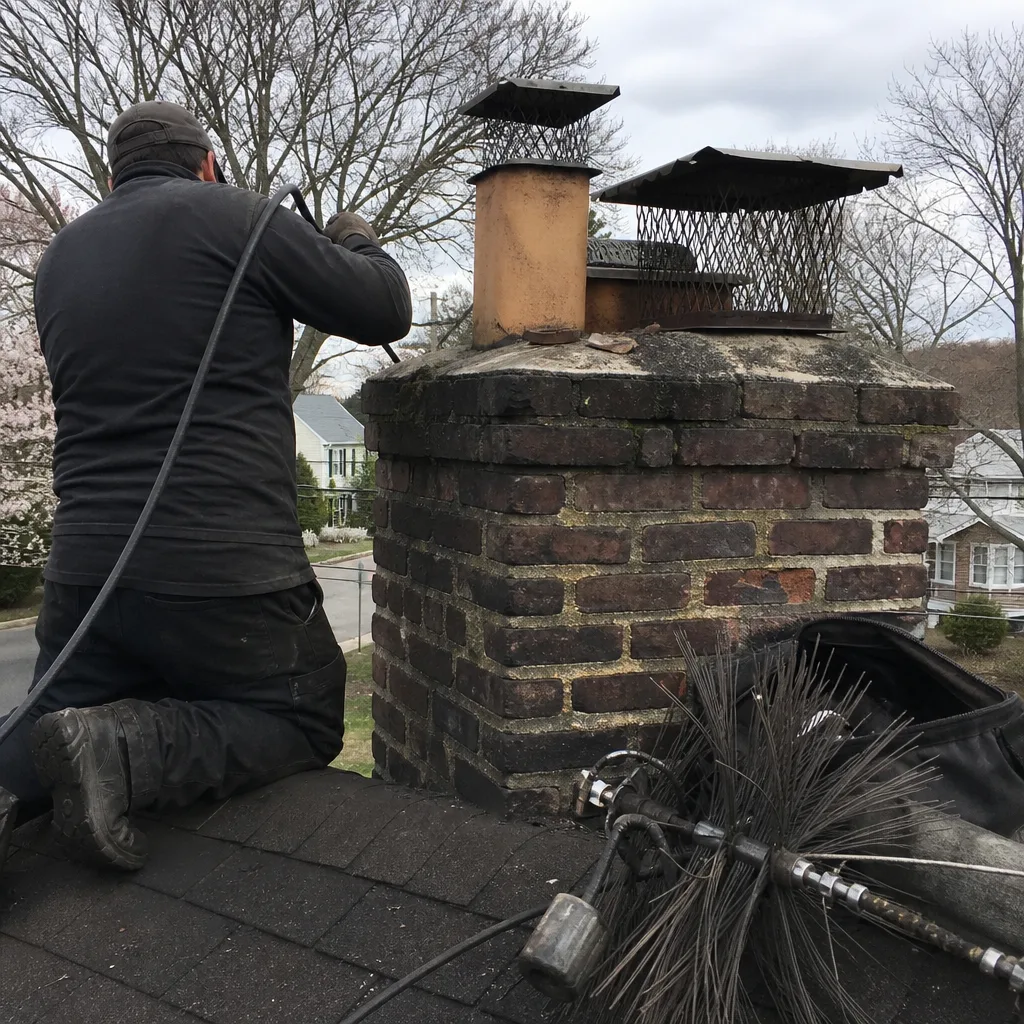 Before
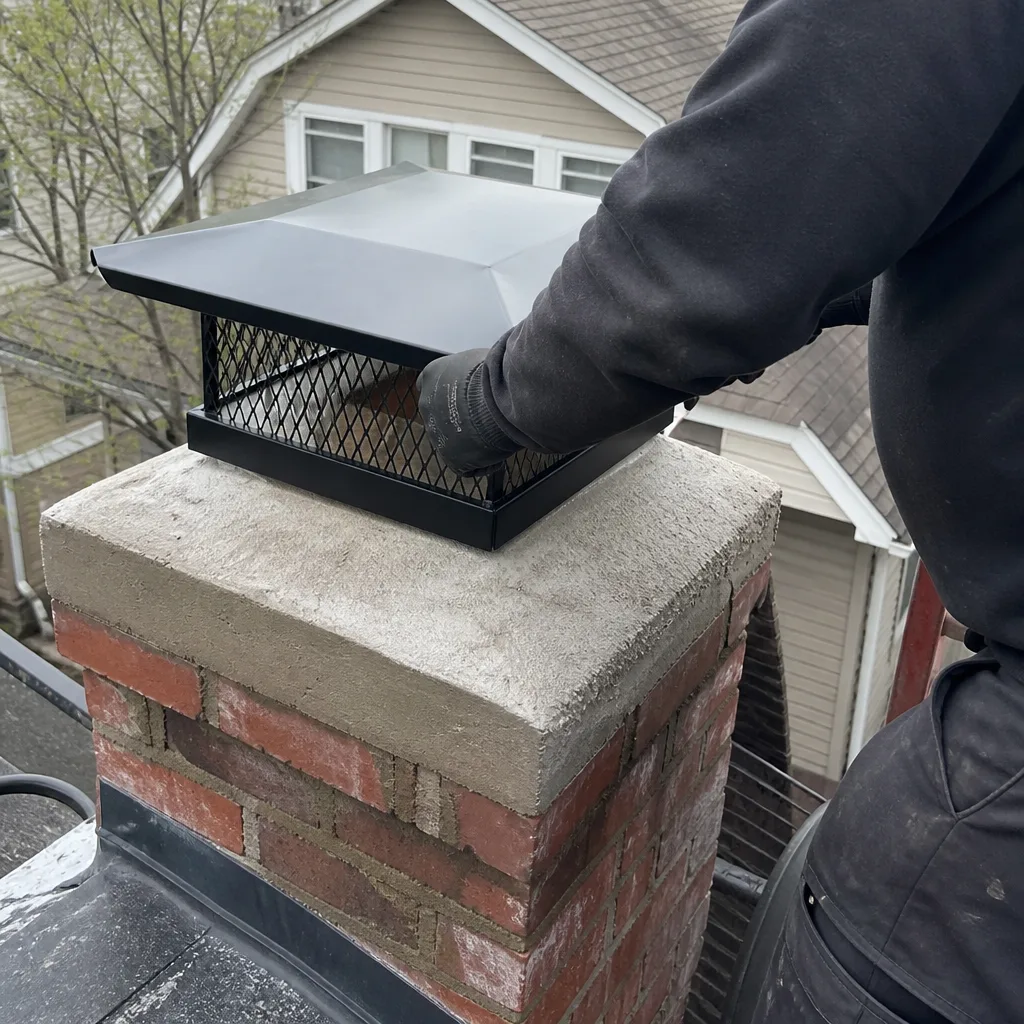 After
After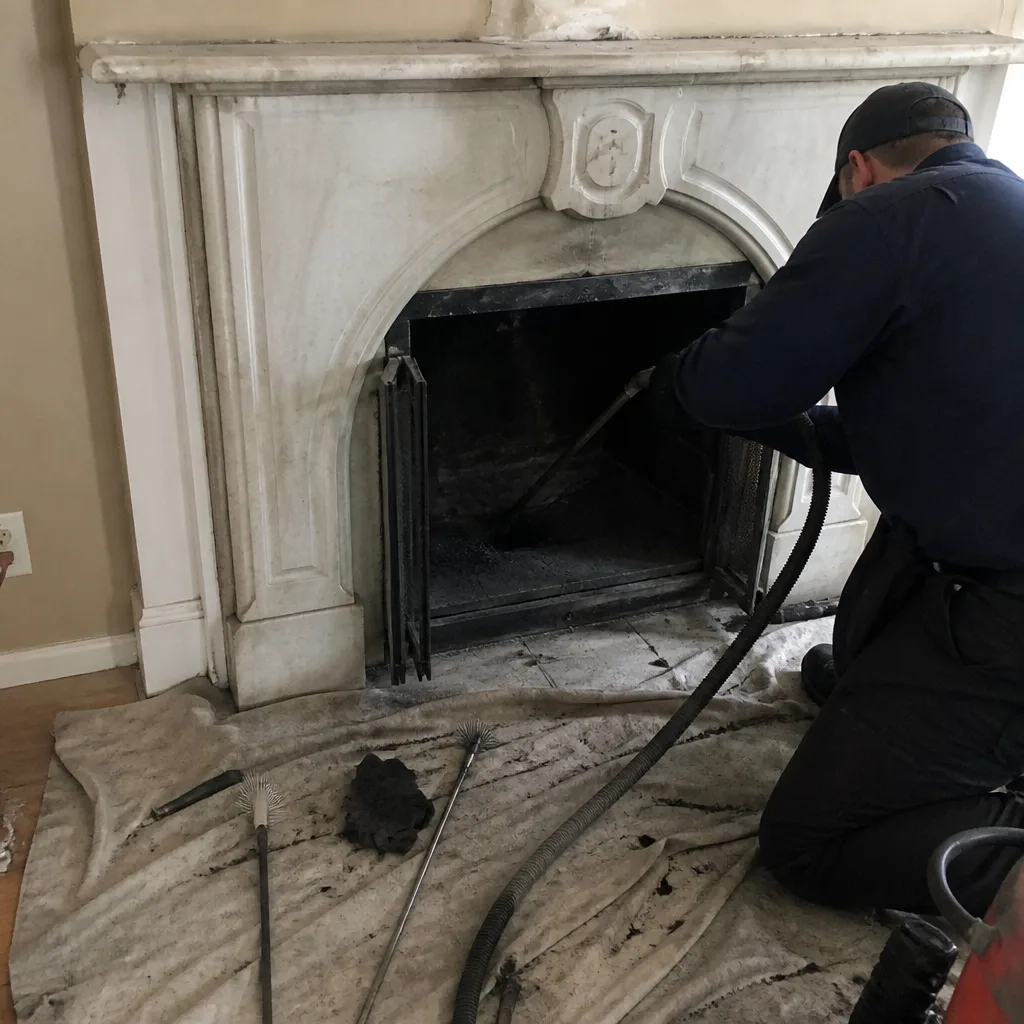 Before
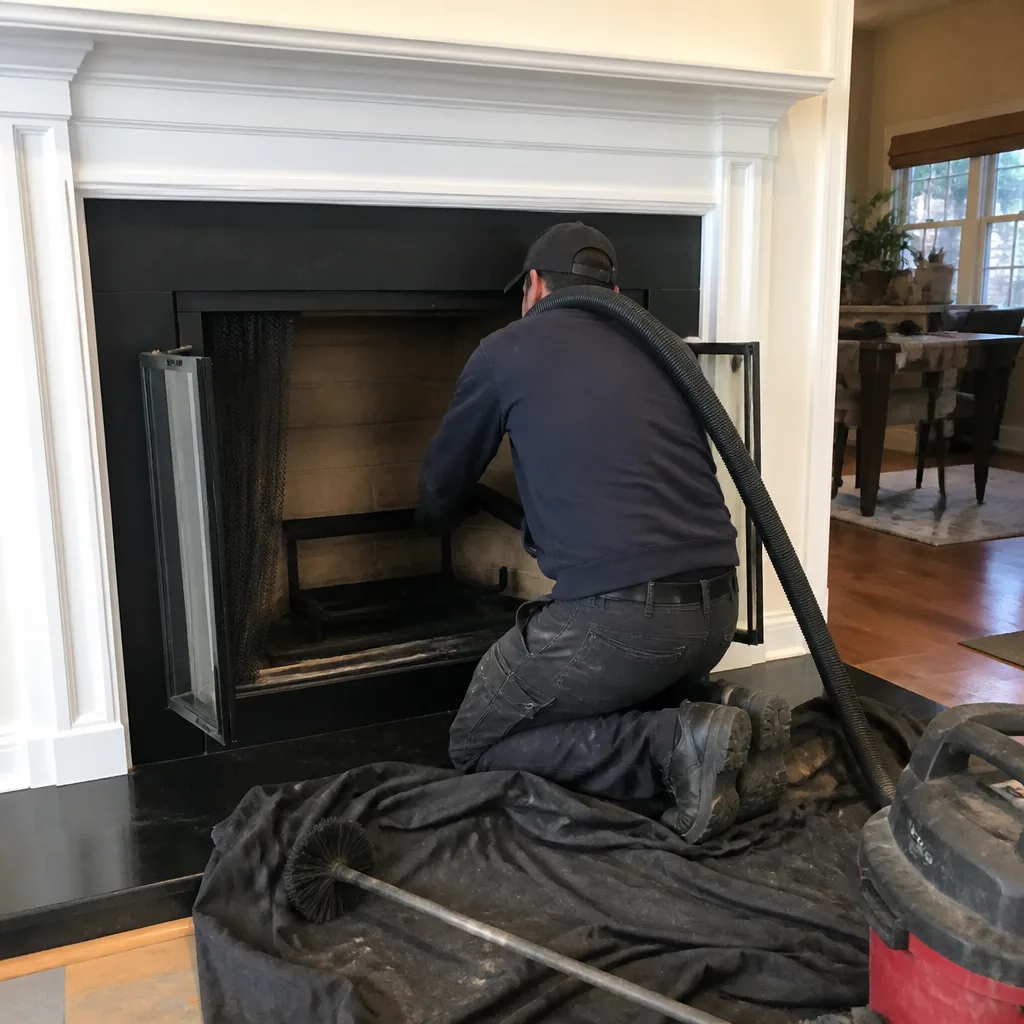 After
After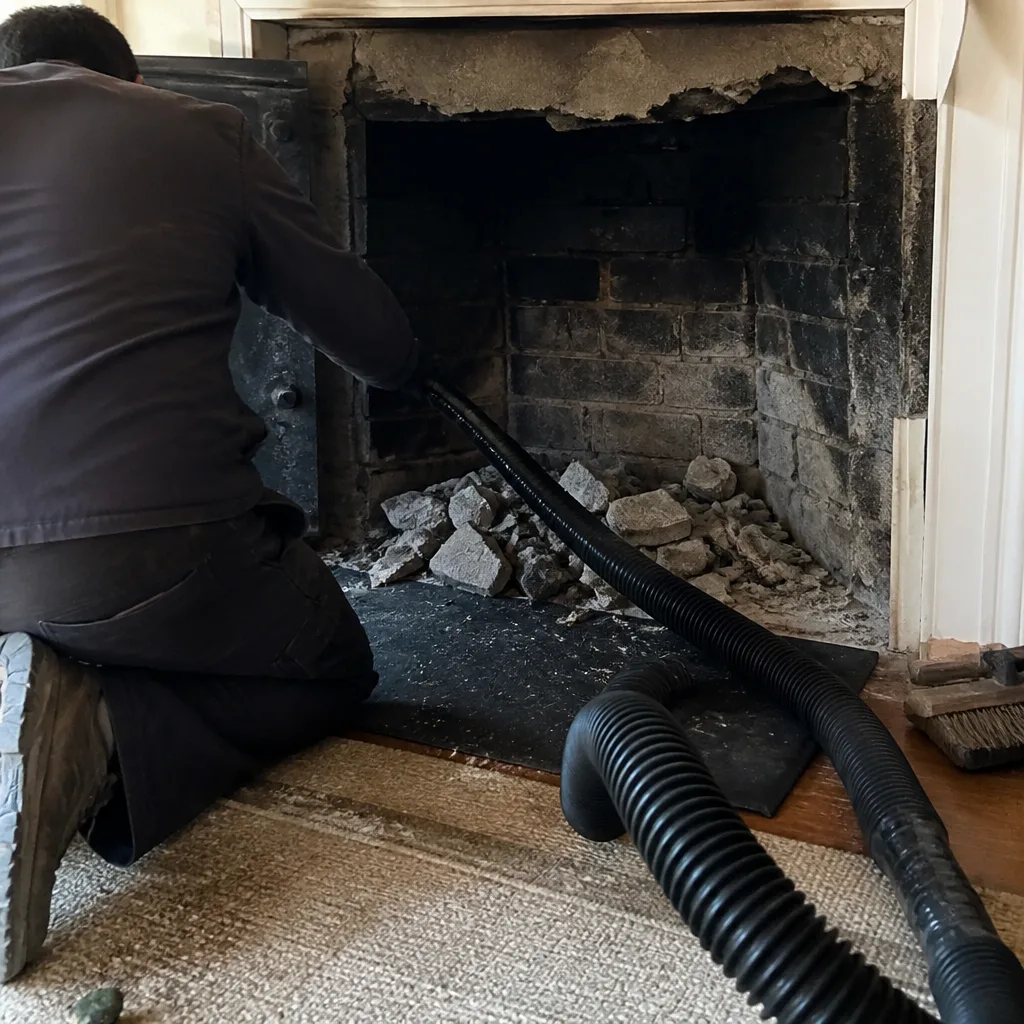 Before
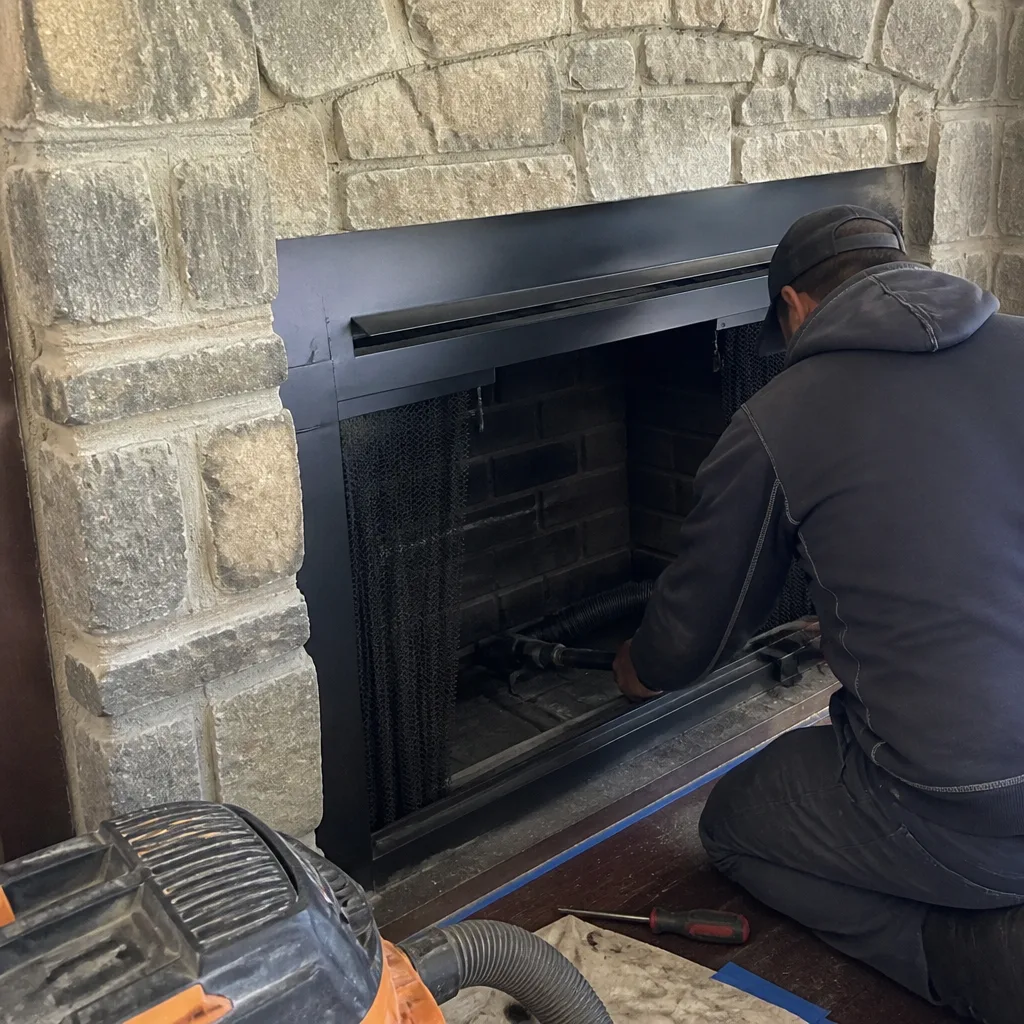 After
AfterSoot Removal in Manhattan, NY
How Much Does Chimney Cleaning & Sweep Cost? (2026 Price Guide) - Manhattan, NY shows soot removal in Manhattan typically runs between $180 and $380, depending on flue length, soot accumulation depth, and whether a camera inspection is needed to document liner condition. Most jobs are completed in a single visit, with a written price delivered before any work begins and a photo record included when the job is done.
Soot is the fine black carbon residue that coats your flue liner, smoke chamber, and firebox every time wood or gas burns incompletely. At low levels, it’s a routine byproduct. At higher levels – especially when it mixes with moisture inside a Manhattan chimney – it becomes corrosive, blocks draft, and accelerates liner deterioration. Our Chimney Cleaning & Sweep in Manhattan service addresses the full picture: creosote, debris, and soot in one documented visit. But when soot is the primary concern – the smell, the staining, the buildup you can see from the firebox opening – this page explains exactly what we do, what it costs, and what you walk away with.
If you’re searching for Chimney Cleaning & Sweep Near Me in Manhattan, NY and would rather talk through your situation before booking, call (862) 319-8047. A live person answers, 24 hours a day, seven days a week – not a voicemail, not a web form.
When You Need Soot Removal
Soot accumulates quietly. By the time you notice it, there’s usually more in the upper flue than what’s visible from the firebox. Here are the situations we see most often in Manhattan apartments and townhouses:
- You’re smelling smoke in the living space when the fireplace is not in use. Soot coated on the interior walls of the flue holds combustion odors and releases them back into the room, especially during warm, humid summers when barometric pressure drops – a condition common in high-rise buildings along the Upper West Side and Midtown East where stack effect varies floor by floor.
- You can see a visible black film or powder inside the firebox. A thin gray-black dusting is normal after a few fires. A thick, oily, or powdery black coating that extends up past the smoke shelf is a signal that incomplete combustion has been ongoing long enough to warrant a professional cleaning.
- Your fireplace draft is sluggish or the fire smokes into the room. Heavy soot deposits reduce the interior diameter of the flue, restricting the airflow column that draws combustion gases up and out. In older Manhattan brownstones with shorter flue runs, even modest buildup can tip draft into failure.
- A recent smoke or fire event left heavy residue behind. After a puff-back, a chimney fire, or a damper failure, the entire system – firebox, smoke chamber, and flue liner – may be coated with dense soot and should be cleaned and camera-inspected before the fireplace is used again.
- You’ve bought or rented a pre-war or postwar Manhattan co-op or condo with a wood-burning fireplace. Building management often cannot confirm the last cleaning date. A visual look from the damper is not sufficient to assess the flue; a Level 2 camera scan shows what’s actually coating the liner walls.
- Your annual chimney inspection photo record shows soot index above baseline. If you’ve had us out before, our documented photo archive lets us compare this season’s images against last year’s at the same flue location – a practice built into Haven Standard Clause 4 since 2009.
Our Soot Removal Process
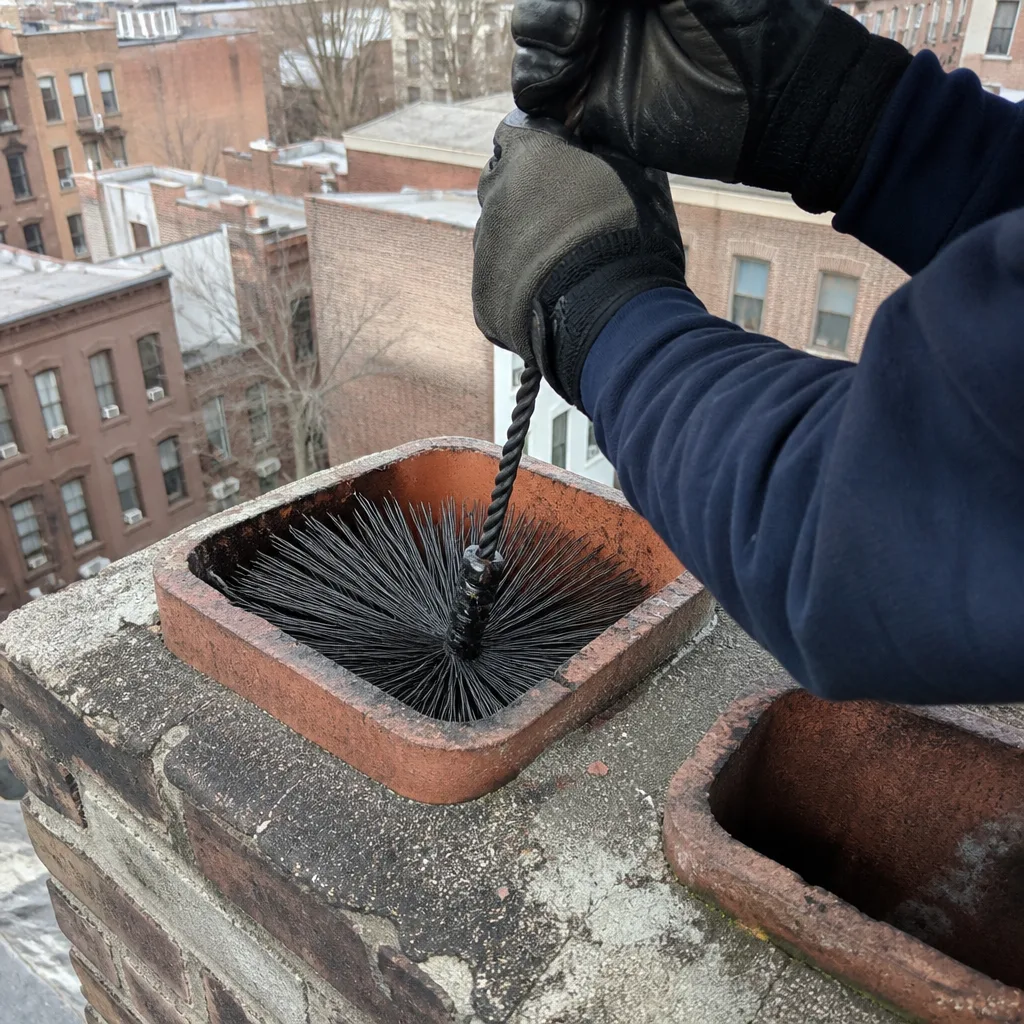
We don’t show up with a brush and a shop vac and call it done. Every soot removal visit follows the same documented sequence, because the only way to know the job is complete is to have evidence that it is.
- Written scope and price before anyone enters your home. Under Haven Standard Clause 1 – the “Have it in writing” clause – you receive a written price, written scope of work, and written warranty before the technician starts. If the camera reveals conditions that change the scope, we stop, explain what we found, and give you a revised written price. No surprises.
- Pre-cleaning Level 2 camera scan of the flue liner. We lower a high-resolution camera down the full length of the flue and record footage. This establishes the baseline: where the soot is heaviest, whether the liner shows any cracking or spalling beneath the soot layer, and whether Class I or early Class II creosote is present alongside the soot. Soot and creosote often coexist, and the camera tells us the ratio before we choose tools.
- Firebox and smoke chamber preparation. We seal the firebox opening with a drop cloth and HEPA-filtered vacuum connection to prevent soot migration into your living space. In Manhattan apartments – especially those in older pre-war buildings on the Upper East Side or in West Village row houses with narrow firebox openings – this containment step matters more than most homeowners realize. Soot is extremely fine and travels far if it’s not captured at the source.
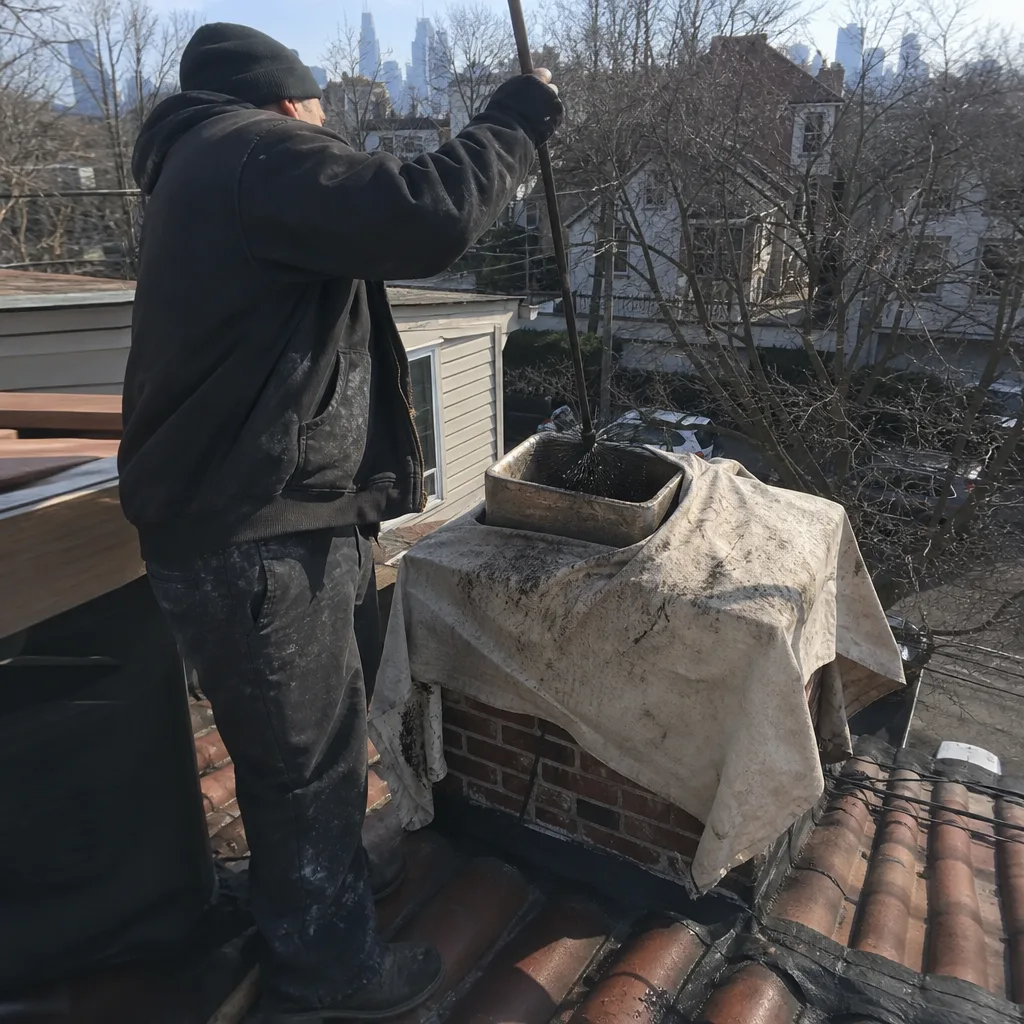
- Mechanical brushing and HEPA vacuum extraction. Rotary steel brushes sized to your flue’s specific dimensions – whether it’s a round clay-tile liner or a rectangular older brick flue – work top-down and bottom-up depending on access. We use Gelco and Copperfield professional-grade brush sets calibrated to flue dimension. The HEPA vacuum runs continuously at the firebox, capturing particulates before they settle.
- Post-cleaning camera confirmation pass. The camera goes down again after brushing. We compare before-and-after footage in front of you. If a section still shows coating above acceptable limits, we repeat the pass on that section. The photo record – timestamped, labeled by flue location – is yours to keep. This is not an optional add-on; it’s Haven Standard Clause 4.
- Written summary and 365-Day Done Right Promise. You receive a written report noting what we found, what we removed, and the current condition of the liner, smoke chamber, and damper. If soot returns to the same level within a reasonable burn cycle, or if our work is ever found to be incomplete, the 365-Day Done Right Promise means we come back and make it right at no charge.
BeforeAfterSoot Removal Pricing in Manhattan
Soot removal in Manhattan runs between $180 and $380 for a standard single-flue residential fireplace. That range reflects real variation – not a bait-and-switch opening price. Here’s what moves the number:
- Flue length and configuration: A Manhattan brownstone or townhouse with a two-story flue run takes longer to brush and inspect than a single-story flue. Angled offsets, which are common in older pre-war buildings where multiple fireplaces shared stacked flue systems, add time and require additional brush extensions.
- Soot depth and type: Light, powdery soot from gas logs or seasoned hardwood clears quickly. Dense, oily soot from wet wood or a long-idle fireplace requires more passes and occasionally a chemical conditioning agent to break down adherence before mechanical brushing.
- Co-existing creosote: If the camera reveals Class II or Class III creosote (a tar-like or glazed deposit) alongside soot, the job scope changes. Class III creosote – a hard, glazed residue – requires chemical treatment, typically with a product like Certified Chimney Sweep or a controlled combustion agent, before mechanical removal. That shifts the price toward the higher end of the range or beyond it, and we’ll give you a revised written price before any additional work begins.
- Access conditions: High-rise buildings in Midtown Manhattan or the Financial District sometimes require elevator coordination, building management access to roof hatches, or additional equipment for top-down entry. We factor that in before quoting.
What does not change the price: whether you’re a first-time or returning customer, whether you found us through a referral or a search, and whether you’re calling at 9 a.m. or 9 p.m. The written price is the price.
Bring us a competitor’s written estimate and we’ll give you a free second opinion – in writing – before you decide. Call (862) 319-8047 to schedule, or to ask a question before booking.
Soot Removal Price Ranges at a Glance
| Condition | Estimated Range |
|---|---|
| Light soot, single flue, standard access | $180 – $240 |
| Moderate soot, single flue, standard access | $240 – $310 |
| Heavy soot with offset flue or limited access | $310 – $380 |
| Soot plus Class II/III creosote present | Revised written price provided after camera scan |
| Post-fire or post-puff-back cleaning (smoke chamber included) | $350 – $520+, written before work starts |
FAQs – Soot Removal
Is soot dangerous, and how quickly does it need to be removed?
Soot is a health and fire hazard when it accumulates beyond a thin baseline coating. It contains polycyclic aromatic hydrocarbons (PAHs) and fine carbon particulates that can enter the living space through draft reversal or gaps in an aging liner. In Manhattan apartments, where fireplaces often share masonry with adjacent units, a compromised flue carries additional risk – not just to your household. As a rule, any visible soot buildup beyond a 1/8-inch coating, or any soot that has become oily or tar-like, should be removed before the fireplace is used again. If you’re unsure which category you’re in, the camera scan gives you the answer in one visit. Call (862) 319-8047 and we’ll schedule a same-week appointment.
What’s the difference between soot and creosote?
Soot is a dry or slightly oily carbon powder, the first-stage byproduct of combustion. Creosote is what soot becomes when it condenses further on cooler flue surfaces – moving through Class I (flaky, removable by brushing), Class II (tar-like), and Class III (a hard, glazed glaze) depending on burn temperature and frequency. Soot alone responds well to mechanical brushing. Class II or III creosote requires chemical treatment first. The camera scan done at the start of every Level Two visit shows us exactly which we’re dealing with, so the scope and price are accurate from the start – not revised after the technician is already in your flue.
How often should soot be removed from a Manhattan fireplace?
The National Fire Protection Association (NFPA 211) recommends at minimum an Annual Sweep and inspection for any actively used fireplace. In Manhattan, most wood-burning fireplaces are used seasonally – roughly October through March – which for a typical household translates to one professional cleaning per year, ideally in late spring or early fall before the burn season begins. If you’re burning more than three to four cords of wood per year, or if you’re burning softwood or wood with any residual moisture, a mid-season check is worth scheduling. Our documented photo archive means each visit gives us a direct before-and-after comparison, so the frequency recommendation comes from evidence, not a sales script.
Can I remove soot myself, or does it require a professional?
Light soot on firebox brick and the visible face of the smoke shelf can be wiped down by a homeowner using a HEPA vacuum, a stiff-bristle brush, and TSP (trisodium phosphate) solution. What cannot be safely or effectively done without professional equipment is the flue liner itself. Brushing the flue without a HEPA vacuum connected at the firebox sends fine soot particulates throughout the living space. More critically, brushing without a preceding camera scan means you don’t know whether there’s Class II or III creosote beneath the soot layer – and mechanical brushing on a glazed creosote deposit can crack and dislodge it in a way that increases fire risk rather than reducing it. For anything beyond visible firebox surfaces, a trained technician with camera equipment is the right call. Reach us at (862) 319-8047 for a written quote before committing to anything.
Why Level Two Chimney Manhattan for Soot Removal
Corrine Halstead built Level Two Chimney Co. around a premise that sounds obvious but is rare in the chimney trade: show the customer what you found, in writing, with photos, before you ask them to pay for anything. Since 2009, across more than 38,000 Chimney Cleaning & Sweep services, every soot removal visit has followed the same documented sequence – camera scan in, written price before work begins, photo record when it’s done, 365-Day Done Right Promise stamped on the job.
That practice became Haven Standard Clause 4 not because regulators required it, but because it’s the only way to know the work is actually complete. A brush going down a flue and coming back up doesn’t prove the liner is clean. A before-and-after camera comparison does.
Our technicians are background-checked and uniformed. You get a text when they’re on the way and a name before they arrive. We use professional-grade brush sets sourced through the Haven buying network – Copperfield and Gelco tooling calibrated to your specific flue dimension – and every material cost is factored into the written price you receive before anyone starts.
Manhattan fireplaces – whether in a pre-war co-op on Riverside Drive, a brownstone in Chelsea, or a newer build in Hudson Yards – each have their own flue geometry, liner material, and access conditions. We know the building types, the stack-effect variables that affect draft in high-rise towers, and the older clay-tile liner configurations common in pre-1940 construction. That familiarity shows up in accuracy: an accurate scope, an accurate price, and a cleaning that holds up to camera documentation.
If you’ve already received a written estimate from another company, bring it to us. We offer a free second opinion on any written quote – in writing – so you can compare scope, not just price. And if you’re starting fresh, a call to (862) 319-8047 gets you a live person, a scheduled visit, and a written price before any work begins.
The full scope of what we do – creosote removal, debris clearing, smoke chamber cleaning, and liner inspection – is covered under our home service overview. For the complete breakdown of seasonal chimney cleaning and annual sweep service in Manhattan, visit our Chimney Cleaning & Sweep in Manhattan page.
Written by Corrine Halstead, Owner at Level Two Chimney Manhattan, serving Manhattan.