
Last updated September 20, 2026
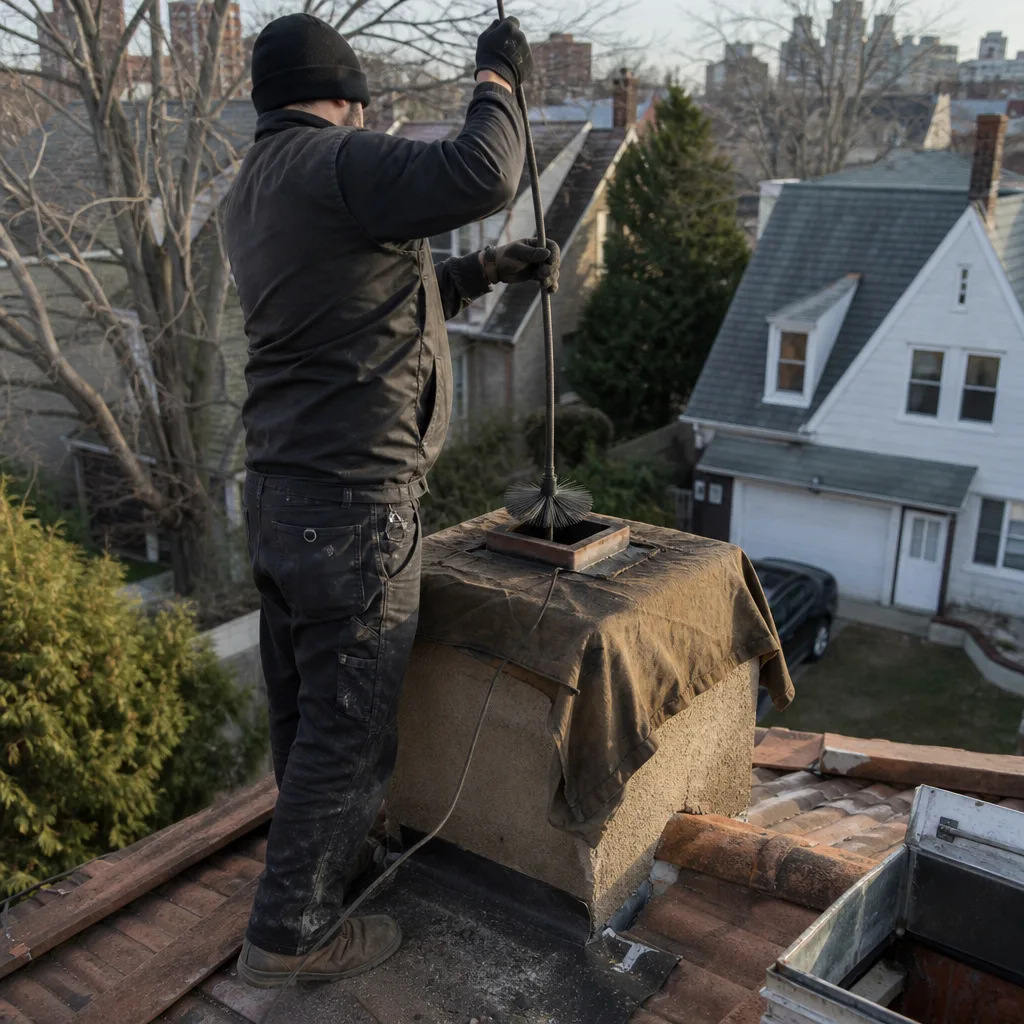
Level 1 sweep and inspection to the NFPA 211 annual standard - flue, crown, cap, and flashing checked and photographed
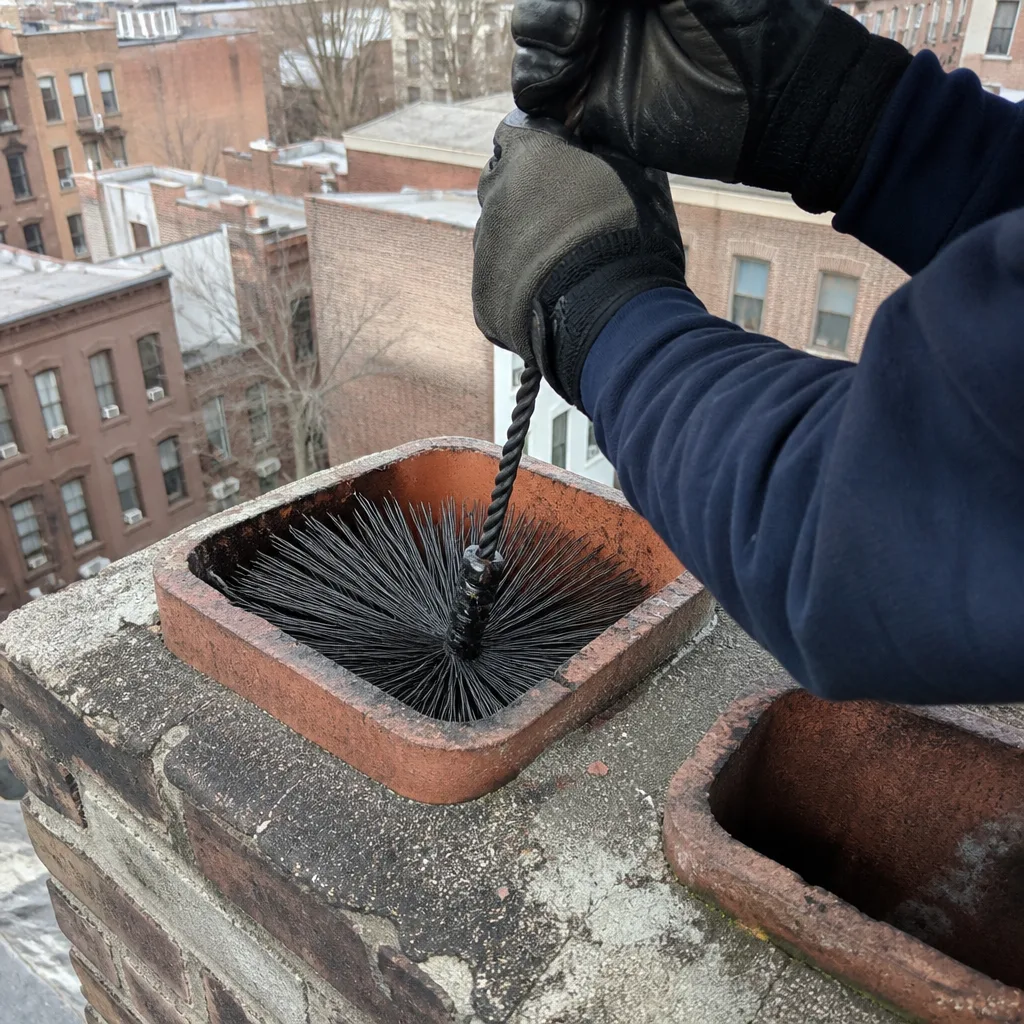
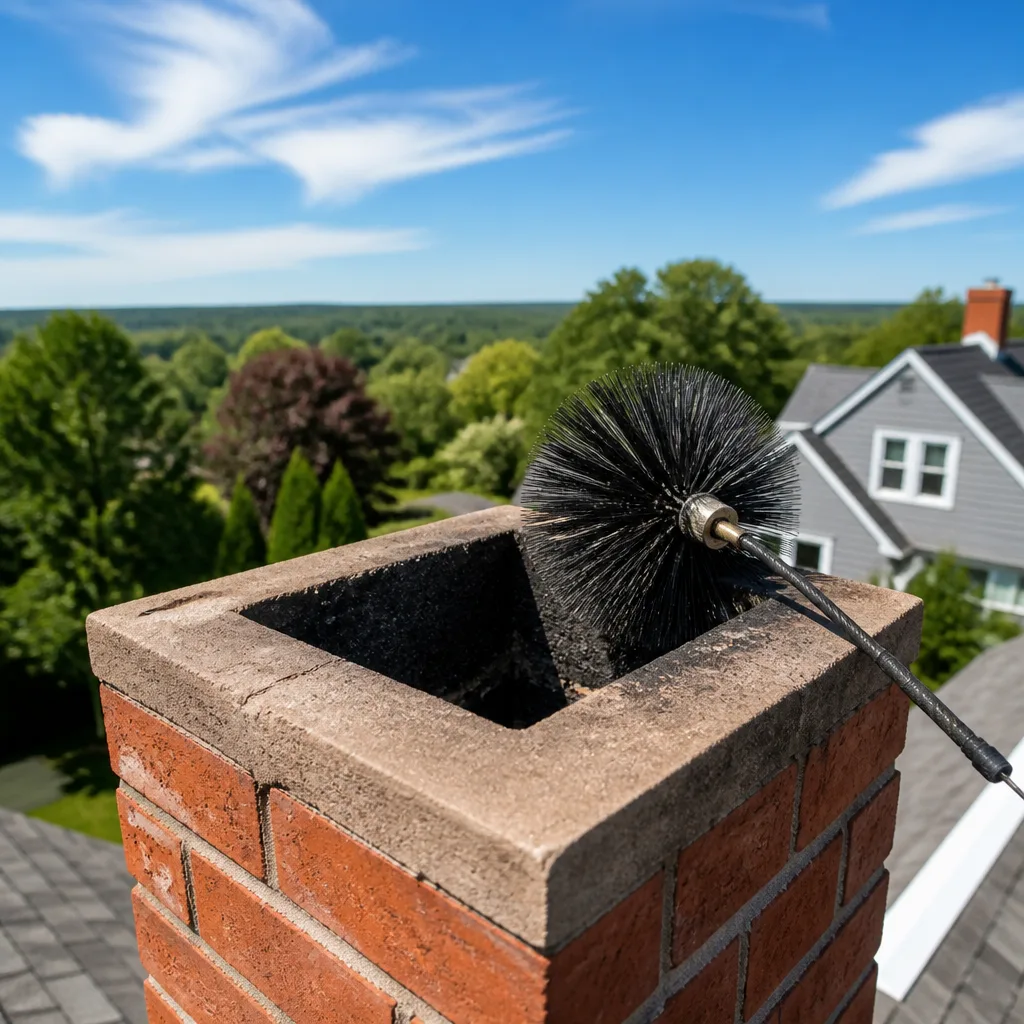
Chimney sweep logs do not sweep chimneys. They loosen some creosote - which then falls where a brush and vacuum still have to collect it.
Caps & crowns
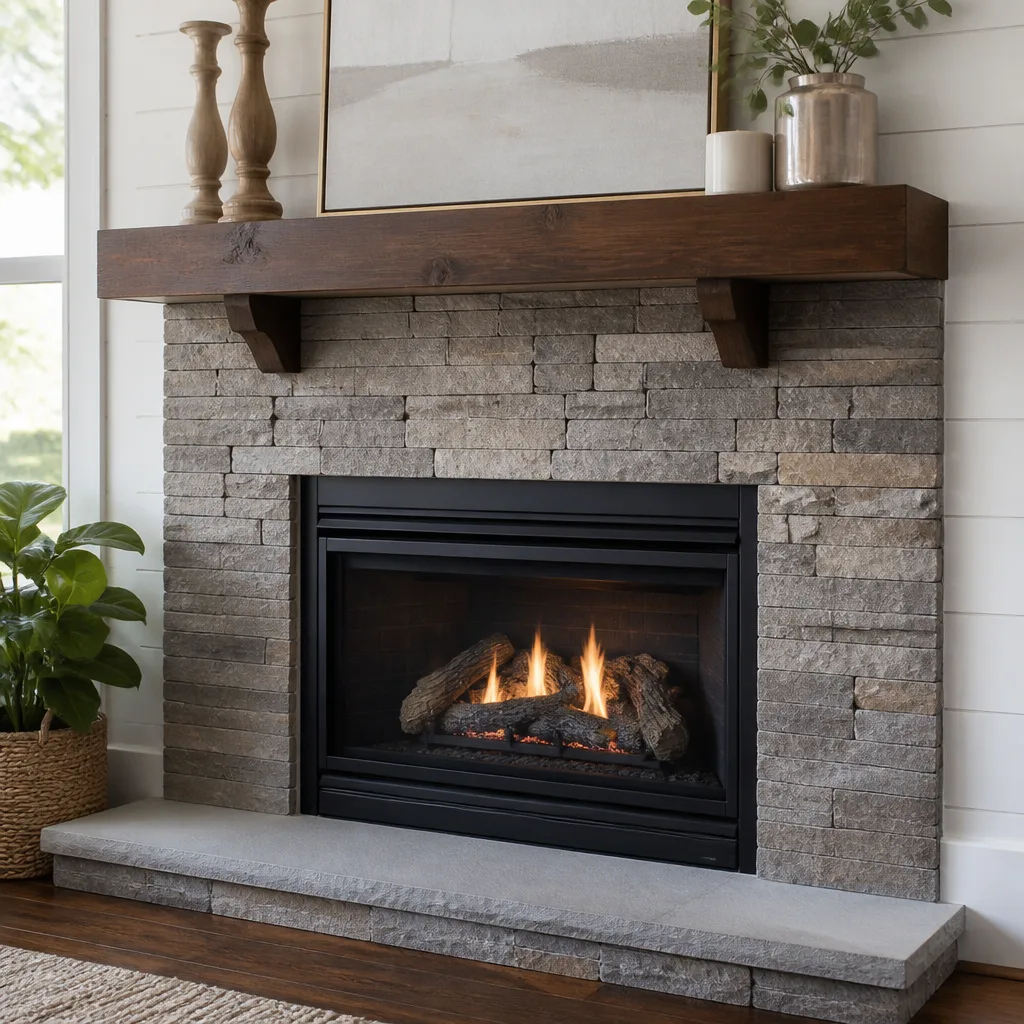
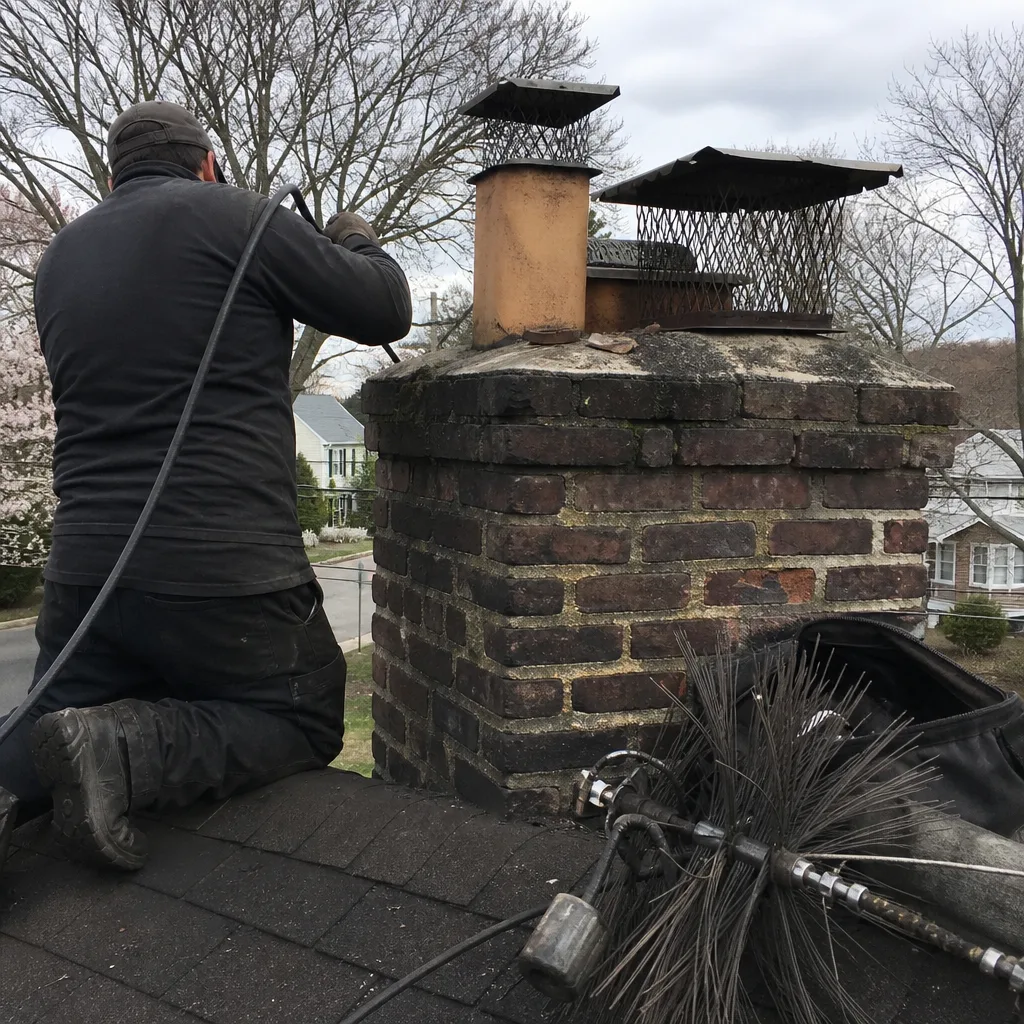 Before
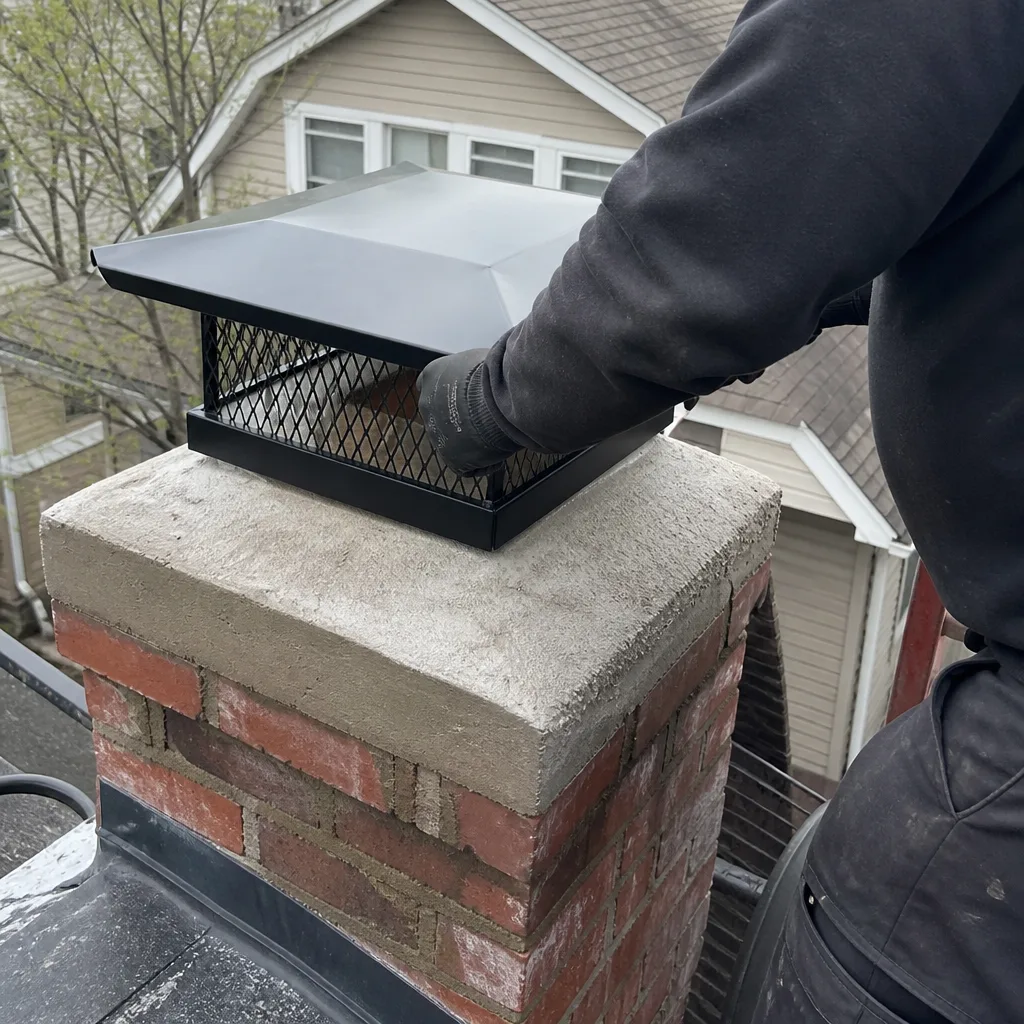 After
After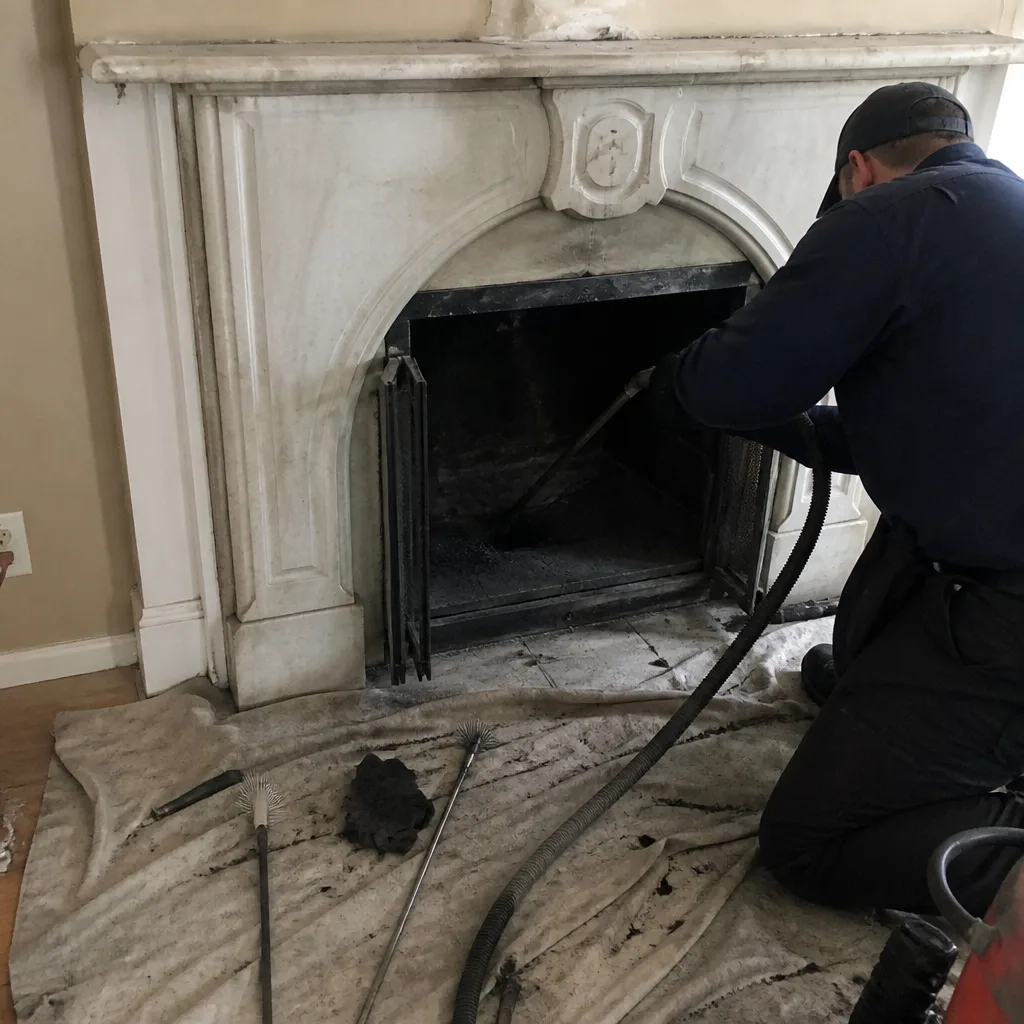 Before
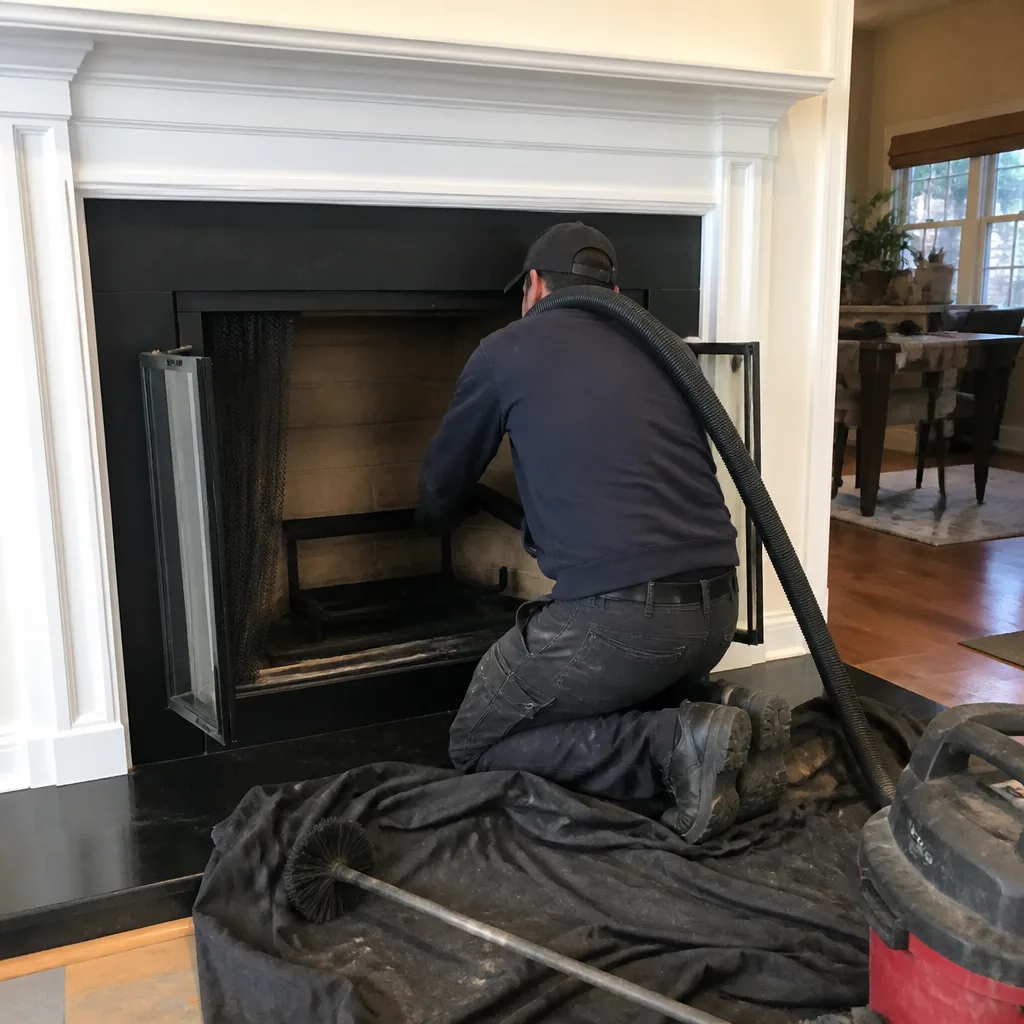 After
After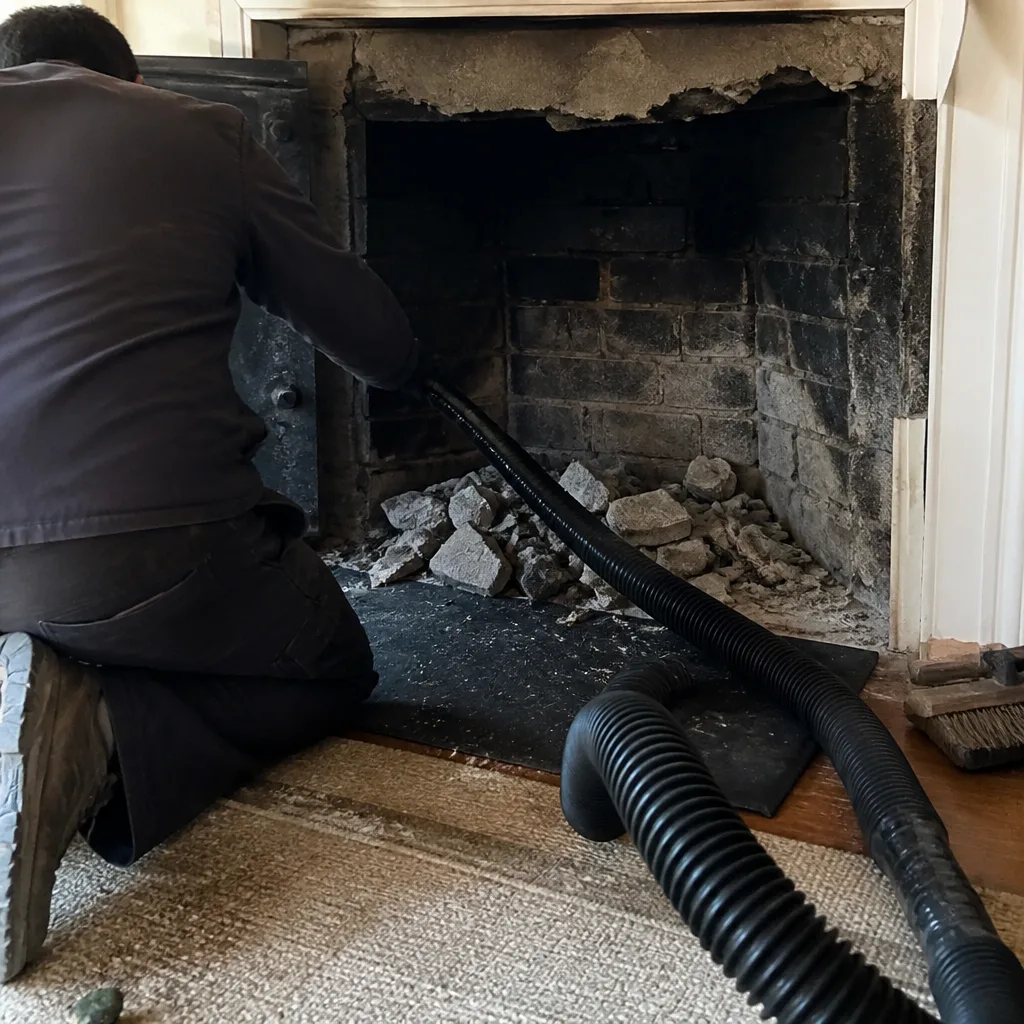 Before
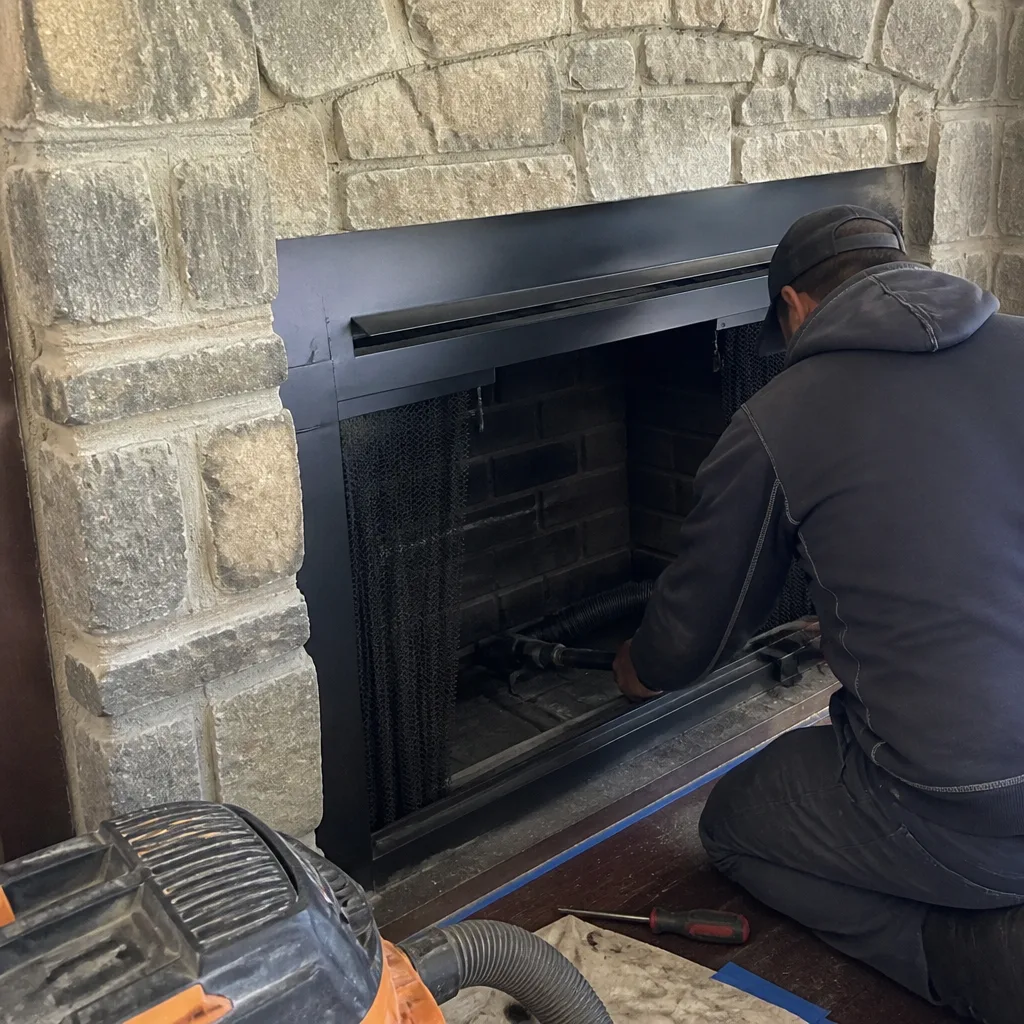 After
AfterThe Complete Guide to Chimney Cleaning in Manhattan
The FDNY responds to roughly 300 chimney-related fires and carbon monoxide incidents across New York City each year. The uncomfortable pattern: most of those buildings had a chimney sweep on record. What they didn’t have was a camera ever pushed down the flue. A receipt for a cleaning tells you someone showed up. It doesn’t tell you what they actually saw, or missed, behind the brick. This guide maps the specific ways Manhattan chimneys fail, what a proper inspection actually reveals, and how to read the difference between a real sweep and a fast one. For more guides & resources on keeping your chimney safe, see our blog. We’re writing this from years of camera-scan work in Manhattan’s older buildings, where the standard checklist was never enough.
Quick Answer
A proper chimney cleaning in Manhattan NY costs $279 to $349 for a standard sweep when it includes a camera inspection, and $449 to $599 for a Level 2 chimney sweep with video scan and written documentation. The sweep itself prevents chimney fires, but the camera scan is what finds the hidden hazards: cracked flue liners, deteriorating mortar joints, and converted fireboxes that were never checked after gas lines were installed. In Manhattan, that camera step is not optional. The building’s age and construction make it the only way to see what’s actually happening inside the walls.
Table of Contents
- Why Manhattan Chimneys Fail Differently
- Level 1 vs Level 2: What Your Co-op or Insurer Actually Needs
- Converted Gas Logs and the Liner Assessment Rule
- What Chimney Cleaning Costs in Manhattan NY
- What Your Post-Cleaning Report Should Contain
- How to Read a Sweep’s Invoice
- Common Mistakes to Avoid
- When to Call a Professional
- Frequently Asked Questions
BeforeAfterWhy Manhattan Chimneys Fail Differently
Manhattan’s housing stock is unlike anything in the surrounding suburbs. A chimney in Scarsdale or Short Hills is typically a single flue serving one fireplace, running straight up through the house with clear space on all four sides. A Manhattan chimney, by contrast, is often a multi-flue structure built into a party wall, shared with the building next door. The wall itself may be wythe construction: multiple vertical layers of brick stacked so tightly that the flue liner is effectively part of the building’s structural masonry, not a free-standing pipe.
That changes everything about how a chimney behaves under heat. When a flue runs through a party wall and the neighboring building has a different roofline, the chimney can be exposed to wind patterns and thermal differences that a standalone chimney never experiences. The draft can pull in the wrong direction. The brick can soak up moisture from the adjoining structure. And because access is limited, the flue gets inspected far less often than it should.
We see this all over Manhattan, from Upper West Side brownstones to East Village pre-wars. The shared party-wall flue is the single biggest reason a Manhattan chimney can pass a visual check and still be dangerous. The inspector looks up from the firebox with a flashlight, sees darkness, and calls it fine. But twenty feet up, where the liner passes through the neighbor’s wall, the clay tiles may be cracked through entirely. No flashlight in the firebox can reveal that. Only a camera scan can.
Manhattan’s converted attics and rooftop decks create another set of problems. A chimney that once rose fifteen feet above the roof line may now rise five feet, because a renovation added a floor or a bulkhead. When a chimney is too short relative to the roofline, it cannot draft properly. Smoke backs up. Carbon monoxide spills into the living space. These situations are not rare. We find them regularly in neighborhoods where rooftop additions were built during the 1980s and 1990s renovation boom.
Pre-War Masonry and Flue Clearance
Pre-war Manhattan buildings, generally defined as those constructed before 1930, were built with materials and methods that pre-date modern code. The flue liners in these chimneys are often single-wall clay tile, and the clearance between the flue and the combustible framing is frequently less than what current building codes require. This is not a question of whether the original builders did poor work. They built to the standards of their time. But the standards have changed, and the building hasn’t.
The consequence: heat transfers through the masonry more readily than in a modern chimney. If creosote has built up inside the flue, that heat transfer can ignite it. In a shared party wall, that means a fire that starts inside your chimney can spread into the wall cavity and move into the neighboring structure before anyone smells smoke. This is not theoretical. It is precisely the scenario that the FDNY’s annual chimney fire statistics describe.
For these buildings, a chimney cleaning in Manhattan NY is not just about removing creosote. It’s about establishing a baseline. You need to know what the liner looks like on camera, how much clearance exists, and whether the flue has ever been properly relined. Once that baseline exists, you can make informed decisions. Without it, you’re guessing.
Level 1 vs Level 2: What Your Co-op or Insurer Actually Needs
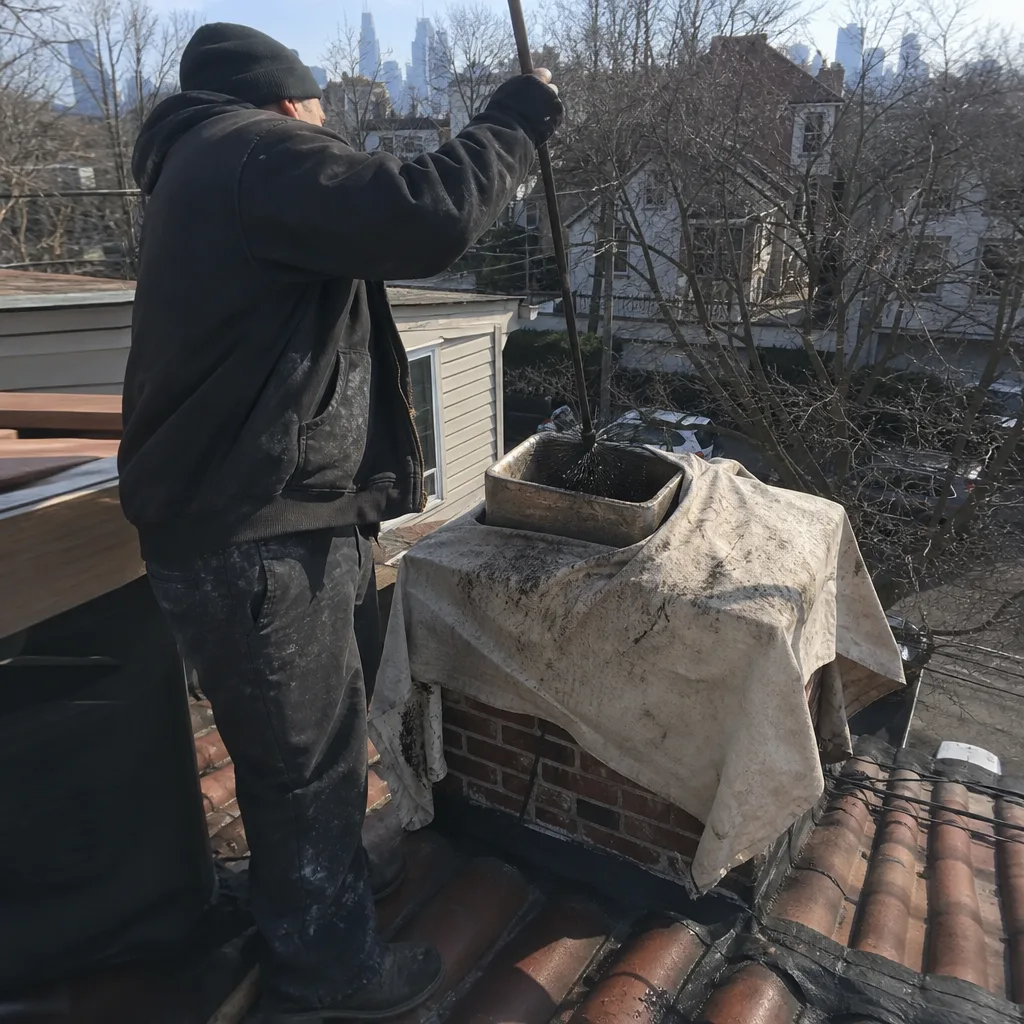
The National Fire Protection Association (NFPA) defines three levels of chimney inspection. The difference between Level 1 and Level 2 is the difference between looking and seeing. And it determines whether your co-op board or insurance company will accept your chimney as properly maintained.
- Level 1: A visual inspection of the readily accessible portions of the chimney. The tech looks into the firebox, checks the damper, and looks at the exterior from the ground or roof if safe. No camera. No climbing into difficult areas. This is appropriate only when the chimney has not changed since its last inspection, and no changes are planned. In Manhattan, that condition almost never applies.
- Level 2: A full visual inspection plus a video scan of the flue interior from top to bottom. The tech sends a camera down the flue, documenting the liner condition, any blockages, any cracks or gaps, and any buildup. This is required by NFPA 211 when the property is being sold, when the system has changed (such as a new appliance or gas conversion), or when an event has occurred (chimney fire, earthquake, structural work). In Manhattan, these conditions apply constantly.
- Level 3: A Level 2 inspection plus selective demolition to access concealed areas. This is used only when a Level 2 scan reveals serious issues that require opening a wall to fully assess.
Here’s what matters for Manhattan specifically: Most co-op boards and an increasing number of insurers now require a Level 2 inspection on file before a sale closes or a policy is renewed. The reason is simple. Manhattan buildings are old, densely packed, and filled with chimneys that haven’t been thoroughly inspected in decades. A Level 1 visual pass simply doesn’t provide enough information for an underwriter to assess risk.
At Level Two Chimney Manhattan, we’ve made the camera scan part of every cleaning since 2009. That means the chimney cleaning you schedule with us automatically includes the Level 2 documentation you’d otherwise need to order separately. For Manhattan homeowners navigating co-op requirements, that’s the fastest way to close the compliance gap.
The report matters as much as the scan. A Level 2 inspection should produce a written record: what was found, what the liner condition is, what the clearances measure, and what the video shows. If your sweep hands you a verbal summary, ask for the written version. If you’re told there isn’t one, you’ve just learned something important about that company.
Converted Gas Logs and the Liner Assessment Rule
Walk into most pre-war brownstones and townhouses in Manhattan today, and you’ll find the original wood-burning fireplace has been converted to gas. Gas logs are clean, convenient, and don’t require the same kind of ongoing creosote management that wood burning does. But the conversion creates a specific hazard that most cleaning guides never mention.
A gas fireplace produces a different kind of exhaust than a wood fire. The combustion of natural gas releases a high volume of water vapor along with acidic compounds. When that exhaust moves through an old clay-tile flue that was originally sized for wood, two things happen. The acid slowly eats at the mortar joints between the tiles. And the condensation soaks into the masonry, accelerating spalling (the crumbling or flaking of brick surfaces) and liner deterioration.
The old flue liner was never sized for gas. It was sized for a hotter wood fire that would push exhaust up and out before it could condense. Gas burns cooler, exhausts slower, and gives that moisture time to sit against the liner walls. Over years, this creates a condition called flue gas condensation damage.
Here’s the rule we apply: No converted gas-log fireplace in a Manhattan brownstone should be cleaned until the liner has been assessed on camera. If the liner has deteriorated, running the gas fireplace is actively accelerating the damage. And a standard cleaning can dislodge liner fragments that then fall into the smoke chamber and block the flue entirely.
The fix, when needed, is a resized metal liner (we work with DuraFlex and HeatShield materials for Manhattan chimney repair), properly sized for gas exhaust. This is a straightforward installation in most homes, but it has to be done with a permit in many Manhattan co-op buildings, which means the written documentation matters. You need a record of what was found, what was installed, and why.
What Chimney Cleaning Costs in Manhattan NY
Chimney cleaning prices in Manhattan NY run higher than in the outer boroughs or the suburbs. That’s not markup. It’s the honest cost of working in dense, old buildings with limited rooftop access, party-wall flues, and strict building requirements.
We publish our pricing because we believe you should know the number before you book. Here’s what we charge in Manhattan:
| Service | Price Range | What’s Included |
|---|---|---|
| Standard Chimney Sweep with Camera Inspection | $279 to $349 | Full flue cleaning, firebox cleaning, damper check, camera scan, written report, photo record |
| Level 2 Chimney Sweep and Video Scan | $449 to $599 | Everything above plus full Level 2 video documentation, clearance measurements, liner condition notation, co-op-ready written report |
| Flue Liner Assessment (add-on to any sweep) | $129 to $199 | Dedicated camera pass with liner condition mapping |
| Gas Firebox Cleaning and Log Inspection | $149 to $249 | Firebox cleaning, log assembly check, burner inspection |
These are flat prices, not ranges you’ll see advertised then inflated on site. We write the price before we start, on paper, and that’s the price you pay. No surprise line items. No “we found something while we were in there” upsell. If we find something that needs repair, we show you the camera footage and quote the repair in writing. You decide.
The factors that push a Manhattan chimney cleaning toward the higher end: multi-flue chimneys that require longer cleaning time, difficult roof access (common in mid-block townhouses), and flues that haven’t been cleaned in more than five years. The years of accumulated creosote don’t brush away quickly.
What Your Post-Cleaning Report Should Contain
You should walk away from every chimney cleaning with a written document in hand. Not a text message. Not a verbal summary. A written report. Here’s what a proper post-cleaning report contains, line by line.
- Liner condition notation: The tech should write down what the liner looked like on camera: intact, cracked, spalling, or absent. If there’s an issue, it should be described in plain language. “Clay tile liner shows hairline cracking at the 15-foot mark” is useful. “Some wear” is not.
- Creosote classification: Creosote is classified by type and severity. Class I is light, dusty soot. Class II is flaky, granular creosote. Class III is dense, glazed, tar-like creosote. The class determines the cleaning method. A proper report names the class, not just “some buildup.”
- Clearance measurements: The distance between the flue and any combustible material. This matters in older Manhattan buildings where the clearance may not meet current code. The report should note whether the clearance is adequate or needs attention.
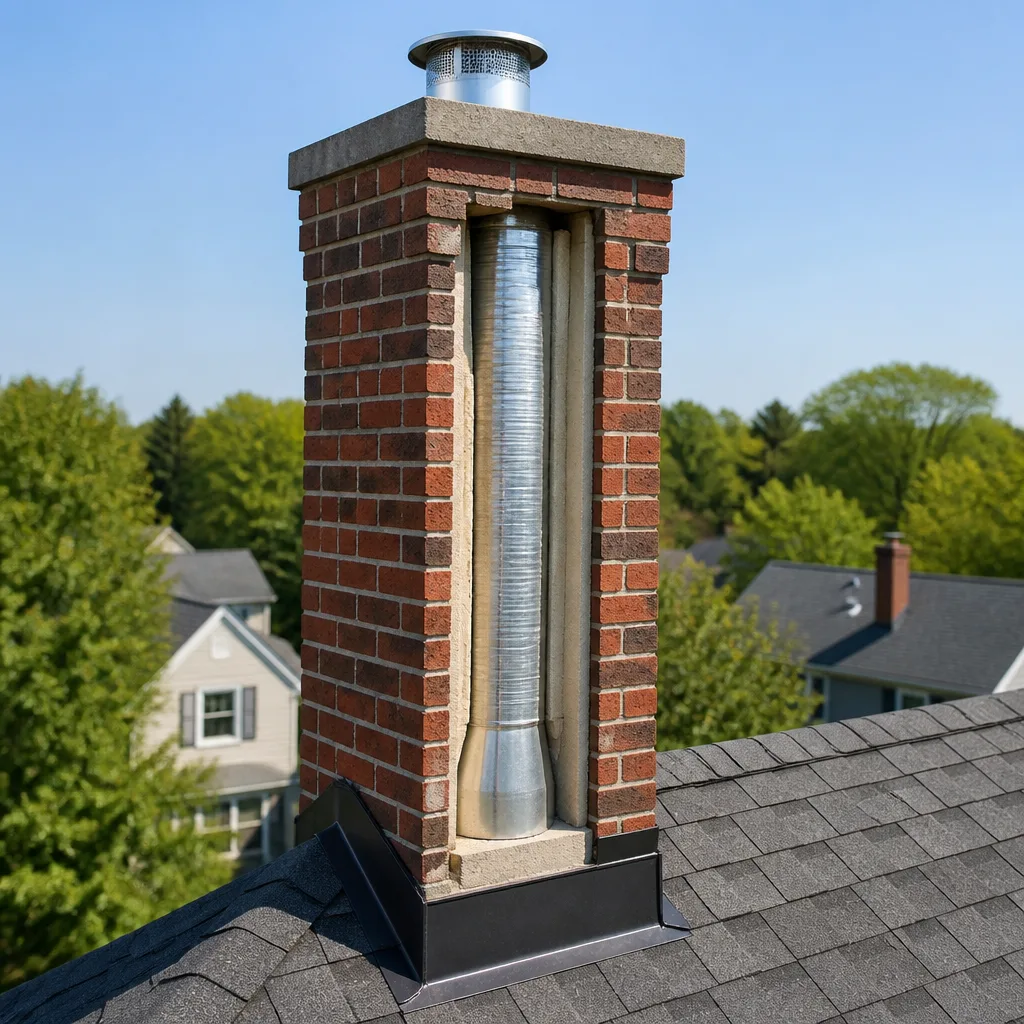
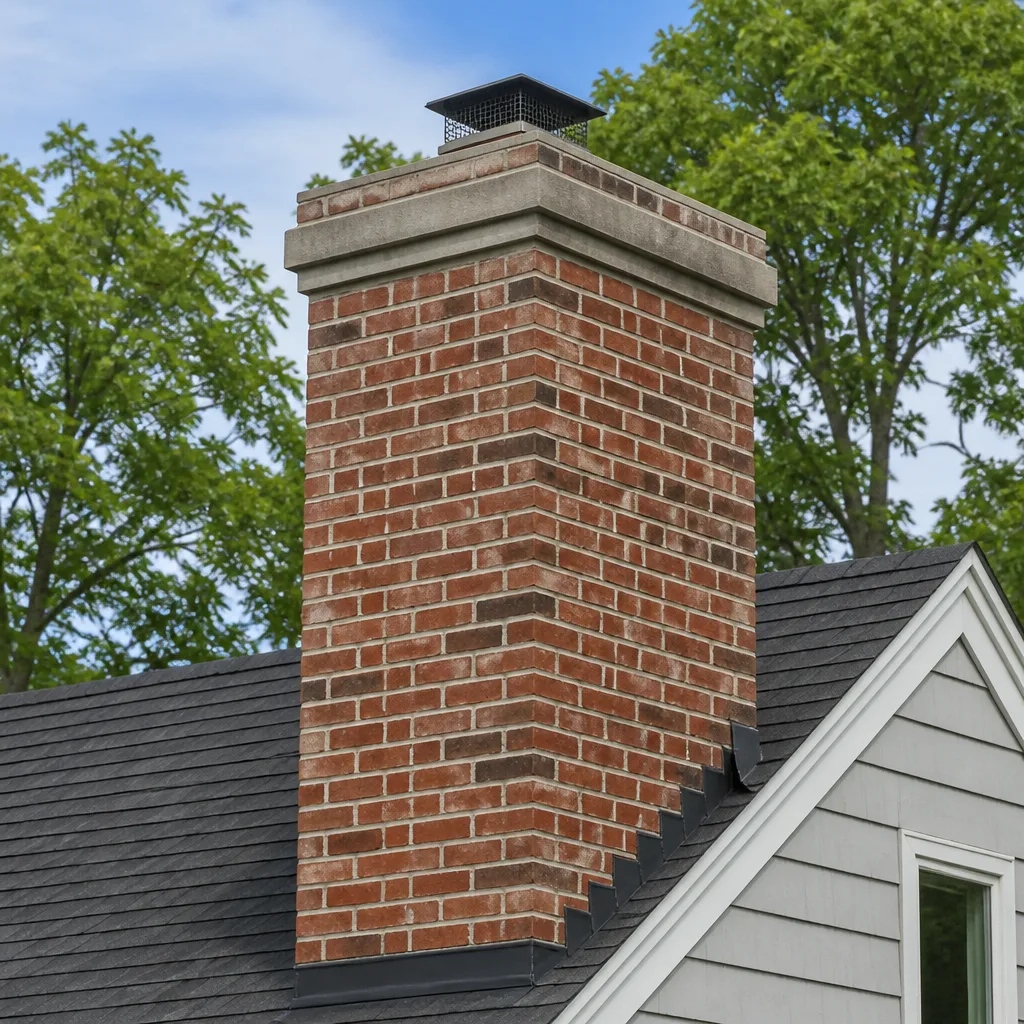
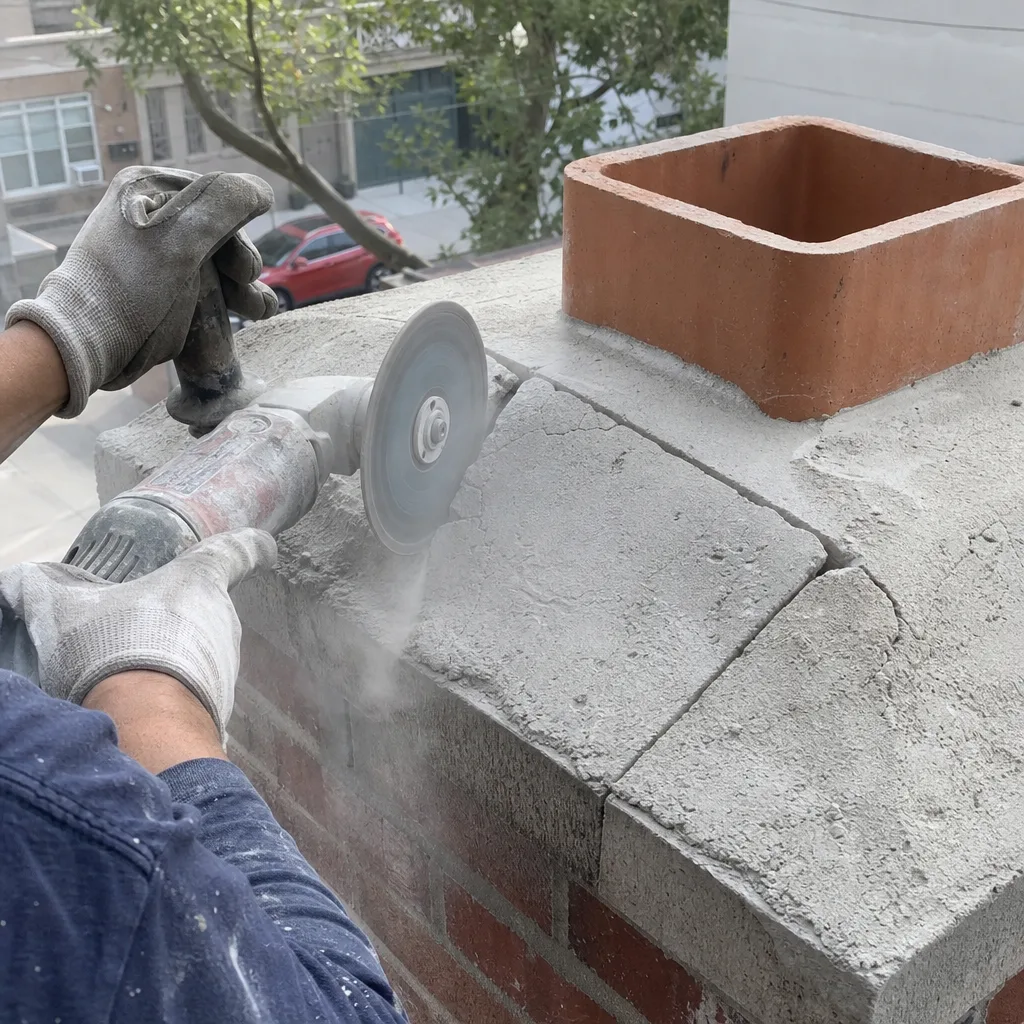
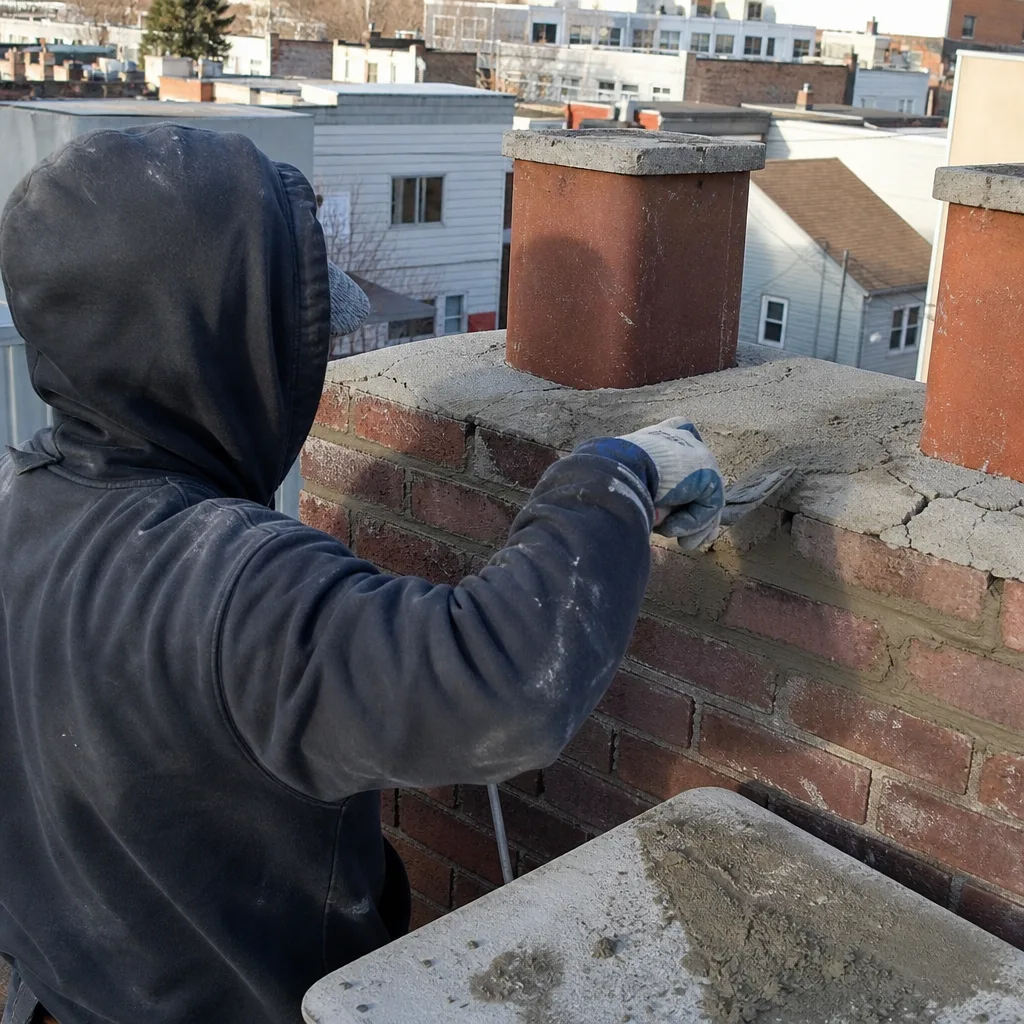
- Crown and cap condition: The concrete crown at the top of the chimney and the metal cap (or absence of one). A cracked crown lets water in. A missing cap lets animals, leaves, and debris in. Both should be noted.
- Damper function: The damper should open, close, and seal. A warped or rusted damper dumps warm air up the chimney in winter and pulls cold air down in summer.
- Photo record: At least 4 to 6 photos of the flue interior, pre-clean and post-clean. If your sweep took no photos, you have no proof the inside of the flue was ever seen.
- Signed price record: A copy of the written price you agreed to before work started, with the final price written on it. This is Haven Standard Clause 1: “Have it in writing.” We deliver a written price, written scope, and written warranty before anyone starts work. Every time.
That suite of documentation is what converts a “chimney cleaning” from a service into an inspection record you can actually use. Co-op boards accept it. Insurers accept it. And if you ever sell your Manhattan apartment or townhouse, you can produce it instantly.
How to Read a Sweep’s Invoice
Most people assume they received a chimney cleaning because the invoice says “chimney cleaning.” But a surprising number of invoices in Manhattan describe something much less. Here’s how to read the line items and figure out what you actually paid for.
“Visual inspection” line item: This means the tech looked at the fireplace and maybe glanced up the flue with a flashlight. It does not mean the flue was cleaned. It does not mean the flue was scanned. It does not mean the liner was evaluated. If your invoice lists a “visual inspection” and nothing else, you received an inspection, not a cleaning.
“Flue brushing”: This is the actual cleaning. It means the tech ran a brush up the flue to dislodge creosote. If this line item is missing, no cleaning occurred.
“Video scan” or “camera inspection”: Watch for this. If it’s listed, someone put a camera down your flue. If it’s not listed, no one did. There’s no way to do a camera scan without documenting it on the invoice.
“Crown repair” or “cap replacement” line items: These are add-on repairs. If they appear without a description of the issue that justified them, or without a photo, ask for the evidence. A legitimate repair invoice includes what was found and what was done. An invoice that just says “crown repair, $400” with no description is a red flag.
“Disposal fee,” “travel fee,” “assessment fee”: These are line items that some Manhattan companies use to inflate the final price beyond the quoted number. We don’t charge any of these. The price we give you is the price you pay. Full stop.
If you can’t tell from the invoice what was actually done to your chimney, call the company and ask. If the answer is vague, get a second opinion. Level Two Chimney Manhattan offers a free second opinion on any written estimate from another Manhattan chimney company. Bring us the invoice. We’ll tell you what you paid for.
Manhattan Neighborhoods: What We See Block by Block
Manhattan’s neighborhoods have distinct housing stock, and the chimney problems differ accordingly. We work across the borough, and the patterns are consistent.
Upper West Side and Morningside Heights: Pre-war co-ops dominate, many dating from the 1900s through the 1930s. The chimneys are typically masonry with clay tile liners. The recurring issue here is deterioration at the roof line, where decades of Manhattan freeze-thaw cycles have caused crown cracking and brick spalling. Water intrusion is the primary concern. We also see shared party-wall flues with undocumented liner conditions, because the co-op board has the records from 1987 but nothing before that.
Upper East Side and Carnegie Hill: Similar to the Upper West Side, but with a higher percentage of converted gas fireplaces. The liner assessment rule is critical here. Many of these buildings converted to gas in the 1960s and 1970s and haven’t touched the flues since. We’ve found liners in these buildings crumbling from flue gas condensation while the gas fireplace logs looked brand new.
West Village, Greenwich Village, and SoHo: Townhouses and small buildings from the 1850s through the 1920s. Wythe construction is common. The flues are narrow, brick-lined, and often shared. Rooftop decks and additions have altered the chimney height to roofline ratio. Draft problems and backdrafting carbon monoxide are the recurring themes. This is where we most often recommend a flue liner replacement, and where camera documentation matters most.
East Village and Lower East Side: Similar age to the West Village but with more rooftop additions from the 1980s and 1990s. The additions created short chimneys and changed wind patterns around the flues. We also see a higher number of abandoned flues that were never properly sealed or demolished, which creates moisture traps inside the walls.
Harlem and Hamilton Heights: Brownstones and townhouses with high-quality original masonry but significant deferred maintenance. The chimneys often need crown work and cap installation. Creosote buildup is typically heavier because these chimneys have seen decades of wood burning without modern cleaning schedules.
Financial District and Battery Park City: A different animal entirely. Many of these buildings are newer (1980s to 2010s), but some FiDi buildings are converted commercial properties with chimneys that were originally designed for boilers, not fireplaces. The flue geometry is often wrong for the current use, and retrofit liners are common.
When you call us for a fireplace service in Manhattan, we’ll ask about the building age and what you know about the chimney’s history. That context shapes what we look for on the camera scan.
Common Mistakes to Avoid
- Skipping the camera scan. A visual check from the firebox cannot see the flue interior. In Manhattan’s old buildings, that’s exactly where the hazards live. If your sweep doesn’t use a camera, you didn’t get an inspection.
- Assuming a converted gas fireplace needs no chimney maintenance. Gas exhaust still damages old flue liners. A converted firebox in a Manhattan brownstone needs a liner assessment before cleaning, not a pass because there’s no creosote.
- Trusting a “clean bill” from a previous owner. The previous owner’s sweep may have been a flashlight look. Unless you have a written, camera-documented record, you don’t know what they saw. Request the report. If it can’t be produced, get a new scan.
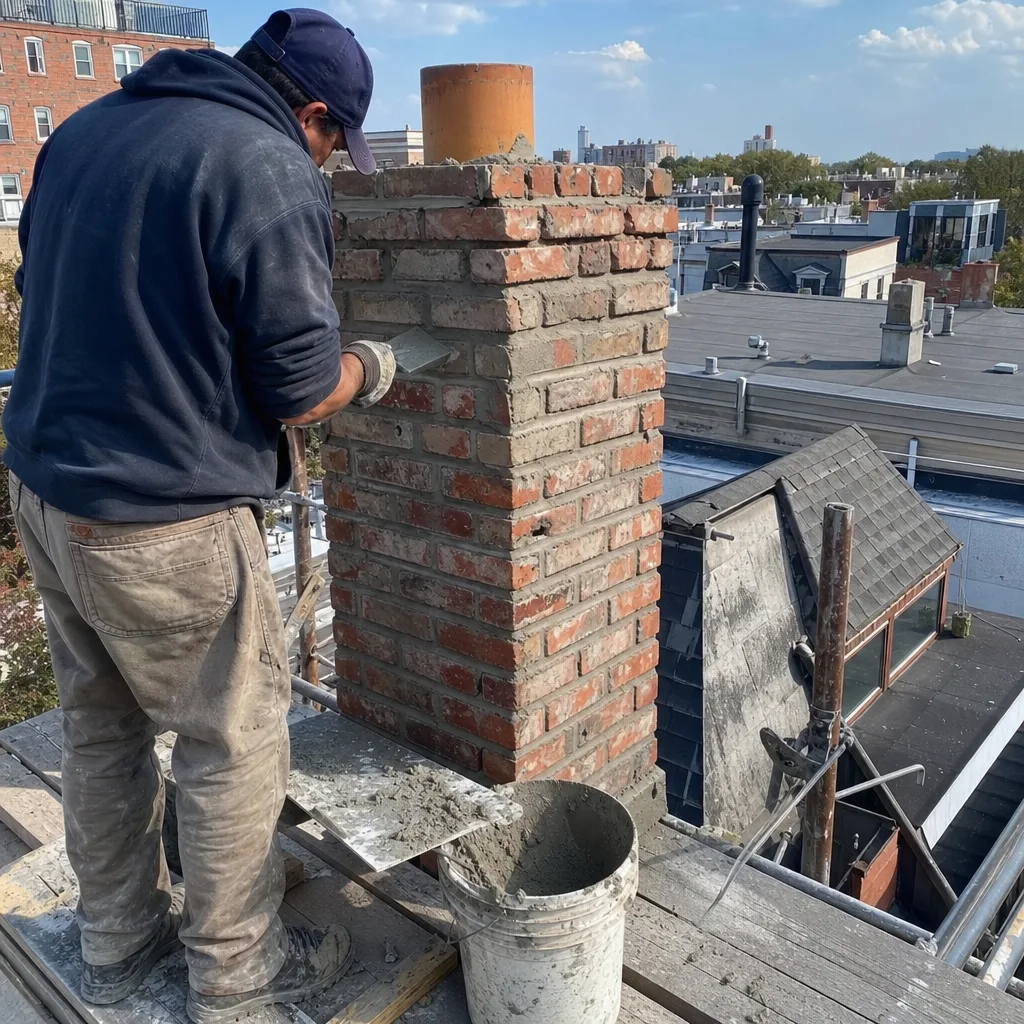
- Deferring crown and cap repairs. A cracked crown lets water into the masonry. In Manhattan’s freeze-thaw climate, that water expands and contracts through winter and spring, turning small cracks into structural damage. The fix gets more expensive every year it waits.
- Paying for a cleaning without a report. A receipt is not a record. If you paid for a sweep and received no written summary of what was found, you have no evidence the work was done properly. Always require the documented photo record.
- Booking price-only. A $149 Manhattan chimney sweep is either a visual look, or it’s a loss-leader that gets made up with add-on charges on site. The price you’re quoted should match the price you pay. If a deal seems too good, ask what’s included in writing.
- Ignoring draft issues. If smoke backs up into the room, if you smell fireplace odor on humid days, or if your carbon monoxide detector has activated near the firebox, don’t burn another fire until the flue has been camera-scanned. These are symptoms of a draft or liner problem, not quirks.
When to Call a Professional
Call a chimney professional when any of these apply: you’ve bought a Manhattan home and have no written chimney inspection record from the previous owner; you’re converting a wood fireplace to gas or vice versa; you haven’t had a camera scan in five years or more; you notice smoke backing up, unusual odors, or water staining around the firebox; or your co-op board or insurer has asked for Level 2 documentation. These situations call for a camera down the flue, not advice over the phone. Level Two Chimney Manhattan offers free estimates in Manhattan. Call (862) 319-8047 to book a cleaning with a documented camera scan.
Frequently Asked Questions
A standard chimney sweep with camera inspection in Manhattan NY costs $279 to $349 at Level Two Chimney Manhattan, while a Level 2 sweep with video documentation runs $449 to $599. The price depends on flue size, roof access, and how long it’s been since the last cleaning. We write the price before work starts, and we never add fees after the fact. Call (862) 319-8047 for an exact quote.
The NFPA recommends a chimney inspection and cleaning at least once per year for wood-burning fireplaces. In Manhattan, most of our clients with wood fireplaces fall into a yearly or every-other-year schedule depending on usage. Gas fireplace flues should be camera-inspected every two to three years for liner deterioration, even if no creosote is present. For a complete maintenance calendar, see our Seasonal Chimney Cleaning Care for Manhattan: Year-Round Homeowner’s Guide.
If the camera scan shows cracked tiles, gaps between liner sections, or significant spalling, the answer is usually yes. A damaged liner allows heat and combustion gases to escape into the chimney structure. In a Manhattan party-wall chimney, that means potential fire spread into the neighboring building. We’ll show you the video footage of your liner before any recommendation is made. If the liner is intact, we’ll say so and tell you it can wait.
Creosote builds up inside the flue. In a wood-burning fireplace, that buildup can ignite, causing a chimney fire that reaches 2,000 degrees Fahrenheit. Those fires crack liners, spread into structure, and are the leading cause of residential chimney fires in Manhattan. In gas fireplaces, skipping maintenance means liner deterioration from acidic condensation continues unchecked, until carbon monoxide can migrate into living spaces. Neither is a risk worth taking for a $279 sweep.
In a Manhattan pre-war building or brownstone, yes. The flue is the part of the chimney you can’t see. A flashlight from the firebox tells you the first three feet are fine. It tells you nothing about the next thirty. We made the camera scan standard on every visit in 2009, and it’s now what our co-op and insurance clients expect. Clause 4 of the Haven Standard requires a photo record on every job. That’s our operating rule.
Yes. We work in Manhattan co-op buildings regularly, and we’re accustomed to board requirements, access restrictions, and insurance documentation needs. We provide the written report and photo record that boards typically ask for. If your building has specific access hours or protocol, we’ll coordinate. Bring us the board’s form, and we’ll fill out our portion in writing.
The Bottom Line
A chimney cleaning in Manhattan NY is only as good as the documentation it produces. The sweep removes the creosote. But the camera scan is what tells you whether the chimney is safe to use, what the liner condition is, and whether any repair can wait or needs attention now. In a city where the housing stock is old, the flues are shared, and the co-op boards and insurers are watching, the written record is the product. That’s what we’ve built our company around: camera-scan documentation, written pricing before work starts, and a documented photo record when it’s done. Since 2009, we’ve completed more than 38,000 chimney inspections and cleanings in Manhattan. Every one with a written price. Every one with a camera down the flue. Every one with a record you can keep.
Written by Corrine Halstead, Owner at Level Two Chimney Manhattan, serving Manhattan since 2009.