
Last updated September 20, 2026
Level 1 sweep and inspection to the NFPA 211 annual standard - flue, crown, cap, and flashing checked and photographed
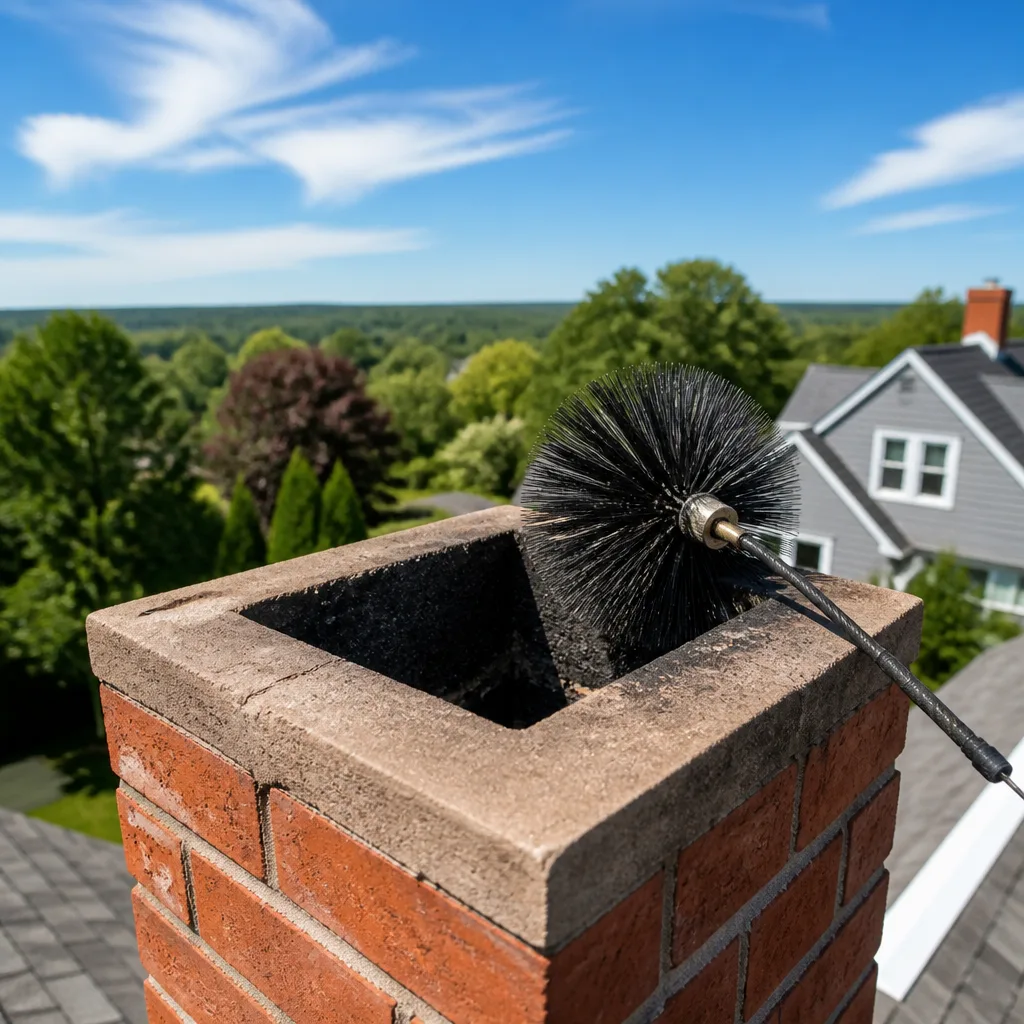
Chimney sweep logs do not sweep chimneys. They loosen some creosote - which then falls where a brush and vacuum still have to collect it.
Caps & crowns
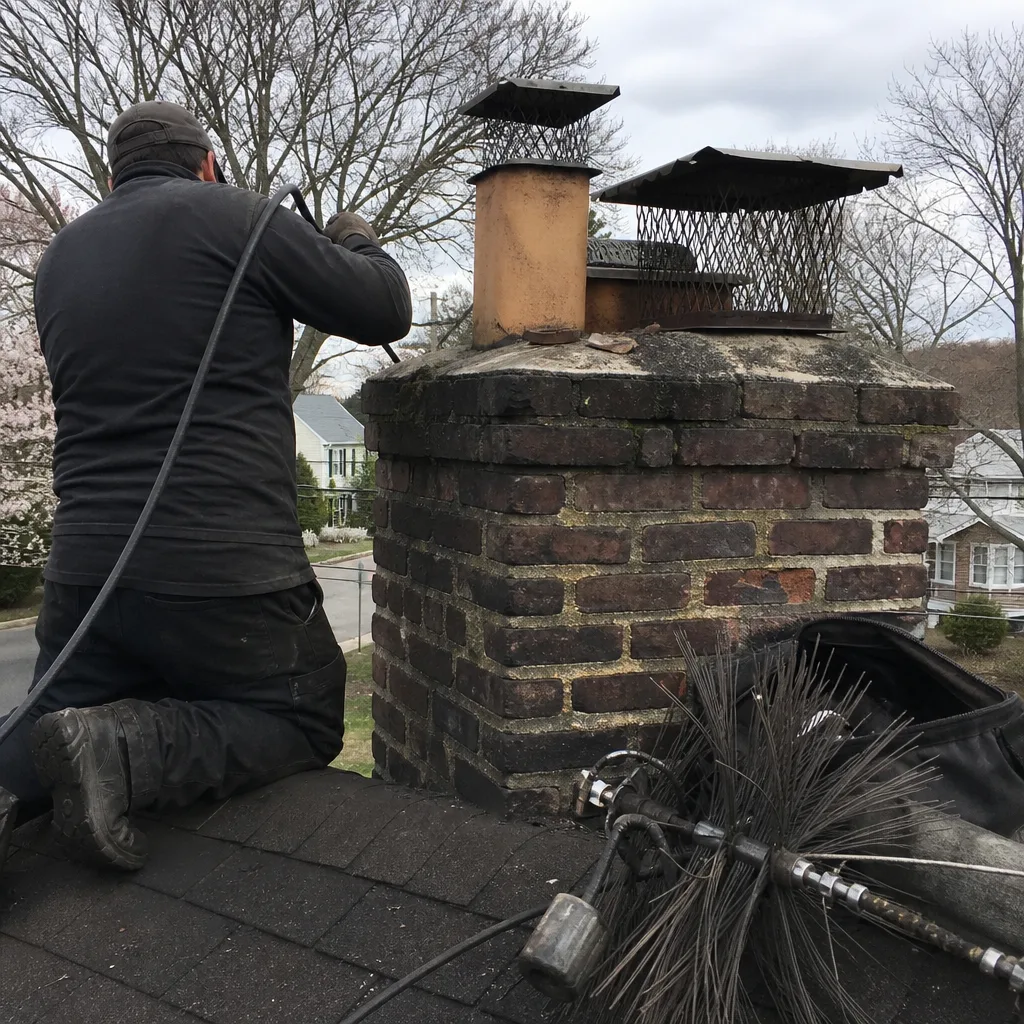 Before
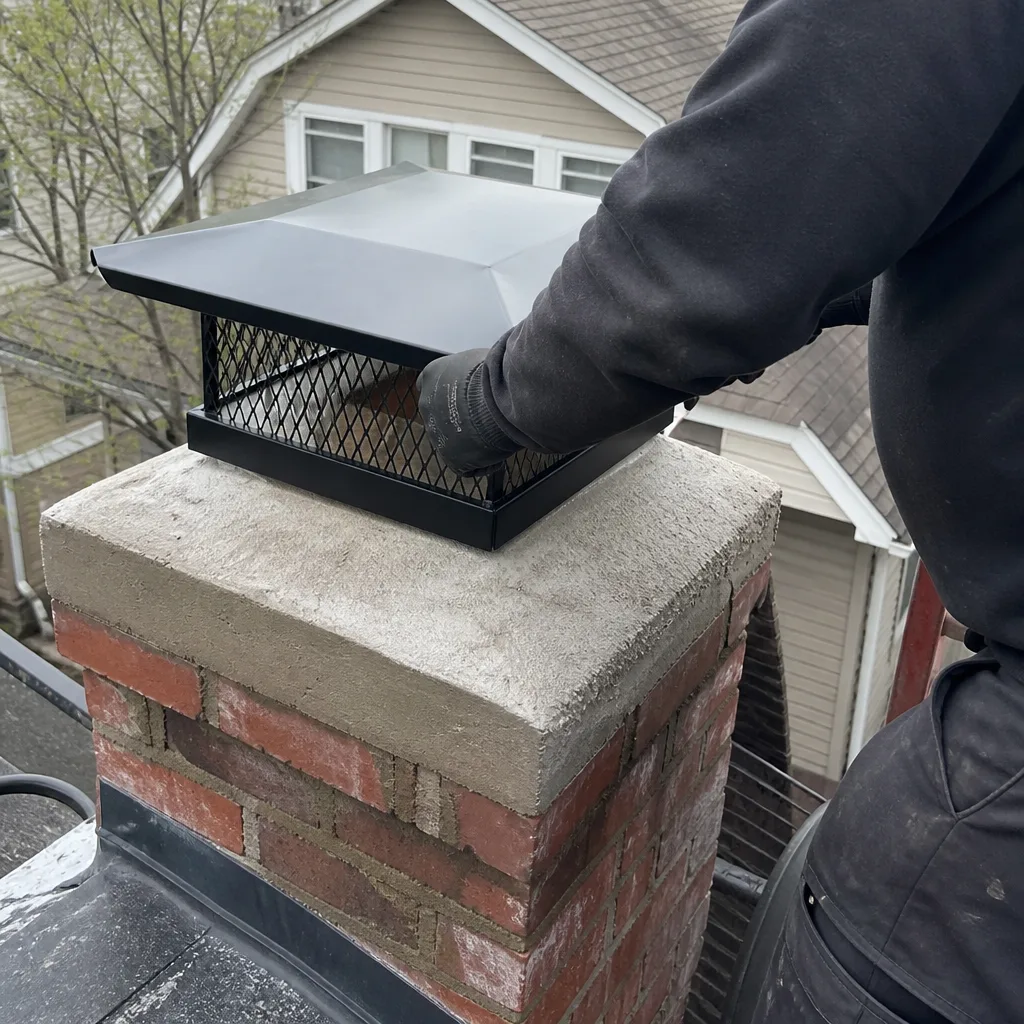 After
After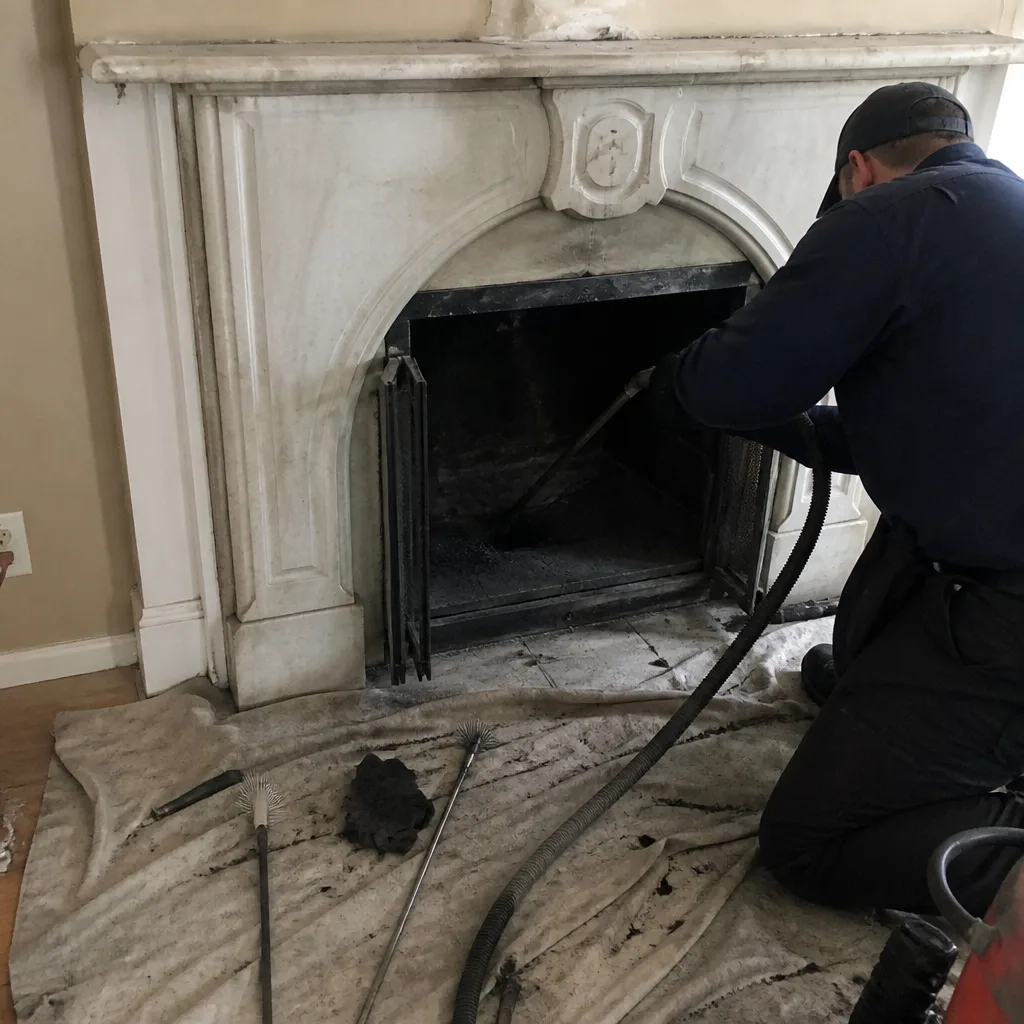 Before
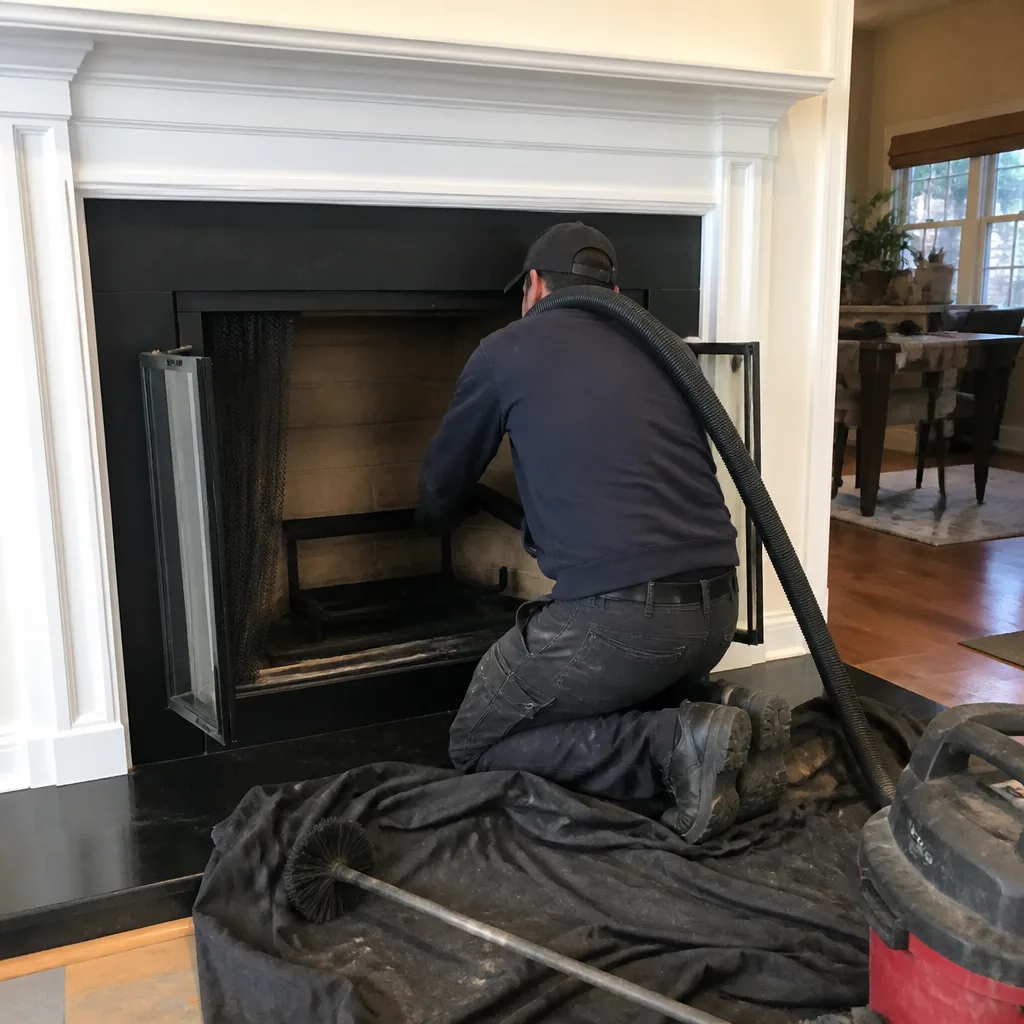 After
After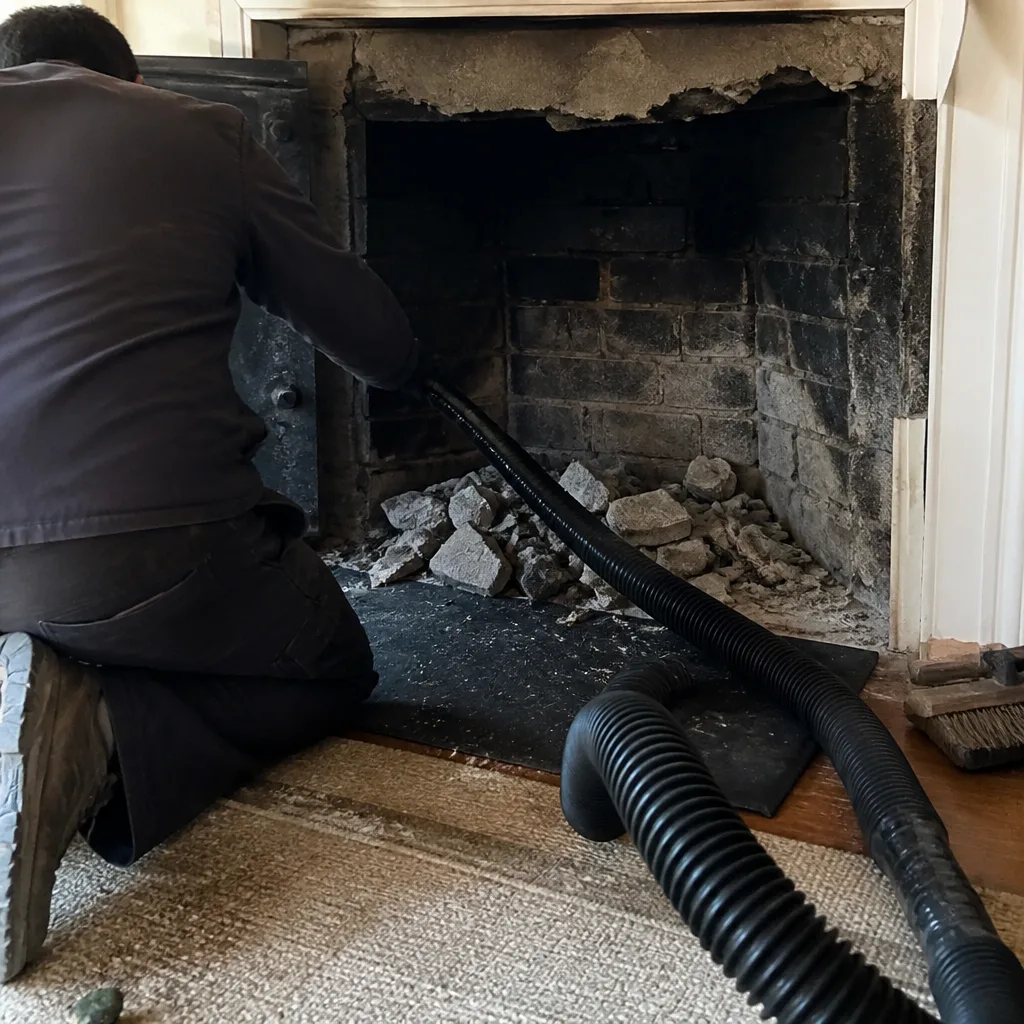 Before
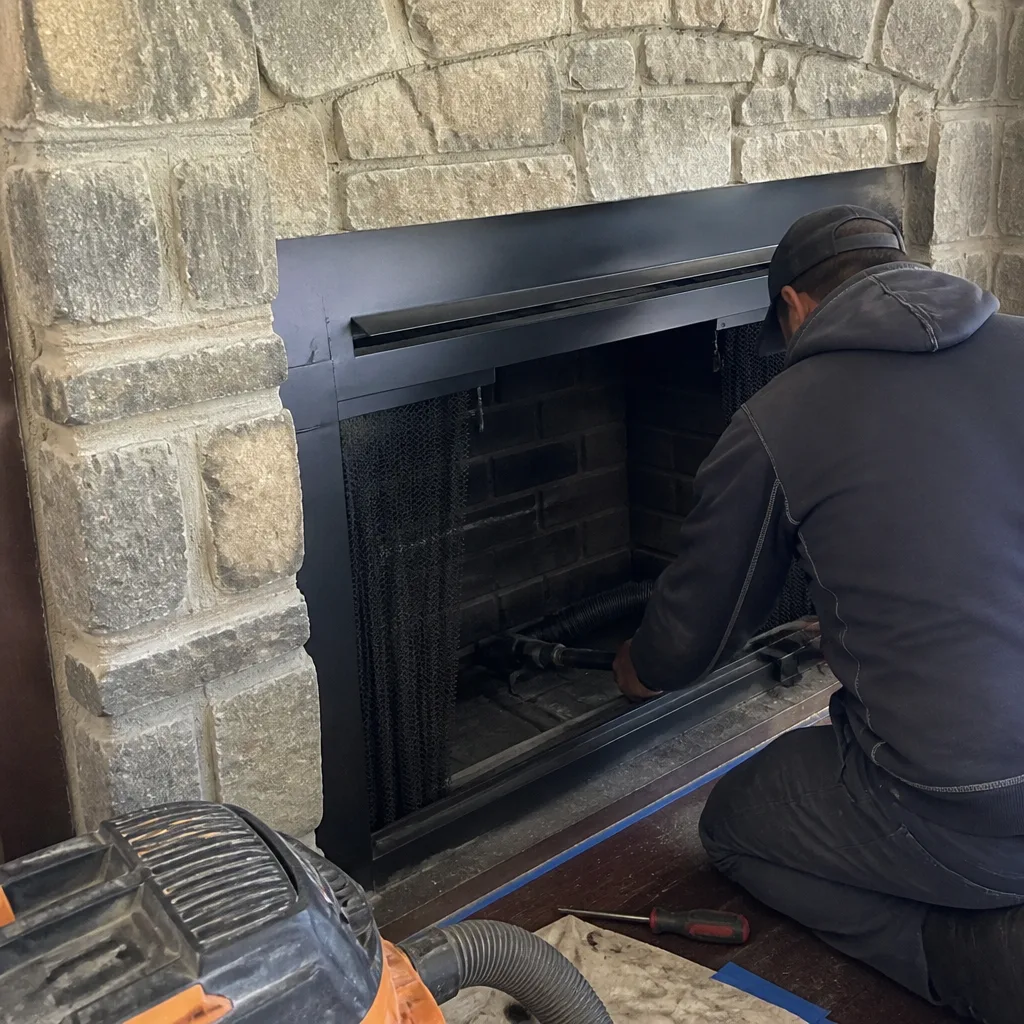 After
AfterDIY vs Professional Chimney Cleaning: The Manhattan Homeowner’s Decision Guide
A chimney brush kit costs about $60 at any hardware store in Manhattan. But the brush isn’t the expensive part of the equation here. The expensive part is what happens when your co-op board asks for a documented inspection record, or your insurer wants proof the flue was actually clean before that fire. In a city where most fireplaces sit inside multi-unit buildings with shared chaseways, offset flues, and strict liability frameworks, the real DIY question isn’t “can I do it?” It’s “can I prove it was done correctly?” This guide walks through the honest answer for Manhattan homeowners, including where DIY makes sense, where it doesn’t, and what documentation actually protects you.
Quick Answer
For the vast majority of Manhattan homes, DIY chimney cleaning is not a viable substitute for professional service. The reason isn’t skill. It’s documentation, access, and liability. A professional sweep produces a written record with camera evidence that co-op boards, insurers, and mortgage lenders accept, while a DIY cleaning produces none of that. If your fireplace connects to a gas appliance, runs through a shared liner, or sits in a co-op building, the documentation question alone decides it: hire a professional, or risk being held responsible for an event you couldn’t document you prevented.
Table of Contents
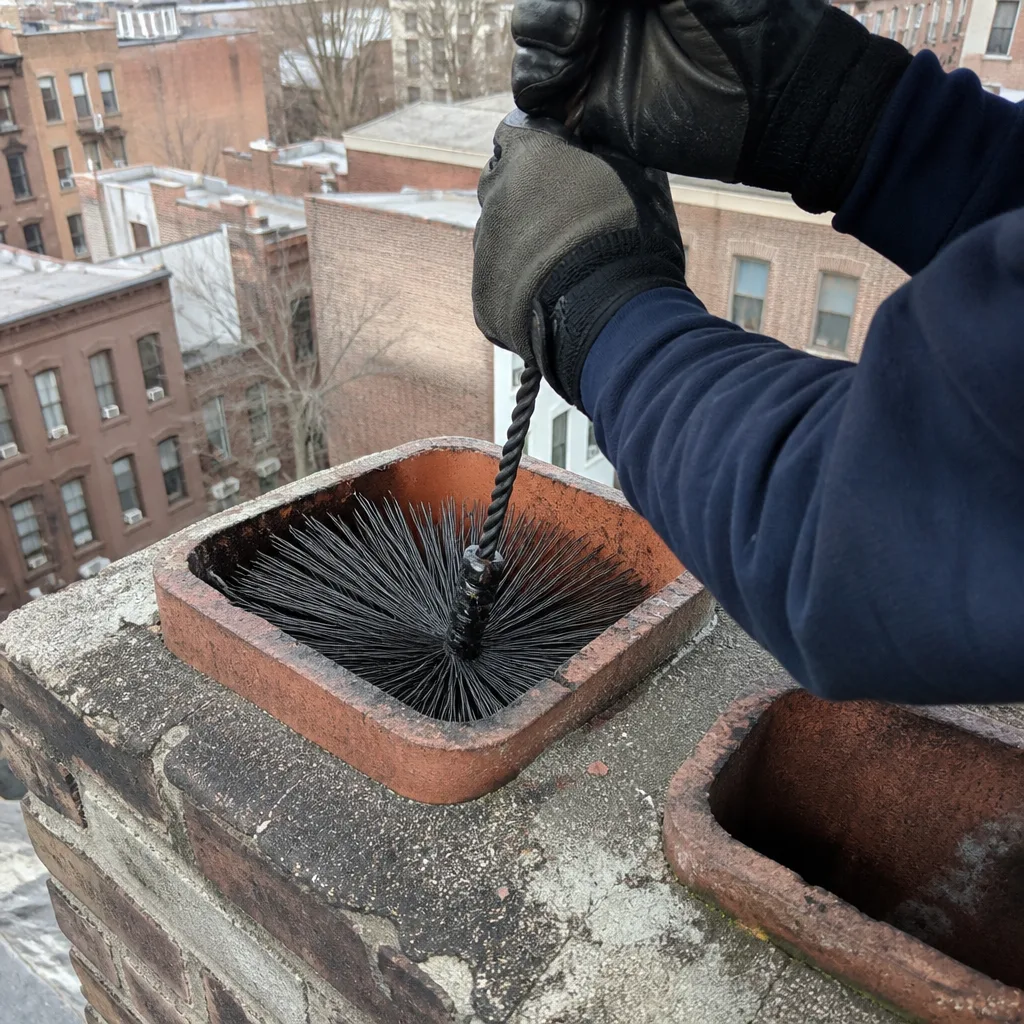
- Why Manhattan Flues Are Different From Suburban Ones
- The Documentation Gap: What DIY Can’t Produce
- The Honest Cost Comparison: DIY vs Professional
- Liability and Subrogation: What Happens After a Fire or CO Event
- When DIY Maintenance Is Legitimate (and When It Isn’t)
- What a Professional Cleaning in Manhattan Actually Includes
- What Co-op Boards and Insurers Actually Require
- Why Camera Verification Matters More Than the Brush Itself
- Common Mistakes to Avoid
- When to Call a Professional
- Frequently Asked Questions
- The Bottom Line
BeforeAfterWhy Manhattan Flues Are Different From Suburban Ones
The DIY chimney cleaning advice you’ll find online is written for a specific house: a single-family detached home with a straight flue that rises from the firebox to the roof cap in one vertical line. That house barely exists in Manhattan. What we see instead, in buildings from the Upper West Side to Murray Hill to the Financial District, are chimneys built into shared masonry chaseways that run through multiple floors. The flue from your fireplace may be offset to avoid structural beams. It may turn at a 15-degree elbow on the fourth floor. It may merge with a flue from the apartment below yours before exiting the roof. These conditions are not DIY-friendly, and in some cases they are not DIY-possible.
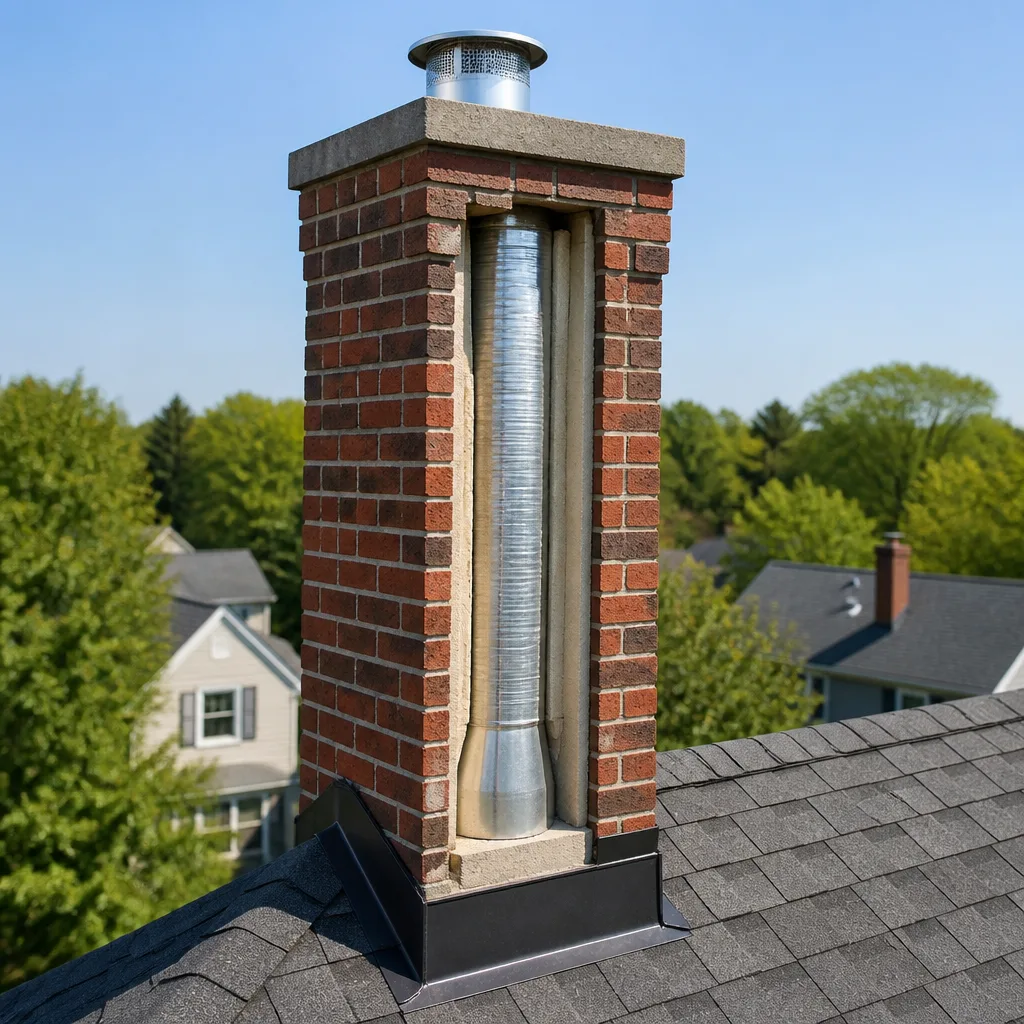
Then there’s the liner question. Many prewar Manhattan buildings have clay tile liners that have spalled, meaning the tile faces have cracked and fallen away. Others have been relined with stainless steel systems from manufacturers like Olympia Chimney or HeatShield. If you don’t know which liner material you have, and you can’t see it, you can’t safely choose a brush. A brush rated for clay tile can gouge a stainless liner. A brush too stiff for a compromised clay liner can accelerate spalling and send tile fragments down the flue. In our camera inspections across Manhattan, we’ve documented liners where a single aggressive brushing would have done real damage. That’s not something a homeowner can see from the firebox, and it’s not something a $60 kit can assess.
The Documentation Gap: What DIY Can’t Produce
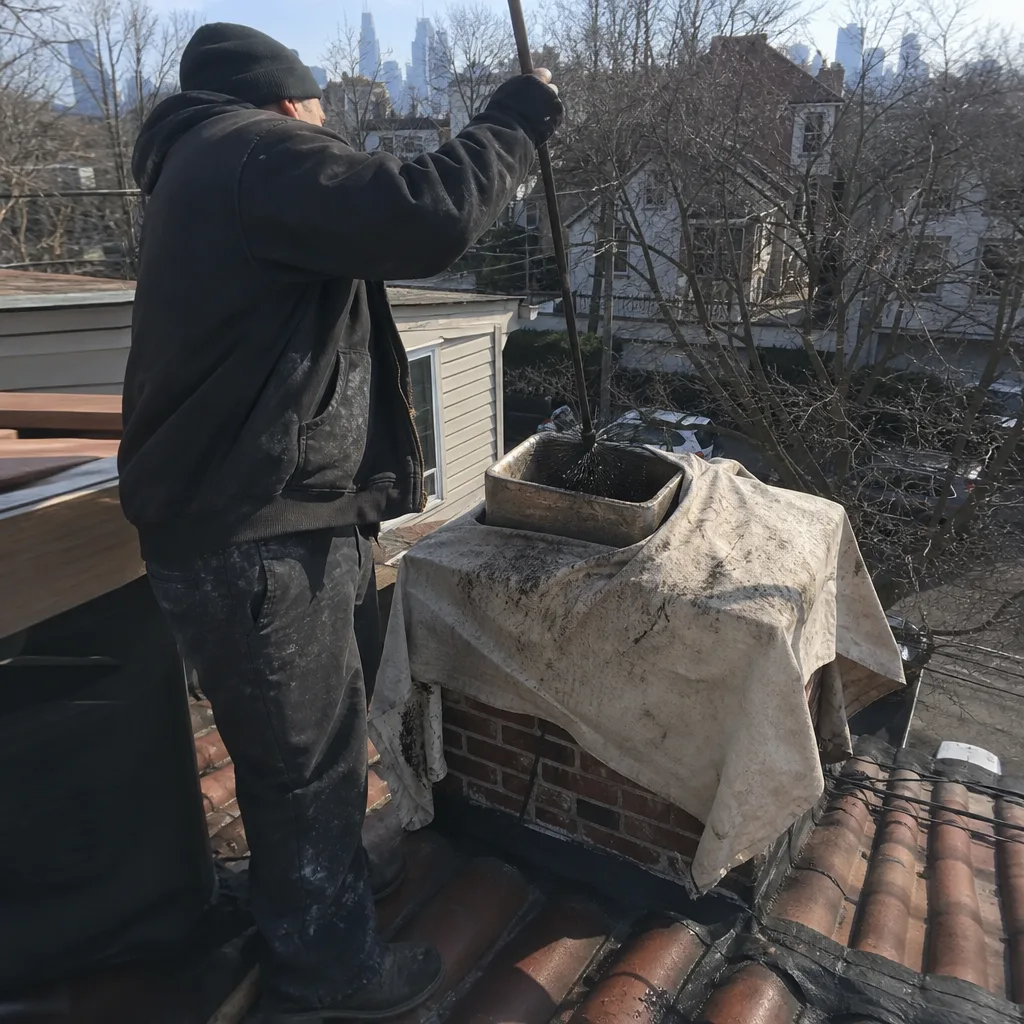
This is the part most online DIY guides skip entirely. When you clean your own chimney, what you produce is a dirty brush and a clean-ish flue. What you don’t produce is a written record of what the flue looked like before and after, what creosote class was present, whether there was any structural change, and what condition the liner is in. In a detached house, that might not matter. In a Manhattan co-op, it almost always does.
Co-op boards in Manhattan routinely require a professional chimney inspection and cleaning record as a condition of purchase, refinance, or continued fireplace use. Insurers writing policies in the five boroughs increasingly ask the same question, especially after a claim. If your fireplace is connected to a gas log set or a gas appliance venting through the same flue, the documentation bar is even higher. A handwritten note that says “cleaned it myself” is not a document. It’s an admission that the work was performed with no independent verification, no moisture reading, no draft test, and no record. When something goes wrong, that’s the first thing an insurance adjuster will tell you.
The Honest Cost Comparison: DIY vs Professional
Let’s put real numbers on the table for Manhattan. A DIY chimney cleaning kit costs roughly $60 to $90 for the brush, rods, and drop cloth. If you’re cautious, you’ll also buy a chimney inspection camera for another $40 to $80, because you can’t see what you’re doing without one. Add in an afternoon of your time, the effort of setting up a ladder on a rooftop or through a hatch, and the cleanup afterward. Total DIY cost: roughly $120 to $200 plus time. What you have at the end: a flue that may or may not be clean, no record, no camera documentation, and no professional assessment of liner condition. For a detailed look at what professional service actually runs, see our Chimney Cleaning Cost Breakdown: The Manhattan Homeowner’s Reference for 2026.
A professional sweeping in Manhattan typically runs $180 to $340 for a single flue, depending on height, access, and condition. That price includes the brush work, the camera inspection before and after, the written report, and a documented record. If you’re in a building that requires a Chimney Cleaning & Sweep in Manhattan with NFPA 211 Level 2 documentation, that professional record is not optional. Now here’s the telling comparison: do a DIY cleaning and you still need a professional inspection anyway, because you didn’t produce documentation. That inspection alone costs $125 to $200 in Manhattan. Add your DIY supplies, and you’ve spent $250 to $400 and still haven’t had the flue professionally cleaned. The all-in professional route, with cleaning and documentation, costs the same or less.
| Cost Component | DIY Route | Professional Route |
|---|---|---|
| Brush kit and rods | $60-$90 | Included in service |
| Inspection camera | $40-$80 | Included (NFPA 211 Level 2) |
| Professional inspection (required afterward) | $125-$200 | Not needed separately |
| Cleaning service | Your labor | $180-$340 |
| Documented photo record | Not produced | Included |
| Total realistic cost | $250-$400 + time | $180-$340 |
The DIY route costs more when you account for the inspection you still need. That assumes you can even access the flue, which in many Manhattan buildings you cannot without building permissions and roof access.
Liability and Subrogation: What Happens After a Fire or CO Event
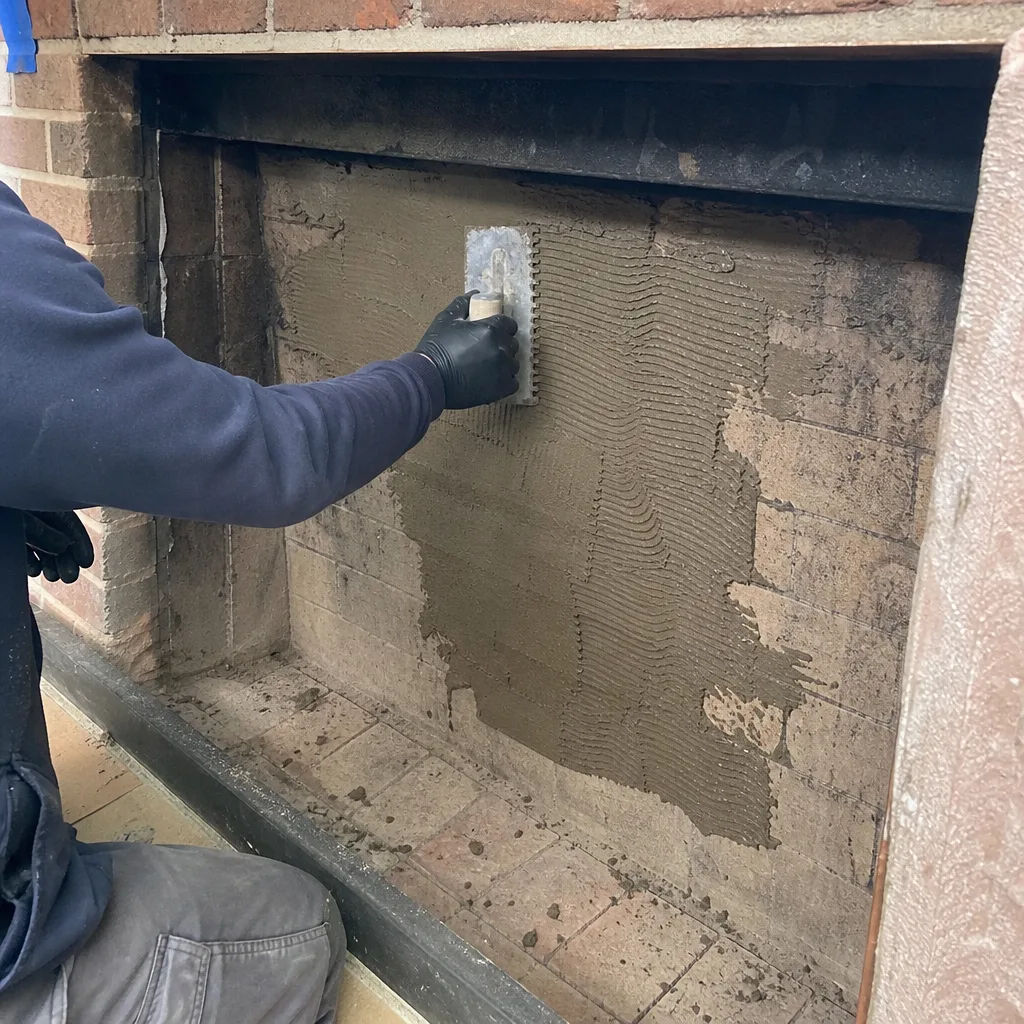
Here’s the scenario no one thinks about until it’s too late. You clean your own chimney in a Manhattan co-op. Three months later, there’s a chimney fire or a carbon monoxide incident. The building’s insurance pays out, then initiates subrogation, which is the process of recovering those costs from whoever is deemed responsible. In a professional cleaning relationship, the sweep company carries liability insurance. When something follows a self-performed cleaning, that liability sits with you.
Subrogation in co-op buildings is especially sharp-edged because the claim often involves damage to multiple units, not just yours. A chimney fire that starts in your flue but travels into the shared chaseway can generate claims from the resident above you, the building’s common areas, and the roof assembly. Your building’s insurer will look for a responsible party. If you cannot produce a documented record of professional cleaning and inspection, you are the default responsible party. That’s not a Manhattan-specific rule; it’s standard insurance practice. But Manhattan’s housing density makes the financial stakes higher than almost anywhere else in the country. Protecting yourself starts with a documented record, which is the one thing DIY cannot produce.
When DIY Maintenance Is Legitimate (and When It Isn’t)
We are not anti-DIY. There are real, safe maintenance tasks a Manhattan homeowner can do between professional cleanings, and doing them well can extend the life of your fireplace and keep your chimney in better shape. Our Seasonal Chimney Cleaning Care for Manhattan: Year-Round Homeowner’s Guide covers what those tasks look like through each season. The line is this: you can clean the surfaces you can see without a ladder, without special tools, and without entering the flue. You should not brush, scrape, or treat anything inside the flue itself, because that’s where the documentation and liability questions live.
Safe DIY maintenance between professional cleanings includes:
- Firebox cleaning - Remove ash and debris from the firebox floor when it’s fully cold, using a HEPA vacuum or a metal scoop and bucket. This is ordinary fireplace upkeep and no record is required.
- Damper check - Open and close the damper to confirm it operates smoothly and seals fully when closed. A damper that won’t close properly is a heat loss problem, not a chimney fire problem, but it’s worth noting for your next professional visit.
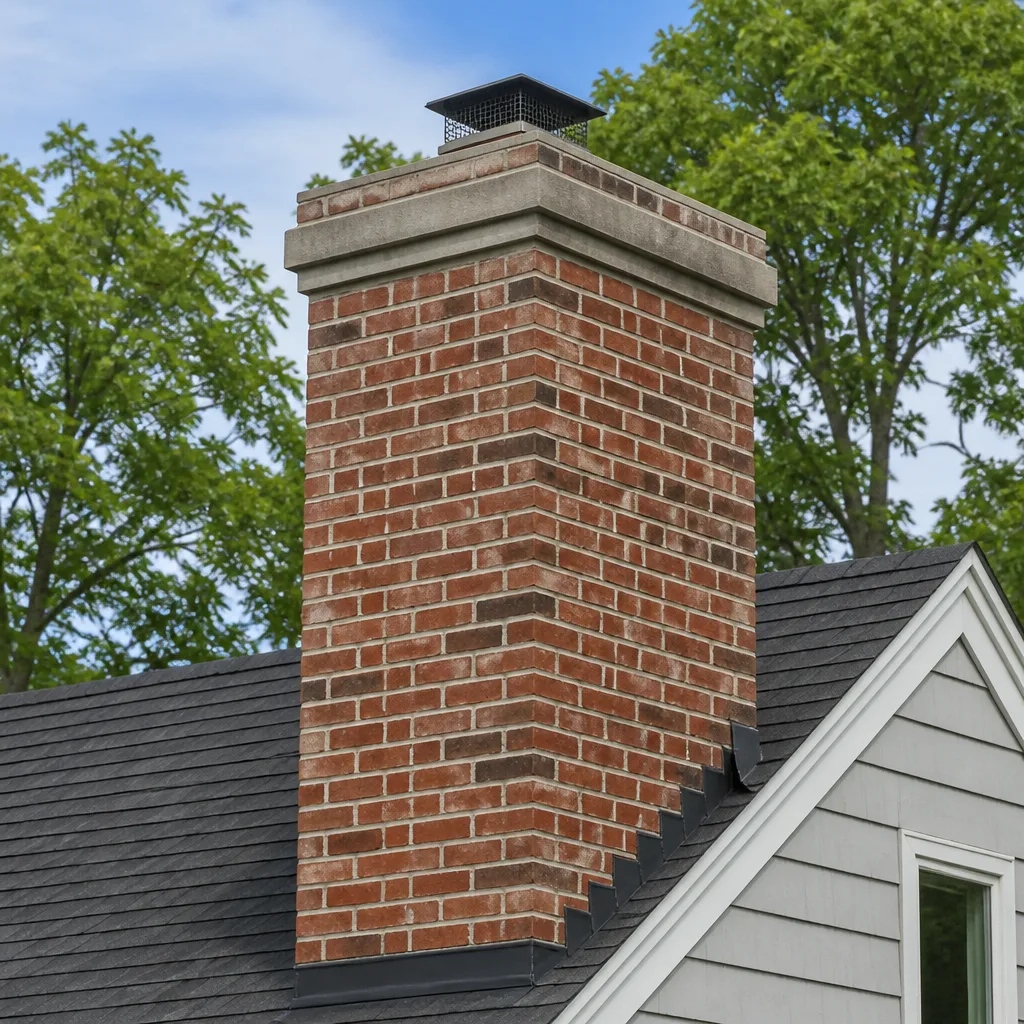
- Exterior crown visual - From the ground, look at the top of the chimney where the masonry crown sits above the brick. If you can see visible cracking or missing chunks, call a chimney professional. Don’t climb onto the roof to look closer.
- Smoke behavior observation - On a day you burn, watch how smoke enters the flue. A lazy, curling smoke path or smoke that backs into the room indicates a draft problem. Note it for your professional.
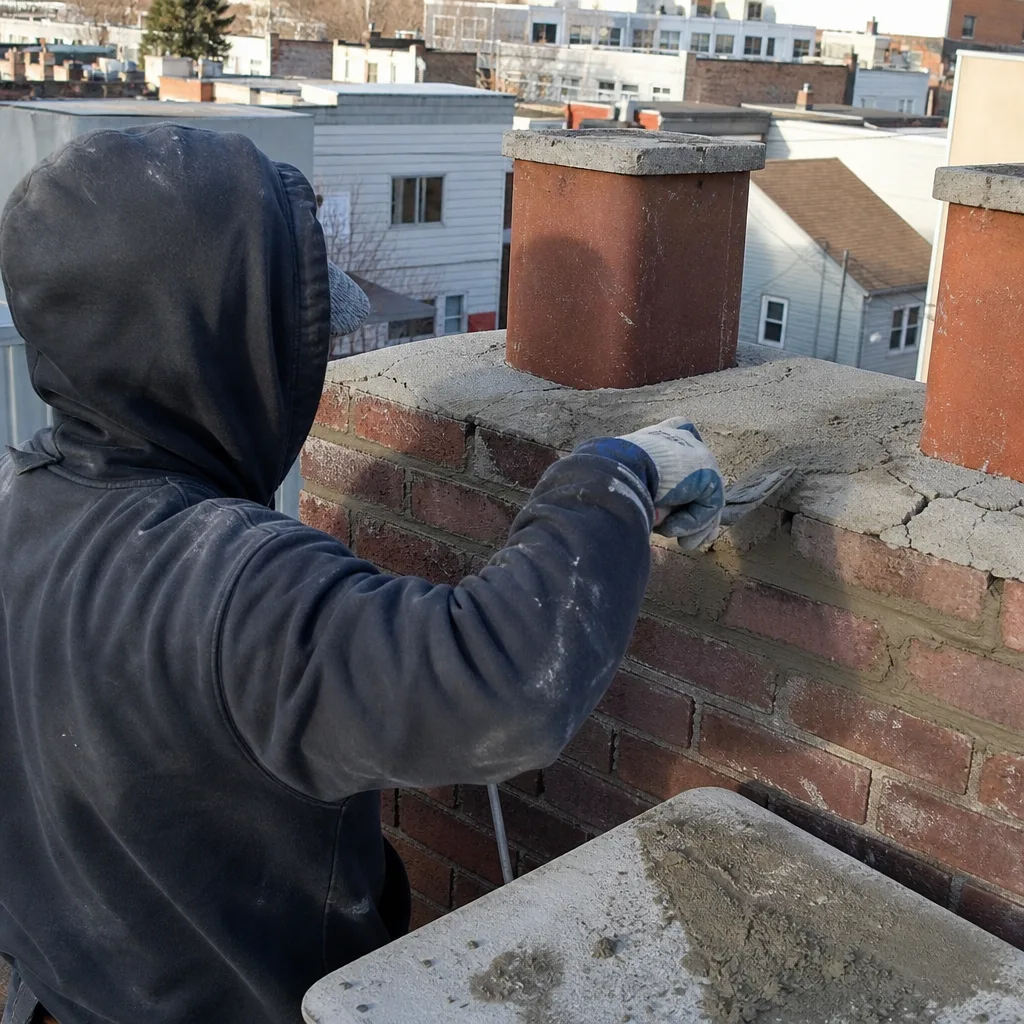
What you should not do yourself, regardless of skill level, is anything that involves brushing the flue interior, applying creosote chemicals, installing a cap, repairing mortar, or working on the roof. Each of those actions changes the condition of the chimney system and creates a documentation gap that no amount of careful effort can fill. The brush is not the risk; the absence of a record is.
What a Professional Cleaning in Manhattan Actually Includes
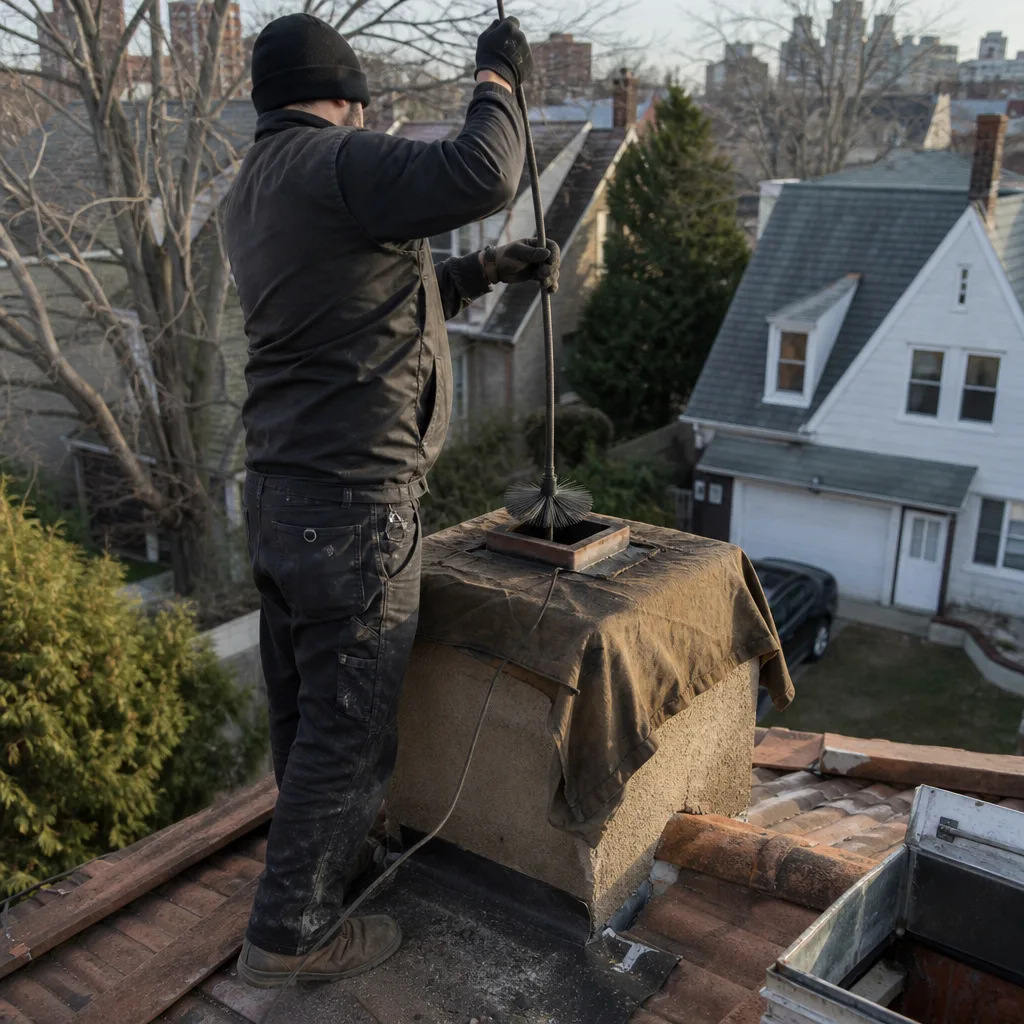
When you hire a professional chimney sweep in Manhattan, what you’re paying for is not just the physical removal of creosote. You’re paying for a process that produces verifiable evidence. If you’re starting that search, our How to Hire a Chimney Cleaning Contractor in Manhattan: A Step-by-Step Guide walks through what to look for. At Level Two Chimney Manhattan, the cleaning sequence follows a set order, most of it defined by the Haven Standard we’ve operated under since 2009.
- Pre-cleaning camera scan - A camera runs the full length of the flue before any brush touches it. This documents the starting condition: creosote class, liner material, any obstructions, moisture signs, and structural concerns. Clause 4 of the Haven Standard requires a photo record on every job, and we’ve kept that archive running since 2009.
- Protection setup - Drop cloths, HEPA vacuum, and sealing around the firebox opening keep the room clean and the dust contained.
- Mechanical brushing - The flue is brushed with a brush matched to the liner material and diameter. Stainless liners get a different brush than clay tile. A brush that’s wrong for the liner can do more harm than the creosote.
- Post-cleaning camera scan - The same camera goes back down. This is the evidence that the cleaning worked, and it’s the image your co-op board or insurer will want to see.
- Written report - You receive a written scope, written price, and written warranty before work begins. After the work, you receive a documented record with photos, findings, and any recommendations. Nothing is recommended without camera evidence you can see for yourself.
The camera scan is the part that matters most in Manhattan. It’s the difference between “the flue is probably clean” and “here is a dated image of your flue before and after.” Co-op boards in Manhattan are familiar with this distinction, and they increasingly require the image, not the promise.
What Co-op Boards and Insurers Actually Require
Co-op boards have a fiduciary duty to protect the building’s assets, and that includes enforcing maintenance standards on shareholders. In Manhattan, where co-ops are the dominant ownership structure, this means chimney access and use are often conditional. The specific requirements vary by building, but three patterns repeat across the city.
First, many boards require an annual or biennial professional chimney inspection and cleaning as a condition of fireplace use. Some require it as a condition of purchase. When you bought your apartment between 2015 and 2025, your purchase application likely included a chimney addendum. That document probably specified NFPA 211 Level 2 inspection standards and a professional service record. A DIY cleaning does not satisfy that document.
Second, insurers in the Manhattan market are asking harder questions after chimney-related fire claims. A policy renewal may now include a question about last professional chimney service. If you cannot answer it with a document, you’re betting your coverage on a technicality. We’ve seen Manhattan homeowners lose renewal offers over exactly this gap.
Third, mortgage lenders are quietly adding chimney condition requirements in Manhattan, especially for prewar co-op units where the building’s structural age raises underwriting eyebrows. A documented professional chimney cleaning and inspection record is the cheapest document you can produce to satisfy that question. If you’re refinancing, it may be the one document that keeps the process moving.
If your fireplace was serviced as part of Chimney Repair in Manhattan, your documentation from that work should already be on file with your building. If you’ve never had the flue professionally cleaned, start now. The document you create this year is the document you’ll produce next year.
Why Camera Verification Matters More Than the Brush Itself
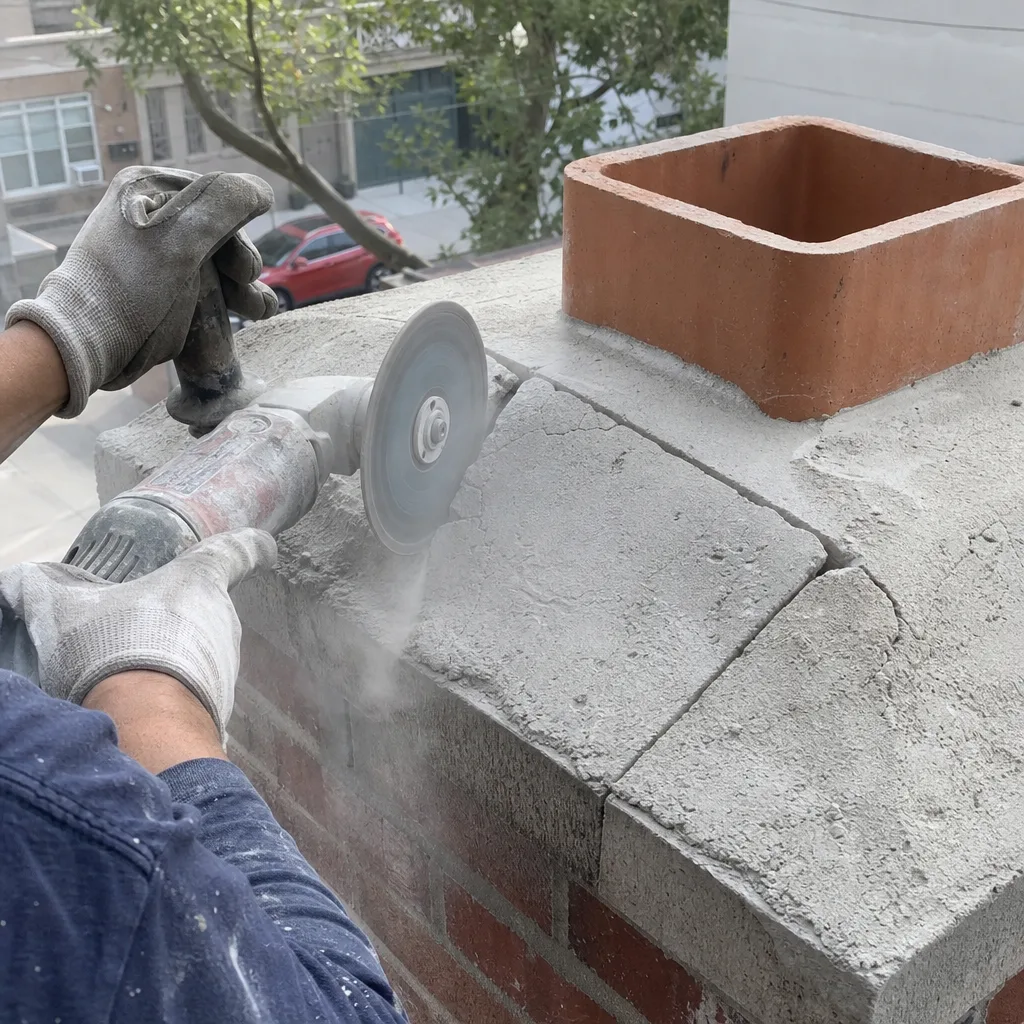
The brush removes what’s on the surface. The camera reveals what’s behind it. In Manhattan, where many chimneys are 80 to 120 years old, the difference between those two things is often the difference between a clean flue and a clean-looking flue with a spalled liner behind the brush.
We’ve run camera scans in Manhattan where the creosote buildup was minimal but the liner behind it was cracked in three places. We’ve run scans where the flue had been “cleaned” by a previous owner or a discount service that skipped the camera, and the underlying condition was a deterioration problem waiting to become a fire problem. The camera is not an upsell. It’s the only reason to trust the cleaning.
This is also why materials matter. When a Manhattan chimney needs a liner repair or replacement, we source materials from manufacturers like Gelco, HeatShield, and Famco specifically because those systems are designed for the conditions we actually see in the five boroughs: shared chaseways, offset flues, and gas appliance connections. A liner from one of those manufacturers, sized and installed with camera verification, is a documented upgrade. A DIY patch job is a risk you carry personally.
For homeowners who need a more comprehensive look at the full Fireplace Services in Manhattan picture, a camera scan is the starting point, not the ending point. It tells us what the next ten years look like, not just whether the flue is clean today.
Common Mistakes to Avoid
- Assuming your Manhattan flue is straight. Most aren’t. Offset flues in prewar buildings turn at least once. A brush jammed in an offset bend is a service call, not a victory.
- Using a brush not rated for your liner material. Stainless liners from manufacturers like Olympia Chimney have specific brush requirements. A wire brush meant for clay tile can score a stainless liner and void the manufacturer’s warranty.
- Cleaning a gas-connected flue without disconnecting the appliance. Gas appliance venting shares the flue in many Manhattan apartments. Brushing without a professional disconnection risks gas line damage and carbon monoxide exposure.
- Thinking a visual check from the firebox is enough. You can see maybe six feet up the flue from the firebox. The other 40 feet are invisible without a camera. What you can’t see is where the problems usually are.
- Ignoring the documentation requirement until you need it. Co-op boards, insurers, and lenders ask for chimney records at specific moments: purchase, refinance, renewal, claim. If you wait until they ask, you’re already late.
- Applying chemical creosote logs as a substitute for cleaning. These products can convert glazed creosote into a more brushable form, but they don’t remove it, and they don’t produce a record. They’re a stopgap, not a solution.
- Working from the roof without building permission. In Manhattan, roof access is controlled by the building. Unauthorized roof work is a lease or co-op violation, and it’s genuinely dangerous on sloped or parapet-adjacent surfaces.
When to Call a Professional
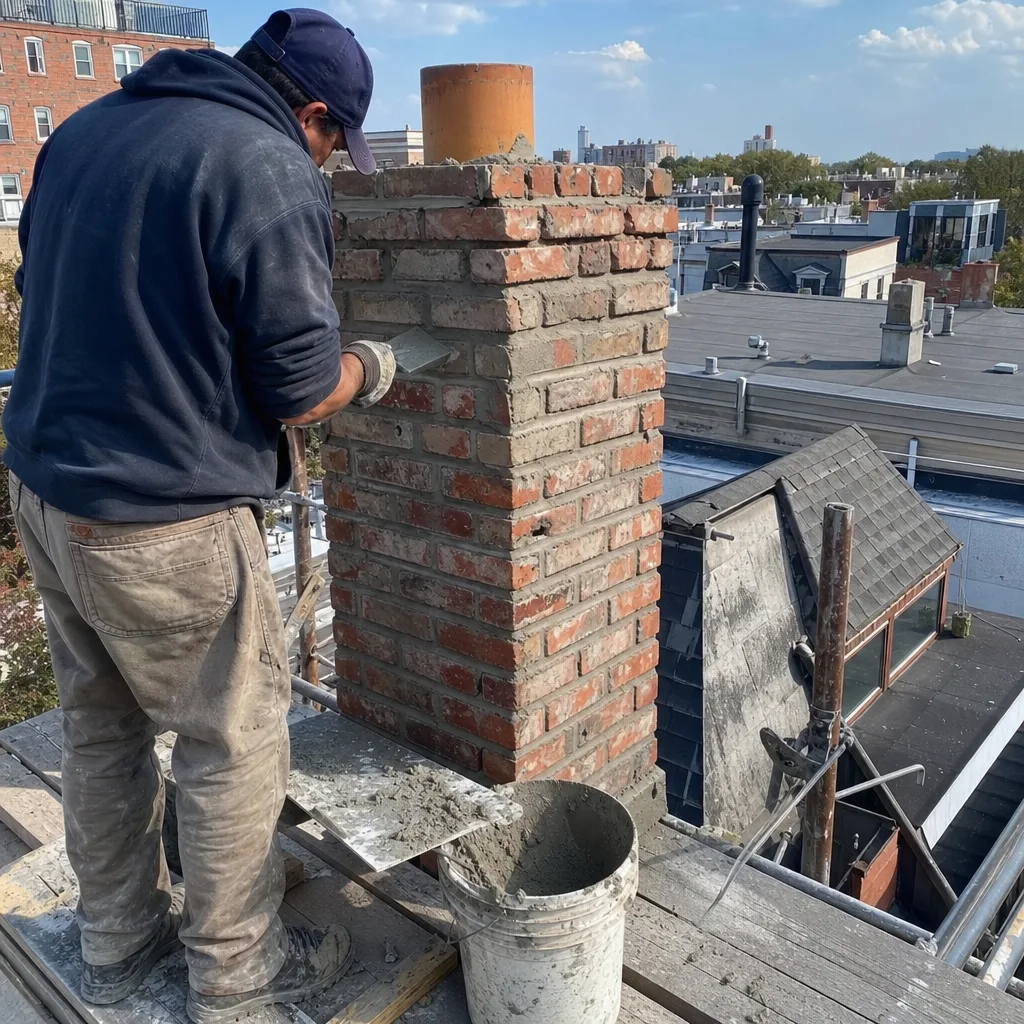
Call a professional if any of these are true: you live in a co-op or condo with shared chimney infrastructure, your flue connects to a gas appliance, you’ve never had a camera inspection, your liner is more than 20 years old, you see visible cracks in the firebox or crown, you smell smoke after the fire is out, or you need documentation for a board, insurer, or lender. If you’re not sure whether any of those apply, a camera inspection will answer the question. Level Two Chimney Manhattan offers free estimates in Manhattan; call (862) 319-8047 and we’ll schedule a visit with a written price before any work starts.
Frequently Asked Questions
You can clean the firebox and check the damper yourself, but you cannot brush the flue interior and produce a documented record, and that documented record is what Manhattan co-op boards and insurers require. In practice, for most Manhattan homes, professional cleaning is the only route that satisfies the documentation requirement.
A professional chimney cleaning in Manhattan typically costs between $180 and $340 for a single flue, including the camera inspection and written record. DIY supplies plus the professional inspection you still need afterward often cost more than that all-in price.
Most Manhattan co-op boards require a written service record from a professional chimney sweep showing the date of service, the flue condition before and after, and confirmation that the work met NFPA 211 Level 2 standards. A camera photo record is increasingly the minimum bar, and that’s what Clause 4 of the Haven Standard requires on every job.
If a fire or carbon monoxide event follows a self-performed cleaning, you carry the liability personally. Your building’s insurer can pursue subrogation against you as the responsible party, which means recovering damages from your assets or your personal policy. A professional record shifts that liability to the company that performed the work.
Once a year is the standard recommendation for fireplaces in regular use, which in Manhattan means seasonal use from roughly October through March. If you burn more than twice a week, or if your flue connects to a gas appliance, twice a year is safer. NFPA 211 remains the governing standard.
An NFPA 211 Level 2 inspection includes a camera scan of the full flue, assessment of the liner, smoke chamber, damper, crown, and cap, and a written report with photos. It’s required after any property transfer, after a chimney fire, or before a change in fuel type. It’s included in every visit from Level Two Chimney Manhattan. If you need a full Chimney Repair in Manhattan, the Level 2 inspection identifies what needs work, and the written price tells you what it costs before anyone starts.
It doesn’t void your insurance automatically, but it can leave you uninsurable after a claim. If you cannot produce a professional service record, your insurer may deny coverage for a chimney-related event on the grounds that the condition was not professionally verified. In Manhattan’s co-op-heavy market, that’s a meaningful gap.
Clean the firebox when it’s cold, check the damper operation, visually inspect the exterior crown from the ground, and note any smoke behavior changes. Don’t brush the flue, don’t apply chemical products inside the flue, and don’t work from the roof. These tasks keep the fireplace functional without creating a documentation gap.
The Bottom Line
DIY chimney cleaning in Manhattan is a false economy. The brush kit is cheap, but the documentation gap it creates is expensive, and the physical conditions of most Manhattan flues make safe self-cleaning unrealistic anyway. For more guides & resources on keeping your chimney compliant and your home protected, explore our blog. What you actually need is a documented professional record: camera scan, written price, written warranty, photo archive. That’s what co-op boards ask for, what insurers verify, and what a fire claim will require. The professional route costs about the same as the DIY route once you account for the inspection you still need. The difference is that the professional route also leaves you protected. For Manhattan homeowners, the decision isn’t really DIY versus professional. It’s documented versus undocumented.
Written by Corrine Halstead, Owner at Level Two Chimney Manhattan, serving Manhattan since 2009.