
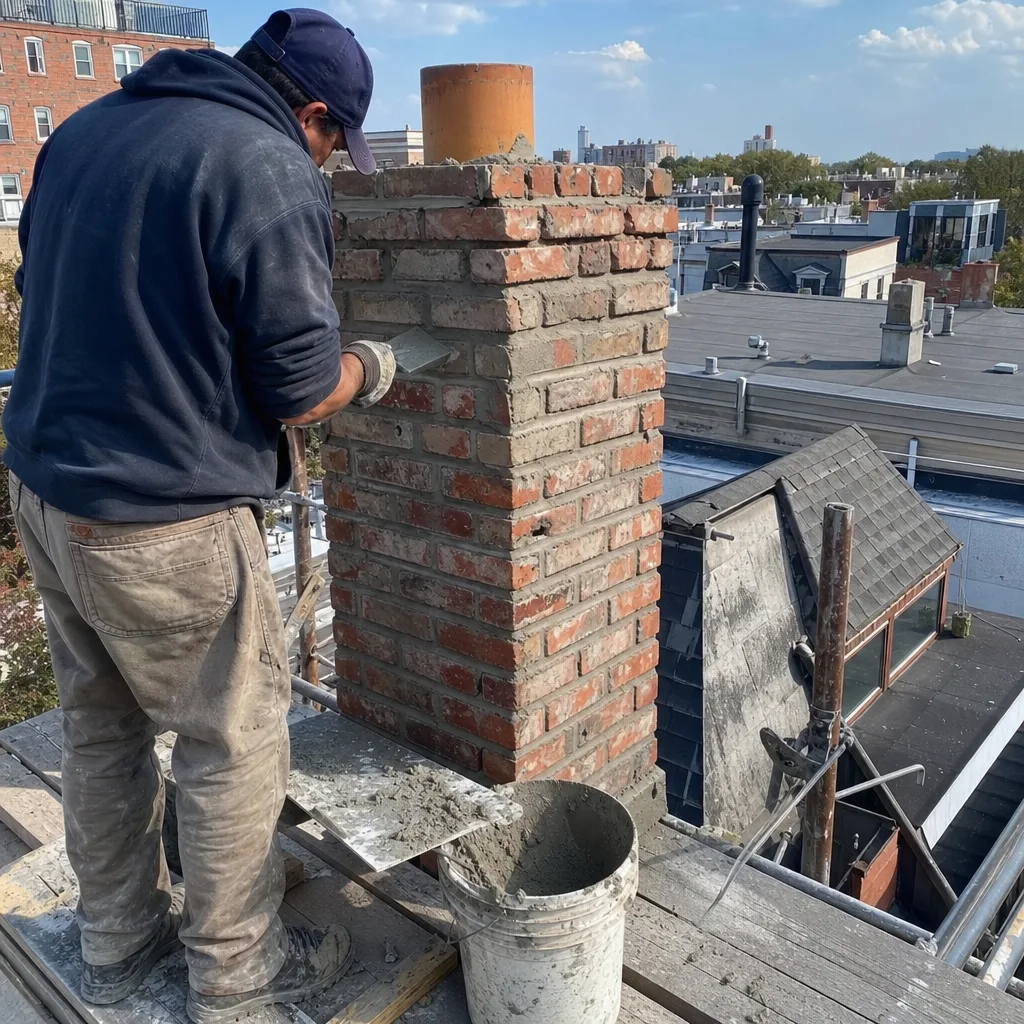
Last updated September 20, 2026
Level 1 sweep and inspection to the NFPA 211 annual standard - flue, crown, cap, and flashing checked and photographed
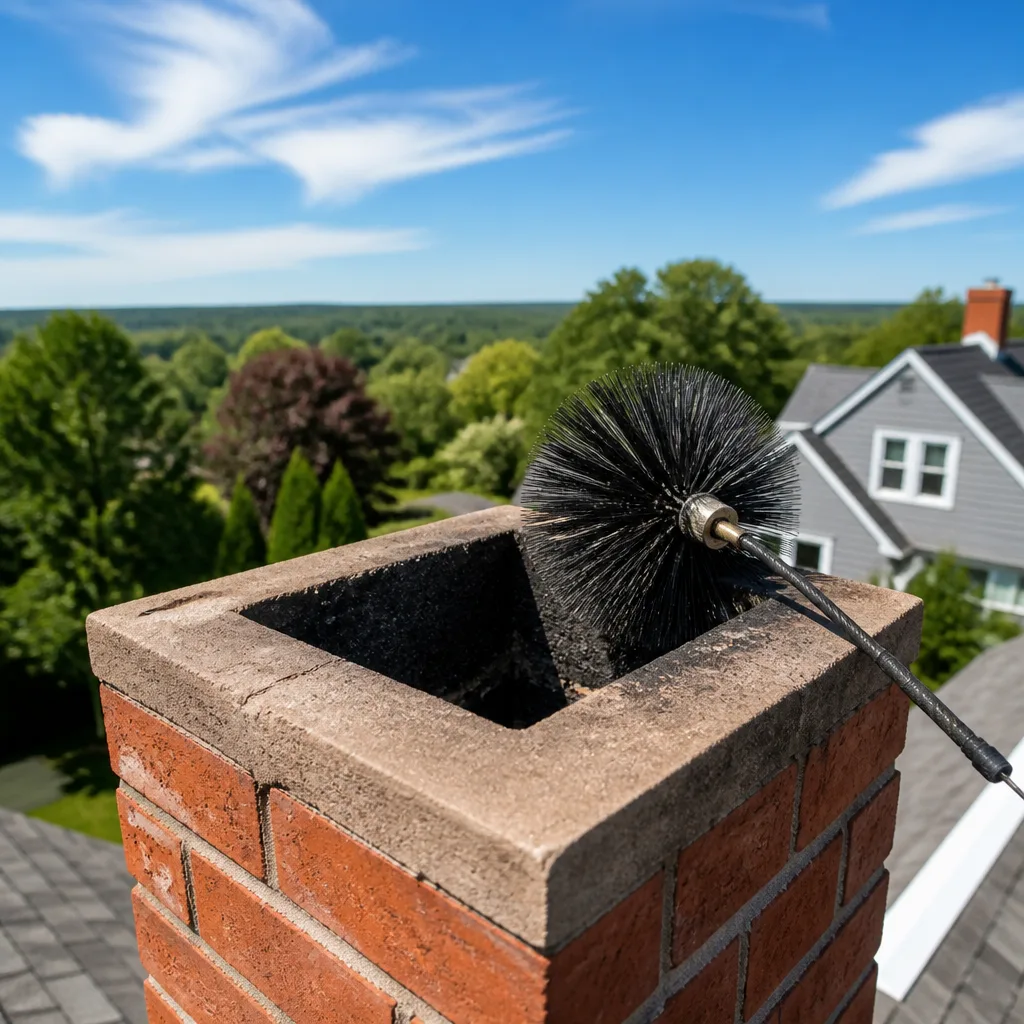
Chimney sweep logs do not sweep chimneys. They loosen some creosote - which then falls where a brush and vacuum still have to collect it.
Caps & crowns
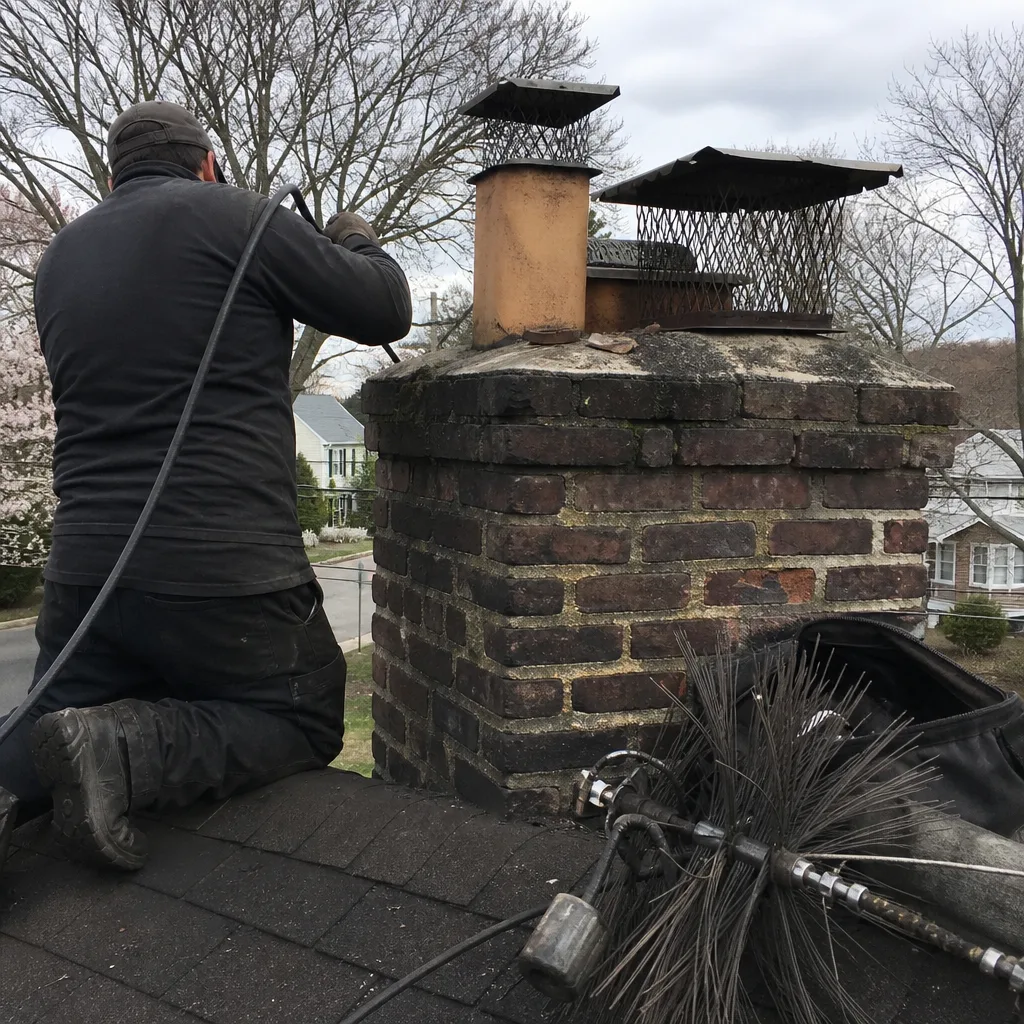 Before
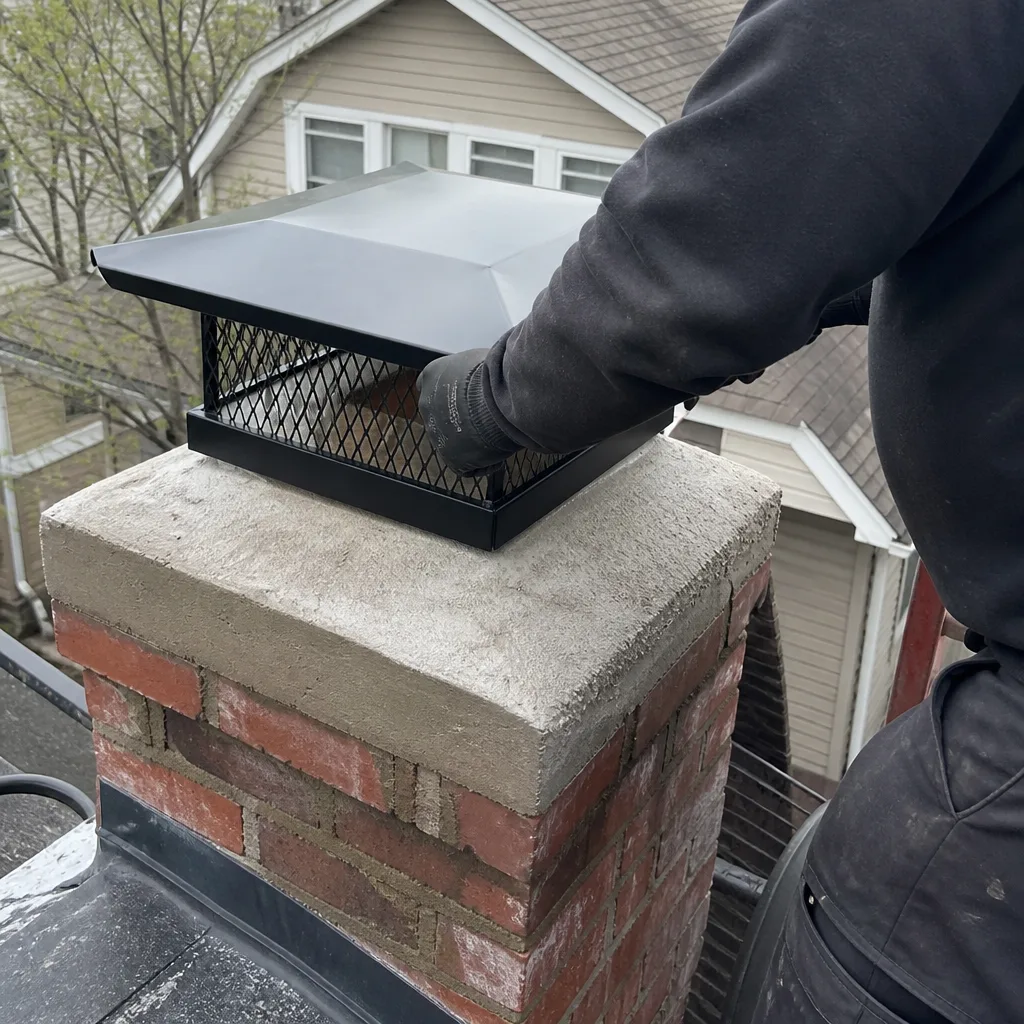 After
After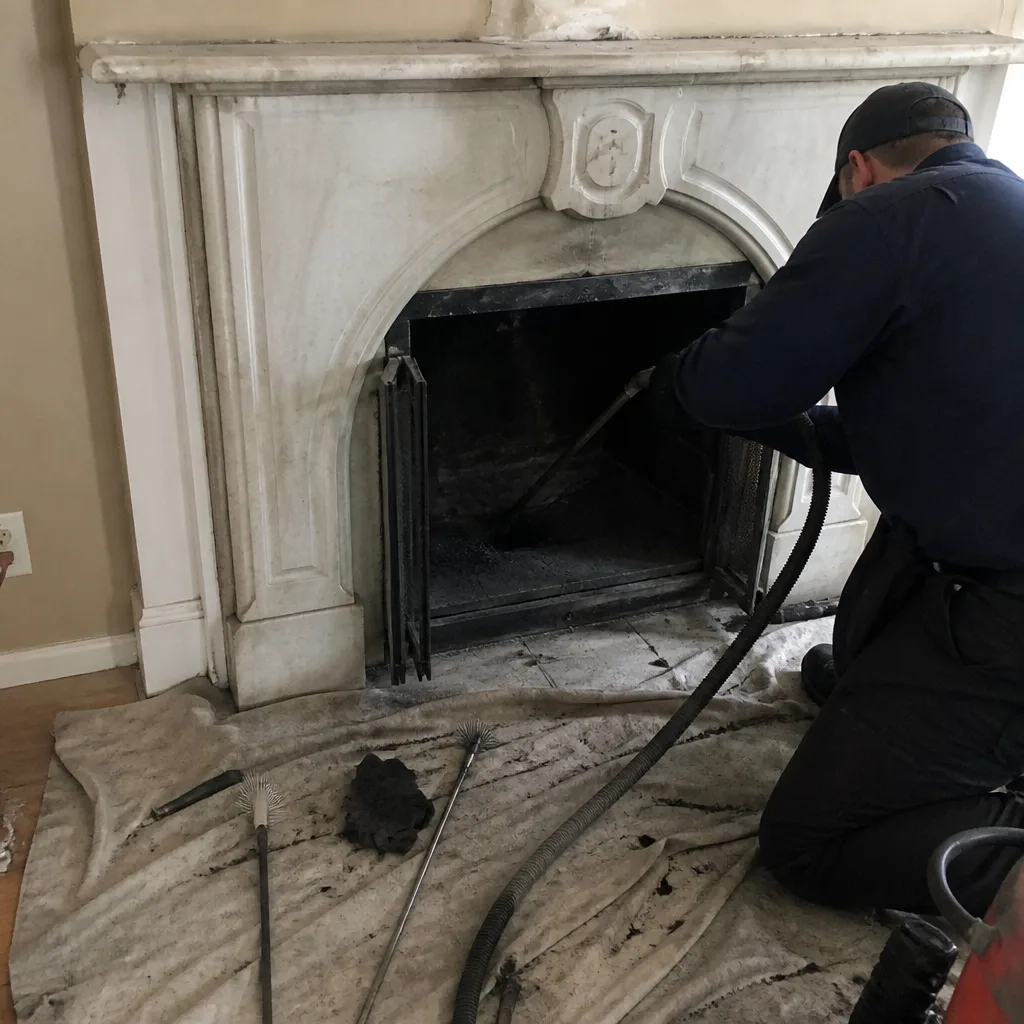 Before
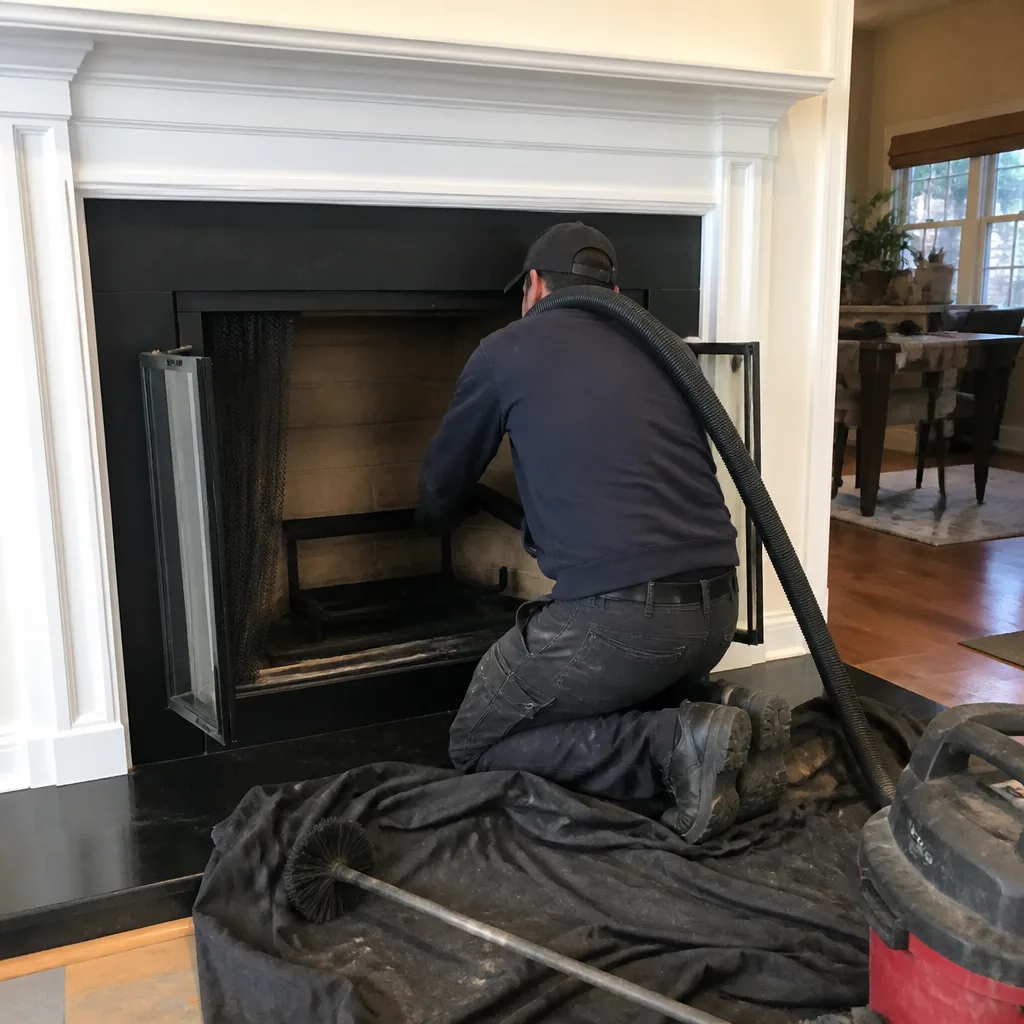 After
After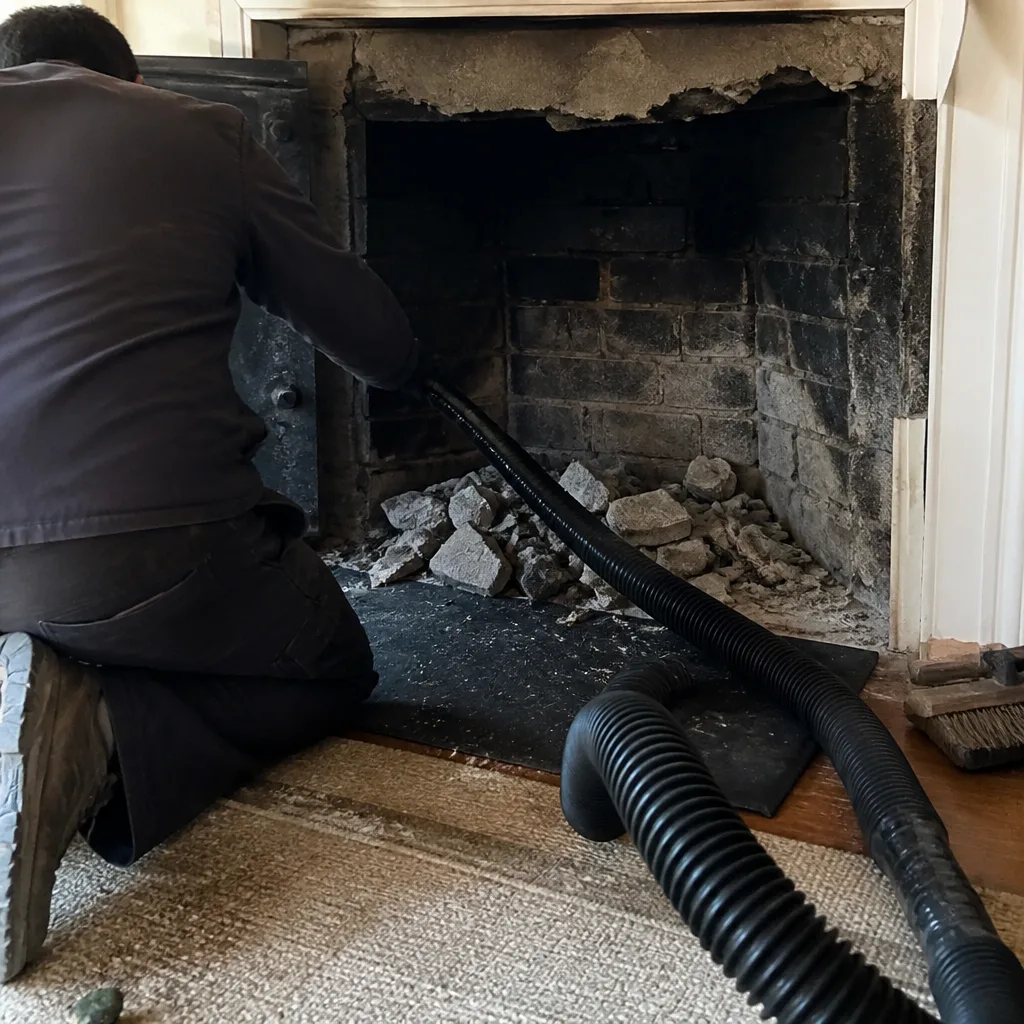 Before
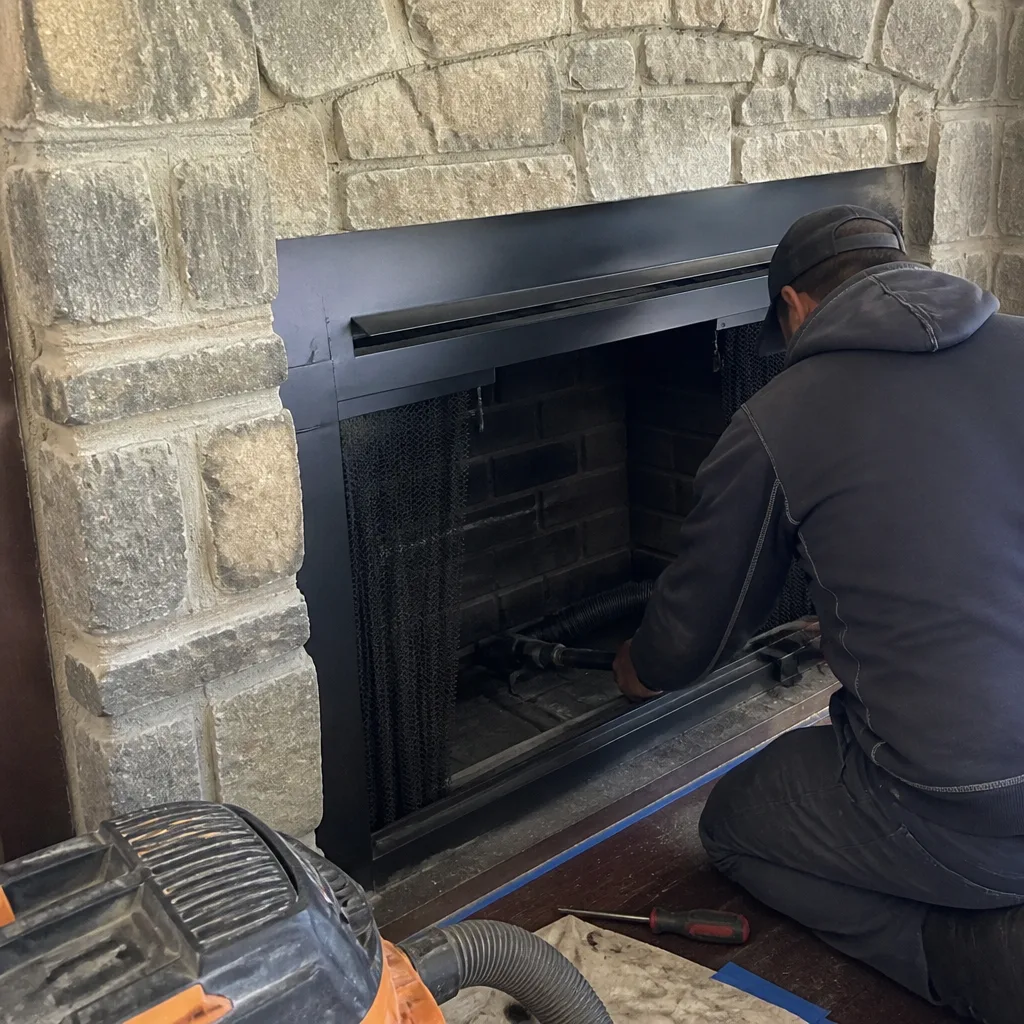 After
AfterChimney Cleaning Cost Breakdown: The Manhattan Homeowner’s Reference for 2026
The $99 chimney cleaning special you see advertised in Manhattan is a lead-generation price. The average invoice when that company leaves is between $400 and $900, because the cleaning price never included the inspection, the camera, or the documentation your building actually requires. This guide breaks down every line item on a legitimate Manhattan chimney cleaning invoice so you can tell the difference between a fair price and a padded one before anyone steps through your door. For Chimney Cleaning Warning Signs: A Manhattan Homeowner’s Reference Guide, see our companion resource.
Quick Answer
A legitimate chimney cleaning in Manhattan costs between $189 and $329 on average in 2026, with the final invoice typically landing between $325 and $550 when you include the mandatory camera-scan inspection, written report, and access or documentation fees common in Manhattan buildings. Anything advertised below $150 is a lead-generation price that will be made up through in-home upsells, many of which are legitimate work but some of which are pressure tactics. Expect the total to run higher in pre-war co-ops and buildings with difficult roof access.
Table of Contents
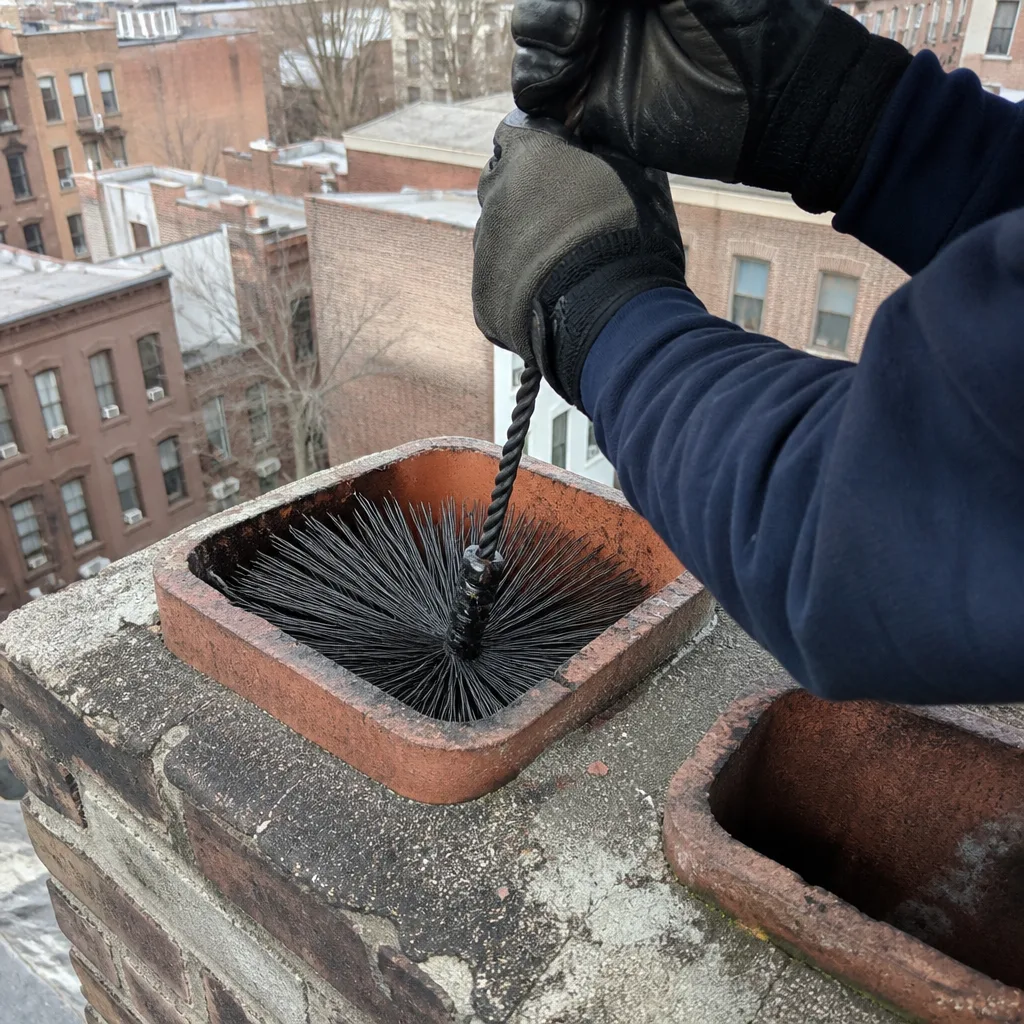
- Why Manhattan Chimney Cleaning Pricing Is Opaque by Design
- The Line-Item Breakdown: What a Legitimate Manhattan Invoice Contains
- Legitimate Findings vs. Pressure Tactics: How to Tell the Difference
- How Building Type Changes the Price: Single-Family, Co-op, Condo, Multi-Family
- What a Written Price Guarantee Should Actually Contain
- The True Cost of Skipping Documentation: Insurance, Sales, and Disclosure
- How Often Should a Manhattan Chimney Be Cleaned?
- Common Mistakes to Avoid
- When to Call a Professional
- Frequently Asked Questions
- The Bottom Line
BeforeAfterWhy Manhattan Chimney Cleaning Pricing Is Opaque by Design
Chimney cleaning in Manhattan is priced differently than almost any other home service, and not by accident. The industry has settled into a model where the advertised price covers the least amount of work a company can legally do and still call it a cleaning, while the actual work your chimney needs is discovered and sold after the technician is already in your home. That technician is often paid commission on what they find, which means the incentive structure rewards finding things.
In Manhattan this dynamic is sharper than anywhere else because the housing stock is older, the buildings are taller, and the documentation requirements are stricter. A brownstone on West 88th Street with a chimney that hasn’t been touched since the Clinton administration is not the same job as a suburban fireplace in New Jersey. The flue is different, the roof access is different, and the liability is different. But the advertised price is often the same $99 number you’d see anywhere.
What this means in practice: a homeowner researching “chimney cleaning cost Manhattan 2026” typically finds a range so wide it’s useless, because companies are comparing different scopes of work under the same label. One company’s “cleaning” is a brush up the flue and a handshake. Another company’s “cleaning” includes a camera scan, a written condition report, and a photo archive. Those are not the same service at different price points. They are different services entirely, and the price difference is about $200 to $400, not $20.
We’ve operated Level Two Chimney Manhattan home under a different structure since 2009. The price is written before we arrive, the scope is defined in writing, and the camera scan is not an add-on. That’s not a marketing position. It’s how we’ve kept the final invoice within $25 of the quoted price on more than 38,000 chimneys inspected and cleaned since 2009. Every one with a written price before work started and a documented record when it was done.
The Line-Item Breakdown: What a Legitimate Manhattan Invoice Contains
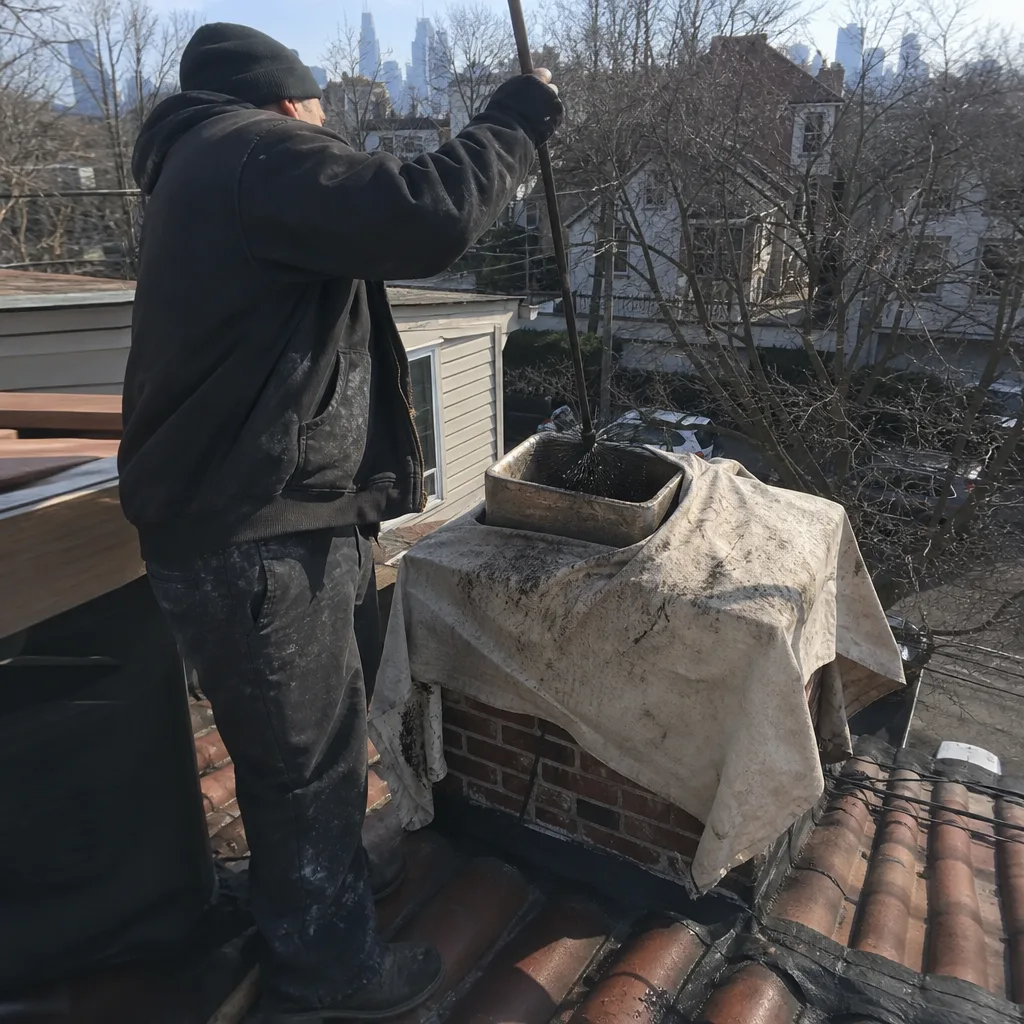
A genuine Manhattan chimney cleaning invoice has four core line items. Companies that combine all of these into a single “cleaning” line are not necessarily cheaper. They’re just less transparent about what you’re paying for. Here’s what each piece costs in the 2026 Manhattan market.
| Line Item | 2026 Manhattan Price Range | What It Actually Covers |
|---|---|---|
| Sweep labor (flue brushing) | $89-$149 | Removal of soot and creosote from the flue walls using brushes sized to your liner |
| Camera-scan inspection (NFPA 211 Level 2) | $50-$120 | Video scan of the flue interior to document liner condition, mortar joints, and creosote classification |
| Written condition report | $25-$60 | Documented findings with photos or still frames, written scope of any recommended work |
| Travel, access, or building compliance | $0-$125 | Roof access coordination, building super notification, COI requirements, difficult roof entry |
What the sweep labor actually involves
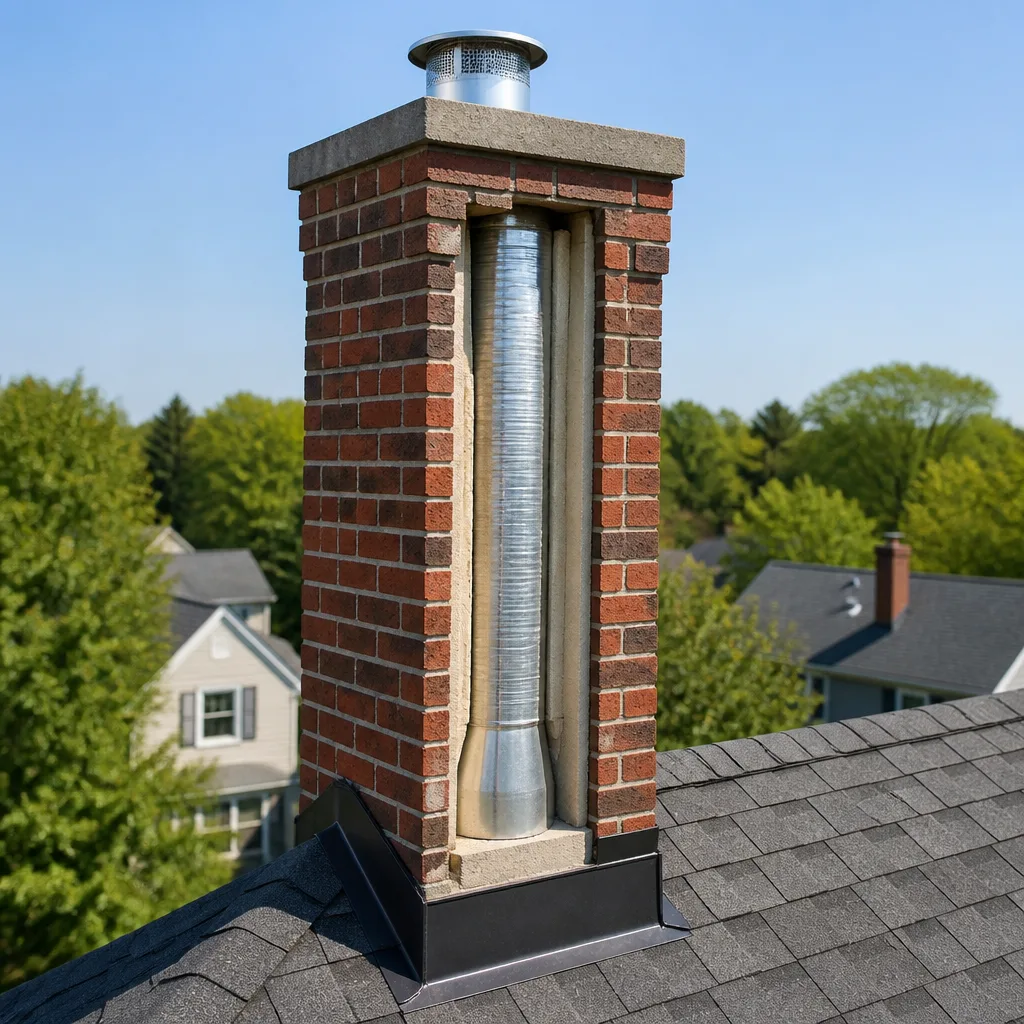
The sweep itself is the physical removal of combustion byproducts from the flue. In a Manhattan brownstone or pre-war building, that flue is typically lined with terra cotta or a stainless steel liner from manufacturers like Gelco or Olympia Chimney. The technician runs brushes down the flue from the roof, then cleans the smoke chamber and firebox from inside. This line item rarely varies much in cost: the time is fairly standard across companies. What varies is whether the company considers the soot in the smoke chamber part of the cleaning or a separate upsell. At Level Two, it’s part of the cleaning. The smoke chamber is where creosote accumulates fastest, and skipping it means you’ve cleaned half the system.
What the camera scan actually shows
A camera scan is the single most informative part of a chimney cleaning, and it’s where companies differ most. The scan documents what’s actually inside your flue: cracks in terra cotta tiles, gaps in mortar joints, early spalling, or a Class III creosote glaze that a brush alone won’t remove. In Manhattan, where many buildings date to the 1920s or earlier, these findings are common. The camera footage is what lets you verify a recommendation instead of taking someone’s word for it. Clause 4 of the Haven Standard requires a photo record on every job, and that’s been our practice since 2009, long before insurers started asking for it.
What the written report gives you
The written report is the part most homeowners skip and then wish they hadn’t. A good report tells you the liner condition, the creosote classification, the crown integrity, and any issues at the cap, with enough specificity that another company could pick up the report and understand the chimney’s history. This matters for insurance, for co-op board compliance, and for the eventual sale of your unit. If the company can’t produce a written report with photos, you paid for labor but not documentation. In Manhattan, documentation is part of the product.
Why access surcharges exist in Manhattan specifically
Manhattan has building realities that don’t exist in the suburbs: roof hatches, fire escapes, building supers, co-op insurance certificates, and the fact that your chimney may be accessible only from a roof that requires a key and a scheduled time. Some companies bury these costs in a flat “cleaning” fee. Others list them as a separate line item. Neither approach is wrong, but the line-item approach tells you what you’re paying for. Our approach is to quote the all-in price up front, including any access or compliance coordination, so the written price and the final invoice match.
For a deeper look at what a comprehensive sweep includes, see our Chimney Cleaning & Sweep in Manhattan page, where we document the full sequence of a standard visit.
Legitimate Findings vs. Pressure Tactics: How to Tell the Difference
Here’s the uncomfortable truth: some upsells are real, and some are invented. The difference is documentation. A legitimate finding comes with camera footage or a photo you can see with your own eyes. A pressure tactic comes with urgency language and a price that expires when the technician leaves. Learning to tell these apart is the single most valuable skill a Manhattan homeowner can bring to a chimney cleaning.
Legitimate findings that justify additional work
- Liner cracks or gaps found on camera. If the camera scan shows a visible crack in your terra cotta liner, that’s a real finding with a documented consequence: exhaust gases can leak into the home or the building structure. The fix is a stainless steel liner, typically from manufacturers like Gelco or Olympia Chimney, and the recommendation should come with the footage.
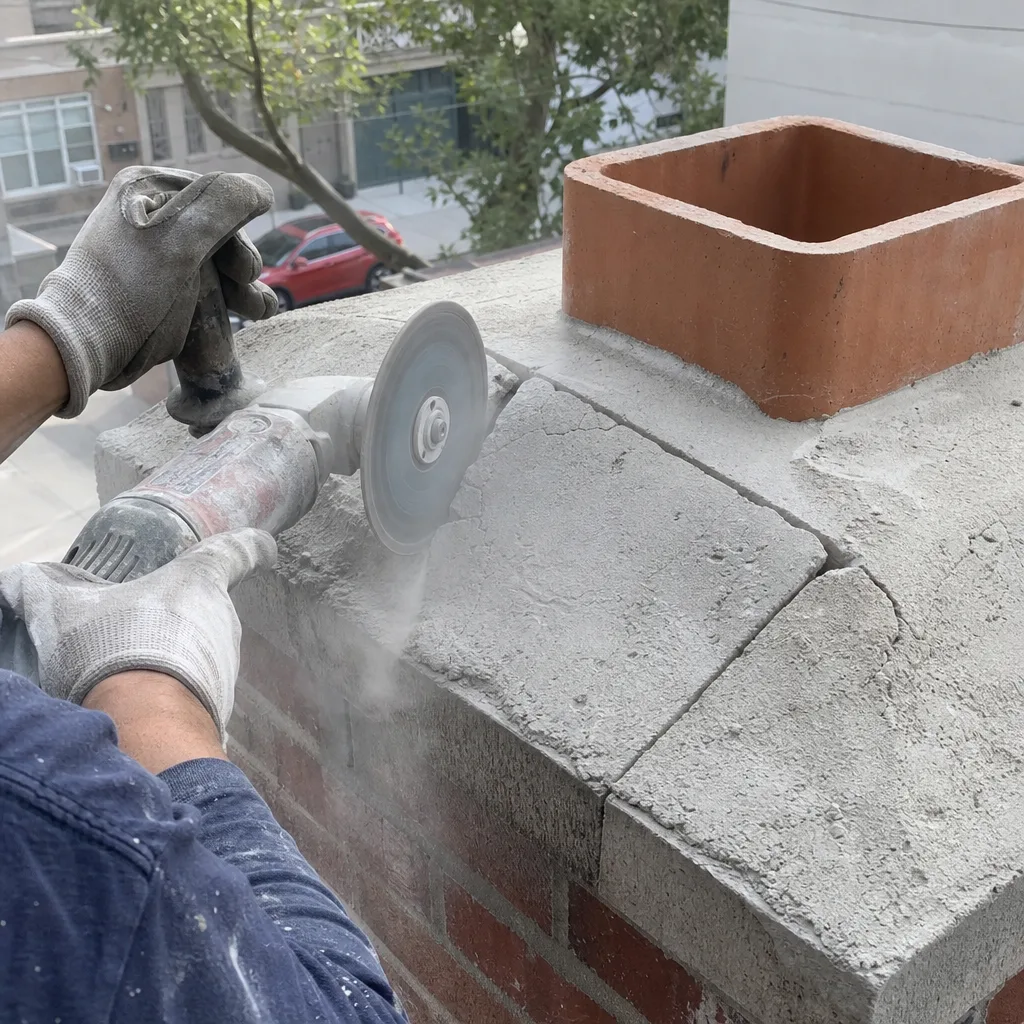
- Crown damage documented in photos. The crown is the concrete slab at the top of the chimney. In Manhattan’s freeze-thaw climate, crowns crack and spall. If the company shows you photos of a cracked crown, the recommendation is legitimate. The repair should be priced in writing with the scope defined.
- Class III creosote requiring chemical treatment. Class I creosote is loose soot. Class II is a crunchy, flaky deposit. Class III is a hard, glazed tar that brushing alone won’t remove. If the camera shows a shiny, glazed coating on your flue walls, a chemical treatment or rotary cleaning head is the correct recommendation.
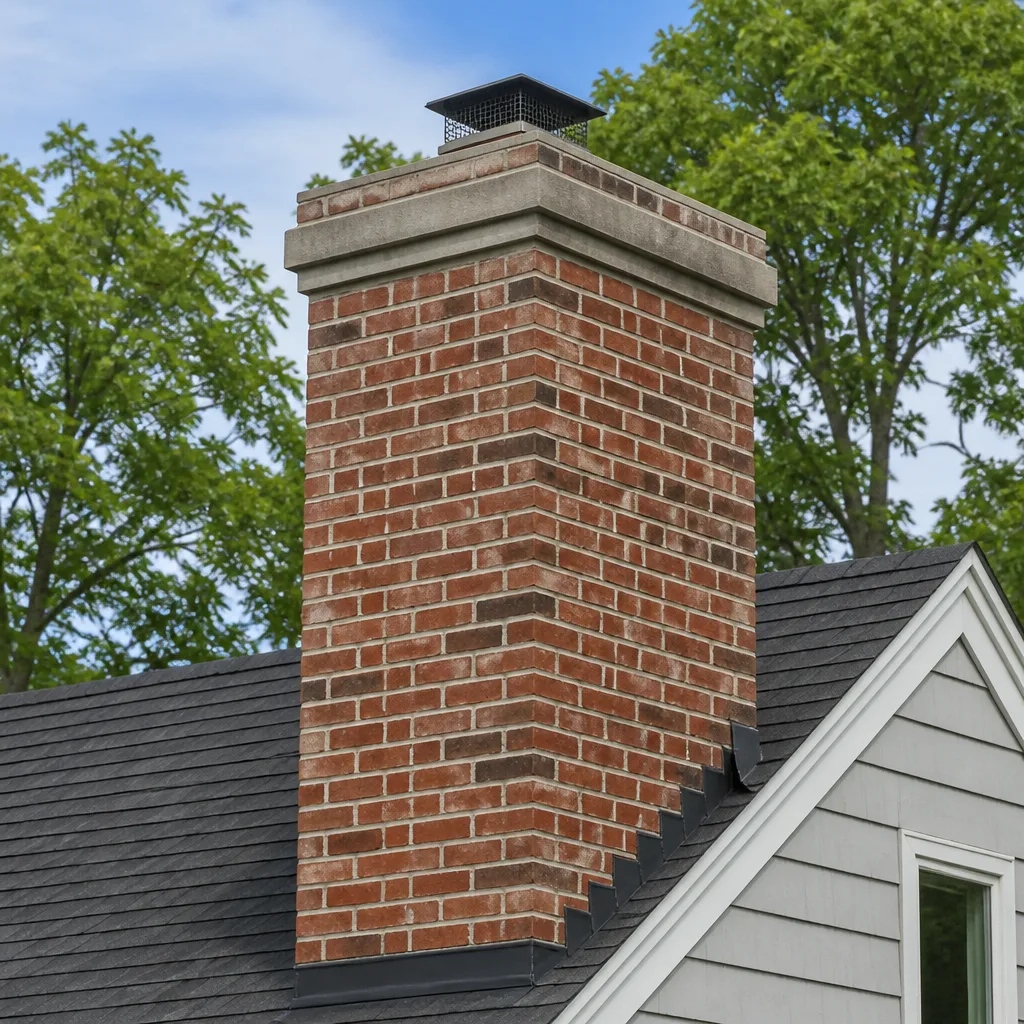
- Missing or damaged chimney cap. A cap keeps rain, animals, and debris out of the flue. In Manhattan, birds and raccoons are common, and the cap is visible from the roof. If it’s rusted through or missing, the fix is straightforward and should be priced before work starts.
Pressure tactics to recognize and decline
- “Emergency hazard fee” for same-day repair. If a finding is genuinely hazardous, the company should document it, price it in writing, and let you decide. A fee for acting right now is a sales technique, not a safety protocol.
- “Today-only” pricing. The price for a liner repair or crown seal should be the same on Tuesday as it is on Thursday. If the number changes based on how quickly you decide, you’re not being quoted a price. You’re being closed.
- Vague “your flue is deteriorating” language without photos. If the technician can’t show you the problem, the problem may not exist. Camera footage is not a luxury. It’s the evidence.
- Recommendations for full system replacement on a first visit. Full chimney rebuilds are occasionally necessary in Manhattan, especially in pre-war buildings with spalling brick. But the recommendation should come with extensive documentation, a written scope, and ideally a second opinion. Our Free Second Opinion on any written estimate exists precisely for this situation.
The documentation standard anyone should be able to meet
A legitimate company can hand you a written condition report with photo or video evidence of every finding on the same day as the visit. If a company tells you findings are “obvious” but can’t show you the footage, that’s a red flag. If they promise to send photos later and never do, that’s another one. The Haven Standard we work under requires a documented photo record on every visit, included as standard, not as an optional add-on. That standard exists because homeowners deserve to see what they’re being asked to pay for.
How Building Type Changes the Price: Single-Family, Co-op, Condo, Multi-Family
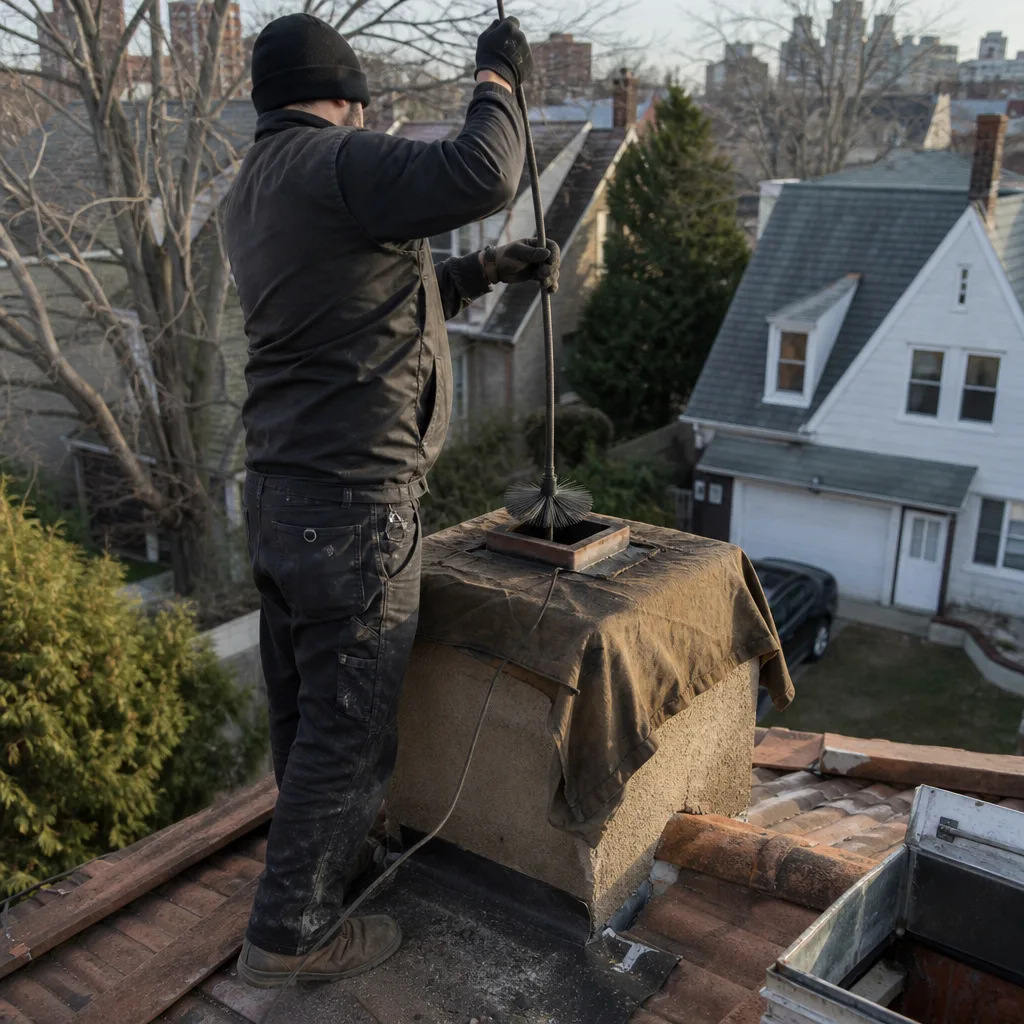
Manhattan is not one housing market. It’s several, stacked on top of each other, and the building type meaningfully changes what a chimney cleaning costs and why. The same chimney that costs $350 to clean in a single-family brownstone might cost $550 in a co-op, not because the work is harder but because the access and documentation requirements are different.
Single-family homes (townhouses, brownstones, row houses)
Single-family homes are the most straightforward. The chimney is generally accessible from the roof, the owner can authorize the work directly, and there’s no building management layer. A typical cleaning in a Manhattan brownstone on the Upper West Side or in Harlem runs $275 to $425 all-in. The variables are roof access (is there a hatch, a ladder, or a fire escape), the condition of the flue liner, and whether the home has a gas furnace venting through the same chimney, which requires additional coordination.
Co-op buildings
Co-ops add a layer of administrative friction. The technical work is the same, but the building requires a Certificate of Insurance (COI) naming the co-op corporation as an additional insured. That takes time and administrative cost. Some co-ops also require scheduled roof access through the super, which means the technician arrives not just with brushes and a camera but with a window of time. Co-op cleanings in Manhattan typically run $350 to $550, with the difference largely coming from the insurance coordination and scheduled access.
Condo buildings
Condos sit between co-ops and single-family homes in complexity. The unit owner typically owns the chimney structure and is responsible for maintenance, but roof access still runs through building management. Some condo buildings in Manhattan have common roof areas that are locked, and the management company has specific hours for vendor access. A condo cleaning typically costs $300 to $500. The documentation matters here too: condo boards sometimes require proof of maintenance, and the written report with photos serves as that proof.
Multi-family and mixed-use buildings
Buildings with multiple flues, a shared chimney, or commercial units on the ground floor are the most complex. The cleaning is typically part of a larger maintenance contract, and the price is negotiated per flue. Multi-flue work is per-flue pricing, with discounts for volume: a building with four flues might pay $225 per flue rather than $350 per flue. The documentation requirement is highest here because building owners carry the most liability and are most likely to face insurance scrutiny.
If you’re dealing with a compromised chimney rather than routine maintenance, our Chimney Repair in Manhattan page covers the repair-specific pricing and documentation process in detail.
What a Written Price Guarantee Should Actually Contain
A written price guarantee is only worth as much as the specificity of what it covers. A quote that says “Chimney cleaning: $300” without defining scope is not a guarantee. It’s an invitation to a conversation you didn’t agree to have. Here’s what a legitimate written price should contain, line by line.
- Scope of work. The exact services included: flue brushing, smoke chamber cleaning, firebox cleaning, camera scan, and cap or crown inspection where applicable.
- Materials and manufacturer names. If any repair work is quoted, the written price should name the specific materials, not “high-quality liner” but a specific product from Gelco, Olympia Chimney, Famco, or Copperfield, with the gauge or specification noted.
- Labor breakdown. The number of technicians, the estimated duration, and the hourly or flat labor cost.
- Warranty term. How long is the work guaranteed, and what does the guarantee cover? Our 365-Day Done Right Promise states it plainly: if it’s not done right, we make it right.
- Documentation deliverables. What will you receive when the work is done? Photos, camera footage, written report, warranty certificate, and invoice.
- Exclusions and assumptions. What is not included? What assumptions is the quote based on? A legitimate quote says “assumes standard roof access via fire escape” or “excludes masonry repair beyond crown sealing.”
How to evaluate a competitor’s quote against ours
Here’s the test. Ask any company quoting your Manhattan chimney work these four questions before you sign anything. First: is the price in writing before you arrive? Second: does the written scope match the work you’re recommending? Third: is the camera scan included or extra? Fourth: what documentation will I receive on completion? If the company can’t answer all four in writing, the price is not a guarantee. It’s a starting point. Our written price, written scope, and written warranty are delivered before anyone starts, not after the tech is already in your home. That’s Haven Standard Clause 1, and we’ve operated that way since 2009.
The True Cost of Skipping Documentation: Insurance, Sales, and Disclosure
The most expensive chimney cleaning in Manhattan is the one you skip documentation for. The cleaning itself might cost $250 less. The downstream costs can run into the thousands. Here’s where it shows up.
Insurance claims
If a chimney fire or carbon monoxide issue occurs, the insurance company will ask a simple question: when was the chimney last cleaned, and do you have a record? A receipt for a cleaning with no condition report and no photos is weak evidence. A documented report showing the flue was inspected, the creosote was Class I or II, and no defects were observed is strong evidence. The difference between the two can be the difference between a covered claim and a denied one. In Manhattan, where many buildings are covered by co-op or condo master policies, the standard is even higher: the building’s insurer may require documentation from individual unit owners.
Building sale disclosures
When you sell a Manhattan home or unit, the buyer’s inspector will look at the chimney. If you have a documented history of cleanings and inspections with a photo archive, that’s an asset. If you don’t, the buyer may negotiate a price reduction or require a chimney inspection as a condition of sale. A $350 documented cleaning becomes a $350 discount on the sale price, or worse, a deal contingency that falls through. The documented record isn’t paperwork. It’s property value.
Co-op and condo board compliance
Some Manhattan co-op and condo boards require annual chimney maintenance as a condition of occupancy, particularly in buildings where fireplaces are vented through shared flues. The written report is the proof of compliance. Without it, you’re in violation of your own building’s rules, and the board can levy fines or restrict fireplace use.
The accumulated cost of deferred maintenance
Then there’s the compounding cost. A crack in a terra cotta liner found early can be fixed with a stainless steel liner installation from a manufacturer like Gelco or Olympia Chimney for a few thousand dollars. The same crack left unreported for five years can spread, allow moisture into the surrounding masonry, and result in a full chimney rebuild that costs five to ten times more. The camera scan that finds the early crack costs $50 to $120. The rebuild costs $15,000 to $35,000. Documentation is not a cost. It’s the cheapest insurance you’ll ever buy.
How Often Should a Manhattan Chimney Be Cleaned?
The short answer: once a year if you use the fireplace regularly, every two years if you use it occasionally, and immediately if you’ve just bought a home or unit and don’t know its history. The NFPA standard, cited by most building codes and insurers, recommends annual inspection and cleaning as needed.
Manhattan’s climate matters here. The city’s winters are not extreme, but the freeze-thaw cycling is hard on chimney masonry, and the city’s air deposits a fine particulate that accelerates creosote buildup. A fireplace used twenty times per season in Manhattan will typically produce enough creosote to warrant cleaning annually. A fireplace used twice a year for ambiance can go two years, but the inspection should still happen annually: the camera scan documents liner condition and catches cracks early, even if the creosote level doesn’t require brushing.
For Manhattan homeowners who use their fireplace as a primary heat source in winter, that’s an annual cleaning, no exceptions. The creosote accumulation rate in regular use, combined with the age of most Manhattan chimneys, makes it a safety question, not a maintenance preference. For a full breakdown of what happens during a professional sweep, see our Fireplace Services in Manhattan page, which covers the sequence from firebox to flue to cap.
Common Mistakes to Avoid
- Booking the cheapest advertised price without asking what’s included. The $99 Manhattan special is a down payment on a conversation about what’s wrong with your chimney. Ask for a written scope before you book.
- Accepting verbal findings without camera documentation. If the technician can’t show you the crack, the spalling, or the Class III creosote on screen, you’re being asked to take it on faith. Don’t.
- Paying for a “Level 2 inspection” that doesn’t include a camera scan. A Level 2 inspection isn’t complete without a video scan of the flue interior. If the company calls it a Level 2 but doesn’t run a camera, you’ve paid for a Level 1 with a fancier label.
- Signing a scope that doesn’t name the materials. In Manhattan, material quality matters. A liner made by Gelco is not the same product as a generic stainless steel tube. If the quote doesn’t name the manufacturer, ask why.
- Deferring the camera scan because the fireplace “works fine.” The camera doesn’t care how the fireplace burns. It documents what’s inside the flue, and what’s inside the flue is often deteriorating while the fireplace appears to work normally. That’s the point of the camera.
- Not keeping the written report after the cleaning. The report is your insurance record, your sale disclosure asset, and your compliance documentation. File it. In Manhattan, it’s part of the property.
- Treating chimney work as optional deferred maintenance. In a pre-war Manhattan brownstone, a small unrepaired crack becomes a big masonry problem in a five-year freeze-thaw cycle. The cost curve runs steep.
When to Call a Professional
Call a chimney professional before you light the first fire of the season if you haven’t had the chimney inspected in more than two years, if you’ve just purchased a home or unit with an existing fireplace, or if you notice any of these specific signs: a smell of smoke or soot in the room even when the fireplace isn’t lit, visible cracks in the masonry or crown from the street or roof, water stains on the ceiling near the chimney, or animals sounds coming from the flue. If you see rust on the damper or water in the firebox after rain, that’s a crown or cap problem and it should be documented and priced. For Manhattan homeowners, the standard is simple: if you can’t produce a written inspection record from the last two years, it’s time. Level Two Chimney Manhattan offers free estimates in Manhattan, call (862) 319-8047 and we’ll provide a written price before any work starts. Browse our more guides & resources for additional homeowner tools.
Frequently Asked Questions
A standard chimney cleaning in Manhattan costs between $189 and $329 for the cleaning itself, with a final invoice between $325 and $550 including the camera-scan inspection, written report, and access or documentation fees. Building type and roof access are the biggest variables. Call (862) 319-8047 for an exact written quote for your building type; estimates are free.
A complete chimney cleaning includes flue brushing, smoke chamber cleaning, firebox cleaning, a camera-scan inspection (NFPA 211 Level 2), and a written condition report with photo documentation. Some companies charge the camera scan and report as separate line items; we include both in the quoted price, as required under Haven Standard Clause 4.
In a Manhattan building, a visual inspection is not enough. The flue interior is not visible to the naked eye, and pre-war chimneys have hidden defects that only a camera can document: cracked terra cotta tiles, gaps in mortar joints, and Class III creosote glaze. A camera scan costs $50 to $120 and produces evidence you can see with your own eyes. That’s the difference between a recommendation and a sales pitch.
Once a year if you use the fireplace regularly during winter, every two years for occasional use, and immediately upon purchasing a home or unit with an unknown chimney history. The NFPA recommends annual inspection, and Manhattan’s freeze-thaw climate makes that recommendation sensible, not excessive. Call (862) 319-8047 to schedule a Manhattan chimney cleaning with a written price before we arrive.
A legitimate repair quote names the scope of work, the specific materials (for example, a stainless steel liner from Gelco or Olympia Chimney), the labor, the warranty term, and the documentation you’ll receive. It’s in writing before work starts. If a quote uses generic language like “high-quality liner” and can’t name the manufacturer or show you the camera footage, get a second opinion. Our Free Second Opinion on any written estimate exists for that exact scenario.
In Manhattan, skipping inspection means you’re accumulating an unquantified risk. A crack in the liner that goes undocumented for five years can spread into the surrounding masonry and turn a $4,000 liner job into a $25,000 rebuild. Beyond the structural risk, a chimney fire or carbon monoxide event with no documentation on file is a denied insurance claim waiting to happen. The inspection is the cheapest part of the chimney, and it’s the part that protects the rest of it.
The Bottom Line
A fair price for chimney cleaning in Manhattan in 2026 is $325 to $550 all-in, and a fair company gives you the price in writing before anyone steps through the door. The difference between companies isn’t really about price; it’s about documentation. A camera scan, a written condition report with photos, and a warranty you can hold in your hand are what separate a $99 lead-generation price from a $350 investment in a chimney that will still be documented and defensible five years from now. When you’re comparing quotes, compare scope, not numbers. The number is the last thing you should look at.
Written by Corrine Halstead, Owner at Level Two Chimney Manhattan, serving Manhattan since 2009.