
Last updated September 20, 2026
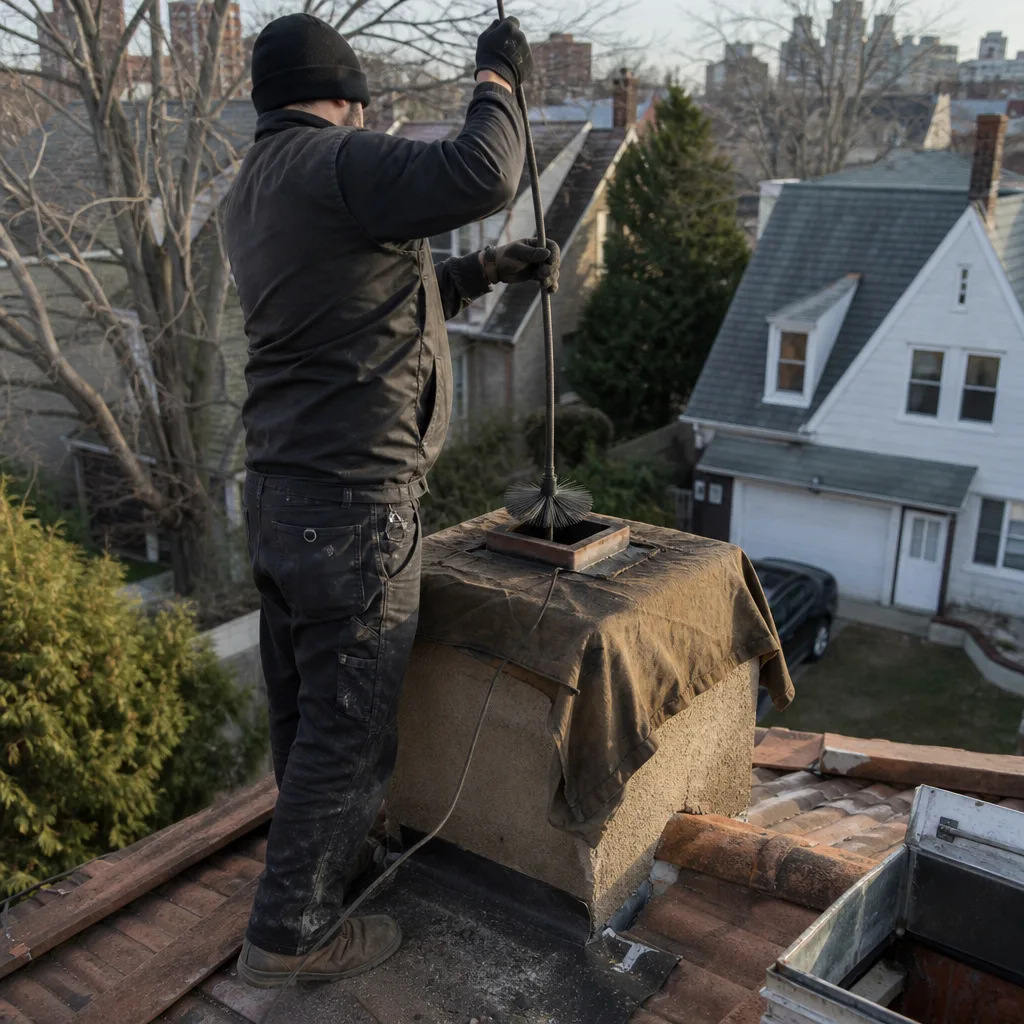
Level 1 sweep and inspection to the NFPA 211 annual standard - flue, crown, cap, and flashing checked and photographed
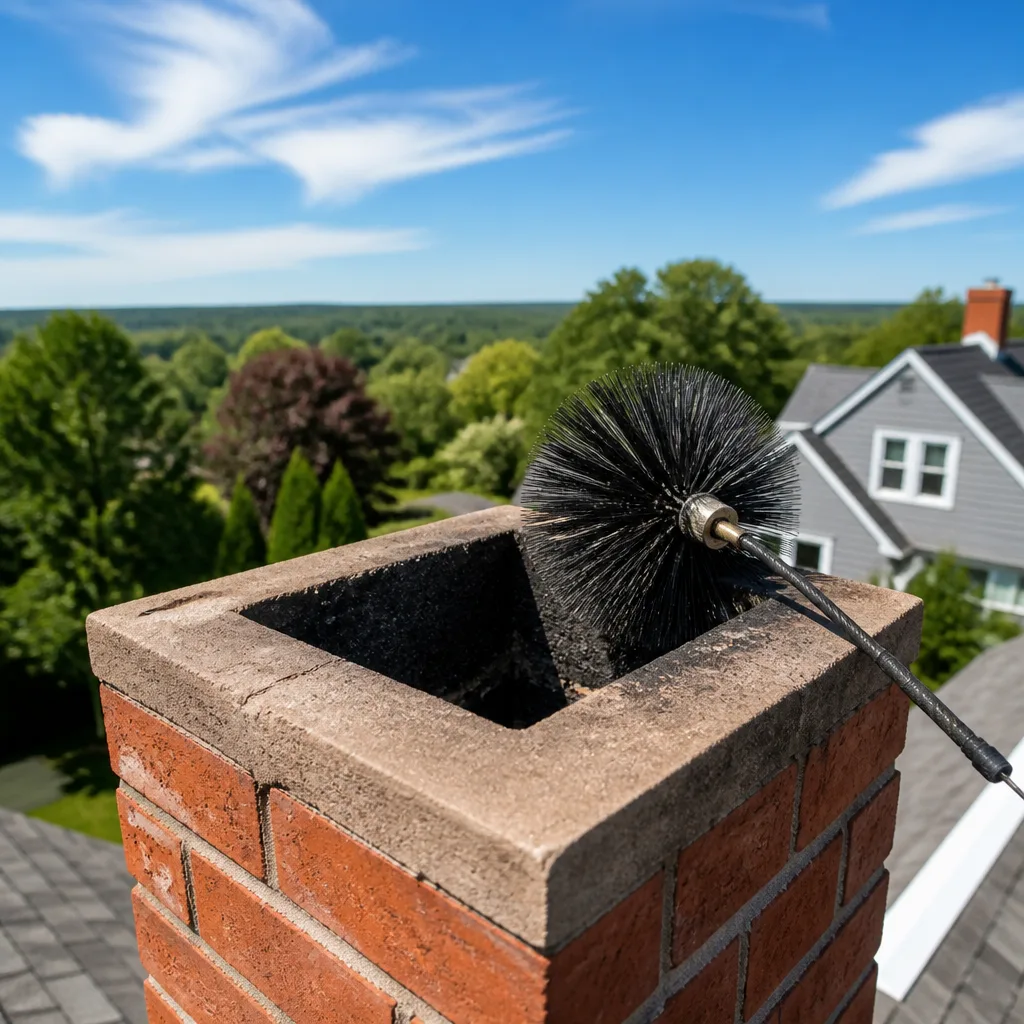
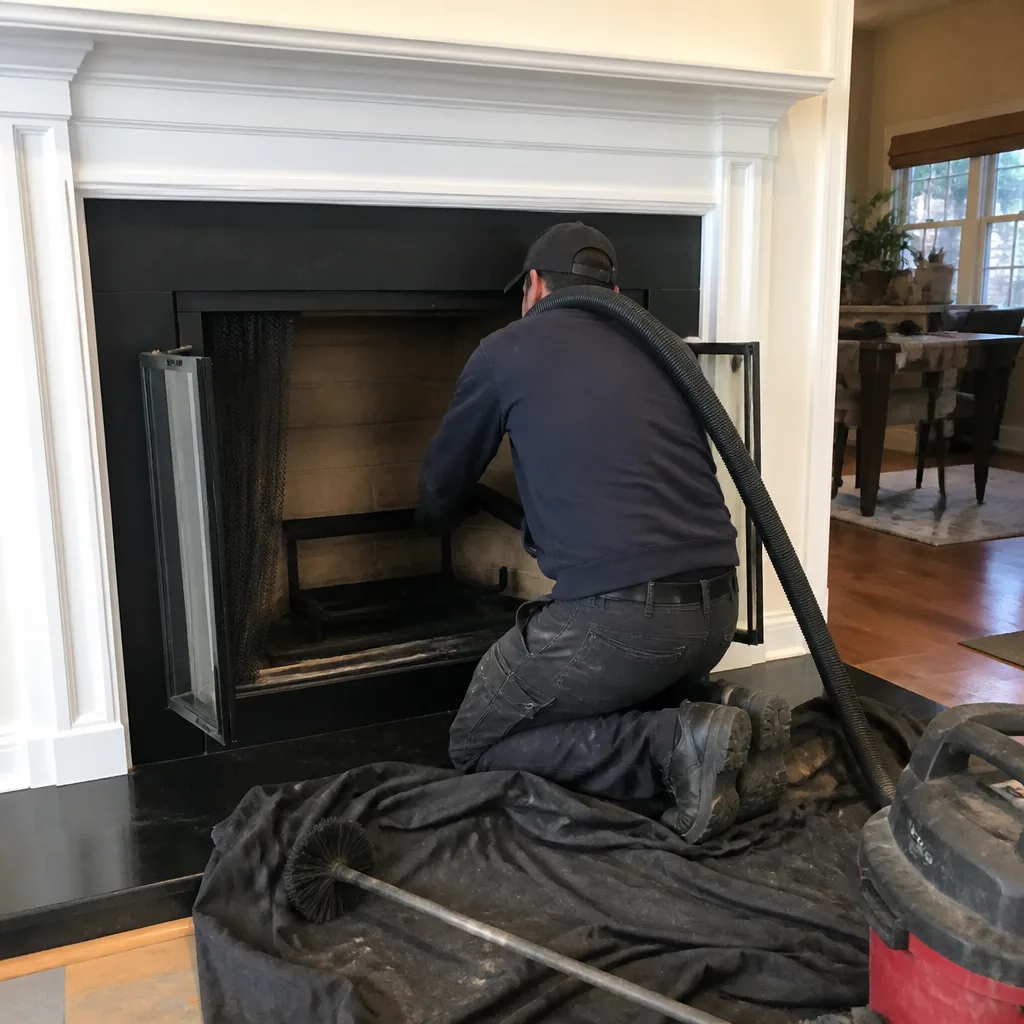
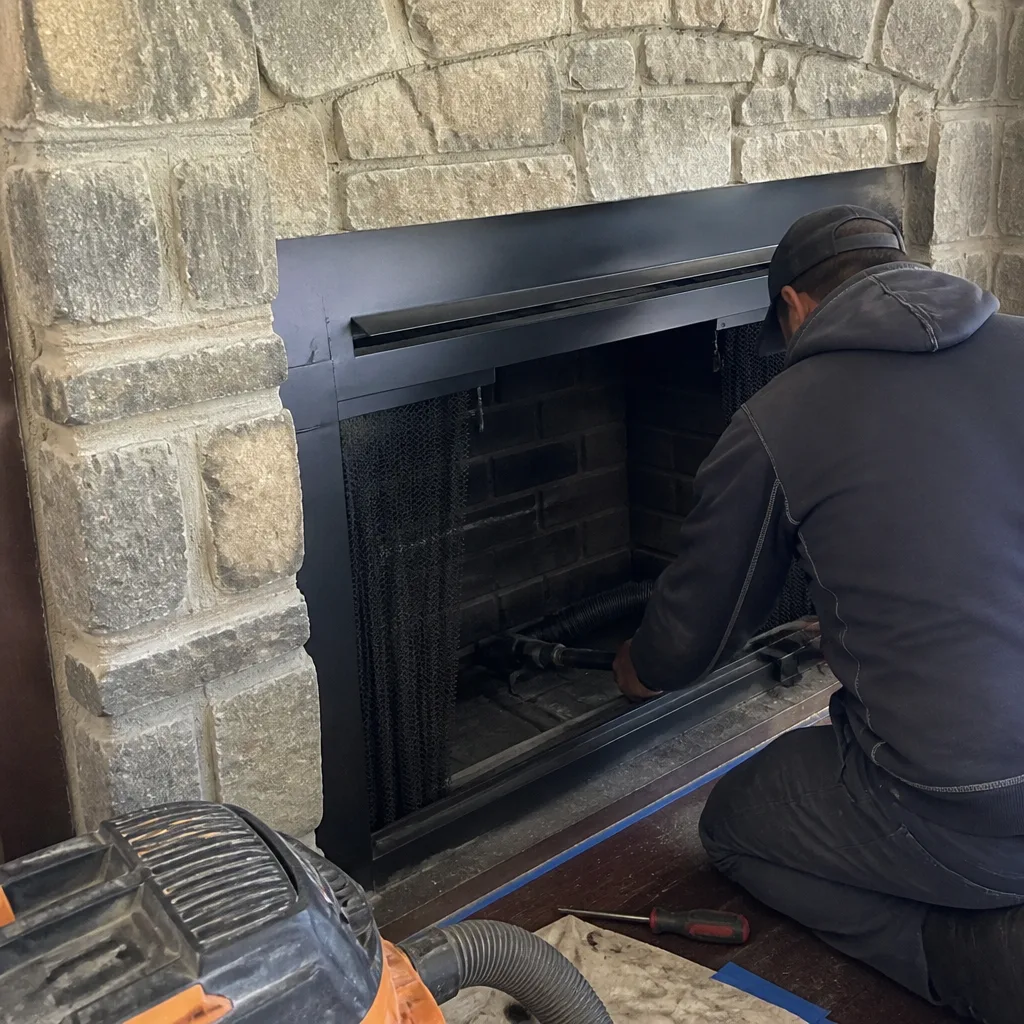
Chimney sweep logs do not sweep chimneys. They loosen some creosote - which then falls where a brush and vacuum still have to collect it.
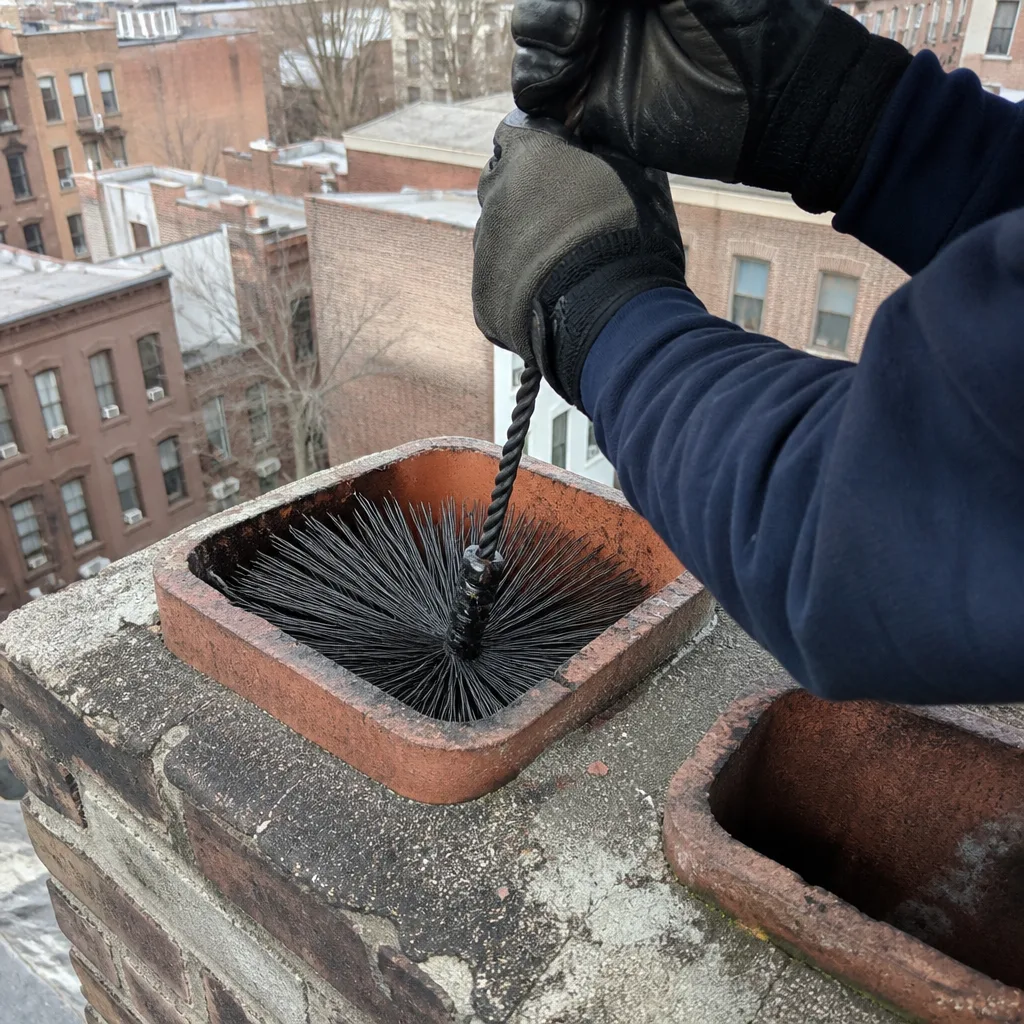
Caps & crowns
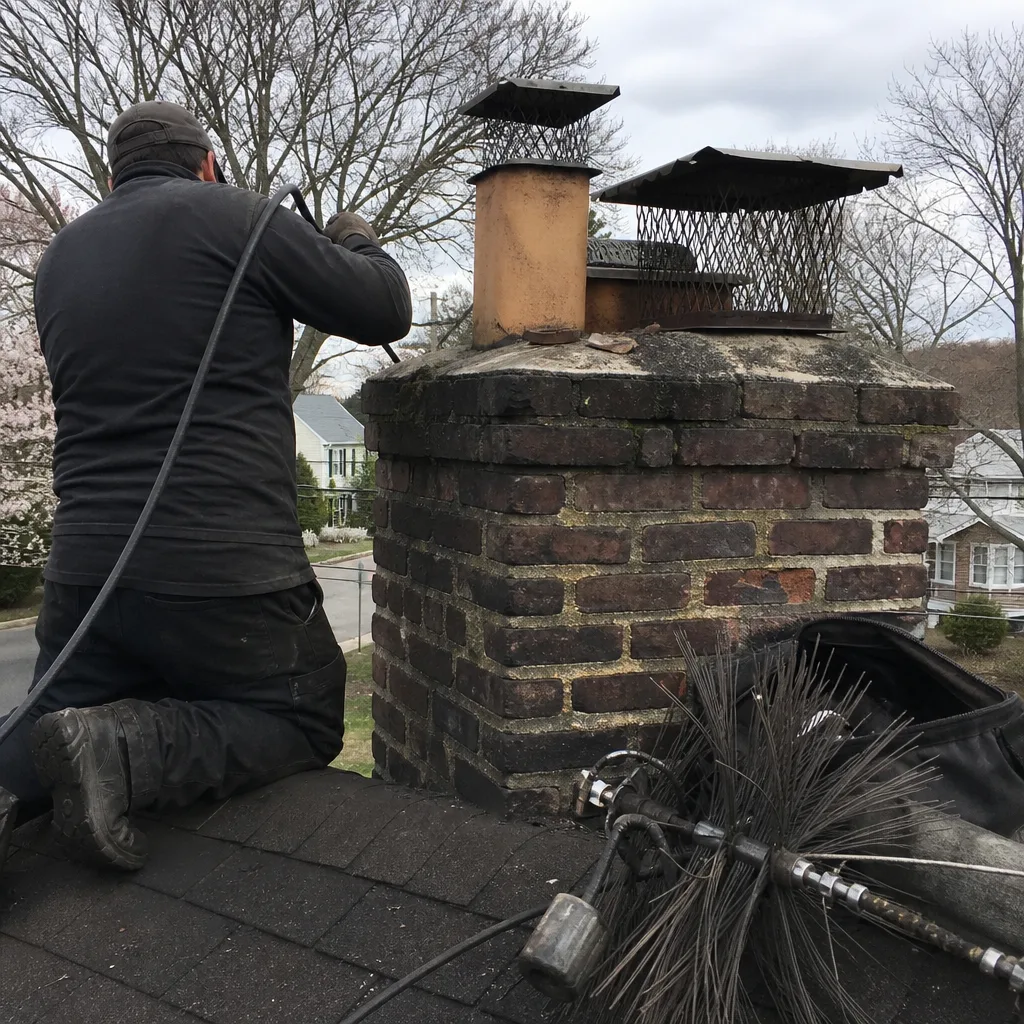 Before
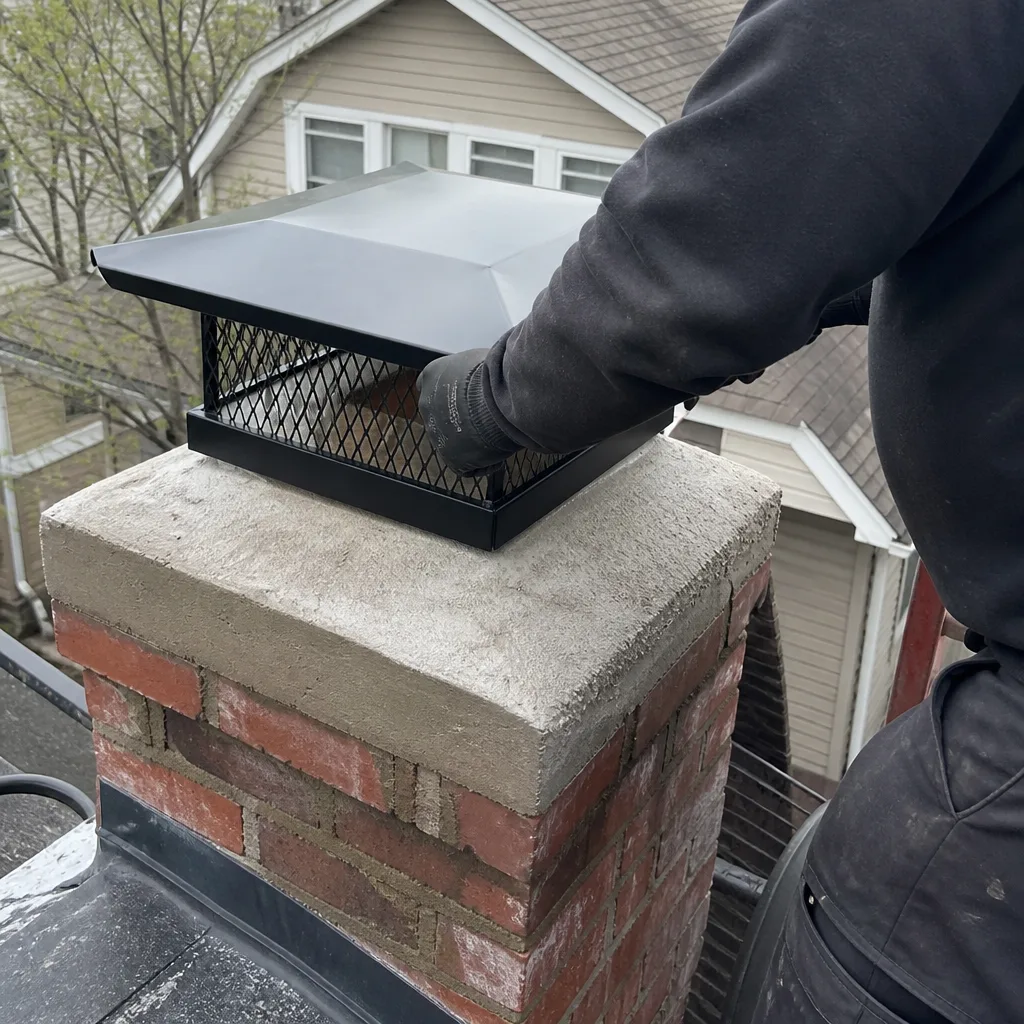 After
After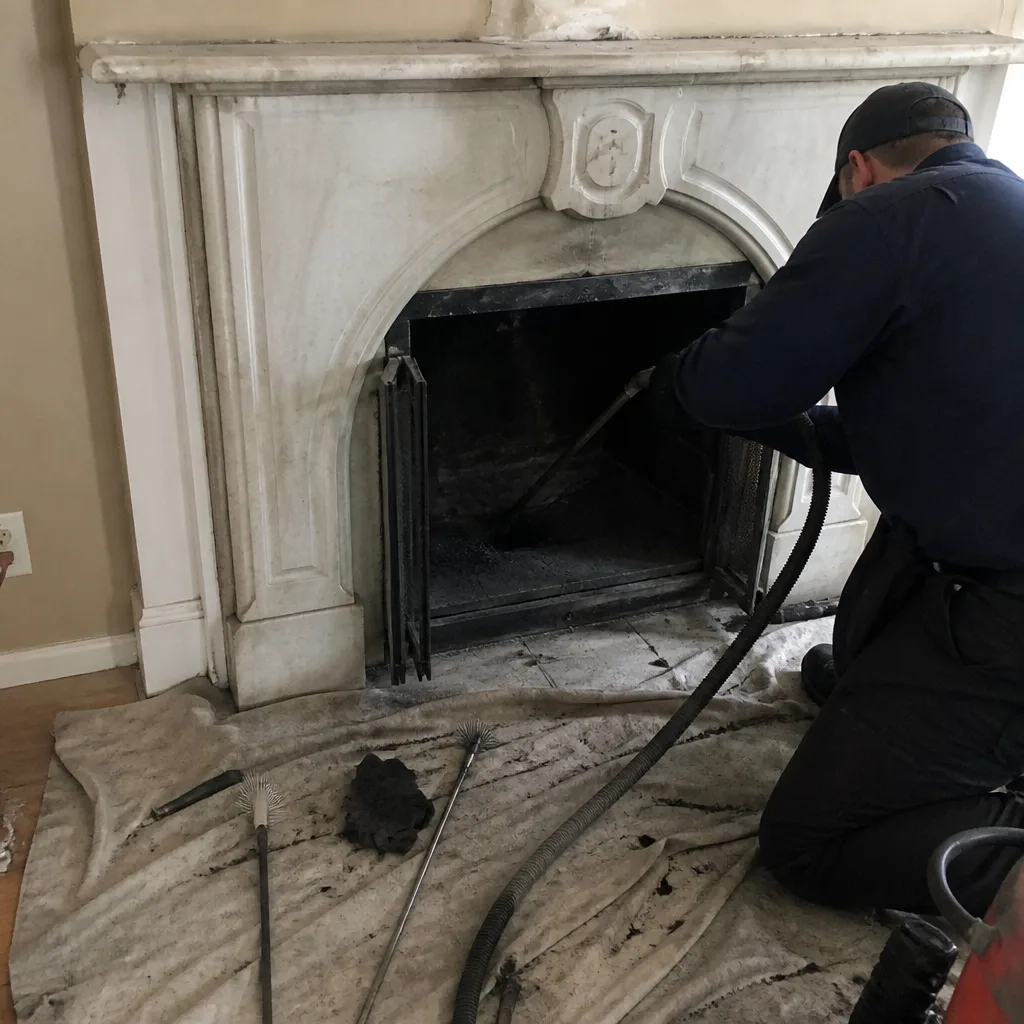 Before
 After
After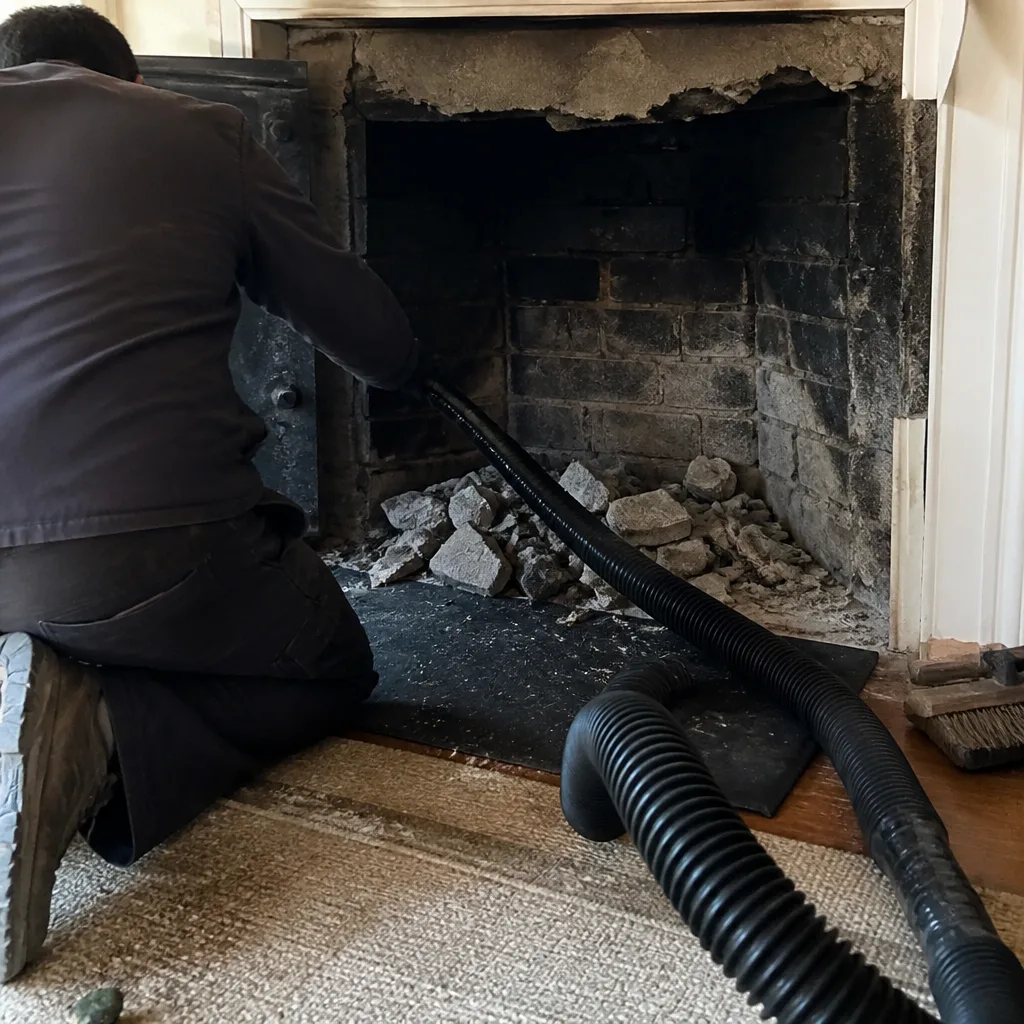 Before
 After
AfterChimney Cleaning Warning Signs: A Manhattan Homeowner’s Reference Guide
Efflorescence on your brownstone’s exterior chimney face isn’t a cosmetic problem. It is water moving through a breach in the liner or crown, and it has been doing so long enough to carry dissolved salts to the surface, which means the liner damage predates what you can see. Manhattan’s housing stock, much of it prewar masonry with chimneys exposed to nor’easters and freeze-thaw cycles, shows these failures earlier than almost anywhere else in the country. This guide - along with our Complete Guide to Chimney Cleaning in Manhattan - maps ten warning signs to the specific flue conditions behind them, using the trade terminology your contractor and insurer will recognize, so you can tell the difference between a $249 cleaning and a $9,000 rebuild before anyone shows up at your door.
Quick Answer
The warning signs most Manhattan homeowners dismiss, white staining (efflorescence), intermittent odor, and cold-weather draft reversal, each trace to a specific and documentable flue condition: water intrusion through a failed crown or spalled brick, creosote accumulation or a detached liner, and negative stack pressure in the chase. A camera-scan inspection (NFPA 211 Level 2) identifies which condition you have so you’re not paying for a cleaning when you need a liner, or a liner when you need a chimney cap.
Table of Contents
- Efflorescence: White Staining on Exterior Masonry
- The Odor Diagnostic: What Different Chimney Smells Actually Mean
- Draft Reversal in Manhattan High-Rises and Brownstones
- Staining Patterns: Location Tells You Where the Failure Is
- Creosote Class III: The Warning Sign You Can’t See From the Hearth
- Spalling Brick and Deteriorating Mortar Joints
- Stop Using the Fireplace Now vs. Schedule an Inspection: A Decision Table
- What to Document Before Anyone Works on Your Chimney
BeforeAfterEfflorescence: White Staining on Exterior Masonry
White, chalky staining on the outside face of a chimney is the most frequently misread warning sign in Manhattan. Homeowners paint over it, power-wash it, or ignore it as “normal aging.” It is none of those things. Efflorescence is dissolved salt that water carried through masonry and deposited on the surface when it evaporated. The water came from somewhere: a cracked chimney crown, spalling brick, failed mortar joints, or a missing chimney cap. By the time you see the stain, the water has been moving through the structure for months or years.
In Manhattan, this matters more than in drier climates because the freeze-thaw cycle accelerates damage. Water that penetrates masonry expands roughly 9% when it freezes. A brownstone chimney on the Upper West Side or a prewar co-op on the Upper East Side endures dozens of freeze-thaw events each winter. Each cycle widens whatever crack admitted the water in the first place. What starts as a hairline crown crack becomes a spalled brick face within two or three seasons.
The technical term for what you’re seeing is efflorescence, and the governing standard for identifying the underlying damage is an NFPA 211 Level 2 inspection, which involves a camera run down the flue to document liner condition, plus a visual assessment of the crown, cap, and exterior masonry. We’ve inspected chimneys in Manhattan where the exterior efflorescence traced to a liner breach six feet below the crown, invisible from the roof without a camera. The staining was the only visible warning.
One other thing worth knowing: efflorescence is distinct from spalling, though the two often appear together. Spalling is the physical flaking or popping of brick faces caused by water pressure and freeze cycles. Efflorescence is the salt deposit. If you have both, the water intrusion is active and structural, and it will not resolve with a cleaning. Chimney repair in Manhattan typically addresses the crown, cap, or masonry before any interior work is considered.
If you live in a landmarked district, and much of Manhattan’s housing stock is, exterior masonry work may require Landmarks Preservation Commission review. That’s a Manhattan-specific complication worth knowing before you get bids. A contractor who works regularly in Greenwich Village, Chelsea, or the Upper West Side will know the filing path. Ask about it up front.
The Odor Diagnostic: What Different Chimney Smells Actually Mean
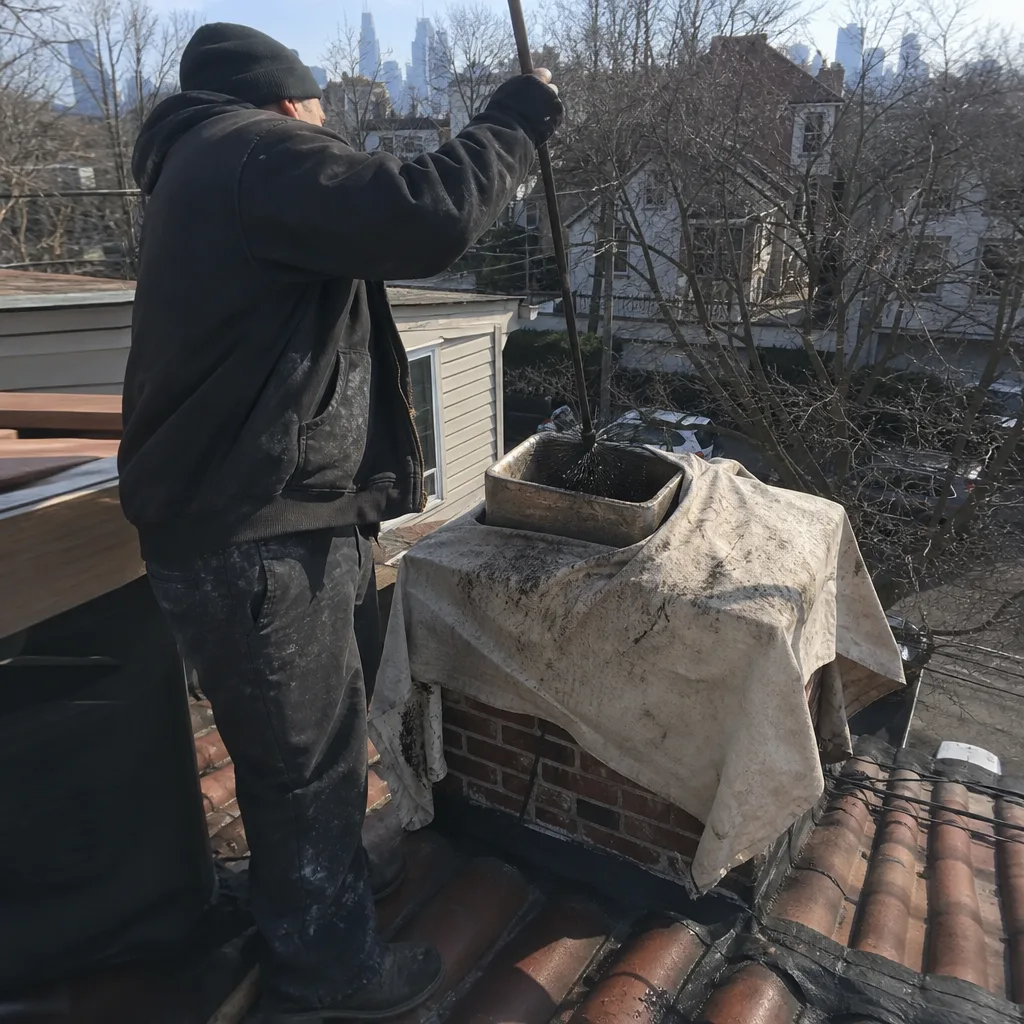
Chimney odor is not one problem. It’s a diagnostic tool, provided you know how to read it. In our experience across thousands of Manhattan inspections - detailed further in our DIY vs Professional Chimney Cleaning guide - most homeowners describe “a chimney smell” without distinguishing between the four distinct odor profiles below. Each one points to a different condition, and two of them are not cleaning issues at all.
Sulfur / rotten egg: This is not creosote. It’s usually a gas appliance venting into the chimney, or a blocked flue causing combustion gases to backdraft into the living space. If you smell this, stop using the fireplace or stove and call for an inspection immediately. Sulfur odor indicates incomplete combustion or a venting failure, and carbon monoxide may be present even if you don’t smell it.
Musty / dank / basement-like: This is water. Rain has entered through a cracked crown, a failed cap, or damaged flashing, and the moisture inside the flue is breeding mold or saturating the masonry. Worse in humid summer months, which is when most Manhattan homeowners first notice it. The fix is not a cleaning. The fix is repairing whatever admitted the water, then addressing any liner damage it caused.
Burning plastic / chemical: This can be creosote that has reached Class III (glazed, tar-like, highly flammable) and is off-gassing when the flue warms. It can also be debris - a bird’s nest, construction material, or a plastic bag that blew into an uncapped flue. In Manhattan, debris entry is common on rooftops where multiple chimneys share a narrow chase and caps get knocked off during roof work or antenna installation.
Asphalt / tar / campfire-on-steroids: This is usually dense creosote buildup from burning unseasoned wood or from a flue with poor draft. It gets stronger when the fireplace is in use. A cleaning addresses the symptom, but if the underlying cause is an oversized flue or a draft problem, it will return. That distinction matters, because it determines whether you need a sweep or a liner adjustment.
The point: chimney cleaning and sweeping in Manhattan fixes odor only when the odor is creosote. If the smell is water or gas, a cleaning is wasted money. A camera inspection tells you which one you’re dealing with before you spend it.
Draft Reversal in Manhattan High-Rises and Brownstones
Draft reversal is when cold air blows down the chimney into your apartment instead of warm air rising up and out. In Manhattan, this happens for reasons tied directly to the building type, and it is rarely fixed by cleaning alone.
The primary driver is the stack effect. In a tall building, warm air rises through stairwells, elevator shafts, and pipe chases. That rising air creates negative pressure in the lower floors and positive pressure at the top. If your chimney’s opening sits in a negative-pressure zone, the building literally pulls air down the flue. On a cold winter day in a 20-story prewar building, the stack effect can be strong enough to reverse the draft in every fireplace below the 8th floor.
A secondary cause is an oversized flue. Many older Manhattan chimneys were built for coal or for much larger wood fires than modern gas or electric inserts produce. When the flue is too large relative to the appliance, the hot gases cool too quickly, lose lift, and stall. The result is a fireplace that draws fine when roaring but reverses when the fire dies down, which is when the smell of smoke rolls back into the apartment.
The third cause is competing exhaust. A Manhattan kitchen with a powerful range hood, a bathroom exhaust fan running constantly, or a building-wide ventilation system can depressurize an apartment enough to overcome chimney draft. We see this regularly in renovated prewar units where the original fireplace was retained but the apartment was sealed tighter during a gut renovation.
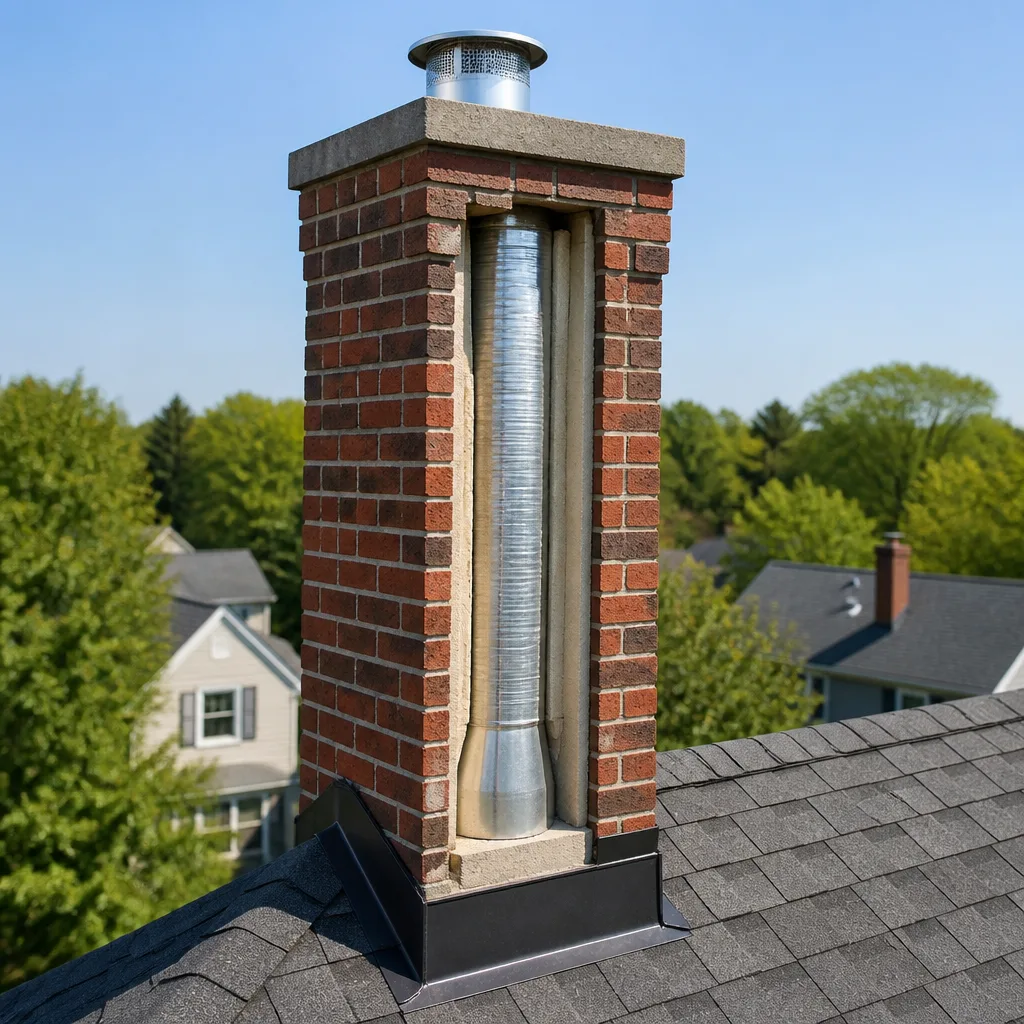
Here’s what we tell homeowners in this situation: the fix depends on the cause. A flue cleaning removes creosote but does not change the pressure dynamics. The solutions are a properly sized liner (materials like DuraFlex or Olympia Chimney offer flexible stainless options), a chimney cap designed to reduce downdraft, or - in the most stubborn cases - a powered draft inducer. The first step is measuring the draft and documenting it.
If you’re in a high-rise co-op or condo, note that chimney work in Manhattan often requires building board approval. Your contractor should provide photo documentation and a written scope of work you can submit. We’ve handled enough Manhattan buildings to know which boards require a DOB permit filing and which don’t - but every building is different, so confirm before scheduling.
Staining Patterns: Location Tells You Where the Failure Is
Where a stain appears is often more informative than what the stain looks like. Chimney staining patterns map to specific points of failure, and reading them correctly saves you from paying for a repair in the wrong location.
Inside the firebox (black, sooty): Normal for a wood-burning fireplace and usually indicates routine creosote accumulation. Clean it when the buildup reaches 1/8 inch, per NFPA 211 guidance. What’s not normal: black staining above the firebox opening on the mantel or face brick. That indicates smoke roll-out, which means poor draft, a closed damper, or a flue obstruction.
On exterior masonry, mid-wall or lower: If you see efflorescence or water staining partway down the chimney face rather than at the crown, the water is entering through a failed mortar joint or cracked brick at that elevation. This is common in Manhattan brownstones where chimneys rise through the roof and are exposed to direct weather on all four sides. The repair is tuckpointing (replacing deteriorated mortar) plus masonry sealing, not crown work.
On interior walls near the chase (the framed enclosure around the chimney): Water staining, bubbling paint, or peeling wallpaper on a wall adjacent to the chimney chase means the flashing at the roofline has failed, or the chase has no proper cricket. A cricket is the small peaked roof structure behind a chimney that diverts water around it. Without one, water pools behind the chimney and runs down into the wall cavity. Manhattan flat-roof buildings with parapet walls are particularly vulnerable because the chimney is often integrated into the parapet, and flashing details get messy.
On the ceiling below the roof penetration: This is a flashing or crown failure, and the water has traveled far enough to reach the interior ceiling. By the time you see this, the leak is established. Don’t wait. The longer water moves through a Manhattan roof assembly, the more expensive the repair - and the more likely you’re dealing with mold in addition to masonry work.
Creosote Class III: The Warning Sign You Can’t See From the Hearth
Creosote is the byproduct of incomplete wood combustion. It condenses on the flue walls as smoke cools. The National Fire Protection Association classifies creosote in three stages, and the one that matters most is the one you can’t see from your living room.
Class I: Flaky, sooty, brushes off easily. This is what most cleanings remove. Annoying, not dangerous.
Class II: Crunchy, granular, thicker. Requires mechanical removal - rotary brushes or chains. Still manageable with a proper sweep.
Class III: Glazed, tar-like, shiny, and dense. This is the condition that creates chimney fires. Class III creosote is hardened and fused to the flue wall, and it burns at temperatures that can crack a clay liner or transfer heat through masonry to the building structure. Removing it requires chemical treatment, mechanical abrasion, or both, and sometimes the most honest answer is that the liner is too compromised and needs replacement.
The invisible-problem aspect here is what catches Manhattan homeowners. In a shallow firebox with a tight throat, you cannot see up the flue to the point where creosote is accumulating. You see only the first foot or so. Everything above that is guesswork without a camera. This is why a camera-scan inspection (NFPA 211 Level 2) is the difference between “looks clean up top” and a documented record of what’s actually there.
If you burn wood frequently - say, three or more fires per week from November through March - we’d tell you to get the flue camera-scanned annually regardless of how it looks from below. Class III creosote develops faster with unseasoned wood, restricted air supply, or cool flue temperatures, and many Manhattan fireplaces run at low temperatures because they’re used ambience, not heat. Low, smoldering fires produce creosote faster than hot, bright ones.
For fireplace services in Manhattan, the pattern we see most often is exactly this: a homeowner who has burned occasional low fires for years, has never had the flue camera-scanned, and is surprised by a Class III finding that requires more than a standard sweep.
Spalling Brick and Deteriorating Mortar Joints
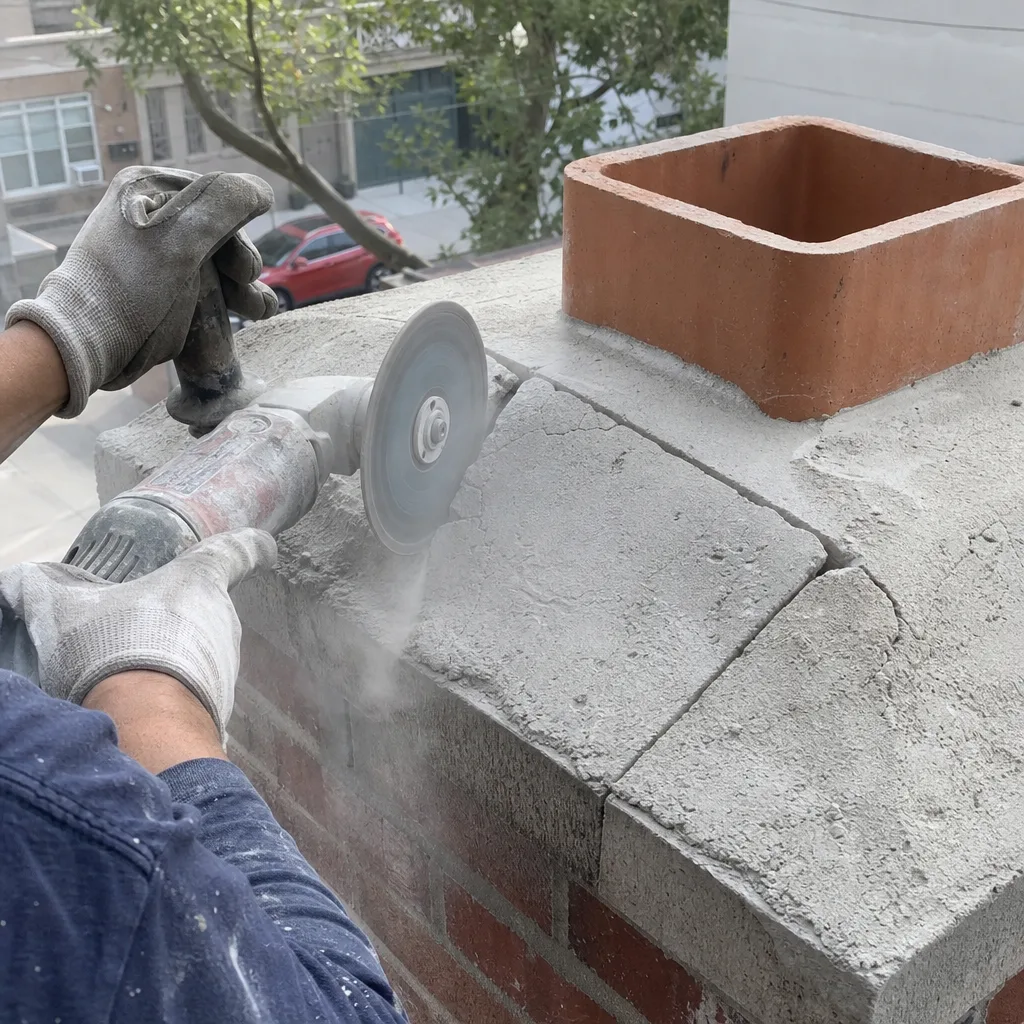
Spalling is the flaking, popping, or crumbling of brick faces. It is a water problem. When water penetrates brick and freezes, the expansion pressure breaks the brick’s outer layer. On a Manhattan chimney exposed to winter nor’easters and January freeze cycles, spalling is not a rare condition. It’s a matter of when, not if, if the chimney lacks a functioning cap or crown.
Deteriorating mortar joints accompany spalling because mortar is softer than brick and erodes faster. The two conditions together mean the chimney’s structural integrity is actively declining. Left unaddressed, spalling brick and open mortar joints allow water deeper into the structure, eventually compromising the flue liner and the chimney’s ability to safely contain combustion gases.
The repair path is straightforward: remove the damaged brick, replace it, repoint the surrounding mortar, and apply a breathable masonry sealer if appropriate. The complication in Manhattan is scaffolding. A chimney that requires exterior masonry work on a four- or five-story brownstone needs a scaffold permit from the DOB, a sidewalk shed, and a contractor who handles that filing. This is not a job for a handyman with a ladder. It’s also not cheap - exterior brick replacement on a Manhattan chimney typically runs $3,500 to $8,000 depending on access and extent. That number should be on the written estimate before you agree to anything.
The cheaper intervention is prevention: a proper chimney cap keeps rain out of the flue, and a sound crown with a drip edge keeps water off the masonry face. Our home page details how we approach these repairs, including the photo documentation standard we’ve maintained since 2009.
Stop Using the Fireplace Now vs. Schedule an Inspection: A Decision Table
Not every warning sign requires you to stop using the fireplace immediately. Some are urgent. Some can wait for a scheduled visit. Here is the honest breakdown, with the safety rationale for each.
- Stop using the fireplace now: Sulfur or rotten egg odor. Suspected carbon monoxide. Smoke rolling into the room while the damper is open. A chimney fire (loud roaring, glowing, dense smoke from the top). Any of these means combustion gases are not venting properly, and the risk is immediate. Call 911 if you suspect active CO exposure or a fire, then schedule an inspection before using the fireplace again.
- Stop using the fireplace and schedule within days: Strong creosote odor inside the home, especially with visible staining on the interior walls near the chimney. Water actively dripping in the firebox during rain. New cracks in the firebox masonry. These conditions indicate established damage that will worsen with continued use.
- Schedule an inspection at your convenience, but don’t use the fireplace until it’s done: Efflorescence on exterior masonry, mild musty odor on humid days, flaking brick on the exterior face, moss or vegetation growing on the chimney. Each indicates water intrusion, which is a structural problem, not a combustion-safety problem. The flue may still be safe to use, but you won’t know without a camera inspection, so the conservative call is to hold off.
- Can wait for a scheduled cleaning: Mild soot buildup visible in the firebox, the occasional puff of smoke when first lighting, a faint wood-smoke smell in the room after a fire. These are normal for a wood-burning fireplace and resolve with routine maintenance.
The underlying principle: combustion safety issues are immediate. Water intrusion issues are urgent but not same-day. The camera inspection is what tells you which category you’re in, which is why we include it on every visit - Clause 4 of the Haven Standard requires a photo record on every job, and that record is what you use to make a decision, not a technician’s verbal reassurance.
What to Document Before Anyone Works on Your Chimney
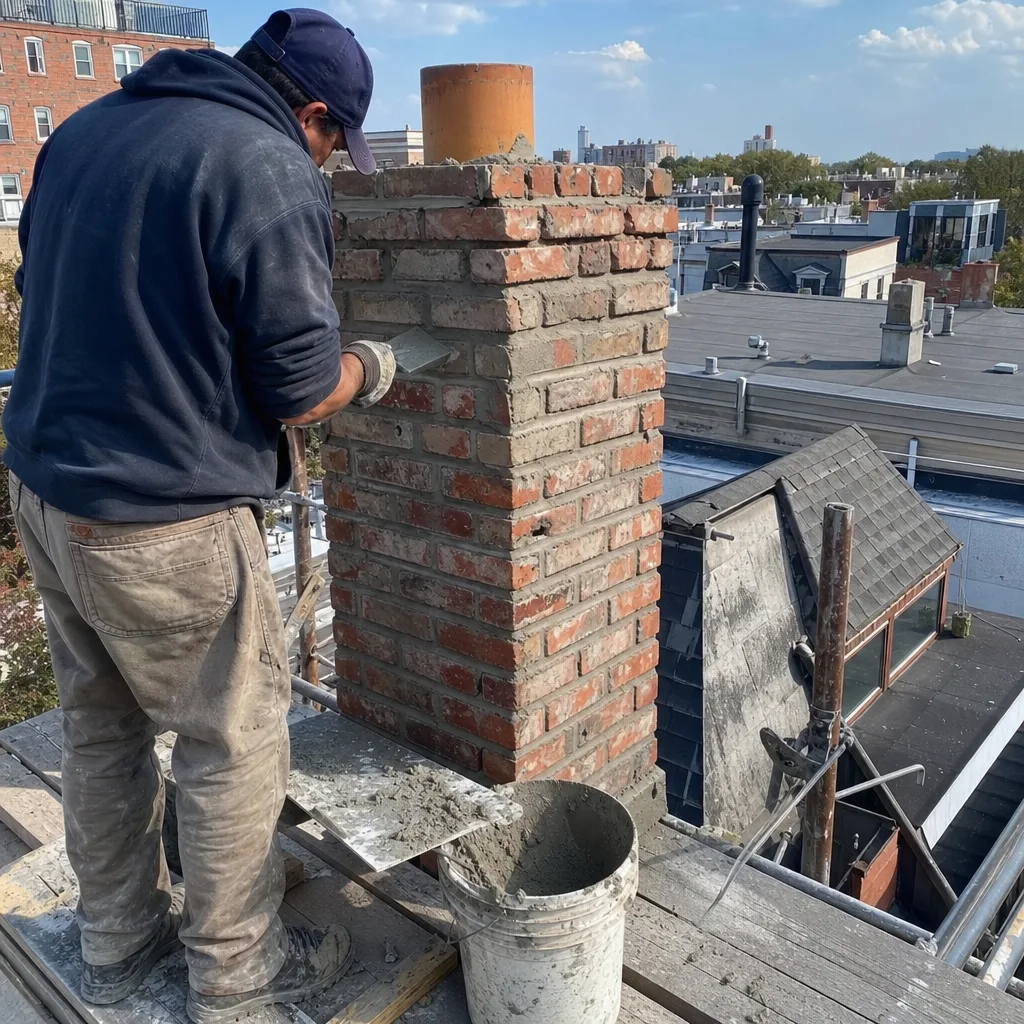
Manhattan homeowners research before they contact anyone - often starting with our step-by-step guide to hiring a chimney contractor - and that’s smart. But the research shouldn’t stop when you pick up the phone. What you document before, during, and after a chimney inspection determines whether you get a good outcome or get told you need thousands of dollars of work you can’t verify.
Before the visit: Photograph the warning signs you’ve observed. Exterior staining, flaking brick, dampness near the chimney, smoke staining above the firebox. Write down when you notice the issue (humid days, after rain, only when the wind blows from a certain direction). Specific observations help the technician diagnose faster.
During the visit: Ask to see the camera footage. Any reputable sweep in Manhattan runs a camera down the flue and will show you the screen in real time. If they won’t, that’s an answer in itself. Ask what creosote class they’re finding, what the liner looks like, and what condition the crown and cap are in. Write it down.
After the visit: You should walk away with a written price, a written scope of work, and a written warranty. Not a verbal quote. Not a “we’ll send something over.” A page with numbers on it. The Haven Standard’s Clause 1 exists because too many Manhattan homeowners have been burned by a verbal quote that doubled once the technician was already on the roof. If a company won’t put the price in writing before work starts, find another company.
You should also receive a photo record of the inspection. Not a summary. The actual images. If a company’s documentation is “everything looks fine,” that’s not documentation. That’s an opinion. We’ve been maintaining photo records on every inspection since 2009 - the practice that became Clause 4 of the Haven Standard - and the reason is simple: an image shows you what the technician saw, and you can compare it to what a second opinion finds.
Common Mistakes to Avoid
- Painting over efflorescence. Paint traps moisture inside the masonry and accelerates spalling. The stain will return through the paint, and the underlying water intrusion will have gotten worse behind it. Fix the water entry point first, then address the cosmetic.
- Assuming a cleaning fixes odor. Only creosote odor responds to a sweep. Musty odor is water, sulfur is gas, and burning plastic is Class III creosote or debris. A cleaning that doesn’t address the cause is $249 to $400 spent on nothing.
- Skipping the camera inspection because “the chimney looks fine from the hearth.” You cannot see the flue from the firebox. You cannot see the crown from the street. A flashlight look is not an inspection. If a company in Manhattan offers a $49 “inspection,” it’s a flashlight look and a sales call.
- Waiting until fall to schedule. Every Manhattan chimney company is booked solid from September through January. If you notice a warning sign in March or April, scheduling then means you’ll be seen before the rush and before freeze-thaw has another winter to work on the damage. It also means you’re not making a repair decision under time pressure.
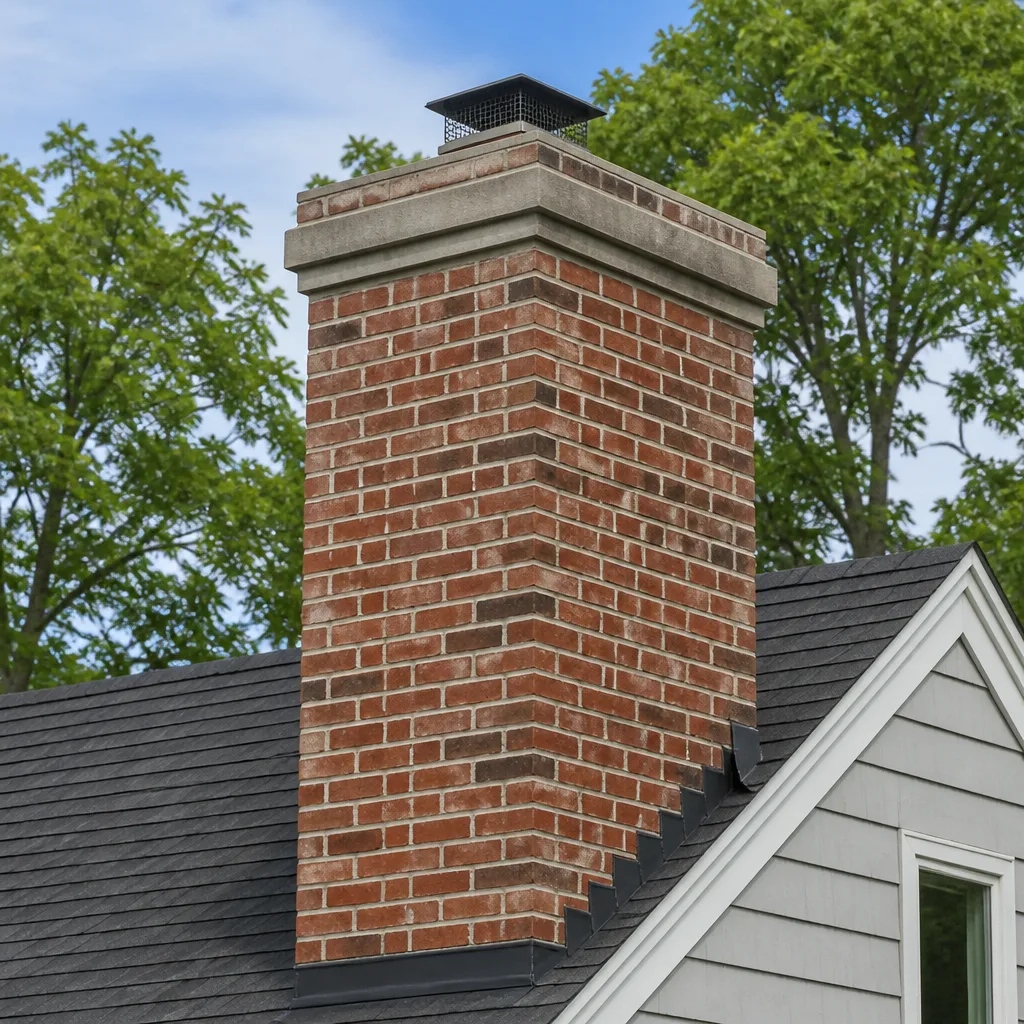
- Ignoring the cap. The chimney cap is the cheapest part of the system and the first line of defense against water, debris, and animals. A missing cap in Manhattan, where pigeons, squirrels, and raccoons all use rooftops, is an open invitation to a blocked flue.
- Accepting a quote without a written scope. “Liner replacement - $6,500” without a scope of work tells you nothing. What material? What diameter? What insulation, if any? Does the price include removal of the old liner? The written scope should answer all of these before you sign anything.
When to Call a Professional
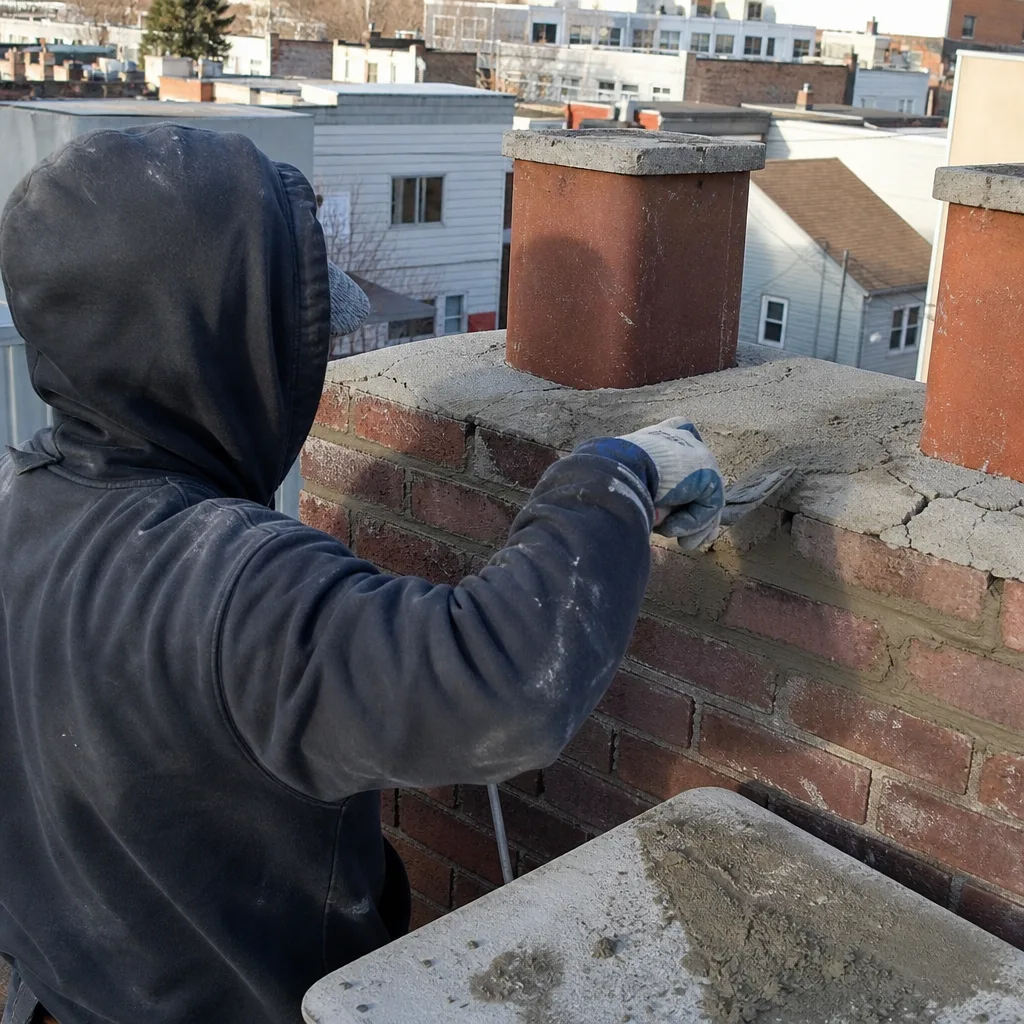
Call a professional when you see efflorescence that keeps returning, smell any odor you can’t identify, notice staining on interior walls near the chimney, or see flaking brick on the exterior. Call sooner if you’ve owned the home for more than two years and have never had the flue camera-scanned. Call immediately if you smell sulfur or suspect carbon monoxide. A camera-scan inspection tells you which of these ten warning signs you’re actually dealing with, and the written photo record gives you something to compare against any quote you get. Level Two Chimney Manhattan offers free estimates in Manhattan - call (862) 319-8047 and we’ll document exactly what’s going on.
Frequently Asked Questions
A standard chimney cleaning and sweep in Manhattan typically runs $229 to $399 depending on the flue’s condition, accessibility, and whether the chimney has been cleaned recently. If a camera inspection finds Class III creosote or a damaged liner, the scope expands and so does the price - get the written number before work starts, not after.
NFPA 211 recommends a cleaning and inspection at least once per year for wood-burning fireplaces, and more often if you burn more than three fires per week or notice creosote buildup faster than expected. For additional maintenance guidance, see our more guides & resources. Gas fireplaces still need periodic inspection, though cleaning intervals are longer.
If your Manhattan chimney was built before World War II, it likely has a clay tile liner that has been degrading for decades, and many older buildings have no liner at all. A cracked or missing liner allows heat and combustion gases to reach the surrounding masonry, which is a fire risk. Liners made from materials like DuraFlex stainless steel or HeatShield resurfacing address this, and the camera footage will show whether you need one. If the technician can’t show you the crack, get a second opinion.
Creosote accumulates, and as it thickens it transitions from Class I to Class II to Class III. Class III is the fuel for chimney fires. Water intrusion, if present, continues damaging the masonry and liner through every freeze-thaw cycle. At minimum, skipping a year costs you the opportunity to document existing damage before it worsens, and at worst it means paying for a full liner replacement when a regular cleaning would have revealed the early warning signs. Call (862) 319-8047 to get on the schedule before the fall rush hits.
Yes, though for different reasons. Gas fireplaces produce less creosote than wood, but they still need flue inspection for blockages, debris, and liner condition. The venting system can also accumulate mineral residue from combustion, and any obstruction is a carbon monoxide risk. An annual inspection is the standard.
It’s the inspection standard that includes a camera scan of the flue interior, not just a visual check of the firebox and exterior. Level 1 is a visual inspection for a chimney in continuous use. Level 2 is required when there’s been a change to the system, after a chimney fire, or when a property is sold. Level 3 is invasive and used only when Level 2 cannot access all surfaces. Most homeowners should ask for Level 2 because the camera is what shows the conditions this guide describes.
The Bottom Line
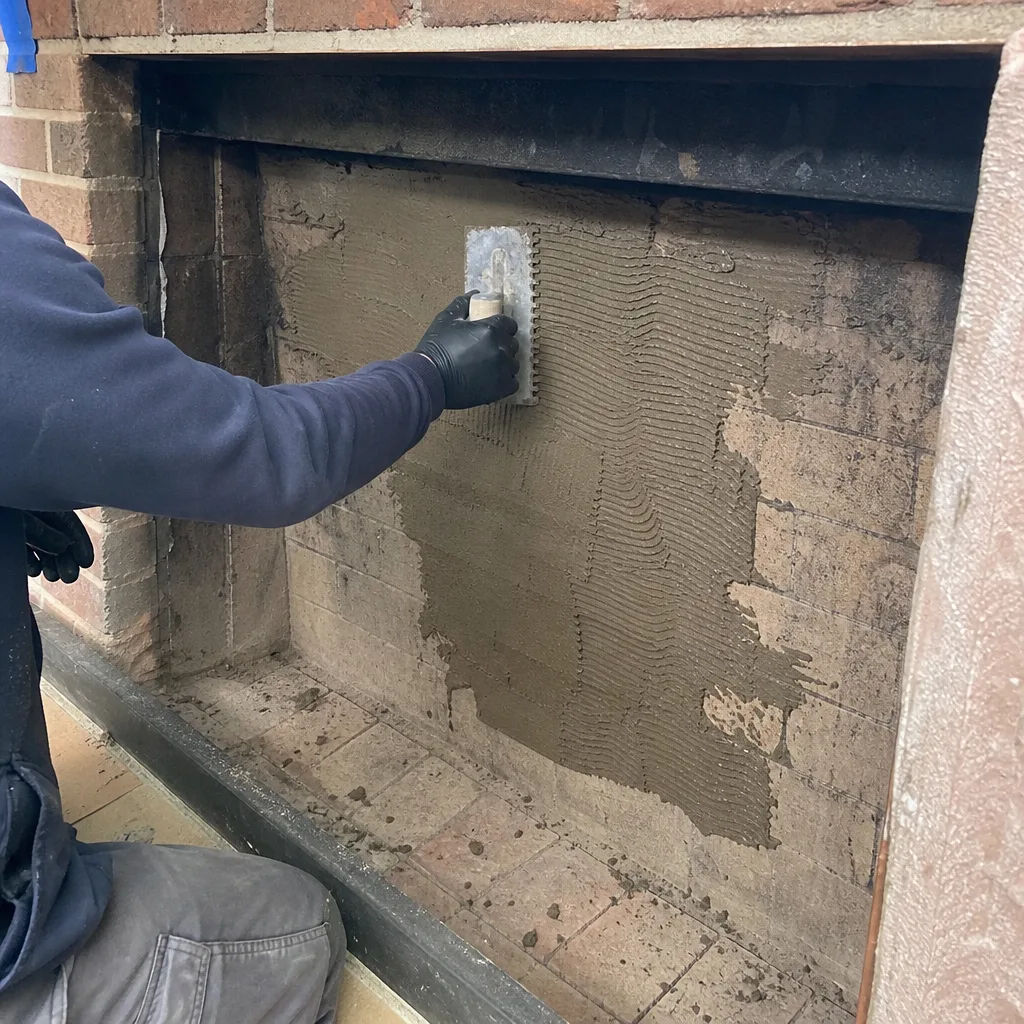
The warning signs that matter in Manhattan - efflorescence, intermittent odor, draft reversal, staining inside or out - are not random. Each one points to a specific condition with a specific repair path, and the difference between a $300 sweep and a $9,000 rebuild is knowable before any work begins. A camera inspection gives you that knowledge in the form of photos you can see and a written quote you can hold. That’s the standard to insist on, no matter who you hire. If you’re seeing any of the signs in this guide, call (862) 319-8047 to schedule an inspection and get a written answer.
Written by Corrine Halstead, Owner at Level Two Chimney Manhattan, serving Manhattan since 2009.