
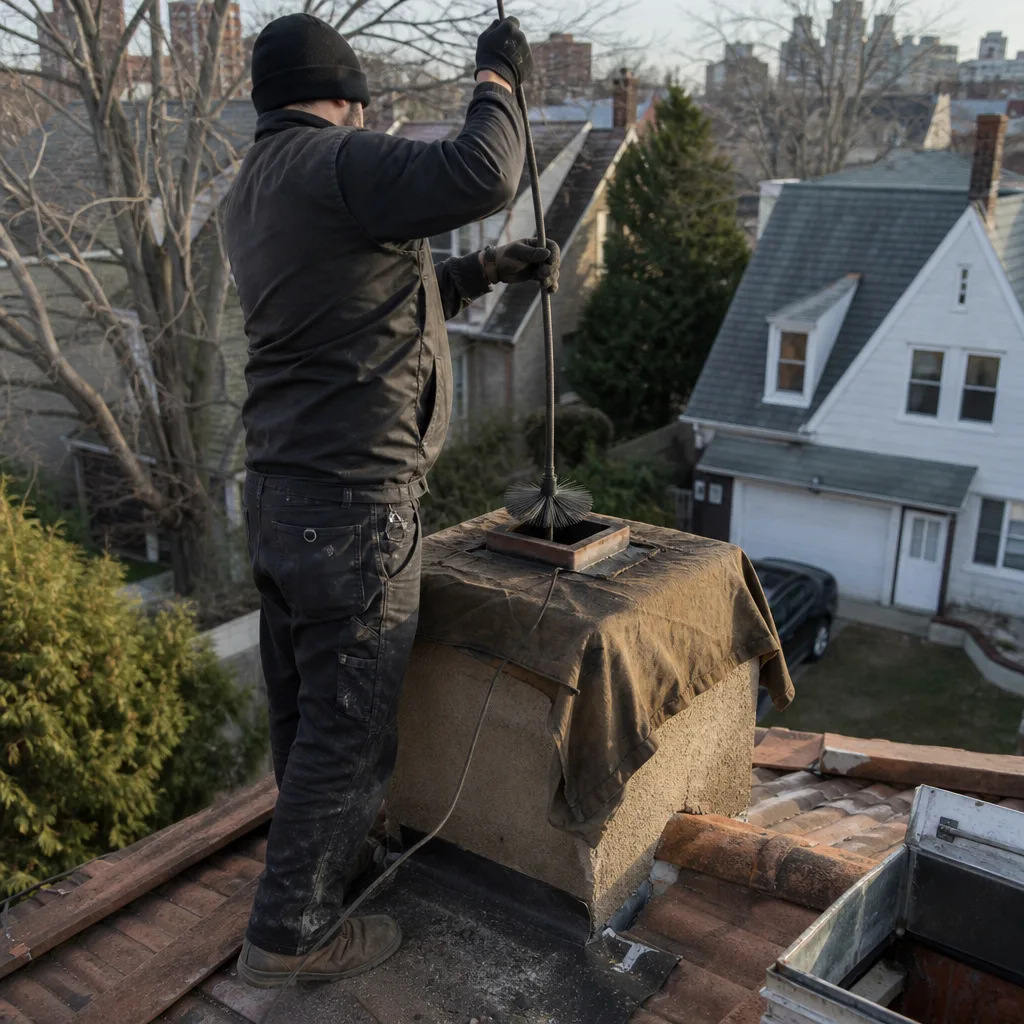
Level 1 sweep and inspection to the NFPA 211 annual standard - flue, crown, cap, and flashing checked and photographed
Chimney sweep logs do not sweep chimneys. They loosen some creosote - which then falls where a brush and vacuum still have to collect it.
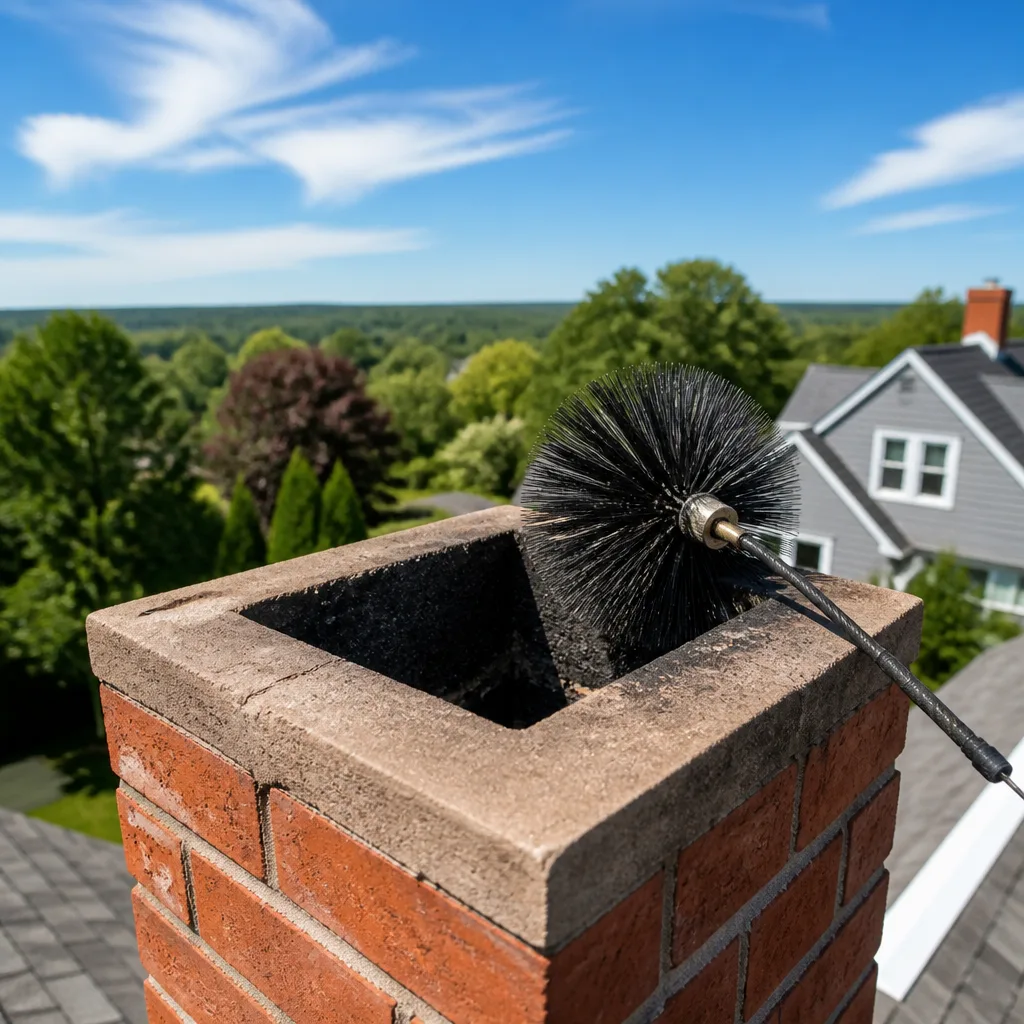
Caps & crowns
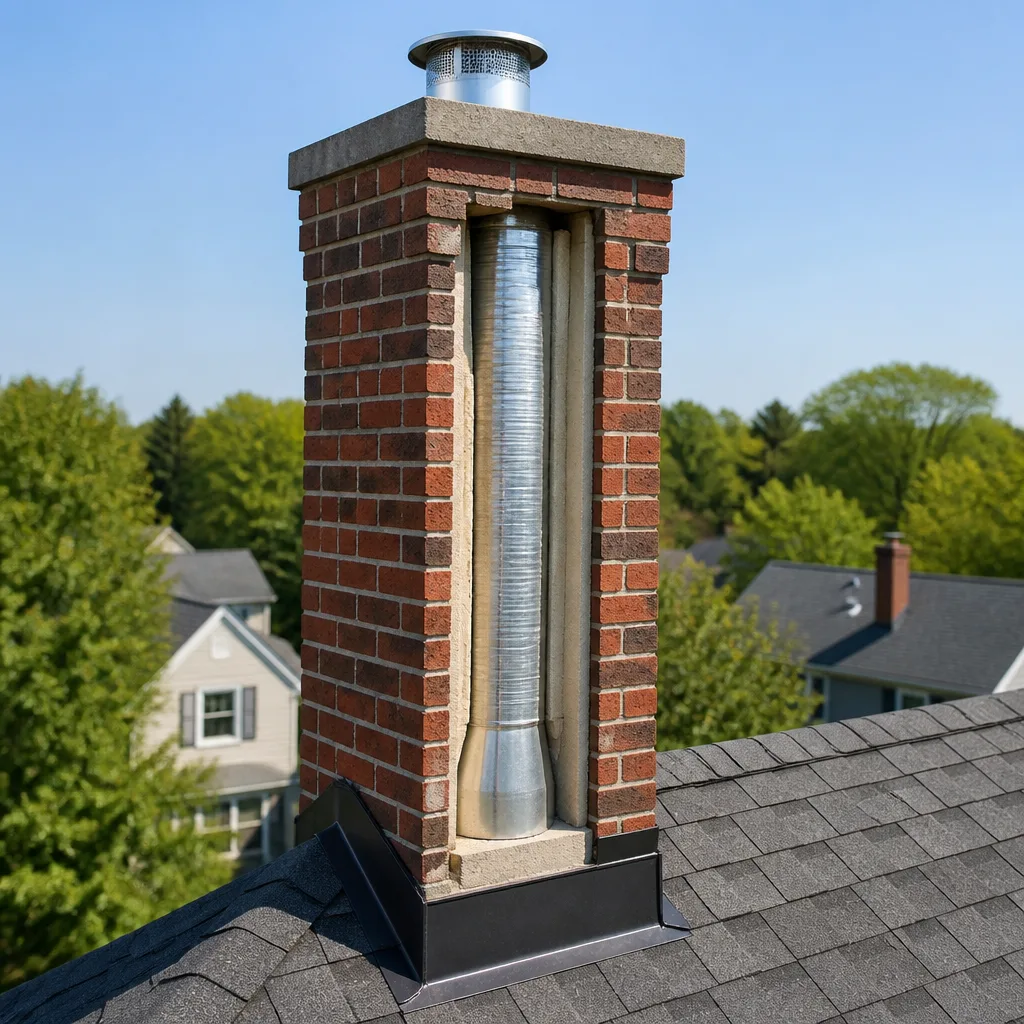
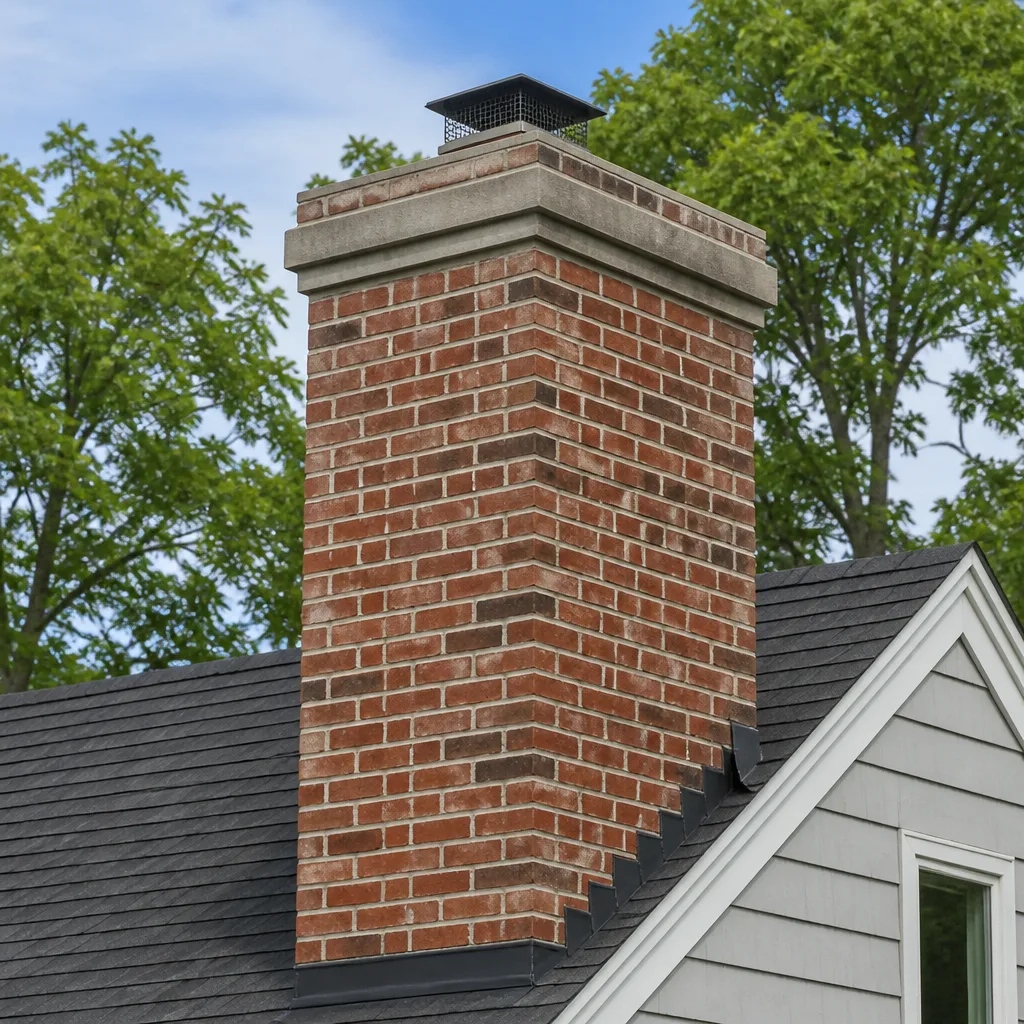
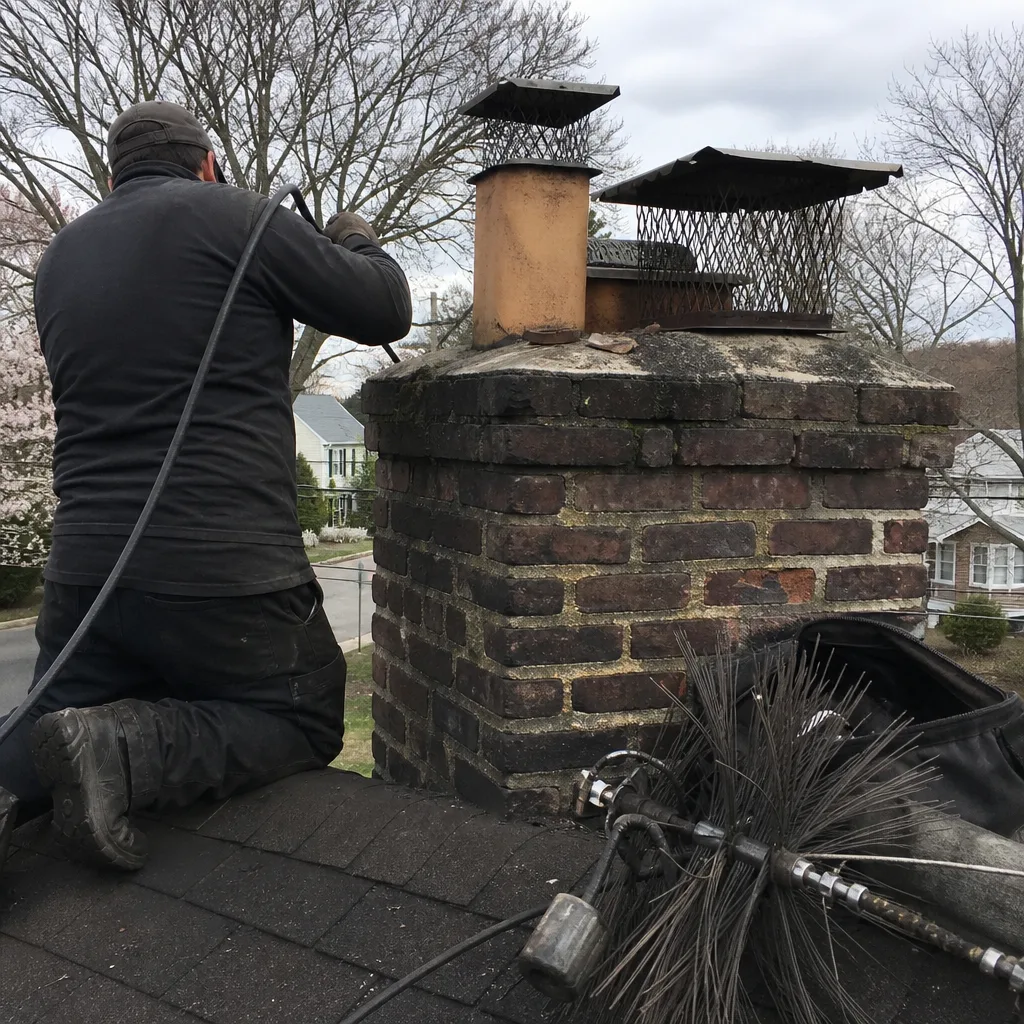 Before
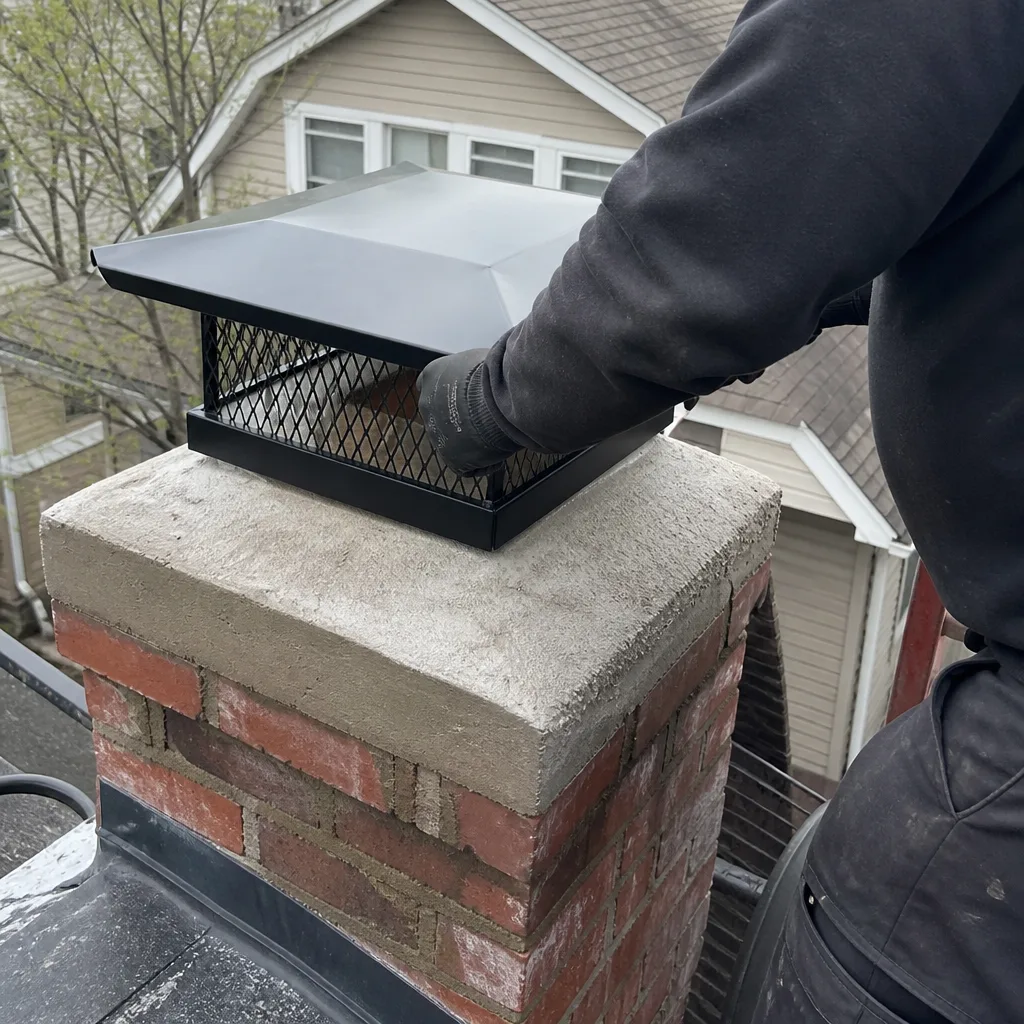 After
After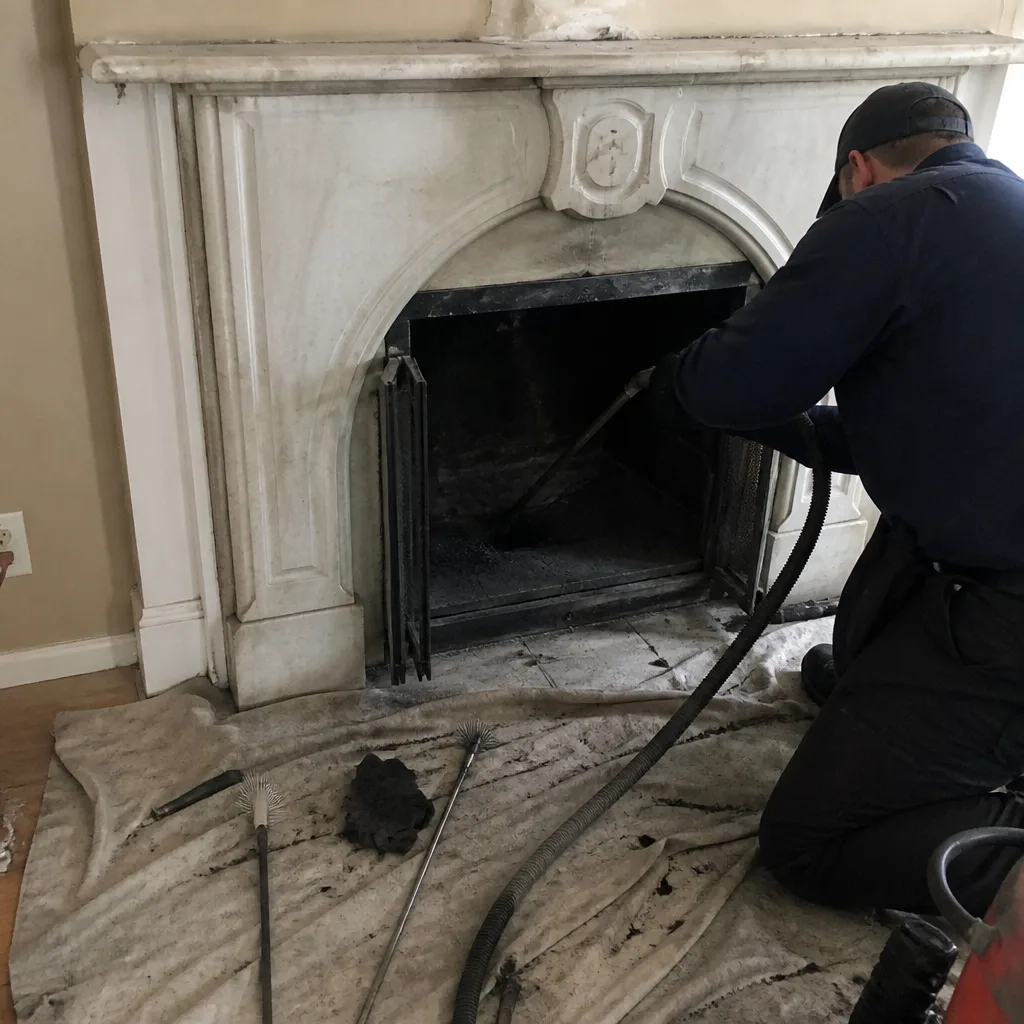 Before
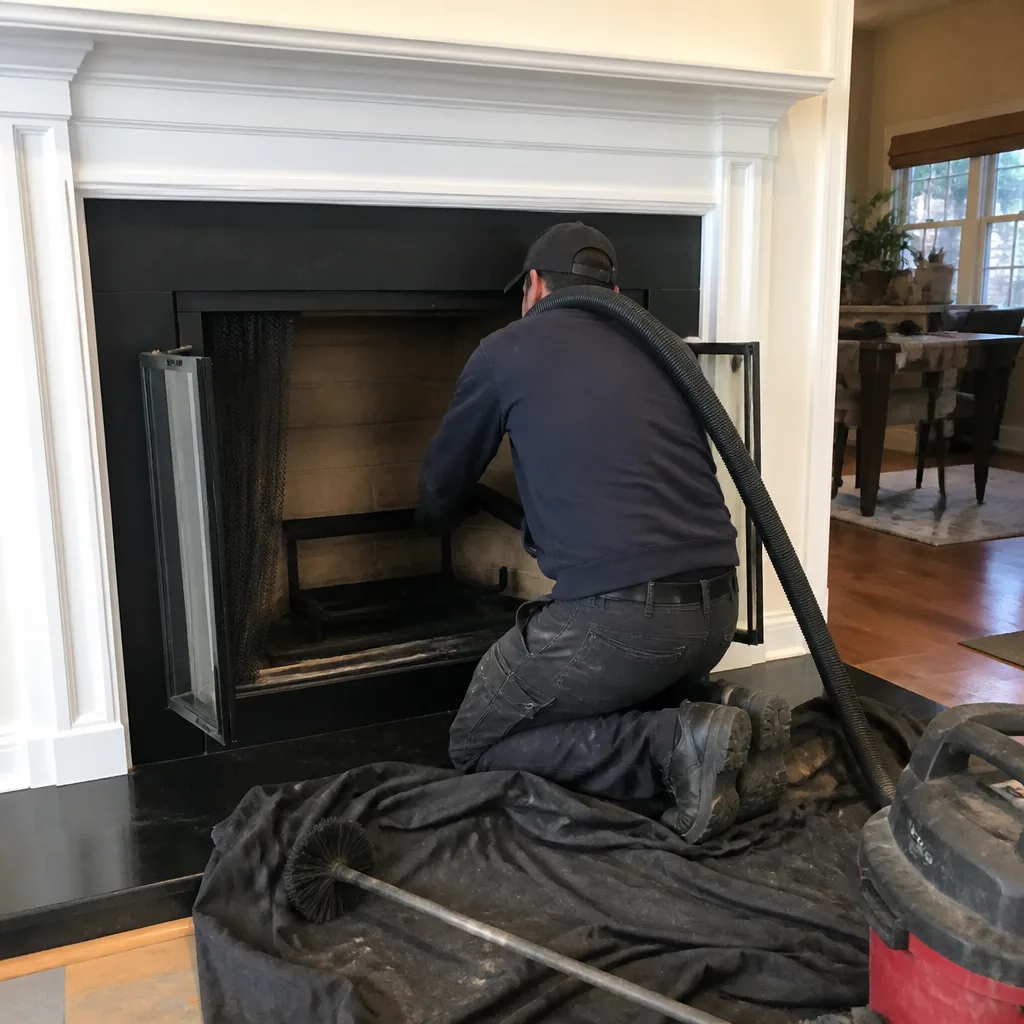 After
After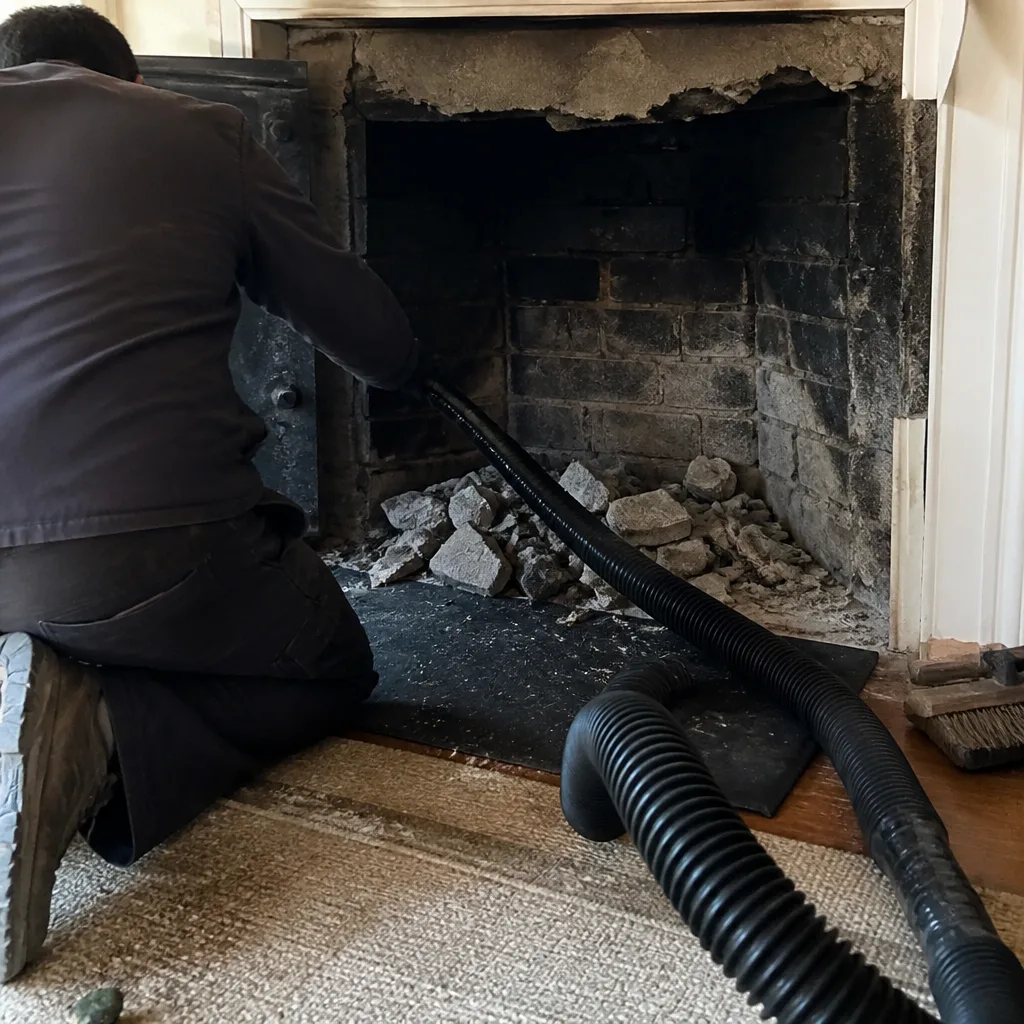 Before
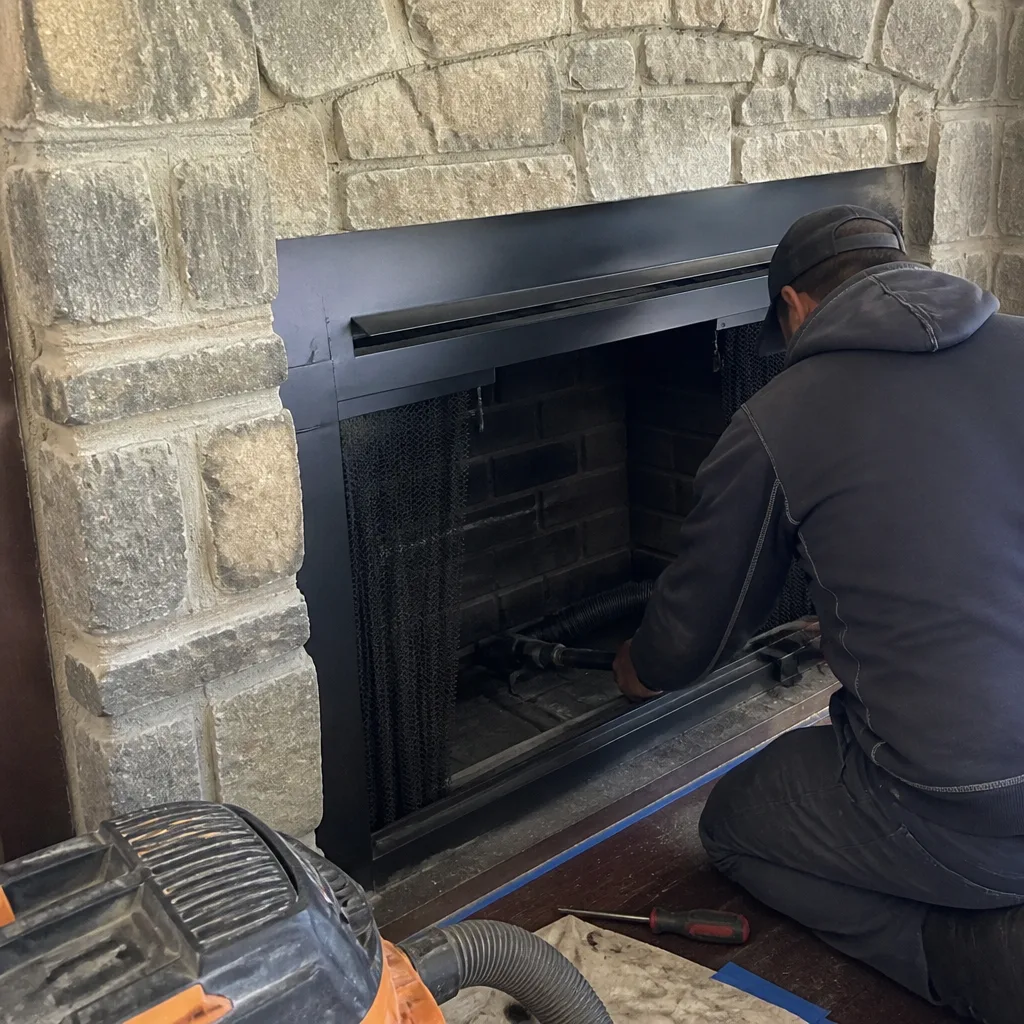 After
AfterCreosote Removal in Manhattan, NY
Creosote removal in Manhattan typically costs $250-$600 depending on the degree of buildup and flue configuration, and in most cases the work is completed in a single visit. At Level Two Chimney Manhattan, every removal starts with a Level 1 Inspection and camera-scan so you see exactly what’s in your flue before we touch it – and you get a written price before we do.
If you burn wood in a Manhattan brownstone, townhouse, or co-op fireplace, creosote is building up every single time. That’s not a sales pitch; it’s chemistry. Wood smoke carries unburned hydrocarbons that condense on the cooler surfaces of your flue liner. Over time those deposits harden into increasingly dangerous forms. Our Chimney Cleaning & Sweep services identify which class of creosote you’re dealing with, remove it correctly, and leave you with a photo record proving the work was done – because that documentation matters for your insurance carrier, your co-op board, and your own peace of mind.
To understand how creosote removal fits into our broader service, visit our Chimney Cleaning & Sweep in Manhattan page. Or call us directly at (862) 319-8047 – a live person answers 24 hours a day, 7 days a week.
What Is Creosote, Exactly?
Creosote is a catch-all term for the combustion byproducts that stick to flue walls. NFPA 211 – the standard Level Two Chimney operates to on every job – recognizes three distinct classes, and the class determines both the removal method and the risk level.
- Class I (First-Degree Creosote): Loose, flaky soot that brushes out easily during a standard sweep. Low hazard. This is what a chimney looks like when it’s cleaned every season.
- Class II (Second-Degree Creosote): Crunchy, porous deposits that have dried and compressed – often described as looking like shiny black granules. Standard rotary tools can handle most of it, but it takes more than a brush pass.
- Class III (Third-Degree Creosote): Dense, tar-like, and sometimes dripping. This is the high-hazard material. It adheres to the liner, resists mechanical removal, and requires chemical treatment with a product like Copperfield’s CS-100 creosote modifier before physical removal can begin. A Class III flue is not safe to use until it’s been cleared and re-inspected.
In Manhattan specifically, we see a disproportionate amount of Class II and Class III buildup for two reasons. First, older pre-war buildings in neighborhoods like the Upper West Side, Harlem, and Washington Heights were built before gas was the default fuel – their flues were sized for coal, not the smaller fires that wood-burning inserts produce today. Restricted airflow means incomplete combustion, which means more creosote per fire. Second, many Manhattan residents use their fireplace infrequently but skip Fireplace Cleaning between uses, so deposits accumulate over multiple seasons before anyone looks.
When You Need Creosote Removal
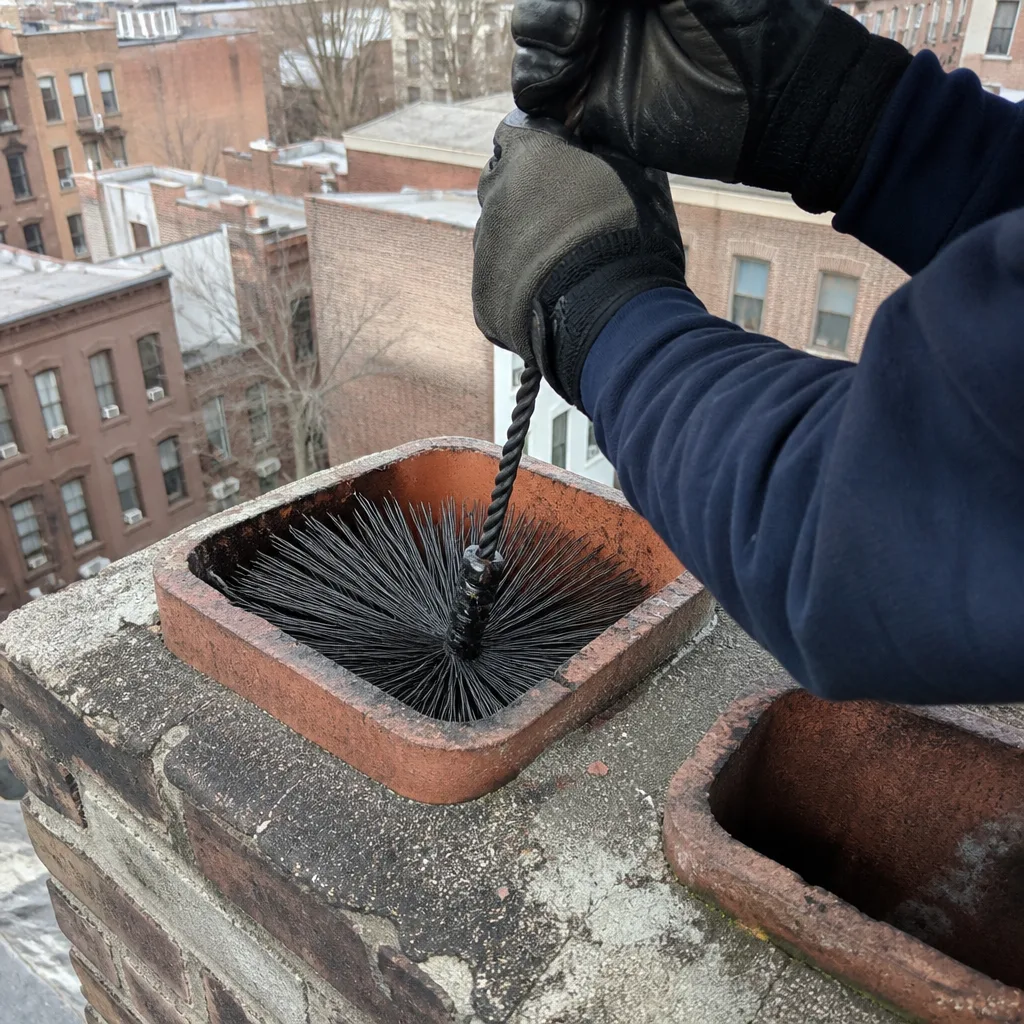
- A strong, acrid smell coming from the firebox even when the fireplace isn’t in use. That odor is Class II or Class III deposits off-gassing in warm weather. In Manhattan summers, the smell can work its way into the living space and persist for weeks.
- Visible black flaking or residue inside the firebox or on the smoke shelf. Flakes falling into the firebox indicate that deposits above are loosening – sometimes because the flue has seen heat stress from a small chimney fire you may not have noticed.
- Smoke entering the room during a fire. Heavy creosote narrows the effective diameter of a flue, restricting draft. In tall Manhattan buildings with mechanical ventilation on multiple floors, draft problems compound quickly.
- It has been more than 12 months since your last cleaning – and you’ve used the fireplace. NFPA 211 recommends annual inspection for any actively used solid-fuel appliance. If you bought your Manhattan apartment or townhouse within the last two to three years and haven’t had a documented inspection done, you don’t actually know what’s in there.
- Your co-op board or insurer is asking for documentation. Many Manhattan co-op buildings now require a written inspection report before residents can operate wood-burning fireplaces. A camera-scan report from Level Two satisfies that requirement.
- You had a small chimney fire – or suspect you did. A chimney fire can range from an audible roar to a brief pressure event you barely noticed. Either way, the heat can advance Class II deposits to Class III and crack tile liners. The flue needs to be inspected and cleared before the fireplace is used again.
BeforeAfterOur Creosote Removal Process
- Written scope and price before anything starts. Under Haven Standard Clause 1 – what we call H.A.V.E.N.’s “Have it in writing” requirement – you receive a written price, a written scope of work, and a written warranty before our tech picks up a single tool. If the camera reveals more than the initial assessment suggested, we stop, show you the footage, and quote the additional work before proceeding. No surprise invoices at the end.
- NFPA 211 Level 2 camera-scan inspection. We run a camera down the full length of the flue liner before removal begins. This documents the baseline condition: liner integrity, existing deposits, any cracks or spalling in the terracotta, and the class of creosote present. That footage goes into your documented photo record per Haven Standard Clause 4 – so you have a before-and-after archive, not just a receipt.
- Chemical pre-treatment for Class II or Class III deposits. If the camera shows dense or glazed buildup, we apply a creosote modifier – typically a Copperfield-sourced product – before mechanical removal begins. The modifier breaks down the molecular adhesion of the tar, making mechanical removal effective without excessive abrasion to the liner itself. This step protects your flue tile as much as it aids removal.
- Mechanical removal with rotary and power-brush equipment. Our techs use professional rotary cleaning systems scaled to your specific flue dimensions. Manhattan brownstones often have 8×8-inch or 8×12-inch rectangular flues that require different brush geometry than a modern round liner. We set up a closed drop cloth and negative-pressure containment at the firebox opening before brushing starts – your living space stays clean.
- Post-removal camera verification. Once mechanical removal is done, the camera goes back down. You see the finished flue on the same monitor our tech is watching. If anything was missed or if the liner shows damage that the deposits were concealing, we identify it before we pack up – not after you call back in January.
- Documented close-out package. Before we leave, you have: the before-and-after camera footage, a written record of the work completed, any warranty documents, and – if we found liner damage or other conditions requiring follow-up – a written scope and price for that next step. Nothing verbal, nothing vague.
Creosote Removal Pricing in Manhattan
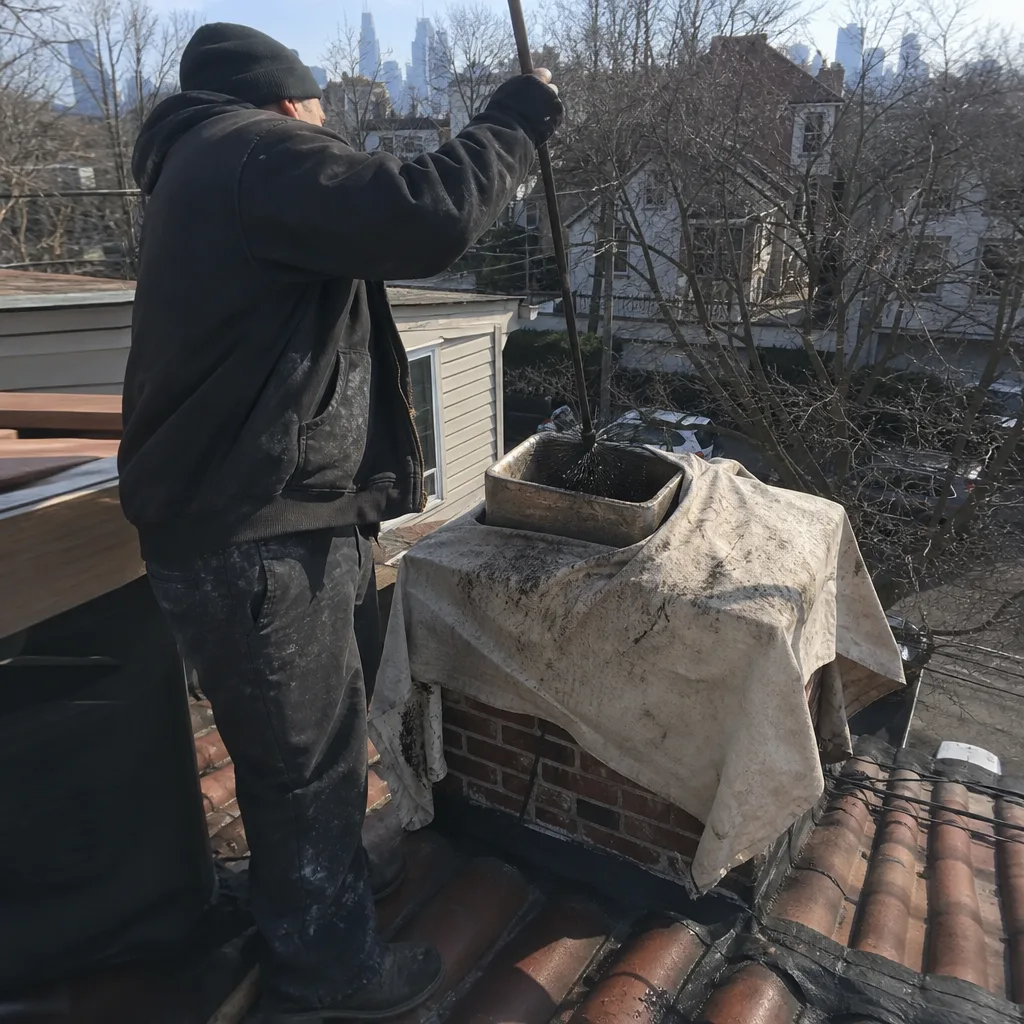
Creosote removal in Manhattan runs $250-$600 for the majority of residential jobs. That range reflects real variation based on the factors below – not a bait-and-switch from a low teaser number. Here’s how we think about it:
| Scenario | Typical Price Range |
|---|---|
| Class I removal (light soot, single flue) | $250 - $320 |
| Class II removal (crunchy deposits, rotary tools) | $320 - $450 |
| Class III removal (chemical pre-treatment + mechanical) | $450 - $600 |
| Multi-flue or unusually tall Manhattan stack (4+ stories) | Add $75 - $150 per additional flue |
| Camera-scan inspection (included on every visit) | No additional charge |
What pushes cost up in Manhattan specifically:
- Flue height. A six-story Upper West Side brownstone has a much taller stack than a two-story rowhouse in Queens. More linear footage means more time and more material.
- Access. Some Manhattan buildings require elevator coordination, rooftop permits, or co-op approval for rooftop work. We factor that in before quoting, not after.
- Years of deferred cleaning. A flue that hasn’t been cleaned in five seasons requires significantly more work than one cleaned annually. We can tell from the camera footage before we start.
- Liner condition. If the camera reveals cracked tile liners behind the creosote, the removal itself is the same price – but you’ll also receive a separate written quote for liner repair or relining using DuraFlex or Gelco materials, so you can plan accordingly.
The written price you receive before work starts is the price you pay. If the scope changes during the job for any reason, work stops, you’re shown why, and a revised written price is issued before we continue. That is Haven Standard Clause 1, and it applies without exception.
We also offer a Free Second Opinion on any written estimate you’ve received from another company. Bring the written quote; we’ll tell you whether the scope and price are reasonable.
FAQs – Creosote Removal in Manhattan
How much does creosote removal cost in Manhattan?
Creosote removal in Manhattan costs between $250 and $600 for most single-flue residential jobs. Class I (light, flaky deposits) lands toward the lower end; Class III (tar-like, glazed buildup requiring chemical pre-treatment) lands at the higher end. Multi-flue buildings or unusually tall stacks add $75-$150 per additional flue. The camera-scan inspection is included on every visit – it’s not an add-on. Call (862) 319-8047 and we’ll give you a written price before anyone starts work.
Is Class III creosote dangerous enough that I should stop using my fireplace immediately?
Yes. Class III creosote – the dense, tar-like, sometimes dripping form – is the material directly associated with chimney fires. It ignites at temperatures a normal wood fire can easily reach, burns at over 2000°F, and can transfer enough heat through a cracked flue liner to ignite structural framing inside a Manhattan brownstone’s party wall. If you suspect Class III buildup based on odor, visible residue, or the age of your last cleaning, stop using the fireplace and call (862) 319-8047. A Level 2 Inspection will confirm it, and we’ll quote removal in writing the same day. Do not attempt to burn it off with a hotter fire – that is exactly how a chimney fire starts.
How often does creosote need to be removed?
NFPA 211 calls for annual inspection of any actively used solid-fuel appliance, and cleaning whenever deposits exceed 1/8 inch. For most Manhattan residents who use their fireplace a few dozen times per season, that means one cleaning per year keeps deposits in the Class I range and the cost at the lower end of the scale. If you burn unseasoned wood, run low-heat fires for ambiance rather than heat, or leave the damper open between fires, you’ll accumulate faster and may need cleaning mid-season. The camera footage from your last visit is your baseline – it removes the guesswork entirely.
Will creosote removal fix the smoke smell coming into my apartment?
In most cases, yes – the acrid, smoky odor that seeps into a Manhattan apartment even when the fireplace is cold is off-gassing from Class II or Class III deposits reacting to heat and humidity. Remove the deposits and the smell goes with them. That said, negative pressure in tall buildings (sometimes called the “stack effect”) can also pull air down through the flue and carry residual odor. Our camera inspection will identify whether the smell has a structural cause – a missing or damaged damper, a poorly sealed smoke chamber, or a liner gap – in addition to the creosote itself. You’ll know before we quote anything.
Key Takeaways
- Creosote removal in Manhattan runs $250-$600 depending on deposit class and flue height. Camera inspection is included every time.
- Class III creosote requires chemical pre-treatment before mechanical removal and means the fireplace should not be used until cleared.
- Older Manhattan buildings – especially pre-war brownstones in Harlem, Washington Heights, and the Upper West Side – see higher rates of Class II and III buildup due to oversized or restricted flues.
- You receive a written price and written scope before work starts. Always. That’s Haven Standard Clause 1.
- Every job includes a before-and-after camera record under Haven Standard Clause 4, which satisfies co-op board and insurance documentation requirements.
- The 365-Day Done Right Promise covers every job: if it’s not right, we make it right.
Schedule Creosote Removal in Manhattan
If your flue hasn’t been inspected in the last 12 months – or if you’ve bought a Manhattan property and don’t have a documented cleaning record – call (862) 319-8047. A live person answers around the clock. We’ll schedule a visit, run the camera, and hand you a written price before the work starts. No verbal estimates, no post-job surprises.
Corrine Halstead and the Level Two Chimney Manhattan team have completed more than 38,000 documented chimney inspections and cleanings since 2009, every one with a written price before work started and a photo record when it was done. We operate under the Haven Standard because it’s the only way to do this work honestly. Visit our home page to learn more about how we work, or call us today to book.
Written by Corrine Halstead, Owner at Level Two Chimney Manhattan, serving Manhattan.