
Last updated September 20, 2026
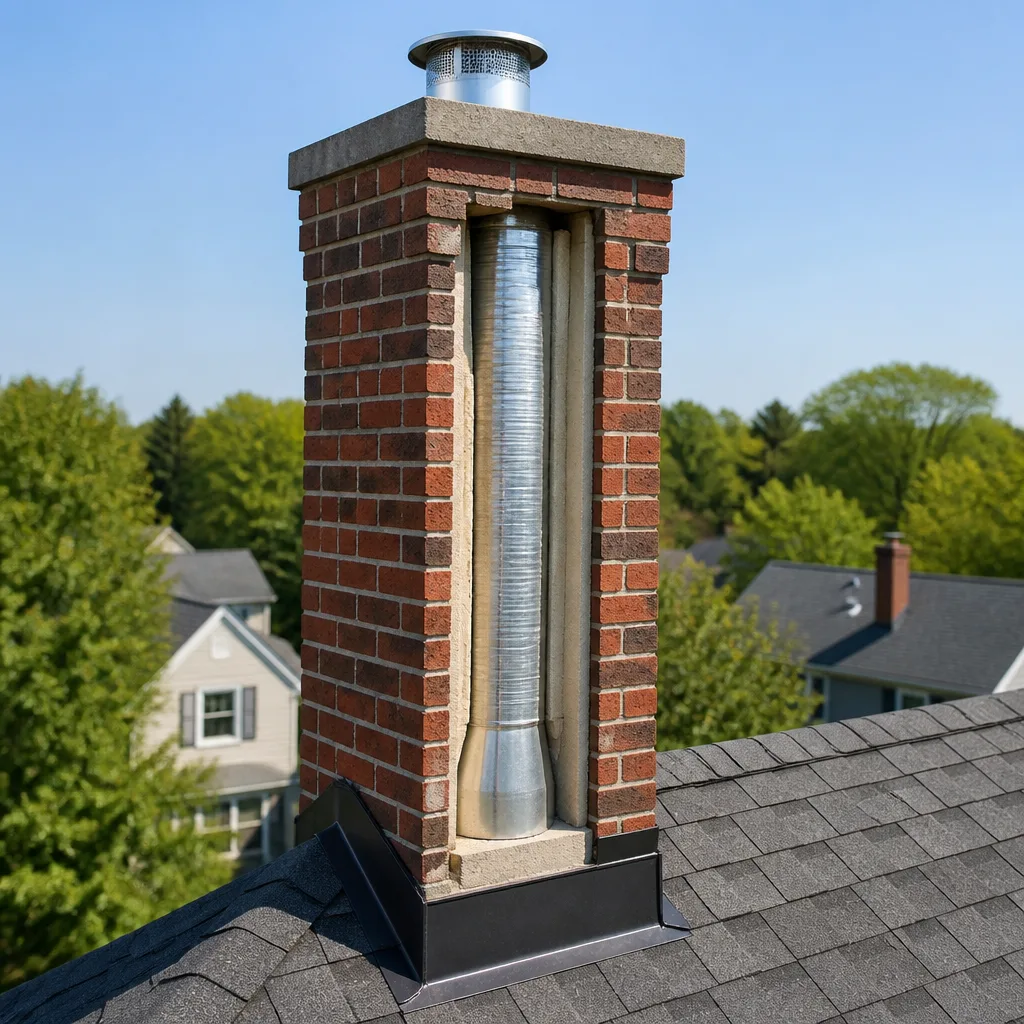
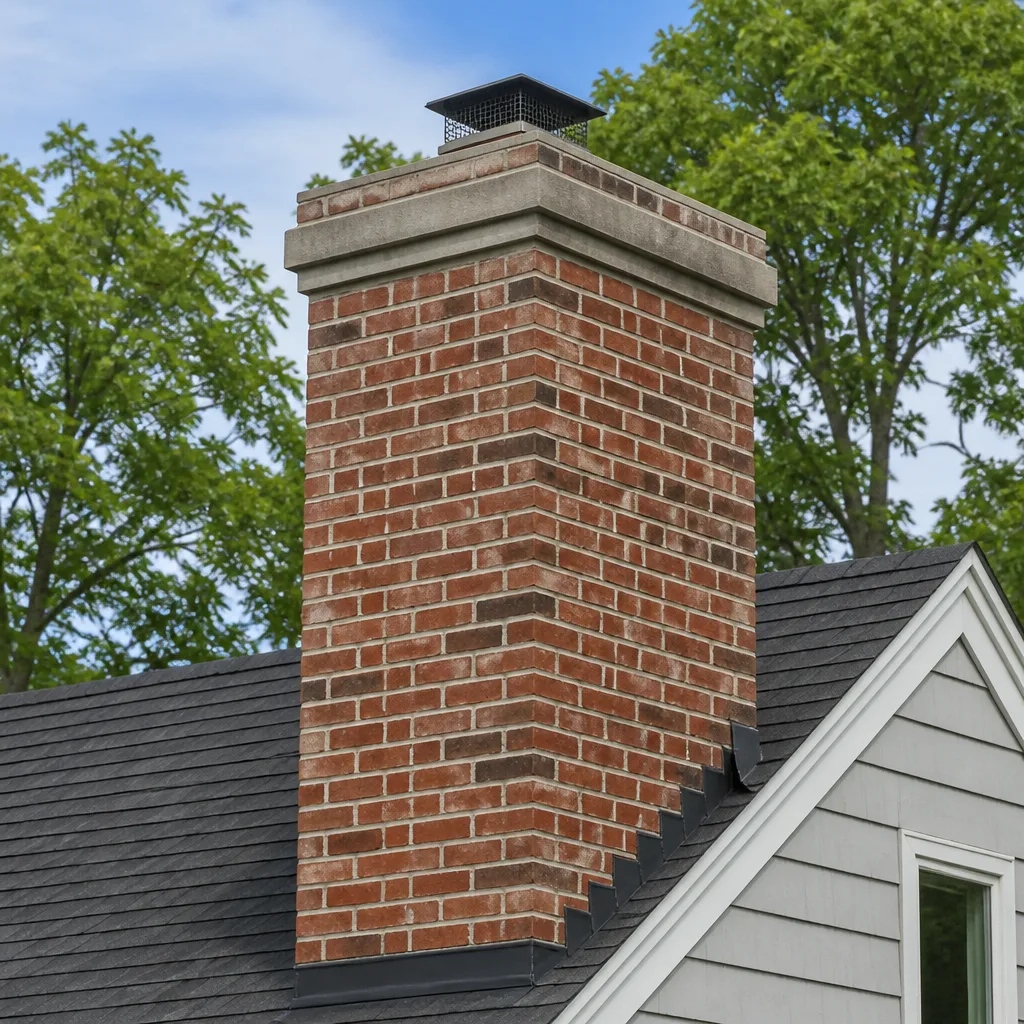
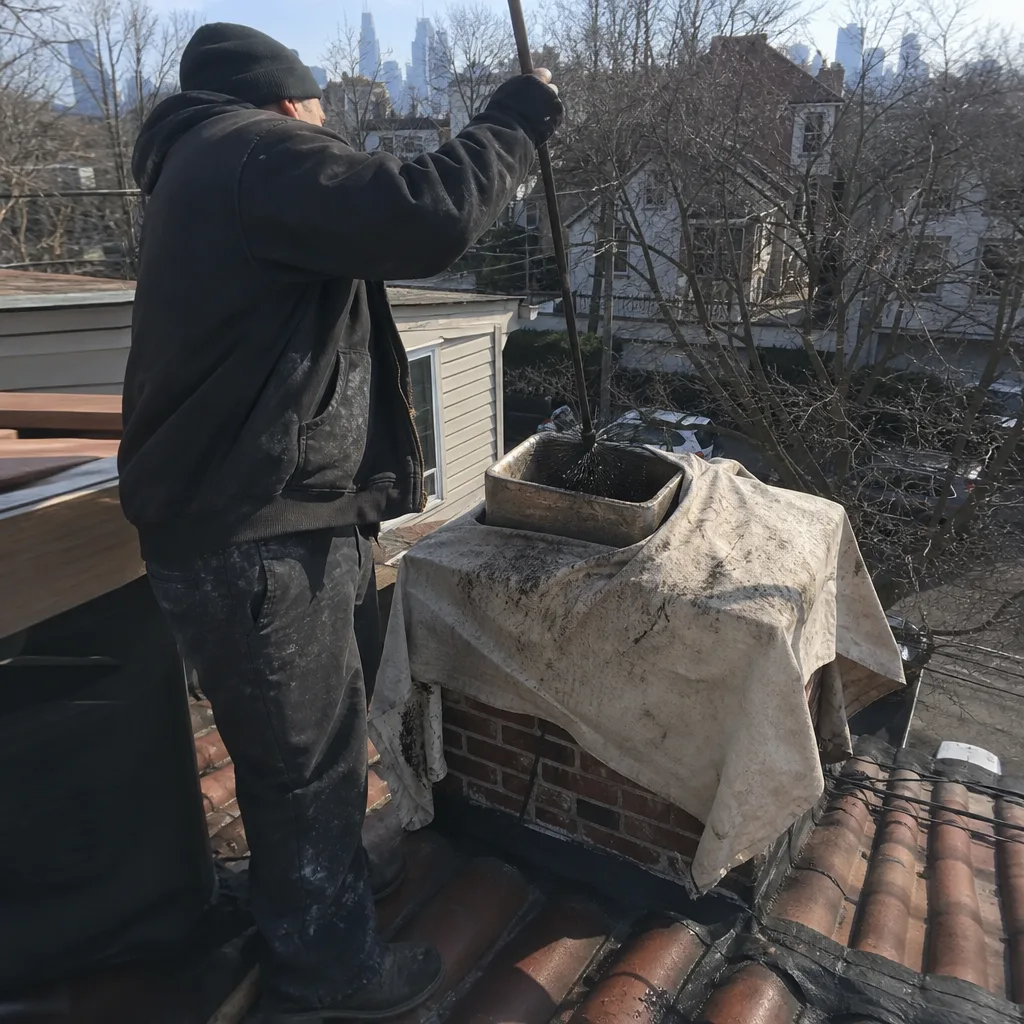
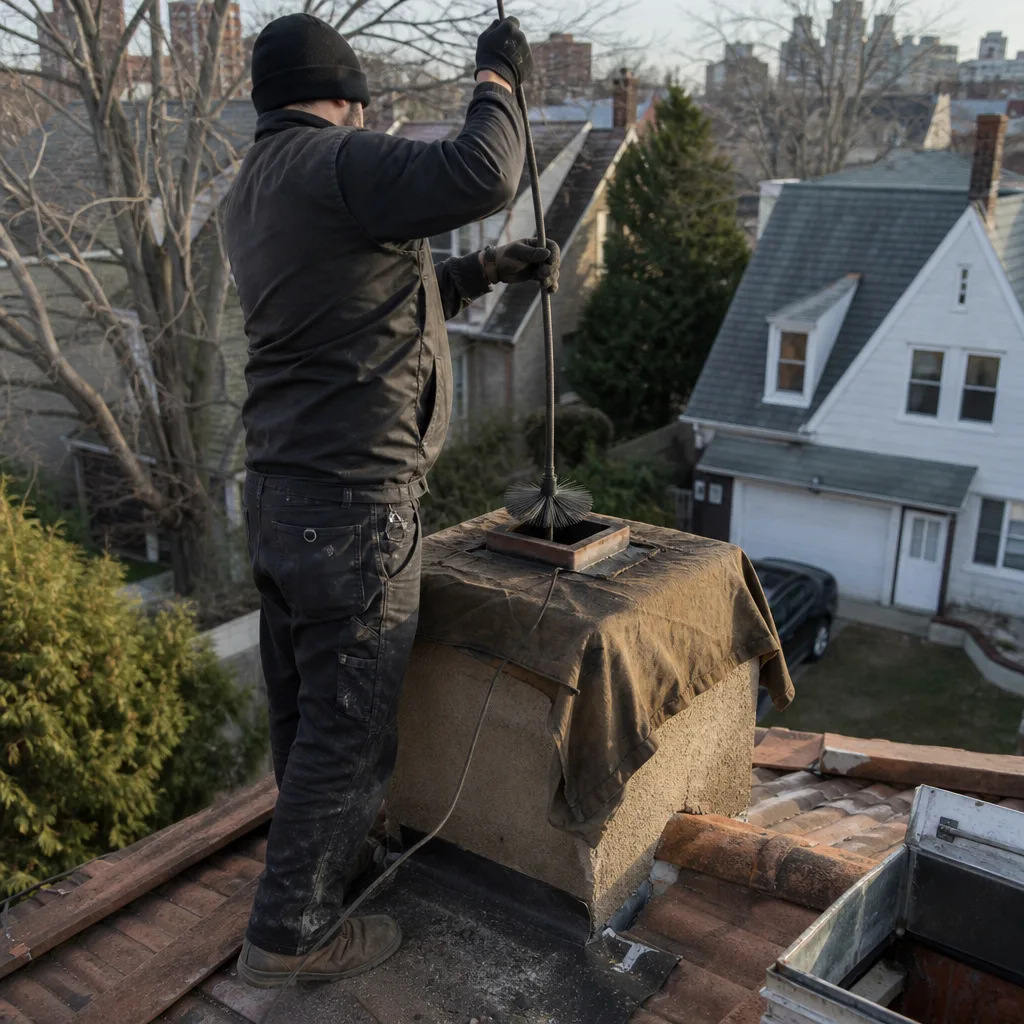
Level 1 sweep and inspection to the NFPA 211 annual standard - flue, crown, cap, and flashing checked and photographed
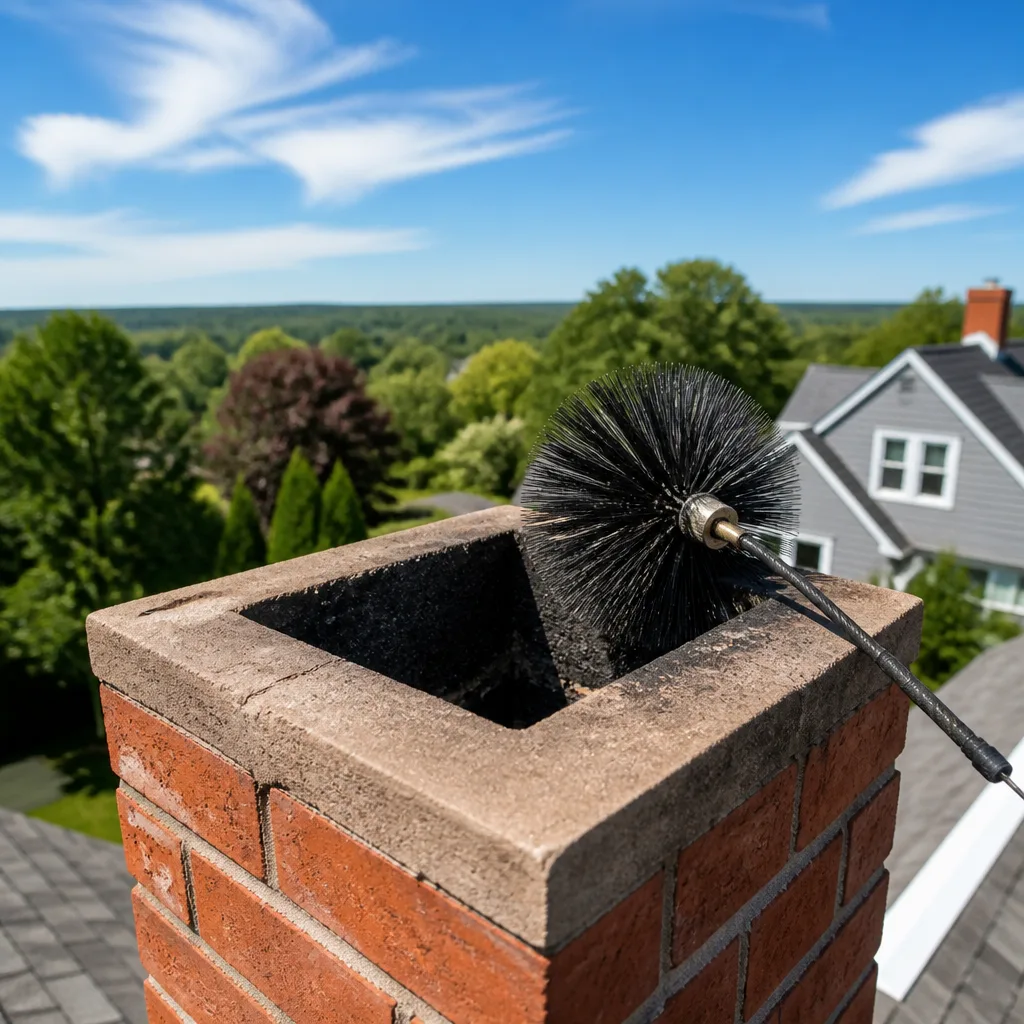
Chimney sweep logs do not sweep chimneys. They loosen some creosote - which then falls where a brush and vacuum still have to collect it.
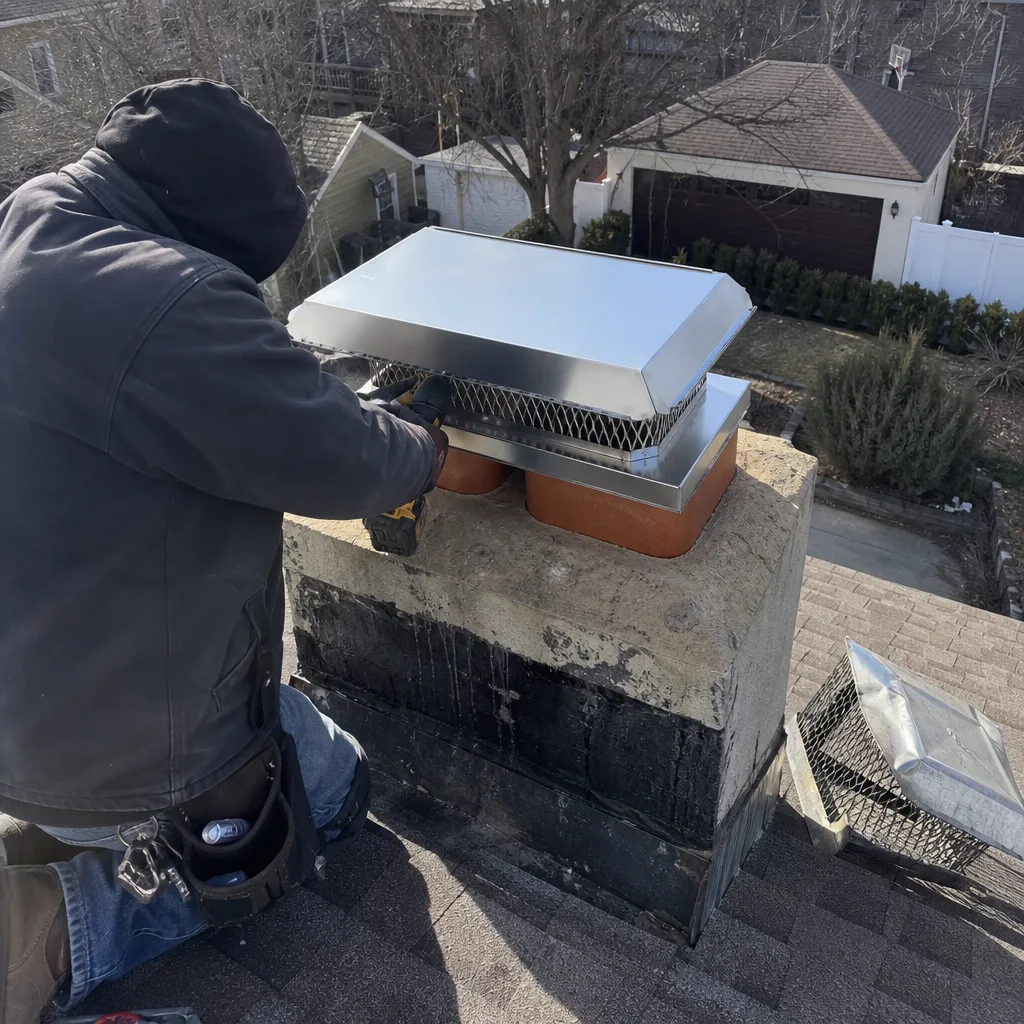
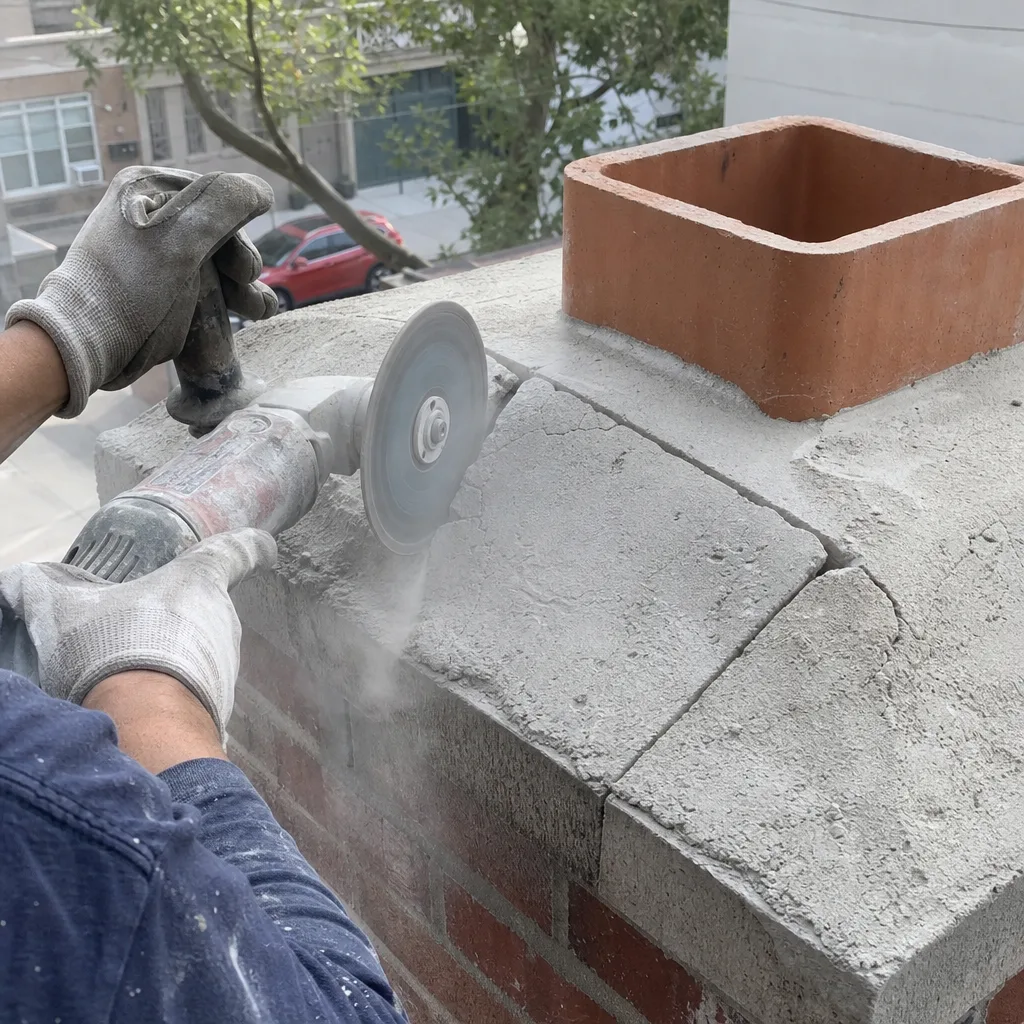
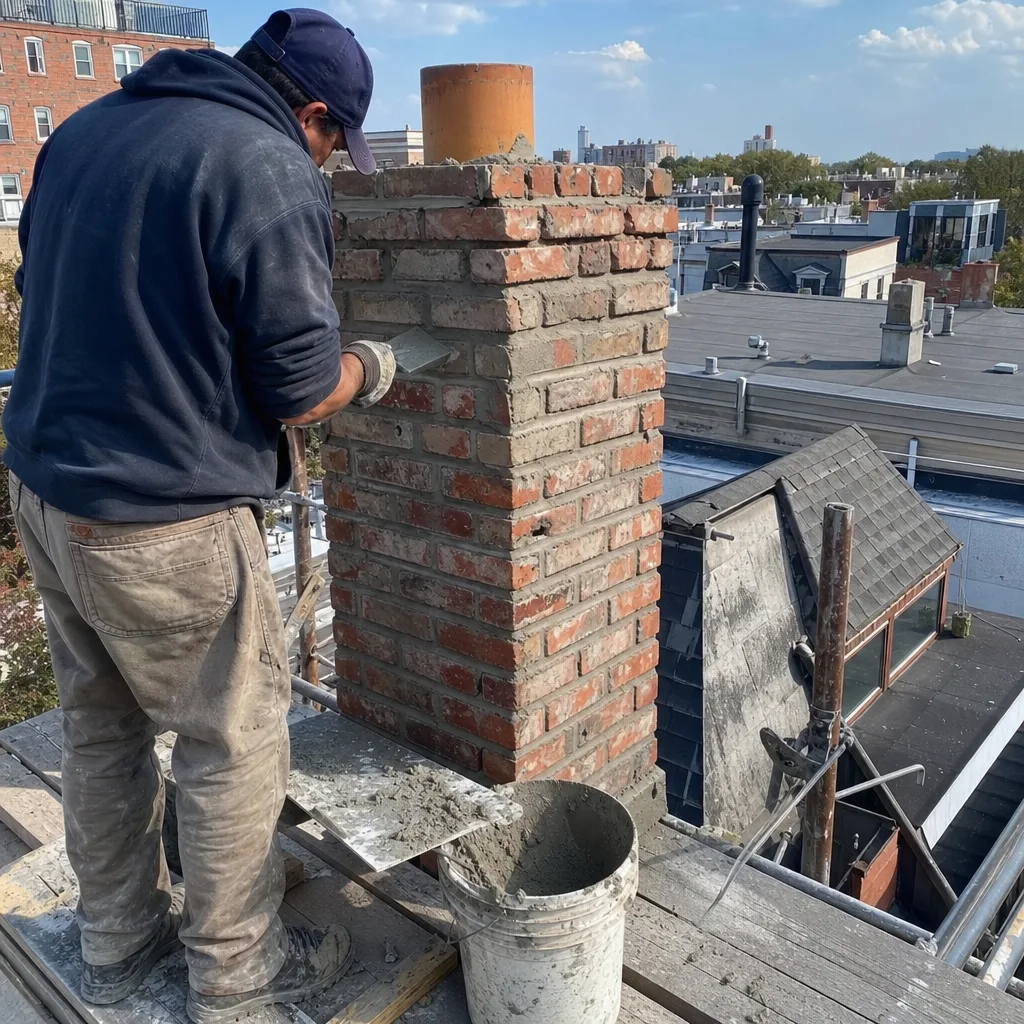
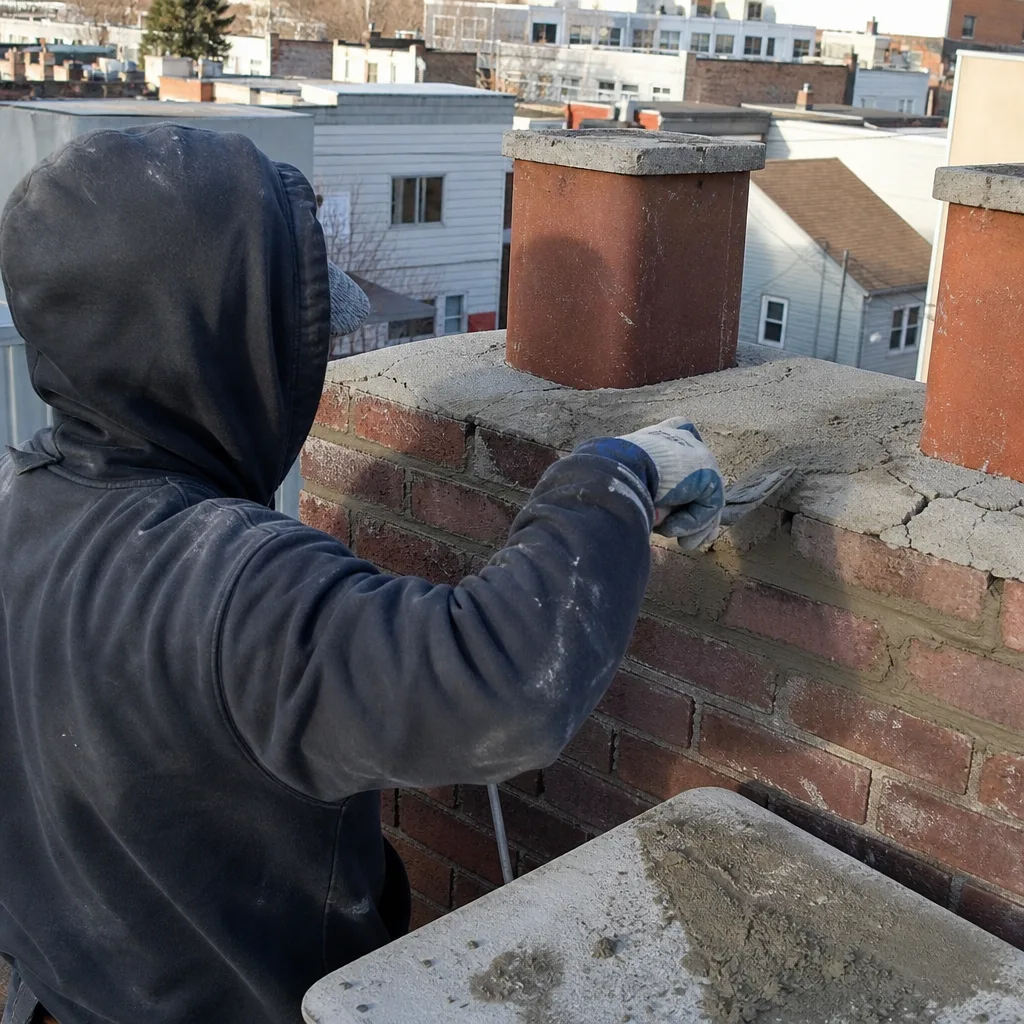
Caps & crowns
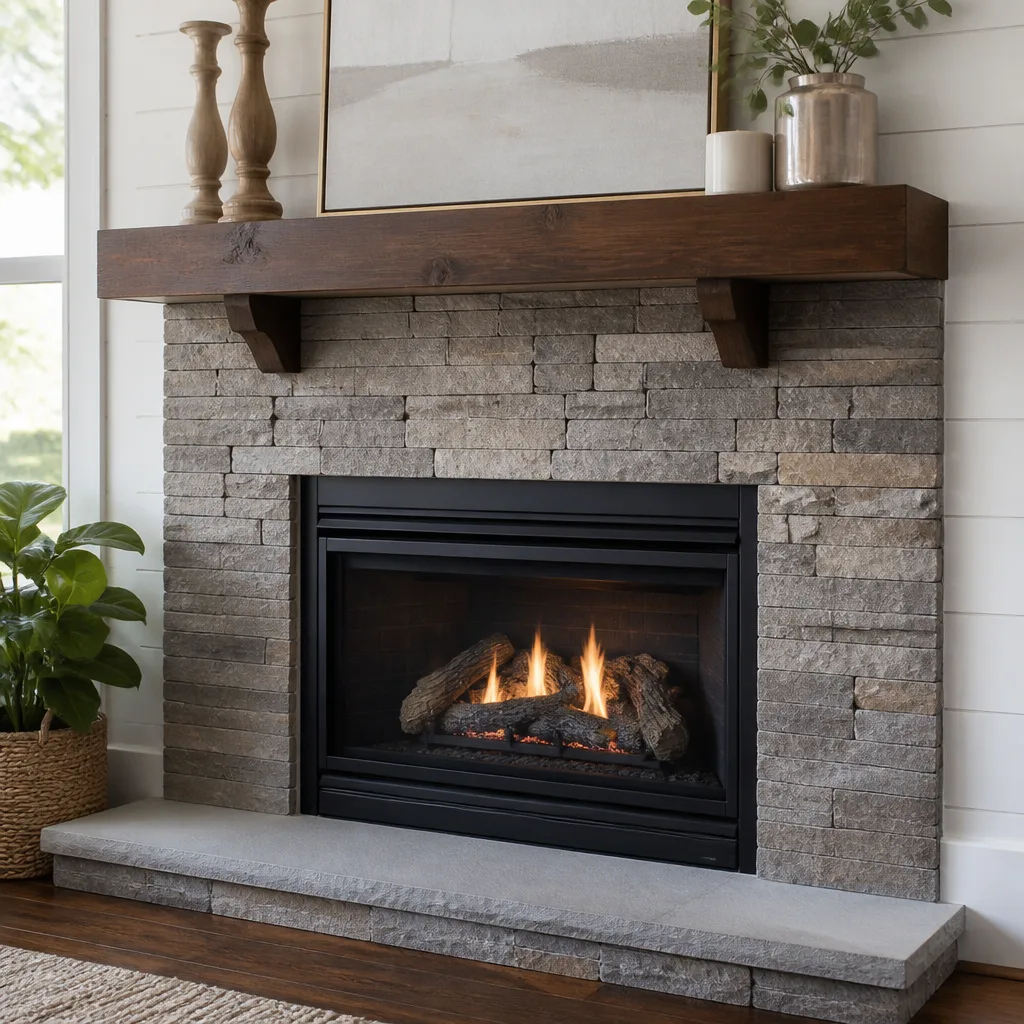
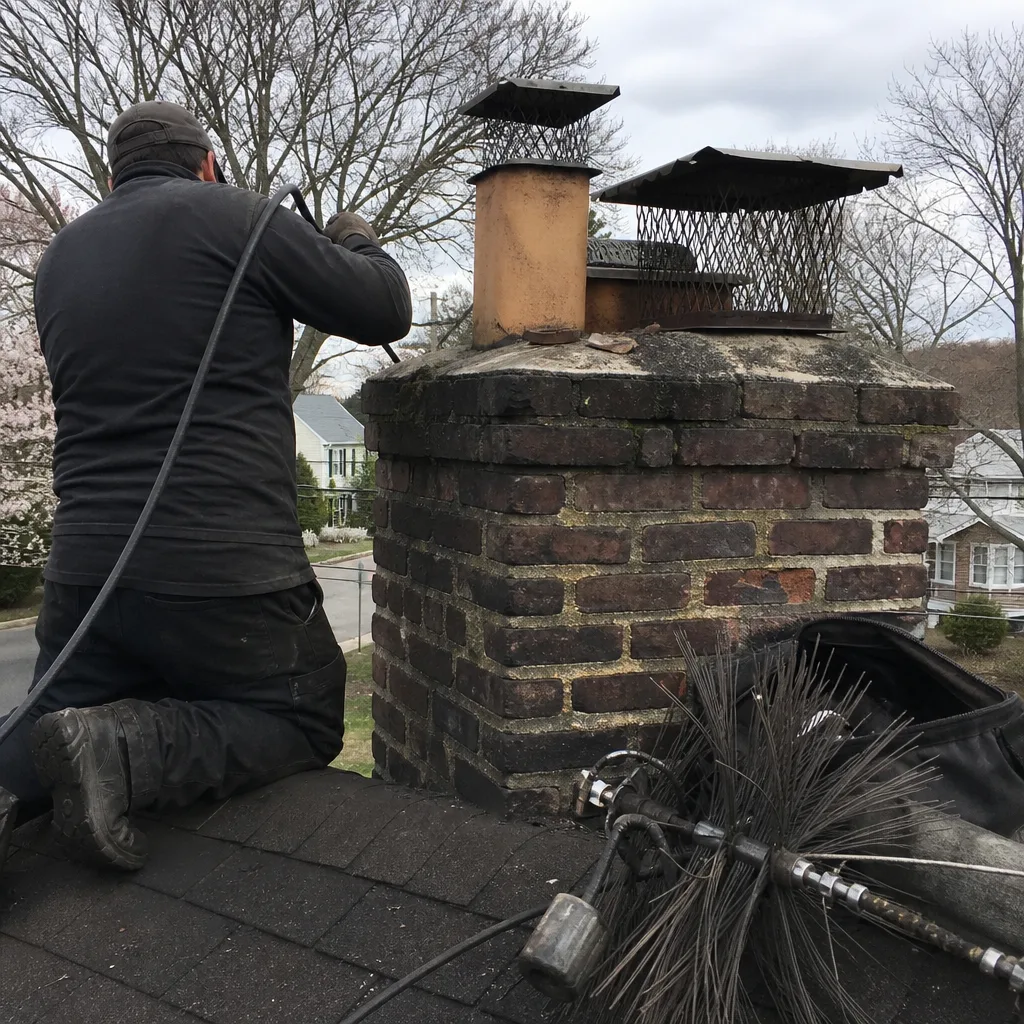 Before
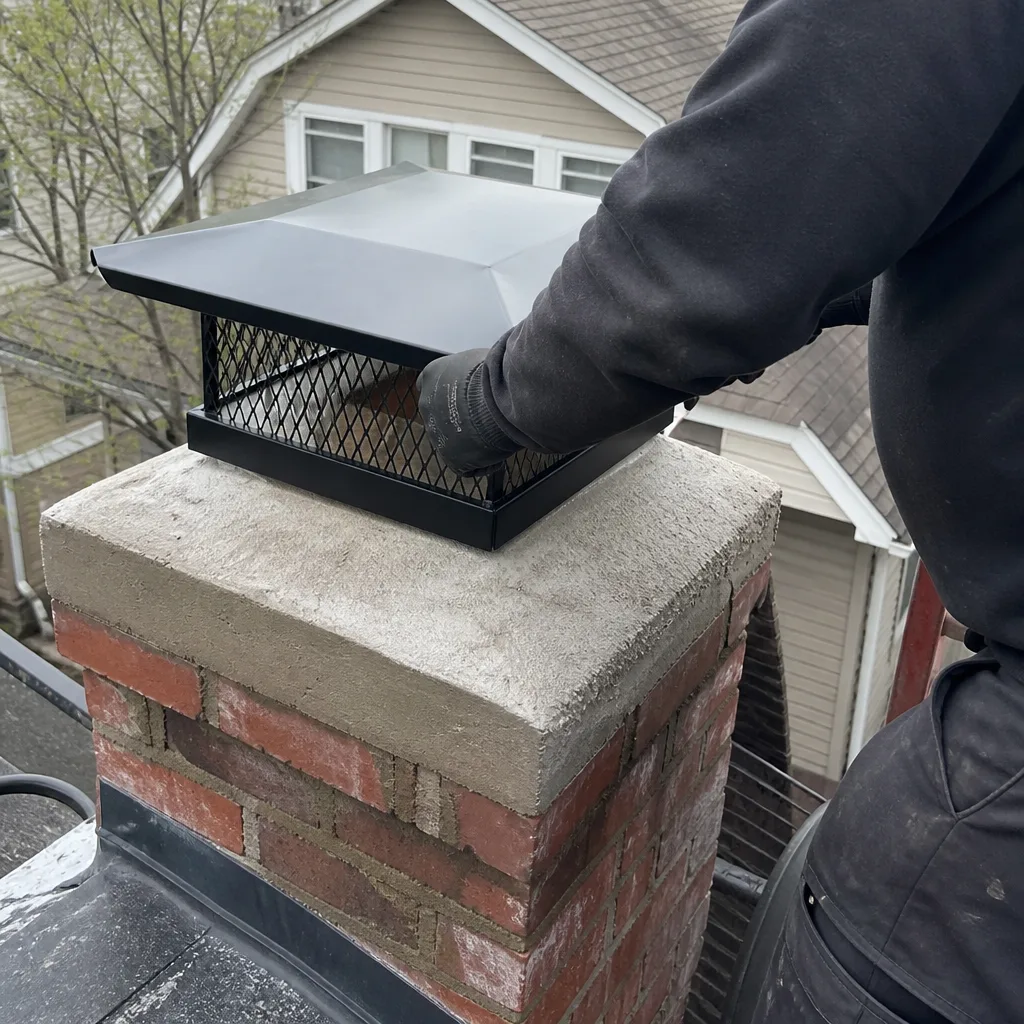 After
After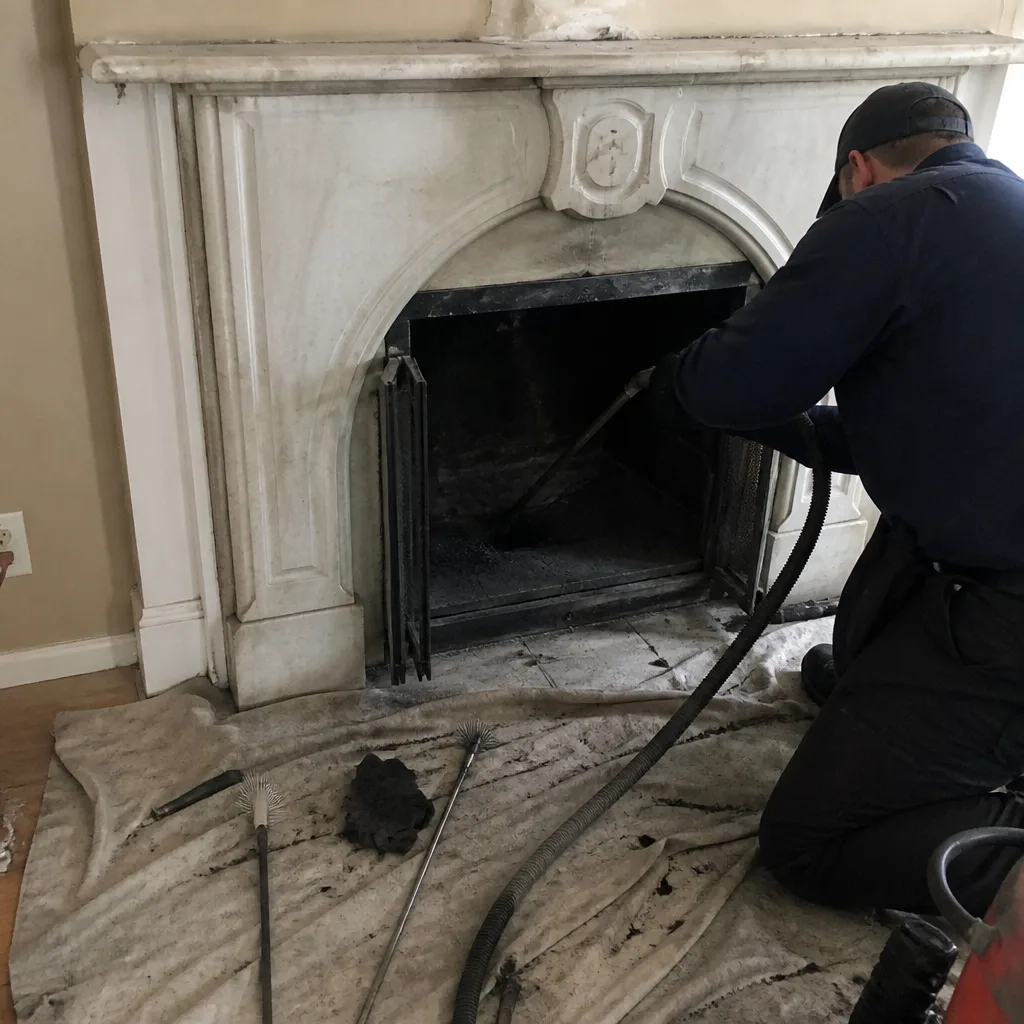 Before
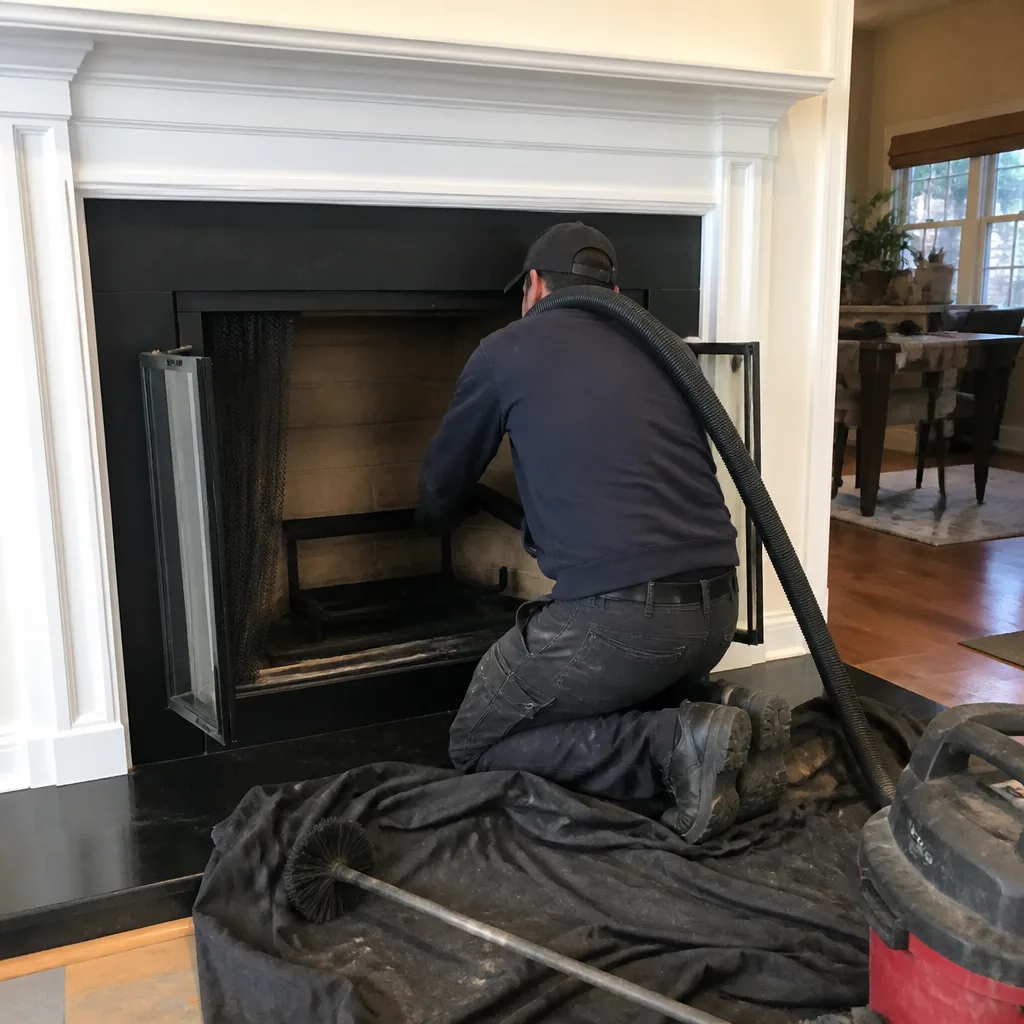 After
After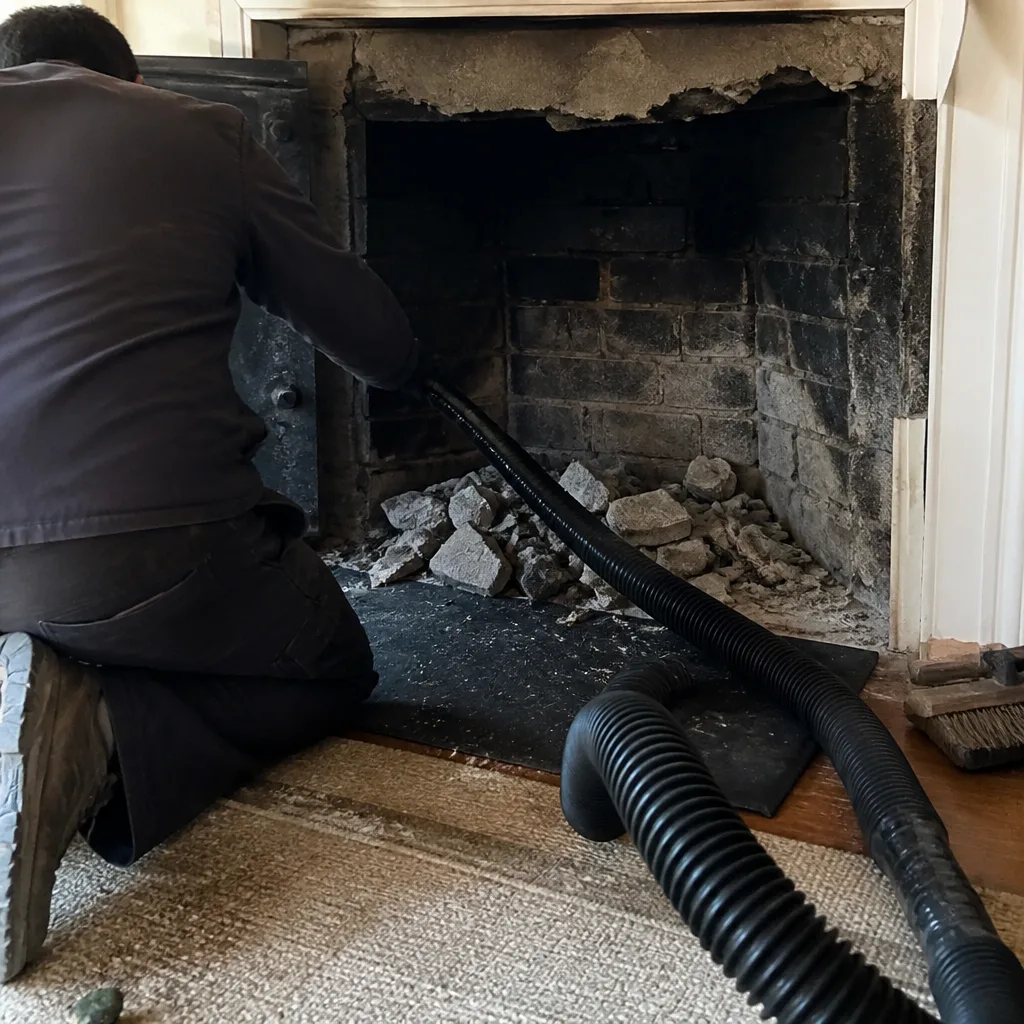 Before
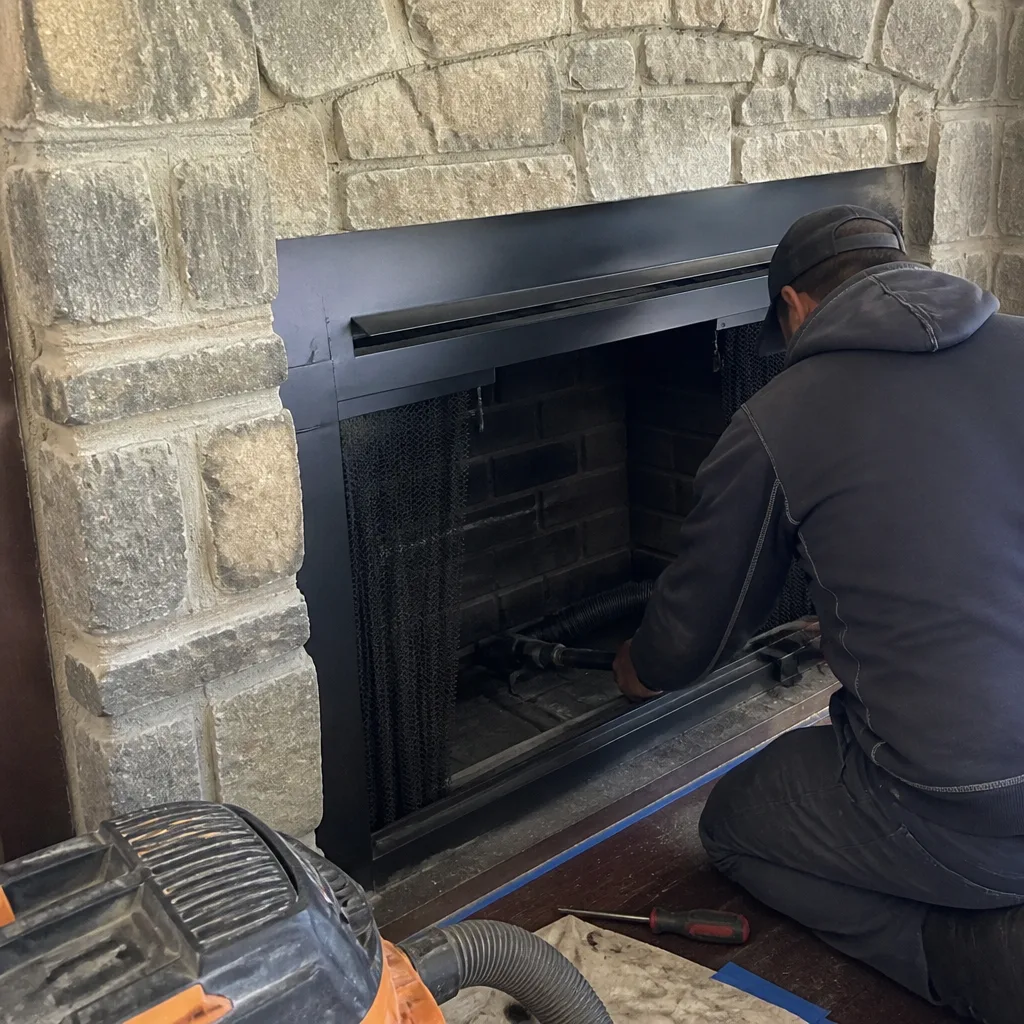 After
AfterHow to Hire a Chimney Cleaning Contractor in Manhattan: A Step-by-Step Guide
There is no NYC municipal license specifically for chimney sweeps. Anyone with a vacuum, a brush, and a business card can legally offer chimney cleaning in Manhattan. That single fact reshapes the entire hiring process. You are not selecting from a pre-vetted pool of licensed professionals. You are doing the vetting yourself, with no regulatory backstop to catch what you miss. This guide walks through the exact sequence we recommend: what to ask before anyone steps inside your building, what documentation to demand, how to compare bids that aren’t comparable, and where Manhattan’s co-op and condo buildings add friction you won’t find in a single-family home in Westchester. For more guides & resources, see our blog. By the end, you’ll have a checklist you can send to any contractor before you request a quote, and a clear sense of which answers separate a real inspection company from someone with a brush and a truck.
Quick Answer
To hire a chimney cleaning contractor in Manhattan, verify CSIA certification through the CSIA’s online lookup, confirm the company carries insurance that names your specific building, and require a written scope of work with a fixed price before any equipment comes off the truck. Then ask one question that separates serious operators from the rest: “How do you document what you found?” If the answer doesn’t include camera footage and a written photo report, keep looking.
Table of Contents
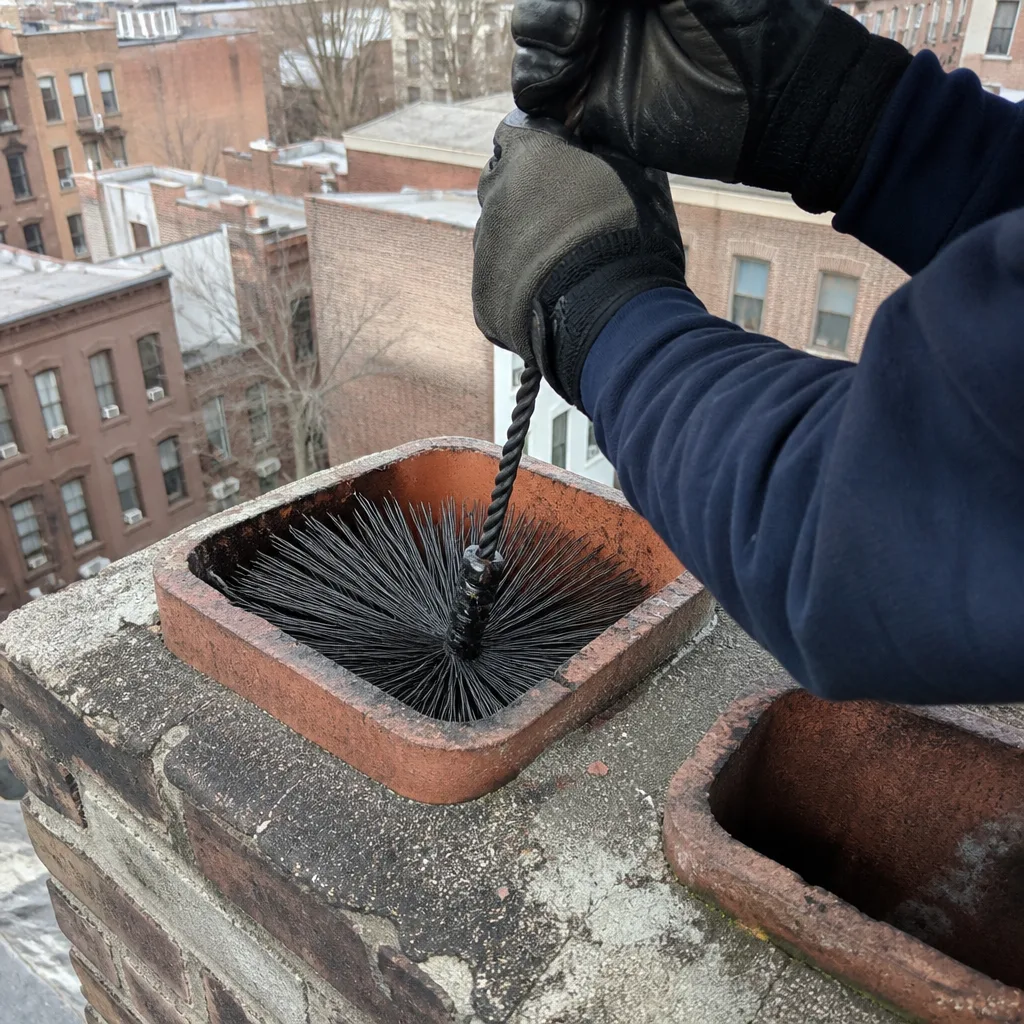
- Step 1: Verify Credentials Before You Schedule Anything
- Step 2: The Written Price Test
- Step 3: The Camera Question That Separates Real Inspections from Flashlight Looks
- Step 4: Navigating Co-op Boards and Building Managers
- Step 5: The Scope-of-Work Checklist to Send Before You Quote
- Step 6: How to Compare Bids That Aren’t Comparable
- Red Flags That Should End the Conversation
- Common Mistakes to Avoid
- When to Call a Professional
- Frequently Asked Questions
- The Bottom Line
BeforeAfterStep 1: Verify Credentials Before You Schedule Anything
The first thing to understand about chimney work in Manhattan is that credential verification is your job. There’s no city agency that does it for you. The New York City Department of Buildings doesn’t issue a chimney sweep license. The Department of Consumer Affairs doesn’t regulate the trade. So when a contractor says they’re “licensed,” the natural follow-up question is: licensed by whom?
The credential that actually matters in this industry is the CSIA, which is the Chimney Safety Institute of America. It’s a national certification body that requires passing a written exam, retesting every three years, and adherence to a code of ethics. It’s free to verify. Go to the CSIA website, type in the company name, and see if they come up. If they don’t, that’s not automatically disqualifying, but it means you’re relying on their word for everything else that follows.
Here’s the verification sequence we recommend:
- CSIA certification lookup. Go to the CSIA website and search the company name. Write down what you find. A certified company will also list a certification number you can cross-check.
- Insurance certificate naming your building. Ask for a certificate of insurance (COI) that lists your specific address or building corporation as the certificate holder. This matters in Manhattan because old buildings mean old wiring, old framing, and old everything else. If the contractor damages a neighboring unit in a pre-war co-op, you want their insurance on file, not a promise.
- NFPA 211 familiarity. Here’s the test we use ourselves: ask the contractor to define a Level 2 inspection. If they can’t explain that it’s the standard that requires camera-scanning of accessible flue areas when a property changes ownership or when changes are made to the system, that’s a red flag. NFPA 211 is the national fire safety standard for chimneys and fireplaces. A contractor who can’t cite its inspection levels is working from habit, not from code.
- Written proof of training. Ask if the technician who will actually show up is CSIA certified, not just the owner. A company can have one certified person in the office and send uncertified crews to the field. Ask for the technician’s name and certification status before you book.
One more Manhattan-specific note: many brownstones and pre-war buildings have chimneys that were built before modern code existed. That means the liner may be clay tile, the smoke chamber may be corbeled brick, and the flue may not be sized for a modern gas furnace. A credible contractor will ask about the age of the building and what appliances vent into the chimney before giving you a price. If they quote over the phone without asking anything about your system, that’s a signal they’re selling an upsell, not an inspection. We’ve covered what’s involved in a proper sweep and inspection in more detail on our Chimney Cleaning & Sweep in Manhattan page.
Step 2: The Written Price Test
A chimney cleaning in Manhattan typically ranges from $180 to $340 for a standard open-flue fireplace with no significant creosote buildup. For a detailed Chimney Cleaning Cost Breakdown: The Manhattan Homeowner’s Reference for 2026, see our dedicated guide. That’s the price you should see on paper before anyone arrives. If the contractor can’t produce a written price before the camera goes in, treat that as a red flag, not a negotiation signal.
Here’s why this matters more than it seems. A cleaning-only price assumes the flue is in serviceable condition. If the camera reveals a cracked flue liner or a deteriorated smoke chamber, the scope changes. That’s legitimate. What’s not legitimate is a verbal quote of $200 that becomes $900 after the tech is already standing in your living room and has “found something.” A written scope with a written price prevents that shift from happening without your consent.
The written price test works like this:
- Request a written scope before booking. The document should list exactly what’s included: cleaning, camera inspection, photo documentation, and any access fees for roof or basement entry.
- Ask what happens if they find something. The answer should be: they stop, they show you the camera footage, they give you a written recommendation for repair, and they do nothing additional without your written approval. If the answer is anything vaguer than that, don’t book.
- Ask about the warranty. What’s covered, for how long, and what voids it. Get it in writing. A verbal warranty is worth nothing in Manhattan, where contractors come and go with the seasons.
At Level Two Chimney Manhattan, a written price before work starts is the non-negotiable foundation of how we operate. It’s Clause 1 of the Haven Standard, under the H.A.V.E.N. acronym’s “Have it in writing” provision. We’ve operated that way since 2009, and it’s why we say plainly: never “call for a quote.” The price is on the page, in dollars, before you ever pick up the phone. Materials we install, from HeatShield for liner resurfacing to Olympia Chimney for cap and crown components, are priced through Haven’s buying network specifically to keep the numbers honest.
Step 3: The Camera Question That Separates Real Inspections from Flashlight Looks
Here’s the single most important question you’ll ask any chimney contractor in Manhattan: “How do you document what you found?” The answer separates the industry into two camps.
Camp one is the flashlight inspection. The tech climbs onto your roof, shines a light down the flue, checks the firebox, and tells you everything looks fine. You take their word for it. There’s no record, no footage, no proof beyond a handshake and an invoice. This is the dominant model in Manhattan, and it’s why so many homeowners in the city have never actually seen the inside of their own chimney.
Camp two is the camera-scan inspection. The tech runs a camera down the flue and records what it sees. You watch the footage, either live or after the fact. You see the creosote class, the liner condition, the crown integrity. You get photos. You get a written report. You can show that report to your insurance company, your co-op board, or the next contractor you hire for a second opinion.
The difference matters for one practical reason above all: insurance. If you file a chimney fire claim and the insurer asks for maintenance records, a flashlight inspection produces a one-line invoice: “Cleaned chimney, no issues found.” A camera scan produces a dated photo record showing exactly what the flue looked like on that day. That’s the difference between having documentation and having a story.
Ask specifically: “Do you include a camera-scan inspection with the cleaning?” The NFPA 211 Level 2 inspection standard requires this when ownership changes, when a new appliance is connected, or after an event like a chimney fire or earthquake. But many companies only offer it as an optional add-on for $150 to $300 more. The company you want treats it as the default. We’ve made camera-scan documentation the default on every job since 2009, which is a long way of saying we don’t charge extra for the thing that should be standard. That practice became Clause 4 of the Haven Standard: a documented photo record on every visit, running continuously since the day we started.
Step 4: Navigating Co-op Boards and Building Managers
If you live in a Manhattan co-op or condo, you don’t actually hire a chimney contractor alone. You hire one and then navigate a second layer of approval that can take longer than the cleaning itself. For more on Chimney Cleaning Permits, Codes & Inspections in NY: What You Need to Know, see our compliance guide. Here’s what to expect.
First, determine who has authority to schedule roof access. In most Manhattan co-ops, the roof is a common area. That means the building manager or super must grant roof access, and they may require advance notice, proof of insurance, and sometimes a certificate of insurance naming the building corporation as an additional insured. Some boards require the contractor to be approved before any work happens. Others require a work permit from the managing agent.
Second, clarify who receives the report. If your building’s central flue serves multiple units, the board may want the report for its own records, particularly if the chimney serves shared infrastructure. If the flue is exclusive to your unit, you may keep the report private, but your board may still want notification that work was performed.
Third, determine whose name goes on the warranty. If the building corporation pays any portion of the work, the warranty may need to name the corporation, not you. If you pay entirely out of pocket, the warranty is yours. Get this clarified before work starts, not after.
Here’s a short checklist for Manhattan co-op work:
- Ask your managing agent what documentation the board requires from exterior contractors.
- Get the COI requirements in writing, including whether the building must be named as additional insured.
- Confirm roof access hours and whether a super must be present.
- Ask whether the report must be filed with the managing agent after completion.
- Confirm who pays: unit owner, building corporation, or split.
These steps add time. Budget for it. The actual cleaning takes a few hours. The co-op approval can take a week or more, especially in buildings with monthly board meetings. For more on what a full fireplace service visit looks like in Manhattan buildings, see our Fireplace Services in Manhattan page.
Step 5: The Scope-of-Work Checklist to Send Before You Quote
Most Manhattan homeowners collect three bids and compare total prices without comparing what the bids actually include. That’s like comparing the price of a studio in Murray Hill to a two-bedroom in Tribeca and wondering why the numbers don’t line up. To make bids comparable, you need to send every contractor an identical scope-of-work request. Here’s the checklist we recommend sending in an email before anyone provides a quote:
- Property information. Building type (pre-war co-op, condo, townhouse), approximate year built, number of stories, and whether the chimney serves a fireplace, a furnace, a boiler, or a combination.
- What’s included in the cleaning. Specify: sweeping of the full flue length, removal of all creosote and debris, vacuuming of the smoke chamber and firebox, and protection of interior finishes with drop cloths or floor runners.
- What’s included in the inspection. Specify: NFPA 211 Level 2 camera scan of the accessible flue, visual inspection of the crown, cap, and flashing, and a written condition report with photos.
- Documentation delivered. Specify: photos or video of all flue surfaces before and after cleaning, written scope of work, written warranty, and receipt of payment.
- Exclusions and access fees. Ask for a written list of anything not included, plus any fees for roof access, basement access, or building manager coordination.
- Timeline. Ask for a written confirmation of date, arrival window, and expected duration.
If a contractor balks at any of these requests, that’s information. A company that does camera-scan work and writes detailed scopes won’t be surprised by this checklist. A company that does flashlight work and verbal pricing won’t know what to do with it.
Step 6: How to Compare Bids That Aren’t Comparable
Once you’ve sent the scope-of-work checklist to two or three companies, the bids come back. Here’s how to read them.
First, create a simple table. Put each bid side by side: the total price, what’s included in the cleaning, what’s included in the inspection, what documentation is delivered, and what warranty is provided. Don’t just line up the totals. Line up the line items.
Here’s what a typical comparison looks like for a standard Manhattan one-fireplace cleaning:
- Bid A: $199. Cleaning only. No camera scan. No photo documentation. Verbal confirmation of condition. No written warranty.
- Bid B: $320. Cleaning plus NFPA 211 Level 2 camera inspection. Before-and-after photos. Written condition report. One-year warranty in writing.
- Bid C: $280. Cleaning plus “video inspection” (a recording on the tech’s phone, not an archived file). Written report but no photos delivered to you. 90-day verbal warranty.
Bid A is cheaper in dollars and more expensive in risk. Bid C looks competitive but the documentation won’t hold up if you need to file an insurance claim or prove maintenance to a co-op board. Bid B costs more upfront and gives you a paper trail that persists.
This is also where a free second opinion can save you real money. If you have a written estimate from another company, a credible contractor can review it line by line and tell you whether the scope is complete, whether the materials are appropriate, and whether anything is being overpriced. We offer exactly that at Level Two Chimney Manhattan: a free second opinion on any written estimate, no new-chimney pitch attached. Bring us a competitor’s written quote and we’ll tell you what’s fair, what’s missing, and what’s unnecessary.
When the bids come back and repair work enters the picture, materials matter. A liner resurfacing quote should specify the product, not just “new liner.” We work with HeatShield for resurfacing when the existing clay tile is cracked but structurally sound, and we install full stainless liners when the flue is beyond saving. Gelco and Olympia Chimney supply caps and crowns. If a bid just says “liner repair” without naming a product or a method, ask for the detail. Vague bids are vague on purpose.
Red Flags That Should End the Conversation
Some contractors eliminate themselves from consideration within the first ten minutes of a conversation. Here are the signals we tell people to watch for:
- Refuses a written price before work starts. “We’ll need to see it first” is acceptable for repairs. It is not acceptable for a cleaning and inspection. The price for that should be on paper before the camera goes in.
- Can’t explain what a Level 2 inspection is. This is the industry’s own standard. Not knowing it means they don’t work to any standard.
- Won’t name the technician who will arrive. If they can’t tell you who’s coming, they can’t tell you that person is background-checked, certified, or experienced.
- Dodges the documentation question. “We’ll give you a receipt” is not the same as “we’ll give you a written report with photos.” If the company doesn’t treat documentation as standard, they won’t produce it when you actually need it.
- Pressures you on a day-of upcharge. “The cleaning is $200 but you also need this treated, and that’s $400 more.” A real operator stops work, shows you the camera evidence, and gives you time to decide. Pressure to decide on the spot is a sales tactic, not a safety recommendation.
- Insurance certificate is expired or doesn’t match the company name. In Manhattan, contractors sometimes work under layered LLCs. The COI should name the company you hired, the address they’ll actually work at, and a current policy period.
Any one of these is reason enough to move on. There are enough chimney sweeps in Manhattan that you don’t need to talk yourself into one that makes you uneasy.
Common Mistakes to Avoid
Across thousands of inspections in Manhattan, certain homeowner errors turn up again and again. Here are the ones that cost the most money or cause the most avoidable damage:
- Hiring without verifying insurance. A Manhattan rowhouse shares walls. A contractor’s mistake in your flue can spread smoke, soot, or water to the neighbor’s unit. If their insurance doesn’t cover the building, you’re covering the claim.
- Trusting a verbal quote. A verbal price is not a price. It’s a suggestion. In Manhattan, where contractor turnover is high and memory is short, the written word is the only thing that holds up.
- Skipping the camera scan to save $100. The camera is the only reason to hire a professional at all. Without it, you’re paying someone to remove soot and tell you they saw nothing wrong. With it, you’re paying for a record.
- Not checking co-op requirements before booking. In Manhattan, you can schedule a cleaning, wait two weeks, and discover on the morning of the job that your building requires a COI you haven’t requested. Then the tech waits on the sidewalk while you call the managing agent, and the job gets rescheduled twice.
- Comparing bids by total price only. The total is the last number you should look at. The line items are where the real comparison lives.
- Ignoring the smoke chamber. Many Manhattan fireplaces have corbeled smoke chambers that are difficult to sweep and impossible to see without a camera. That’s where creosote hides and chimney fires start. The sweep should address it specifically.
- Assuming the furnace flue doesn’t matter. If your Manhattan building vents a gas furnace into the same masonry chase as your fireplace, that flue is part of the system. Carbon monoxide is invisible and odorless. A flue that’s blocked by debris or creosote doesn’t announce itself until it’s dangerous.
When to Call a Professional
Some things you shouldn’t attempt yourself. Chimney cleaning is one of them. The flue is a confined vertical space you can’t safely access without proper equipment, and the creosote inside it is flammable at concentrations you can’t see from the firebox. If you haven’t had the chimney cleaned in more than a year, if you’ve noticed smoke backing up into the room, if you find a dark, tarry glaze on the firebox walls, or if you’re buying a Manhattan home with a fireplace and no maintenance record, call a professional. If the chimney has never had a camera inspection, that’s reason enough. Level Two Chimney Manhattan offers free estimates in Manhattan - call (862) 319-8047. A chimney sweep and cleaning is a service with real risks on both sides: yours if it’s done wrong, and the tech’s every day. Let someone who does this daily handle it, and make sure they hand you the documentation when they’re done. The repair side is covered in more depth on our Chimney Repair in Manhattan page.
Frequently Asked Questions
A standard chimney cleaning in Manhattan ranges from $180 to $340 for an open-flue fireplace with no major creosote buildup or repair work. The final number depends on the number of flues, the height of the building, accessibility (roof access in co-op buildings can add coordination time), and the condition of the chimney. Camera-scan inspection is sometimes bundled and sometimes billed separately at $75 to $150. At Level Two Chimney Manhattan, camera scanning is included in the standard visit, not charged as an add-on. Call (862) 319-8047 for an exact quote, and expect it in writing before anyone starts.
Yes, because the inside of a flue looks nothing like what you can see from the firebox. Fine from the outside doesn’t mean safe on the inside. Cracks in clay tile liners, separations between liner sections, and Class III creosote (the shiny, tar-like residue that fuels chimney fires) are all invisible without a camera. The camera inspection is the entire point of hiring a professional instead of doing the job yourself. In Manhattan’s older housing stock, built before modern liner standards, the camera often finds conditions that become a liability later.
A camera scan shows the full flue surface from the firebox to the crown, in recorded footage you can see for yourself. It reveals Class I, II, or III creosote accumulation, cracked or spalling liner sections, blockages (bird nests, fallen brick, old chimney pots), and smoke chamber deterioration. A flashlight shows whatever the sweep sees from a standing position at the top and bottom of the flue, which is essentially the first foot of the stack. The camera produces a record. The flashlight produces an impression.
The NFPA 211 standard says the chimney should be cleaned whenever creosote accumulation reaches 1/8 inch or more on the flue walls. For most Manhattan homeowners who burn wood seasonally, that translates to once a year, ideally before the burning season starts in late fall. See our Seasonal Chimney Cleaning Care for Manhattan: Year-Round Homeowner’s Guide for timing tips. Gas-only chimneys need less frequent cleaning but still need an annual visual check to confirm nothing is blocking the flue and no water is entering. If you use the fireplace more than three times a week, sweep twice a year.
Skipping cleaning lets creosote accumulate on flue walls. Creosote is the residue that forms when wood smoke condenses on a cooler surface. It accumulates in stages, from a fine soot-like powder (Class I) through a flaky brown coating (Class II) to a thick, tarry glaze (Class III). Class III creosote is combustible at high temperature. If it ignites, the resulting chimney fire can crack the liner, spread to framing, and turn a $250 cleaning into a $4,000 to $8,000 repair. In a Manhattan rowhouse or co-op, the risk isn’t just yours - your flue runs through the building. Call (862) 319-8047 for an exact quote, and ask for the camera footage when it’s done.
No. There is no NYC municipal license for chimney sweeps or chimney contractors. Certification exists at the national level through the CSIA, which requires passing an exam and retesting every three years. But it’s voluntary. That means Manhattan homeowners are responsible for verifying a contractor’s CSIA certification, insurance, and training before hiring. If a company claims to be “licensed” in Manhattan, ask which agency issued the license and verify it. In most cases, they’re referring to a general home improvement contractor registration or a local business permit, neither of which is specific to chimney work.
The Bottom Line
Hiring a chimney cleaning contractor in Manhattan comes down to one principle: the company should be able to produce evidence before, during, and after the work. Evidence of certification (CSIA lookup), evidence of insurance (COI naming your building), evidence of price (written before work starts), and evidence of condition (camera footage and a photo report). A contractor who does those four things is hireable. A contractor who doesn’t is a gamble. Manhattan’s housing stock is old, its buildings are shared, and its co-op boards keep records. That combination rewards documentation and punishes handshake deals. Ask for the paper, watch the camera, and read the bid line by line. At Level Two Chimney Manhattan home, written price, camera documentation, and warranty are the minimum, not the upsell. If you’re ready to start, call (862) 319-8047 for a free estimate, or send us a competitor’s written quote and we’ll give you an honest second opinion on it.
Written by Corrine Halstead, Owner at Level Two Chimney Manhattan, serving Manhattan since 2009.