
Last updated September 20, 2026
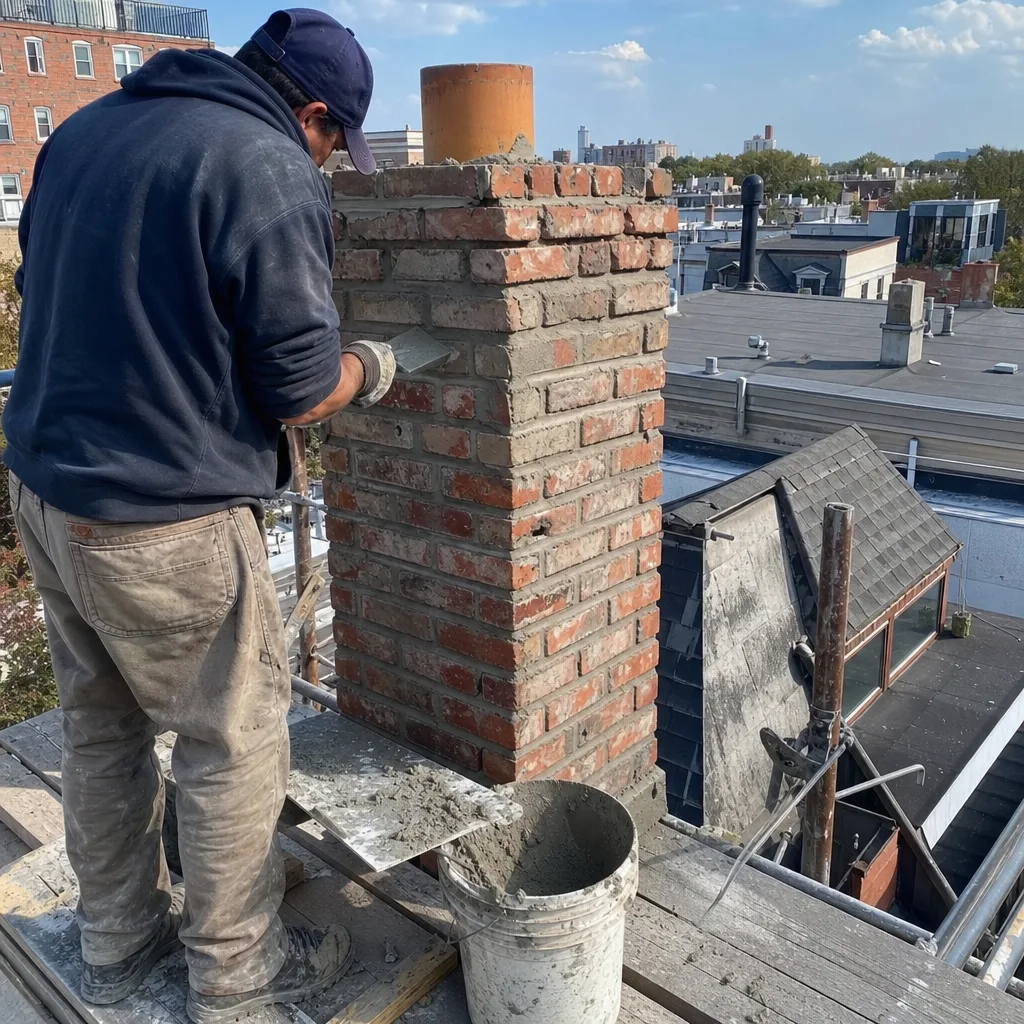
Level 1 sweep and inspection to the NFPA 211 annual standard - flue, crown, cap, and flashing checked and photographed
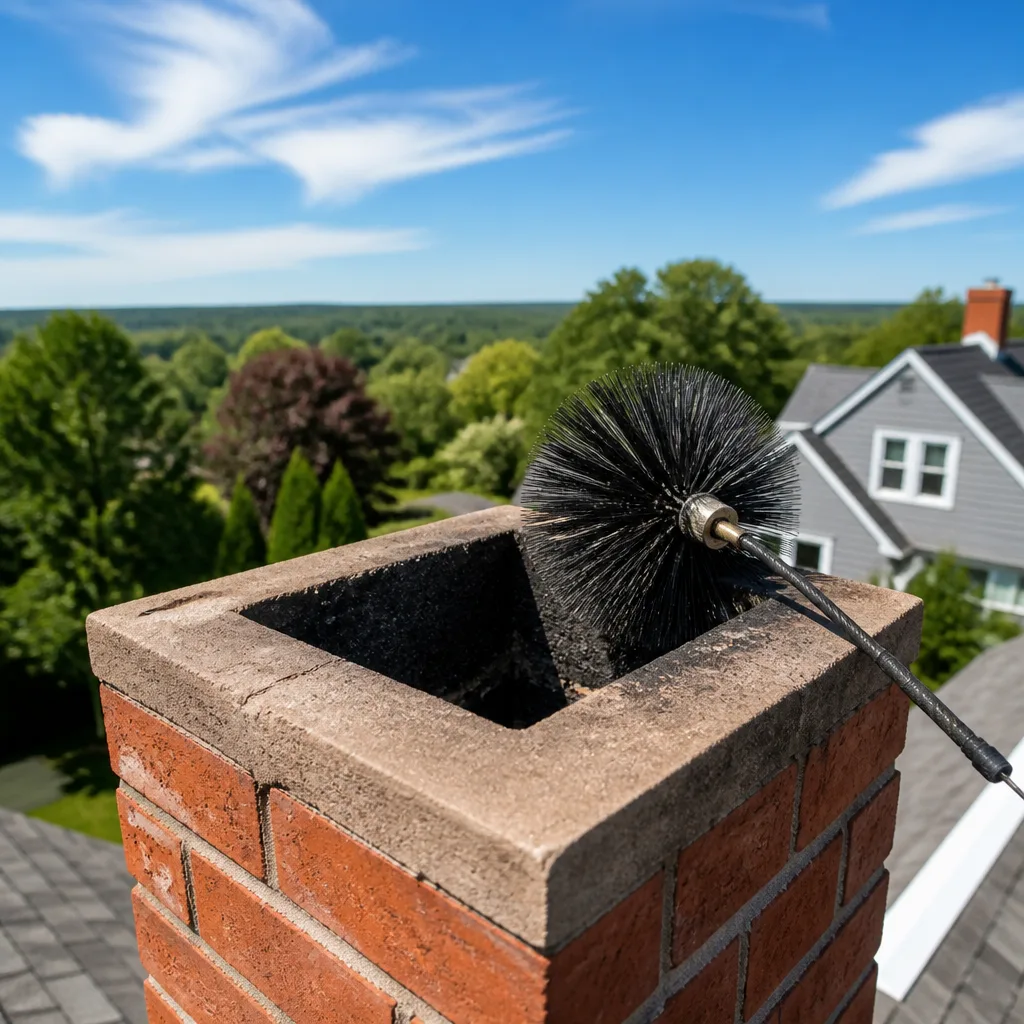
Chimney sweep logs do not sweep chimneys. They loosen some creosote - which then falls where a brush and vacuum still have to collect it.
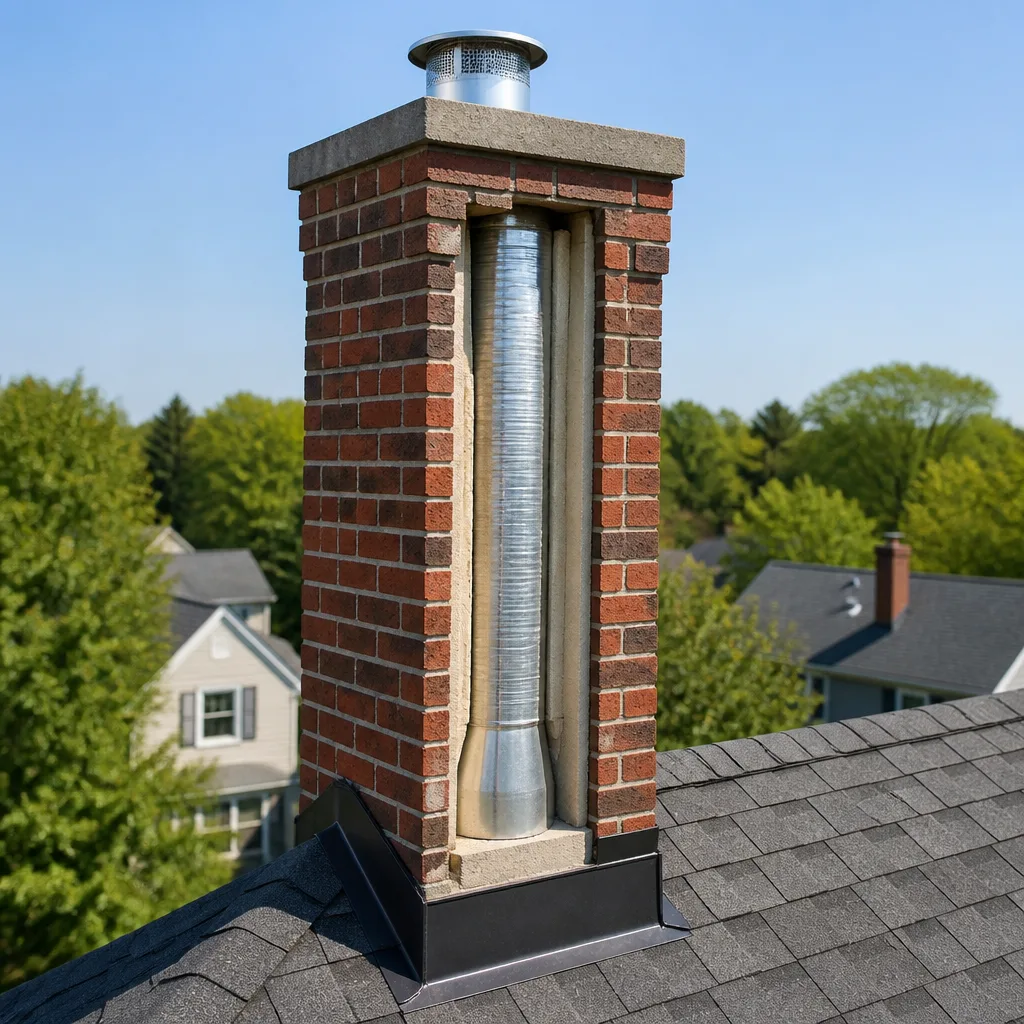
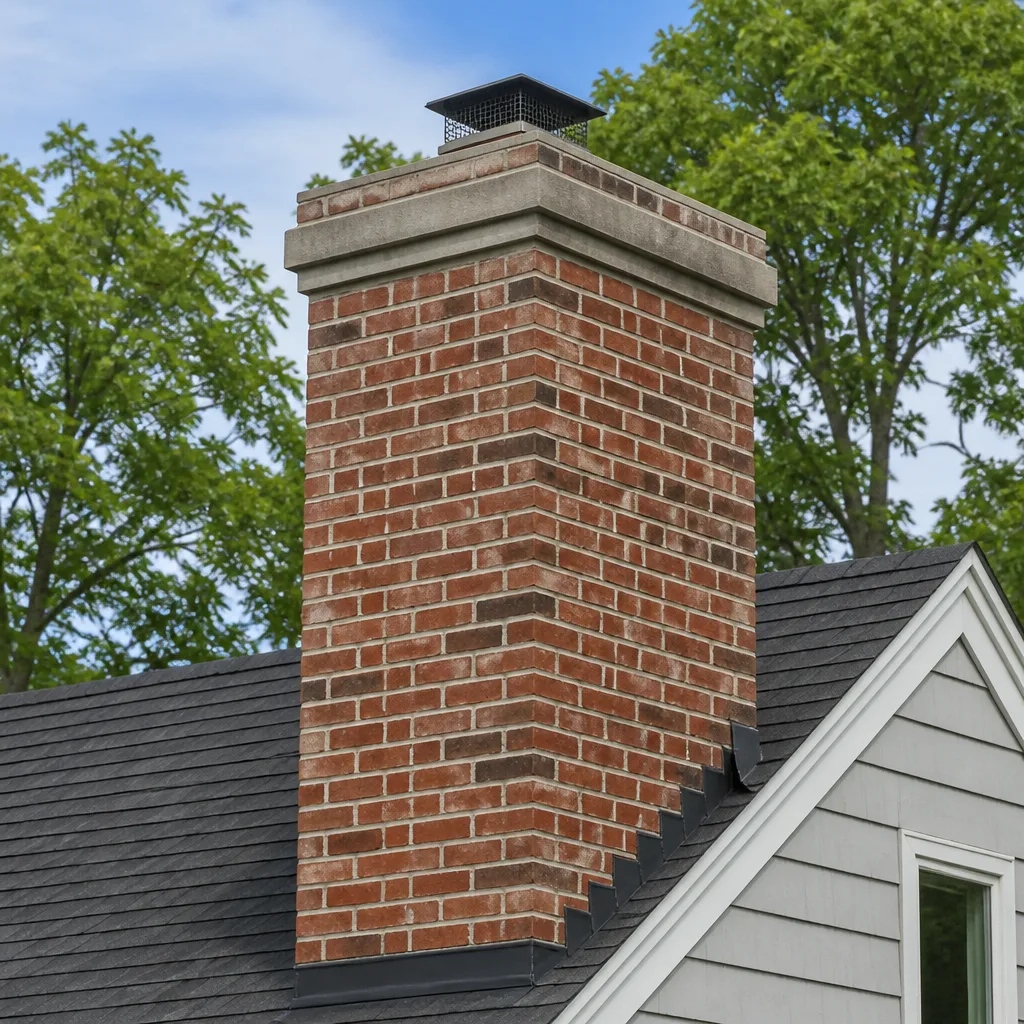
Caps & crowns
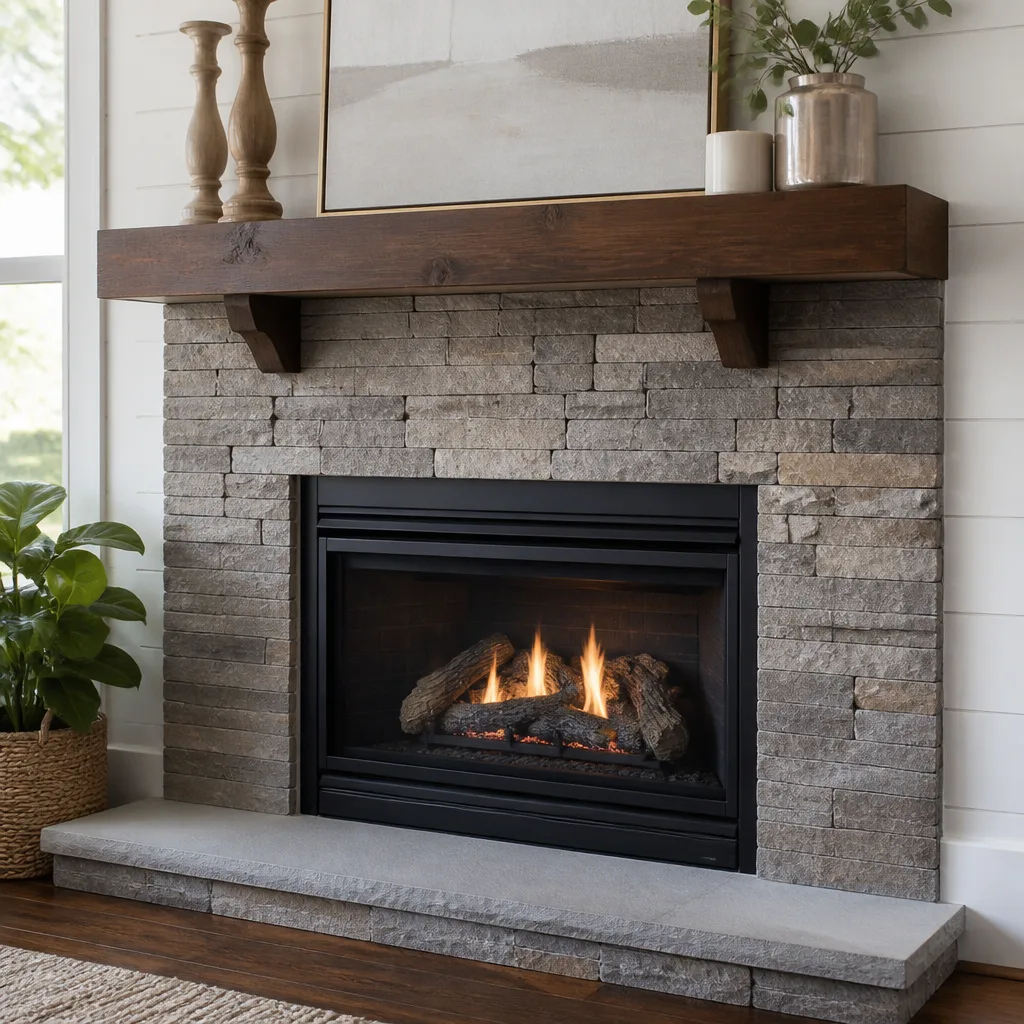
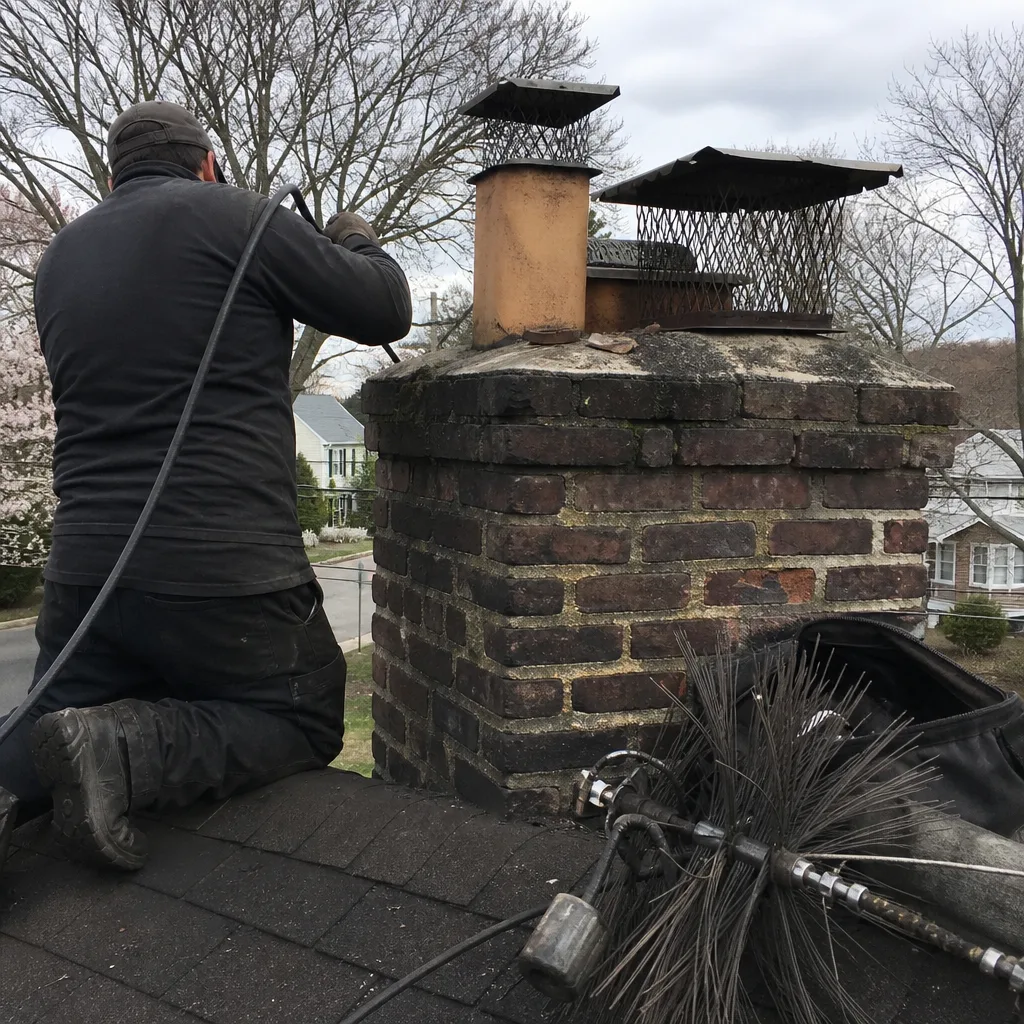 Before
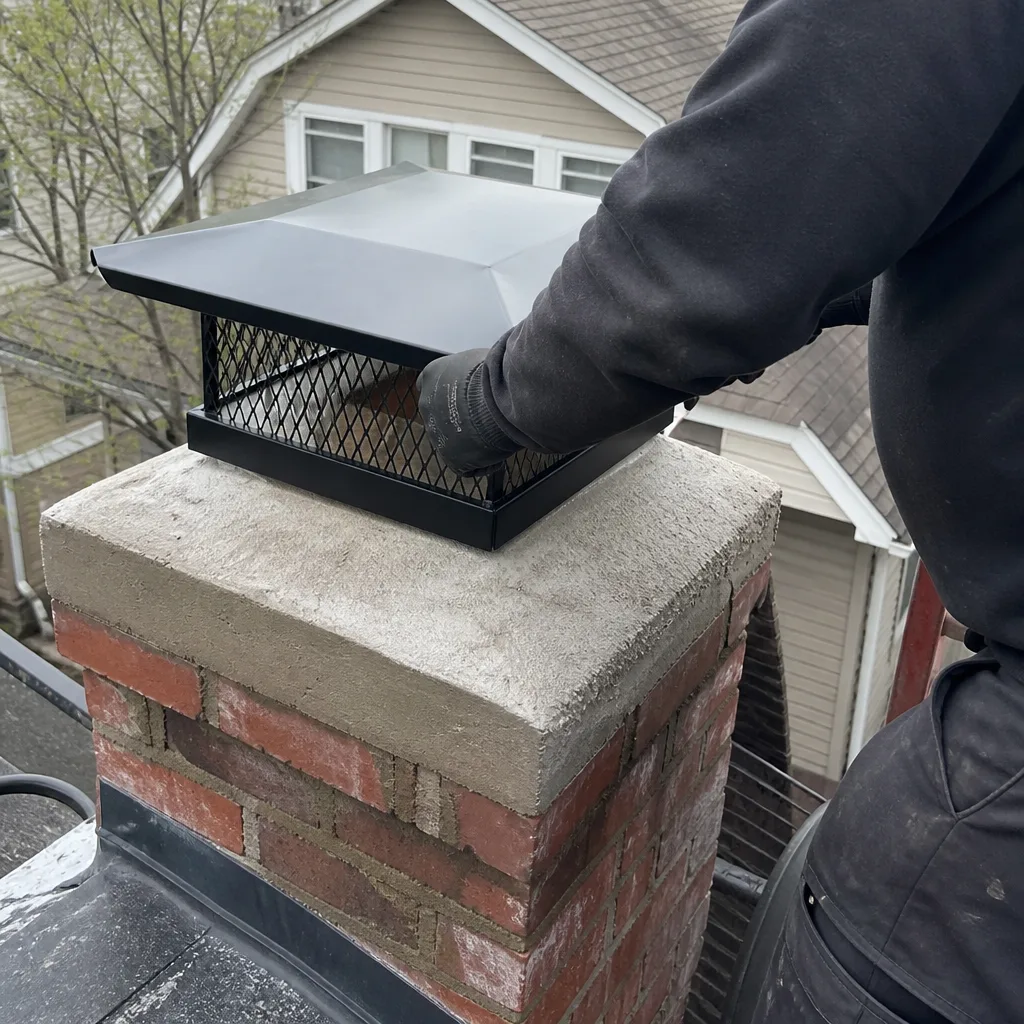 After
After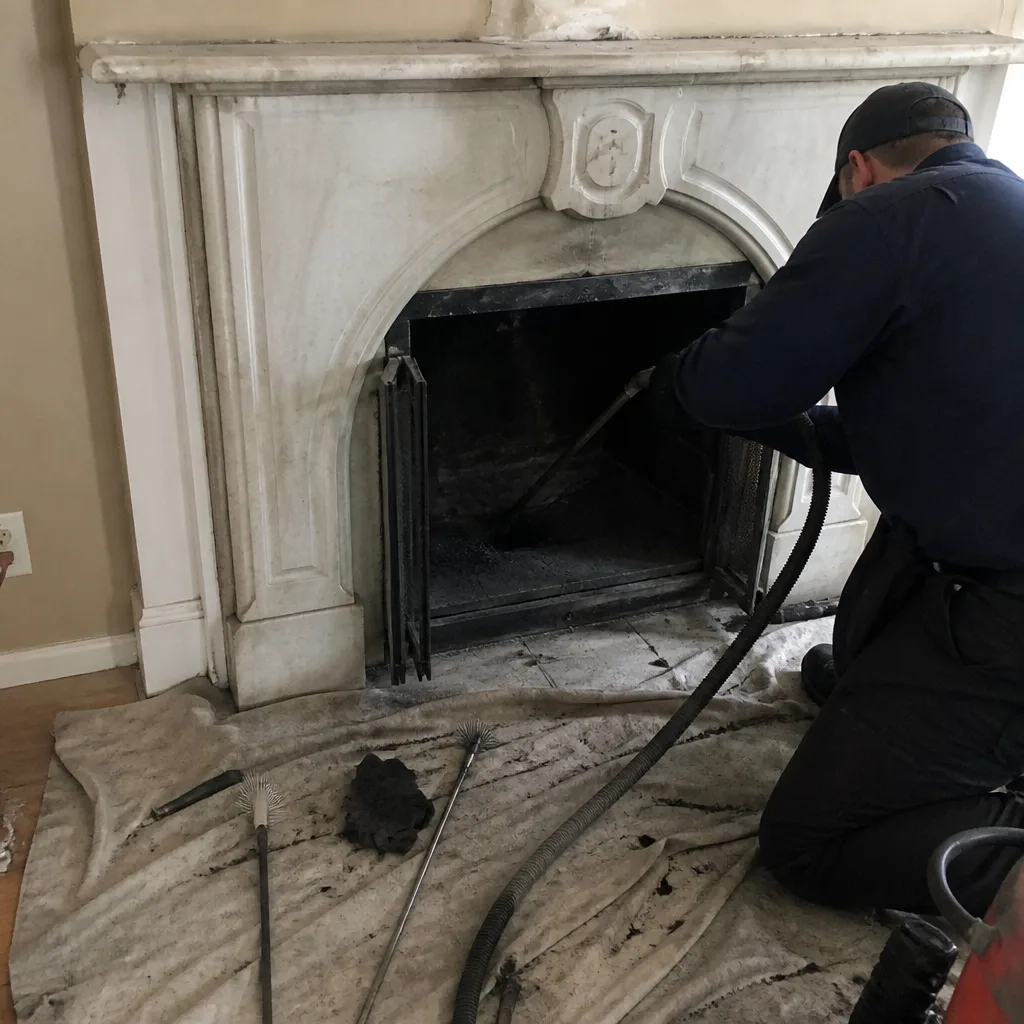 Before
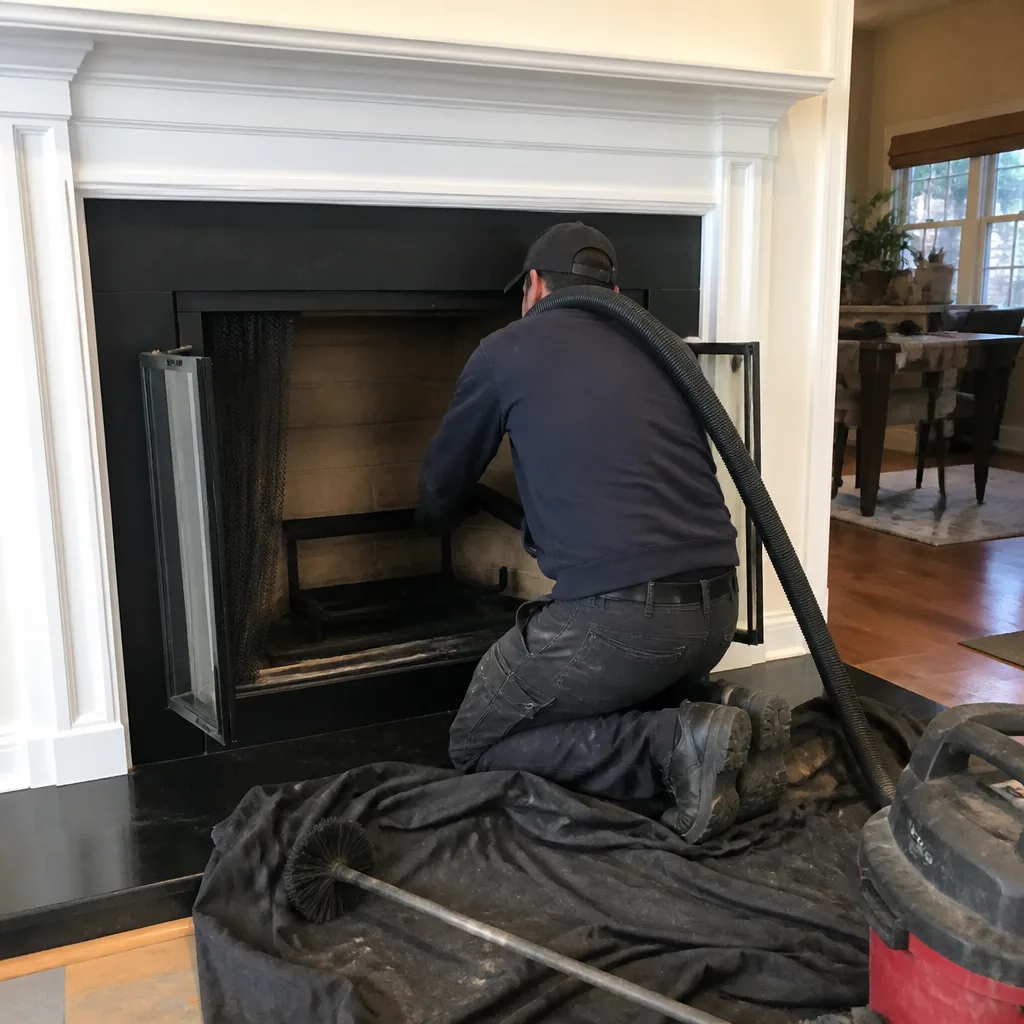 After
After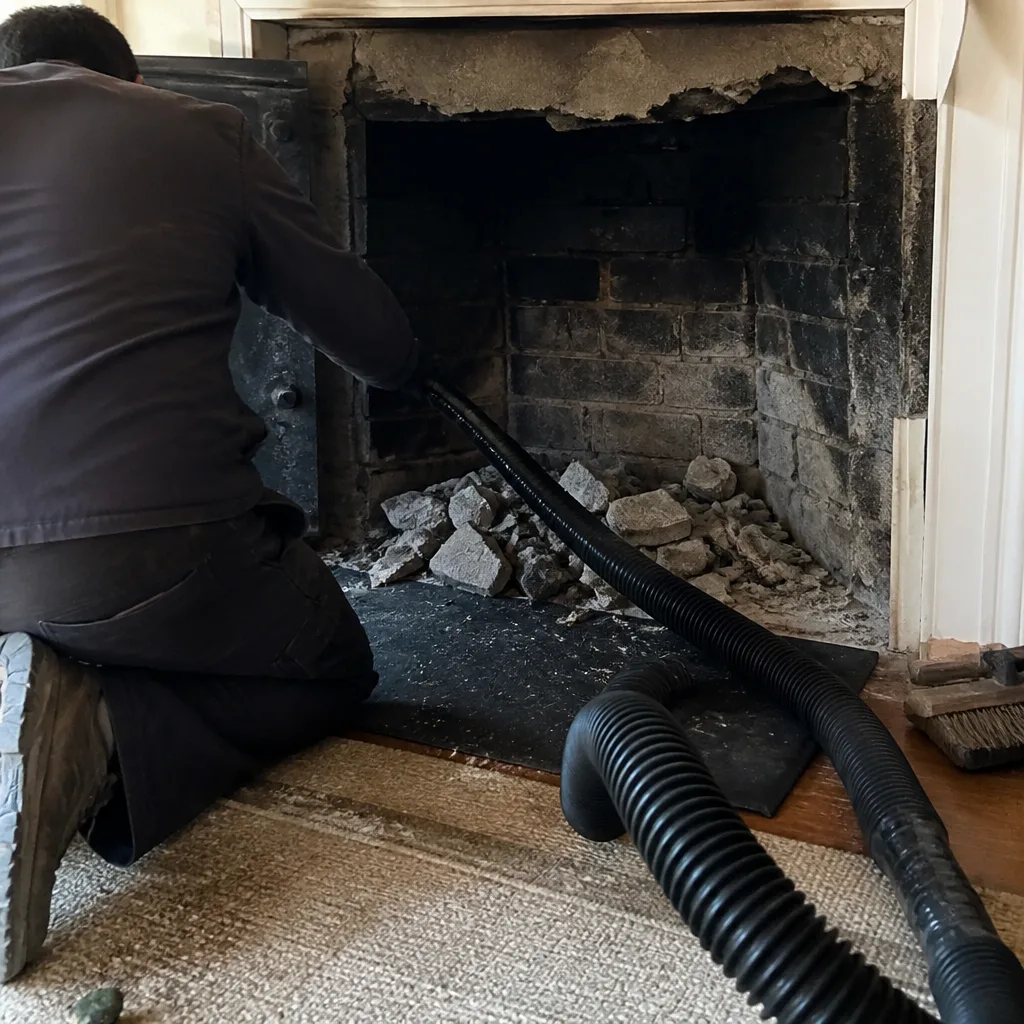 Before
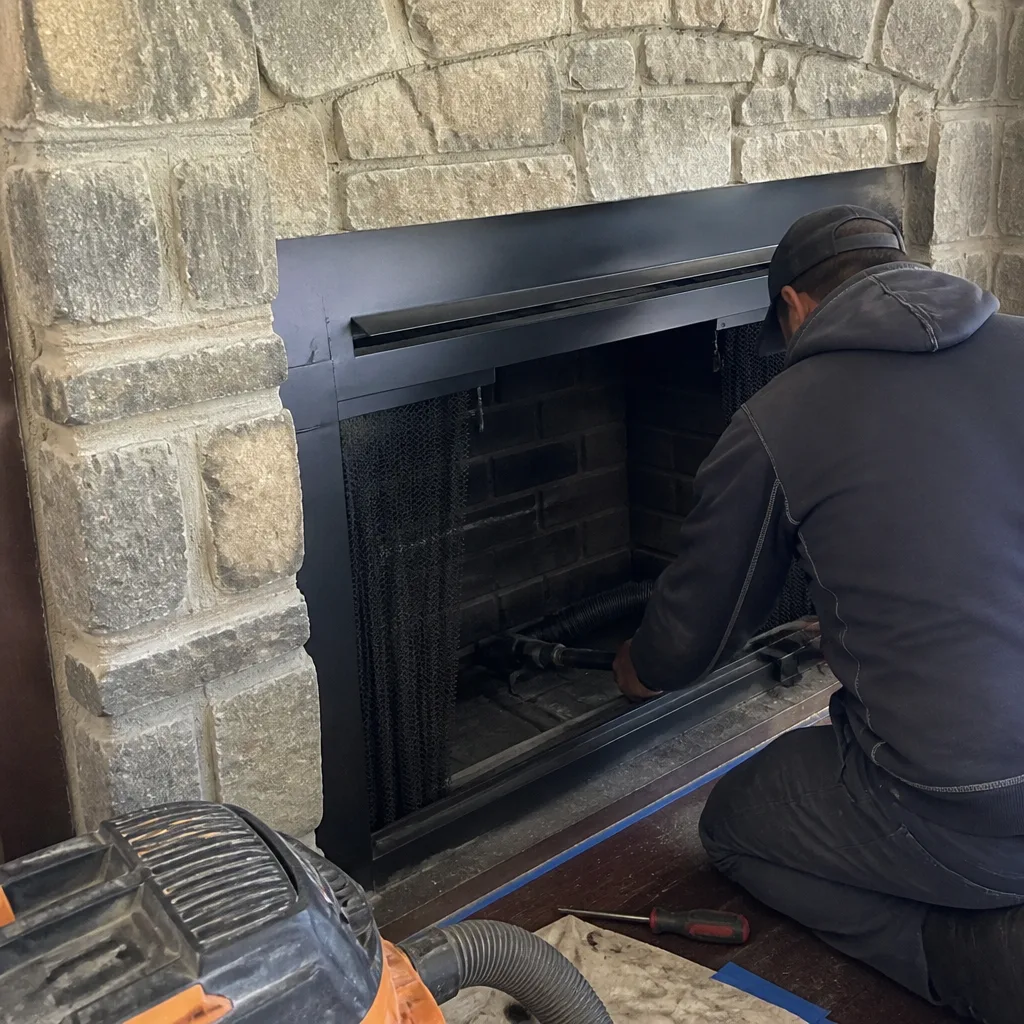 After
AfterSeasonal Chimney Cleaning Care for Manhattan: Year-Round Homeowner’s Guide
Most chimney guides tell you to book a sweep in early fall, right before burning season. In Manhattan, that advice is backwards. An October sweep puts you in line behind every co-op board, condo association, and brownstone owner in the borough, and it means a liner crack that formed during January’s freeze-thaw cycle has sat open through six months of rain before anyone looks at it. This guide lays out the real Manhattan chimney calendar: what to do each month, why spring is the inspection window that matters most, and how to time your documentation so your insurer or co-op board never has to chase you for it.
Quick Answer
In Manhattan, schedule your chimney sweep in late summer (August through mid-September) so the flue is documented clean before burning season, then book a Level 2 camera inspection in spring (April or May) to catch freeze-thaw liner damage and nesting blockages while they’re still cheap to repair. A standard sweep in Manhattan runs $189 to $349 (see our Chimney Cleaning Cost Breakdown: The Manhattan Homeowner’s Reference for 2026), and a Level 2 camera inspection with a written photo report adds $149 to $250. Both are flat, written prices before any work starts.
Table of Contents
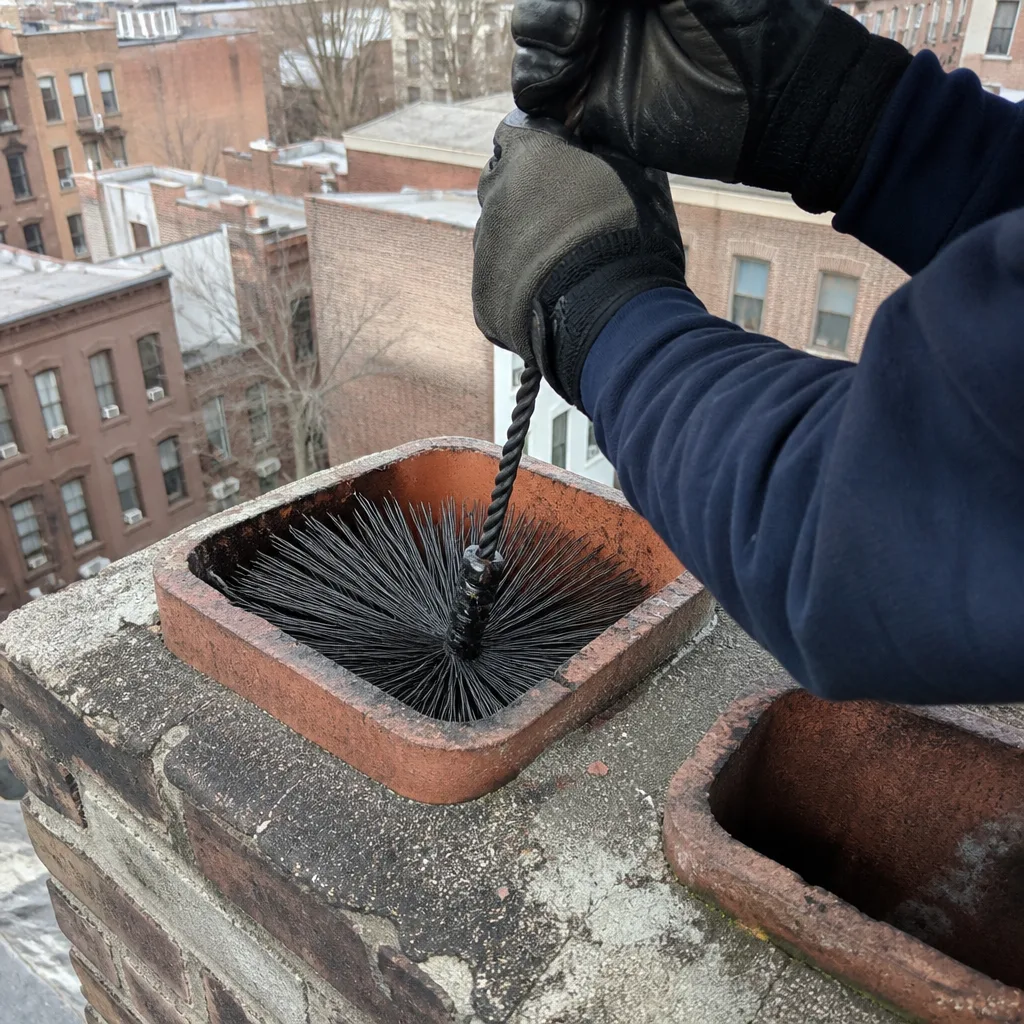
- The Manhattan Chimney Calendar, Month by Month
- Why Spring Is the Critical Inspection Window in Manhattan
- Late Summer Prep: Gas Logs vs. Wood-Burning Fireplaces
- How Manhattan’s Air Quality Accelerates Creosote Formation
- The Documentation Sequence: What Your Insurer and Co-op Board Actually Need
- What Does a Chimney Sweep Cost in Manhattan?
- What Actually Happens If You Skip a Year
- Common Mistakes to Avoid
- When to Call a Professional
- Frequently Asked Questions
- The Bottom Line
BeforeAfterThe Manhattan Chimney Calendar, Month by Month
Manhattan’s chimney work follows the building access calendar of the borough, not the four seasons. Co-op boards approve contractor work in scheduled windows, supers are easier to pin down in slow months, and roof access gets complicated once winter ice sets in. Here’s what we tell homeowners to do, month by month.
January and February: Burn and Watch
This is peak burning season. If you have a wood-burning fireplace, you’re using it. If you have gas logs, they’re running on a thermostat or timer. Two things matter in these months. First, watch for signs that creosote is building faster than expected: slower draft, a fireplace that’s harder to light, smoke that drifts into the room when the door opens. Second, know that the real damage happening right now is invisible. Water gets into any small crack in the crown or masonry, freezes overnight, and expands. Every freeze-thaw cycle in January and February widens those cracks a little more. By March, what started as a hairline gap can be a structural problem.
March: The Thaw Reveals Everything
March is when Manhattan buildings start showing what winter did to them. Spalling brick faces, crumbling crown mortar, and rust stains on the flue are all visible now. This is the month to walk up to your roof access (or have your super do it) and take photos of the chimney exterior. We’ve seen March inspections catch a shifted crown that would have poured water into the smoke chamber all spring.
April and May: The Inspection Window That Matters
April and May are when you want a Level 2 camera inspection, not a quick visual look. The flue is empty, the nesting season is fresh, and any winter damage is still recent enough to document clearly. A camera scan in April gives you a photo record of exactly what the flue liner looks like after one full heating season. That record is what your insurer wants, and it’s the baseline you compare against next year. More on this below.
June: Repair Season Under the Radar
June is the month for repairs. Roofers are booked, but chimney masons and liner installers still have open schedules before fall demand starts. If your April inspection found a spalled crown or a cracked flue liner, June is when you fix it. You’ll pay less than you would in October, and the work cures in warm, dry weather. A June repair also means no interruption to next winter’s burning.
July: Roof Access Is Easiest
July in Manhattan is hot, but it’s the easiest month to get roof access for any chimney work. Supers have fewer emergencies, co-op boards are in recess, and the roof is clear of snow, ice, and holiday decorations. If you need a cap replaced, a crown sealed, or a cricket rebuilt, July is the month to book it. The materials cure properly, and the work is done before August humidity peaks.
August and September: The Sweep Window
In Manhattan, August and early September are when you want your chimney swept. Here’s why: you want the flue documented clean before burning season, and you want the technician on the roof before every other building in the borough schedules the same thing. By October, the good chimney companies in Manhattan are booked two to three weeks out. A sweep in August means the creosote from last winter is removed, the flue is photographed clean, and your documentation is already filed when your insurer asks for it.
October through December: Burning Season Begins
If you followed the calendar, you’re burning with a clean flue and current documentation. If you didn’t, October is the worst month to try to schedule anything. You can still get a sweep, but you’ll wait longer, and you’ll pay the high-season price. More important: if your flue has a problem you don’t know about, you’re finding out in the middle of burning season, when a repair means shutting down the fireplace you just started using.
Why Spring Is the Critical Inspection Window in Manhattan
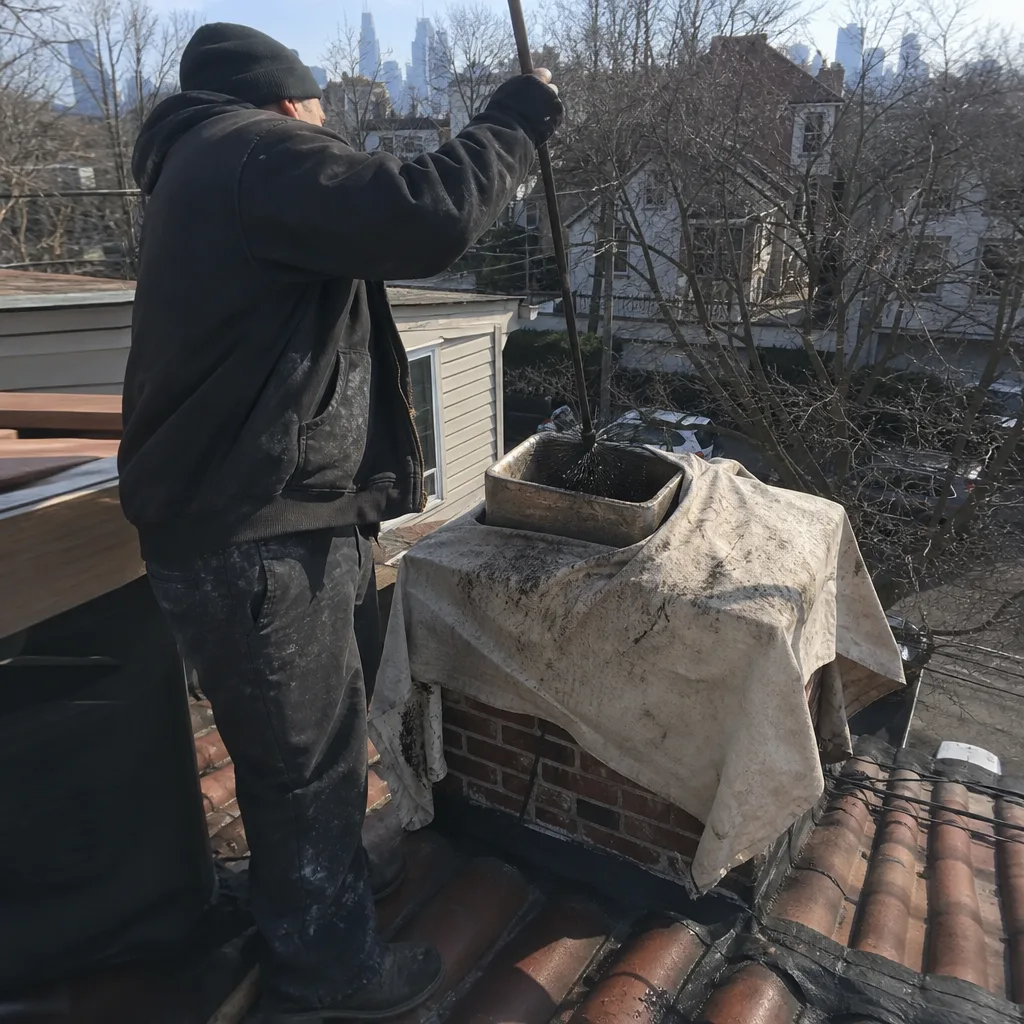
Most homeowners think of fall as chimney season. In our experience across Manhattan, spring is when the important decisions get made. A spring inspection catches three things that a fall sweep never sees.
First, freeze-thaw liner damage. Manhattan winters push water into every small crack, and the cycle of freezing and thawing expands those cracks over five months. By spring, a liner that was intact in November may show delamination, cracking, or open joints. A camera scan in April documents that damage while it’s fresh. Wait until October, and the damage has been sitting in a damp flue for six more months, and the fix is more expensive.
Second, nesting season blockages. Birds, squirrels, and raccoons build nests in Manhattan chimneys every spring. A nest can block the flue entirely, which sends carbon monoxide back into the living space. A spring inspection removes nests before they dry out and become a fire hazard. By fall, a spring nest is a hardened mass of twigs and droppings that’s harder to remove and may have already caused a backdraft event.
Third, the documentation gap. Your homeowner’s insurer and your co-op board both want a current chimney inspection on file. If your last inspection was in October, it’s now seven months old. If your last inspection was in April, it’s current. Spring documentation means you’re never scrambling to get an inspection before a filing deadline or a policy renewal.
A spring Level 2 inspection in Manhattan costs $149 to $250 as an add-on to a sweep, or $289 to $399 as a standalone service. We write the scope and price before any work starts, and you walk away with a camera record of the flue liner and a written photo report.
Late Summer Prep: Gas Logs vs. Wood-Burning Fireplaces
What your chimney needs in July and August depends on how you used it last winter. A fireplace that ran gas logs all season has different problems than one that burned wood.
If You Burned Wood Last Winter
- Book a sweep in August. Wood burning produces creosote, and it’s sitting in your flue right now. A sweep removes it before it absorbs summer humidity and becomes sticky, acidic, and harder to remove.
- Check the cap and crown. Wood-burning fireplaces run hotter than gas, and heat accelerates crown cracking. A quick visual check in August catches a cracked crown before fall rain gets into it.
- Have the damper lubricated. Wood heat can warp a damper plate. A technician can adjust or replace it in August so it seals properly during burning season.
- Order firewood in August. Seasoned hardwood is cheaper and more available in late summer. By October, delivery trucks in Manhattan are booked and prices tick up.
If You Ran Gas Logs Last Winter
- Check the flue for corrosion, not creosote. Gas combustion produces acidic water vapor that corrodes flue liners over time. A camera inspection in August shows whether your liner needs sealing or replacement before another winter of gas exhaust.
- Verify the gas line and shutoff. A technician should check the gas valve, the log set, and the shutoff during the late-summer visit. This is also the time to install a carbon monoxide detector in the room if you don’t have one.
- Check the termination cap. Gas flues often have a smaller cap that can clog with bird nests or debris. A clogged cap forces exhaust back down the flue.
Both fuel types need a documented inspection before burning season. Gas logs don’t produce creosote, but they do produce acidic condensation, and that condensation is quietly corroding your flue liner every year. The late-summer prep step is where you find out.
How Manhattan’s Air Quality Accelerates Creosote Formation
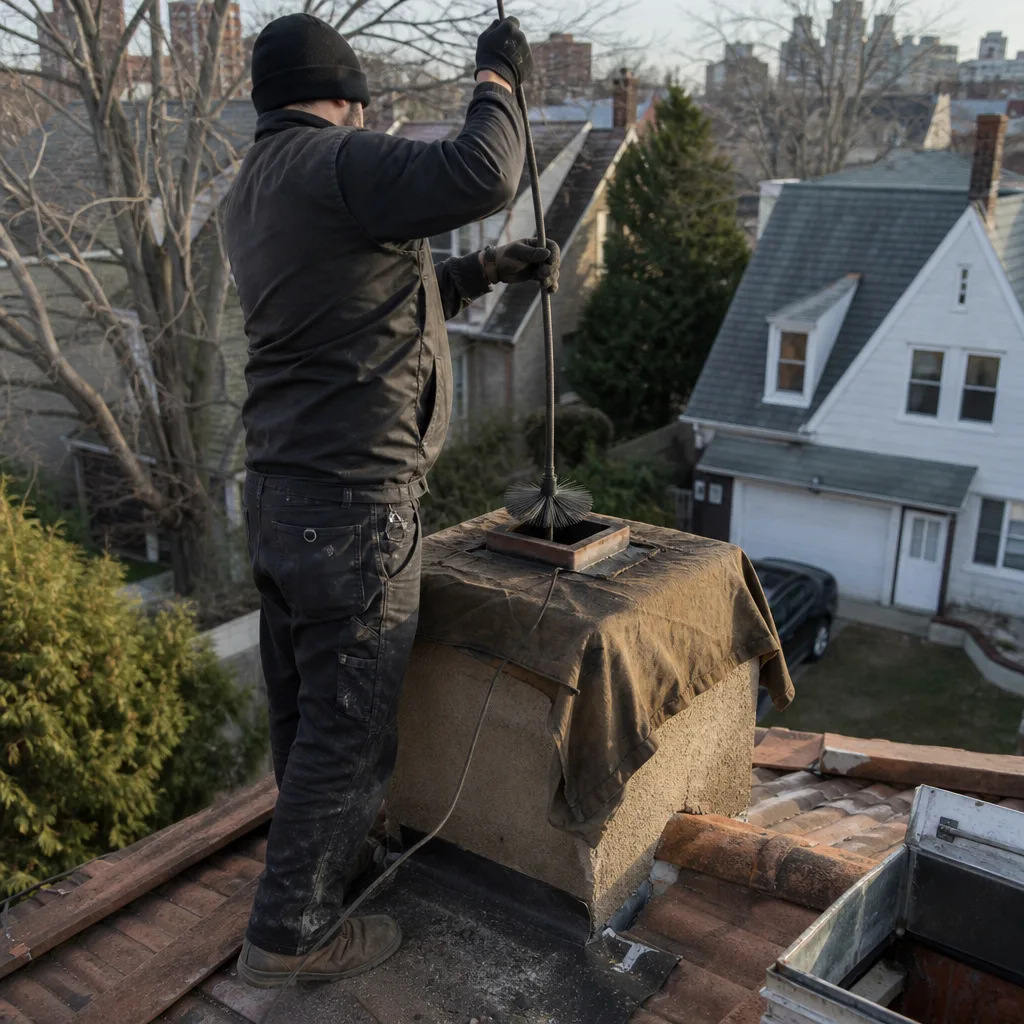
Manhattan’s air is different from suburban or rural air, and that difference shows up inside your chimney. The borough’s ambient air carries more particulate matter: diesel exhaust, construction dust, boiler emissions from neighboring buildings, and the general soot load of eight million people in a dense urban core. When that air gets drawn into a wood-burning fireplace, the combustion byproducts mix with the existing particulates and deposit on the flue walls faster than they would in a cleaner-air environment.
We see this in the creosote we remove from Manhattan flues compared to flues in Westchester or Long Island. The creosote is denser, more heavily mixed with non-wood particulates, and it forms a harder, more glazed Class III creosote at lower burn temperatures. That means a Manhattan homeowner who burns the same amount of wood as a suburban homeowner will often need a sweep sooner, because the creosote reaches a hazardous thickness faster.
The practical takeaway: if you burn wood in Manhattan, don’t assume the standard “once a year” rule is enough. Many Manhattan wood burners need a mid-season sweep as well, especially if the fireplace is used more than three times a week from November through March. A camera inspection will tell you exactly how much creosote has accumulated and whether a mid-season sweep is warranted. We’ve pulled Class III creosote out of a Manhattan flue in January that had been swept the previous August, simply because the fireplace ran nightly in a building with heavy street-level diesel exposure.
Materials matter here too. Flue liners from manufacturers like DuraFlex and Copperfield are designed to resist the acidic creosote that urban environments produce, and a well-installed liner can make a meaningful difference in how fast creosote adheres. When we recommend a liner replacement, we specify the material and the manufacturer in writing, so you know exactly what you’re paying for.
The Documentation Sequence: What Your Insurer and Co-op Board Actually Need
Every chimney service generates paperwork. The question is which paperwork matters to whom, and when you need to produce it. Here’s the sequence as it plays out in Manhattan.
What a Clean Sweep Generates
A standard sweep produces a one-page receipt with the date, the address, and a note that the flue was cleaned. That’s not enough for an insurer or a co-op board. It tells them you had the work done, but it doesn’t tell them the flue was inspected, documented, or found sound.
What a Level 2 Inspection Generates
A Level 2 inspection, which is what Clause 4 of the Haven Standard requires on every job (see Chimney Cleaning Permits, Codes & Inspections in NY: What You Need to Know), generates a written report with camera stills or video, a description of the flue liner condition, and a recommendation for any repairs. That’s the document that matters. An insurer looking at a chimney fire claim wants to see a recent Level 2 report. A co-op board reviewing your unit before a sale or refinance wants the same. A homeowner who plans to sell in the next three years should keep a current Level 2 report on file at all times.
How to Time It to Filing Deadlines
Most co-op boards in Manhattan require an annual or biennial fireplace and chimney inspection for units with working fireplaces. The filing deadline is usually in the fall, before burning season. Most homeowner’s insurance policies require a chimney inspection after any significant weather event or before a claim is paid. Here’s the sequence that keeps you ahead of both:
- Sweep and Level 2 inspection in August or early September. This generates the current, documented record that your co-op board will ask for in October.
- File the report with your co-op board the same month. Don’t wait for them to request it. Send it to the managing agent as soon as you have it.
- Keep a copy with your homeowner’s insurance paperwork. If a claim ever happens, you have the document in hand.
- Repeat every year. A gap of even one year creates a documentation hole that both your insurer and your co-op board will notice.
We’ve seen co-op boards reject a sale because the seller’s last chimney inspection was three years old. We’ve seen insurers deny a claim because the homeowner couldn’t produce any post-purchase inspection at all. The documentation is the asset. The sweep is just how you get it.
What Does a Chimney Sweep Cost in Manhattan?
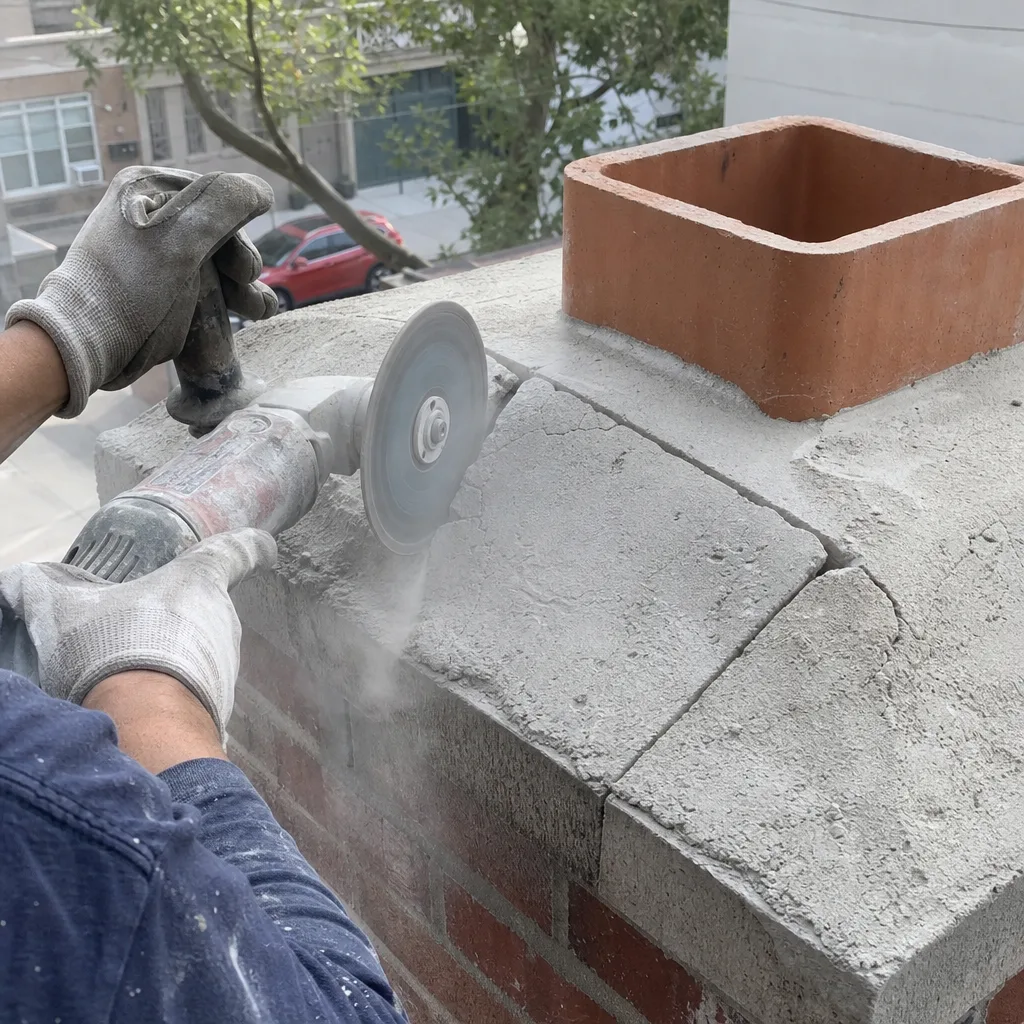
Pricing in Manhattan runs higher than the national average because roof access is more complicated, contractor insurance requirements are stricter, and building access coordination takes time. Here’s what we charge, in writing, before any work starts. This is not a “call for a quote” situation: the price is on the page.
| Service | Price Range | What’s Included |
|---|---|---|
| Standard chimney sweep | $189 – $249 | Flue cleaning, damper check, basic visual inspection, written receipt |
| Sweep with camera inspection (Level 2) | $338 – $449 | Everything in the standard sweep, plus camera scan of flue liner, written photo report, repair recommendation |
| Standalone Level 2 inspection | $289 – $399 | Camera scan, written report with stills, no cleaning |
| Chimney cap replacement | $275 – $525 | Cap, installation, sealant, photo documentation |
| Crown resealing | $425 – $750 | Crown surface prep, sealant, photo documentation |
| Flue liner installation | $2,800 – $6,500 | Depends on liner material, flue height, access difficulty |
These are Manhattan market prices as of early 2026. The range accounts for roof access difficulty, building height, and whether the flue is a straight shot or has offsets. We write the exact scope and price before anyone steps on the roof. If a competitor gives you a written estimate lower than ours, we’ll give you a free second opinion on it: call (862) 319-8047 and bring us the quote.
For a deeper breakdown of sweep pricing, see our Chimney Cleaning & Sweep in Manhattan page.
What Actually Happens If You Skip a Year
Skipping a year of chimney maintenance doesn’t feel like anything. No alarm goes off. The fireplace still works. The gas logs still light. The house still stands. That’s the problem. The damage from skipping a year is quiet, and it compounds.
Here’s what a missed year actually costs you in Manhattan.
First, the creosote. If you burn wood, creosote builds up every season. Skip one sweep, and you have two seasons of accumulation. For many Manhattan wood burners, that’s the difference between Class II creosote, which a standard sweep removes, and Class III creosote, which is tar-like, hardened, and often requires chemical treatment or mechanical removal. The sweep you skipped at $215 now costs $400 or more, and the flue has degraded under the acidic creosote for a full extra year.
Second, the documentation gap. Your co-op board and insurer both expect a current inspection. Skip a year, and your file shows a gap. That gap becomes a problem at the worst possible moment: when you’re trying to sell, refinance, or file a claim. A gap in chimney documentation is exactly the kind of thing that delays a closing or gives an insurer a reason to deny a claim.
Third, the water damage. A cracked crown or a failing cap lets water into the masonry all year, not just during burning season. The freeze-thaw cycles of a Manhattan winter accelerate that damage. Skip the inspection that would have caught the crown crack, and you find out about it when the ceiling in the room below the chimney starts staining. By then, the repair is masonry work, not just a crown reseal.
Fourth, the carbon monoxide risk. A blocked flue doesn’t announce itself. A bird nest, a collapsed liner section, or a creosote plug can all send carbon monoxide back into the living space. The first warning sign is sometimes a headache that won’t go away. A working carbon monoxide detector helps, but the detector tells you the air is already bad. The inspection prevents the air from getting bad in the first place.
Skipping a year of chimney maintenance in Manhattan is like skipping a year of roof maintenance in a coastal town. The exposure is constant, and the bill eventually arrives with interest.
Common Mistakes to Avoid
- Booking the sweep in October. In Manhattan, October is peak demand for every chimney company in the borough. You’ll wait longer and pay more, and any repair the sweep uncovers can’t be scheduled until after burning season has already started.
- Accepting a “flashlight inspection” as enough. A visual look down the flue from the roof tells you almost nothing about the liner condition. A camera scan is the only way to document what’s actually inside the flue. If your inspection didn’t produce photos, it wasn’t an inspection.
- Ignoring the gas logs because “gas doesn’t produce creosote.” True, but gas produces acidic condensation that corrodes liners over time. Gas fireplaces need camera inspections too, just for different reasons.
- Assuming the co-op board or super is handling it. In most Manhattan co-ops, the chimney and flue serving your unit are your responsibility, not the building’s. The board may require an inspection, but the maintenance is on you. Check your proprietary lease before assuming anyone else is maintaining the flue.
- Waiting to fix a cracked crown because “it’s not leaking yet.” A crown crack in June is a $500 reseal. A crown crack that sits through a Manhattan winter becomes spalling brick and water intrusion, which is a $2,000+ masonry repair. The difference is timing.
- Not keeping your inspection reports. A chimney inspection in a drawer is still an asset. A chimney inspection you can’t find when the insurer asks is worthless. Keep digital copies, and file them with your insurance paperwork.
- Hiring the cheapest sweep without asking what’s included. A $99 sweep special almost never includes a camera inspection, a written report, or roof access in Manhattan. Find out what’s in the price before you book, and ask for the price in writing.
When to Call a Professional
Some chimney work can be watched and waited on. Other situations need a trained technician now. Call a professional if you see any of these in your Manhattan home: smoke drifting into the room when the fireplace is lit, a smell that stays after the fire is out, water staining on the ceiling around the chimney, spalling brick on the exterior, a rusted or missing cap, or any sign that animals have nested in the flue. If your carbon monoxide detector reads anything above zero in the room with the fireplace, call a technician and stop using the fireplace until it’s inspected. A blocked flue is a genuine safety situation, and no camera record means no real diagnosis. Level Two Chimney Manhattan offers free estimates in Manhattan; call (862) 319-8047 and we’ll give you a written price before any work starts. For a broader look at what a repair might involve, see our Chimney Repair in Manhattan page.
Frequently Asked Questions
Once a year, in late summer, for most Manhattan homeowners who burn wood. If you burn more than three times a week during heating season, you may need a mid-season sweep as well, because Manhattan’s urban air accelerates creosote buildup. Gas logs don’t need sweeping, but they do need an annual camera inspection for liner corrosion. Call (862) 319-8047 for a written quote.
Only if the camera shows a crack, a gap, a delamination, or corrosion that has compromised the liner’s ability to contain heat and combustion gases. You should never accept a liner recommendation without camera evidence you can see with your own eyes. We show you the photos, and we write the scope and price before any liner work starts. For more on liners and repairs, see our Chimney Repair in Manhattan page.
A Level 2 inspection includes a camera scan of the entire flue liner, from the firebox to the termination cap, plus a written report with photos and repair recommendations. A standard sweep is a clean and a basic visual check. Clause 4 of the Haven Standard requires the camera scan and the photo report on every job, not just when something looks wrong.
Yes, but it’s not ideal in Manhattan. Roof access is harder with ice and snow, the flue may still be coated with creosote from active burning, and any repair found can’t be scheduled until spring without interrupting your burning season. The inspection is more useful in April or May, when the flue is empty and winter’s damage is visible.
Most Manhattan co-op boards require an annual or biennial chimney inspection for any unit with a working fireplace, with a written report on file with the managing agent. The deadline is usually in early fall, before burning season. The report they want is a Level 2 camera inspection with photos, not a sweep receipt. Send it to the agent as soon as you have it, and keep a copy for yourself. For fireplace-specific service details, see our Fireplace Services in Manhattan page.
Yes, for two reasons. First, even occasional wood burning produces creosote, and a few fires a year in Manhattan’s high-particulate air can build up faster than you expect. Second, the annual inspection is about more than creosote: it documents the liner condition, catches water intrusion, and keeps your insurance and co-op documentation current. The inspection is the asset. The sweep is part of it.
The Bottom Line
Manhattan’s chimney calendar runs on a simple inversion: prepare in late summer, inspect in spring, and avoid October entirely. Sweep in August or early September so your flue is documented clean before burning season, and your insurance and co-op paperwork is current before the fall filing rush. Inspect in April or May so winter’s freeze-thaw damage and spring’s nesting blockages are caught while they’re fresh and cheap to fix. Keep the documentation. Skip the gap years. And never accept a recommendation without camera evidence you can see yourself. For more guides & resources, visit our blog. If you’re in Manhattan and want a written price before any work starts, call (862) 319-8047.
For a full look at our Manhattan services, start with our Level Two Chimney Manhattan home page.
Written by Corrine Halstead, Owner at Level Two Chimney Manhattan, serving Manhattan since 2009.