
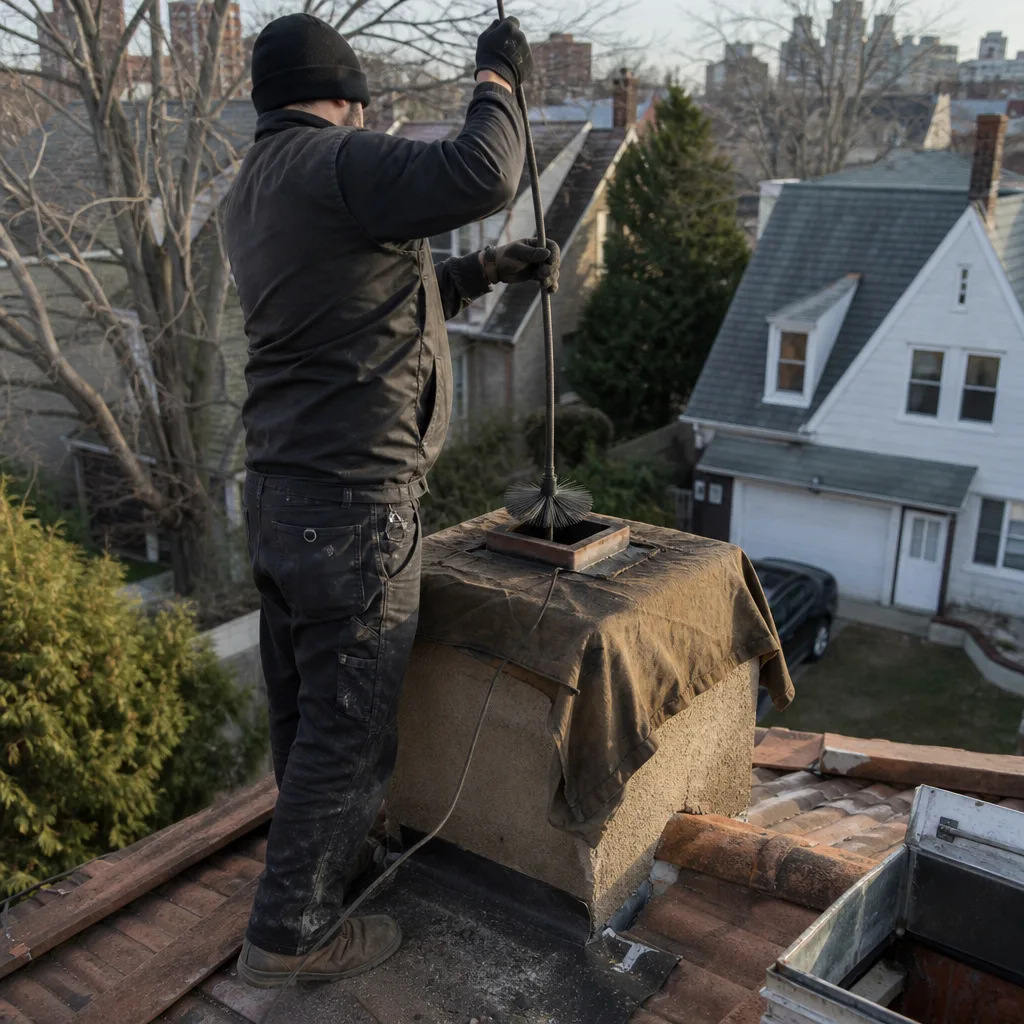
Level 1 sweep and inspection to the NFPA 211 annual standard - flue, crown, cap, and flashing checked and photographed
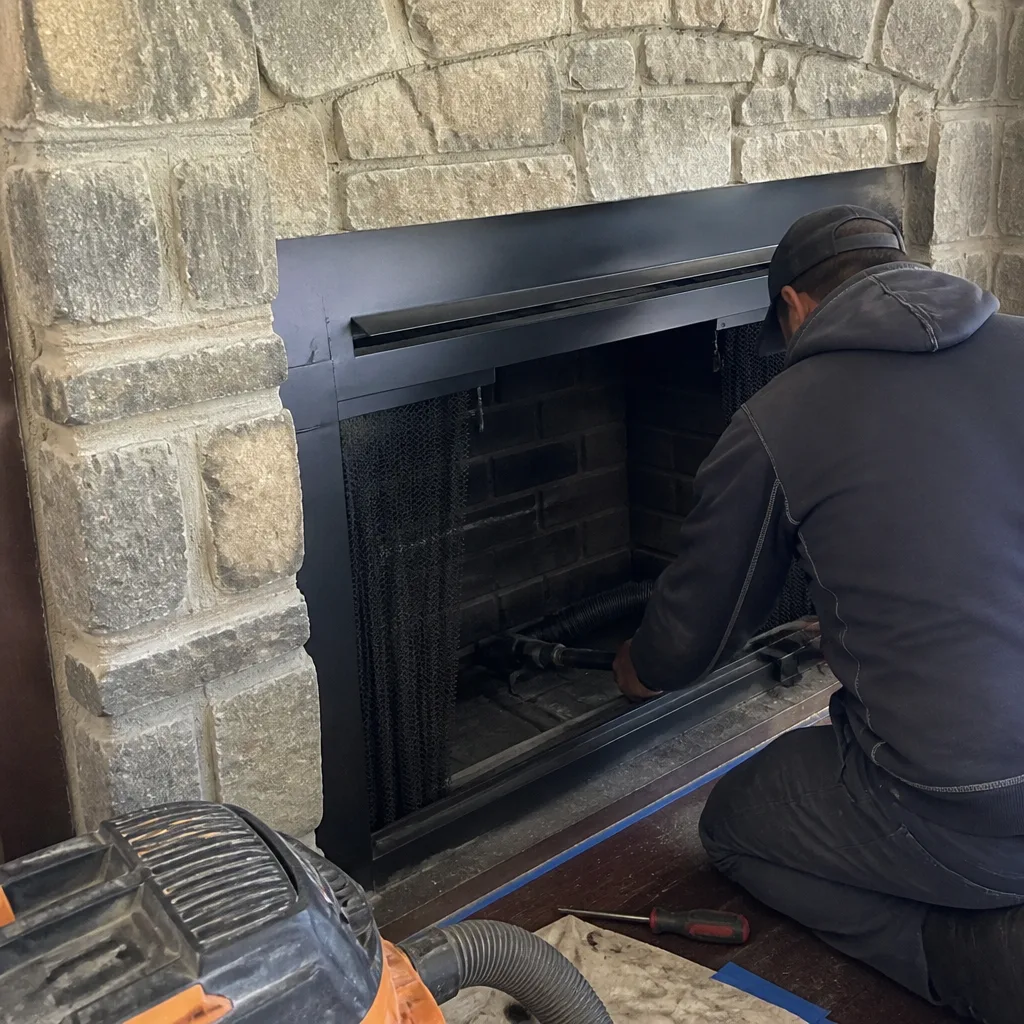
Chimney sweep logs do not sweep chimneys. They loosen some creosote - which then falls where a brush and vacuum still have to collect it.
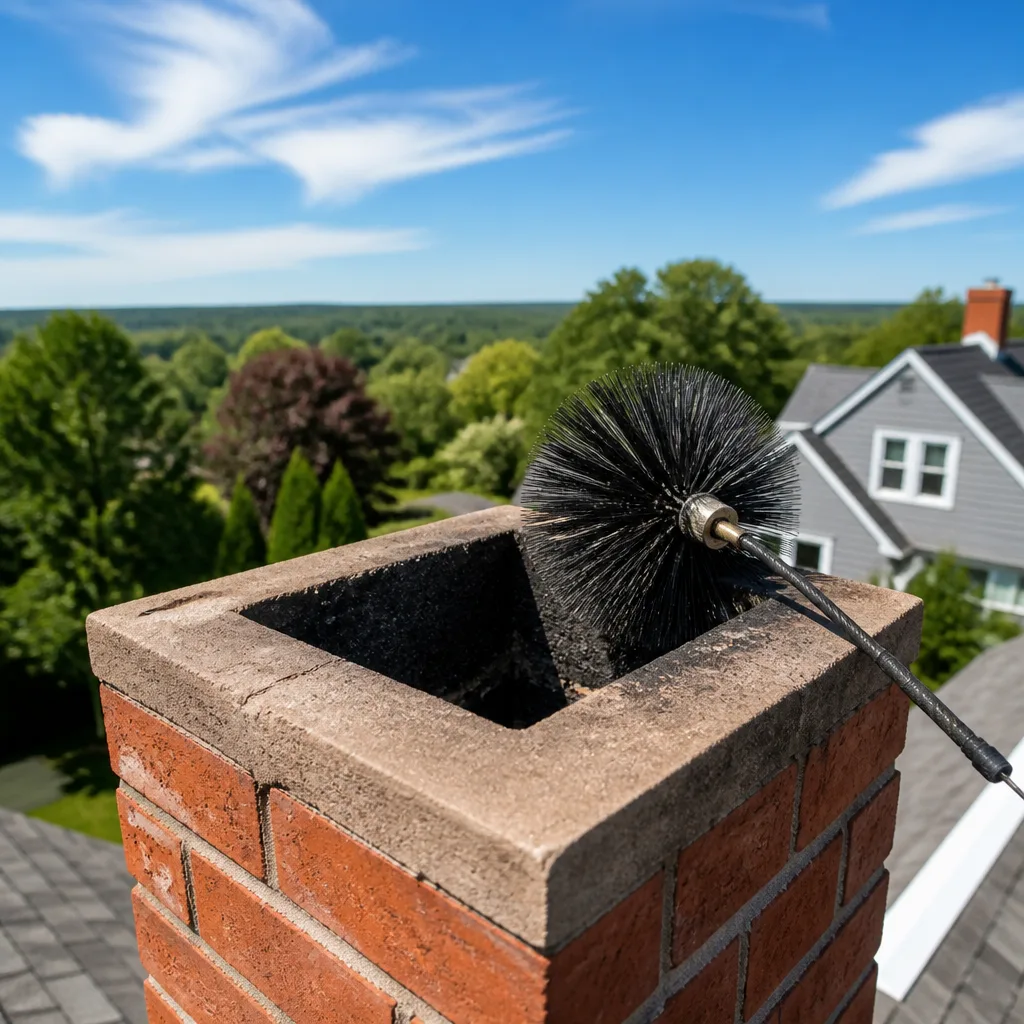
Caps & crowns
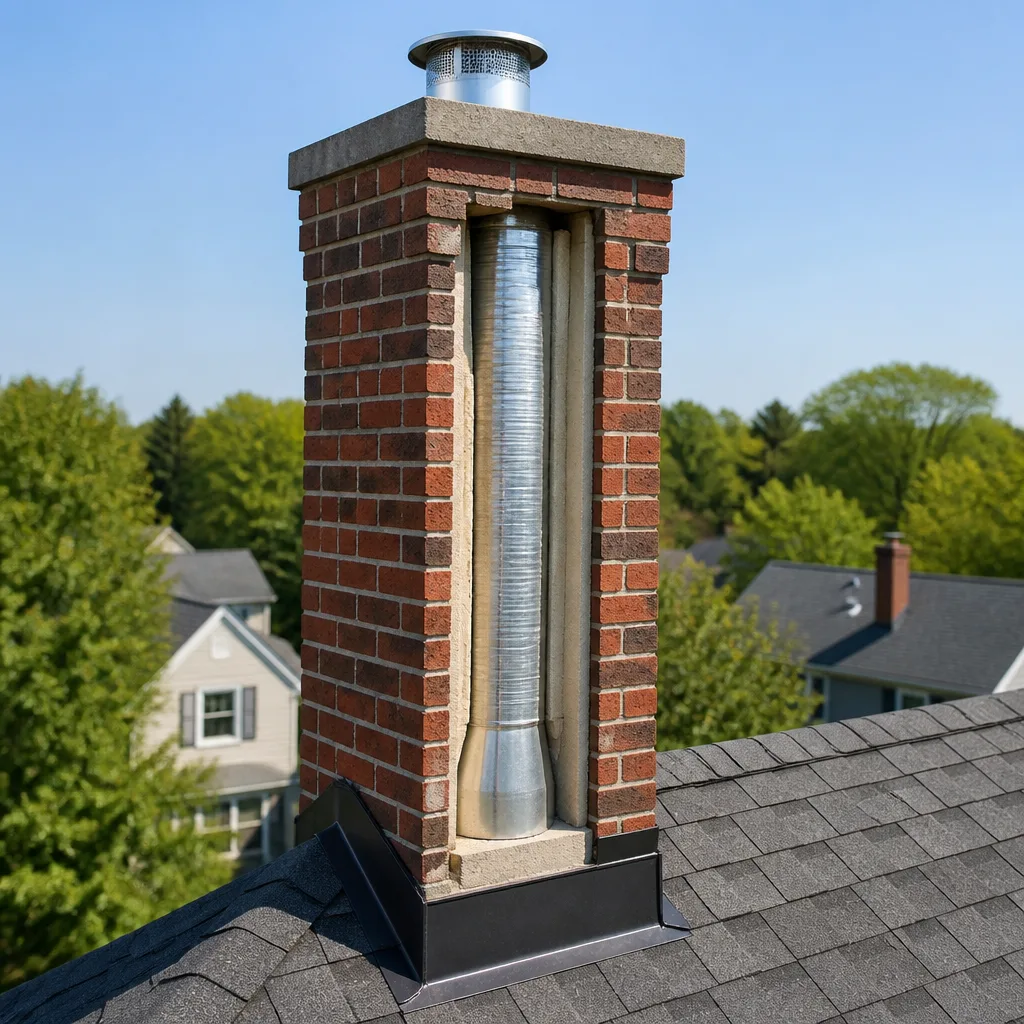
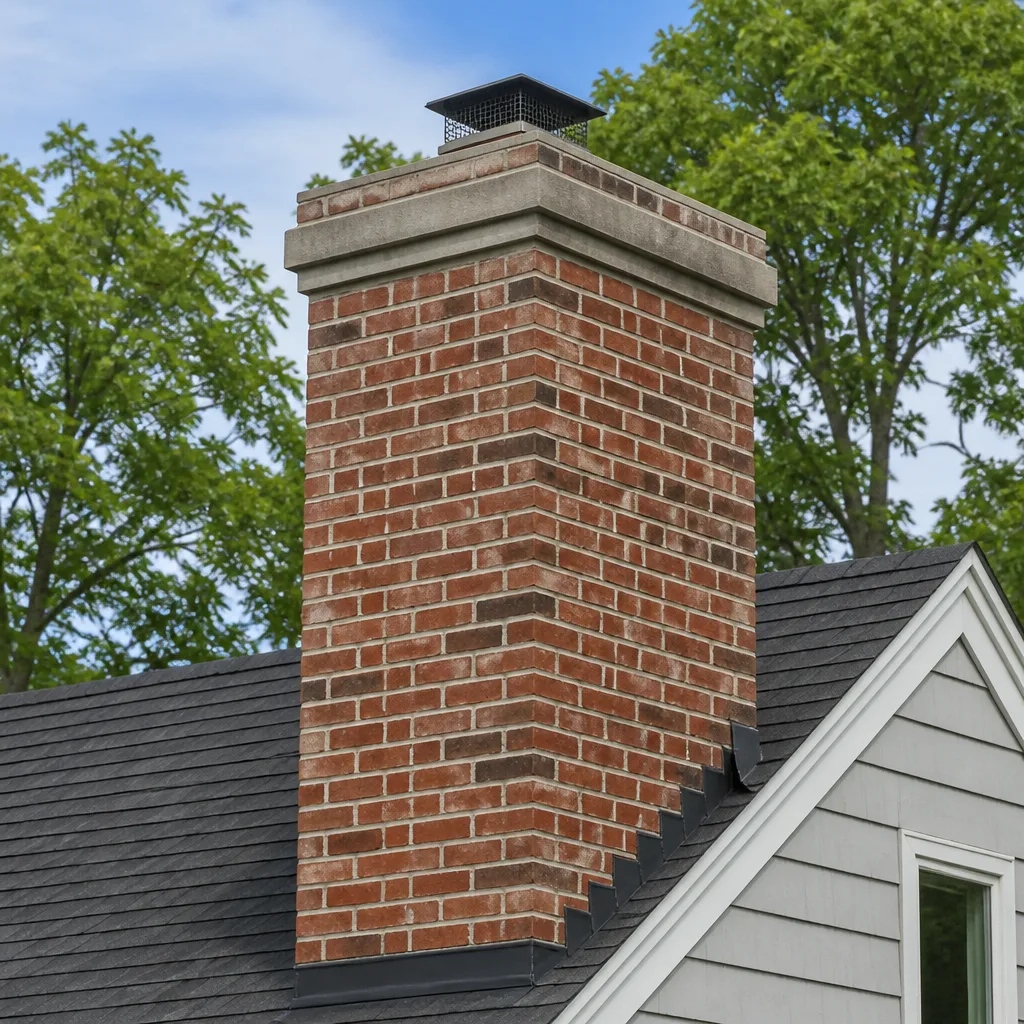
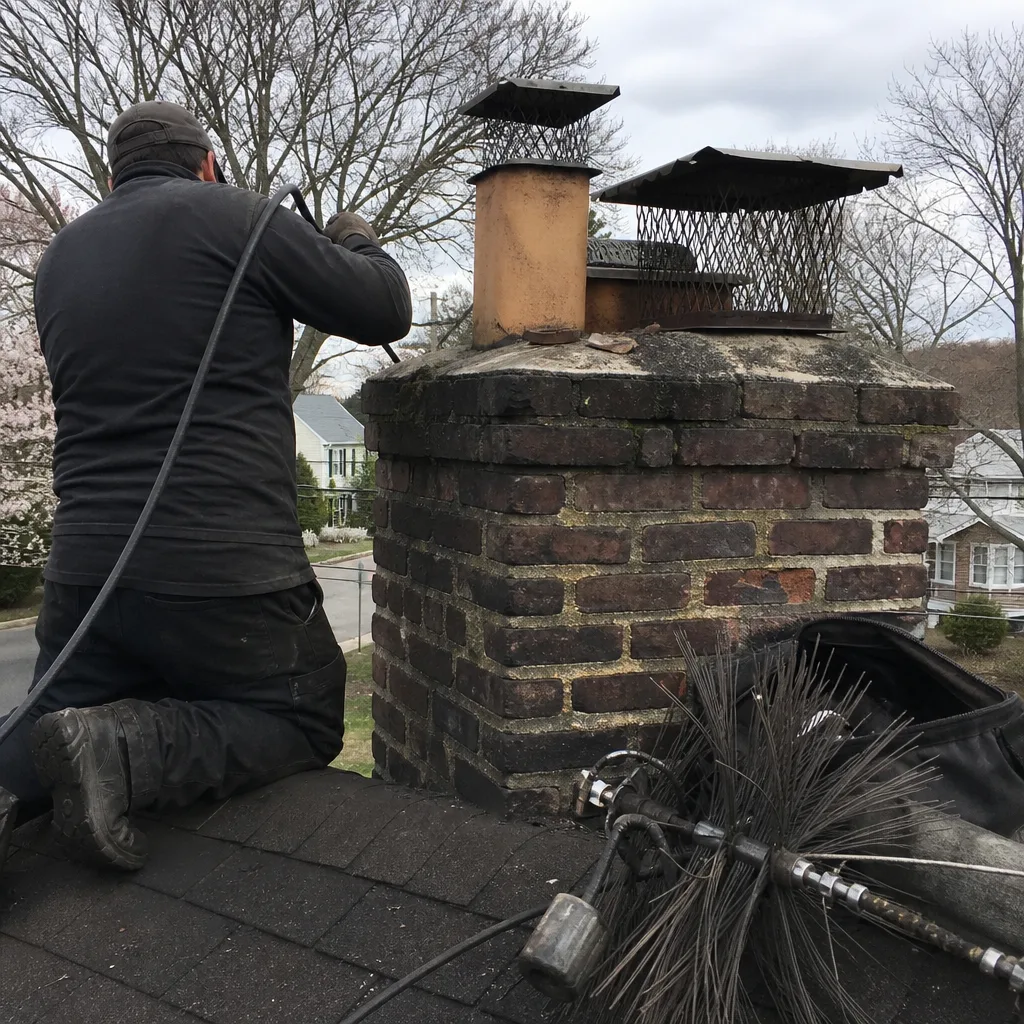 Before
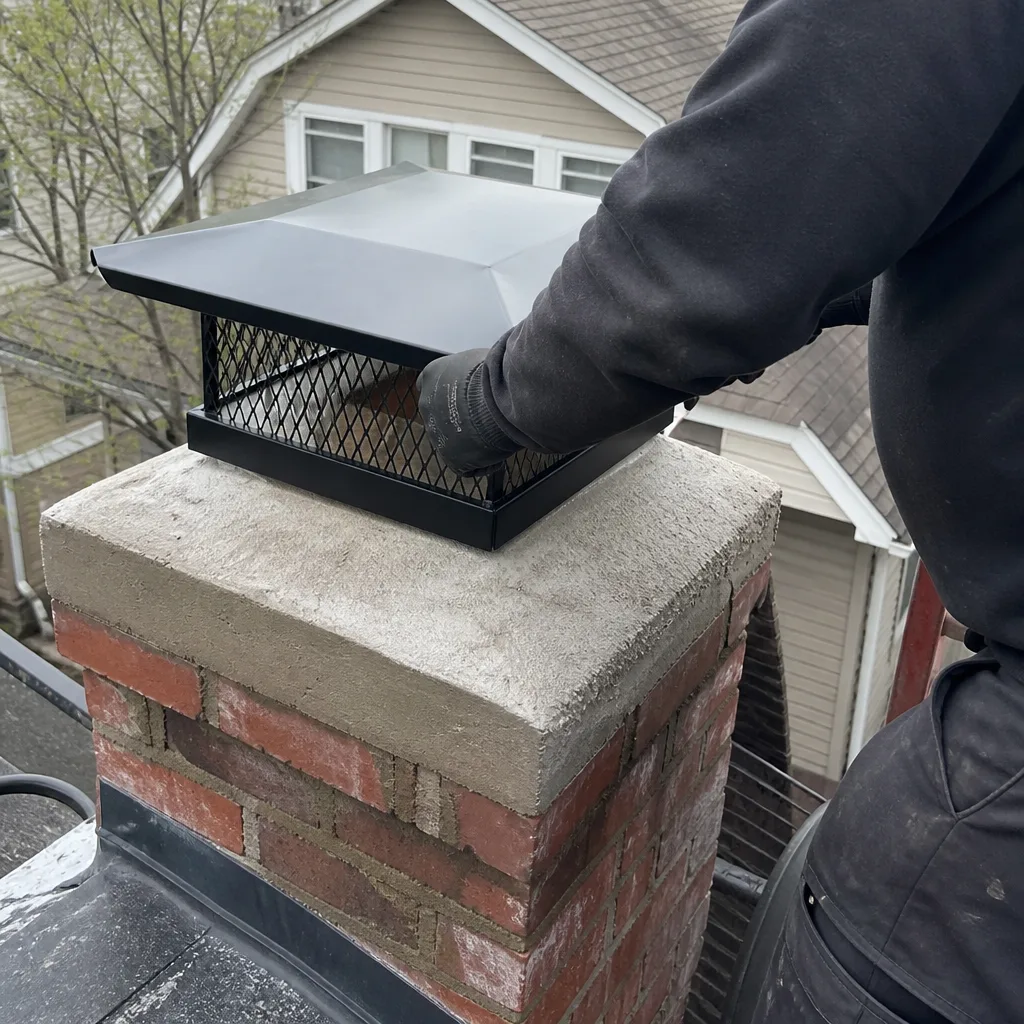 After
After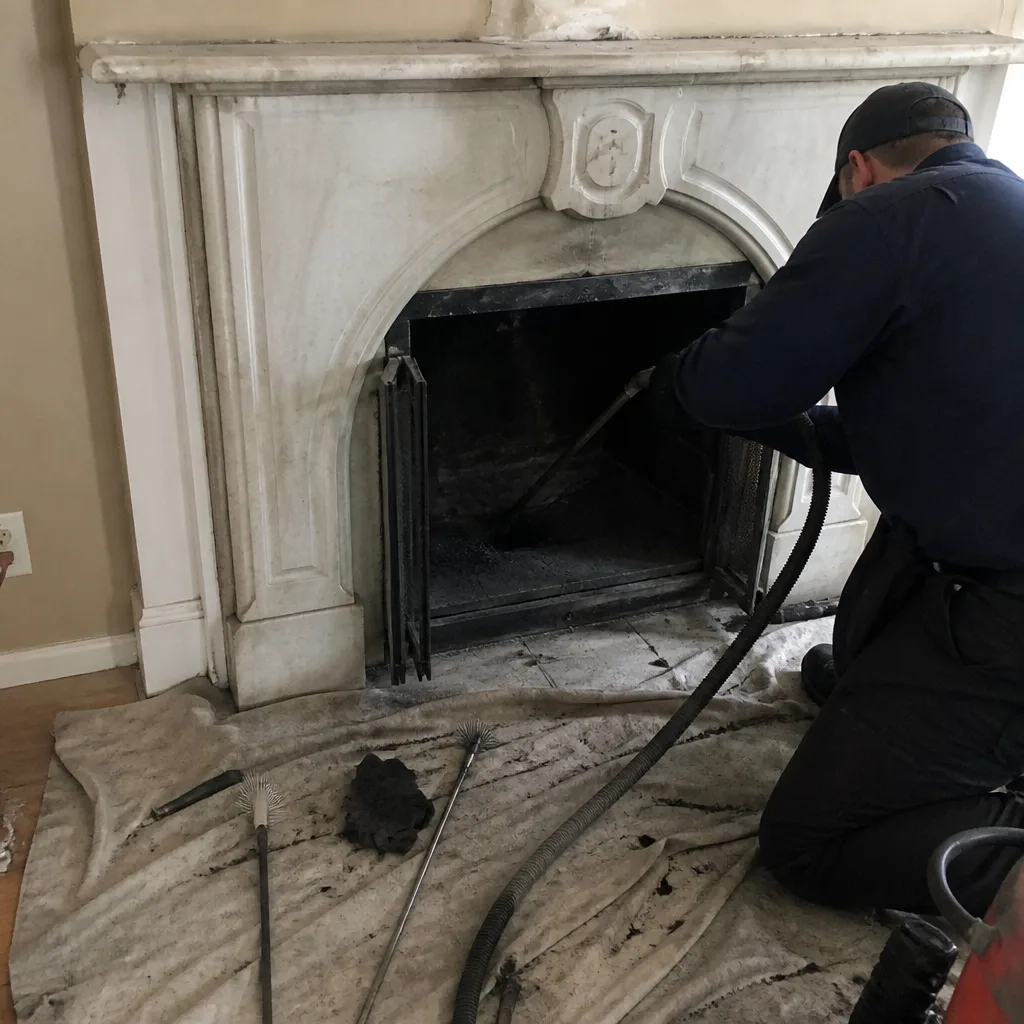 Before
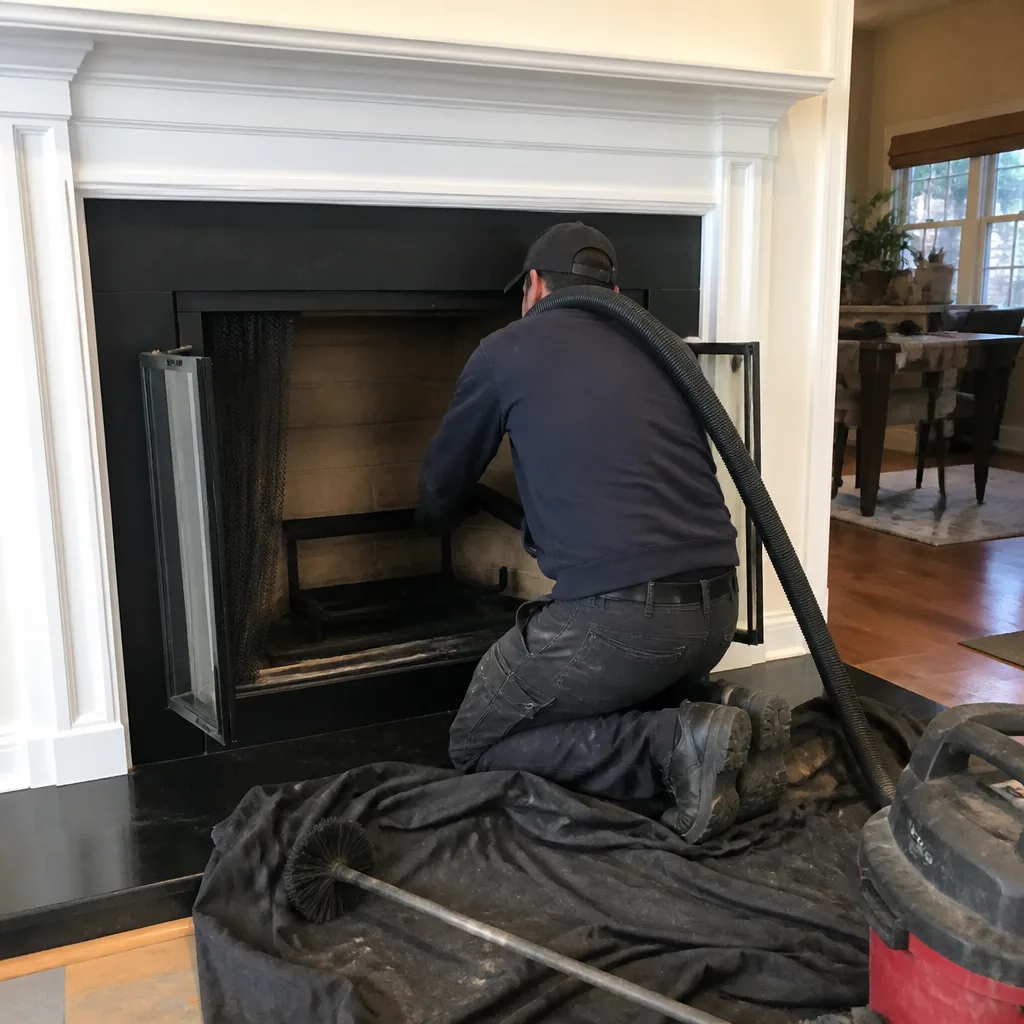 After
After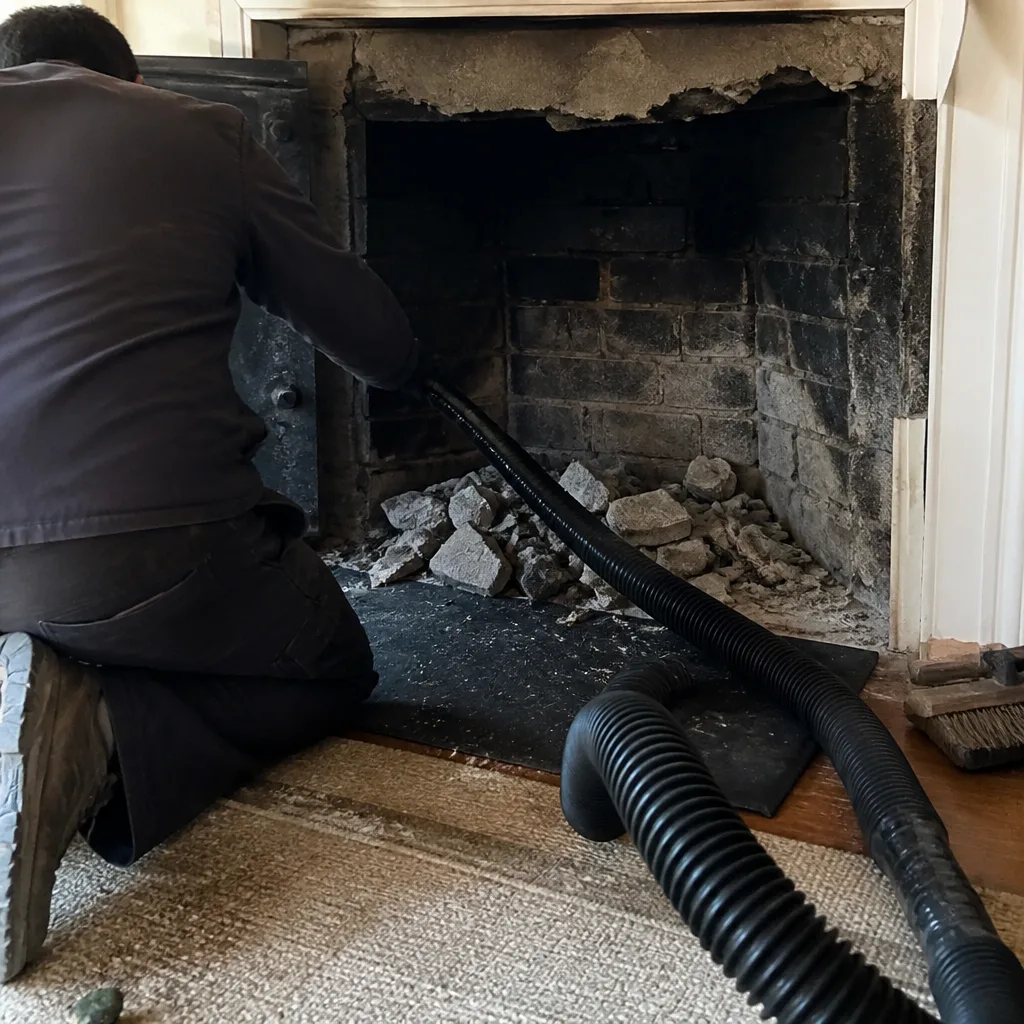 Before
 After
AfterLevel 1 Inspection in Manhattan, NY
A Level 1 chimney inspection in Manhattan covers every accessible part of your chimney system – the firebox, smoke chamber, flue liner, crown, and exterior masonry – without specialized equipment or destructive access. It’s the right starting point when your fireplace has been in regular use, nothing structural has changed, and you’re not dealing with an obvious visible problem. Most Manhattan homeowners get one annually, either bundled with an Annual Sweep or as a standalone check before the heating season kicks in.
At Level Two Chimney Co., we built the company around the inspection standard written into our name. Since 2009 we’ve completed more than 38,000 chimney inspections and cleanings across the metro area, and every single one came with a written price before work started and a documented photo record on completion. That’s not a marketing line – it’s Clause 1 and Clause 4 of the Haven Standard, and it applies to Level 1 work the same as it applies to a full liner replacement. If you want to talk through what we’d be looking at before booking, call us at (862) 319-8047 – a live person answers, 24 hours a day.
This page is part of our Chimney Cleaning & Sweep in Manhattan service, where you can see how a Level 1 inspection fits into the full sweep and cleaning process.
When You Need a Level 1 Inspection
Not every situation calls for the same scope. A Level 1 is the correct choice when:
- You’ve been using the fireplace regularly and nothing has changed. If your fuel type, appliance, and chimney haven’t been altered since the last service, a Level 1 covers everything required under NFPA 211. Most Upper West Side and Greenwich Village co-op owners fall into this category.
- You’re heading into a new heating season. Manhattan apartments with wood-burning fireplaces – particularly in pre-war buildings along Riverside Drive or in the West Village – often go a full summer unused. A Level 1 before the first fire of the year catches bird nests, moisture intrusion, and early creosote buildup before they become a problem.
- Your building’s managing agent or insurer is asking for documentation. Co-op boards in Midtown West and Upper East Side buildings increasingly ask for a signed inspection report before the heating season. Our written report and photo record satisfy that request directly.
- You’ve just bought the apartment or townhouse and the seller’s disclosure says “fireplace present, not warranted.” That phrase is common in Manhattan closings. A Level 1 tells you what you actually have: the liner condition, whether the damper seals, and whether the firebox masonry is sound.
- You noticed a smoke smell in the apartment even with the damper closed. A back-drafting issue or a damper that isn’t seating properly is something a Level 1 visual check will find. If the tech finds something deeper, we’ll tell you clearly what a Level 2 would add – and what it costs – before any additional work starts.
- It’s been more than a year since the last sweep. Creosote accumulates with use. One cord of hardwood burned across a New York winter is enough to push a flue from Class I (light, brushable) to Class II (tar-like, harder to remove). A Level 1 inspection determines which class you’re dealing with and whether a standard sweep covers it.
Our Level 1 Inspection Process
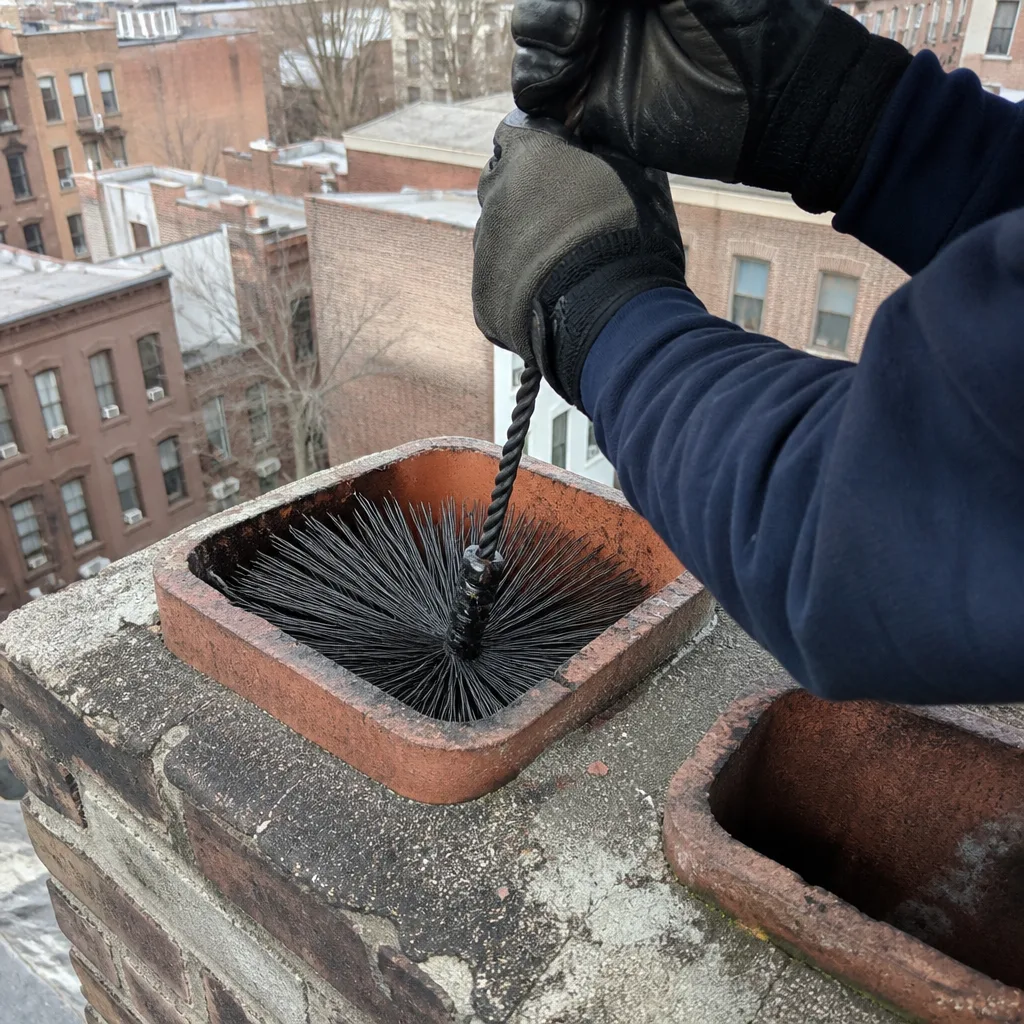
Here’s exactly what happens when a Level Two technician arrives at your Manhattan address. No surprises, no scope creep, no “while I’m in there” upsells that weren’t priced in writing before we started.
- Written price delivered before the tech enters your home. Clause 1 of the Haven Standard: you get a written price, written scope, and written warranty before anyone opens a tool bag. The number on that paper is the number on your invoice. If we find something during the inspection that would change the price, we stop, explain what we found in plain language, and give you a revised written quote. You decide whether to proceed.
- Exterior and roofline check. We start from the outside – chimney cap condition, crown integrity (the mortar cap that sheds water off the top of the masonry), any visible spalling on the brick, and flashing at the roofline. Manhattan buildings with multiple offset flues running up a shared stack are common in pre-war construction, and we note which flue we’re inspecting and how it relates to neighboring units. Chimney caps sourced through our supply network – including components from Gelco and Famco – are available for same-day installation if we find one missing or broken.
- Firebox and smoke chamber inspection. Inside the firebox, we check the refractory panels for cracks, the mortar joints for deterioration, and the damper plate for full range of motion and a proper seal. The smoke chamber – the tapered masonry transition above the firebox that directs combustion gases into the flue – is checked for parging integrity and any visible gaps.
- Accessible flue liner check. Under a Level 1, we inspect the portions of the flue liner that are visible without specialized equipment – typically the lower section from the firebox and the upper section from the crown. We report liner type (clay tile, cast-in-place, metal insert), visible condition, and any obvious gaps or cracking. For cast-iron fireboxes with liner tiles common to 1920s-1940s Manhattan construction, we pay close attention to the horizontal joint lines where tile sections meet.
- Creosote classification. We classify the creosote or soot deposit by NFPA standards: Class I (light, gray or black dust – brushable during a standard sweep), Class II (tar-like, shiny and hardened – requires a rotary cleaning), or Class III (glazed, dripping, fully carbonized – the kind that requires chemical treatment and is a fire waiting to happen). We tell you exactly which class we found and what it means for the sweep that follows.
- Photo record and written report. Clause 4 of the Haven Standard: every visit ends with a documented photo record. You’ll have photos of every section we checked, a written summary of what we found in plain terms, and a record of any deficiencies with recommended next steps. That documentation is yours to keep – useful for your co-op board, your insurer, or your own records if you sell the apartment later.
BeforeAfterLevel 1 Inspection Pricing in Manhattan
A Level 1 chimney inspection in Manhattan typically runs between $149 and $249 as a standalone service. When bundled with Chimney Cleaning & Sweep – which is how most customers schedule it – the combined service usually falls between $249 and $399, depending on flue height, accessibility, and creosote class. Those ranges reflect real Manhattan pricing: building access logistics, elevator waits, co-op sign-in requirements, and the extra time required to protect finished floors and plaster walls in pre-war apartments all factor into how long a job takes.
| Service | Typical Price Range (Manhattan) |
|---|---|
| Level 1 Inspection (standalone) | $149 – $249 |
| Level 1 Inspection + Standard Sweep | $249 – $399 |
| Level 1 + Sweep + Class II Creosote Removal | $349 – $549 |
| Cap Replacement (if needed, parts + labor) | $95 – $195 |
What moves the number up: taller buildings (more flue to check), restricted roof access, multi-flue stacks, Class II or Class III creosote that requires Soot Removal via rotary cleaning or chemical treatment, and any masonry defects that need documenting with additional photography. What keeps the number at the lower end: single-flue systems in good condition, straightforward building access, and Class I creosote that clears with a standard sweep.
We don’t do “call for a quote.” The written price is ready before the technician arrives. If you want a ballpark before you book, call (862) 319-8047 and we’ll walk through your situation on the phone – no forms, no wait for a callback, no ambiguity. And if you already have a written estimate from another company, bring it to us: our Free Second Opinion is always available at no charge.
Key Takeaways on Pricing
- Written price before any work starts – always, no exceptions.
- Photo record included in the price, not an add-on.
- If we find something that changes scope, you get a revised written quote and a choice.
- Free Second Opinion on any written estimate from a competitor.
- 365-Day Done Right Promise covers every job we complete.
What a Level 1 Inspection Covers – and What It Doesn’t
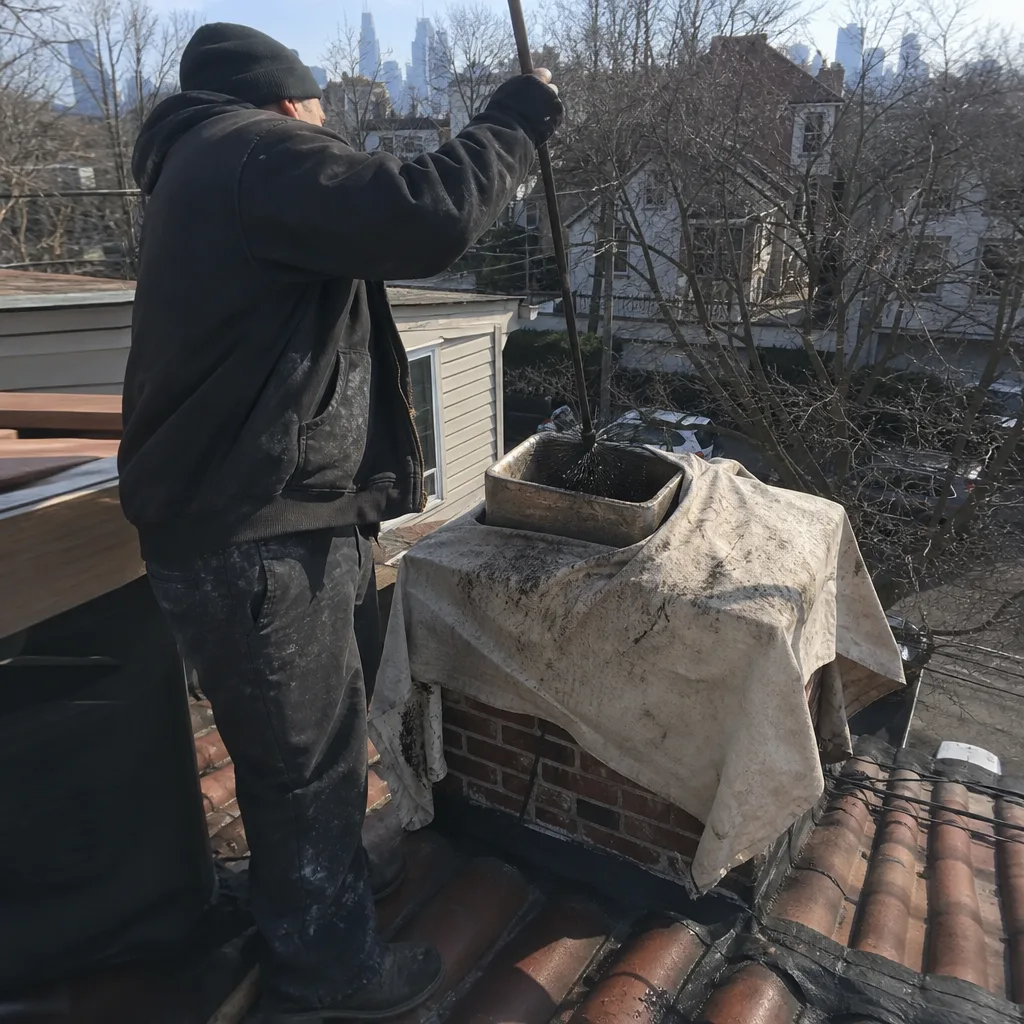
It’s useful to be clear about the limits of a Level 1, because some Manhattan chimney companies use the label for services that don’t meet the standard – and some customers book a Level 1 when their situation actually calls for something more.
NFPA 211 defines a Level 1 as an inspection of “readily accessible” portions of the chimney system – areas a technician can reach by normal means without moving panels, opening walls, or using a camera. That covers the firebox, smoke chamber, accessible damper assembly, visible portions of the flue liner from the firebox or crown, the exterior masonry from the roofline, the cap, and the crown. It does not include a camera scan of the full flue length, which is part of a Level 2 Inspection.
If you’ve had a chimney fire (even a small one), if you’re buying a property where the inspection history is unknown, or if you’re installing a new insert or converting fuel type, the correct scope is a Level 2. We’ll tell you which one you need based on your situation – and if a Level 1 reveals something mid-inspection that suggests you need a camera, we’ll stop, explain what we saw, and quote the Level 2 in writing before continuing. That’s how this should work.
Level Two Chimney Co. is the company whose entire positioning is built around that second level of documentation – we’ve been doing camera-scan inspections as a standard offering since 2009, well before the industry or local insurers started requiring it. So if a Level 2 is what you actually need, you’re already in the right place.
Manhattan-Specific Notes on Level 1 Inspections
Chimney work in Manhattan has details that don’t come up in suburban markets. A few things we see regularly:
Pre-war clay tile liners. Buildings constructed between 1900 and 1945 – which accounts for a significant share of the residential stock in neighborhoods like Morningside Heights, the Upper East Side, and Chelsea – often have original clay tile flue liners that are now 80 to 100 years old. Tile liners in this age range develop hairline cracks at the joints as the building settles. A Level 1 catches visible damage; if we suspect deeper cracking, we’ll tell you that a Level 2 with camera is the appropriate next step.
Shared flue stacks. In many pre-war Manhattan buildings, multiple apartments share a single exterior chimney stack with separate internal flues running side by side. Identifying which flue serves which unit, and confirming there’s no connection between flues (which would be a serious code and safety issue), is part of our documentation on shared-stack buildings.
Co-op and condo board documentation. Boards in buildings along Park Avenue, Central Park West, and Sutton Place increasingly require a written inspection report before permitting a fireplace to be used each season. Our photo record and written summary satisfy that requirement directly. We also see this in new buyer due diligence for townhouses in the West Village and Carnegie Hill.
NYC Local Law 11 scaffolding. Exterior chimney access can be complicated when a building is under facade inspection or repair under Local Law 11. We coordinate access with building supers in advance and note when exterior inspection is restricted so the report reflects the actual scope completed.
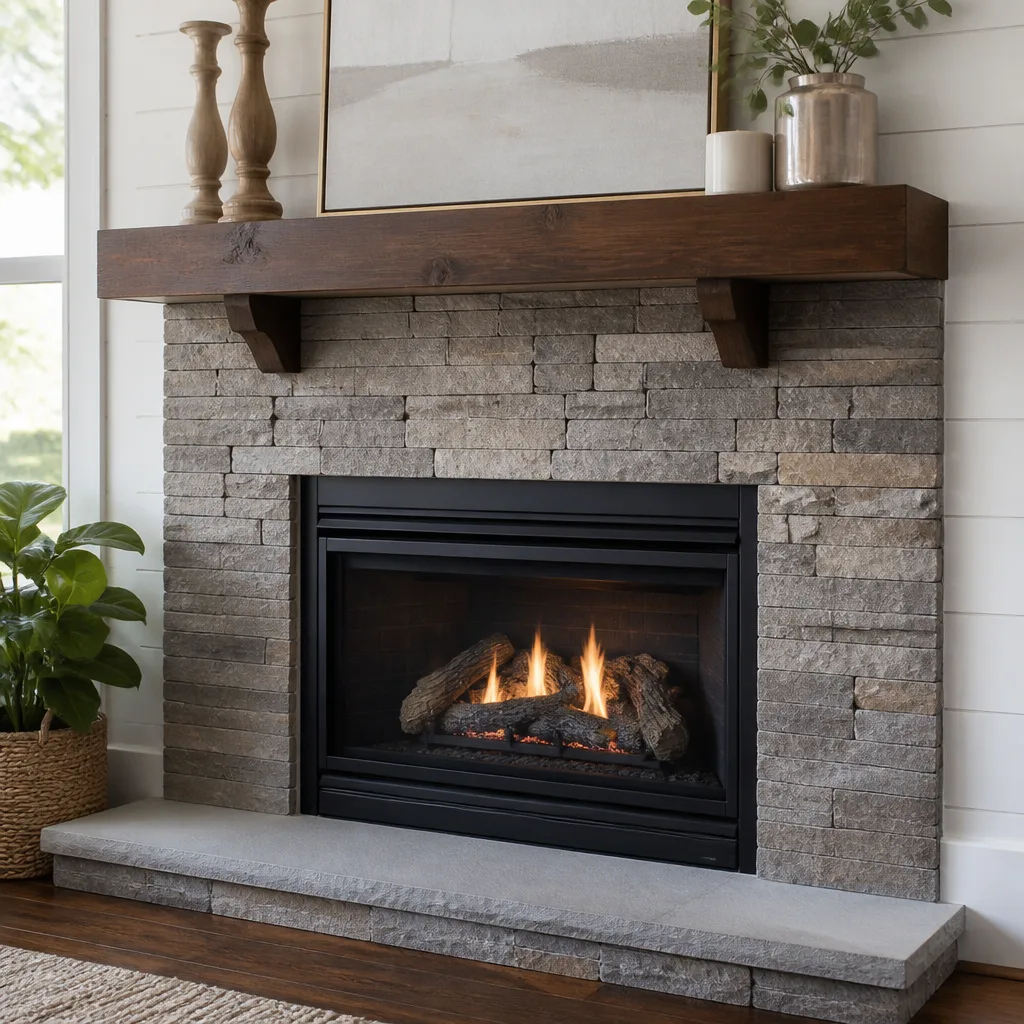
Gas conversion flues. A number of Manhattan apartments converted from wood-burning to gas log sets over the past two decades. The flue sizing requirements for a gas appliance differ from a wood-burning system, and a Level 1 catches situations where the original flue is oversized for the current appliance – which can cause back-drafting and carbon monoxide concerns. We flag this and explain what it means.
FAQs – Level 1 Inspection in Manhattan
How much does a Level 1 chimney inspection cost in Manhattan?
A standalone Level 1 inspection in Manhattan typically costs between $149 and $249. When combined with a chimney sweep – which is how most customers book it – the combined price usually runs $249 to $399 depending on flue height, building access logistics, and creosote class. You’ll have a written price before the technician starts. Call (862) 319-8047 and we’ll give you a specific number based on your building and situation – no forms, no wait.
What’s the difference between a Level 1 and Level 2 chimney inspection?
A Level 1 covers all readily accessible portions of the chimney – firebox, smoke chamber, visible flue sections, exterior masonry, crown, and cap – without specialized equipment. A Level 2 adds a camera scan of the full flue length, producing a documented video and still-photo record of the entire liner interior. You need a Level 2 if you’ve had a chimney fire, if you’re buying a property with unknown inspection history, or if you’re changing the appliance or fuel type. If you’re not sure which applies to your situation, call us and we’ll help you figure it out before you book anything.
How long does a Level 1 inspection take in a Manhattan apartment?
Most Level 1 inspections take 45 to 75 minutes in a Manhattan apartment. Buildings with shared flue stacks, restricted roof access, or co-op sign-in requirements can add time. We factor building logistics into the schedule before we arrive, and we send a text when the technician is on the way so you’re not waiting around with an open window.
Do I need an inspection if the fireplace looks fine?
A chimney can look clean from the firebox opening and still have Class II creosote in the upper flue, a cracked tile section that’s not visible without climbing to the crown, or a damper that doesn’t fully seat. Visual appearance from inside the room isn’t a reliable proxy for flue condition. NFPA 211 recommends an annual Level 1 inspection for chimneys in continuous use – not because something is probably wrong, but because the cost of finding a problem early is a fraction of the cost of dealing with it after a chimney fire or a carbon monoxide event. The photo record from your annual inspection is also useful documentation if you ever need to make an insurance claim.
The Level Two Difference: Documentation First
Most chimney companies in Manhattan will send someone with a flashlight and call the result an inspection. What you get at the end is a verbal summary and a bill. We built Level Two Chimney Co. around a different standard: every job produces a written price before work starts, a photo record when it’s done, and a written report you can actually use. That practice has been in place since 2009 – it’s Clause 4 of the Haven Standard, and it’s the reason more than 38,000 customers have a documented chimney record they can hand to a co-op board, an insurer, or the next buyer of their apartment.
Corrine Halstead leads Level Two Chimney Manhattan, and the standard she holds every job to is the same one that defined the company from the start: show the customer what you found, name the price before you touch anything, and put it all in writing. The 365-Day Done Right Promise means that if something isn’t right, we make it right – no argument, no runaround.
If you want to schedule a Level 1 inspection, get a straight answer on pricing, or just ask what scope makes sense for your fireplace, call (862) 319-8047. A live person picks up. We’ll tell you exactly what the inspection covers, what it costs, and when we can be there – and you’ll have a written price before anyone sets foot in your apartment. Estimates are free, and if you have a written quote from another company, we’ll give you a free second opinion on it.
Written by Corrine Halstead, Owner at Level Two Chimney Manhattan, serving Manhattan.